
.parent {
display: inline; position: relative; line-height: 30px; float: left; color: #82be41;
}
.parent a{
margin: 10px;color: #82be41;text-decoration: none;
}
.parent:hover > ul {
display:block;position:absolute;
}
.child {
display: none;
}
.child li {
line-height: 30px;width:115%;text-align:left;
}
.child li a{
color: #82be41;
}
ul{
list-style: none;margin: 0;padding: 0px; min-width:10em;text-align: center;float: right; font-weight: 550;
}
ul ul ul{
left: 100%;top: 0;margin-left:1px;
}
li:hover {
background-color: white;
}
.parent li:hover {
background-color: white;
}
.expand{
font-size:10px;float:right;margin-right:5px;
}
.parent a p{
display: inline; margin: 10px;color: #6e706b;text-decoration: none;
}
Reducing Plastic Use During a Pandemic
Written by Emily De Sousa | July 29, 2020
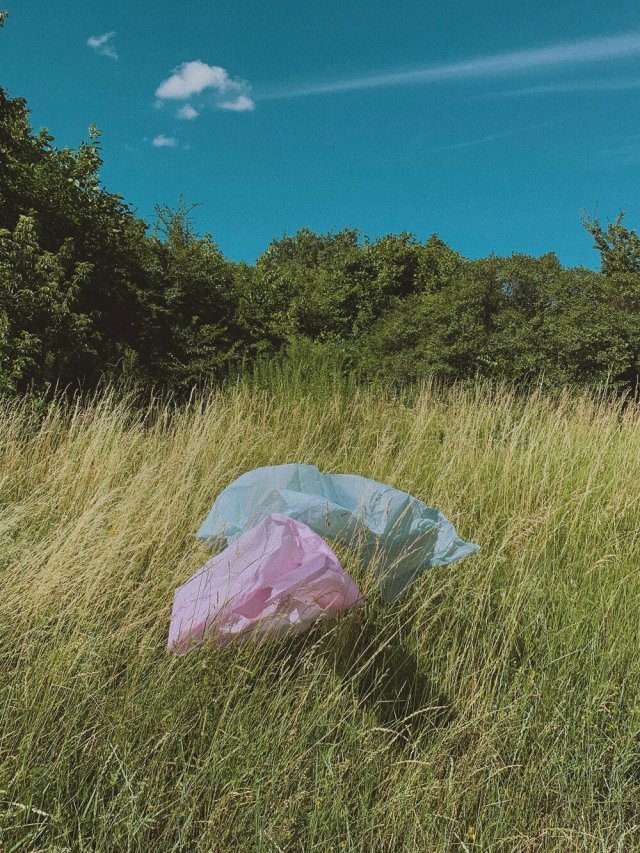
In recent years, we have all become increasingly aware of the damage that plastic is doing to our planet. Plastic pollution has quickly become one of the world’s largest environmental crisis. Its captured media headlines around the world; everywhere you turn people are sharing videos of sea turtles fending off plastic straws and governments around the world are trying to keep up by banning plastic use.
While it was a little bit more straightforward to get into good, plastic-free habits pre-COVID19, it’s now increasingly challenging to reduce plastic use. From the single-use plastic cups at more and more restaurants to the increase in takeaway, bans on BYO bags and disposable masks, it can sometimes seem impossible to avoid plastic, but with a little bit of careful planning, you can get closer to a low waste life.
As travelers, we have a responsibility to be critical of our own consumption and work to be better so that we can continue to explore this beautiful planet of ours.
Here are some ways that you can reduce your plastic consumption and be more mindful about your impact.
Embrace Cooking at Home
Depending on where you’re located, restaurants may or may not be open– or are only doing takeout. Most restaurants have started using excess plastic and single use due to health concerns. An eco-friendly solution is to choose to cook at home as often as you can. Choose local ingredients and try new dishes! Some grocery stores have also banned bringing your own reusable bags to prevent germs spreading. It’s important to be more forgiving of yourself during this time as there’s only so much we all can do. However, you can repurpose the bags they give you and see if you can choose stores that use paper over plastic. While eating out isn’t totally unavoidable (and of course you want to keep your local businesses going) remember to say no to bags if you don’t need them, BYO cutlery, BYO straw, and say no to any extra plastics– sometimes this can mean saying no to a lid!
Carry a reusable water bottle
Save yourself a lot of time and money by purchasing a reusable water bottle to bring with wherever you go. Hard plastic and steel water bottles can be re-used for years and usually do a way better job of keeping your water cold than plastic bottles. Water fountains are more accessible than ever in most public spaces, but if you happen to be in a region where it’s not safe to drink the tap water, you can still minimize your plastic use with tools like Life Straw and Water to Go. These bottles filter tap water, so you’ll always have safe water, no matter where you are in the world.
Purchase a Reusable/Washable Mask
Masks are crucial to overcoming this pandemic and protecting ourselves. Unfortunately, most disposable masks are made from a non-woven fabric based on polypropylene, the second most widely distributed plastic in the world. It breaks down slowly, taking around 20-30 years. We can combat this by wearing reusable face masks and luckily some brands have taken this seriously and created beautiful sustainably made masks.
Say no to disposable straws
Over 500,000,000 straws are used every single day in the United States alone. These straws inevitably end up in landfills once you’ve finished your drink, and often go on to find a home in the ocean where they pose a huge risk to marine life. If you’re ordering a drink, ask for it without a straw or, if you absolutely need to use a straw, invest in a reusable one that you can bring along with you.
Say no to Single-Use Plastic
Disposable plastics come in all shapes and sizes and in many aspects of our lives. Plastic packaging, bottles, straws, containers, cups, cutlery… the list goes on. Start with one single-use plastic and master saying no to it. Then move on to the next! Furthermore, when we’re able to travel again, you can still continue your plastic-free habits while on the road. Minimize your plastic consumption before your trip even begins by declining beverage and meal service on the plane. Aircrafts serve their meals and drinks in disposable plastic containers that are responsible for a tremendous amount of waste. You can avoid single-use plastics on your flight by bringing your reusable water bottle and pre-packed snacks on board.
Invest in eco-friendly Toiletries
With a bit more time on our hands, it’s a great time to switch out your products to more eco-friendly options considering components of our beauty routines contribute to plastic pollution. Luckily, there are plenty of eco-friendly alternatives that exist and are worth investing in, both to have on the road and at home. With 3.6 billion plastic toothbrushes ending up in landfills every year, investing in a bamboo toothbrush is a great place to start. Eco-friendly razors like safety razors from Rockwell Razors are another great investment and switching to more eco-friendly period solutions like a menstrual cup can drastically reduce your plastic waste from sanitary pads and napkins. Another great plastic-free toiletry alternative is using shampoo bars instead of their liquid counterparts. LUSH sells a variety of shampoo bars that you can store in a reusable tin. Just one of these mighty bars can last up to 80 washes, far longer than the liquid equivalent, and they’re also packed with essential oils to keep your hair looking shiny.
Most importantly, remember that this time in history is completely unprecedented. Forgive yourself if you can’t be plastic free 100% of the time. Right now, it’s essential to prioritize your own health and well-being, so go easy on yourself if it means using plastic once in a while. You can still avoid single-use plastic in some ways like using a reusable mask and buying hand sanitizer in bulk.
And don’t fret. This will not undo all the progress we’ve made on the issue of plastic pollution. We were moving in the right direction before the pandemic and we will come out of this stronger, more resilient, and more dedicated to protecting our planet than ever before.
For more tips on how to reduce your plastic consumption, check out these posts:
10 plastic items you can give up right now
How to live plastic free this year
Unexpected sources of microplastics to avoid if you want to save our oceans
8 plastic items to ditch in 2018
meet the author

Emily De Sousa
Emily is a Canadian beach bum on a mission to see the world and save it at the same time. She’s a sustainable travel and seafood blogger, a fisheries researcher, and a PADI Divemaster. She helps people travel more meaningfully and eat seafood more sustainably by producing online educational content tailored to the coastal, eco-conscious traveller. Check out her blog– Seaside with Emily and her TedTalk on plastic pollution.
 ecomadic