
.parent {
display: inline; position: relative; line-height: 30px; float: left; color: #82be41;
}
.parent a{
margin: 10px;color: #82be41;text-decoration: none;
}
.parent:hover > ul {
display:block;position:absolute;
}
.child {
display: none;
}
.child li {
line-height: 30px;width:115%;text-align:left;
}
.child li a{
color: #82be41;
}
ul{
list-style: none;margin: 0;padding: 0px; min-width:10em;text-align: center;float: right; font-weight: 550;
}
ul ul ul{
left: 100%;top: 0;margin-left:1px;
}
li:hover {
background-color: white;
}
.parent li:hover {
background-color: white;
}
.expand{
font-size:10px;float:right;margin-right:5px;
}
.parent a p{
display: inline; margin: 10px;color: #6e706b;text-decoration: none;
}
How to Fight Climate Change by Reducing Food Waste
Written by Kayla Christian | September 18, 2020
📷 Kayla Christian
When people think about climate change, it’s common to feel like
“there is nothing we can do”
“it is out of our hands”
“i’m just one person, what can I do?”
What if I told you each person could have a profound impact if we collectively incorporated a daily habit into our lives? That habit – reducing food waste.
Let’s start by touching more on why this is important to talk about.
📷Kayla Christian
Importance
1. 1/3 of food produced worldwide is thrown away uneaten – a THIRD
Wasting food isn’t just something that happens occasionally, it happens everyday.
Think about it, every time you don’t finish your plate at a restaurant or something goes bad in your fridge, where does that food go? It goes into the trash, then into landfills, then eventually into the air as a harmful gas – which leads me to number 2…
2. Decomposing food waste produces a harmful gas called methane
Methane is a strong greenhouse gas that contributes to global warming. When emitted, this gas traps heat. So as you can imagine, this trapped heat in our atmosphere is leading to an increase in temperatures all over the globe.
Unfortunately, it’s not just about what happens after the food is thrown away, it’s what is happening in conjunction with it…
3. Unnecessary energy and resources are being used
Just as food waste is terrible, so is the amount of energy and resources that aren’t being conserved in the process. There are a great deal of steps that come before food is on our plate. By throwing our food away, even more has to be grown, manufactured, and transported.
So, how can we conserve these resources and energy?
How can we limit methane emissions?
How can we avoid a substantial amount of food being thrown away uneaten?
Ideas
Reducing food waste is quite easy to start implementing with a few adjustments, so let’s begin:
1. Planning
One of the biggest contributors to food waste is the failure to plan accordingly. Before you go to the store or the farmer’s market, make yourself a list!
Personally, I like to think ahead of what meals I’d like to prepare. Instead of a long general list, I group things together. That way, you have a better understanding of what will be eaten overall, not a bunch of random items that could end up going bad.
Also, it prevents you from making multiple grocery trips a week due to forgotten items. This means you’re buying less food AND driving less.. see how these little things matter?
2. Saving Leftovers
When you go out to eat and don’t finish your meal, save it! Not only will your future self thank you when you find those goodies in the fridge later, but you are doing a good job conserving what you have.
I like to remind myself how grateful I am for access to an abundance of food. I ask myself, who else would be grateful to have these leftovers?
3. Eating What You Have
Sometimes we crave a certain food we don’t have at home, so we think to run to the store and buy it. While I am a big supporter of satisfying your cravings, try to take a look around the kitchen first.
Is there something else you could have tonight and can save that meal for the next time you go grocery shopping?
4. Freezing
Do you know how long some foods can last in the freezer? months…
You can incorporate this in a few ways. For example, buying frozen foods to begin with, like frozen fruit or veggies. Or, you can cook and freeze your items after buying.
It’s all about being mindful. Next time something in your fridge is about to go bad, think to yourself, could I cook and freeze this?
5. Getting Creative
Repurposing ingredients can be fun and eco-friendly.
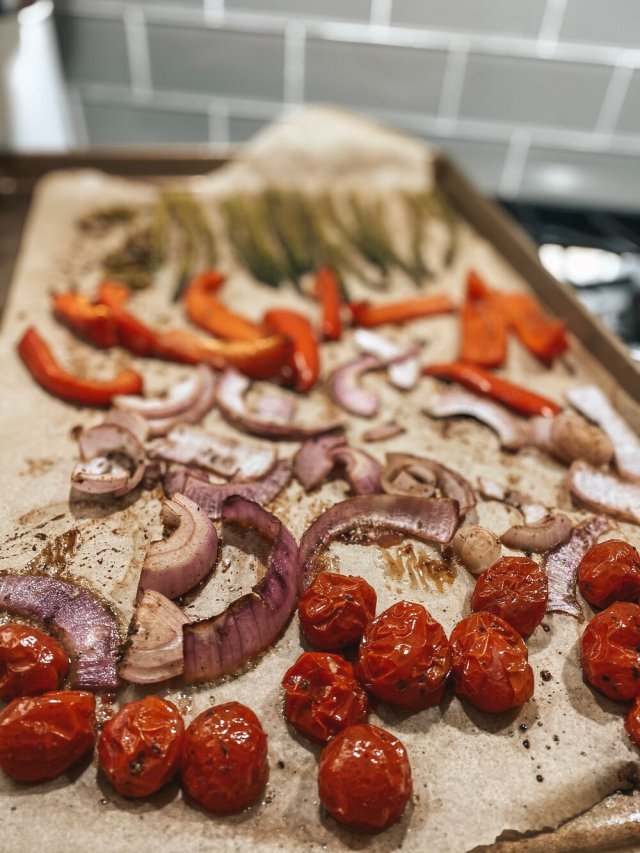
For instance, I made chocolate strawberries and accidentally melted too much chocolate. Instead of throwing it out, I poured it onto some parchment paper into droplets and placed them in the fridge. My almost wasted chocolate became a little dessert for the next few days.
Also, try to discover some new flavors and combinations! Is there a leftover item in your fridge you can add to your dish that you didn’t originally think would go well? The possibilities are endless, and so is the impact…
Impact
Think about it this way, we’re all imperfect – It’s better to be imperfectly active about food waste than to not make any changes at all. If everyone did the LITTLE things then the economic, social, and environmental impact would be BIG…
1. Economic
A study showed families waste around $1500 a year due to food waste. On a bigger scale, another study showed food waste accounts for 1 trillion USD in economic costs.
Have you ever sat back and really thought about the implications of this lost capital? What could that money have been used for? What are the social implications of this?
2. Social
Everyday, millions of people are struggling to put food on the table, especially nutrient dense food such as fruits and vegetables. When we are wasteful, it contributes to the societal issue of food scarcity.
Having an awareness that you have access to food can make all the difference. Ask yourself everyday, how can I express gratitude for this privilege?
3. Environmental
Climate change is not just happening in a few years, or a few months or tomorrow, it’s happening TODAY. So don’t wait, do what you can and take action! According to BBC, if the world collectively limited food waste we would reduce emissions by 8%. Knowing this information, what will you do differently from this point forward?
Caring about the environment isn’t just some “trend”
it’s a sincere concern for our mother earth
So, in effort to protect the planet we live on, let’s start in the place we live in – reducing food waste in the kitchen!
meet the author

Kayla Christian
Kayla is passionate about health and wellness and runs a beautiful account @havinghealthyhabits. She’s based in Charleston and if she’s not active outside, she’s cooking new recipes at home. She is redefining what it means to be “healthy”. Follow her for everyday motivation, recipes, and tips on how to live a balanced lifestyle.
 ecomadic