
.parent {
display: inline; position: relative; line-height: 30px; float: left; color: #82be41;
}
.parent a{
margin: 10px;color: #82be41;text-decoration: none;
}
.parent:hover > ul {
display:block;position:absolute;
}
.child {
display: none;
}
.child li {
line-height: 30px;width:115%;text-align:left;
}
.child li a{
color: #82be41;
}
ul{
list-style: none;margin: 0;padding: 0px; min-width:10em;text-align: center;float: right; font-weight: 550;
}
ul ul ul{
left: 100%;top: 0;margin-left:1px;
}
li:hover {
background-color: white;
}
.parent li:hover {
background-color: white;
}
.expand{
font-size:10px;float:right;margin-right:5px;
}
.parent a p{
display: inline; margin: 10px;color: #6e706b;text-decoration: none;
}
5 Indigenous Influencers To Follow
Written by Felicity Zhang | November 2, 2020
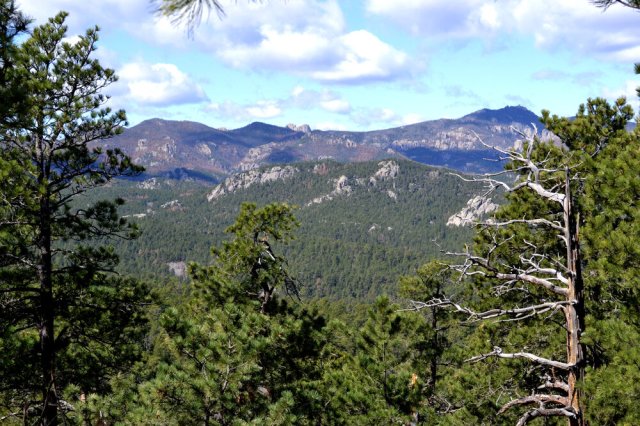
Since it’s proposal in 1977, Indigenous Peoples’ Day has grown rapidly, with more cities (and whole states) recognizing the importance of a day to acknowledge the resilience and history of Indigenous people. Though initially proposed in 1977 at a UN conference, Indigenous Peoples’ Day was first observed in South Dakota in 1989.
To date, 14 states— Alabama, Alaska, Hawai’i, Idaho, Maine, Michigan, Minnesota, New Mexico, North Carolina, Oklahoma, Oregon, South Dakota, Vermont, and Wisconsin—and the District of Columbia, more than 130 cities, and growing numbers of school districts and college campuses celebrate Indigenous Peoples’ Day in place of or in addition to Columbus Day.
To make Indigenous People’s Day last longer than October 12th, we’ve gathered 5 of our favorite Indigenous influencers so you can add them to your feed, learn from them, and amplify their voices.
-
Andrea Perez (@for_the_love_of_earth)
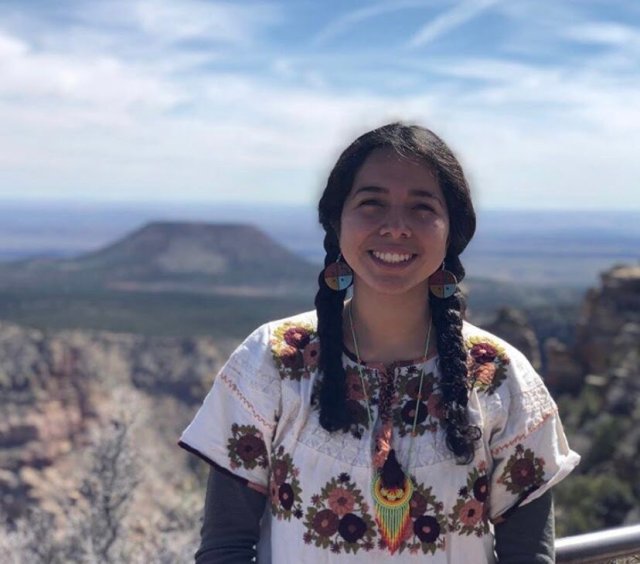
📷Andrea Perez
Andrea is an Indigenous environmental scientist based in California, passionate about protecting and advocating for Indigenous lands. She is raising awareness about Wirikuta, a sacred land to the Pueblo Wixarika among others; 78 concessions have been sold to First Majestic Silver Corp for mining. Follow on Instagram to support Andrea’s mission for environmental conservation!
2. Nikita Elyse (@nikitaelyse)
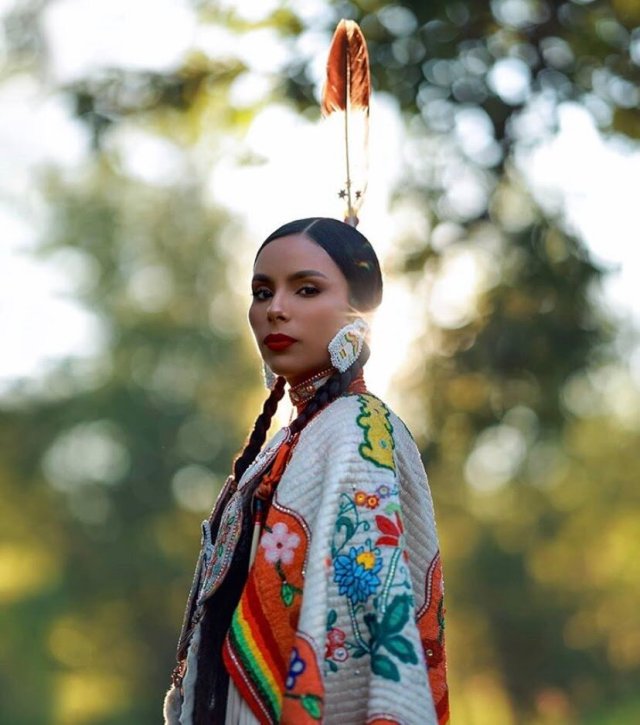
📷Nikita Elyse
Nikita Kahpeaysewat is a Nehiyaw person from Moosomin First Nation and a third year environmental science student, focusing on improving water quality in Indigenous communities. On her page, she talks all things environment, Indigenous culture, and beauty. Follow her on Instagram to learn more about how she shares her culture with others through beauty and education.
3. Tia Wood (@tiamiscihk)
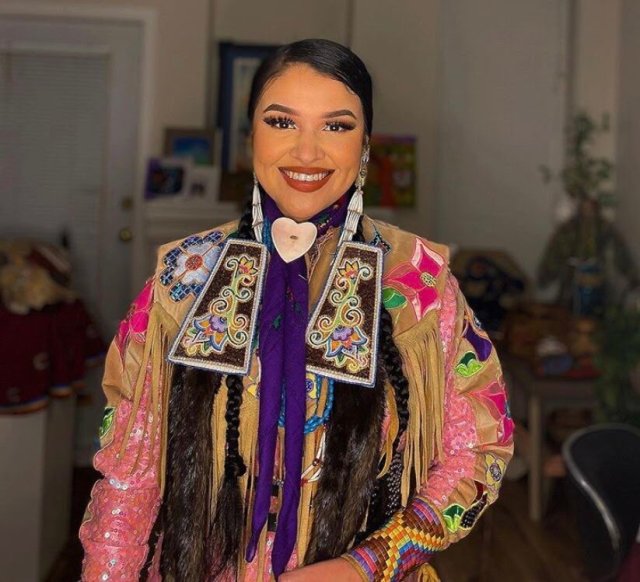
📷Tia Wood
Tia is a TikToker, singer and influencer based in Canada who is Plains Cree and Salish. Her videos embody aspects of Indigenous culture, songs and popular TikTok trends, as well as showcasing her own family. Follow her on Instagram and TikTok to keep up with Tia’s content.
4. Frank Waln (@frankwaln)
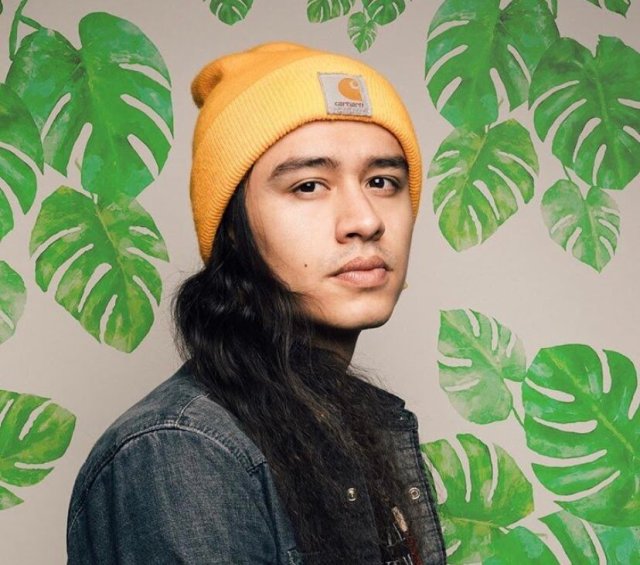
📷Frank Waln
Frank Waln is a Sicangu Lakota rapper and musician who has been awarded three Native American Music Awards and received five nominations, both alone and with his group Nake Nula Waun. Waln grew up on the Rosebud Indian Reservation and first began listening to hip-hop as a teenager. His new flute single, “Hope”, is now streaming on all platforms. Follow him on Spotify, Patreon and Instagram to never miss a new release.
5. James Jones (@notoriouscree)
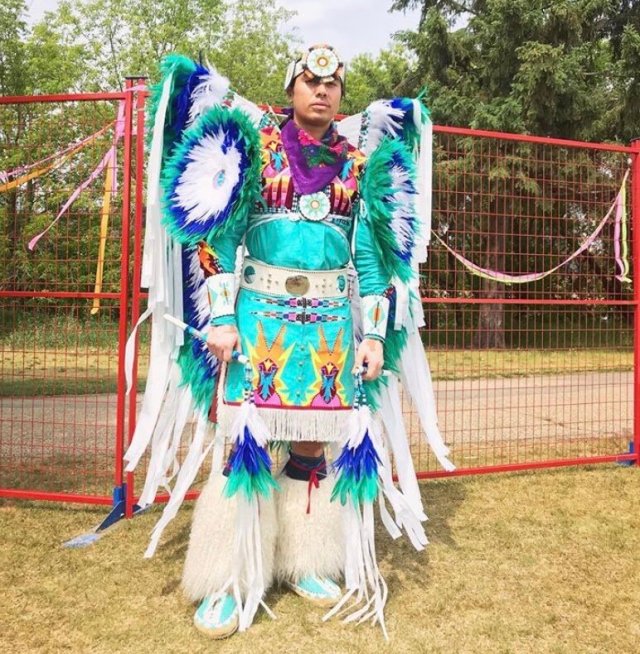
📷James Jones
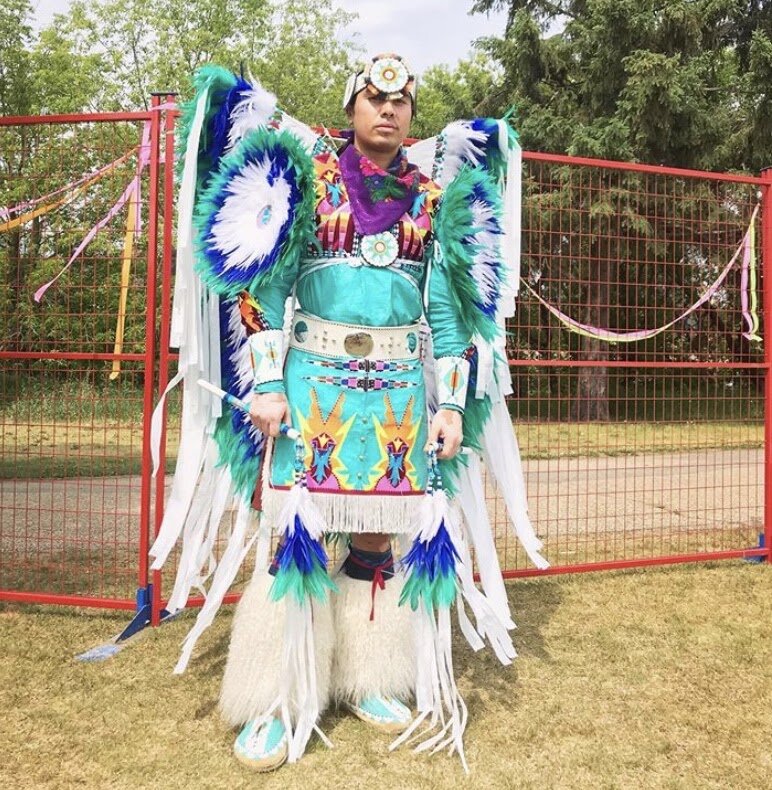
James’ TikTok is both educational and hilarious– he shows different aspects of Indigenous food, dancing and style. James is Tall Cree First Nation, and he aims to inspire others with his embracement of his heritage online, whether it be his famous hoop-dancing or Q & A about what not to do on Halloween as a non-native. Hoop dancing is an Indigenous healing dance, where each hoop represents honoring the circle of life. In 2019, James was even a finalist on So You Think You Can Dance Canada– follow him on TikTok and Instagram to keep up with his dancing!
Like many holidays in 2020, Indigenous Peoples’ Day has been disrupted by the COVID-19 pandemic. Many large tribe celebrations have been postponed, but online hubs for Native Americans do exist to commemorate the holiday. Other ways to show your support for the Indigenous population can include attending an online class on Native American history, listening to music by a native artist, filling your social media feed with Indigenous influencers, or learning about the history of the land that you occupy.
A big part of being a sustainable traveler is being aware of customs and culture– in America, this can mean recognizing that history didn’t begin in the 1700’s, no matter what you learned in school. We must think about what celebrating Columbus really means, and how it discounts the history of Indigenous people who had lived in North America for centuries before.
meet the author

Felicity Zhang
Felicity is a student at George Washington University, studying Marketing and International business. She’s originally from Seattle and her nationality is Canadian. She’s always been passionate about sustainable fashion and tourism. Apart from school, she plays on the women’s varsity ultimate frisbee team and educates herself on film photography.
 ecomadic