
.parent {
display: inline; position: relative; line-height: 30px; float: left; color: #82be41;
}
.parent a{
margin: 10px;color: #82be41;text-decoration: none;
}
.parent:hover > ul {
display:block;position:absolute;
}
.child {
display: none;
}
.child li {
line-height: 30px;width:115%;text-align:left;
}
.child li a{
color: #82be41;
}
ul{
list-style: none;margin: 0;padding: 0px; min-width:10em;text-align: center;float: right; font-weight: 550;
}
ul ul ul{
left: 100%;top: 0;margin-left:1px;
}
li:hover {
background-color: white;
}
.parent li:hover {
background-color: white;
}
.expand{
font-size:10px;float:right;margin-right:5px;
}
.parent a p{
display: inline; margin: 10px;color: #6e706b;text-decoration: none;
}
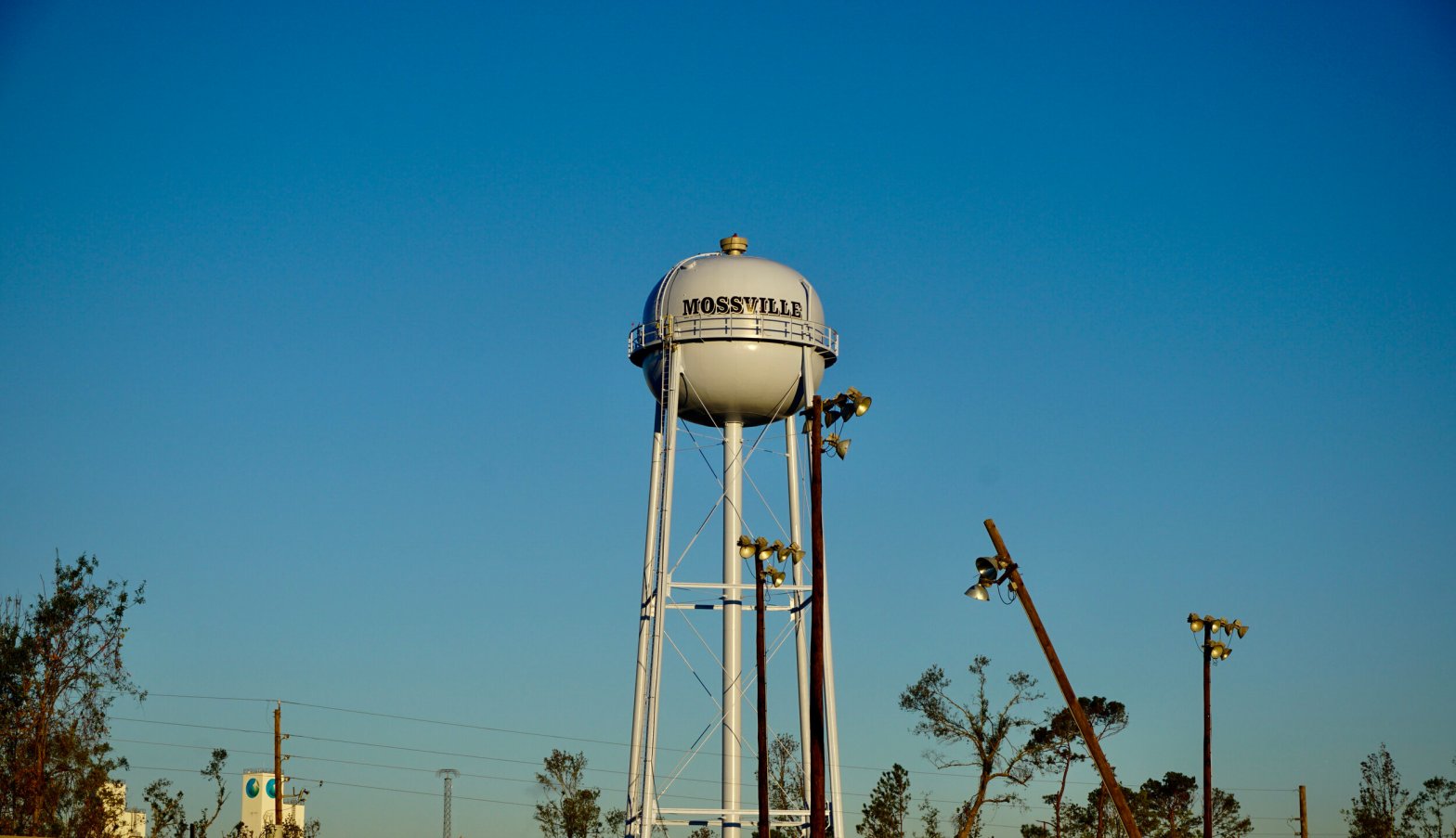
Mossville, Louisiana: A Place Where Fruit Trees Fall & Industrial Plants Rise
Written by Jaclyn Yost | December 22, 2020
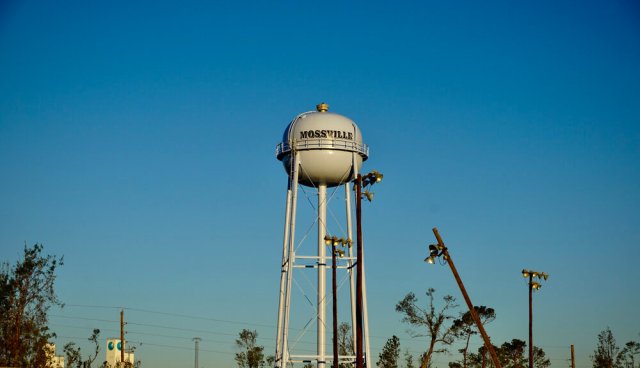
📷 Jaclyn Yost
Mossville, Louisiana – a town founded in 1790 by Jack Moss, a freed slave – has slowly watched their ancestral-inspired street names be replaced by a cluster of oil refineries and petrochemical plants. The previous self-sustaining community has been faced to endure the toxic fumes of over 14 industrial plants throughout the years. Ultimately accepting small buyouts to depart their homes which have been passed down through generations; leaving memories and a sense of security behind for a lifetime of deteriorating health and debt ahead.
Mossville History
Mossville was established for families to escape their terror reality; becoming a safe haven for a small community of families through the Civil War and Jim Crow. Their thriving community was based on the principles of peace and happiness, but this began to be disrupted by the industrial era between the 1940s and 1950s.
Today, companies like Conoco, 66 Phillips, Formosa Plastics, and PPG have moved in. These plants handle commodities like oil and gas, petrochemicals, and vinyl chloride (the main ingredient in PVC). Burning hazardous waste day and night, they release toxic emissions into the air, exposing the surrounding Mossville community.
Sasol — The Plant Wiping Mossville off the Map
The largest shake up came in 2000 when South African chemical giant Sasol – infamously known for operating Secunda, the world’s biggest single-site emitter of greenhouse gases – became a foreign investor, simultaneously making Mossville one of the most polluted corners in the United States. As of 2016, it was reported that the industrial complex cost totaled US$21 billion and cover 2,034 acres of land.
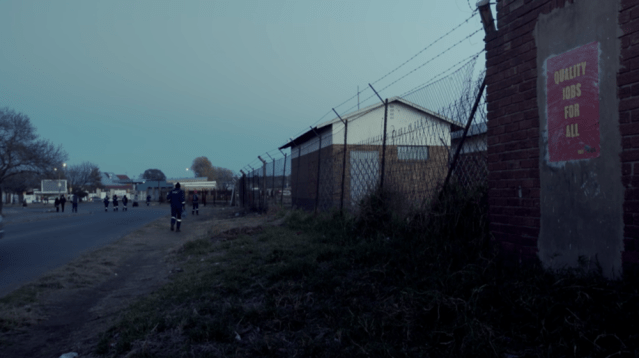
Neighboring communities to Sasol’s plants in South Africa. Source: Mossville: When Great Trees Fall, 2019
The company is no stranger to disruption. Back in South Africa, the growth of their local petrochemical centres and various chemical plants have caused mass displacement. Primarily white communities began to resettle due to the wind direction of the plants, and a Black community called Zamdela Township moved in. Zamdela directly translates to “forgetting about the person”; representing Sasol’s prioritization of profit over quality opportunity and human health/life. Their relentless nature to pollute at free will showcases racial segregation and disregard for the environment directly through business operations.
Industrial Impacts
Air pollution, deforestation, soil and water contamination, oil spills, and waste overflow are just some of the environmental impacts that have come hand-in-hand with plant operations. These already detrimental consequences come with health concerns too. In particular, the link with Dioxins – chemical compounds that are highly toxic through skin contact and absorption through the digestive and respiratory tracts. According to the WHO, Dioxins “can cause reproductive and developmental problems, damage the immune system, interfere with hormones, and cause cancer.” Many in the town of Mossville report multiple cancer deaths and health problems within their own immediate families.
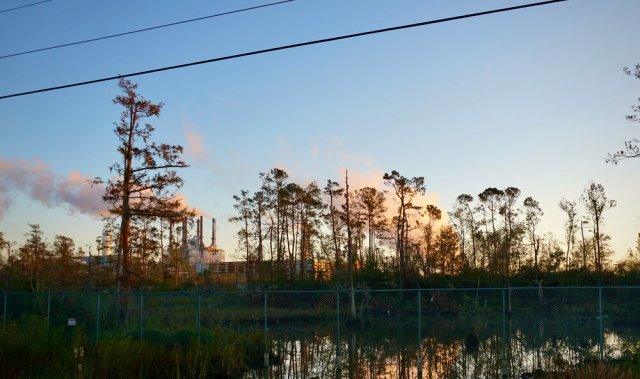
Industrial plants in Mossville, Louisiana. 📷 Jaclyn Yost
With contaminated waters, air and chemical pollution, and constant construction, residents began to complain that the area was so miserable that the “voluntary buyout” became no choice. Families eventually gave in. Taking less money than deserved to uproot their lives, many of whom were/are uncertain of where to go.
[One of] The Last Resident’s Fight
The story of Stacey Ryan – former Mossville resident – is popularly reported on when discussing the issues that the dwindling Louisiana town is facing. He was the last homeowner of his neighborhood and challenged Sasol’s chemical plant expansion by putting up a fence around his property line in protest.
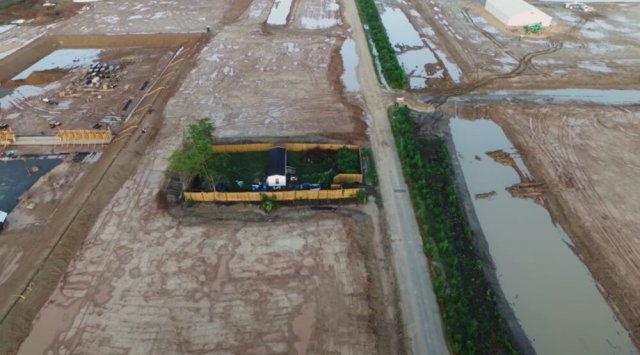
Stacey Ryan’s previous home in Mossville, Louisiana. Source: Mossville: When Great Trees Fall, 2019
As time went on, the land became impossible to live on. From the constant rezoning, Stacey no longer had access to utilities, sewer and water lines, and was unable to obtain permits for electricity as he now lived in an industrial zone. With boils popping up on his face and body, he eventually succumbed to Sasol’s settlement. Most of which ended up going to medical bills.
Mossville & Beyond
At Mossville’s peak, over 8,000 people resided in the Louisiana town. Now, as of 2019, only about 1,302 are left. Thousands of homes have been demolished, and people have been scattered and displaced – Mossville, a once harmonious town, is slowly being erased.
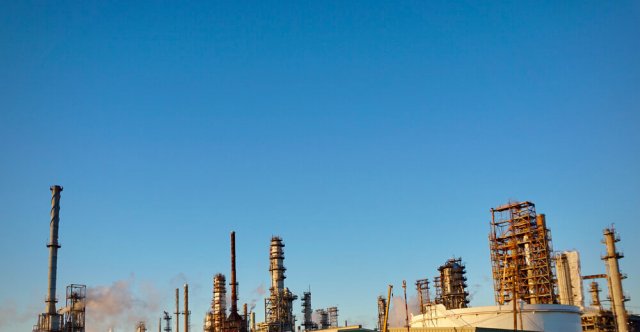
Industrial plants in Mossville, Louisiana. 📷 Jaclyn Yost
Unfortunately, the case of Mossville is not a singular event. The concepts of environmental injustice and racism are deeply intertwined. Whether we recognize it or not, our society’s need for constant development and consumerism leads to the inhuman treatment of fenceline communities around the world – commonly lower-income, Black, Indigenous, and people of color (BIPOC) populations. The very commodities that make our world go round are poisoning the communities who are continuously and unrightfully being settled in between oil and chemical refineries.
The connectivity between our consumption patterns and the aftermath needs to become more apparent before seismic change can occur. This level of consciousness is needed to shift to a post carbon world that includes sustainable and regenerative operational models. Because without, the current endless, repetitive cycles will continue – unapologetically killing our communities and our Earth.
Want to learn more?
Check out the documentary ‘Mossville: When Great Trees Fall’ here.
Other recommended sources:
A Massive Chemical Plant is Poised to Wipe This Louisiana Town off the Map – Mother Jones
Erasing Mossville – The Intercept_
Breathing While Black in Mossville, Louisiana – Scalawag Magazine
What’s Growing in Mossville? – Gravy, Southern Foodways Alliance Podcast
meet the author
Jaclyn Yost
Jaclyn is the founder of ecomadic and editor of The Sustainable Seed. She is conscious creative passionate about shedding light on environmental and social sustainability issues through travel.
 ecomadic