

.parent {
display: inline; position: relative; line-height: 30px; float: left; color: #82be41;
}
.parent a{
margin: 10px;color: #82be41;text-decoration: none;
}
.parent:hover > ul {
display:block;position:absolute;
}
.child {
display: none;
}
.child li {
line-height: 30px;width:115%;text-align:left;
}
.child li a{
color: #82be41;
}
ul{
list-style: none;margin: 0;padding: 0px; min-width:10em;text-align: center;float: right; font-weight: 550;
}
ul ul ul{
left: 100%;top: 0;margin-left:1px;
}
li:hover {
background-color: white;
}
.parent li:hover {
background-color: white;
}
.expand{
font-size:10px;float:right;margin-right:5px;
}
.parent a p{
display: inline; margin: 10px;color: #6e706b;text-decoration: none;
}
Summiting Mt. Rainier: An Interview with Susanna Funk
Written by Jennifer MacBain-Stephens | February 4, 2021
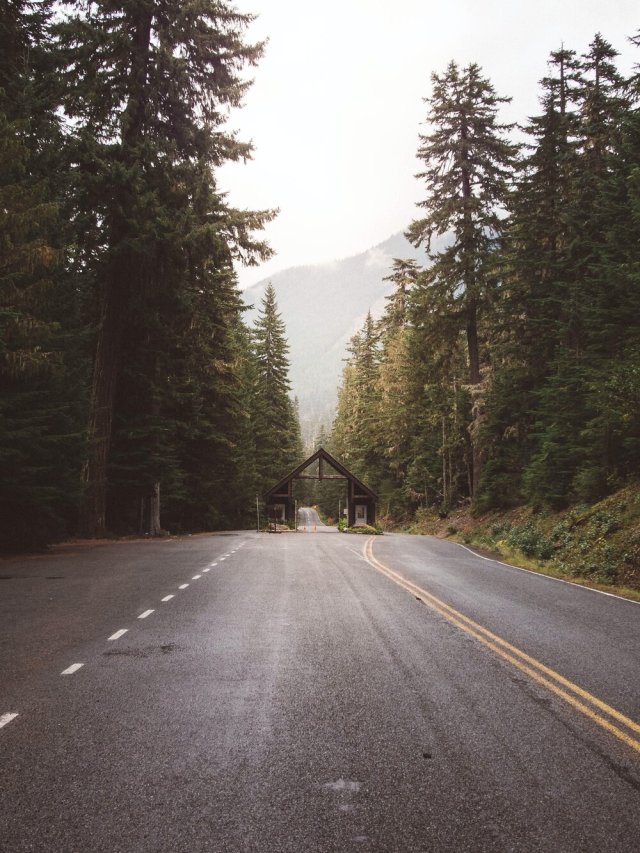
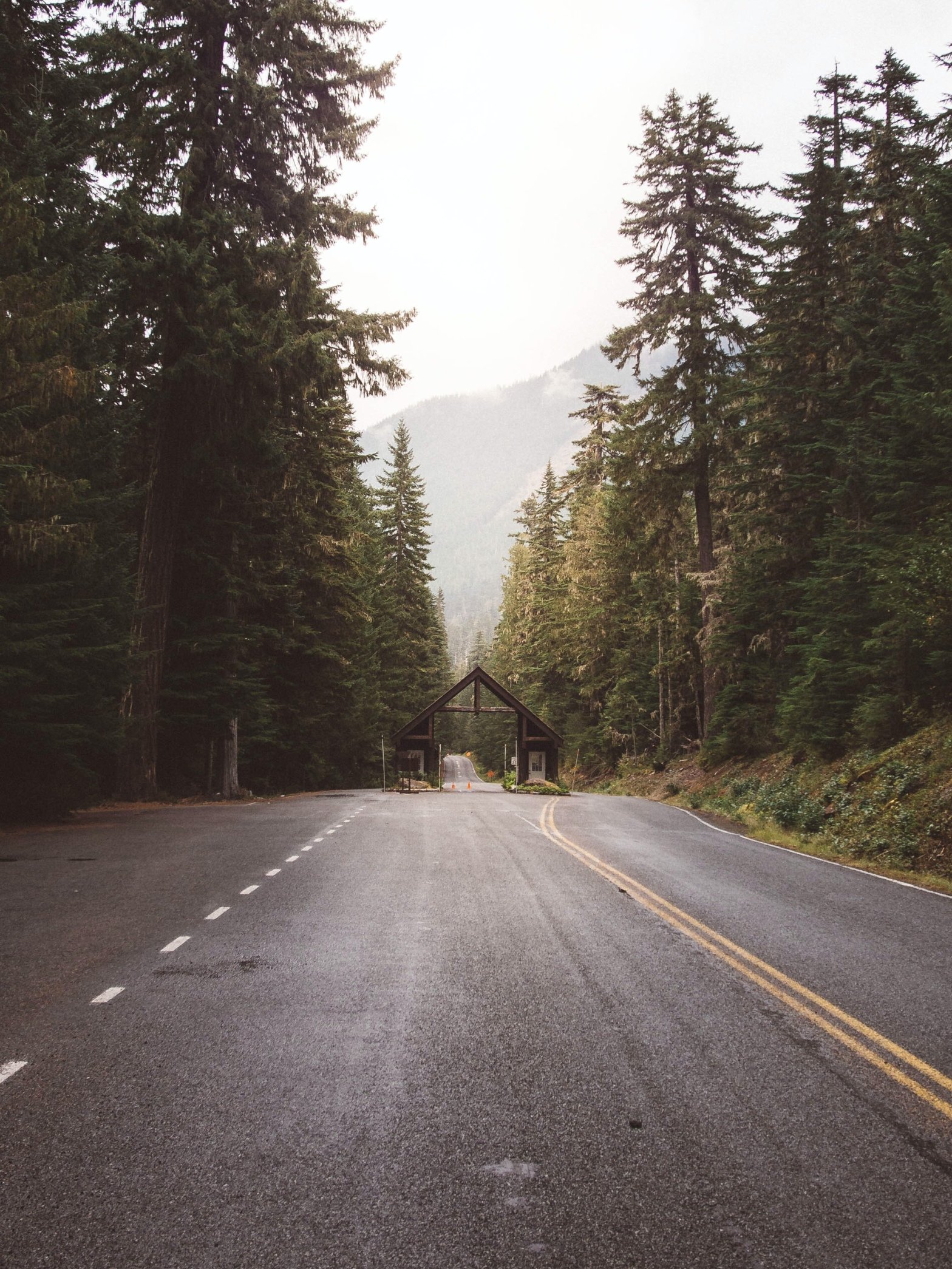
Rainier, WA. 📷 @ktaylor92
Few places in this world are more dangerous than home. fear not, therefore, to try the mountain passes. They will kill care, save you from deadly apathy. set you free, and call forth every faculty into rigorous enthusiastic action
– John Muir
Standing 14,411 feet above sea level, Mt. Rainier is the highest volcanic peak in the state of Washington and the Cascade Range. On December 26th, 2020 Alpine enthusiast Susanna Funk began her climb of Mt. Rainier in Washington State with a small group of other climbers through the organization Alpine Ascents.
We caught up with her in between training for her next climb: the highest peak in North America: Denali (at around 20,000 feet above sea level in Alaska) and learned about some sustainable practices she and her team practiced during this challenging yet life changing experience.
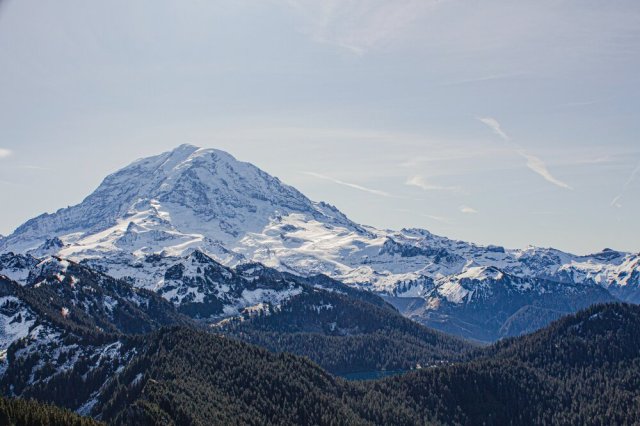
Mount Rainier, Washington. 📷 @jonlampel
Q: Can you give us an overview of the trip?
I came to Rainier to train with a group of climbers who are planning to climb Denali in Alaska. Denali is the highest mountain in North America and stands at 20,308 feet above sea level. Climbing Denali requires a considerable amount of training and careful adaptation to safe mountaineering skills. Rainer has deep, wide crevasses and steep slopes that are great training grounds for Denali.
The minute I stepped foot onto the snow at the base of the mountain I knew I was in a special place. Most people climb Mt. Rainer in the summertime, but I planned this climb in the winter to acclimate my body to harsh winter mountaineering conditions.
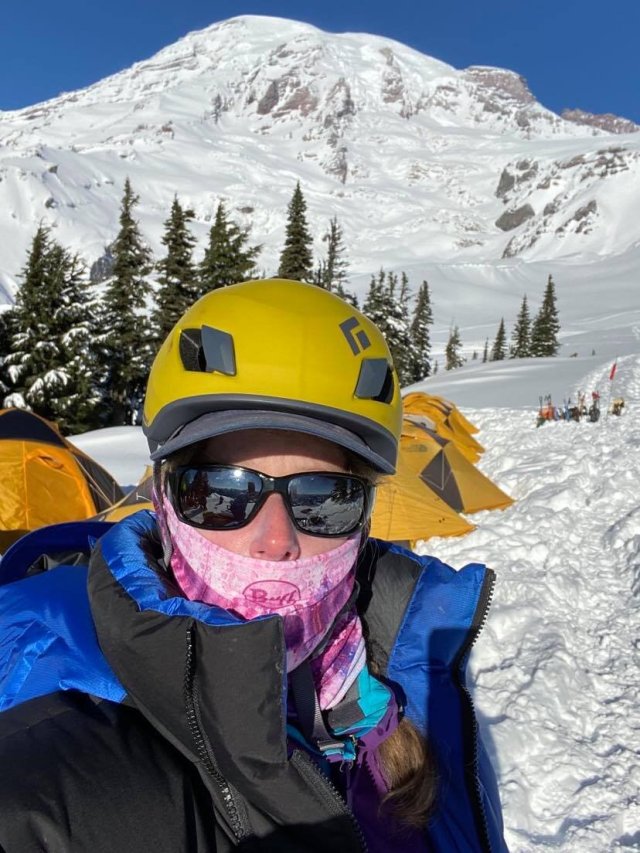
After my group of climbers established our first camp on the mountain, we spent the first few days training as a roped team, in crampons and ice axes. We performed crevasse rescues, practiced arm wrap rappelling, and built snow anchors under the direction of professional mountain guides.
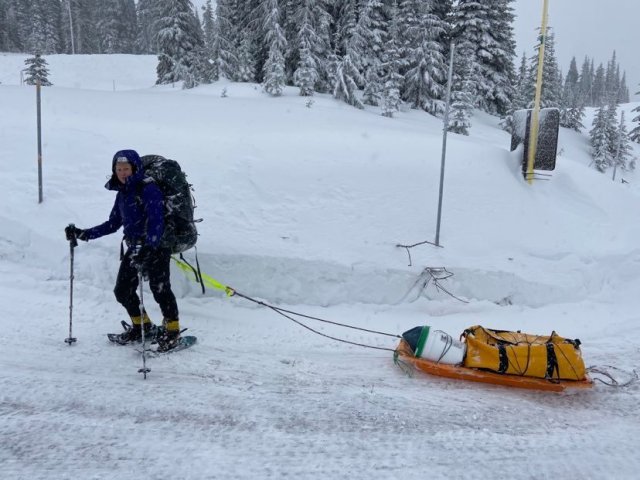
Susanna Funk
Q: Did you run into any sort of unusual hardships? What was the temperature most days?
On the 4th day of the trip, we got caught in a snowstorm. Luckily, we were safely in our tents when it hit. It snowed two inches an hour. We had to get up in the middle of the night to shovel the snow off our tents so we wouldn’t get buried. This storm lasted for 3 days. This was hard work!
But, the storm gave us the opportunity to practice navigating as a roped team in a whiteout. Winds gusts up to 25/30 mph. The temperature was a moderate 32 degrees. Interestingly, Rainer can have humid weather patterns and temperatures can warm up when the snow starts.
Q: What kind of training did you do for this trip?
Training is almost as fun and climbing a mountain! Mountaineering requires physical strength and large aerobic capacity. I trained 10-15 hours a week for 6 months and up to 20 hours a week in the month before I left. My training included carrying a heavy pack and hiking for 4-6 hours uphill. I also pulled tires behind me to get strong legs. I completed fasted, easy running, lasting one hour or more. I didn’t go to the gym during the pandemic so all my training was outside or with free weights at home.
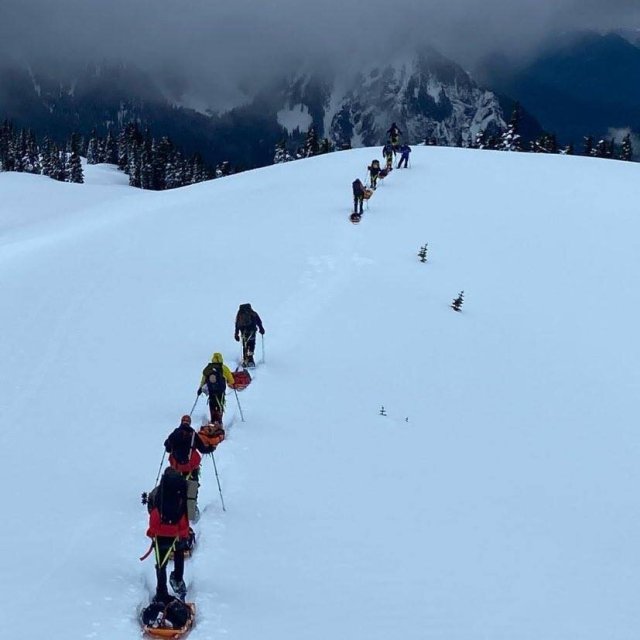
For reference, the expeditions on Denali last three weeks and you have to carry a heavy pack and pull a sled behind you with your gear and food. Most people carry and pull about 90-120 lbs. Since we were only on Rainier for a week, we carried less weight. The training plan said to be able to carry a 55 lb pack and pull a 25 lb sled behind me. That is almost 65% of my body weight, so that’s why I placed so much dedication to training.
Source: Susanna Funk
Q: ecomadic focuses on “sustainability within traveling”. What comes to your mind regarding your adventure – in terms of sustainability?
Mountains are the water towers of the world. The snowfall melts in the spring and fresh-water rushes down the sides of the mountains to the rivers and streams below giving hydration to our soil, our vegetation, and providing the water we drink.
The glaciers on our mountains are fragile and global warming is causing them to shrink in size. We need to leave these beautiful pristine mountains as clean as they were when we come to them. An important part of being in the mountains is the commitment to leave no trace. This means not leaving any waste behind: this includes regular trash obviously but also human waste. Lol. We have an obligation to keep it clean. What about human waste? (I think it’s interesting to know!) Lol. We were so diligent to leave no trace that we didn’t leave anything behind even our human waste.
We used individual “CleanWaste GO Anywhere Toilet Kits”. These are waste bags otherwise known as “wag bags.” We dug a latrine within walking distance of camp and used this as a space to go for privacy when we needed to use the wag bag. Fortunately everything in the bag froze quickly so there was no smell!
Q: What is something that struck you about this trip?
What I like about endurance challenges is that you are moving on your own human power. There’s no elevator or machine to get you to the top. You are moving on the power of your own body. Food is your fuel source to give you energy to climb.
Mountaineering taught me to exert a sustainable amount of energy to keep a pace that I can maintain throughout the long days. On Denali, I will spend three weeks climbing the mountain and I will carry everything I need to sustain my body in my pack or in my sled.
Q: What do you learn from climbing mountains?
Mountaineering is hard manual labor. You have to pull a heavy sled and carry a pack uphill in deep snow. You have to dig out platforms in the snow to set up your tent, dig out the tents during snow storms and create snow walls. You have to melt snow to make water to drink and cook with. The cold and wind make everything harder. Sometimes it feels like it’s a battle for survival. It’s not for the faint of heart!
Mountains are powerful teachers. You can’t be arrogant. You are always at their mercy. Wind, storms, avalanches, crevasses, rock falls: these events could happen at any time. The mountain is always in charge. I don’t climb a mountain to conquer it. I climb it because I am in awe of it’s beauty and power.
Source: Susanna Funk
Q: Lastly, why do you climb mountains?
When I come to a mountain range and look up I can feel their power. It’s like a magnet. I’m drawn to them. When I’m high up on a ridge almost at the summit, I think about how lucky I am to be in this place and to see things that most people will never see. It takes all I have to climb.
The mountain will reward you with beautiful sunrises, sunsets, and views from the summit that you will never forget. We can learn to push our own mental and physical limitations in climbing a mountain. As several mountaineers will tell you, it’s about reaching the summit. It’s about the journey and what you learn about yourself along the way. If you are lucky, you can stand on the top of the world for a few minutes.
Sustainable Tips While Hiking or Climbing Mountains:
-
If you are not hiking local, obviously the burning of fossil fuels to travel to your trailhead is one of the big factors in making this trek in the first place. If you can, carpool or use public transportation as much as possible to get there. Once you are there, stay on the trail to avoid stomping on delicate ecosystems.
-
Watch your microtrash. As stated above, it is imperative to leave no trace. All those granola bar wrappers and even orange peels, which are biodegradable, take a long time to break down. And other travelers don’t need to see your trash or dispose of it for you. Take all of your trash out. Double and triple check your campsite when you leave.
-
Silicone camping dishes are a great find. Sea to Summit sells a complete set here.
-
A single use plastic water bottle is a relic of the past. Use this system from Lifestraw instead.
-
If you are doing an Alpine climb, every time you take a drink, pack a little show into your hydration system.
-
While going to the bathroom outside, all toilet paper and wipes need to leave with you. This Deuce of Spades handy trowel can help dig a small hole.
-
Choose brands that honor the bluesign label. This means no harsh chemicals were used from start to finish. Choose gear with customer friendly repair practices: Cotopaxi, Osprey, and Patagonia are three options.
meet the author
Jennifer MacBain-Stephens
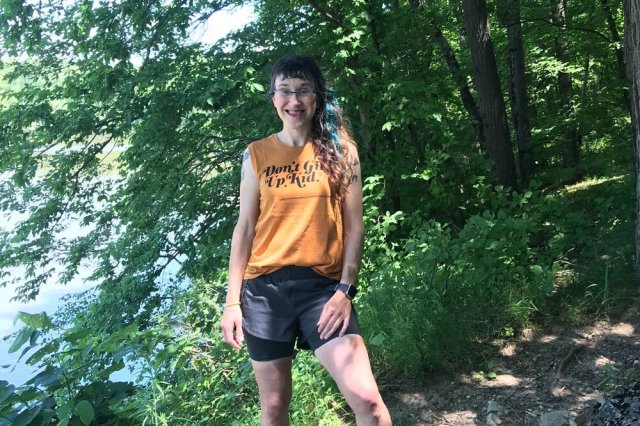
Jennifer MacBain-Stephens went to NYU’s Tisch School of the Arts and now lives in Iowa where she likes to rock climb, hike, and mountain bike. She is the author of four poetry collections and enjoys exploring how to blend creativity with nurturing the earth. She also hosts a free, monthly reading series sponsored by Iowa City Poetry called Today You Are Perfect.
Find her at: http://jennifermacbainstephens.com/.
 ecomadic
I really enjoyed this article. Wishing Ms. Funk and her climbing team the best in conquering Denali.
LikeLike