
.parent {
display: inline; position: relative; line-height: 30px; float: left; color: #82be41;
}
.parent a{
margin: 10px;color: #82be41;text-decoration: none;
}
.parent:hover > ul {
display:block;position:absolute;
}
.child {
display: none;
}
.child li {
line-height: 30px;width:115%;text-align:left;
}
.child li a{
color: #82be41;
}
ul{
list-style: none;margin: 0;padding: 0px; min-width:10em;text-align: center;float: right; font-weight: 550;
}
ul ul ul{
left: 100%;top: 0;margin-left:1px;
}
li:hover {
background-color: white;
}
.parent li:hover {
background-color: white;
}
.expand{
font-size:10px;float:right;margin-right:5px;
}
.parent a p{
display: inline; margin: 10px;color: #6e706b;text-decoration: none;
}
Tips on How To Compost While Traveling
Written by Kristen McKenna | February 5, 2021
📷 @trfotos
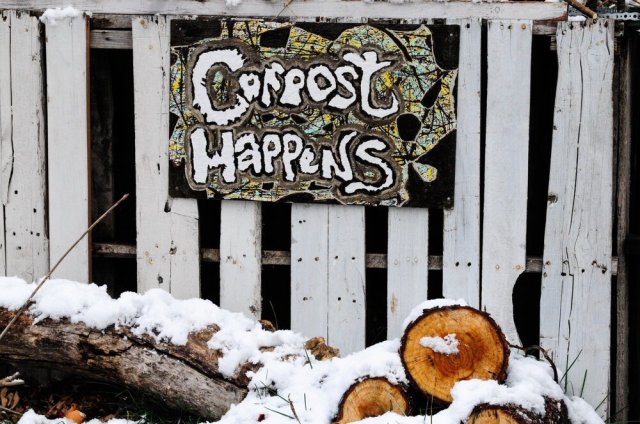
In the United States, a large portion of our annual budget is dedicated to the production and distribution of food. Specifically, 10% of the nation’s energy budget, 50% of its land, and 80% of all US freshwater consumption is committed to the agriculture industry. One would think that because so many resources and financial efforts go into the production of food, wasting even a pound would be a sin. Sadly, that’s hardly the case. Nearly 40% of food produced in the United States goes right to the landfill. Fortunately, composting is a method to combat food waste heading to the landfill – where it is unable to reach its full potential and further pollute our air and land.
Many people have taken up backyard composting and create nutrient rich soil from their food scraps. This practice is easiest accomplished if you are stationary and have access to a compost area that you know will be there every day, not while traveling! The handbook for composting doesn’t end there. Responsibly disposing of your food waste while traveling is definitely feasible, and can be done by just about anyone. Depending on how far and long you will be on the road, and what your geographic location is, an option for any situation is attainable.
Bring Your Compost Home
One of the most definitive ways to know your compost will be disposed of properly, is to bring it home! This is easiest if you are taking a road trip and will inevitably end up back home where your already forming compost is waiting for you.
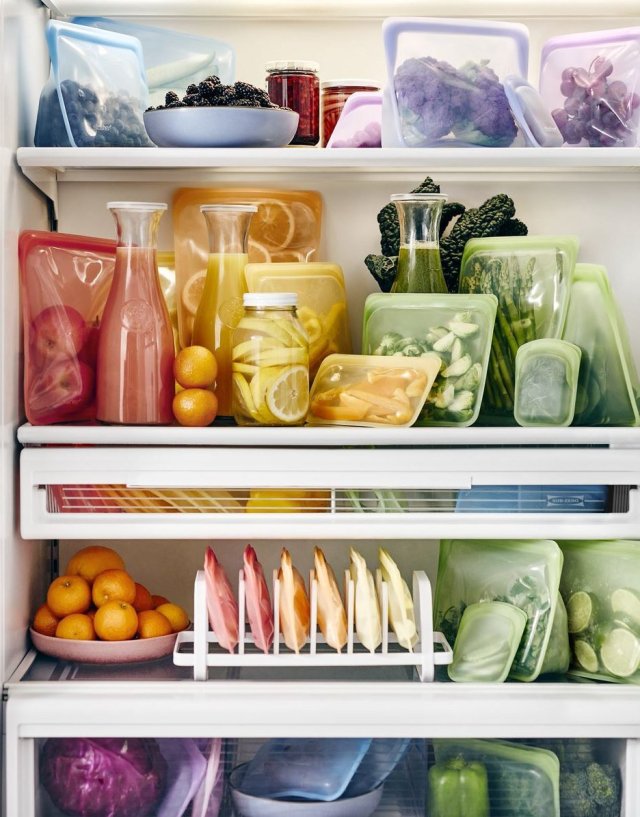
Firstly, you will need to determine how long you will be gone for, and then pick a container that will be the appropriate size to hold all your food scraps. For longer expeditions, a five gallon bucket could work perfectly – they conceal the smell with the tightly fitted lid and you don’t have to look at any of it! If you aren’t planning on being away from the homestead for too long, then a large container (again, something with a tight fitting lid) will do the job. My preference is to use one of my many “stasher bags”.
Source: Stasher
These unique, extremely durable, reusable bags are an alternative to single-use plastic bags, and they can be reused indefinitely. These bags morph to whatever position you need them to fit in, and don’t take up much space – which is why I love using them to store my food scraps and used napkins. Whichever method works best for you, composting while on road trips is a completely achievable goal.
City Compost Program
Many cities across the globe have adopted some type of composting system. In forward thinking, advanced cities like San Francisco, seeing a compost bin is as common as seeing a regular trash can. Austin and New York both have a curbside program including multiple drop off locations throughout the cities.
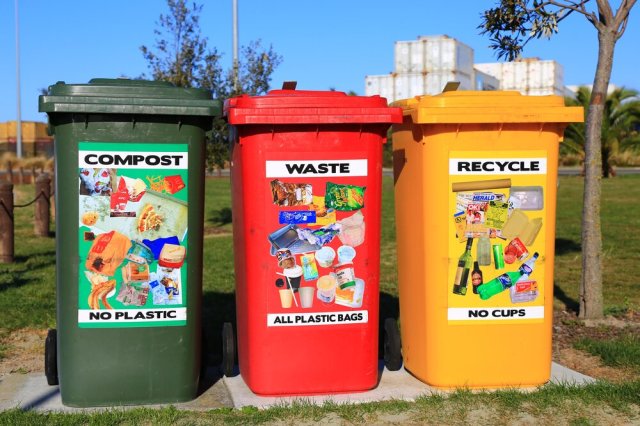
Across the pond where lifestyles may seem otherworldly different, the same initiatives take place in cities on a different continent. London may be fashionably late to the composting party, however, they are heading on track with other urban areas. A component we are faced with when given the options of recycle, compost, and landfill bins, are which items go in which bins.
📷 @splashabout
Many of us want to do the right thing but aren’t sure what is and what is not allowed. General rule of thumb for recycling bins is nothing too small or flimsy (plastic film) – plastic wrap, bags, and lots of plastic packaging. These items often complicate things in the factory, posing even dangerous outcomes.
For composting, there are a few more things to remember. If you’re collecting your scraps in a bag, make sure that bag is compostable and not a generic one from the grocery store. Other than food containing excess amounts of animal products or grease, most can be put into the compost bin. Items that belong in the landfill bin seem to be neverending – styrofoam material (egg cartons, to-go products), plastic bags, and soiled food products.
The task may be daunting at first glance, thankfully we have the internet at our fingertips and are able to solve any predicament we are faced with. When larger cities take these initial steps to show a sustainable future is within arms length, smaller ones soon follow. A chain reaction is created and soon the new norm will be for every metropolitan area and town to have composting sites as part of the infrastructure.
Local Food Stores or Coffee Shops
Whole Foods – a grocery store widely known across the United States with some locations in Canada and the United Kingdom – provides the opportunity for both employees and customers to compost their food scraps by providing bins in their cafe section. If only all large chain grocery stores could follow in the footsteps of Whole Foods.
Furthermore, typically, retail composting is done on a smaller scale. Think: family-owned businesses. Once you know what your travel destination is going to be, a quick Google search (i.e. ‘Local Co-Op’) can help you determine if this option would work well for you.
Community Composting Initiatives
Many communities have adopted composting programs, allowing their residents to take part in combating food waste. Through local farmers markets, community gardens, and co-ops – people who may not have access to convenient backyard composting, are suddenly able to participate and do their part. By gifting your nutrient rich food scraps to the local inhabitants you are ensuring that your valuable waste will be used properly and aid toward agricultural sustainability of the area you are in.
Bury it!
📷 @markusspiske
Certainly easiest to practice while in the wilderness, nevertheless, an unquestionable method to guarantee your food scraps end up back where they came from.
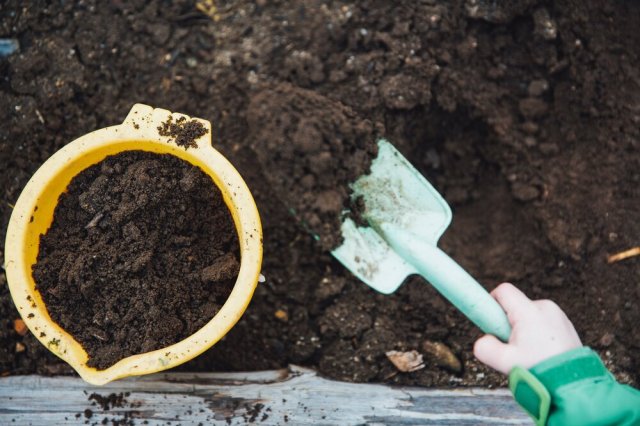
First, choose an area away from homes and communities, and make sure no meat and dairy products or small, pesky plastic items end up in your soon-to-be-composting pile. Next, dig a hole at least one foot deep and dump your collection of food waste into that hole. And the job is done!
While we’re on the topic of food and dirt, a habit to break away from is throwing a banana peel or apple core out the car window thinking it will break down. Eventually, these materials will break down. Though the collection of food waste on the side of highways proves to hold many issues. Depending on what environment you dump your food scraps, they could potentially take years to break down. What’s even worse, some animals may form a habit of looking for food near busy highways, putting them at a higher chance of being hit by a car. Many of the “natural” items we are carelessly disposing of, are not native to the environment they are now in. Meaning that the wildlife eventually eating these scraps, cannot break them down properly because they are not accustomed. Lastly, nobody wants to see food littered throughout what should be pristine nature.
If you’re going to toss your leftovers outside, make sure they are put in a hole and covered. A little more hands on, however, still satisfying knowing your pits and peels will soon be breaking down to nutritious soil.
Compost Networking Service
Though far and few currently, some online compost locating services are available. Simple as typing in your current location, and having the convenience of the internet do all the hard work for you. Depending on what service you are using, drop off locations could vary from stores, farmers markets, or individuals collecting from neighbors. ShareWaste is an incredible platform that connects people who possess food scraps but lack the environment to dispose of properly to local individuals in their community that willingly accept compostable items. This is accessible to nearly anyone in this day and age – an easy download in the app store, or a search in the browser of your computer. Typing in your postal code, and quickly realizing you will never have a problem trying to compost on your travels ever again. Zooming out, and scanning across the globe, every continent is flooded with people who are eager to accept your cucumber peels and old oatmeal. ShareWaste shows that there is a solution to the food waste crisis currently underway.
The Big Picture of Tourism & Composting
Before taking the time to research whether or not composting while on the road was realistic, I was on the same boat as everyone else and dumped my food waste in the bin to be sent to landfill. While knowing the tourism industry significantly impacts the environment and climate, the topic is generally overlooked. When looking at the big picture, it can be hard to imagine that one person can do much to help the situation. But if you begin to imagine the monumental impact that could be if the hundreds of thousands traveling each year did their part to lower their carbon footprint, the small habit of composting could effectively offset some of the harm we have caused. Being a sustainable traveler is possible in today’s world. The resources are available, we just have to want the change.
meet the author

Kristen McKenna
Kristen was born and raised on Long Island, New York. After spending her childhood and teenage years exploring New England, she is now ready to see what else the world has to offer. Through her blog Tip Toe the Globe, she hopes to share her intimate adventures while at the same time spread awareness of environmental sustainability and lower waste living. If you can’t find her on a hike, she’s probably looking for a bakery or ice cream shop.
 ecomadic