
.parent {
display: inline; position: relative; line-height: 30px; float: left; color: #82be41;
}
.parent a{
margin: 10px;color: #82be41;text-decoration: none;
}
.parent:hover > ul {
display:block;position:absolute;
}
.child {
display: none;
}
.child li {
line-height: 30px;width:115%;text-align:left;
}
.child li a{
color: #82be41;
}
ul{
list-style: none;margin: 0;padding: 0px; min-width:10em;text-align: center;float: right; font-weight: 550;
}
ul ul ul{
left: 100%;top: 0;margin-left:1px;
}
li:hover {
background-color: white;
}
.parent li:hover {
background-color: white;
}
.expand{
font-size:10px;float:right;margin-right:5px;
}
.parent a p{
display: inline; margin: 10px;color: #6e706b;text-decoration: none;
}
The Green Journey: One US Administration At A Time!
Written by Rj Ross | February 14, 2021
Source: @tevintrinh
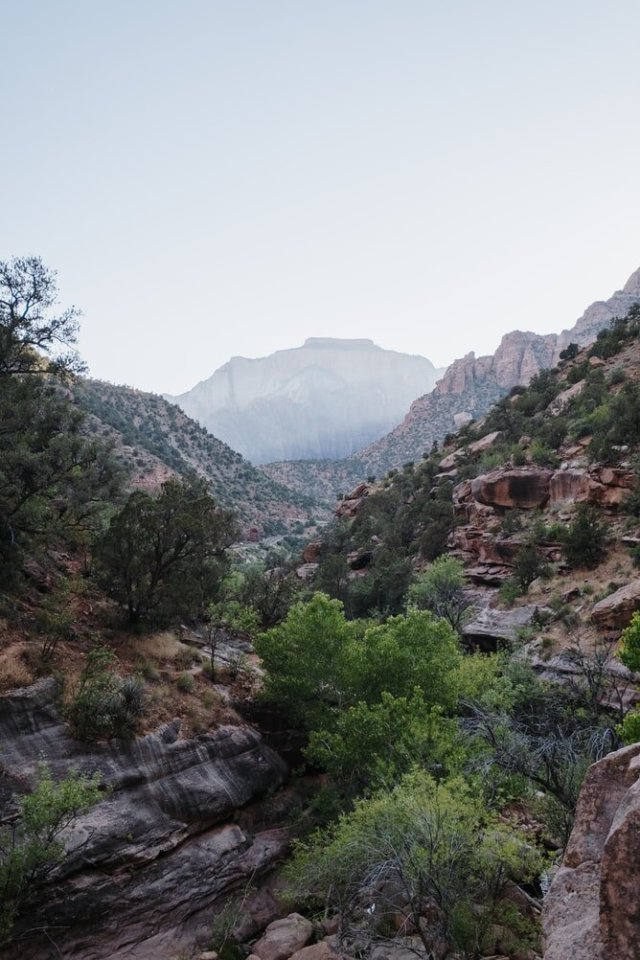
Almost a month into office, and President Joseph Biden is taking action to implement policies (e.g. climate change plan) to help improve the environment. Presidential administrations in the US have tackled various environmental issues throughout the years. While the battle for a sustainable lifestyle and healthy environment remains ongoing, there have been improvements throughout many presidential terms. In celebration of President’s Day, let us take a trip on the highway to history, and see the help a few of the administrations provided for our habitat!
Abraham Lincoln (1861-1865)

Source: @elevenphotographs
Fourscore and seven years ago, President Lincoln wasn’t only fighting to emancipate the slaves, and unite the North and the South; he also wanted to protect the environment! Due to the destruction of the environment from the industrial revolution and Civil War, Lincoln made it his mission to aid the Department of Agriculture in hopes to better the environment. He would sign the Morrill Act, which granted funding to academic institutions such as Cornell and MIT, to provide education in farming and agriculture. Lincoln would also sign the Yosemite Grant Valley Act, which called for the preservation of Yosemite Valley and the Mariposa Big Tree Grove, so it can be solely used for public recreation; thus, the future existence of Yosemite National Park. Knowing the acts he signed to aid the environment, it’s a shame that his fatal demise deprived many from knowing what else he would have accomplished.
Theodore Roosevelt (1901-1909)
Source: Biography
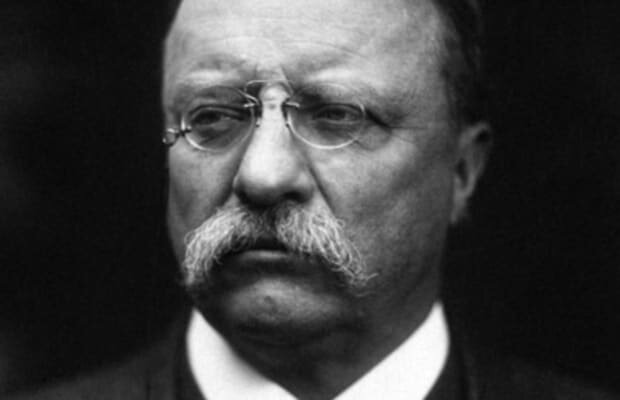
The first President to win a nobel peace prize, President Roosevelt’s ecological efforts aren’t so far-fetched! Throughout his presidency, Roosevelt had 230 million acres of land protected and preserved, 150 million of them being national forests. Many organizations under the Department of Agriculture were passed through his administration, such as the National Wildlife Refuge System, which protects and conserves thousands of wildlife. National parks were also established during his time as president, one of these parks being Yosemite National Park, using the preserved land the previously-mentioned President preserved from Yosemite Grant Valley Act. The numerous accomplishments during his time would make you want to hug him like a teddy bear; matter of fact, he is the catalyst behind the term “teddy bear”, after refusing to commit harm to a bear during his trip through the Missouri woods.
Richard Nixon (1969-1974)
Source: Britannica
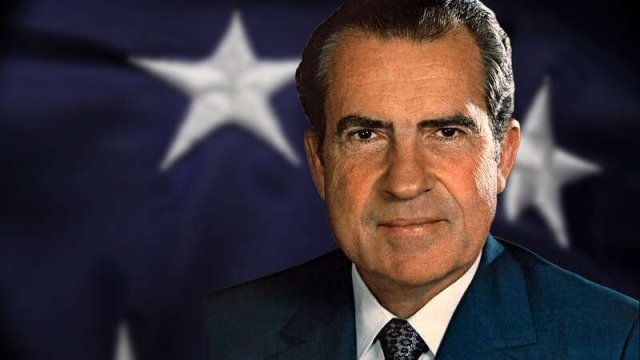
While Watergate may never be under the bridge, the environmental policies put in action during his administration will be walking on the bridge over troubled Watergate. During his first year in office, Nixon signed the National Environmental Policy Act, which required all three branches of government to consider the environment before pursuing legal actions; also, federal agencies were required to constantly submit environmental assessments and impact statements. The following year, the Environmental Protection Agency, or EPA, would be created as a federal agency protecting the well-being of the environment and people who occupy it. Throughout the rest of Nixon’s terms in office, laws would be proposed and passed to protect people from air pollution, control water pollution, and protect endangered species, respectively. While the scandal may have overshadowed his presidency, the laws Nixon passed to protect the environment is often considered the blueprint– or perhaps greenprint to the environmentalist movement.
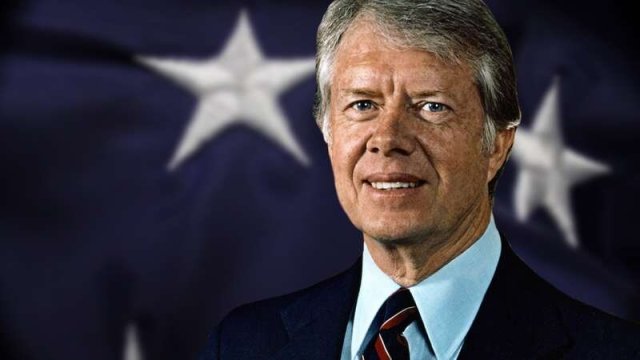
Jimmy Carter (1977-1981)
Source: Britannica
With his term often considered the end of the golden era of environmental law, Jimmy Carter and his administration would produce ecological contributions during his time in office. The first president to have solar panels installed in the White House, Carter would implement policies such as commissioning the Global Report 2000, which allowed exploration of environmental issues such as global warming. Under Carter’s administration, the Department of Energy would be founded, working to improve and produce sustainable, efficient energy. President Carter would also convert over 50 million acres in Alaska to national parks via the Antiques Act. Although his presidential term is not as discussed compared to some of his predecessors and successors, Carter’s effort in the environmental movement will always be accounted for!
William Clinton (1993-2001)

Source: Britannica
Though a player of the saxophone – and notoriously, the field – President Bill Clinton played zero games when it came to improving the American economy; and the environment was no exception either! Throughout his presidency, he signed many acts that would help increase the budget for the EPA and also the size and cleanup of many national parks and monuments, notably Everglades National Park. In addition to the acts passed, an executive order in 1994 was passed to provide environmental attention and protection to undermined groups and their communities. Over two decades later, marginalized groups are still underrepresented, and combat inclusivity within the mainstream, environmental movement; however, the resources and support from the Clinton administration laid a foundation for minor communities to spread awareness on the environmental injustices and aid their communities face and need.
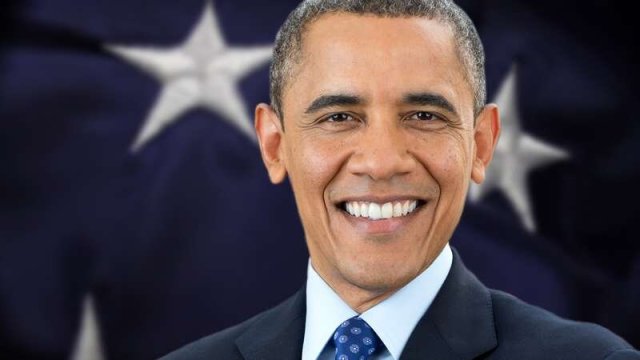
Barack Obama (2009-2017)
Source: Britannica
The first African-American President entered office with a “yes we can” and a mindset to better American society, alongside the environment it occupies. Through his two terms, he would invest in green, renewable energy production, such as wind power and solar panels; the latter he would have reinstalled in the White House, the panels being taken down during the Reagan administration. Obama would also sign acts to aid in the global warming and climate change issues with other countries via the Climate Action Plan and Paris Climate Agreement. Additionally, Obama’s administration expanded and protected a plethora of land and water to prevent exploitation, and produce sustainable farming and fishing. Already historical for being the first president of another race, Obama and his administration’s role in the environmental movement will also be regarded alongside the aforementioned administrations throughout this article.
Presidents & the Environment
Presidents come and go, leaving an impact on the environmental movement. Time will only tell what President Biden has in store to keep it progressing. As we reflect on what previous administrations have accomplished, we must use the information and our voices to bring awareness to issues that need amending, so our habitat can be a healthier, more sustainable space!
meet the author

Rj Ross
Rj Ross is a writer at ecomadic. With his BA in communications and love for creative writing, he hopes to inspire and inform many generations about sustainable living and responsible traveling.
 ecomadic