
.parent {
display: inline; position: relative; line-height: 30px; float: left; color: #82be41;
}
.parent a{
margin: 10px;color: #82be41;text-decoration: none;
}
.parent:hover > ul {
display:block;position:absolute;
}
.child {
display: none;
}
.child li {
line-height: 30px;width:115%;text-align:left;
}
.child li a{
color: #82be41;
}
ul{
list-style: none;margin: 0;padding: 0px; min-width:10em;text-align: center;float: right; font-weight: 550;
}
ul ul ul{
left: 100%;top: 0;margin-left:1px;
}
li:hover {
background-color: white;
}
.parent li:hover {
background-color: white;
}
.expand{
font-size:10px;float:right;margin-right:5px;
}
.parent a p{
display: inline; margin: 10px;color: #6e706b;text-decoration: none;
}
Eradicate The Uninvited: Invoking Awareness on Invasive Species!
Written by Rj Ross | February 23, 2021
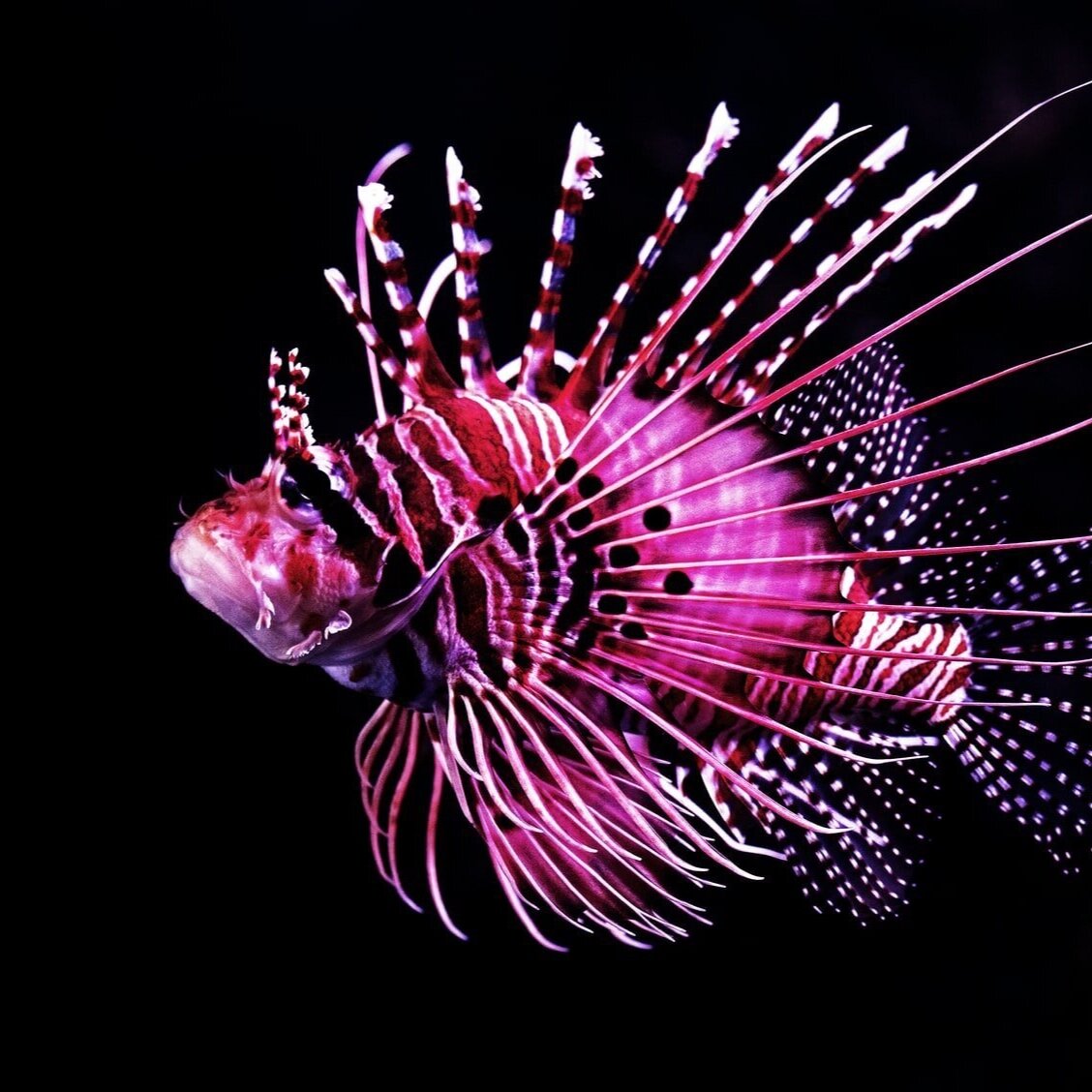
📷 @davidclode
Imagine throwing a small, house party. You solely invite your close friends, who all agree to attend. The day of the party, one of your friends arrives with another person of whom you don’t know, is unruly, lacks manners, and worst of all, shows up empty-handed? We often call these unwanted guests many names (often derogatory ones), but if we applied this scenario to our ecosystem, they’d be called invasive species.
These creatures have infiltrated various parts of the environment, including National Parks, various bodies of water, and many other natural habitats. In light of this week being ‘National Invasive Species Awareness Week’, we at ecomadic will provide our readers key information about invasive species, the issues due to them, and what we can do to solve it.
What Are Invasive Species?
According to the National Oceanic and Atmospheric Administration, invasive species are defined as organisms that cause ecological and economic harm in a new environment where it is not native. When an invasive species occupies newfound territory, they alter the life cycle of said habitat through the consumption and contamination of resources meant for the native organisms, alongside invasive species overpopulating. The results of their actions are rather unpleasant; close to forty-two percent of native species are listed as endangered, threatened, or at risk due to the invasive species’ intrusion. National Parks are astonishingly affected, with 1.4 million acres populated with invasive plants, thousands of invasive animals, infested waters, and over 300 aquatic species identified as invasive.
What Causes Them To Appear?
Occasionally, invasive species make their unwarranted arrival due to natural causes, such as hazardous weather conditions that could cause debris and other organisms to travel to other lands; but just how the uninvited guest in the aforementioned, hypothetical scenario came to your party because of your friend, invasive species primarily appear due to human involvement. Oftentimes, we attract invasive species unintentionally, such as importing, shipping, and handling of foreign or exotic plants and animals that carry substances harmful to an ecosystem. Also, the outdoor gear we wear or use for activities such as fishing or hiking can lead to cross contamination when traveling to various locations. Then, there are cases with people littering in natural parks and other places, alongside careless animal owners abandoning or neglecting their pets, to the extent of the pets occupying areas foreign to them. These and many more activities contribute to the invasive species’ access to numerous environments.
How Can We Prevent Them From Expanding?
The removal of invasive species can be costly and time-consuming, but there are ways the everyday person can prevent more from entering our respective environments. If you decide to fish or hike to a new area, be sure to clean your boots and boat before and after said activities to prevent soil, pests, or other particles ruinous to the territory; do not dump the water and organisms used for bait in the fishing area, but in a designated disposal area. Before coming back from that camping trip or walking your pet at the park, make sure to shake off the tent and equipment, and also clean the fur from your pets to avoid plant or seed materials traveling to other areas. On the subject of pets, whether the typical, domesticated pet or exotic pet, make sure you are capable of taking care of them so they do not escape or endanger ecosystems foreign to them. Lastly, gardeners must research before planting fabulous flowers to see what could affect the horticulture of their respective habitat. Furthermore, try to find and use appropriate and eco-friendly soil and fertilizer when gardening to prevent water pollution (e.g. the runoff entering rivers and lakes during storms).
Further Recommendations
Hopefully, we were able to provide insight on invasive species and ways to prevent them from populating. In addition to the information above, we also recommend going to the NISAW website that has additional links and resources pertaining to invasive species, as well as webinars to participate in throughout national invasive species awareness week 2021!
meet the author

Rj Ross
Rj Ross is a writer at ecomadic. With his BA in communications and love for creative writing, he hopes to inspire and inform many generations about sustainable living and responsible traveling.
 ecomadic