

.parent {
display: inline; position: relative; line-height: 30px; float: left; color: #82be41;
}
.parent a{
margin: 10px;color: #82be41;text-decoration: none;
}
.parent:hover > ul {
display:block;position:absolute;
}
.child {
display: none;
}
.child li {
line-height: 30px;width:115%;text-align:left;
}
.child li a{
color: #82be41;
}
ul{
list-style: none;margin: 0;padding: 0px; min-width:10em;text-align: center;float: right; font-weight: 550;
}
ul ul ul{
left: 100%;top: 0;margin-left:1px;
}
li:hover {
background-color: white;
}
.parent li:hover {
background-color: white;
}
.expand{
font-size:10px;float:right;margin-right:5px;
}
.parent a p{
display: inline; margin: 10px;color: #6e706b;text-decoration: none;
}
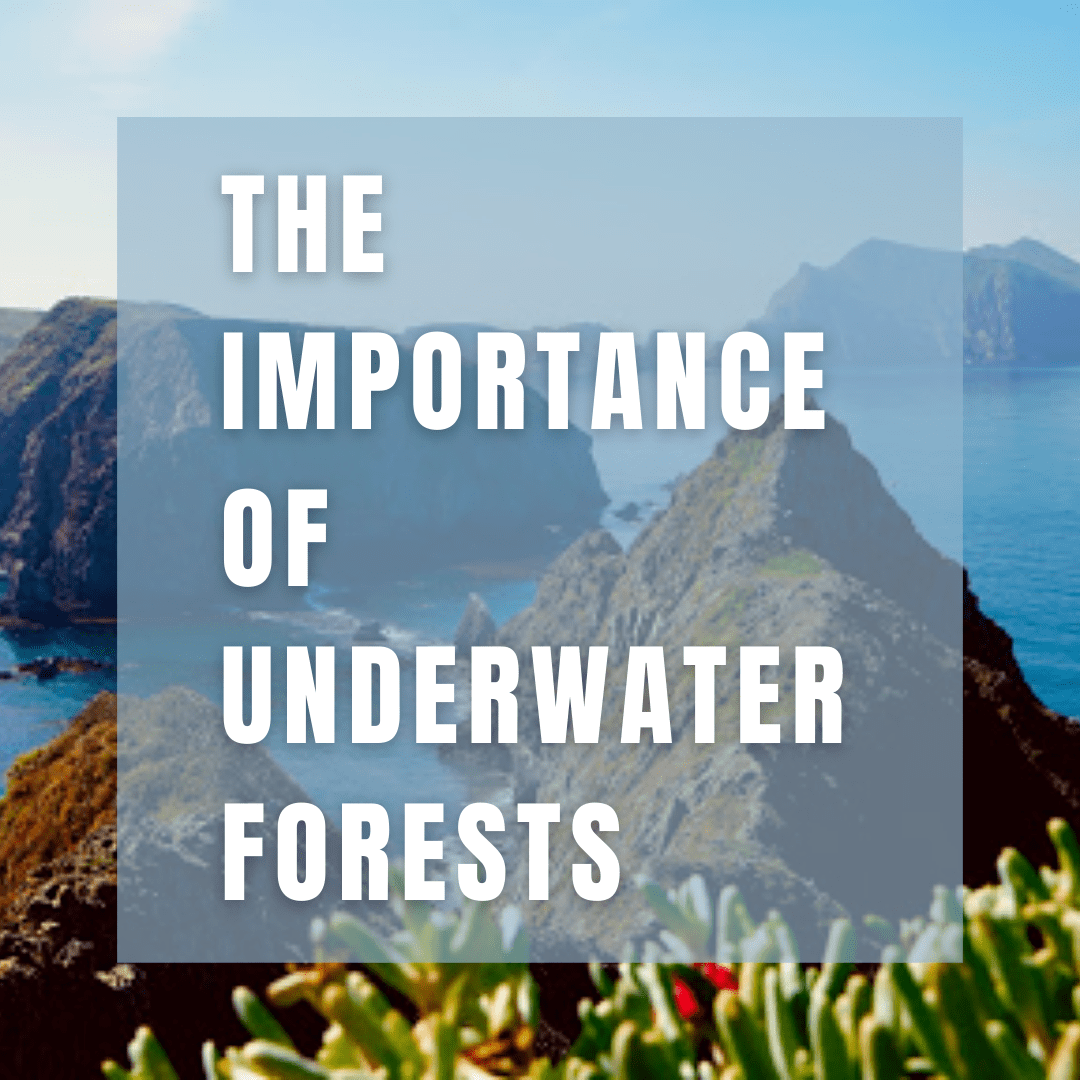
The Importance of Underwater Forests
written by Giuliana Gentile | March 2, 2021
📷 @priyakarkare19
Channel Islands & Their Treasures
The Channel Islands National Park is composed of five Islands off the coast of California, specifically along the Santa Barbara Channel. The Islands of San Miguel, Santa Rosa, Santa Cruz, Anacapa, Santa Barbara, and the waters surrounding them became a National Park and Marine Sanctuary in 1980. Since then, the area has seen an increasing amount of unique flora and fauna, various supported ecosystems, and shelter for certain marine and land species that once were on the brink of extinction. The area also has great archeological value as it was home to Native Indigenous tribes over 13000 years ago and extinct species. Such as the dwarf wooly mammoth during the Ice Age (rumor has it that the ‘Ice Age’ movie was actually shot in this location). 😉
Also known as “North America’s Galapagos”, these islands host over 2,000 plant and animal species; 150 of which cannot be found anywhere else in the world. This area attracts nature lovers from all over the world for its hiking, camping, whale watching, and diving experiences. The sights are breathtaking, cliffside landscapes and vast ocean, the pristine and untouched California – “as it once was”. But, surprisingly, the fundamental feature of the Channel Islands is found down below. All around these beautiful coasts, 492 species of algae and 4 species of seagrass grow beneath the surface as underwater forests.
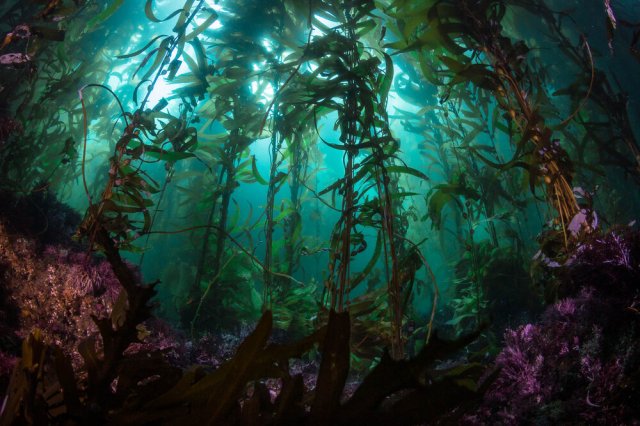
Kelp Forests in the Channel Islands. Source: Scuba Diver Life
Why Are Underwater Forests So Important?
Underwater forests are just as important as land forests in the fight against climate change as they absorb carbon dioxide and regulate the temperature of our planet.
A very distinctive feature of the Channel Islands are giant kelp forests – macro-algae that populates rocky waters along the coasts. In fact, they are home to one-third of Southern California’s kelp forests. These underwater wonderlands host over 1,000 species of marine flora and fauna; they provide food, attachment sites, shelter, and serve as a nursery habitat for young fishes too.
Some of the most known species that call the Channel Islands home are California sea lions, harbor seals, sea otters, and whales. Although all the inhabitants of an ecosystem are fundamental for its survival, there are always some key characters who play a crucial role to keep their community alive and healthy. In the case of kelp forests, there are three main characters: freaking adorable sea otters, pesky sea urchins (important, but you may want to avoid them with your feet!), and badass urchin-eating fish.
So, the way this works is: the urchins feed on the kelp, the otters and the fish feed on the urchins and prevent them from over spreading (and devouring the whole forest). In return, the kelp offers them shelter and the ideal habitat to thrive. Cool right?
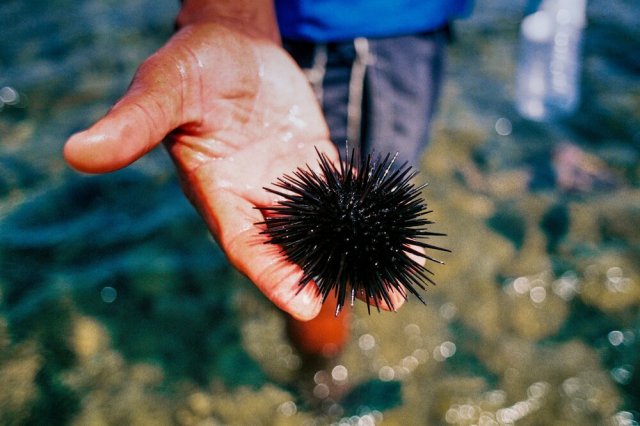
Source: @portuguesegravity
But this perfect mechanism can only function in protected areas. In fact, outside of the National Park, urchins are spreading like a plague, and these invasive species are endangering the kelp forests. Historically, giant kelp has been harvested for commercial purposes throughout California. This practice is fortunately prohibited within the National Park’s boundaries.
Additionally, even smaller types of marine plants like seagrass are incredibly important for the local ecosystems and play a key role in the fight against climate change. Seagrass absorbs 35 times as much carbon dioxide as the same area of rainforest. That’s right, I’ll say it again: 35 times.
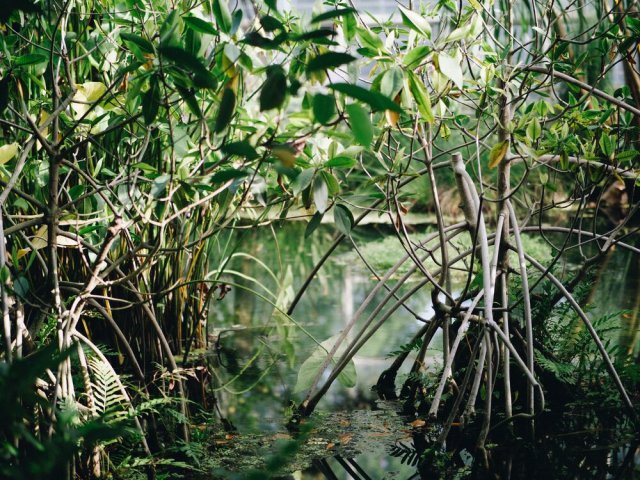
Mangrove Tree. Source: @maxwellridgeway
Other underrated plant-heroes of our oceans are Mangroves trees, which often border seagrass meadows. These trees offer shelter for various species of fish to lay eggs, the tangled roots offer protection until the young fish hatch. The same roots also protect our coasts from hurricanes, as well as absorb carbon dioxide – once again coming to our rescue against climate change.
What Have We Learned?
The moral of the story is to never underestimate the importance of marine plants and underwater forests. Instead, we can consider them as ours (& the ocean)’s guardian angels.
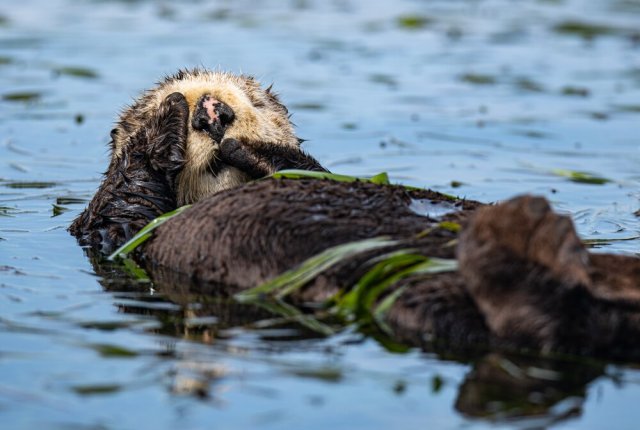
Otter in California. Source: @mana5280
So here’s what you can do to respect these ecosystems when visiting underwater forests:
-
Make sure you’re using reef-safe sunscreen, see the Haereticus Environmental Laboratory’s comprehensive list for all potentially harmful ingredients.
-
Leave no trace, collect all the trash you produce and carry it with you until you find a trash can.
-
Don’t disturb the flora and fauna, especially when scuba diving. Look and explore but just don’t touch anything (especially the sea urchins… it hurts… a lot).
-
Enjoy nature as it is, avoid loud music or traveling in big groups of people, you’ll get a much more authentic experience!
Want to learn more?
Our Planet – Netflix
Kelp Forests – National Marine Sanctuaries
Channel Islands National Park – California Ventura
Purple Sea Urchins Are Devouring California Kelp Forests – Forbes
Why It’s Not Too Late To Save The Planet – ecomadic
meet the author

Giuliana Gentile
Giuliana was born and raised in Sicily (an Italian island in the middle of the Mediterranean Sea), since then she’s been moving around the world to meet new cultures and discover new places. She has a degree in Political, Social and International Sciences. During her studies she became passionate about environmental protection, gender equality, and cultural identity. She loves traveling, petting dogs on the street, and swimming underwater.
 ecomadic
Natural reserves represent the protection of our planet! Nature outside of urbanization shouldn’t be an exception of the human habitat, but, on the contrary, should be the scenary where all animals are free to roam (including human beings)
LikeLike