
.parent {
display: inline; position: relative; line-height: 30px; float: left; color: #82be41;
}
.parent a{
margin: 10px;color: #82be41;text-decoration: none;
}
.parent:hover > ul {
display:block;position:absolute;
}
.child {
display: none;
}
.child li {
line-height: 30px;width:115%;text-align:left;
}
.child li a{
color: #82be41;
}
ul{
list-style: none;margin: 0;padding: 0px; min-width:10em;text-align: center;float: right; font-weight: 550;
}
ul ul ul{
left: 100%;top: 0;margin-left:1px;
}
li:hover {
background-color: white;
}
.parent li:hover {
background-color: white;
}
.expand{
font-size:10px;float:right;margin-right:5px;
}
.parent a p{
display: inline; margin: 10px;color: #6e706b;text-decoration: none;
}
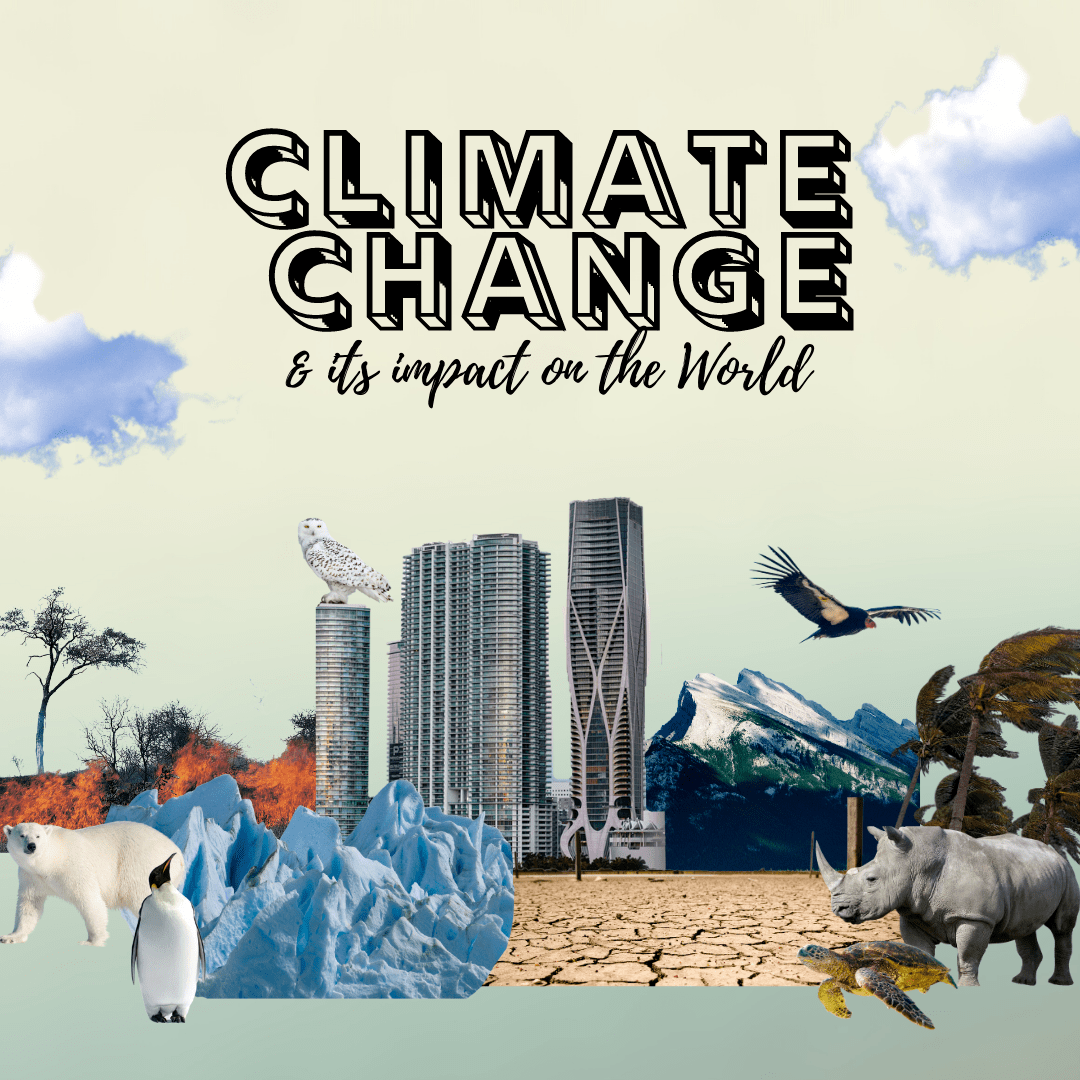
Climate Change & Its Impact on the World
Written by Jaclyn Yost | March 12, 2021
Designed by: Lucy McCulley
Dating all the way back to the 1960s, scientists have been sounding the alarm on the increase in Earth’s temperature and the impact that a warming climate would mean. From droughts to wildfires; to ice melt, sea level rise, and ocean acidification; down to more frequent and extreme weather events, catastrophic environmental disruptions have been predicted for centuries.
Fast forward to the present day, the very events we were warned about are currently happening all around us. While natural occurrences can be accounted for as part of the problem (i.e. the sun’s intensity, volcanic eruptions, naturally occurring greenhouse gas concentrations), these climatic warnings are not triggered by natural events alone. In fact, according to the National Climate Assessment, human activity is the top contributing factor to global warming due to our engagement with fossil fuels – by burning fossil fuels, carbon dioxide, methane, soot, and other toxins are released into the atmosphere, trapping the sun’s heat and slowly causing our planet to warm. Furthermore, this increase in temperature has led to social and economic instability to develop; such as, harder access to basic necessities (i.e. healthy, affordable food; clean water; affordable housing), climate adaptation disparities, racial injustice, climate displacement, and the direct threat to human health and societal well-being.
These dire effects of climate change are no longer future events to prepare for, and there is only limited time to act before it is too late. And because they are human related, it is up to us to take the necessary measures to mitigate these disturbances.
Breaking Down Climate Change
According to NASA, climate change is defined as “a long-term change in the average weather patterns that have come to define Earth’s local, regional, and global climates. These changes have a broad range of observed effects that are synonymous with the term.” While observing the Earth’s surface temperatures, NASA scientists have also reported that most of the warmest years on record have been within the past 20 years.
In order to recognize how the climate works, an in-depth view of climate-related occurrences can be found below.
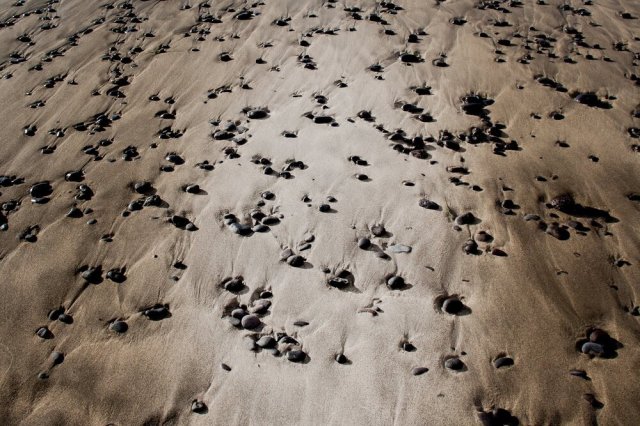
Droughts – “a prolonged period of abnormally low rainfall, leading to a shortage of water.”
Source: @jmp__
The Middle East, East/South Asia, and the Southwest and Western parts of the United States are all regions in the world that are known to be drought-prone. Climate change will only increase the odds of these conditions to worsen and become more widespread. Droughts are disastrous in many ways. Firstly, they negatively impact crops and livestock, threatening access to commodities like wheat, corn, and soybeans. Without production of these staples, prices can skyrocket due to food insecurity, which ultimately can lead to social unrest, famine, and human migration. Furthermore, the lack of natural rainwater can raise concerns about the reliability of electricity production. Not only do these power grids provide the electricity that cools water and maintains safe operations, but when droughts coincide with heat waves, extra stress on the grid can grow due to electrical demand. Which can lead to power becoming unavailable all together. Droughts can also affect our rivers, buckle roadways due to high heat, and create optimal conditions for wildfires.
How can we be more resilient to droughts?
Drought resilient strategies can be led by communities and governments who are most affected by the phenomena. Ways can include conserving water in homes, strategic industrial and agricultural practices, identifying new water sources, and implementing better management techniques on watersheds. Helping to preserve sources, and prevent difficult access when drier conditions are occurring; saving money and preventing further devastating environmental and social disruptions.
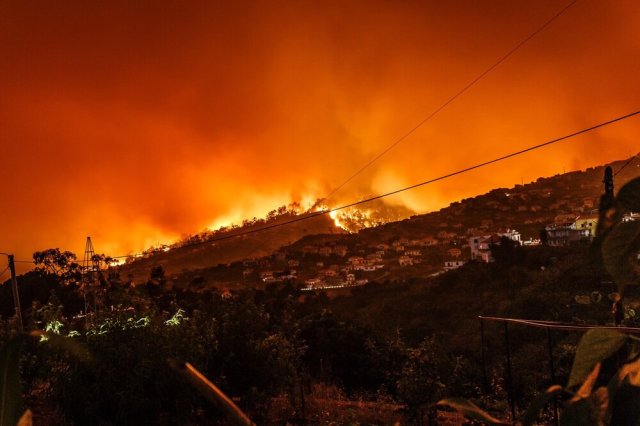
Wildfires – “an unplanned fire that burns in a natural area such as a forest, grassland, or prairie.”
Source: Michael Held
Climate change has also been identified as a key factor in the amount and intensity of wildfires around the world. In the Western United States, Canada, parts of Europe (i.e. Greece), Australia, and South America, climate-fueled wildfires have decimated entire forests, alongside the communities and ecosystems that live within. Rising temperatures, drier conditions (i.e. droughts), a decrease in soil moisture, accidental and purposeful human activity, and the presence of trees, shrubs, and other fire fuel, are all contributing factors that have led to an influx of wildfires, increased wildfire risk, and prolonged wildfire seasons. This increase will only get harder to manage overtime, creating billions of dollars in damage – loss of homes/infrastructure, firefighting costs. Deadly and destructive, aside from the obvious devastation and damage that can be seen on the ground level, greenhouse gas and aerosol fumes are known to permeate the air, creating unhealthy air quality levels for millions in the surrounding regions.
How can we be more resilient to wildfires?
Wildfires affect federal and state budgets, public health, and the natural environment. In order to build resilience, smart land use and forest management policies via zoning rules, tree mortality management, including fire-resistant designs on buildings, allocating fire prevention funds, and implementing quick recovery plans are suggested.
Ice Melt, Sea Level Rise & Ocean Acidification
Source: @willianjusten
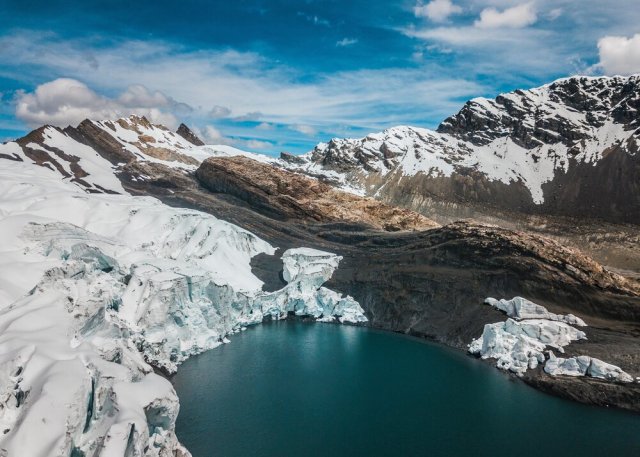
In a warming world, one of the most dramatic effects being seen present day is the reduction of Arctic sea ice. This melting of glaciers and ice has led to sea levels rising at unprecedented rates. In fact, the World Meteorological Organization has reported that this rise is accelerating at 0.12 inches (3 millimeters) per year worldwide; which is around double the average expected in the 20th century; climate scientists are 95% certain that these changes are directly linked to human activity. Furthermore, aside from melting polar ice and glaciers, thermal expansion is also a contributing factor in the global sea level rise as ocean water has been found to swell due to warming conditions. If levels continue to rise at this pace, coastal communities (where roughly half of the Earth’s human population resides) will eventually be submerged.
Alongside these warming ocean waters comes acidification. Due to the increase in CO2, the ocean absorbs this gas, which leads to acidity. Carbonic acid can lead to a number of detrimental impacts including the death of coral reefs through bleaching events – the phenomenon where coral will expel their symbiotic algae, which is their main source of food and nutrients. While it is possible to recover coral from a bleached state, more frequent episodes make rehabilitation less common. Furthermore, it isn’t just the arctic ice melt and increasingly acidic oceans that needs to be our top concern, as it is also being reported that the Northern Hemisphere now sees 10% less permafrost – permanently frozen ground – than there was in the early 1900s. This thawing can lead to landslides and land collapses, as well as an increase in bacterial diseases due to the unearthing of buried animal carcasses.
How can we be more resilient to these issues?
Ice melt, sea level rise, and ocean acidification is a global responsibility, yet it is particularly important to act on a local level. Resilience plans should include artificial seawalls and levee structures for coastal cities, while shoreline and wetland restoration should be emphasized in low-lying locations. In consideration to the human factor, it is necessary to implement partial and full evacuation plans for the entirety of coastal regions in an event of an emergency; as well as educate the community and public on best precautionary measures to take, in particular the vulnerable populations who rely on public services.
Extreme Weather Events – hurricanes, tornadoes, blizzards, and droughts.
Source: NASA
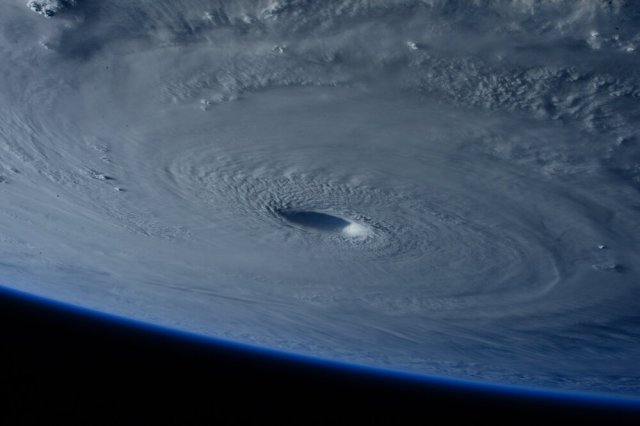
While droughts were touched on before, other extreme weather events fueled by climate change – such as hurricanes, tornadoes, and blizzards – need to be addressed as yet another effect of global warming. Particularly colder than usual winters and some of the hottest summers on record have been noted in recent years. More frequent and tragic storm surges that are increasing in power and intensity has been documented too. For example, hurricanes get their energy from the temperature difference between the cold upper atmosphere and warm tropical oceans. Which is why we have seen whole cities and countries destroyed in the Caribbean, Southeast Asia (i.e. Typhoon Haiyan in the Philippines in 2013), and along the coasts of the U.S. (i.e. Hurricane Sandy in New York in 2012, Hurricane Katrina in Louisiana in 2005).
How can we be more resilient to extreme weather?
Places can build resilience through flood-proofing; implementing valves, pumps, and drainage systems; as well as allocating resources and funds for areas at risk – ensuring to be inclusive to all communities and neighborhoods, no matter the economic or social composition.
How Will Climate Change Impact Us All?
The examples painted above are only expected to worsen over time if adaptation and preventative measures are not prioritized today. The Intergovernmental Panel on Climate Change (IPCC) has assessed that the future habitability of our planet is dependent on our global ability to achieve carbon neutrality, or ‘net zero’ emissions by 2050. In doing so, this can keep global temperatures between 1.5°C – 2°C above pre-industrial era levels. While this increase in temperature sounds minimal, even a 1.5°C – 2°C increase has the potential to drastically change the livelihoods of people everywhere. If we do not take action, experts have predicted that if our world continues down the same “business-as-usual” path, temperatures could increase by 8°C by 2100, putting us on the radar for the 6th mass extinction.
There is no way to avoid these climate trends, and even if you are fortunate enough to live in an area that may not be as affected by the shock of the crisis now, climate change will eventually reach us all. This will be seen through ways such as damage to our homes (i.e. flooding, wildfires, deadly natural disasters), which in return will see an increase in home insurance premiums the more climate-vulnerable we become. It will also lead to unbearable outdoor work conditions for construction workers, miners, firefighters, and agricultural workers. In fact, it has been predicted that by 2100, only 3-6 hours before dawn would be safe to work in as heat waves increase in intensity and recurrence. These hot spells will also lead to higher electric bills and more blackouts, as more air conditioning will be needed to achieve comfortability in our own homes. However, with this increased demand for electricity and power, electrical grids can tire (also the case for snowstorms with the demand for heat inside homes). Unfortunately, the world watched this all unfold recently in Texas and Jackson, Mississippi when residents were left for days and weeks on end without heat, electricity, or running water; which was then met with disproportionate assistance for marginalized communities. Moreover, with the increasing need for resilience, governments will need to ensure their communities can mitigate and adapt to climate events through strengthening of infrastructure and the building of seawalls for protection. With these new innovations, tax prices will increase. While these measures will still require billions of dollars today and seem pricey, implementing now will save us from trillions of dollars in damage if this were chosen to be carried out at a later stage.
Furthermore, it has also been found that health risks and allergies will be on the rise as air quality worsens and pollen season prolongs. In addition, flooding and storms have been known to foster mold growth, which can lead to other lung diseases as well as an increase in allergies. Health related issues won’t just stop there, as it has been reported that heat cramps, heat exhaustion, heat stroke, and hyperthermia can increase with the rise in temperatures. Heat exposure over prolonged periods have been found to aggravate respiratory and kidney diseases, diabetes, strokes, and cardiovascular health; the most vulnerable to these issues sparked by excess heat being older adults, pregnant women, and children. To make matters worse, disease-carrying mosquitoes (i.e. malaria, dengue fever, chikungunya, West Nile virus) thrive off of warmer, wetter conditions. And as hospital bills increase, so will food bills. Touched upon briefly before, extreme weather affects livestocks and crops, which directly influences stability, variety, and price of food. Warm weather also creates conditions that spoils food faster, and exposes pollinators and insect species vital to our food systems to extinction. Due to the globalized nature of our food trade network, vulnerabilities can create global disruption, outcasting communities and farmers around the world who depend on the trade for their livelihood. Insufficient water quality also comes hand in hand, where intense storms and heavy precipitation risk the contamination of our water sources. From street runoff, overflow of untreated sewage systems, saltwater intrusion, and drought, a lack of accessibility to safe drinking water can create disease, death, and societal instability.
And lastly, these eco-anxieties and environmental disruptions have been linked to aggravated mental health – where cases of suicidal and traumatized people have been on the rise as climate-issues are hard to cope with. And when the climate crisis eventually disrupts travel (i.e. flooded airports, too high of temperatures for planes to fly, more turbulent air conditions due to stronger winds, loss/damage of destinations) and outdoor exercise conditions (i.e. excessive weather, unsafe temperatures), the very activities we turn to as a mental escape will become harder to access.
Threat to Our Ecosystems
Source: Tania Malréchauffé
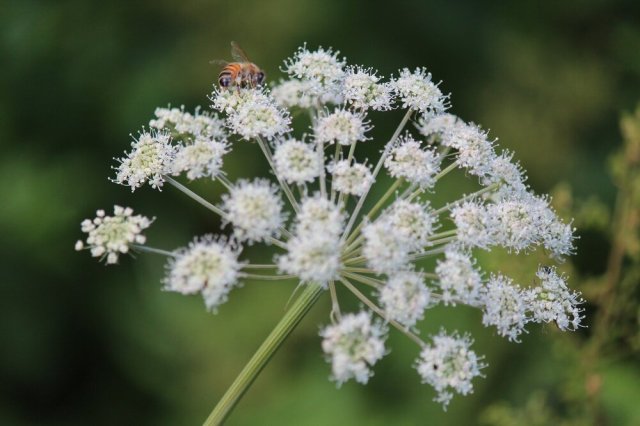
Aside from environmental concerns, the effects of global warming also acts as a stressor to the Earth’s ecosystems. According to the National Academy of Sciences, many plant and animal species are moving to higher altitudes and expanding their range Northward due to warming temperatures. These changes in migration patterns have the potential to disrupt ecosystems as species may not be able to adapt to the new climates and locations they find themselves in, ultimately leading to extinction. Higher temperatures also expands the probability of disease-causing pathogens, introducing more diseases that directly puts plant and animal species at risk to new illnesses they were once protected from in their natural habitats. If left unattended, by 2080, our world could witness the disappearance of up to ½ the plant population, and a decrease in ⅓ of the animal population.
Unjust Threats to Our Societies
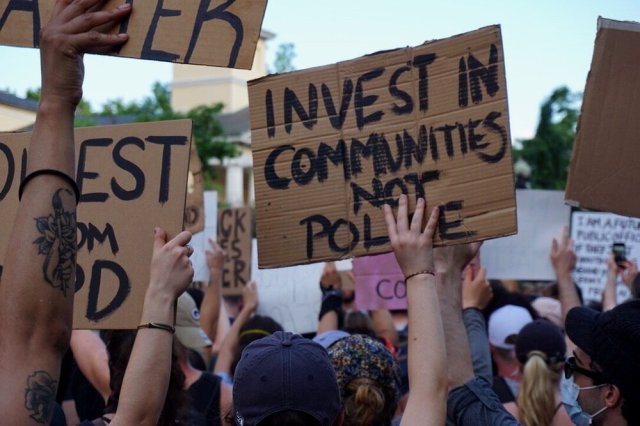
In addition to the proliferation of climate change in the natural world, it has been found that environmental injustices disproportionately impact communities of color and lower income groups. Historically these socioeconomic inequalities and unjust systems have led to people of color being on the front lines of the climate crisis – specifically, vulnerability to heat waves, environmental degradation, succeeding labor market dislocations, and extreme weather events. For example, in the United States, BIPOC communities that experienced Hurricane Sandy (2012) and Hurricane Katrina (2005) are still grappling with the aftermath multiple years later. While neighboring, predominantly white, higher income communities saw immediate government action and funding assistance to rebuild. It is imperative to support policies and efforts that identify, address, and work to resolve these power imbalances, in particular to ensure that climate-related policies cover all people regardless of ethnicity or race.
Tackling Climate Change
Our world is drastically changing due to global warming, and ambitious action is required to save entire ecosystems and the essentials that we value and depend on. It is especially important to recognize the human influence and how we must change our actions in addressing devastating environmental patterns and their consequences.
To protect our health, safety, and lives, we must support policies that enhance climate resilience and drastically reduce the amount of greenhouse gas emissions that are put into our atmosphere. Together we must work to implement nature-based solutions to capture carbon dioxide (i.e. planting trees, better forest management); promote clean, renewable energy (i.e. solar & wind); advocate for government leaders to adopt aggressive climate goals and solutions that cut carbon emissions and protect people; improve resilience measures (i.e. assist vulnerable populations with adaptation strategies, emergency planning, conservation/preservation methods, green infrastructure); and inspire education and conversations on how the world can work in collaboration to tackle the climate crisis.
The magnitude of climate change beyond the next few decades relies on individual/societal, organization, business, and government action; or else these tragedies will only become more severe and unavoidable over time, and we will only be left with ourselves to blame.
meet the author

Jaclyn Yost
Jaclyn is the founder of ecomadic and editor of The Sustainable Seed. She is conscious creative passionate about shedding light on environmental and social sustainability issues through travel.
 ecomadic