
.parent {
display: inline; position: relative; line-height: 30px; float: left; color: #82be41;
}
.parent a{
margin: 10px;color: #82be41;text-decoration: none;
}
.parent:hover > ul {
display:block;position:absolute;
}
.child {
display: none;
}
.child li {
line-height: 30px;width:115%;text-align:left;
}
.child li a{
color: #82be41;
}
ul{
list-style: none;margin: 0;padding: 0px; min-width:10em;text-align: center;float: right; font-weight: 550;
}
ul ul ul{
left: 100%;top: 0;margin-left:1px;
}
li:hover {
background-color: white;
}
.parent li:hover {
background-color: white;
}
.expand{
font-size:10px;float:right;margin-right:5px;
}
.parent a p{
display: inline; margin: 10px;color: #6e706b;text-decoration: none;
}
Tips on How to Protect the Land & Rivers When Traveling Inland
written by Giuliana Gentile | March 16, 2021
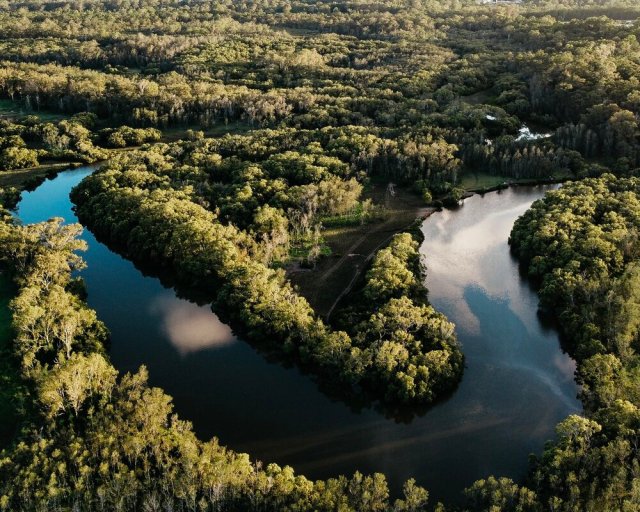
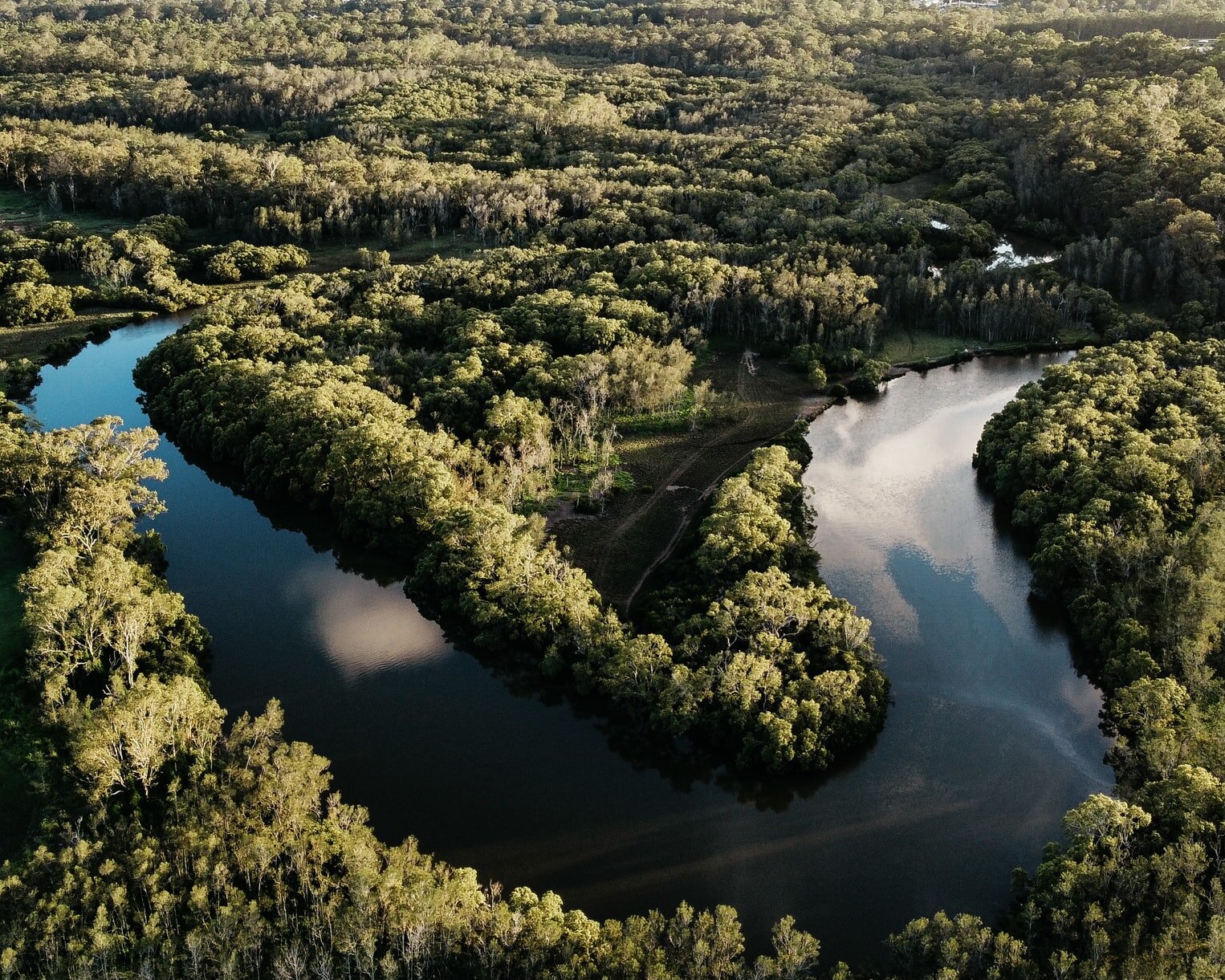
Tingalpa, Australia. 📷 @nossunt
Traveling is one of the best ways to escape from our ordinary lives and forget about all of our worries. As tourists we have a tendency to not think about the long-term impacts of our actions, which can consequently lead to being disrespectful of the environment and the local people in the places we visit. Overtourism has negatively affected various destinations that were once pristine and significantly important for the local people. In order to avoid this, we certainly don’t need to stop traveling, we just need to be mindful of the repercussions of our actions.
The Value of Rivers
Rivers around the world play a crucial role in sustaining biodiversity and providing the ideal habitat for many endangered species. About two thirds of the planet’s freshwater is locked away in glaciers, and another 30% lies beneath the surface of the land as subterranean lakes or rivers. That means that only around 1% of freshwater is within reach; which is the reason as to why fresh water on land is extremely precious to all living creatures, humans, animals and plants. In many destinations around the world we can find spectacular river landscapes, which all sustain a rich amount of life.
Find some examples of essential rivers can be found below:
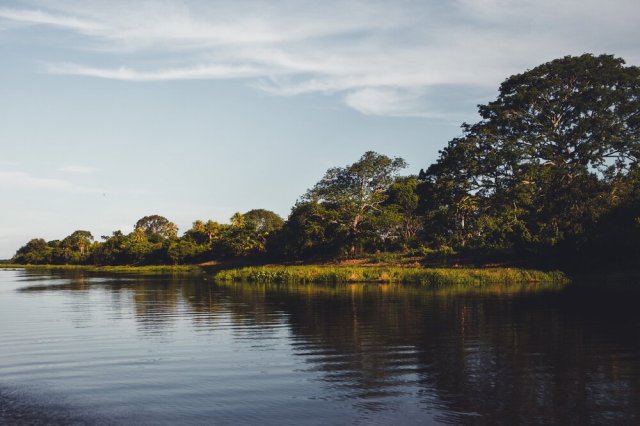
Pantanal, Poconé, Brazil. 📷 @nathsegato
The Pantanal, in Brazil, is home to extraordinary species such as jaguars, caimans, and capybara, which all depend on its water and vegetation.
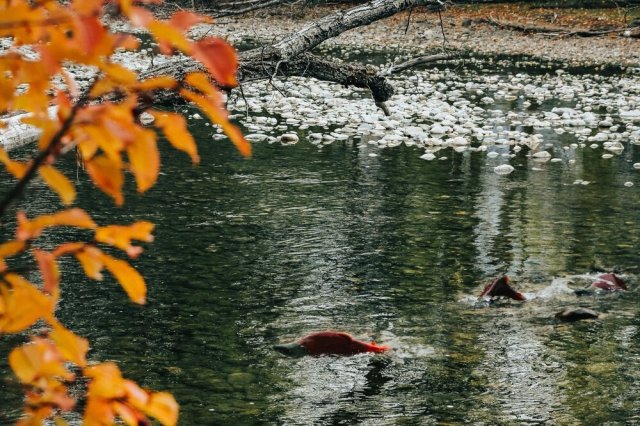
BC, Canada. 📷 @marcotjokro
Various rivers in North America are fundamental for the reproduction of freshwater salmon, which is on the brink of extinction, and are also home to the salmon’s furry predator: the Grizzly Bear.
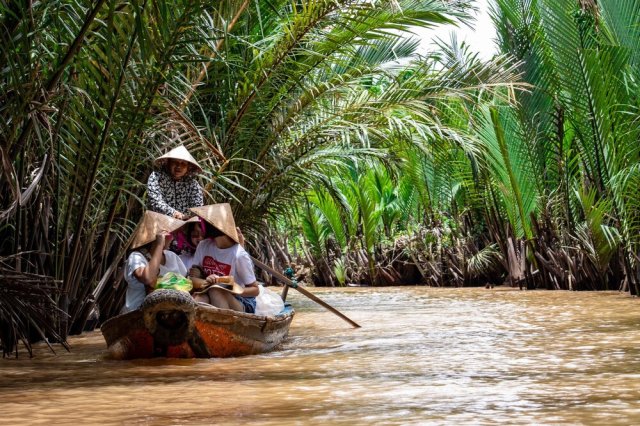
Mekong River Delta, Vietnam. 📷 Tomáš Malík
The Mekong River in Southeast Asia is the largest inland fishery in the world, and 60 million people depend on it.
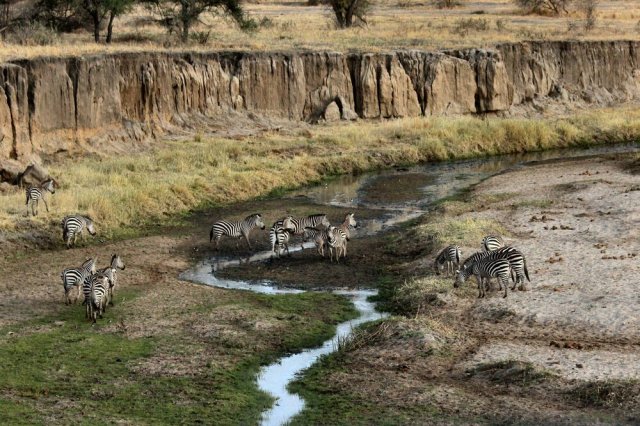
Tarangire National Park, Tanzania. 📷 @joel_herzog
And lastly, in Ruaha, Tanzania, hippos, buffalos, lions, elephants, and many more animals depend on the natural waters. Unfortunately, about 30 years ago, rivers in this African region have started to go dry.
We’ve changed the natural flow of more than two thirds of the planet’s longest rivers by building dams across them. As the planet warms, and as we consume so much water ourselves, droughts are becoming more severe and more frequent. On top of that, overcrowding and over-tourism is endangering the few healthy river areas that our planet has left.
The Ugly Side of Tourism
Tourists are often drawn to visit rivers for the purpose of admiring the landscape and/or for recreational activities (zip-lining, diving, partying, etc). Both of these reasons can cause significant damage to the river’s ecosystems, simply because a great amount of human presence is not meant to be hosted in the area in the first place. When the local authorities aren’t able to control the amount and kind of tourists that are hosted in these localities, the consequences can be disastrous.
For better understanding, here are two examples that underline the difference between unregulated and regulated tourism in a river area:
1. Vang Vieng, Laos
Located deep in Central Laos, one of Southeast Asia’s poorest countries, the once calm and quiet farming village has now become an epicenter for backpackers from all around the world looking for a wild experience. Unfortunately, in this case the term “wild” has nothing to do with nature: in the wise words of a Vang Vieng visitor, “you come here to get wasted.” The main attraction of the area, other than alcohol and drugs, is tubing, which means riding tractor-tyre inner tubes down the Nam Song river. This activity became so increasingly popular that locals began to set up businesses to rent out tubes to travelers. This “business” comprises over 1,500 households. Local people depend on the income that this business provides, but they have to bear the harsh consequences. Extremely cheap bars have opened alongside the river to profit off this tourism overflow, which has ultimately led to unregulated drinking and drug consumption. This area also allows risky activities such as unsupervised jumping from high rocks into the water, and tubing while wasted (and potentially unconscious). These extremely irresponsible activities have caused injuries and also multiple deaths of young tourists: Vang Vieng’s tiny hospital recorded 27 tourist deaths in 2011 alone due to drowning or diving into shallow waters with rocks. In an article by The Guardian, La Phengxayya – a 25 year old primary school teacher in nearby village Phoudindaeng – stated, “we don’t want to swim in the river any more, we believe there are evil spirits in the water because so many young foreigners have died.” Other natives agree and express further that the responsibility lies with the Laos authorities to enforce regulations. However, they also believe there’s too much corruption and cronyism surrounding the river-bar scene for that to ever happen.
2. Caño Cristales, Colombia
The Caño Cristales river boasts a whole spectrum of colors, which is reason as to why it has become so well known. Because of the way the light hits the water, and the microorganisms that live within, the “liquid rainbow” seems to flow with pink, green, and yellow tones, creating a magical and unique atmosphere.
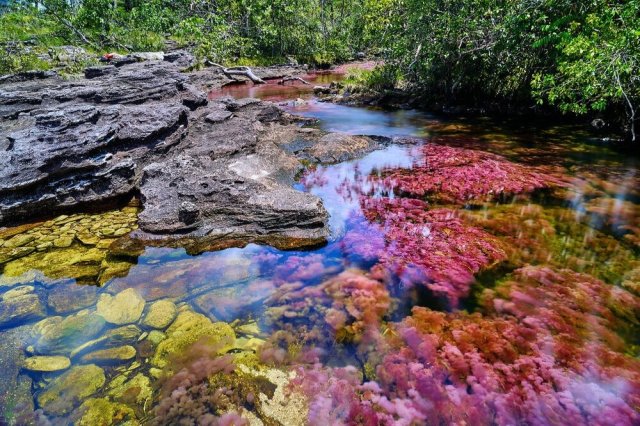
Source: Expotur-eco
With this, the area has naturally gained more attention, potentially making the destination the perfect recipe for overcrowding and wild touristic attractions. Fortunately, the local authorities have promptly implemented a list of rules to keep the area pristine and protect the ecosystems living in the river (i.e. no plastic bottles, no sunscreen or insect repellent in the water, no swimming in certain areas, no cigarettes, no feeding the fish). On arrival, visitors are required to attend a briefing to ensure that these rules and regulations are understood and will be followed. Henry Quevedo, president of the Caño Cristales tourist board, said that this was an almost exclusively local project, with hundreds of families playing a role acting as tour guides and hosts; who are now undergoing training and learning other languages to accommodate the influx. Additionally, in certain times of the year, the access to public is restricted to give the river a break from all the foot traffic.
A Bit of Advice for the Respectful Tourist in You
We can all learn from the example of Caño Cristales to respect the environment that we are only guests in. To assist, we have provided a few tips to remember when traveling to a land/river area:
1. Research & Learn
It is important to know the local natural resources, culture, customs of the area, and if there is any environmental risk. This way you can be prepared and be respectful as much as possible. When in doubt, ask the locals! They’ll know best about taking pictures in the right places, wardrobe choices, forbidden areas, and all the activities that might be inappropriate for their culture.
2. Leave No Trace
Always take your trash with you and carry it until you find a trash can (no matter how far it is, and even better if it’s recyclable). By bringing your own bag, you can make it easier for yourself, and you can even pick up other trash left behind as well.
3. Respect the Flora & Fauna
Nature is not a souvenir store, you’re not supposed to take anything home. Other than that, avoid touching anything unless the locals say it’s ok to do so. This is also a matter of safety for yourself!
4. Don’t Choose Overcrowded Destinations
Avoid traveling with numerous people and group tours, instead, travel by yourself or with a small group of other people. If you absolutely must go to an overpopulated spot, avoid traveling in the peak season to miss the crowds, you’ll get a much more authentic adventure.
5. Ditch the Toxic Sunscreen
Read the label of your sunscreen before you buy it, some of them are made with natural ingredients and are also designed to be safe for the environment. See the Haereticus Environmental Laboratory’s comprehensive list for all potentially harmful ingredients.
6. Visit Protected Destinations
Protected areas or World Heritage sites need our support as tourists, so it’s good practice to visit these areas and include any visits or activities related to conservation projects. This will continue to generate revenue for these projects.
7. Don’t Play Loud Music
Places immersed in nature are meant to be enjoyed quietly and respectfully. With this kind of noise pollution you’ll scare away all the beautiful fauna living in the area, and you’ll disturb everyone else who’s trying to enjoy the experience just as much as you.
8. Avoid Heavy-Polluting Transportation Methods
Whenever it’s possible, avoid transportation, such as cars or boats, that give off a large amounts of greenhouse gas emissions; instead, hike, or ride a bike. It will be cheaper, and you’ll be able to enjoy the nature around you way better.
9. Support local businesses
By supporting local businesses, you’ll also support the whole local economy. Especially in poorer countries, entire communities of people depend on the resources the rivers provide, and tourism is an extremely important resource for them.
It’s a ripple effect that gives the locals the opportunity to grow and thrive, and the future tourists to enjoy the location as beautiful as you saw it. Support local eco-accommodations, local restaurants, local social enterprise shops for souvenirs, and ethical experiences. There’s nothing better than experiencing a foreign culture in its full authenticity.
Want to learn more?
Vang Vieng, Laos: the world’s most unlikely party town – The Guardian
Tourism pressures: Five places tackling too many visitors – BBC
Opinion: Eco-Tourism or Ego-Tourism? – Ecomadic
Fresh Water – Our Planet
Protect Land and Water – The Nature Conservancy
meet the author
Giuliana Gentile
Giuliana was born and raised in Sicily (an Italian island in the middle of the Mediterranean Sea), since then she’s been moving around the world to meet new cultures and discover new places. She has a degree in Political, Social and International Sciences. During her studies she became passionate about environmental protection, gender equality, and cultural identity. She loves traveling, petting dogs on the street, and swimming underwater.
 ecomadic