
.parent {
display: inline; position: relative; line-height: 30px; float: left; color: #82be41;
}
.parent a{
margin: 10px;color: #82be41;text-decoration: none;
}
.parent:hover > ul {
display:block;position:absolute;
}
.child {
display: none;
}
.child li {
line-height: 30px;width:115%;text-align:left;
}
.child li a{
color: #82be41;
}
ul{
list-style: none;margin: 0;padding: 0px; min-width:10em;text-align: center;float: right; font-weight: 550;
}
ul ul ul{
left: 100%;top: 0;margin-left:1px;
}
li:hover {
background-color: white;
}
.parent li:hover {
background-color: white;
}
.expand{
font-size:10px;float:right;margin-right:5px;
}
.parent a p{
display: inline; margin: 10px;color: #6e706b;text-decoration: none;
}
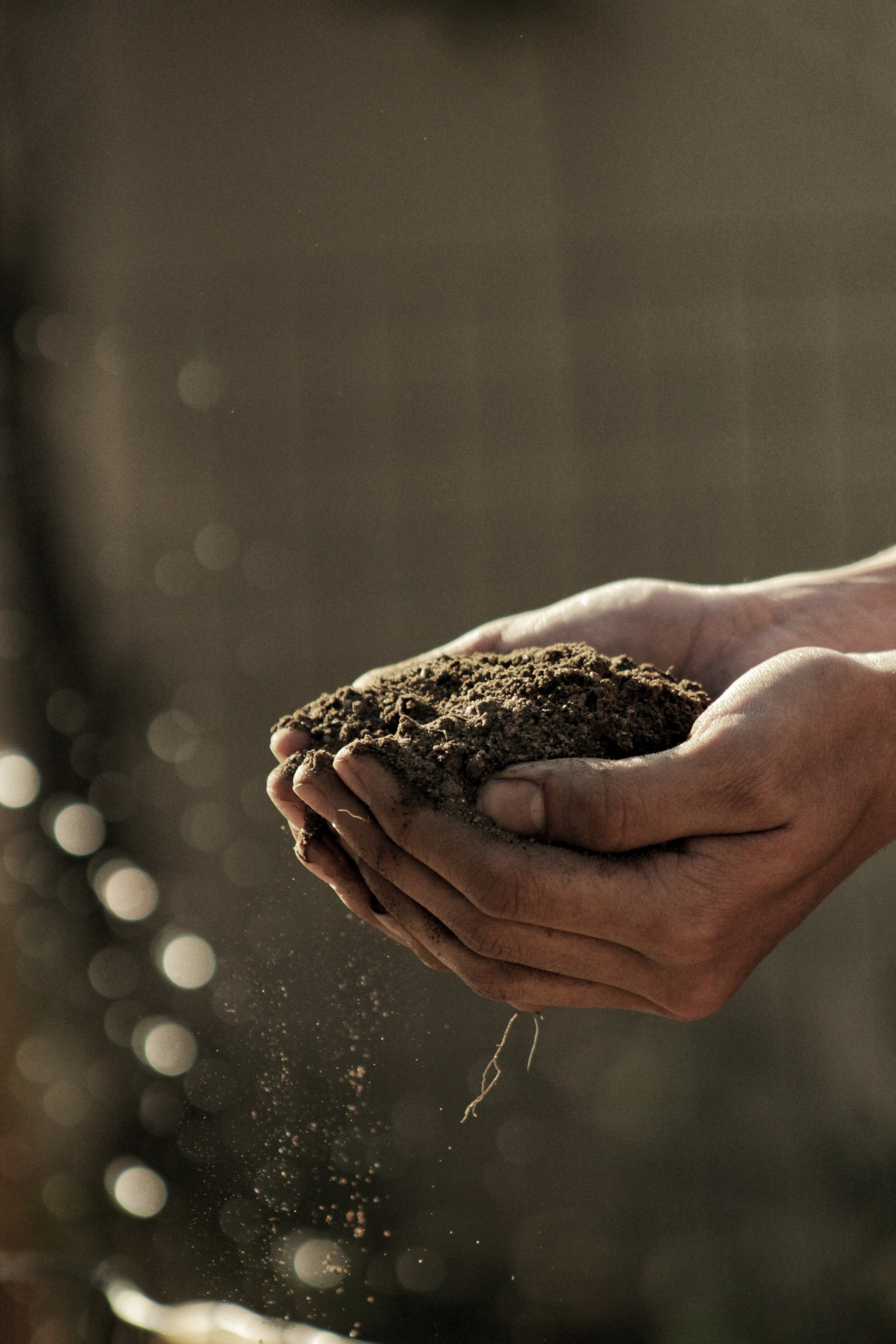
Eating Dirt: Improving Soil Health Through Regenerative Farming
written by Audrey Weiss | March 21, 2021
📷 @gabrielj_photography
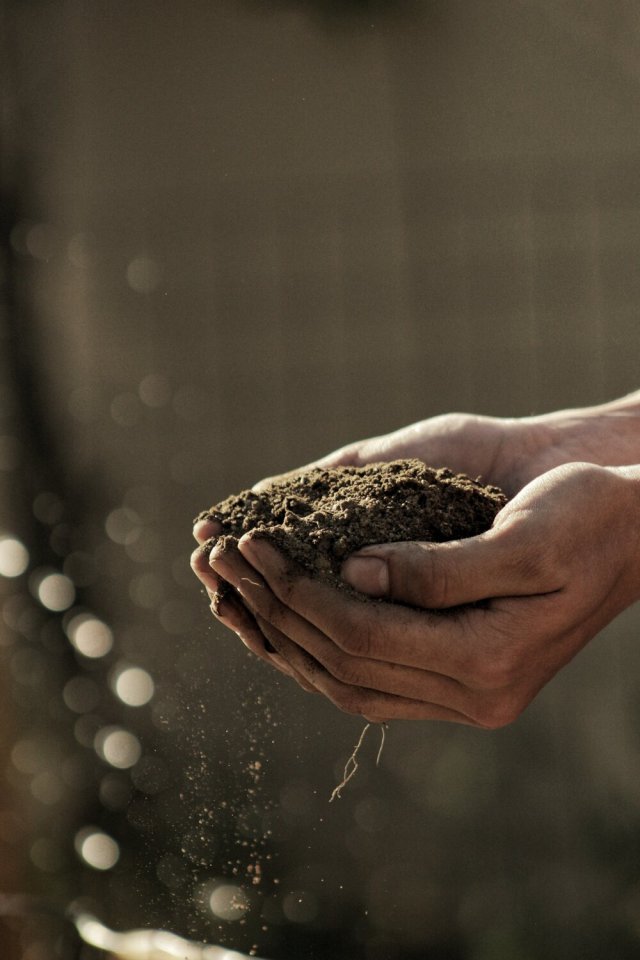
When it comes to agriculture, it seems obvious to start by looking at the ground. But industrial food production is rapidly decimating the very earth it requires, turning the once nutrient-dense soil dry and unusable. So, what’s the real difference between dirt and soil?
It all begins with carbon. According to an article published by the Yale School of Education, healthy soil has the ability to reabsorb carbon in the air to convert it into life, aka: plants. Carbon already exists all around and inside of us and is a key ingredient for life, though it’s often painted as the antagonist in the battle against climate change. It fills our atmosphere and heats global temperatures, resulting in an increase in frequency and severity of natural disasters and the destruction of natural habitats.
But a “new” farming practice offers a way to utilize carbon, promising to decrease temperatures and reverse the effects of climate change over the next two decades, alone.
Regenerative Farming
Regenerative farming uses cover crops, minimal to no tilling, controlled grazing, and composting, and diversity to revert desertified land, or land that has been poorly managed to the point of degradation. This practice is deeply rooted in Black and Indigenous culture in the United States, following many Indigenous farming techniques and applying them to current day agriculture. The pristine environment that English settlers stumbled upon in America was long planned and established by Indigenous communities, according to the National Farmers Union. When African slaves landed in the U.S., they upheld many of these practices in their own communities. Today, native people continue these methods today and farmers are listening. Regeneration International, the Natural Resource Conservation Service and many more are hosting educational courses aimed at teaching farmers about some of the benefits of permaculture farming, or sustainable farming, and for good reason.
📷 Markus Winkler
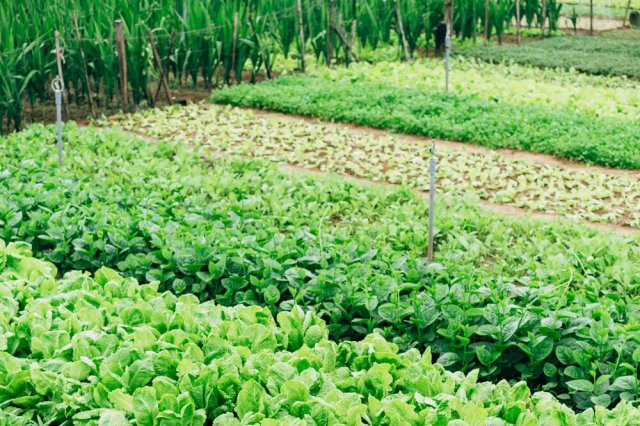
If you take a step back and compare natural ecosystems to industrial farming, the differences are evident. The former is an untouched haven covered in greenery, home to hundreds to thousands of species working harmoniously to maintain the land. Meanwhile, the latter shows row crops with barren trunks lining acre after acre of land, a mix of water and pesticides raining down from gigantic metal monsters onto eerily green leaves while pools of dry dirt and runoff pour down trenches dug by colossal and violent tills. These effects make sense when you take a long look at the destructive techniques utilized in big-ag, or industrial farming. Regenerative farming looks at these destructive methods and uses land management techniques to take advantage of all that the environment offers.
Cover Crop Implementation & Minimal Tilling
By incorporating cover crops and minimizing tilling, runoff becomes a problem of the past. Cover crops reabsorb more carbon, creating deeper and longer root systems and storing additional carbon in the soil. These plants act as home and protection for microbes, insects, and animals important for maintaining the ecosystem and increasing biodiversity. Further, cover crops collect and store water in the soil and because the soil remains undamaged, it more easily drinks up the water it is provided with.
Diversification, Composting & Controlled Grazing
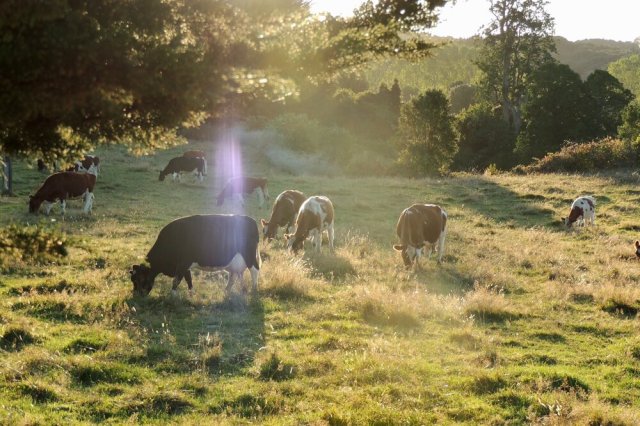
But what about pests that create additional destruction? Regenerative farming practices tackle this in two ways: composting, grazing, and plant diversity. By controlling grazing patterns of ranch animals, common pests like snails, cicadas and beetles become food for chickens and ducks, while cows, pigs, and goats graze cover crops, leaving behind compost and tamping nutrients into the soil with their hooves. Diversification brings all of these different animals and insects together to form a sustainable ecosystem.
📷 @calepinaud
You can see this technique at work with Apricot Lane Farms in Ventura, California. The owners, a married couple named John and Molly Chester, first began their journey toward a regenerative farm in 2011. Soil degradation on their property required massive repair and when they finally created the farm they longed for, a new enemy surfaced: snails. The Chesters eventually determined that they could feed their birds and solve their pest problem by simply letting them do what they do best and mimicking natural scenarios.
The Chesters aren’t the only ones jumping on the permaculture train. Corporations are even beginning to see the long-term perks. General Mills pledged to convert 1 million acres of farmland into regenerative farmland by 2030, even offering pilot programs in North Dakota, Saskatchewan, Manitoba, and Kansas to local farmers.
What You Can Do
These techniques can be applied to small or large-scale gardens and farms, whether you have a cow at your disposal or not. In your own garden, starting a compost bin is essential and a super easy way to cut down on your waste all the while dramatically improving your soil health. In addition, adding sand and mulch to your soil improves drainage and water storage, and allows for healthy root growth. It may also be helpful to test soil pH, aiming for between 6.0 and 7.5pH, as suggested by the USDA. You can add wood ash to increase pH and peat moss to decrease it. After your soil has reached the desired pH, plant freely! Well, not exactly. Take into account what plants prefer what conditions and plan, accordingly, using trees and larger shrubs for shade when necessary.
As someone without the luxury of a garden, I understand wanting to support soil health without physically being able to contribute. Still, there are plenty of farms that utilize permaculture techniques for regenerative farming. Green America keeps an updated map of farms such as these with local options on every continent, offering the healthiest and happiest foods across the globe. Afterall, healthy animals come from healthy plants, which come from healthy soil. So, don’t forget you are what you eat, so make sure you’re eating soil and not dirt.
meet the author

Audrey Weiss
Audrey Weiss is a content creator for ecomadic passionate about all things nature. Born and raised in Colorado, she’s a sucker for big rocks, snow capped peaks, and sunny days. If she isn’t camping, hiking or rock climbing, she’s somewhere in the woods foraging for mushrooms and whatever else she stumbles upon. Audrey hopes to one day own a homestead aimed at environmental education through nutrition and agriculture, making ecotourism her long love.
 ecomadic