
.parent {
display: inline; position: relative; line-height: 30px; float: left; color: #82be41;
}
.parent a{
margin: 10px;color: #82be41;text-decoration: none;
}
.parent:hover > ul {
display:block;position:absolute;
}
.child {
display: none;
}
.child li {
line-height: 30px;width:115%;text-align:left;
}
.child li a{
color: #82be41;
}
ul{
list-style: none;margin: 0;padding: 0px; min-width:10em;text-align: center;float: right; font-weight: 550;
}
ul ul ul{
left: 100%;top: 0;margin-left:1px;
}
li:hover {
background-color: white;
}
.parent li:hover {
background-color: white;
}
.expand{
font-size:10px;float:right;margin-right:5px;
}
.parent a p{
display: inline; margin: 10px;color: #6e706b;text-decoration: none;
}
Recap: The Derek Chauvin Trial
written by Josefina Artigas |April 23, 2021
Minneapolis, Minnesota Source: The New York Times
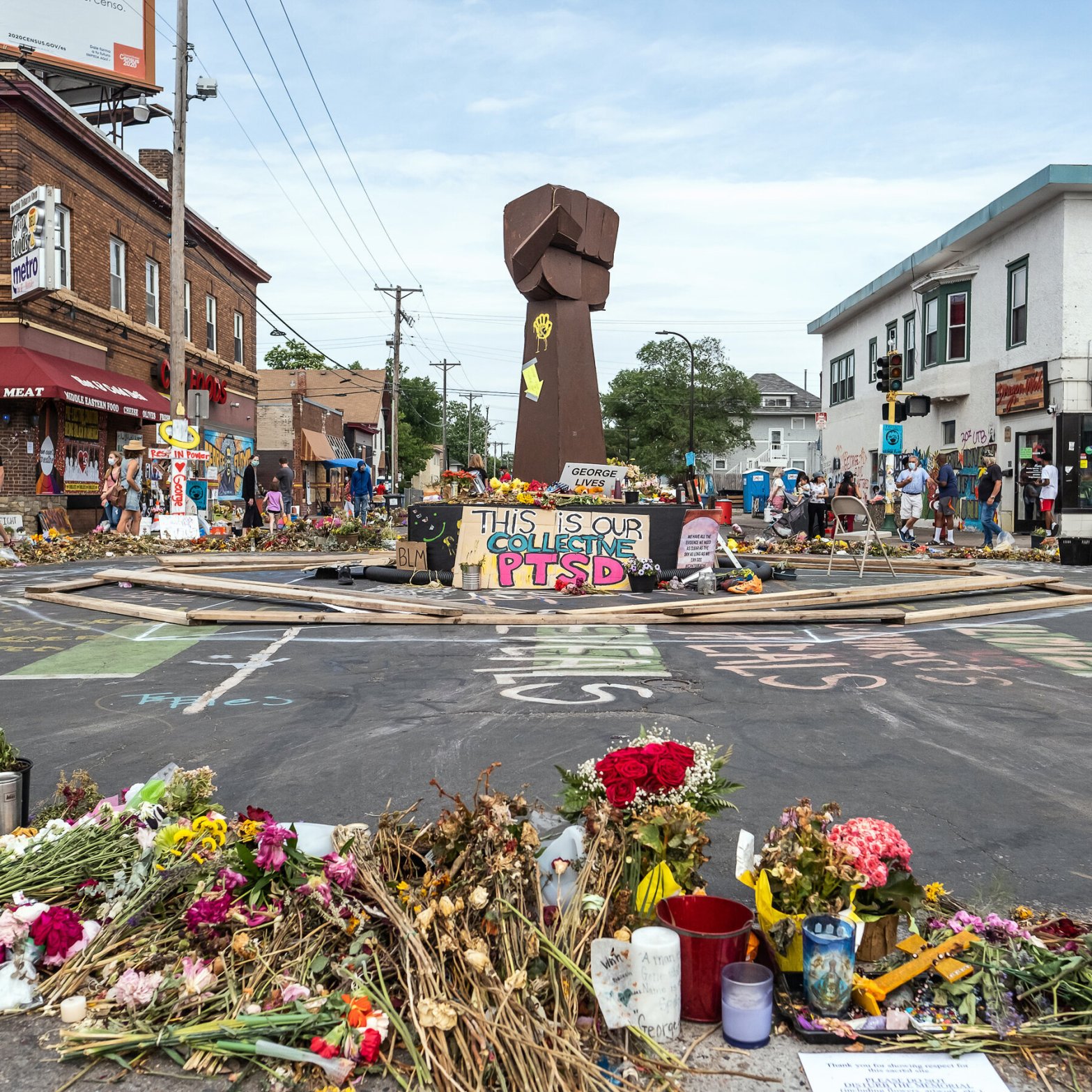
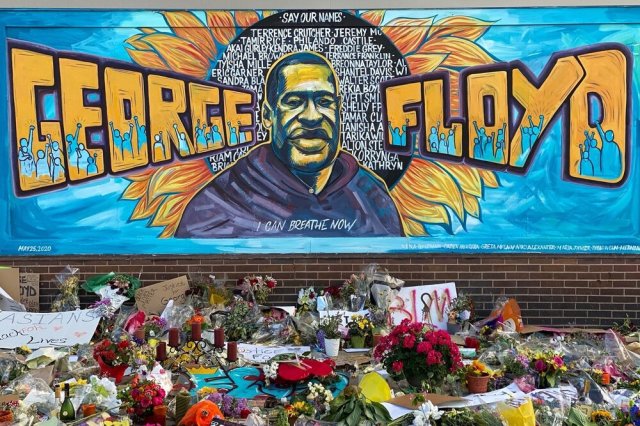
Almost a full year after the brutal killing of George Floyd, a verdict has finally been reached in the trial of ex-cop Derek Chauvin. The jury found Chauvin guilty of all three charges, 2nd-degree unintentional murder, 3rd-degree murder, and 2nd-degree manslaughter. While sentencing is expected to come in the next couple of weeks, the most severe of the charges Chauvin has been convicted of, 2nd-degree murder could lead to a maximum prison sentence of 40 years. The actual sentence will depend on several factors, such as Chauvin’s lack of prior criminal history and the state’s sentencing guidelines. But additional considerations such as Chauvin’s authority as a police officer and his use of excessive force in front of a crowd might extend the sentence.
Key Moments of the Trial
Several vital witnesses gave their statements throughout the trial. Darnella Frazier, who famously took the video that spread across the world and played a pivotal role in the prosecution’s case, gave emotional testimony of the events that she witnessed. At the stand, Frazier stated, “When I look at George Floyd, I look at my dad. I look at my brothers, I look at my cousins, my uncles. Because they are all black.” Her statements reflected how deeply seeing this event unfold has affected her. “I look at that, and I look at how that could have been one of them.”
In addition to multiple other emotional testimonies given by witnesses and family, one particular witness surprised many of those following the trial. Notably, the Minnesota police chief, Medaria Arrandondo, gave testimony that spoke out against Chauvin. He was quoted saying, “To continue to apply that level of force to a person proned-out, handcuffed behind their back, that in no way, shape or form is anything that is by policy.”
In the closing statements, the prosecution heavily relied on the widely circulated video of Floyd’s death to prove their case. Prosecutor Scheicher said, “This case is exactly what you saw with your eyes. It’s what you know in your heart.” The prosecution argued that regardless of health and drug use, Chauvin should be found guilty if his actions caused the heart failure to happen. Meanwhile, the defense argued that Floyd passed away due to heart conditions, drug use, and possibly carbon monoxide poisoning from car exhaust. Eric Nelson argued that Chauvin’s actions were justified and that it was reasonable to believe Floyd was lying when he cried out that he couldn’t breathe. Nelson backed up those claims by arguing that Floyd fought back when officers tried to get Floyd into the back of the police car and that Chauvin had been distracted by the crowd that had formed around the scene while kneeling on Floyd’s neck.
Minneapolis, Minnesota Source: Newsweek
Twin Cities Reacts to Trial Verdict
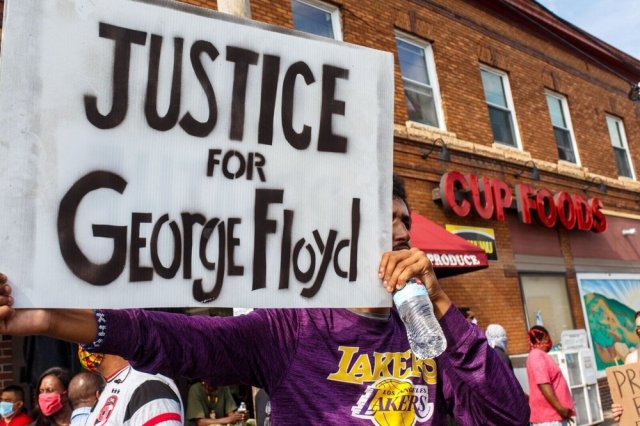
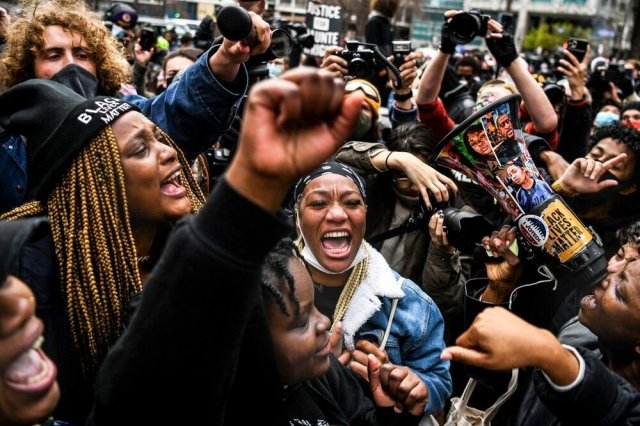
As people worldwide held their breath and tuned in anxiously to hear the verdict read live, many questioned whether Chauvin would be convicted. An organizer of the Black Visions Collective Oluchi Omeoga recalled, “When they said the first charge was guilty, I was very shook.” According to TIME, they had been skeptical from the start of the trial and worried that Chauvin would be acquitted. Another account from an army veteran and longtime resident of Minneapolis Pree-Stinson shows the same hesitancy. They said at a demonstration, “I think we’re going to see the same thing that happens every time, but I don’t want to speak anything into existence.” The skepticism is not unfounded. If you take a look at history, it makes sense why many felt that way. According to NPR, Chauvin is the second police officer to be ever convicted in an on-duty death case in Minnesota’s history.
George Floyd’s brother, Philonise Floyd, told reporters, “Today, we are able to breathe again.” Twin Cities reacted to the verdict with a mix of astonishment and joy. The community had suffered devastating losses and endured unbelievable pain since back in May when riots first broke out and were met by a heavy police force. The community also had to relive much of the trauma during the process of the trial. Unfortunately, the trial’s verdict comes just as other fatal police shootings sent shock waves across the U.S. Just 30 minutes before the judgment was given out, another deadly shooting by police took the life of 16-year-old Ma’Khia Bryant. And just last week, Minneapolis was rocked with another fatal police shooting that hit close to home. Daunte Wright, 20, was fatally killed in Brooklyn Center, near where Geroge Floyd was murdered.
Minneapolis, Minnesota Source: Vox
The Next Steps
The recent deaths of Bryant & Wright only highlight how much more work needs to be done to dismantle the violent and racist policing system in the United States. The verdict in Floyd’s trial should be embraced and celebrated, but the fight is not over. As Keith Ellison, lead prosecutor, stated, “I would not call today’s verdict justice, however, because justice implies true restoration. But it is accountability, which is the first step towards justice.”
Here are some ways can we help support police reform and organizations that are working towards that goal:
You can contact your state representative to tell them to pass the George Floyd Policing Act, which would ban the use of chokeholds and no-knock warrants, as well as end legal immunity of police officers. You can find your representative and directly call and email them to show your support for the bill. You can also fill out this form from Everytown for Gun Safety, who will send a message on your behalf.
Check out the NAACP’s Toolkit for Community Mobilization. This resource aims to provide guidance and information on long-term strategies for police reform through engagement in local communities. It’s a great source on specific areas that should be targeted for reform, as well as extensive educational information on garnering support for a coalition in your area.
Another way to help is to show support for nonprofits who are advocating for police reform and defunding. Check out organizations like Campaign Zero and Anti Police Project for ways to donate and get involved.
Lastly, one of the most important things you can do is to keep showing support for reform at the local to international level, either on social media or in person. Keep marching and keep that same energy felt when the Black Lives Matter movement kicked off last May. The world watched in horror when George Floyd was publicly murdered, but the truth is that he is only one part of a tragic and long history of violence at the hands of law enforcement in the United States.
Minneapolis, Minnesota Source: USA Today
meet the author

Josefina Artigas
Josefina is a content writer at ecomadic. They hold a BS in Biochemistry and a minor in sociology. Their interests include cooking, anime, and coding. They are passionate about the intersection of sustainability and social justice.
 ecomadic