
.parent {
display: inline; position: relative; line-height: 30px; float: left; color: #82be41;
}
.parent a{
margin: 10px;color: #82be41;text-decoration: none;
}
.parent:hover > ul {
display:block;position:absolute;
}
.child {
display: none;
}
.child li {
line-height: 30px;width:115%;text-align:left;
}
.child li a{
color: #82be41;
}
ul{
list-style: none;margin: 0;padding: 0px; min-width:10em;text-align: center;float: right; font-weight: 550;
}
ul ul ul{
left: 100%;top: 0;margin-left:1px;
}
li:hover {
background-color: white;
}
.parent li:hover {
background-color: white;
}
.expand{
font-size:10px;float:right;margin-right:5px;
}
.parent a p{
display: inline; margin: 10px;color: #6e706b;text-decoration: none;
}
Spring Foraging: To Be Old or Bold?
written by Audrey Weiss | April 24, 2021
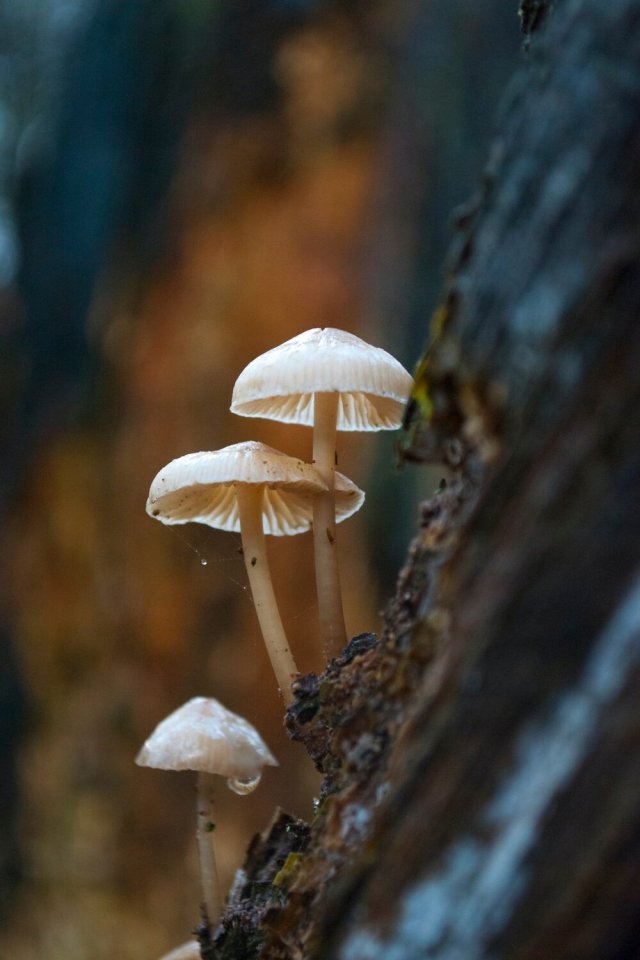
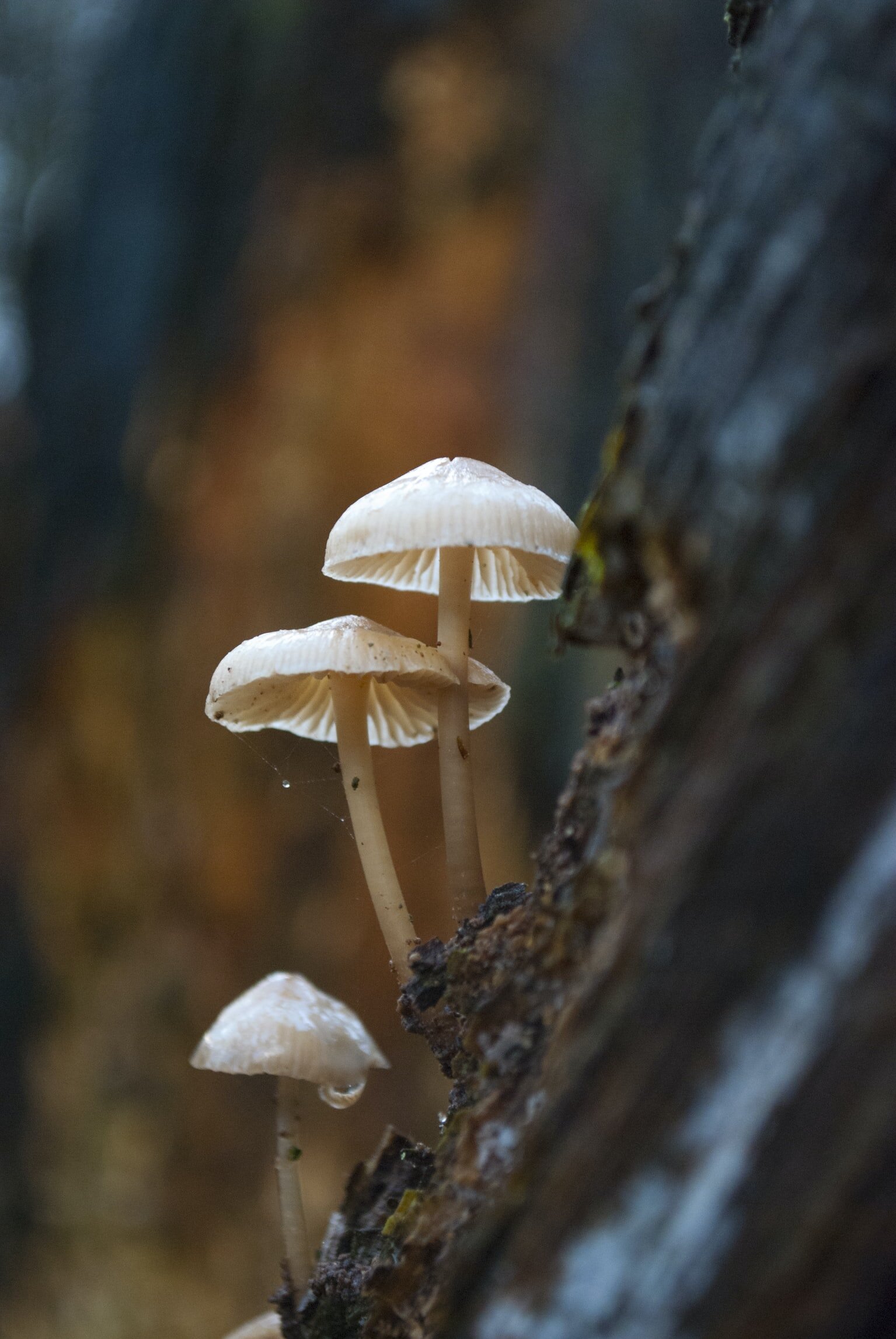
📷 @rifje
It’s finally here.
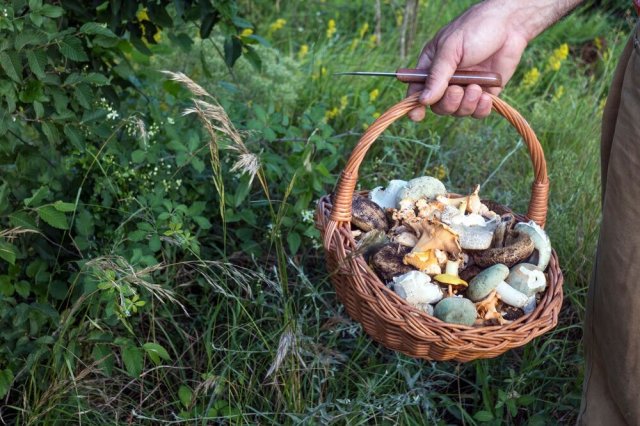
You can smell it from light breezes blowing off of freshly bloomed magnolia, dogwood, and willow trees. Its gentle kiss on your skin comes in scattered breaths as beams of warm sunlight dart through the canopy just beginning to fill with green. Spring is upon us and the forager, wicker basket at their side, knows best to keep their eyes peeled for its bountiful promise.
It’s easy to witness the changes spring brings about, but the forager finds delight in the details.
Drew Zimmerman, better known as Unkle Fungus (@unkle_fungus), explores the world of foragables in the Northeast, specifically in his home state of Pennsylvania.
“I started foraging about four and a half years ago,” Zimmerman said. He reminisced on his first big find, saying “I came across some chicken of the woods on this log and it made me weak in the knees, almost.”
This sparked Zimmerman’s passion for foraged food, and he has since developed a gourmet mushroom growing business under his alias, showcasing just how addicting this hobby can be.
From his cool demeanor and breezy speech, Zimmerman exudes confidence. His knowledge seems effortless enough to assume foraging a simple feat. But as a novice myself, I can assure you it’s far from easy.
When I first began foraging, a friend told me an old foragers’ saying: there are foragers old, and there are foragers bold; but there are no foragers old and bold.
With an estimated 5.1 million species of fungus, confusion is inevitable. Skilled foraging requires years of training and education, or a riskier perspective. While various courses and guided forays exist, options are still limited. But for us amateurs, there are several ways around this – tried and true by yours truly.
Becoming a Pro
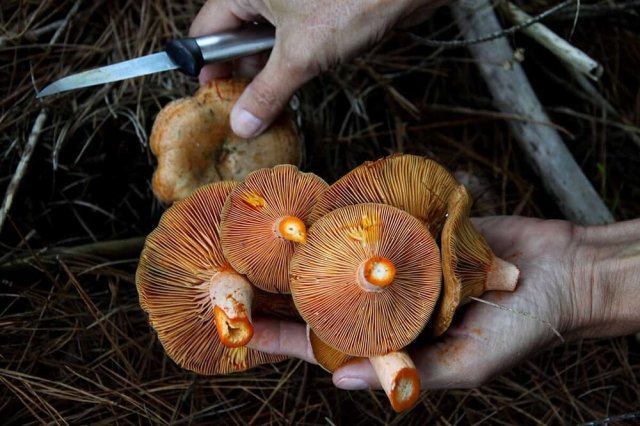
Source: MorningChores
The first thing a new forager should do is join one (or five) foraging forums. These exist on Facebook, Reddit, even Meetup, and contain endless information from foragers old and new. If you can’t find one local to your area, broaden your search to surrounding ones.
These groups offer you the opportunity to take note of what others are searching for and finding near you. Be sure to post photos of your own finds for identification, and connect with fellow fungi fanatics.
It’s important to note that these groups can get pretty intense, so make sure you understand the rules!
“I immediately joined a bunch of different Facebook groups and started really analyzing the ecosystems for the mushrooms other people were finding,” Zimmerman said. “When I finally went out, I’d look for the same stuff – studying trees and directions.”
Zimmerman cross-referenced his own observational photos with information he found on various foraging forums and created a stockpile of notes on ecosystems and the fungi they grow.
Getting hands-on experience is imperative for becoming a great forager. Explore your local wooded areas and take loads of pictures.
When you’re first getting started, I recommend either going alone or going with an experienced forager. You’ll have the space to really observe the area and zero in on the micro-ecosystems you encounter.
Zimmerman stresses this point, especially during spring (morel season), saying, “Get used to going out by yourself! The more people you go out with, the more distraction there is. When you go into an old growth environment and you’re by yourself, you notice things that you would totally just walk over if you brought somebody with you.”
After you’ve gotten started, I think bringing a friend or two amplifies learning and fun. After all, it’s nearly impossible to have a bad time searching for hidden treasures in the woods, and as you walk, you can talk about things to look for, what’s in season, practice your identification, and make all sorts of jokes about mushrooms.
(Why are mushroom farmers such good people? They have good morels).
What’s in Season Now?
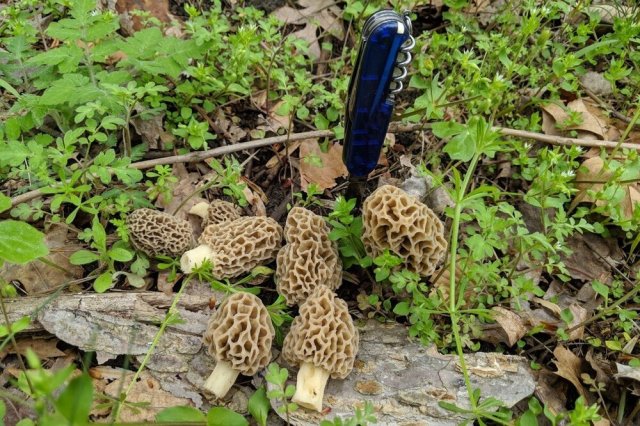
Source: Greater Greater Washington
So, you’ve joined a few groups and you’re ready to start looking. Now is the best time to start! In season and ripe for the picking are dozens of foragable foods, with more and more popping up every day.
The most elusive of the season: the morel. Morels are extremely particular about the habitats they grow in, down to the direction they face and the soil temperature over several nights. It’s a science and it takes some studying to master, but you just might get lucky! I found my first morel this season after having only practiced foraging for about six months, so I’d say it’s possible.
But foraging isn’t only mushrooms, and the bounty of edible wild plants spring has sprung is probably already around you. Dandelions, wild garlic, mustard garlic, violets, magnolias, clovers and so much more have all sorts of edible and medicinal value.
“There’s tons of invasive species,” Zimmerman said, “but as invasive and destructive as they may be, they can be really wonderful and medicinal, like mustard garlic greens, which are phenomenal, and Japanese knotweed. Just because they’re invasive, doesn’t mean… [they] need to be burned or ripped down or something.”
You can use dandelion leaves and mustard garlic as substitutes for spinach, dandelion root as a coffee substitute, and substitute wild garlic for chives for the store-bought heads. These are everywhere, most recently found growing wild in some planter boxes at the waterfront at Gantry in Brooklyn, NY.
Clovers, dandelion flowers, violets and magnolias all make for sweet and floral teas, with magnolia tasting exactly like ginger and violets like fresh grapes. Plus, when you steep violets and add sugar to create a syrup, the resulting mixture is color changing, reacting to acids by turning pink, and bases, green!
Getting Started
Source: Mossy Oak
-
Whenever you forage, you are acting as a member within the ecosystem. Everything you do impacts the rest of the ecosystem. So, remember to take only what you need and will consume.
-
Do not eat anything you absolutely cannot identify, using either an app, other members of groups, research, and/or a spore print (unless you decide to be a bold forager and not an old one).
-
Follow laws regarding local plants, especially those that may be endangered. For example, ramps, a very rare Spring edible wild plant, take approximately seven years to grow and are nearing extinction due to over-harvestation.
Even if you don’t come home with the greatest morel jackpot, foraging sinks in when you actually make something with your finds. For the most part, regardless of your location, there are potential finds and at least a little clarity on even the most fruitless of days.
“It’s a meditation in a way,” Zimmerman said. “Focusing on your environment, understanding the noises and the smells is a really great thing.”
Lastly, always remember to practice ‘Leave No Trace’ principles whenever you are in a natural space, and happy hunting, fellow foragers.
meet the author

Audrey Weiss
Audrey Weiss is a content creator for ecomadic passionate about all things nature. Born and raised in Colorado, she’s a sucker for big rocks, snow capped peaks, and sunny days. If she isn’t camping, hiking or rock climbing, she’s somewhere in the woods foraging for mushrooms and whatever else she stumbles upon. Audrey hopes to one day own a homestead aimed at environmental education through nutrition and agriculture, making ecotourism her long love.
 ecomadic