
.parent {
display: inline; position: relative; line-height: 30px; float: left; color: #82be41;
}
.parent a{
margin: 10px;color: #82be41;text-decoration: none;
}
.parent:hover > ul {
display:block;position:absolute;
}
.child {
display: none;
}
.child li {
line-height: 30px;width:115%;text-align:left;
}
.child li a{
color: #82be41;
}
ul{
list-style: none;margin: 0;padding: 0px; min-width:10em;text-align: center;float: right; font-weight: 550;
}
ul ul ul{
left: 100%;top: 0;margin-left:1px;
}
li:hover {
background-color: white;
}
.parent li:hover {
background-color: white;
}
.expand{
font-size:10px;float:right;margin-right:5px;
}
.parent a p{
display: inline; margin: 10px;color: #6e706b;text-decoration: none;
}
How to Reduce Waste Amidst The Global Trash Crisis
Written by Stephanie Stevens | April 27, 2021
Source: Chauldry Agho
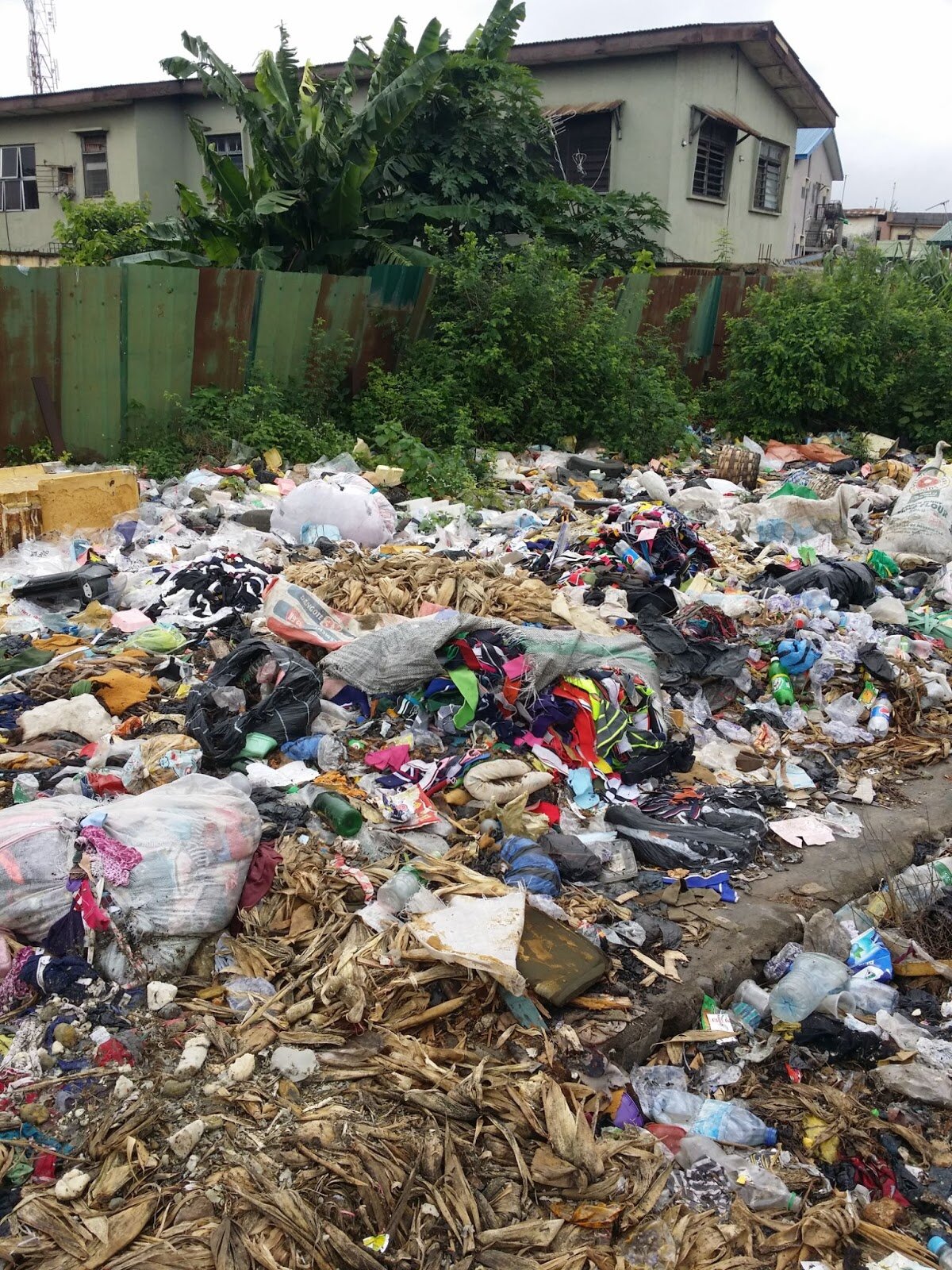
We see it in our streets, in our waterways, and in our oceans. Whether it’s on an evening stroll, during the morning commute, or even while traveling – that stray bottle, soda can, or fast-food container never seems to be out of view. It seems everywhere we go, no matter how much we’d like to, we just can’t seem to escape our world’s mounting trash troubles. Across the globe, landfills are filling – and overflowing – at an alarming rate with seemingly no end in sight. According to research reported by The World Bank, humans generated 2.01 billion tons of solid waste in 2016 alone and that figure could rise to 3.4 billion tons by 2050. The U.S. alone, which accounts for only an approximate amount of 4% of the world’s population, generates a whopping 12% of the world’s garbage. While these massive numbers can be hard to wrap your head around, all it takes is a look around to get a glimpse of how dire and widespread this problem has become.
Yet even with such a pervasive issue, many individuals and governments alike seem to avoid taking any sort of action towards improving the situation. The greatest case of this lack of ownership can be seen in the existence of what has been aptly named the Great Pacific Garbage Patch or the Pacific trash vortex, which consists of two distinct collections of marine debris that have formed in the Pacific Ocean. For reference, the area of this patch is two times the size of Texas and three times the size of France.
You might be imagining these patches as mounds of bottles, fishing nets, and miscellaneous trash – and they are – but perhaps the scariest part of these patches is that they are almost entirely made up of microplastics, which are tiny bits of plastic that are entirely invisible to the naked eye. This invisibility factor caused oceanographers and climatologists to be unable to confirm the existence of the Great Pacific Garbage Patch with satellite imagery, even though they had long predicted it was there. It wasn’t until these mounds of trash were discovered first-hand by racing boat captain Charles Moore that we were able to confirm the patch’s location and existence.
So, how do these microplastics make their way into the ocean? When trash and plastics aren’t disposed of properly, they often make their way into waterways and streams. When plastics in particular travel through the water and into the ocean, they are broken down by the sun into millions of teeny tiny pieces through a process called photodegradation. As these microplastics, along with other debris and rubbish, move their way through the ocean, they are pulled by the strong currents of the ocean’s North Pacific Subtropical Gyre. This gyre gradually pulls all of the trash into its vortex, creating a massive patch.
You might be wondering: whose responsibility is it to clean up this mess? Well, with the patch being located in international waters, no country wants to claim responsibility for it and because the trash has technically accumulated from many different sources, it is hard to place one group at fault.
While the Great Pacific Garbage Patch is a massive issue in and of itself, it also acts as a larger metaphor for the Global Trash Crisis as a whole. When it comes to producing and disposing of trash, there seems to be an “out of sight, out of mind” notion among developed countries; or that once it’s out of our country, it’s no longer our problem. This dangerous mindset has led to widespread inaction in tackling this global crisis, but this lack of accountability won’t be able to last for long. Unlike much of the Great Pacific Garbage Patch, this global crisis is not an invisible affair and the reality of our trash troubles can be seen all around us. As this global crisis has come to a head in recent years, many countries are quickly realizing that they no longer have the luxury of willful ignorance and that the time for action is now.
Source: Los Angeles Times
What Has Led To The Global Trash Crisis?
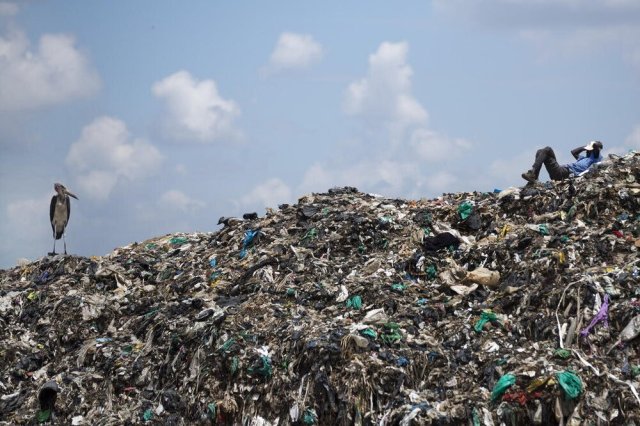
When taking a closer look at the Global Trash Crisis, it becomes clear that there are many driving forces, including: an increase in waste production, a widespread lack of infrastructure, and a general oblivion or indifference. When it comes to waste production, we are actually producing more trash than ever before – and by we, I mean globally. All across the globe, waste generation has increased, with both developed countries and developing countries producing more waste each year as international standards of living continue to rise. The largest contributors to global waste, however, are developed countries, with recent research showing that higher-income countries are actually producing twice as much waste per capita than developing countries. Not surprisingly, the United States leads the pack in this regard, with per capita waste generation among Americans increasing from 4.5 pounds per person per day in 2017 to 4.9 pounds per person per day in 2018.
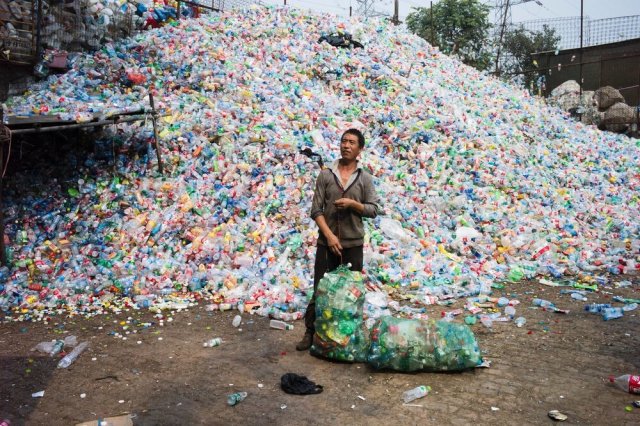
With all of this increase in trash production, it doesn’t help that we massively lack the infrastructure to manage all that we produce. Up until 2019, the United States and other developed countries, such as Germany and Australia, sent plastic waste to be processed in other countries, such as China. However in 2019, China officially put the brakes on that partnership and many developing countries followed suit, forcing many developed countries to face a reckoning when it comes to where to dispose of their trash. Not to mention that with industrialization happening at such a fast rate, many developing countries are struggling too as they are not equipped with the infrastructure to handle the rapid influx of waste.
This lack of infrastructure in cities around the world has also led to a host of environmental and public health issues as many governments have resorted to throwing recycling in landfills and waterways, and in many cases, burning unwanted trash. This burning of waste is extremely damaging, as it leads to harmful carbon dioxide emissions, which have led to the overall warming of our planet and other effects related to climate change.
In addition to increased production and lack of infrastructure, there also lies the issue of oblivion and/or indifference. Mark Dancy, president of WasteZero, one of the U.S.’s largest waste companies, noted that because people are not seeing where the waste goes, they do not believe (or know) that it is a problem. In fact, many experts agree that the perceived efficiency of our waste management systems in America has led many to believe that we do not have a waste problem. The garbage truck comes and it picks it up. What happens after isn’t my problem, right?
As more research reveals the severity of this crisis, we can see that this way of thinking has had dire consequences, but it also reveals the unwillingness of individuals, companies, and governments to take ownership for this problem that we are all facing. Regardless of our collective unwillingness to act, this crisis has shown no signs of slowing down and as more and more countries come to terms with their trash output, many around the world are scrambling to find quick and effective solutions.
Source: New York Times
What Are Some Viable Solutions?
As this global crisis continues to fester, individuals, companies, and governments have started to realize that we need solutions – and we need them fast. Given the complexity of the situation, there is no magic fix but while viable solutions might not seem easy to come by, that does not mean that they don’t exist. In fact, when it comes to this global crisis, effective action will likely need to be comprehensive and take a multi-level approach in order for any progress to really take place.
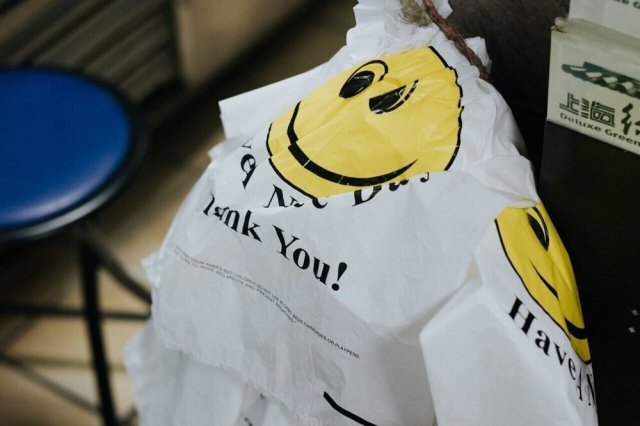
One of the simpler solutions that has been popular around the world is a bag tax. With a bag tax, consumers are charged an upfront cost – anywhere ranging 5 cents to a dollar – for the cost of the bag. This extra fee is meant to deter consumers from using plastic bags and also to contribute to the cost of processing plastic bags, which is a costly endeavor. While this solution has been effective at reducing the consumption of plastic bags, it still allows for the production and consumption of plastic bags to persist, making it an unfavorable solution. Not to mention that for many consumers, a five cent fee is hardly enough to make them think twice about using a plastic bag.
Source: Marissa Lewis
Another solution that is perhaps more compelling is the use of biodegradable alternatives in place of single-use plastics. These biodegradable substitutes are typically made of plant-derived alternatives, such as grain and sugarcane, which allows them to biodegrade naturally over time. This solution seems to be a step in the right direction, as it works to negate the need for single-use plastics in general and could lead to a decrease in their overall production and use. The biodegradable alternatives would also lead to less landfill waste overtime, with the biodegradable material eventually breaking down to organic matter.
While neither the bag tax or the use of biodegradable alternatives are perfect solutions, they both seem to be a step in the right direction as they aim to tackle the issue of plastic. According to a 2018 study completed by the U.S. Environmental Protection Agency (EPA), plastics accounted for over 18% of landfills, second just to food (coming in at 24%.) So, as we can see both in our landfills and in our oceans, cutting down on plastic is a worthwhile endeavor that can lead to a drastic reduction in overall waste.
Some countries, however, are taking a more comprehensive approach. South Korea, for example, has imposed a volume-based waste fee system, where residents are responsible for paying for the amount of waste that they produce. Food waste, recycling waste, and electronic waste are managed completely separately from each other, leading to less contamination and spillage. South Korea also implemented a ban on single-use plastic bags in supermarkets, leading to a reduction in plastic waste. Overall, these measures have been immensely successful and have led to a reduction in yearly food waste of nearly three quarters of a pound per person.
In Kamikatsu, a small mountainous town in Japan with a population of 1,500, zero-waste goals have been implemented with residents taking on the task of separating trash into 45 categories before being sent off to be recycled, reused, or repurposed. The town has also introduced many community projects aimed at reducing waste, such a diaper project that provided households with infants a cloth diaper starter kit for a full year in order to reduce the excessive waste that comes with disposable diapers. Projects such as these, in addition to the town’s overall zero waste initiatives, have made Kamikatsu a model for what zero waste living can look like around the world.
As our knowledge of this global crisis develops, so will the extent of our solutions. However, no matter whether you consider additional taxes, plastic alternatives, or infrastructure changes, one thing is for certain: we need to act and we need to act now. While it might take some time before governments take serious action, we all have the power to implement changes in our personal lives that will provide immediate aid in the fight against this global crisis.
How To Limit Your Personal Trash Production
As an individual, global crises such as this can feel overwhelming, as we feel that the problem is so big and out of our control. However, action can be empowering and there are things that we can all do to limit our own personal trash consumption and in turn feel more inspired about the future.
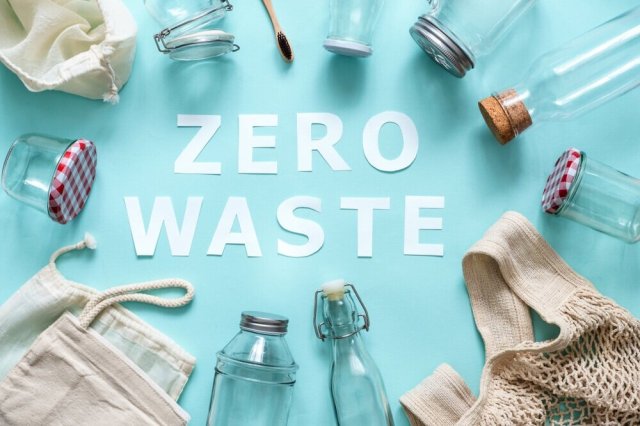
One of the best first steps for limiting your personal trash production is to limit or completely eliminate your use of disposable and single-use plastics. While this might seem like a daunting task, these single-use plastics, such as plastic cutlery, plastic bags, etc. are some of the least sustainable products on the market. One of the easiest ways to reduce your intake of these is to bring your own reusable cup with you for beverages on the go and to bring a reusable bag along for anything that you might pick up during your day.
Source: Shift Workspaces
Along those same lines, another great way to reduce plastic consumption in the long term is to invest in reusable and biodegradable goods. There are so many great swaps for plastic products these days, and investing in reusable items such as bamboo silverware, a stainless steel straw, or reusable water bottle, will help you to cut down on unnecessary waste. Plus, you’ll save money in the long run, too!
One of the places we encounter the most waste is at the grocery store with so many products wrapped in unnecessary paper and plastic. One of the ways to cut down on this unnecessary waste is to shop in bulk. Shopping in bulk enables you to cut down on waste by allowing you to utilize the same container every time you shop! All you have to do is bring your empty container and fill it to your heart’s desire.
While the onus of the Global Trash Crisis should not fall on us as individuals, we are all responsible for our actions and the role that we play in the continuance of this global dilemma. By reducing our own trash production, we can feel good about limiting our contribution to this widespread crisis that continues to affect our precious ecosystems, communities, and livelihoods. We don’t have to be perfect, but making improvements where we can will go a long way over time. If we don’t, our global issues relating to trash will only continue to grow and there will become a time where action won’t be voluntary – it will be mandatory and it might be too late.
Sources:
US Top of the Garbage Pile in Global Waste Crisis – BBC
Great Pacific Garbage Patch – National Geographic
300-Mile Swim Through The Great Pacific Garbage Patch Will Collect Data On Plastic Pollution – Forbes
The World’s 2-Billion-Ton Trash Problem Just Got More Alarming – Bloomberg
The World’s Trash Crisis, and Why Many Americans are Oblivious – Los Angeles Times
National Overview: Facts and Figures on Materials, Wastes and Recycling – EPA
meet the author

Stephanie Stevens
Stephanie is a writer and photographer passionate about sustainable living, mindfulness, and exploring the outdoors. She loves microadventures but her favorite part about traveling abroad is immersing herself in other cultures. When she’s not writing, you can find her drinking coffee, playing soccer, or backpacking.
 ecomadic