
.parent {
display: inline; position: relative; line-height: 30px; float: left; color: #82be41;
}
.parent a{
margin: 10px;color: #82be41;text-decoration: none;
}
.parent:hover > ul {
display:block;position:absolute;
}
.child {
display: none;
}
.child li {
line-height: 30px;width:115%;text-align:left;
}
.child li a{
color: #82be41;
}
ul{
list-style: none;margin: 0;padding: 0px; min-width:10em;text-align: center;float: right; font-weight: 550;
}
ul ul ul{
left: 100%;top: 0;margin-left:1px;
}
li:hover {
background-color: white;
}
.parent li:hover {
background-color: white;
}
.expand{
font-size:10px;float:right;margin-right:5px;
}
.parent a p{
display: inline; margin: 10px;color: #6e706b;text-decoration: none;
}
Easy and Affordable Tips for Grocery Shopping More Sustainably
written by Giuliana Gentile | May 2, 2021
Source: Environmental Defence
Protecting the environment takes effort. While the path to sustainability can be overwhelming, we can all agree that it’s all worth it in the long run. The trick is to start small and take it one step at a time. We can already make a great difference with the choices we make at the grocery store, so here’s a small guide to help you begin:
1. Bring Reusable Shopping Bags

Source: Woman’s World
Reusable groceries bags are more convenient than common plastic bags: they’re more resistant, and they’re cost effective. Do you often forget your reusable bags at home? Yeah, me too! Here’s a pro-tip to always have them at hand: keep them next to your door or in your car! As an alternative, check to see if the cashier at the grocery store can find a reusable box for you to store your items in. They’re usually happy to get rid of them!
2. Beware of Plastic Packaging
Source: Simplifi Fabric
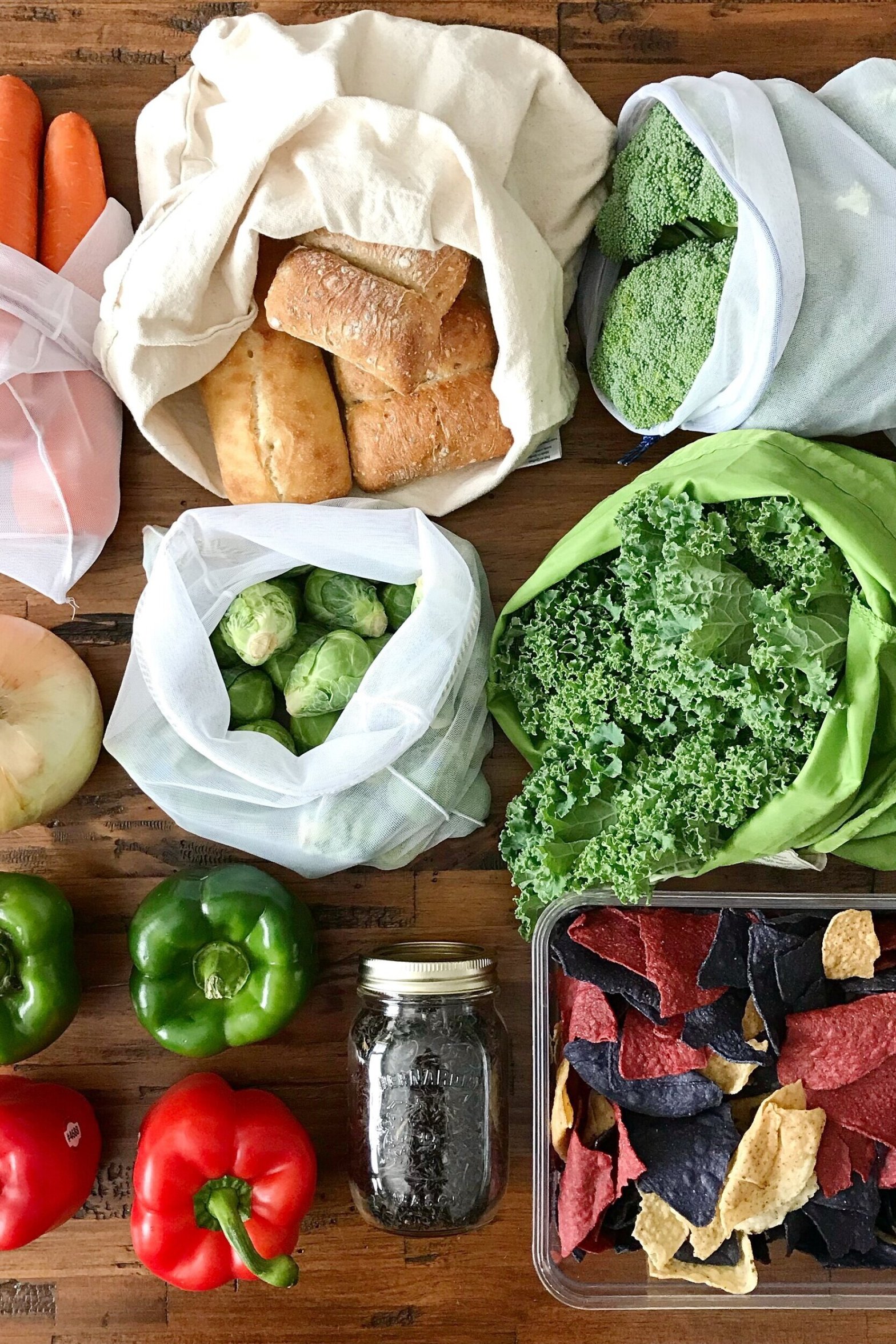
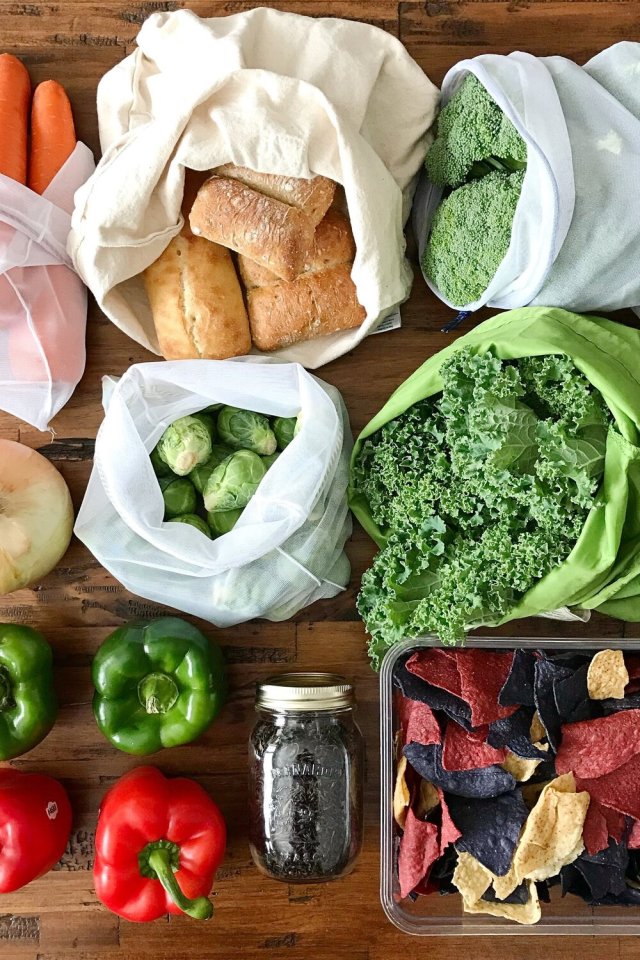
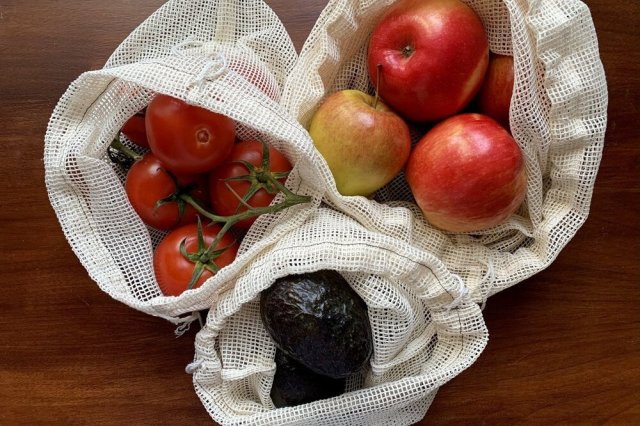
When choosing your products, always go for the option that provides zero-waste or minimal packaging. You can always, bring your own reusable produce bags and choose your fruit individually, rather than buying it wrapped in plastic. When there are no plastic-free choices available, go for the bigger package rather than multiple small ones.
3. Check Your Plastics
Source: ecomadic
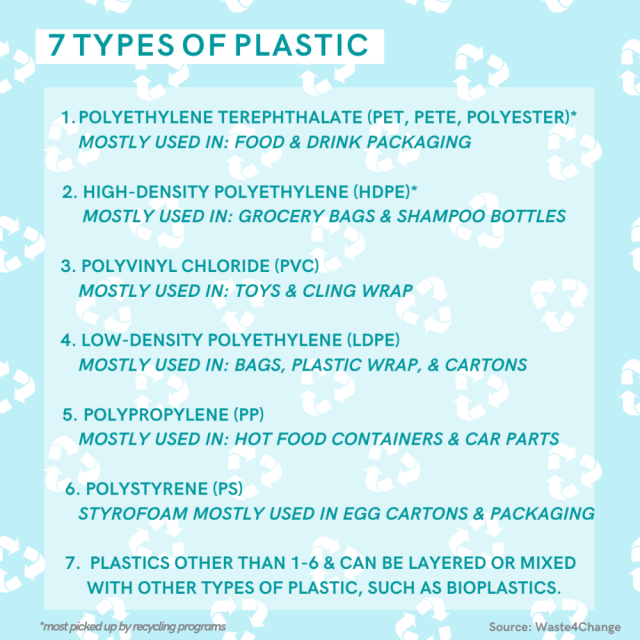
Some plastics are more easily recyclable than others. If you buy an item with plastic packaging, check its resin identification code (the small number inside of a triangle). This symbol tells you which out of the seven types of plastic it is likely made from.
4. Always Read the Labels
Source: Mind Over Mango
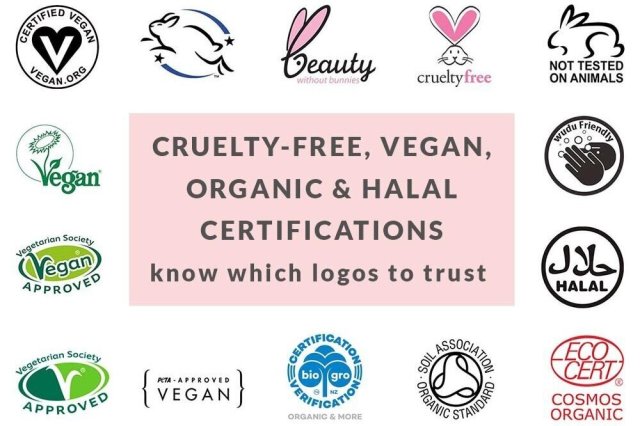
Reading the labels of the products we buy should be a common practice, not only to protect our planet, but also our health. Some harmful components, such as palm oil, are easily avoidable just by reading the ingredients description on the labels. Generally, it is advisable to purchase products made out of natural and/or organic ingredients.
It’s important to recognize the terms that are written on labels. For example: organic production avoids pesticides, artificial fertilizers, GMOs, and requires some animal welfare standards; meanwhile, in the words of the Fairtrade Foundation, “fairtrade addresses the injustices of conventional trade, which traditionally discriminates against the poorest farmers and workers.”
When it comes to toiletry, instead, look for the cruelty free symbol. This means the product that you are buying has not been tested on animals.
5. Choose a Plant-Based Diet
Source: Brooklyn Grange
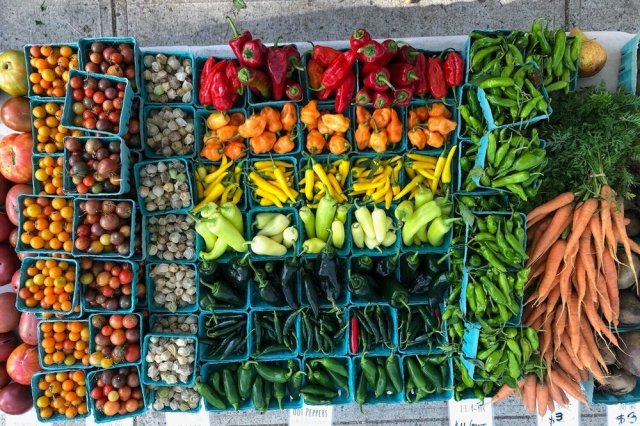
Whether you like it or not, plant-based diets (i.e. the vegan and vegetarian diet), are the most environmentally friendly option. We recently published a piece on the importance of a vegan/vegetarian diet; you can find the article here.
While practicing these diets is not easy for everyone, it’s important to do the best that you can and try to avoid animal-based products as much as possible. It’s also an opportunity to experiment with new flavors and new recipes!
Pro-tip: the New York Times made a listicle of delicious plant-based recipes to help you on this journey.
6. Buy Local
Source: Reno Gazette-Journal
This is a big one. You should support local businesses as much as possible, especially when it comes to fresh products and produce (i.e. fruit and vegetables). You’ll indirectly support the whole local economy, and you’ll purchase products with a shorter mileage, therefore contributing less to pollution.
We listed out all of the benefits from shopping locally in one of our previous articles, you can find it right here!
7. Do Your Research

Source: Christin Hume
As a consumer, it’s important to know which brands to support. Do the brands you buy from apply sustainable practices to their business? Do they practice and promote inclusivity? Are they funded by some organizations that you might not agree with?
Hey, I get it. It’s hard to keep track of all the single brands we buy from. So at least know which brands you shouldn’t support! Do a quick research on the brands you usually support the most, and see if you should switch to another one next time. Our choices can have an immense impact on the market. Remember we’re giving them their profits!
8. Try to Plan Your Meals
Source: BellyBelly
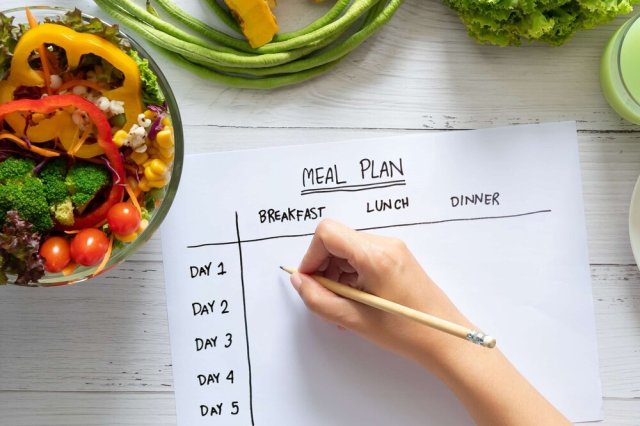
Another big step towards sustainability is the reduction of food waste. We all contribute to the waste of food, from the forgotten vegetables at the bottom of our fridge, to the leftovers from the past few days that end up in the trash anyway. By planning your meals for the week, you optimize the products you buy, which is convenient for both the planet and your wallet.
9. Easy Switches

Source: Purdue Exponent
Potentially, all of the products we buy can be switched to a more sustainable option. The problem is that sometimes these options can be too expensive or hard to find.
Here are some easy switches you can start with:
-
Bamboo toothbrush.
-
Paper or compostable cotton swabs.
-
Solid soap, shampoo, and conditioner bars.
-
A menstrual cup or reusable pads.
-
Reusable razors.
-
Washable makeup wipes.
Quality Over Quantity
The rules of consumerism push us to consume and purchase as much as possible. We’re often drawn to the cheapest option, whilst knowing that we’re still going to have to purchase a replacement soon after. This type of behavior opposes the concept of living sustainably. Be smart about the choices you make with your money; in the long run, a more expensive item that will perfectly serve its purpose and last you longer, is going to be way more convenient than the cheaper option that you’ll have to replace over and over again throughout the same period of time. Do yourself a favor, buy better products, not only for the planet, but for your own health, too.
Want to learn more?
Which Cruelty-Free Logos Can We Trust in 2021? – Ethical Elephant
The Benefits of Supporting Local Business – ecomadic
What’s up with vegans and vegetarians? – ecomadic
meet the author

Giuliana Gentile
Giuliana was born and raised in Sicily (an Italian island in the middle of the Mediterranean Sea), since then she’s been moving around the world to meet new cultures and discover new places. She has a degree in Political, Social and International Sciences. During her studies she became passionate about environmental protection, gender equality, and cultural identity. She loves traveling, petting dogs on the street, and swimming underwater.
 ecomadic