
.parent {
display: inline; position: relative; line-height: 30px; float: left; color: #82be41;
}
.parent a{
margin: 10px;color: #82be41;text-decoration: none;
}
.parent:hover > ul {
display:block;position:absolute;
}
.child {
display: none;
}
.child li {
line-height: 30px;width:115%;text-align:left;
}
.child li a{
color: #82be41;
}
ul{
list-style: none;margin: 0;padding: 0px; min-width:10em;text-align: center;float: right; font-weight: 550;
}
ul ul ul{
left: 100%;top: 0;margin-left:1px;
}
li:hover {
background-color: white;
}
.parent li:hover {
background-color: white;
}
.expand{
font-size:10px;float:right;margin-right:5px;
}
.parent a p{
display: inline; margin: 10px;color: #6e706b;text-decoration: none;
}
Extinguish the Outdoor Inferno During Wildfire Prevention Month
Written by Rj Ross | May 17, 2021
Source: NPR
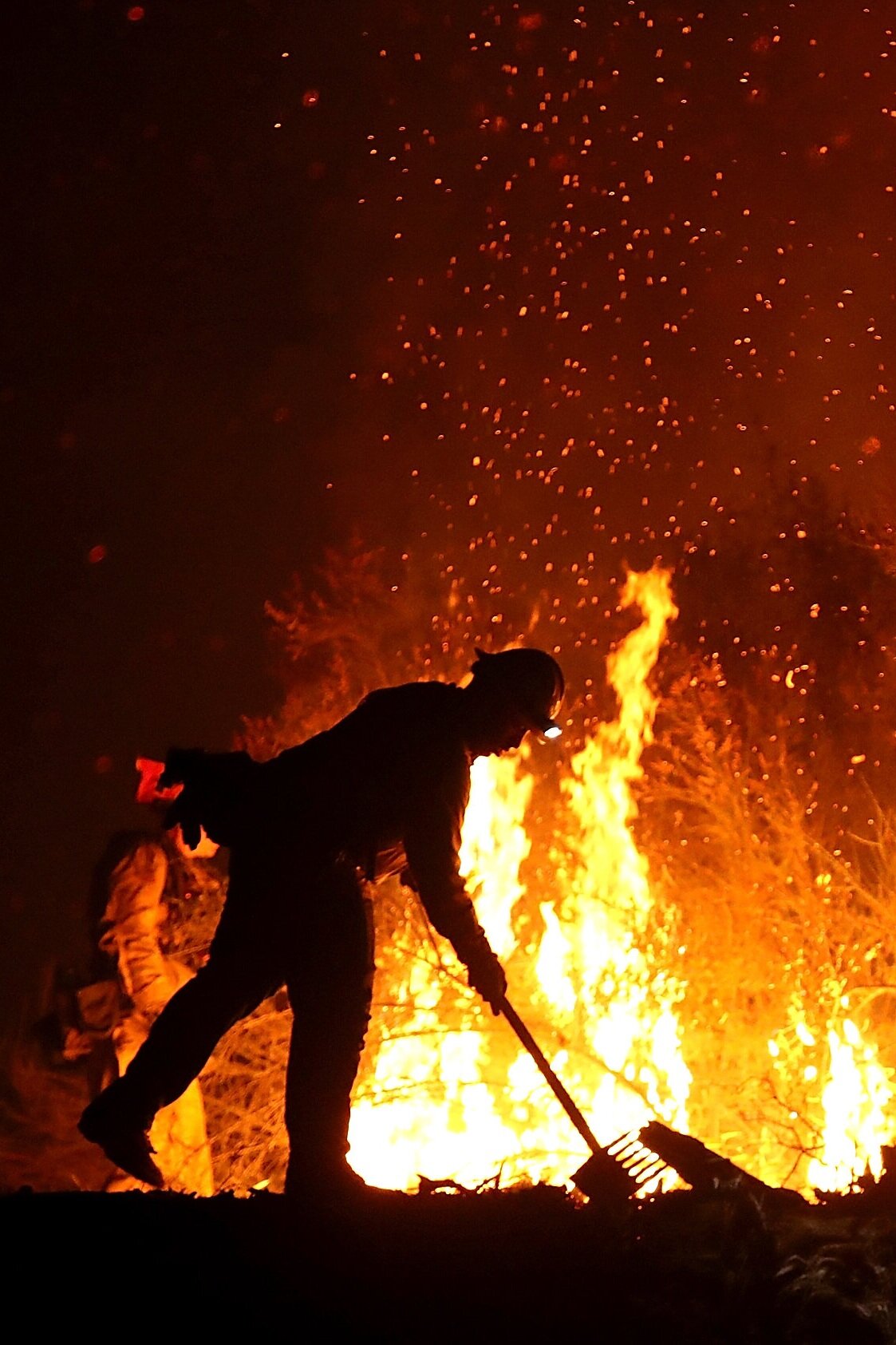
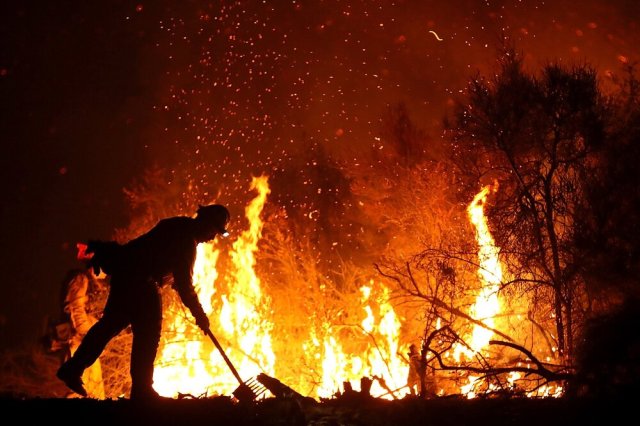
As the temperature rises and we get closer to summer, it’s time to be alert to an atrocity scorching the eco-scene. 2020 observed over 10 million acres of land blazed due to an uncontrollable entity that spreads and burns up natural territories when ignited. This entity is known as a wildfire. Although wildfires may occur due to natural causes such as lightning, volcanic eruption, and climate, 90% of wildfires are created by humans. When people act carelessly handling campfires, disposing flammable products like cigarettes, committing arson, and the placing and usage of power lines, machinery, and compost, wildfires are likely to flare up. Not only does it damage the grasslands or forest areas it usually happens in, but it can spread to residential areas, and affect many individuals’ lives. With May being Wildfire Awareness Month, it is crucial that we are informed about the hazards of wildfires as we partake in any outdoor leisure or activities. To aid you from taking incendiary risks, we at ecomadic are providing tips to prevent wildfires, and what to do in case a wildfire wreaks rampages in your residency!
Around the House

Source: Wikimedia Commons
Environmental consciousness has to start from within. If there’s no effort made towards making your home wildfire resistant, can we expect the same for public spaces? To begin the process, remove any living or deceased vegetation around the house that are flammable. Debris and dead matter found in the gutters, on top of the roof,and around the porch and lawn must be cleaned out and disposed of in proper containers. If you enjoy gardening, consider planting foliage that is fire-resistant. Maple trees, aloe (pictured above), bush honeysuckles, and low-sap plants are very effective in preventing embers igniting. Consider replacing any surfaces with wood or combustible materials (roof shingles, sheds, window panes, porches) with asphalt, slate, or other non-flammable materials. If that’s too costly, find heat-resistant coverings that protect said areas from possible combustion. While a wildfire can still harm your living space, erasing and keeping flammable material at a 30 ft (9.14 m) distance will lessen the property damages, heaven forbid you’re in that predicament.
Cigarette and Pyrotechnic Usage

Source: Aspray
Before you take that last puff, or make something burst in the sky, be cautious that none of its sparky substances fly to burnable places. Cigarettes, fireworks, and smoke bombs are already invasive to a natural habitat. To preserve the ecosystem, let alone preventing wildfires, be sure to use these products in areas free from trees and vegetation. Dispose all finished cigarettes in fire-proof containers or containers that won’t allow embers or ash to escape. Instead of purchasing fireworks (which is legal in a few areas), why not attend a designated fireworks display show, reducing the pollution they produce? If you really want to create your own light display, invest in buying a laser light projector that will create similar visuals as fireworks do. For gender reveal parties and other celebrations, use eco-friendly reveal cannons filled with colorful, biodegradable confetti of your liking (petals, sponge pellets, etc.) instead of combustible smoke bombs. These small alternatives will generate an outcome beneficial to the environment and our livelihood, and gradually decrease the livelihood of wildfires!
Campfire Bonfire Consciousness
Source: English Heritage
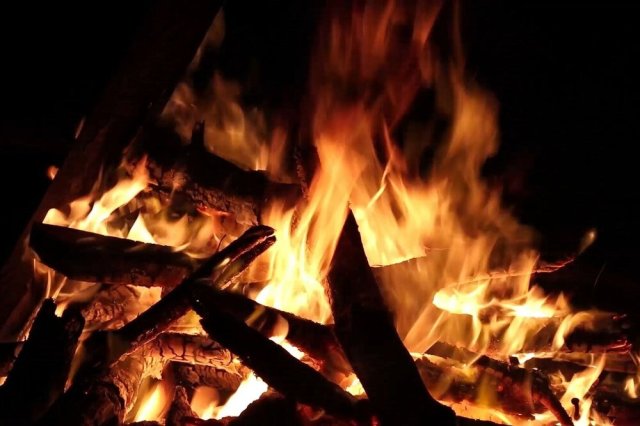
Although stargazing and using Earth’s natural light are greener, wildfire-free activities, if you and your loved ones prefer to bond around a center of flames, take these tips into consideration. Make sure you abide by the local fire laws, and have proper documentation to start a campfire if on public property. When scouting out a spot to start a campfire or bonfire, take into account that the fire should be lit on a non-combustible surrounding. You never want the fire near any dead leaves, dry grass, hanging trees, debris, vehicles, and camping gear to avoid the fire spreading. Consider purchasing a portable and sustainable fire pit. Additionally, those combustible materials should not be used to create a fire. Trash, aerosol, glass products, and dead foliage have a tendency to pop or explode, which can lead to embers latching on surfaces, and causing unwanted fires to erupt. Coal and dry wood are favorable products for firemaking, but they do cause a lot of air pollution. For a greener route, use recycled sawdust, coffee grounds, natural wax, and bioethanol, reducing your carbon footprint. Be mindful with the usage of any of these materials. You never want the fire to be more than a yard/meter stick long. Just how you monitor food heating in the oven, you also need to monitor the campfire. Mother Nature and human nature can be quite fickle. Therefore, it is crucial that you and the responsible people on the site are prepared to extinguish those flames at any point. Someone (an adult) always has to attend to the fire, and have water, sand, or dirt ready to put it out until those orangeish embers are no longer visible. Enjoy this hot event, but remember to maintain the fire from maximizing!
Vehicle & Machinery Usage
Source: MasterClass
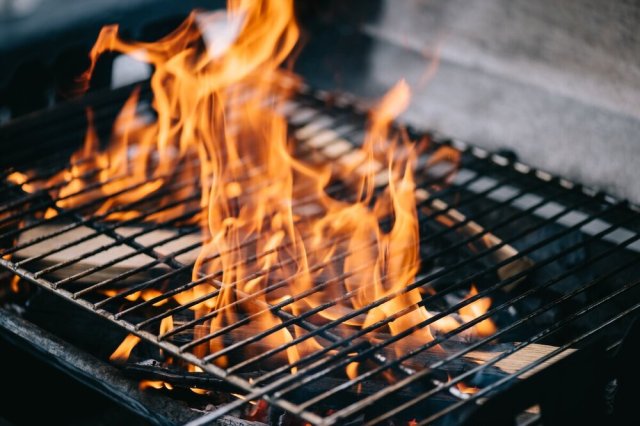
Car cruising, cookouts, or outdoor chores involving machinery, proceed with caution when operating these equipment. First and foremost, the weather channel and app are your mates. Based on your location’s climate and weather, you never want to operate combustible engines on dry grass, at rising temperatures, or when it’s windy. Doing so will increase the risk of a fire. After a stroll down meteorology lane, think about investing in spark arrestors to place on your lawn mowers, weed whackers, and chainsaws. This prevents flammable debris from emitting onto surfaces that attract fire. Furthermore, maintain these products to decrease carbon emission. To be on the safe side when doing yard work, do it before 10 am, when the weather is calmer and cooler before Mother Nature goes to work. For a lovely barbecue bash, check your grill or other cooking devices for possible leaks or defects before usage. Whatever you use for fuel to the grill’s fire, keep it secure at all times, so it will not spill and affect your surroundings. On the subject of surroundings, distance yourself and the grill about 30 ft (9.14 m) from any building, object, or vegetation that could catch fire. Before you enjoy those buoyant highways and backroads, examine your car. Verify that the tire pressure is on par, there are no benders in your fenders, and every nook and cranny is intact. The last thing you want is something metallic from your car dragging on the road while driving, emanating a flame. Lastly, never drive or park your car on dry grass, especially when your car and the weather are hot! You never know when a fire could start due to overheated mufflers and exhaust pipes unbeknownst to you. Analyze and be aware of all the safety measures, and you can enjoy and engage in activities with these mechanical instruments.
In Case Of Inferno…
Source: Reviewed
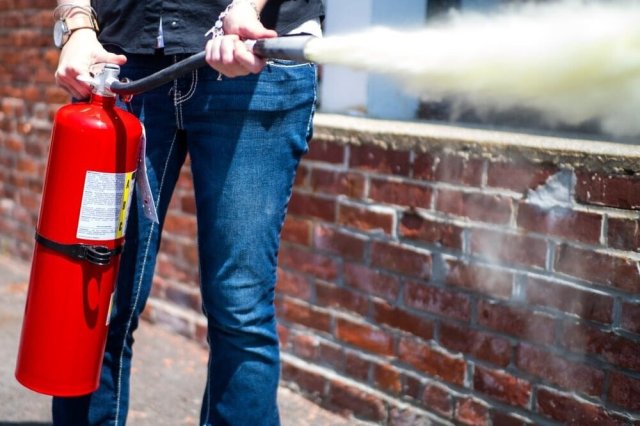
Even if you’re doing everything right to avoid wildfires, you can’t expect the same for everybody. Also, people make mistakes. Though we hope witnessing a wildfire will never exist in your future, you must always be prepared for the intense situations. Always keep a fire extinguisher, evacuation plan/route, and an emergency kit handy at all times. Any of your favorite items (e.g. clothes, toys, electronics, accessories, etc.) should be within a good reach when it’s time to evacuate the premises. Keep tabs on what the local news is broadcasting about the wildfire in your area. Be sure to have battery operated devices like the radio, in case an outage occurs, and you need information on whether you need to evacuate or not. If you already prepared your home to be fire resistant as explained in the earlier section of the article, the most you’ll need to do now is remove furniture, appliances, curtains, drapes, and decor from the windows, doors, porches, patios, and balcony to the center area of your home. If you have identified a nearby water source, be sure to have a garden hose prepared for firefighters to use alongside their own hose when diffusing the fire. Lastly, when told to evacuate, exit the establishment immediately! Your safety is what matters in this scenario.
Source: 13News Now
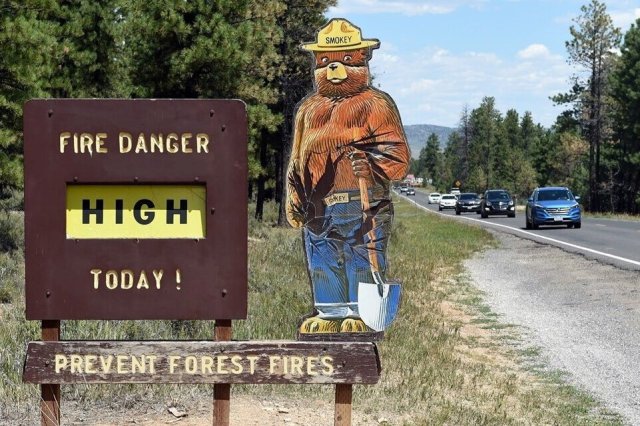
As previously stated, we hope that a wildfire will never reach your home. Adhere to the advice given throughout this article, and the decline of massive wildfires will occur. For more information on wildfire prevention, visit Smokey Bear, and Ready’s respective website. Also, don’t be afraid to contact your local fire department regarding the rules, regulations, and resources on fires. Stay safe and cinder-free this Wildfire Awareness Month, and every month afterwards!
meet the author

Rj Ross
Rj Ross is a writer at ecomadic. With his BA in communications and love for creative writing, he hopes to inspire and inform many generations about sustainable living and responsible traveling.
 ecomadic