
.parent {
display: inline; position: relative; line-height: 30px; float: left; color: #82be41;
}
.parent a{
margin: 10px;color: #82be41;text-decoration: none;
}
.parent:hover > ul {
display:block;position:absolute;
}
.child {
display: none;
}
.child li {
line-height: 30px;width:115%;text-align:left;
}
.child li a{
color: #82be41;
}
ul{
list-style: none;margin: 0;padding: 0px; min-width:10em;text-align: center;float: right; font-weight: 550;
}
ul ul ul{
left: 100%;top: 0;margin-left:1px;
}
li:hover {
background-color: white;
}
.parent li:hover {
background-color: white;
}
.expand{
font-size:10px;float:right;margin-right:5px;
}
.parent a p{
display: inline; margin: 10px;color: #6e706b;text-decoration: none;
}
Keeping What’s Endangered Out of Danger: Endangered Species Awareness Day
Written by Rj Ross | May 20, 2021
Source: Pinterest
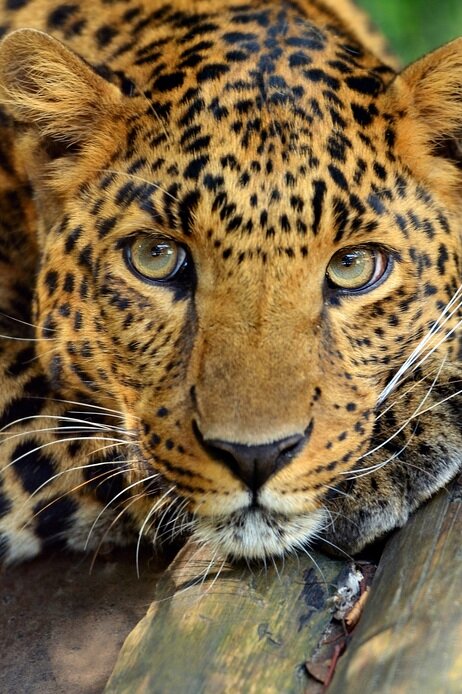
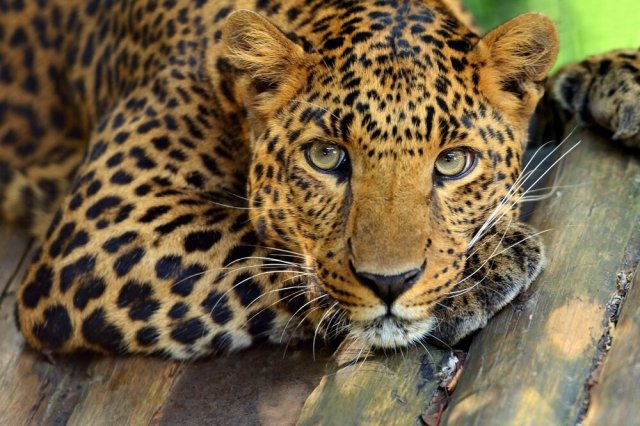
Earlier this year, we at ecomadic posted an article about the uninvited pests called invasive species. After spotlighting how to prevent these pesky perpetrators from occupying our local habitats, we’re now casting a light on one of their many victims. The victims in question: endangered species. Endangered species are any life form (plants, animals, bacteria, etc.) that are at a very high risk of extinction. What causes these species to be extinct can vary from a loss of habitat to a decline of genetic variation. Though natural causes may lead to these reasons, human involvement (i.e. pollution; home development; bringing foreign substances to natural habitats) can severely affect an ecosystem. Even with the high risks, it’s not necessarily the end for these endangered species. However, we must take precautionary measures to help maintain the endangered species’ population, or increase it. Don’t worry if you’re currently unsure of how you can assist! We at ecomadic have developed a list of activities and actions you can do to preserve the endangered species around your location!
Green Up Your Home

Source: Blue and Green Tomorrow
The call always comes from inside the house. To begin making your home a healthier space for the environment, always make sure you are reducing, reusing, and recycling. These three simple terms we learned in grade school are still effective in the preservation of endangered species. Use less products that have pesticides, herbicides, pollutants, and corrosive or flammable chemicals when cleaning indoors or outdoors. Do not put any product down the drain, especially when the product states it isn’t flushable. These small changes can not only save local plant life, but the aquatic life in the nearby bodies of water. If you have an outdoor area, consider planting native plants, and composting so the plants are healthy and attractive for local birds and insects to enjoy. To lessen pollution and local species’ living sources (and your monthly bills), reduce your water and electricity usage. By making your home an eco-friendly place to live, it’ll help protect species that are endangered, and species from becoming endangered.
Shop Locally and Responsibly
Source: Brooklyn Grange
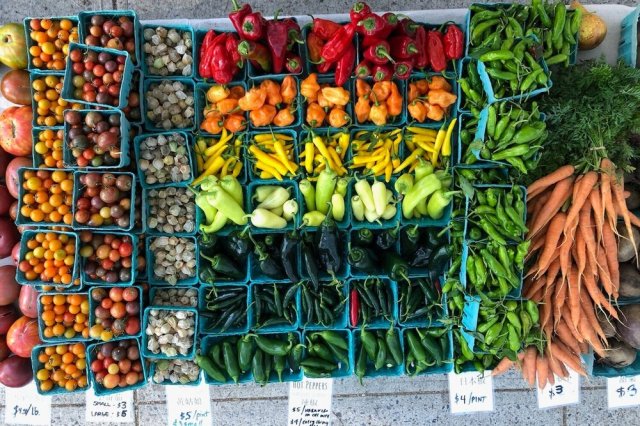
You should always try and shop for organic and green products, for it helps the environment, let alone endangered species. That being said, sometimes it can be costly, or inaccessible. But that doesn’t mean you can’t help preserve nature through shopping! All it takes is some good research! Look for local businesses and items to support and buy, for it reduces the carbon footprint. Even if said product isn’t made locally, investigate the product’s manufacturer. See how the product is being made and packaged. If it isn’t ethical or environmentally responsible, cease from patronizing. Take this advice with you when you’re on vacation in a foreign territory, shopping for souvenirs. Exotic may be intriguing, but some may have an endangered history. Never buy clothes or accessories made from animals, or species on the verge of extinction. Furthermore, never buy any product off the black market! Besides the legality of it all, a lot of the animals from the market are not only endangered species, but invasive species. May these tips mold you to be a smart, eco-savvy shopper!
Respect Public Outdoor Spaces You Use

Source: Berkshires
We all enjoy outdoor recreation: camping, fishing, picnicking. As much love as we have for the great outdoors, we should treat it kindly and not destroy it. After all, if all the wildlife is contaminated and corroded, will the activities we hold dear remain enjoyable? Before you transport yourself to the outdoor place of your choice, be wary that the items you’re bringing will not alter the biodiversity of that habitat. Additionally when it’s time to leave the habitat, make sure you are not carrying substances from that outdoor space with you to your next stop. Cleaning your apparel and equipment before and after your outdoor excursions will lessen the chances of invasive species infiltrating, and putting native species’ lives at risk. Also, make sure you are always adhering to the rules and regulations of the site you are occupying. Aside from the fact that failing to comply can hurt the ecosystem, it may also hurt your pockets or reputation if you’re issued a fine or time behind bars. Even though social distancing is gradually fading away, when you see animals on your outdoor adventure, remain distant. Do not interact with them, especially petting or feeding them. What you may think is harmless fun could become harmful to you, the animal, or someone else in the future. As long as you stray from tampering with the environment, have lots of fun, and relish in the wonders of wildlife!
Volunteering & Community Events Regarding The Ecosystem
Source: East Oregonian
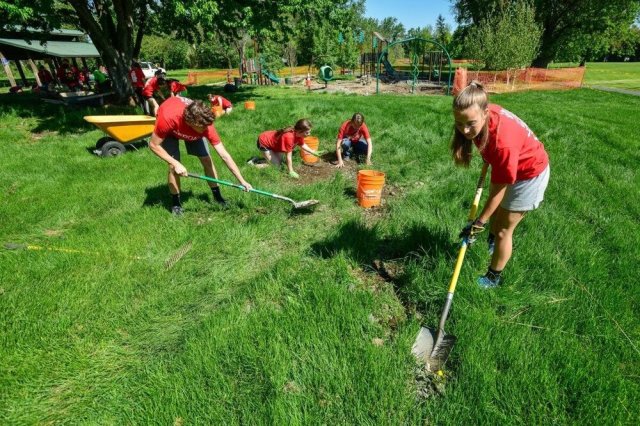
Altering your lifestyle to be more sustainable and eco-friendly is a great step in protecting endangered species; but taking a leap into getting involved with your local community is even more fulfilling! Not only will it give you hands-on experience with the environment, but educate you on the biodiversity surrounding you. Lookout for local events via the news or social media that aids in enhancing the neighboring ecosystem. On Endangered Species Day (third week in May), there are various activities to participate in. From educational outdoor hikes, the endangered species chalk art event, and the pollinator party, you’ll learn about the native species, while having fun with fellow environmentalists in your area. You may even make a friend or two. Outside of the holiday, attend cleanup events and green workshops at nearby parks, beaches, or gardens to keep the habitat healthy. You reside around these areas, so why not make the spaces you frequent fresh and hazard-free for the other organisms? Lastly, visit your town’s rescue shelter or sanctuary that protects the endangered and at risk species. Hopefully your time there will influence you to adopt. No, you won’t be physically adopting, but a virtual adoption via donating to the sanctuaries and organizations that are care-taking these endangered species. May your volunteering and fellowship with local environmentalists be an enlightening, enjoyable, and charitable experience!
For more information on Endangered Species Day, and events surrounding the holiday, visit the Endangered Species Coalitions’ site. On there you’ll find the major events, and an event map of what’s happening on the weekend of May 21, 2021 (Endangered Species Day). Above all, do your best to be environmentally conscious, and protect endangered species, while preventing other native species from becoming endangered!
meet the author

Rj Ross
Rj Ross is a writer at ecomadic. With his BA in communications and love for creative writing, he hopes to inspire and inform many generations about sustainable living and responsible traveling.
 ecomadic