
.parent {
display: inline; position: relative; line-height: 30px; float: left; color: #82be41;
}
.parent a{
margin: 10px;color: #82be41;text-decoration: none;
}
.parent:hover > ul {
display:block;position:absolute;
}
.child {
display: none;
}
.child li {
line-height: 30px;width:115%;text-align:left;
}
.child li a{
color: #82be41;
}
ul{
list-style: none;margin: 0;padding: 0px; min-width:10em;text-align: center;float: right; font-weight: 550;
}
ul ul ul{
left: 100%;top: 0;margin-left:1px;
}
li:hover {
background-color: white;
}
.parent li:hover {
background-color: white;
}
.expand{
font-size:10px;float:right;margin-right:5px;
}
.parent a p{
display: inline; margin: 10px;color: #6e706b;text-decoration: none;
}
The Real Cost of Fast Fashion & How to Cut Ties With It
Written by Stephanie Stevens | May 26, 2021
Source: Rio Lecatompessy
Once upon a time, fashion brands released four collections per year: one for spring, summer, fall, and winter. If you wanted a bathing suit for summer you needed to wait until a brand’s summer collection came out in the spring. If you needed a jacket for winter, you needed to wait until new styles were released in the fall. While some brands still operate in this “slow fashion” manner, fast fashion has completely transformed the production of fashion, and in turn, our culture of consumption.
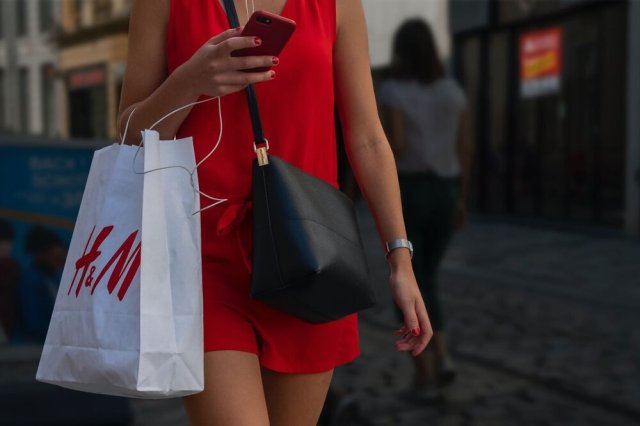
Nowadays, anything your heart desires is just a click away. Many popular fashion brands produce anywhere from 12-24 collections per year, with some striving to reach 52 collections per year – that’s one for every week! This notion of consistently churning out new products and styles is where fast fashion gets its name. Fast fashion refers to fashion companies that move products, such as clothing and accessories, from the design stage to the racks at the store as fast as possible, typically within a matter of weeks. This means that almost as soon as a trend has been established or popularized, fast fashion brands can have them featured in stores almost instantly. This notion of trend replication is a big aspect of fast fashion brands, as they look to replicate trends that are popularized by celebrities, hip influencers, and urban trendsetters. The biggest players in fast fashion are Zara, UNIQLO, Forever 21 and H&M, but many more have emerged in recent years.
While these brands might offer shoppers access to the latest trends, supporting fast fashion entails major environmental and human rights consequences. Regardless of whether you’re a fashionista or prefer to dress for function, the clothes that you purchase have an impact on the world around you. As conscious consumers, we all have a responsibility to look past a clothing item’s price tag and learn about the real costs that drive the industry so that we can make informed decisions and better support the world around us.
Source: Fernand De Canne
The Environmental Cost
Fast Fashion’s goal to produce more for less comes with major environmental repercussions. In order to produce cheap clothes, these brands look to cut corners by utilizing the cheapest fabrics and materials. In fact, unlike the clothing of our ancestors, more than 60% of fabric fibers are now made up of synthetic materials, such as polyester, that are derived from fossil fuels and do not biodegrade. These unsustainable materials leave a lasting impact on the environment as they slowly break down with each wear and wash and make their way into our waterways, oceans, and marine ecosystems as microplastics. To make matters worse, polyester, which is a favorite fabric of fast fashion, releases two to three times more carbon emissions during production than other materials, such as cotton. Fast fashion pieces might be created to showcase the trends of the times, but with materials that are not biodegradable, it seems that these clothes will long outlive the trends they represent. In fact, herein lies the massive irony with the fast fashion industry: while the clothes are created to only last for weeks, if months, in reality, they will endure for hundreds of years. They say fashions fade and styles come and go, but fast fashion seems determined to last forever.
With their goal of producing enormous quantities, it comes as no surprise that the fast fashion industry utilizes a tremendous amount of resources. Overall, the fashion industry is the second-largest consumer of water worldwide. It is estimated that the fashion industry is responsible for 10% of human generated carbon emissions, which is more than all international flights and maritime shipping combined! On top of the overuse of water, textile dyes are the world’s second largest polluter of water with leftover dyes and chemicals routinely ending up into rivers and streams. With factories being located in impoverished regions, this environmental impact is felt the most by our world’s most vulnerable and marginalized communities.
Along with these colossal environmental costs, fast fashion is also responsible for changing consumption habits by promoting overconsumption. By creating items that are only meant to be worn once or at most last a season, the industry is teaching consumers that clothes are disposable and to be thrown in the trash after just a few wears. This influence leads to greater environmental degradation as consumers then translate these wasteful habits over to other forms of consumption, creating more waste and less regard for the environment.
The Human Cost
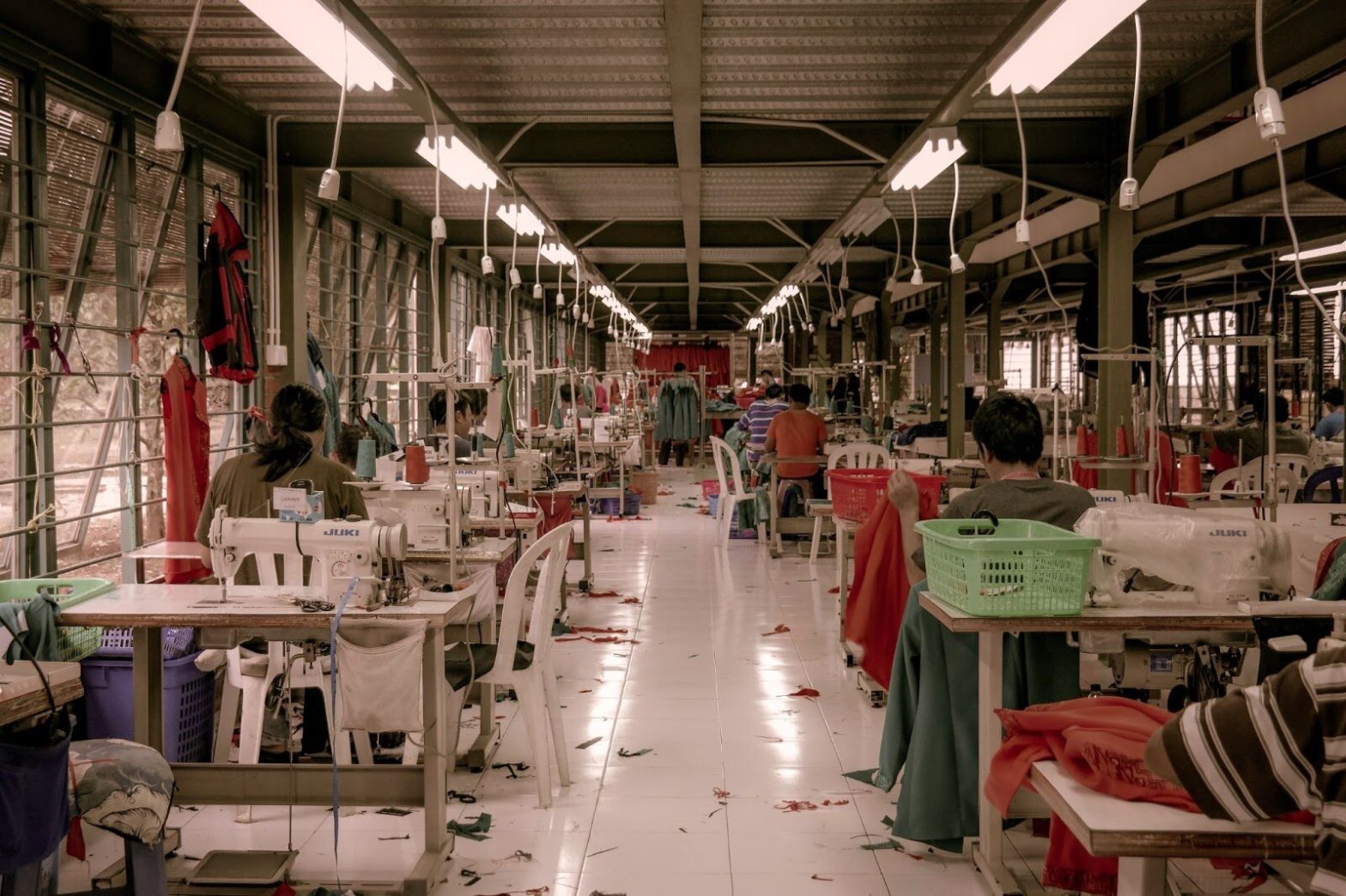
While fast fashion strives to keep costs low, it comes at the massive price of human lives. One of the first places fast fashion brands look to cut costs is with labor and these brands are known to outsource labor and pay extremely low wages in order to keep profits high. This means using factories in countries without workplace regulations and paying workers unlivable wages to work in factories that are unsafe, unregulated, and unjust. Popular areas for fast fashion companies to source labor are Bangladesh, India, China, Vietnam, the Philippines, and other low income countries where residents don’t have many alternatives for work. In a 2019 survey by Oxfam, a collection of independent charitable organizations committed to alleviating global poverty, 100% of surveyed workers in Bangladesh were paid below living wages and 74% of workers in Vietnam are paid below the living wage.
There have been numerous tragedies in these factories that have killed, wounded, traumatized, and displaced the workers and people that live in the communities where these factories are located. One of the biggest tragedies occured in April 2013 at a factory in Dhaka, Bangladesh. The factory, which long needed major repairs, collapsed and killed over 1,000 workers. This isn’t an isolated incident either – there have been many reports of factories collapsing and exploding, and many go unreported.
When it comes to garment workers, the overwhelming majority (roughly 80%) are women. Women in particular are recruited for factory work as they are seen to be more obedient and tend to have fewer economic opportunities than men. Men tend to hold factory supervisior roles, however, and there have been numerous reports of workplace misconduct, with incidents of sexual harassment, abuse, and assault. Even more disturbing, children are often recruited to work in factories and often don’t have a choice as they need to help feed themselves and their families. The exploitation of these fragile communities is unacceptable and fast fashion companies show no signs of slowing down. However, if we want to change our habits and help make a difference in the world, learning about the human lives that are behind the clothes we see on the racks at our favorite stores can be a crucial first step.
Source: Prudence Earl
So, maybe you’re thinking about moving away from fast fashion (good on you!), but you don’t know where to start. Or maybe you’ve already started your sustainable fashion journey, but are looking for new ways to spice up your wardrobe. Try implementing one or more of these tips to move away from fast fashion for good.
5 Practical Ways to Cut Ties With Fast Fashion
Resist the urge to impulse shop. Slowing down our consumption habits overall is a great practice for the environment and for your wallet! If you think your closet is missing something, try waiting at least ten days before buying something. Your wallet and the planet will thank you.
-
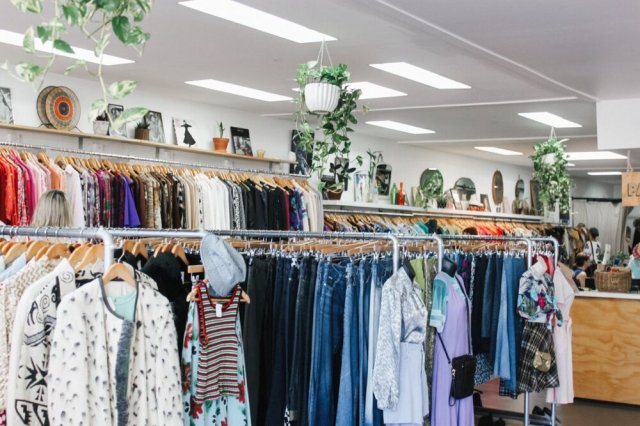
Try out thrifting! Thrifting is a great way to find unique items for less. Just be mindful that you aren’t translating mindless shopping habits over to thrifting. Buy only what you need.
-
Purchase high quality pieces that will last. Try to look for staple wardrobe items from sustainable brands. Clothing that is good for workers and the planet can often come with a higher price tag, but it’s worth every penny!
-
Host or attend a clothing swap. This tip might be the most fun! Call up your friends and invite them to bring over anything from their closet that they no longer want or need.
-
Repurpose and Restyle. The cheapest way to score new outfits? Using what you already have in your closet! There are so many ways to DIY your wardrobe. Don’t be afraid to get creative!
When it comes to changing the way you shop, remember to strive for growth not perfection. Changing consumption habits takes time, so be patient with yourself. By making gradual and consistent efforts you’ll see that you can still express yourself and serve some amazing looks while taking care of our planet and our global community.
Sources:
What is Fast Fashion – The Good Trade
We Have to Fix Fast Fashion If We Want to Survive the Next Century – Fast Company
Fast Fashion – Investopedia
How Fast Fashion is Destroying the Planet – The New York Times
The fashion industry emits more carbon than international flights and maritime shipping combined. Here are the biggest ways it impacts the planet. – Business Insider
The Impact of Fast Fashion on Garment Workers – Good on You
Made in Poverty: The True Price of Fashion – What She Makes
meet the author

Stephanie Stevens
Stephanie is a writer and photographer passionate about sustainable living, mindfulness, and exploring the outdoors. She loves microadventures but her favorite part about traveling abroad is immersing herself in other cultures. When she’s not writing, you can find her drinking coffee, playing soccer, or backpacking.
 ecomadic