
The Rainbow Flag was created in 1978 by political activist and flag designer Gilbert Baker. Baker found the inspiration to create a new, revolutionary symbol for the LGTBQ+ community: the Rainbow Flag. The original Flag had 8 colors, each containing their own meaning, hand-dyed, and stitched by thirty volunteers for the San Francisco Gay Freedom Day Parade celebration on June 25, 1978. A new version was then created with six colors instead of eight, to simplify the making of the flag as well as lower the cost.
Author Archives: ecomadic
The Real Cost of Fast Fashion & How to Cut Ties With It
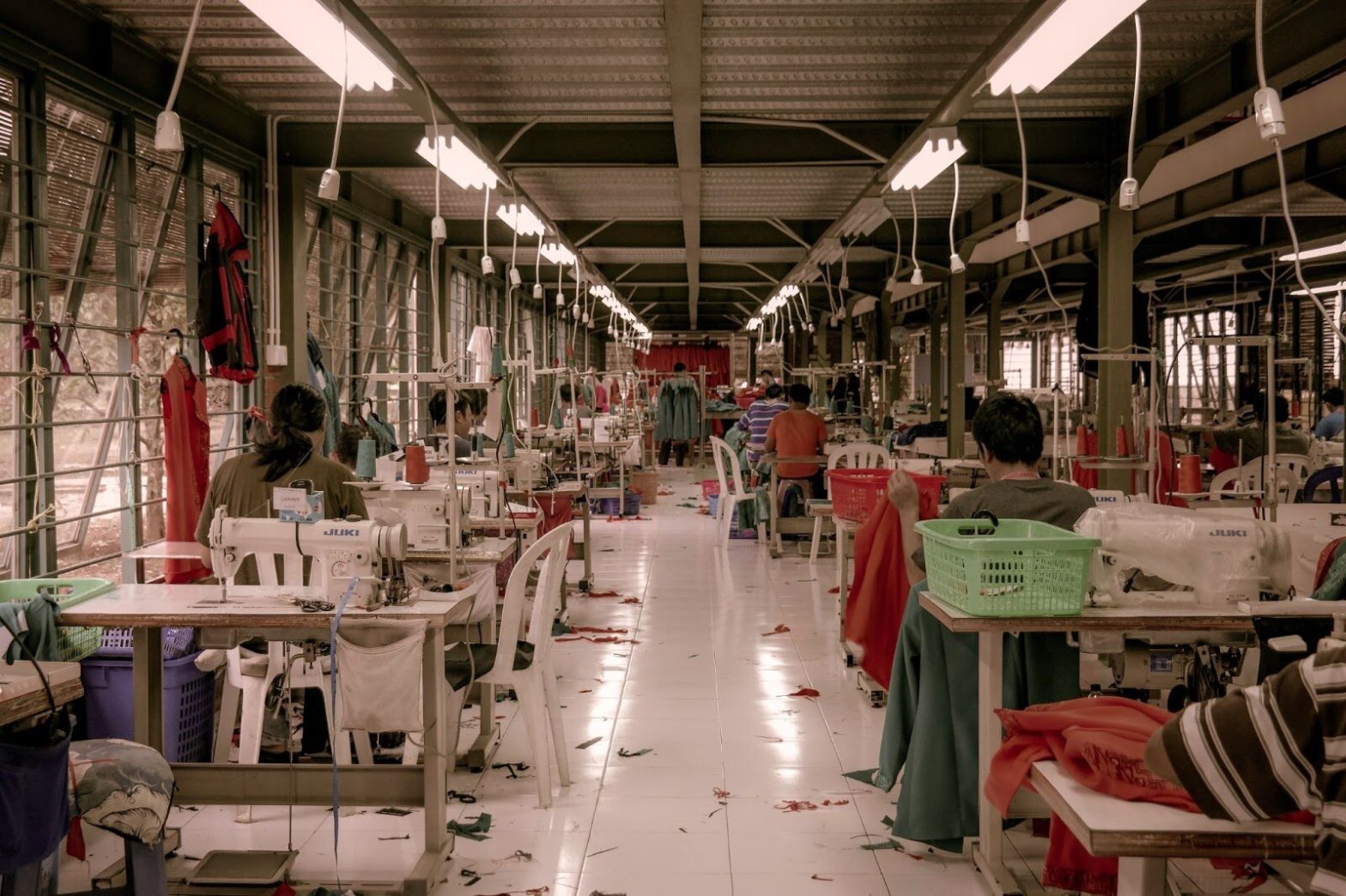
Major global brands might offer shoppers access to the latest trends, but supporting fast fashion entails major environmental and human rights consequences. Regardless of whether you’re a fashionista or prefer to dress for function, the clothes that you purchase have an impact. As conscious consumers, we all have a responsibility to look past a clothing item’s price tag and learn about the real costs that drive the industry so that we can make informed decisions and better support the world around us.
Meet Green Light New Orleans

We sat down with Jillian Welsh – volunteer coordinator at Green Light New Orleans 💚 watch the interview to learn more about how the organization provides sustainable solutions to individuals homes and encourages collective action to create more resiliency within the local community.
The Issues Behind Voluntourism

While volunteering comes from noble intentions, it can sometimes end up being problematic. This stems from the abundant amount of volunteers from western countries eager to partake in said volunteering. In return, the overall concept has developed into a business, provoking ethical and practical issues such as unskilled labor, and the imposition of western values. A study from 2008, surveyed 300 organizations whose target audience were would-be voluntourists, and found that 1.6 million people volunteer while on vacation, spending around $2 billion annually.
Keeping What’s Endangered Out of Danger: Endangered Species Awareness Day
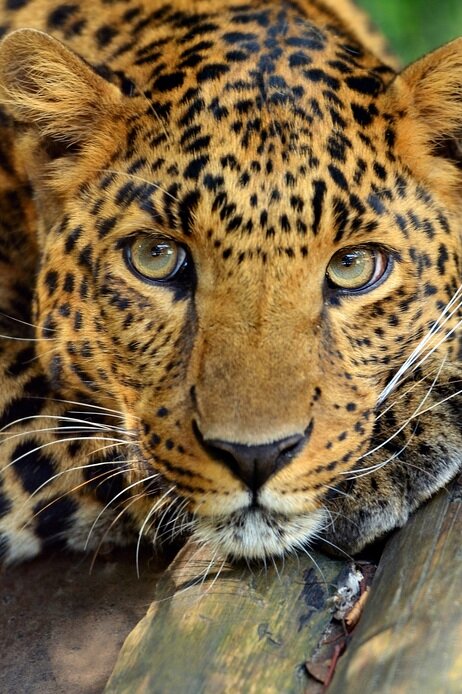
Earlier this year, we at ecomadic posted an article about the uninvited pests called invasive species. After spotlighting how to prevent these pesky perpetrators from occupying our local habitats, we’re now casting a light on one of their many victims. The victims in question: endangered species. Endangered species are any life form (plants, animals, bacteria, etc.) that are at a very high risk of extinction. What causes these species to be extinct can vary from a loss of habitat to a decline of genetic variation. Though natural causes may lead to these reasons, human involvement (i.e. pollution; home development; bringing foreign substances to natural habitats) can severely affect an ecosystem. Even with the high risks, it’s not necessarily the end for these endangered species. However, we must take precautionary measures to help maintain the endangered species’ population, or increase it. Don’t worry if you’re currently unsure of how you can assist! We at ecomadic have developed a list of activities and actions you can do to preserve the endangered species around your location!
New York State Hidden Treasures
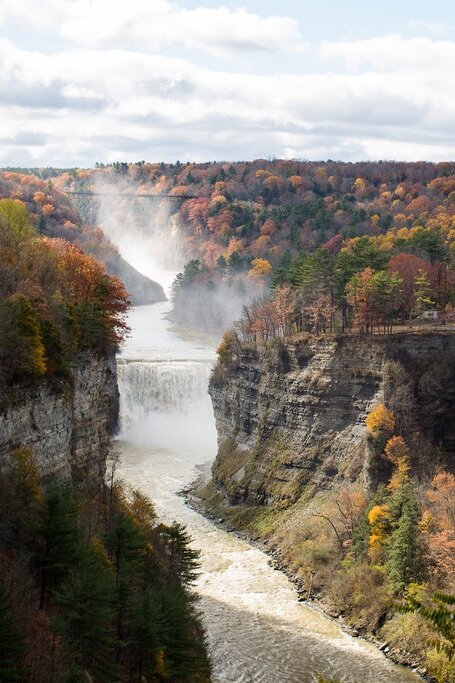
Each year, larger portions of the public flock to the great outdoors. While the intentions are respectable, one must also consider the increasing negative environmental impacts. Concluding to take the road less travelled and seek out lesser known territory, ensures a lower degree of deterioration in high trafficked locations. New York State is so much more than what is ordinarily portrayed – so, carry on scrolling to reveal some of the Empire State’s hidden gems.
Extinguish the Outdoor Inferno During Wildfire Prevention Month
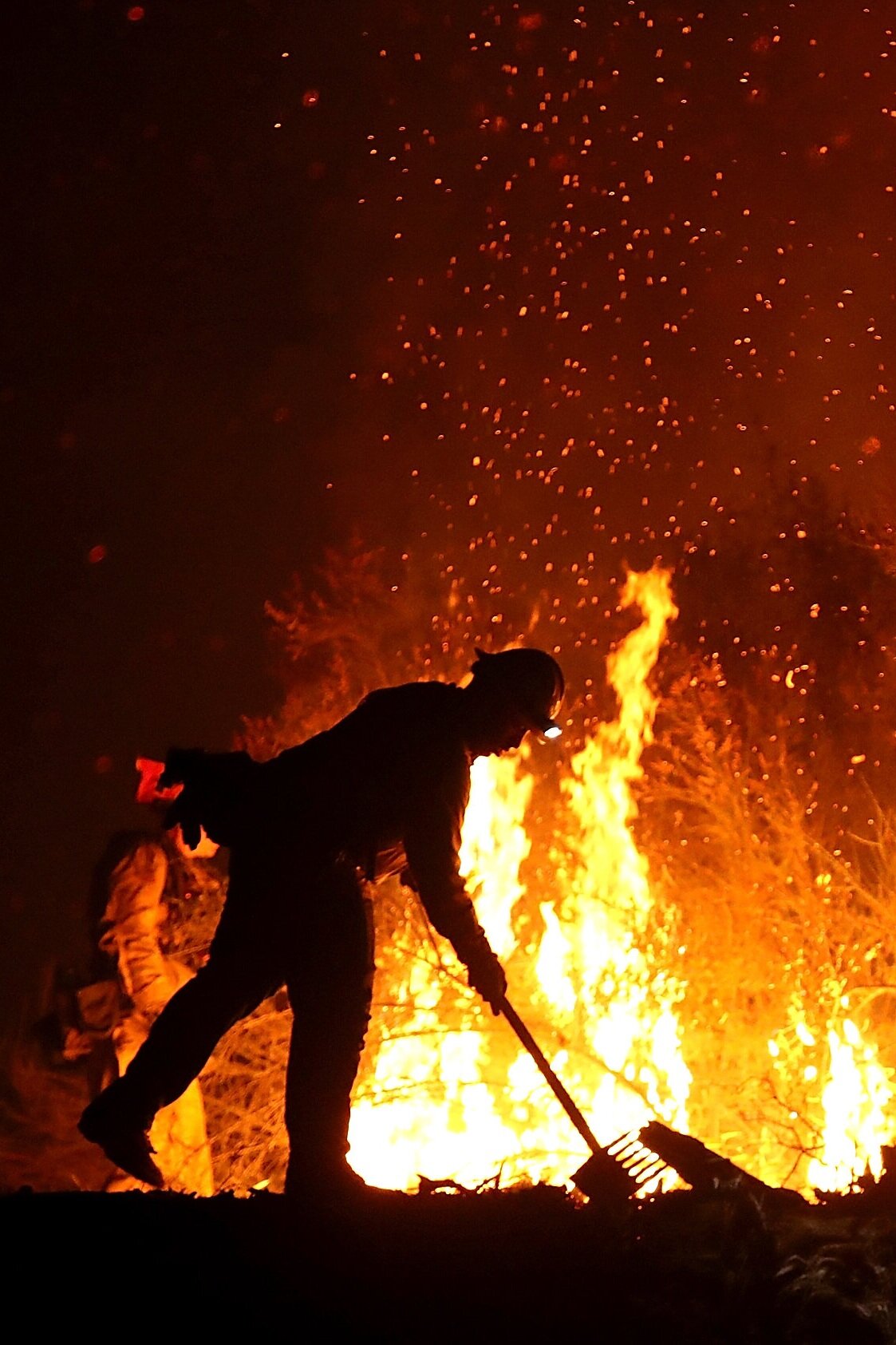
As the temperature rises and we get closer to summer, it’s time to be alert to an atrocity scorching the eco-scene. 2020 observed over 10 million acres of land blazed due to an uncontrollable entity that spreads and burns up natural territories when ignited. This entity is known as a wildfire. Although wildfires may occur due to natural causes such as lightning, volcanic eruption, and climate, 90% of wildfires are created by humans. When people act carelessly handling campfires, disposing flammable products like cigarettes, committing arson, and the placing and usage of power lines, machinery, and compost, wildfires are likely to flare up. Not only does it damage the grasslands or forest areas it usually happens in, but it can spread to residential areas, and affect many individuals’ lives. With May being Wildfire Awareness Month, it is crucial that we are informed about the hazards of wildfires as we partake in any outdoor leisure or activities. To aid you from taking incendiary risks, we at ecomadic are providing tips to prevent wildfires, and what to do in case a wildfire wreaks rampages in your residency!
Opinion: Solo-Traveling As A Woman

Disclaimer: the term “woman” is inclusive to all that identify as one. Additionally, this article is not meant to antagonize men as a whole. We at ecomadic are perfectly aware of the fact that there are plenty of good men out there trying to make the world a better place for women to feel safe and empowered. Unfortunately, however, that’s not always the case for all men causing a woman traveling alone to face dangers that a man normally wouldn’t. The aim of this article is to encourage women of all ages who wish to travel alone to do so, while opening up some room for discussion on the sexist and dysfunctional way our society justifies some men’s predatory behavior, whilst simultaneously blaming women for not being “cautious enough”.
A Mini Eco-Guide To The Great Smoky Mountains in Tennessee
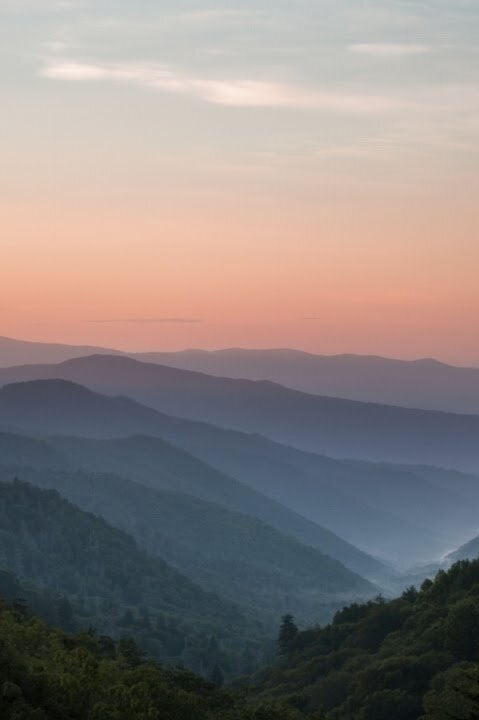
Tennessee has many places to visit, such as the country music capital, Nashville, and the Moonpie metropolis, Chattanooga. However, there’s a place in the Volunteer State filled with outdoor exploration that will make your travel bug jump for joy. A place with natural, foggy skies, century old trees, the world’s oldest mountains, and America’s most visited national park. This place is known as The Great Smoky Mountains, or The Smokies for short. An area with a great amount of tourism annually, however you decide to spend your time at The Smokies should have little to no hazardous impact on the environment. Thus, we at ecomadic have conjured up a list, emitting some sustainable stays, shops, and eateries to make your Smokies sojourn invigorating and eco-friendly.
16 Sustainable Stays, Eats, Shops, and Experiences in Boston
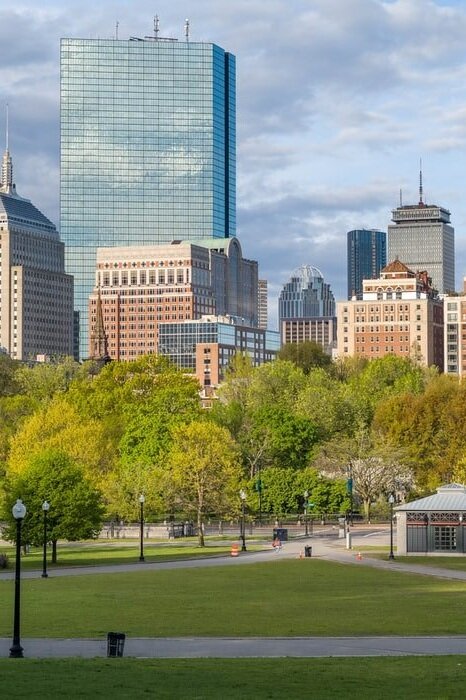
Situated along the Atlantic Ocean and picturesque Charles River, Boston is an East Coast city with a history nearly as old as the United States itself. This charming metropolis, often known as the backdrop for important events in American history, is also a major hub for the arts, innovation, entrepreneurship, and scientific research. You may have heard this city called by its nickname, Beantown, which comes from a dish of beans slow baked in molasses that was popular amongst the area’s Native American inhabitants and earliest European settlers. This rich history still lives on in the city today and can be experienced with a stroll through the city’s many diverse neighborhoods and lovely parks, including the quaint cobblestone streets of Beacon Hill. In fact, Boston Common, the city’s popular 50 acre park located downtown, is actually America’s oldest state park, established in 1634.
 ecomadic