The Rainbow Flag was created in 1978 by political activist and flag designer Gilbert Baker. At the time, the symbol associated with the LGBTQ+ community was a pink triangle, which was first adopted by the Nazis to recognize homosexual people during World War II (similarly to the Star of David for Jewish people). After a while, Baker realized that the LGBTQ+ community needed an updated symbol that associated them with something positive.
Gilbert Baker. Source: Artsy
As a child, Baker was always drawn to fashion, but having grown up in a conservative environment, he was forced to repress his creative instincts; which only increased after being drafted into the US Army. Due to this, he then decided to become a medic, and was stationed in San Francisco, CA where he found a far more inclusive environment as an openly gay man – thanks to the counterculture movement of the post-Stonewall era. It was there where he made life-changing friendships, such as those with writer Cleve Jones, filmmaker Artie Bressan, and rising queer activist Harvey Milk.
With their help, Baker found the inspiration to create a new, revolutionary symbol for the LGTBQ+ community: the Rainbow Flag. The original Flag had 8 colors, each containing their own meaning, hand-dyed, and stitched by thirty volunteers for the San Francisco Gay Freedom Day Parade celebration on June 25, 1978. A new version was then created with six colors instead of eight, to simplify the making of the flag as well as lower the cost.
The Idea That Started It All
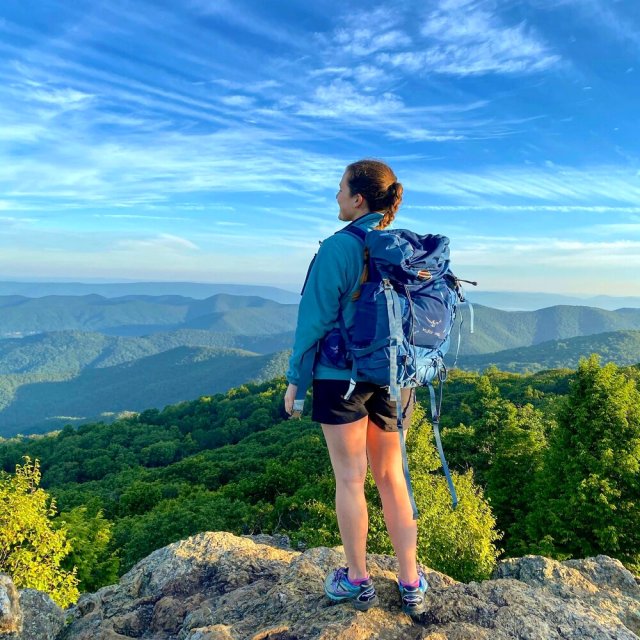
📷 @sh.vets
Baker remembered the moment when he first had the idea for the Rainbow Flag: he was dancing at the Winterland Ballroom. There, he looked at the extremely diverse and colorful crowd consisting of “long-haired, lithe girls in belly-dance get-ups, pink-haired punks safety-pinned together, hippie suburbanites, movie stars so beautiful they left you dumbstruck, muscle gayboys with perfect mustaches, butch dykes in blue jeans, and fairies of all genders in thrift-store dresses”. Gilbert thought “we were all in a swirl of color and light. It was like a rainbow. A rainbow.”
He then explained that “a Rainbow Flag was a conscious choice, natural and necessary. The rainbow came from earliest recorded history as a symbol of hope. In the Book of Genesis, it appeared as proof of a covenant between God and all living creatures. It was also found in Chinese, Egyptian and Native American history. A Rainbow Flag would be our modern alternative to the pink triangle. Now the rioters who claimed their freedom at the Stonewall Bar in 1969 would have their own symbol of liberation.”
Intersectionality & The Meaning Behind The Colors
Source: TriPride
The Rainbow Flag was intentionally created as intersectional. Baker described it as follows: “What I liked about the rainbow is that it fits all of us. It’s all the colors. It represents all the genders. It represents all the races. It’s the rainbow of humanity.” The original eight colors found throughout the flag each have a meaning behind them: hot pink for sex, red for life, orange for healing, yellow for sunlight, green for nature, turquoise for magic and art, indigo for serenity, and violet for spirit. Baker thought of the rainbow as a “natural flag in the sky”, and admired its universality. That’s why his Rainbow Flag resides in the public domain, to be owned by all the people.
Throughout time the Flag developed into various versions; the latest ones being the Progress Pride Flag, and the Queer People Of Color Pride Flag. The first one was created by Daniel Quasar with the aim to be more inclusive. It overlays the traditional six-striped rainbow flag with a chevron design that has the black and brown stripes from the Philly Pride flag, as well as white, pink, and blue from the Trans Pride flag.
Source: TriPride
The QPOC Pride Flag represents Queer People of Color (QPOC). Historically, the raised fist symbolizes solidarity and support while also representing expression of unity, strength, defiance, and resistance.
The Green Stripe & The Link With Environmental Activism
The green stripe takes its meaning from the concept of nature as refuge: nature creates you and accepts you exactly as you are. The choice of including nature amongst the colors of the original Flag symbolizes the fact that being queer and living a queer life is just as natural as anything else that lives in nature. We know so little about sexuality in nature, especially because of the hetero-normative and gender-binary perspective we’ve been adopting thus far. Fully understanding the complexity of sexuality and accepting its fluidity means understanding nature and appreciating it in its entirety.
Now, you might wonder how this beautiful concept translates into environmental activism.
As Alex Carr Johnson (from the U.S. National Parks Service) elegantly puts it, people in the LGBTQ+ community know better than anyone what it means to defend their inherent right to exist, which is the very principle behind being an environmentalist: defending our planet’s inherent right to exist and thrive. The LGBTQ+ community is an extremely diverse group of people who not only strive to change the status quo, but also provide a wonderfully inclusive alternative, and are naturally inclined to empathize with other causes that aim to the same goal.
In the words of Loren Othon from the Seattle Office for Civil Rights, “thinking queerly is about imagining different possibilities (…) living a queer life is actively living a different possibility (…) Queer encourages us to reimagine what is or can be, and it challenges the status quo”.
Giuliana was born and raised in Sicily (an Italian island in the middle of the Mediterranean Sea), since then she’s been moving around the world to meet new cultures and discover new places. She has a degree in Political, Social and International Sciences. During her studies she became passionate about environmental protection, gender equality, and cultural identity. She loves traveling, petting dogs on the street, and swimming underwater.
Once upon a time, fashion brands released four collections per year: one for spring, summer, fall, and winter. If you wanted a bathing suit for summer you needed to wait until a brand’s summer collection came out in the spring. If you needed a jacket for winter, you needed to wait until new styles were released in the fall. While some brands still operate in this “slow fashion” manner, fast fashion has completely transformed the production of fashion, and in turn, our culture of consumption.
Nowadays, anything your heart desires is just a click away. Many popular fashion brands produce anywhere from 12-24 collections per year, with some striving to reach 52 collections per year – that’s one for every week! This notion of consistently churning out new products and styles is where fast fashion gets its name. Fast fashion refers to fashion companies that move products, such as clothing and accessories, from the design stage to the racks at the store as fast as possible, typically within a matter of weeks. This means that almost as soon as a trend has been established or popularized, fast fashion brands can have them featured in stores almost instantly. This notion of trend replication is a big aspect of fast fashion brands, as they look to replicate trends that are popularized by celebrities, hip influencers, and urban trendsetters. The biggest players in fast fashion are Zara, UNIQLO, Forever 21 and H&M, but many more have emerged in recent years.
While these brands might offer shoppers access to the latest trends, supporting fast fashion entails major environmental and human rights consequences. Regardless of whether you’re a fashionista or prefer to dress for function, the clothes that you purchase have an impact on the world around you. As conscious consumers, we all have a responsibility to look past a clothing item’s price tag and learn about the real costs that drive the industry so that we can make informed decisions and better support the world around us.
Source: Fernand De Canne
The Environmental Cost
Fast Fashion’s goal to produce more for less comes with major environmental repercussions. In order to produce cheap clothes, these brands look to cut corners by utilizing the cheapest fabrics and materials. In fact, unlike the clothing of our ancestors, more than 60% of fabric fibers are now made up of synthetic materials, such as polyester, that are derived from fossil fuels and do not biodegrade. These unsustainable materials leave a lasting impact on the environment as they slowly break down with each wear and wash and make their way into our waterways, oceans, and marine ecosystems as microplastics. To make matters worse, polyester, which is a favorite fabric of fast fashion, releases two to three times more carbon emissions during production than other materials, such as cotton. Fast fashion pieces might be created to showcase the trends of the times, but with materials that are not biodegradable, it seems that these clothes will long outlive the trends they represent. In fact, herein lies the massive irony with the fast fashion industry: while the clothes are created to only last for weeks, if months, in reality, they will endure for hundreds of years. They say fashions fade and styles come and go, but fast fashion seems determined to last forever.
With their goal of producing enormous quantities, it comes as no surprise that the fast fashion industry utilizes a tremendous amount of resources. Overall, the fashion industry is the second-largest consumer of water worldwide. It is estimated that the fashion industry is responsible for 10% of human generated carbon emissions, which is more than all international flights and maritime shipping combined! On top of the overuse of water, textile dyes are the world’s second largest polluter of water with leftover dyes and chemicals routinely ending up into rivers and streams. With factories being located in impoverished regions, this environmental impact is felt the most by our world’s most vulnerable and marginalized communities.
Along with these colossal environmental costs, fast fashion is also responsible for changing consumption habits by promoting overconsumption. By creating items that are only meant to be worn once or at most last a season, the industry is teaching consumers that clothes are disposable and to be thrown in the trash after just a few wears. This influence leads to greater environmental degradation as consumers then translate these wasteful habits over to other forms of consumption, creating more waste and less regard for the environment.
The Human Cost
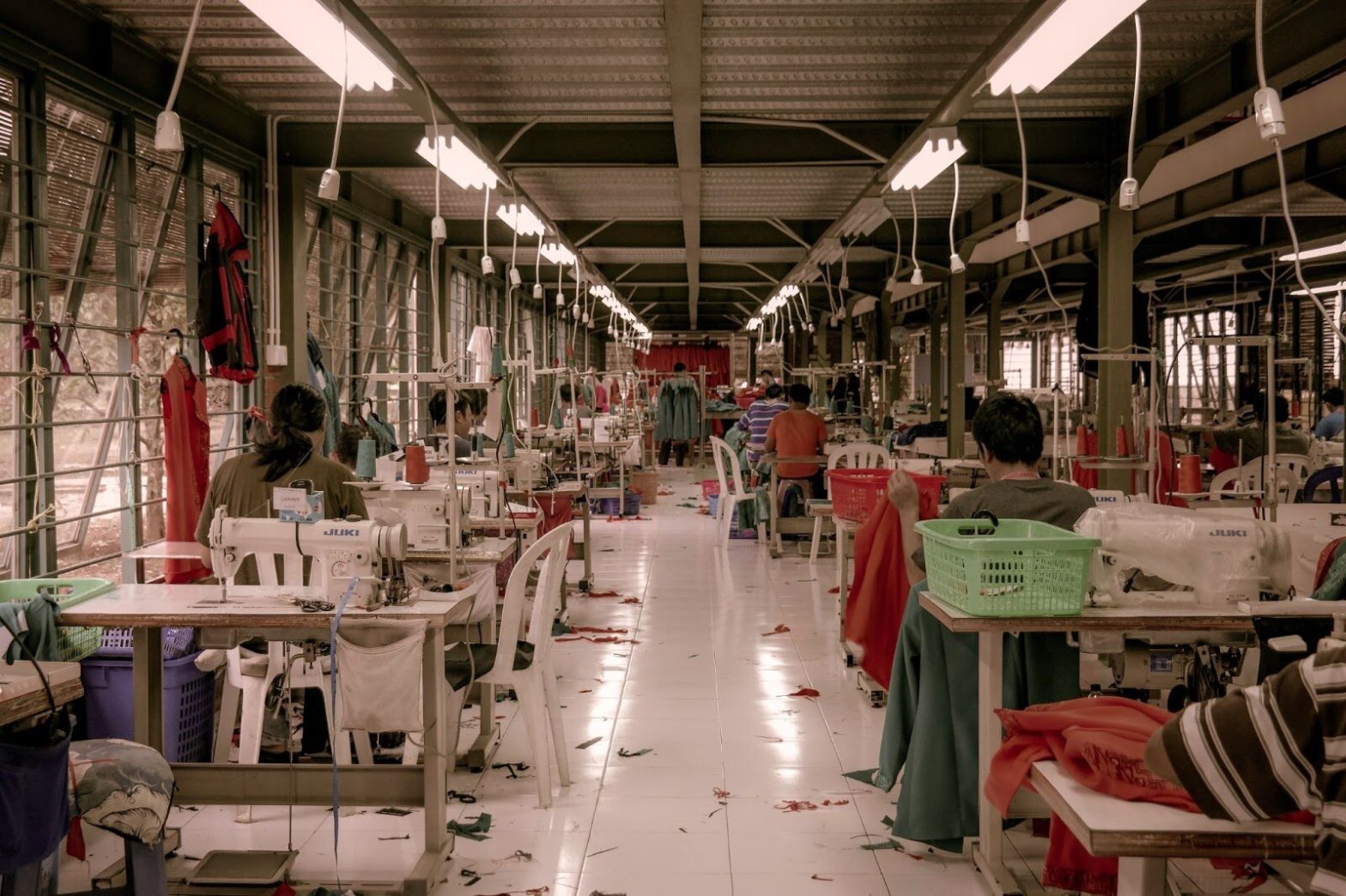
While fast fashion strives to keep costs low, it comes at the massive price of human lives. One of the first places fast fashion brands look to cut costs is with labor and these brands are known to outsource labor and pay extremely low wages in order to keep profits high. This means using factories in countries without workplace regulations and paying workers unlivable wages to work in factories that are unsafe, unregulated, and unjust. Popular areas for fast fashion companies to source labor are Bangladesh, India, China, Vietnam, the Philippines, and other low income countries where residents don’t have many alternatives for work. In a 2019 survey by Oxfam, a collection of independent charitable organizations committed to alleviating global poverty, 100% of surveyed workers in Bangladesh were paid below living wages and 74% of workers in Vietnam are paid below the living wage.
There have been numerous tragedies in these factories that have killed, wounded, traumatized, and displaced the workers and people that live in the communities where these factories are located. One of the biggest tragedies occured in April 2013 at a factory in Dhaka, Bangladesh. The factory, which long needed major repairs, collapsed and killed over 1,000 workers. This isn’t an isolated incident either – there have been many reports of factories collapsing and exploding, and many go unreported.
When it comes to garment workers, the overwhelming majority (roughly 80%) are women. Women in particular are recruited for factory work as they are seen to be more obedient and tend to have fewer economic opportunities than men. Men tend to hold factory supervisior roles, however, and there have been numerous reports of workplace misconduct, with incidents of sexual harassment, abuse, and assault. Even more disturbing, children are often recruited to work in factories and often don’t have a choice as they need to help feed themselves and their families. The exploitation of these fragile communities is unacceptable and fast fashion companies show no signs of slowing down. However, if we want to change our habits and help make a difference in the world, learning about the human lives that are behind the clothes we see on the racks at our favorite stores can be a crucial first step.
Source: Prudence Earl
So, maybe you’re thinking about moving away from fast fashion (good on you!), but you don’t know where to start. Or maybe you’ve already started your sustainable fashion journey, but are looking for new ways to spice up your wardrobe. Try implementing one or more of these tips to move away from fast fashion for good.
5 Practical Ways to Cut Ties With Fast Fashion
Resist the urge to impulse shop. Slowing down our consumption habits overall is a great practice for the environment and for your wallet! If you think your closet is missing something, try waiting at least ten days before buying something. Your wallet and the planet will thank you.
Try out thrifting! Thrifting is a great way to find unique items for less. Just be mindful that you aren’t translating mindless shopping habits over to thrifting. Buy only what you need.
Purchase high quality pieces that will last. Try to look for staple wardrobe items from sustainable brands. Clothing that is good for workers and the planet can often come with a higher price tag, but it’s worth every penny!
Host or attend a clothing swap. This tip might be the most fun! Call up your friends and invite them to bring over anything from their closet that they no longer want or need.
Repurpose and Restyle. The cheapest way to score new outfits? Using what you already have in your closet! There are so many ways to DIY your wardrobe. Don’t be afraid to get creative!
When it comes to changing the way you shop, remember to strive for growth not perfection. Changing consumption habits takes time, so be patient with yourself. By making gradual and consistent efforts you’ll see that you can still express yourself and serve some amazing looks while taking care of our planet and our global community.
Stephanie is a writer and photographer passionate about sustainable living, mindfulness, and exploring the outdoors. She loves microadventures but her favorite part about traveling abroad is immersing herself in other cultures. When she’s not writing, you can find her drinking coffee, playing soccer, or backpacking.
.parent a p{
display: inline; margin: 10px;color: #6e706b;text-decoration: none;
}
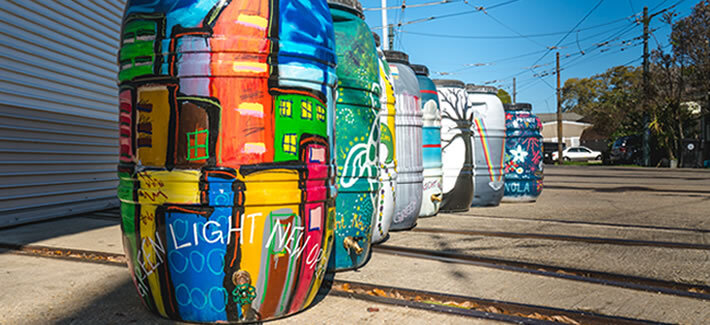
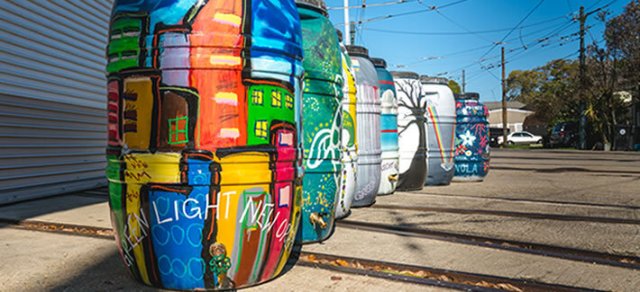
Meet Green Light New Orleans
Written by Jaclyn Yost | May 24, 2021
Source: Green Light New Orleans
We sat down with Jillian Welsh – volunteer coordinator at Green Light New Orleans 💚 watch the interview to learn more about how the organization provides sustainable solutions to individuals homes and encourages collective action to create more resiliency within the local community.
Edited by: Shannon Simpson
meet the author
Jaclyn Yost
Jaclyn is the founder of ecomadic and editor of The Sustainable Seed. She is conscious creative passionate about shedding light on environmental and social sustainability issues through travel.
While volunteering comes from noble intentions, it can sometimes end up being problematic. This stems from the abundant amount of volunteers from Western countries eager to partake in said volunteering. In return, the overall concept has developed into a business, provoking ethical and practical issues such as unskilled labor, and the imposition of Western values. A study from 2008, surveyed 300 organizations whose target audience were would-be volun-tourists, and found that 1.6 million people volunteer while on vacation, spending around $2 billion annually.
We’ve broken down below where volunteering becomes voluntourism, which is the act of traveling to developing countries with the false intention of “doing good”, while spreading Western ideas, offering unnecessary help, and inflating your own ego.
Where To Draw The Line
Source: Matador Network
The topic of voluntourism is defined by blurry lines, it leads to difficult questions, and it can be tricky to discuss. Can any kind of volunteering actually be considered bad?
To understand this concept better, let’s analyze each of these issues individually.
Unskilled Labor
Building homes in communities affected by natural calamities, can only be helpful when the volunteers actually know what they’re doing; especially if the local people wouldn’t prefer building the homes themselves in the end. An account of an American volunteer in Tanzania stated: “We … were so bad at the most basic construction work that each night the men had to take down the structurally unsound bricks we had laid and rebuild the structure so that, when we woke up in the morning, we would be unaware of our failure.”
A 1998 study on 162 Americans who travelled to Honduras with a goal to build homes after Hurricane Mitch, found that the price of the homes built by volunteers ended up being $30,000 apiece, while local Christian organizations could have built them for just $2,000. In this case, if the volunteers stayed home and donated money, instead of their unskilled labor, the locals could have built 15 times more homes for the communities.
Additionally, in developing countries, there are plenty of locals looking for a paid job, so if the organizations who claim to help the community actually wanted to help, they would hire these people by paying them with the money the volunteers donated; therefore supporting the local economy while also building well constructed homes. This is just one example that shows a reality in which the local communities, in some cases, would easily live without the abundant and unskilled labor offered by foreign volunteers, and could actually benefit more from simple donations.
Imposing Western Values
Volunteers who come from Western countries are often involved in activities related to teaching and/or religious missions. While not inherently negative, these kinds of activities can become problematic when they translate into the imposition of Western values and ideals. The interaction between people from different cultures can bring forth benefits to all the parts involved, but only as long as this exchange is reciprocal and productive. The one-sided spreading of ideas and teaching of values, can end up reinforcing toxic concepts such as imperialism and white saviorism.
This issue also arises when it comes to the implementation of Western technologies in those communities where the local people don’t have the means to maintain them. Instead of being helpful, this behavior simply creates short-term solutions and leaves the levels of poverty and inequality unchanged, while encouraging dependency from Western institutions and organizations. The aim of these missions should be quite the opposite; that is providing useful resources and knowledge to give the local people the means to improve their quality of life.
The Intentions Behind Your Actions
Whether or not volunteer work has a positive or negative impact ultimately depends on the individual intentions of each volunteer. If you really intend to help the local people of the places you travel to, please do your research first. Asking yourself questions like…
Which association or organization will you be working with? How do they use their funds? Which kind of project will you participate in? Do you have the right skills? Will you help the community in the long run? Will you share valuable knowledge that will be useful to those people? Are they even interested in that information? Is your help truly needed? Is it better to stay home and make a donation?
It goes without saying that it is utterly unfair to generalize. If you are, or were, a volunteer anywhere, don’t feel obligated to explain your motive. Just ask yourself why are you doing it? There’s nothing wrong with feeling good about yourself for helping others, and there’s nothing wrong with wanting to enrich your resume with some valuable experiences abroad. But make sure those are not the only reasons, and that your work will actually benefit the people you’re doing this for.
Giuliana was born and raised in Sicily (an Italian island in the middle of the Mediterranean Sea), since then she’s been moving around the world to meet new cultures and discover new places. She has a degree in Political, Social and International Sciences. During her studies she became passionate about environmental protection, gender equality, and cultural identity. She loves traveling, petting dogs on the street, and swimming underwater.
Earlier this year, we at ecomadic posted an article about the uninvited pests called invasive species. After spotlighting how to prevent these pesky perpetrators from occupying our local habitats, we’re now casting a light on one of their many victims. The victims in question: endangered species. Endangered species are any life form (plants, animals, bacteria, etc.) that are at a very high risk of extinction. What causes these species to be extinct can vary from a loss of habitat to a decline of genetic variation. Though natural causes may lead to these reasons, human involvement (i.e. pollution; home development; bringing foreign substances to natural habitats) can severely affect an ecosystem. Even with the high risks, it’s not necessarily the end for these endangered species. However, we must take precautionary measures to help maintain the endangered species’ population, or increase it. Don’t worry if you’re currently unsure of how you can assist! We at ecomadic have developed a list of activities and actions you can do to preserve the endangered species around your location!
Green Up Your Home
Source: Blue and Green Tomorrow
The call always comes from inside the house. To begin making your home a healthier space for the environment, always make sure you are reducing, reusing, and recycling. These three simple terms we learned in grade school are still effective in the preservation of endangered species. Use less products that have pesticides, herbicides, pollutants, and corrosive or flammable chemicals when cleaning indoors or outdoors. Do not put any product down the drain, especially when the product states it isn’t flushable. These small changes can not only save local plant life, but the aquatic life in the nearby bodies of water. If you have an outdoor area, consider planting native plants, and composting so the plants are healthy and attractive for local birds and insects to enjoy. To lessen pollution and local species’ living sources (and your monthly bills), reduce your water and electricity usage. By making your home an eco-friendly place to live, it’ll help protect species that are endangered, and species from becoming endangered.
Shop Locally and Responsibly
Source: Brooklyn Grange
You should always try and shop for organic and green products, for it helps the environment, let alone endangered species. That being said, sometimes it can be costly, or inaccessible. But that doesn’t mean you can’t help preserve nature through shopping! All it takes is some good research! Look for local businesses and items to support and buy, for it reduces the carbon footprint. Even if said product isn’t made locally, investigate the product’s manufacturer. See how the product is being made and packaged. If it isn’t ethical or environmentally responsible, cease from patronizing. Take this advice with you when you’re on vacation in a foreign territory, shopping for souvenirs. Exotic may be intriguing, but some may have an endangered history. Never buy clothes or accessories made from animals, or species on the verge of extinction. Furthermore, never buy any product off the black market! Besides the legality of it all, a lot of the animals from the market are not only endangered species, but invasive species. May these tips mold you to be a smart, eco-savvy shopper!
Respect Public Outdoor Spaces You Use
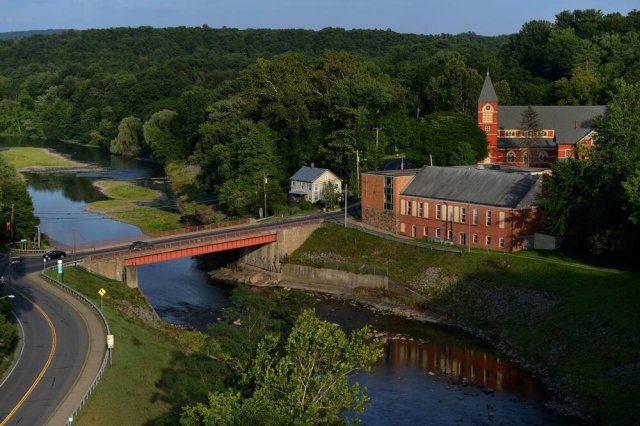
Source: Berkshires
We all enjoy outdoor recreation: camping, fishing, picnicking. As much love as we have for the great outdoors, we should treat it kindly and not destroy it. After all, if all the wildlife is contaminated and corroded, will the activities we hold dear remain enjoyable? Before you transport yourself to the outdoor place of your choice, be wary that the items you’re bringing will not alter the biodiversity of that habitat. Additionally when it’s time to leave the habitat, make sure you are not carrying substances from that outdoor space with you to your next stop. Cleaning your apparel and equipment before and after your outdoor excursions will lessen the chances of invasive species infiltrating, and putting native species’ lives at risk. Also, make sure you are always adhering to the rules and regulations of the site you are occupying. Aside from the fact that failing to comply can hurt the ecosystem, it may also hurt your pockets or reputation if you’re issued a fine or time behind bars. Even though social distancing is gradually fading away, when you see animals on your outdoor adventure, remain distant. Do not interact with them, especially petting or feeding them. What you may think is harmless fun could become harmful to you, the animal, or someone else in the future. As long as you stray from tampering with the environment, have lots of fun, and relish in the wonders of wildlife!
Volunteering & Community Events Regarding The Ecosystem
Source: East Oregonian
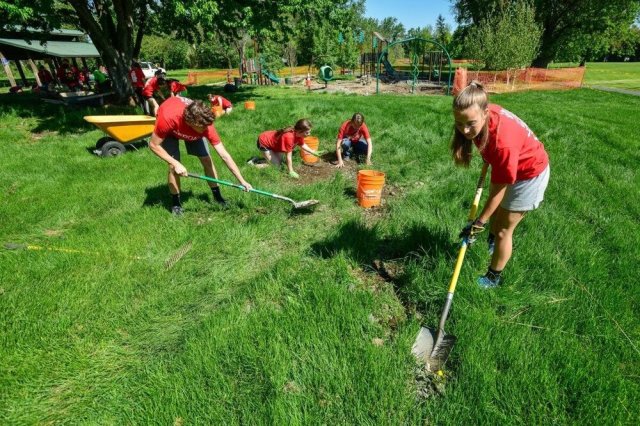
Altering your lifestyle to be more sustainable and eco-friendly is a great step in protecting endangered species; but taking a leap into getting involved with your local community is even more fulfilling! Not only will it give you hands-on experience with the environment, but educate you on the biodiversity surrounding you. Lookout for local events via the news or social media that aids in enhancing the neighboring ecosystem. On Endangered Species Day (third week in May), there are various activities to participate in. From educational outdoor hikes, the endangered species chalk art event, and the pollinator party, you’ll learn about the native species, while having fun with fellow environmentalists in your area. You may even make a friend or two. Outside of the holiday, attend cleanup events and green workshops at nearby parks, beaches, or gardens to keep the habitat healthy. You reside around these areas, so why not make the spaces you frequent fresh and hazard-free for the other organisms? Lastly, visit your town’s rescue shelter or sanctuary that protects the endangered and at risk species. Hopefully your time there will influence you to adopt. No, you won’t be physically adopting, but a virtual adoption via donating to the sanctuaries and organizations that are care-taking these endangered species. May your volunteering and fellowship with local environmentalists be an enlightening, enjoyable, and charitable experience!
For more information on Endangered Species Day, and events surrounding the holiday, visit the Endangered Species Coalitions’ site. On there you’ll find the major events, and an event map of what’s happening on the weekend of May 21, 2021 (Endangered Species Day). Above all, do your best to be environmentally conscious, and protect endangered species, while preventing other native species from becoming endangered!
meet the author
Rj Ross
Rj Ross is a writer at ecomadic. With his BA in communications and love for creative writing, he hopes to inspire and inform many generations about sustainable living and responsible traveling.
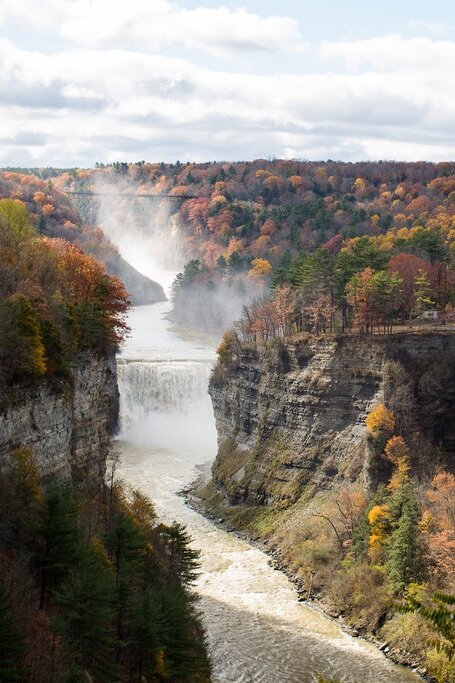
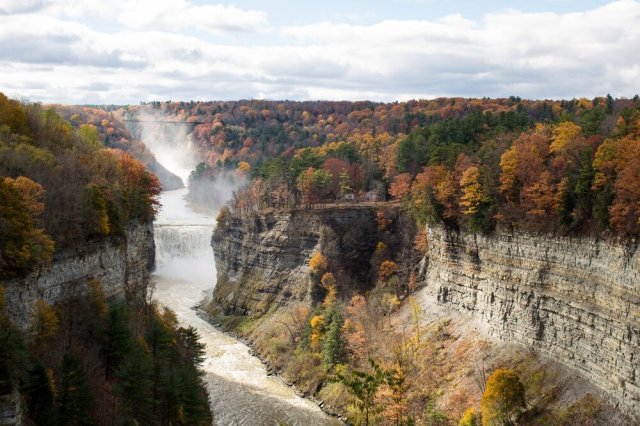
When New York comes to mind, general thoughts revolve around the Big Apple, The Hamptons, and Lake George. Steering clear of typical tourist attractions leads one to uncover some of New York’s best kept secrets – hidden corners of the wilderness and small towns often disregarded. Most times, an area’s greatest treasures are the ones commonly overlooked.
Each year, larger portions of the public flock to the great outdoors. While the intentions are respectable, one must also consider the increasing negative environmental impacts. Concluding to take the road less travelled and seek out lesser known territory, ensures a lower degree of deterioration in high trafficked locations. New York State is so much more than what is ordinarily portrayed – so, carry on scrolling to reveal some of the Empire State’s hidden gems.
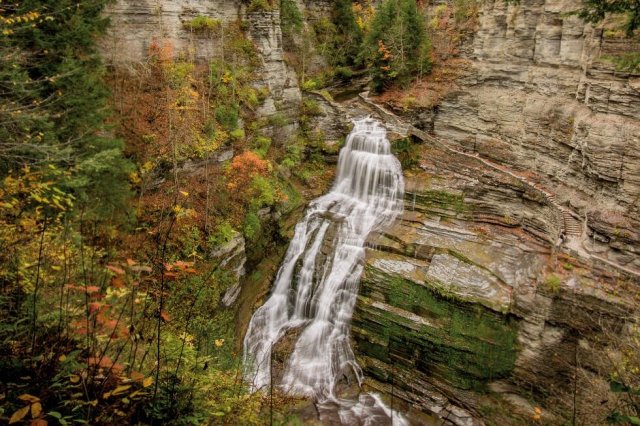
Lucifer Falls
Source: Visit Ithaca
While upstate New York hosts a multitude of waterfalls, some stand out more than others. Just outside the college town of Ithaca lies Robert H. Treman State Park, an area entertaining locals and tourists as early as the mid 1800s. The park’s creation lay thanks to Robert H. Treman and his wife – the couple donated the first 327 acres of land in 1920 to the state and worked relentlessly to make it available to the public.
The park’s highlight, Lucifer Falls, is a 115 ft. cascading waterfall. A bearable 2.25 mile walk up the Gorge Trail provides a view of the falls lower half from the base, while the upper park shows an outlook from the waterfalls summit. For a fuller perspective of Lucifer Falls, the Rim Trail showcases the picturesque sight from across the glen.
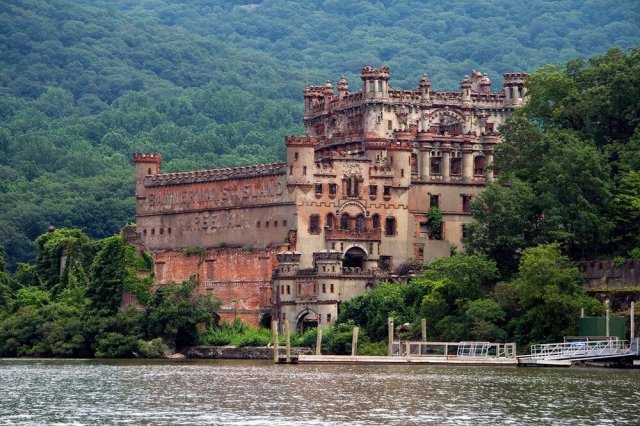
Bannerman Castle
Source: Flickr
When imagining historic, age-old castles, Europe and the United Kingdom are typically what come to mind – not the Hudson River in New York State! Resting on Pollepel Island, Bannerman Castle was built from 1901 to 1908 to store surplus military arsenal. Francis Bannerman, a Scottish-born, Brooklyn-raised businessman purchased ninety percent of the Spanish arms after the Spanish-American War, including 30 million rounds of live ammunition. Being a city dweller, Bannerman locked sights on Pollepel Island and made the purchase for $1,600 (about $50,000 today).
The castle was modeled to resemble the architecture of an old Scottish castle. Though the uncommon structure remained in use for a few decades, a series of unfortunate events took place that led to the crumbling framework. A storm in 1950 sank the ferryboat used to service the island, leaving the arsenal abandoned. In August 1969, a large fire destroyed much of the complex.Then, in December 2009, an estimated 35% of the front wall and east corner wall collapsed due to erosion.
Today, Bannerman Castle is property of the New York State Office of Parks and is maintained by the Bannerman Castle Trust Inc. The Trust is committed to gather resources and funding to preserve the buildings on Pollepel Island, while raising awareness to the public and government organizations on the significance and history of the island.
Jay Mountain
Source: Pure Adirondacks
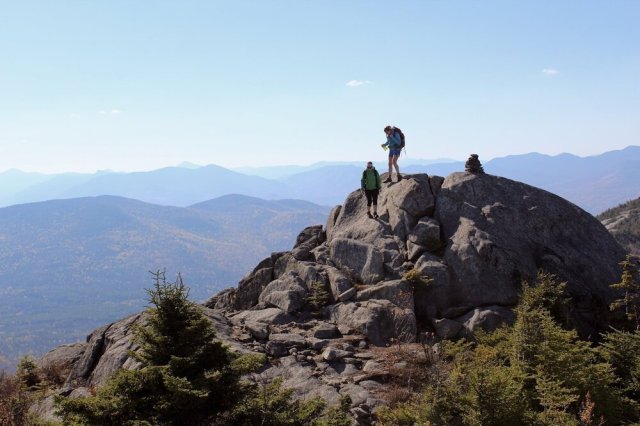
The Adirondacks are home to some of the state’s most dazzling peaks, pristine lakes, and bountiful valleys. With over six million acres of wilderness to explore, the list of outdoor adventures seem endless. Ordinary visitors flock to the Lake George and Lake Placid region, where tourists swamp the villages and waterways. Luckily, the Adirondack Park has miles of ground to cover.
Jay Mountain Wilderness grants an authentic Adirondack experience; open rock mountain summits and vast expanses of isolated areas lacking marked trails. Jay Mountain escapes the congestion of well-known peaks, offering solitude and isolation. Climbing 4 miles one way presents hikers with a treeless summit and colossal views of New York forests. Though much of this area of the Adirondacks requires bushwhacking and camping in the rough, the memories are unique and unlike most others.
Stonecrop Gardens
Source: Pinterest
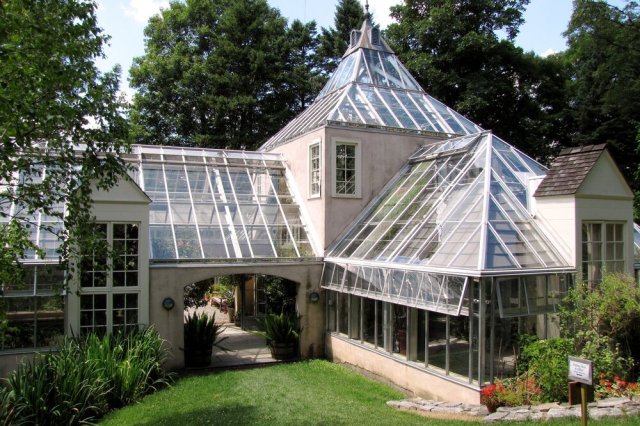
Commonly unnoticed by travellers heading north toward the Adirondacks, the Hudson Highlands accommodates multitudes of greenery. Just sixty miles of New York City lies Stonecrop Gardens, a valuable haven for plant enthusiasts since 1992. Original owners Frank and Anne Cabot, received the land from a relative and built their home within the sixty acres of fields and woods. Though initially a private garden, the Cabot’s flower and plant collection grew considerably as they speculated with new concepts and horticulture became their life’s work.
Today, “Stonecrop’s mission is to inspire gardeners to explore the infinite variety of the plant kingdom and to encourage a joyful willingness to experiment in the garden.” Visitors should prepare for serious plant engrossment as they walk the grounds and examine the vast assortment of plant species and collections. Some focal points include greenhouses of alpines, tropicals, and succulents; a cliff rock garden; a confined English-style flower garden and arranged order beds portraying over 50 plant families. What better way to welcome the summer months than by meandering through some of the seasons most prized contributions.
Eternal Flame Falls
Source: Only In Your State
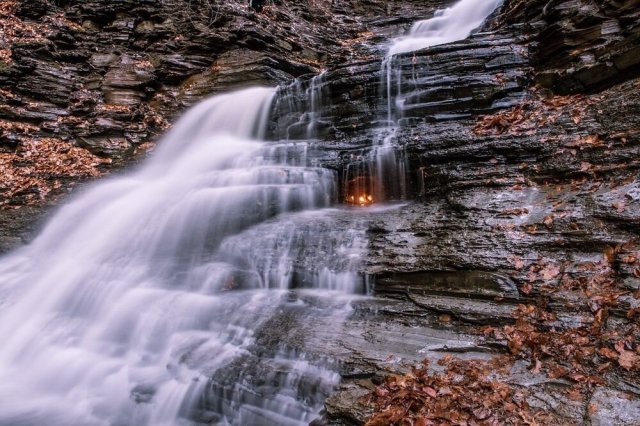
The outskirts of Chestnut Ridge Park host a peculiar waterfall unlike any other in the entire country. Eternal Flame Falls contain a small, natural flame protected by a miniature cave. The odor of rotten eggs fills the air while approaching the falls – the outcome of seepage from layers of organically-rich shale. “The gasses produced during the decomposition of the organics within the rock deposits are under pressure and push out through cracks and loose layers within the rock.” Two other, smaller seepages nearby can be lit, though unable to withstand a flame as long or as large as the “Eternal Flame”.
Though just over a half mile each way, the hike to reach the falls affirms to be somewhat challenging and wet. Walking along the creek downstream, visitors will reach two small cascades before arriving at the top of Eternal Flame Falls. To reach the base; cross the creek, head up the dirt trail, and pass a hemlock grove as the sound of the falls comes within reach (if it is flowing). As elevation decreases, the trail reaches the creek bed and switchbacks commence. The remaining walk is along the creek before witnessing one of the most unique natural wonders.
Escarpment Trail
Source: Harriman Hiker
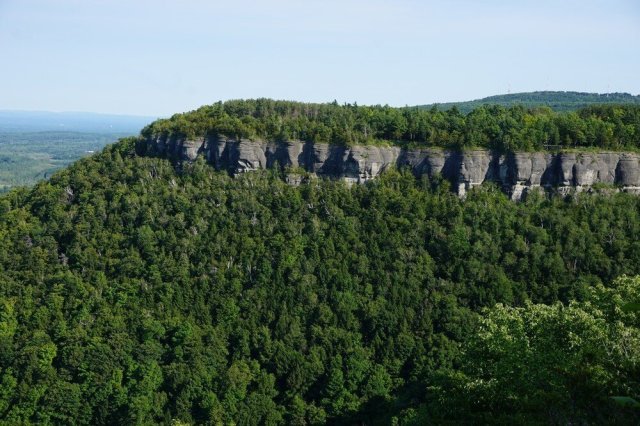
Who would have thought the oldest known forest on Earth would be found in downstate New York? The Catskill Mountains reveal a set of 386-million-year-old fossilized root system, a compelling fact only creating a more alluring location.
To grasp the full scope of one’s surroundings, sometimes an overnight trip proves necessary. The 24 mile Escarpment Trail traverses a thin route of stone above the quaint Hudson Valley. The cherished folktale of Rip Van Winkle takes place in these mountains – where he wandered into the Catskill Mountains attempting to escape his nagging wife, only to fall into a “magic potion” induced 20 year slumber.
The Escarpment Trail presents challenging terrain across ever changing scenery with mixed hardwood forests, shady hemlock groves beside rapidly-flowing, and spruce-fir peaks. Set aside a weekend for this endeavor as the trail leads backpackers through ancient mountains once carved by glaciers some 22,000 years ago.
Rosendale
Source: Wall Street Journal
Small towns set the scene for rural environments and create a strong society. Rosendale rests in the Hudson Valley where locals believe their home to be more than a location, but a way of life. The rural community of 6,000+ residents may be of modest size, but they have a meaningful presence. “There’s a forward thinking progressivism that many other towns can only hope to strive to attain and a responsibility to preserve this way of life and to preserve the land on which the town sits.”
Priding itself in providing residents and visitors with educational programs and resources to benefit the mind, body, and health – the Rosendale Theater Collective compliments the community through film, music, performing arts, and more. Main Street brims with unique dining options and shopping experiences; the Rosendale Cafe offers some of the best vegetarian food and live music, or Rosendale Waxworks selling homemade candles. In Rosendale, the passionate community inspires its visitors to seek out new encounters and create unique memories.
Taking the Road Less Travelled
A destination’s true beauty lies within less dominated areas. New York holds much fame and prominent features, though venturing off track liberates genuine travelers. So instead of feeling suffocating in Times Square or getting stuck in Long Island traffic, initiate encounters rare to the common folk. Strive to be the far and few between and inspire others to unearth mysterious locations.
meet the author
Kristen McKenna
Kristen was born and raised on Long Island, New York. After spending her childhood and teenage years exploring New England, she is now ready to see what else the world has to offer. Through her blog Tip Toe the Globe, she hopes to share her intimate adventures while at the same time spread awareness of environmental sustainability and lower waste living. If you can’t find her on a hike, she’s probably looking for a bakery or ice cream shop.
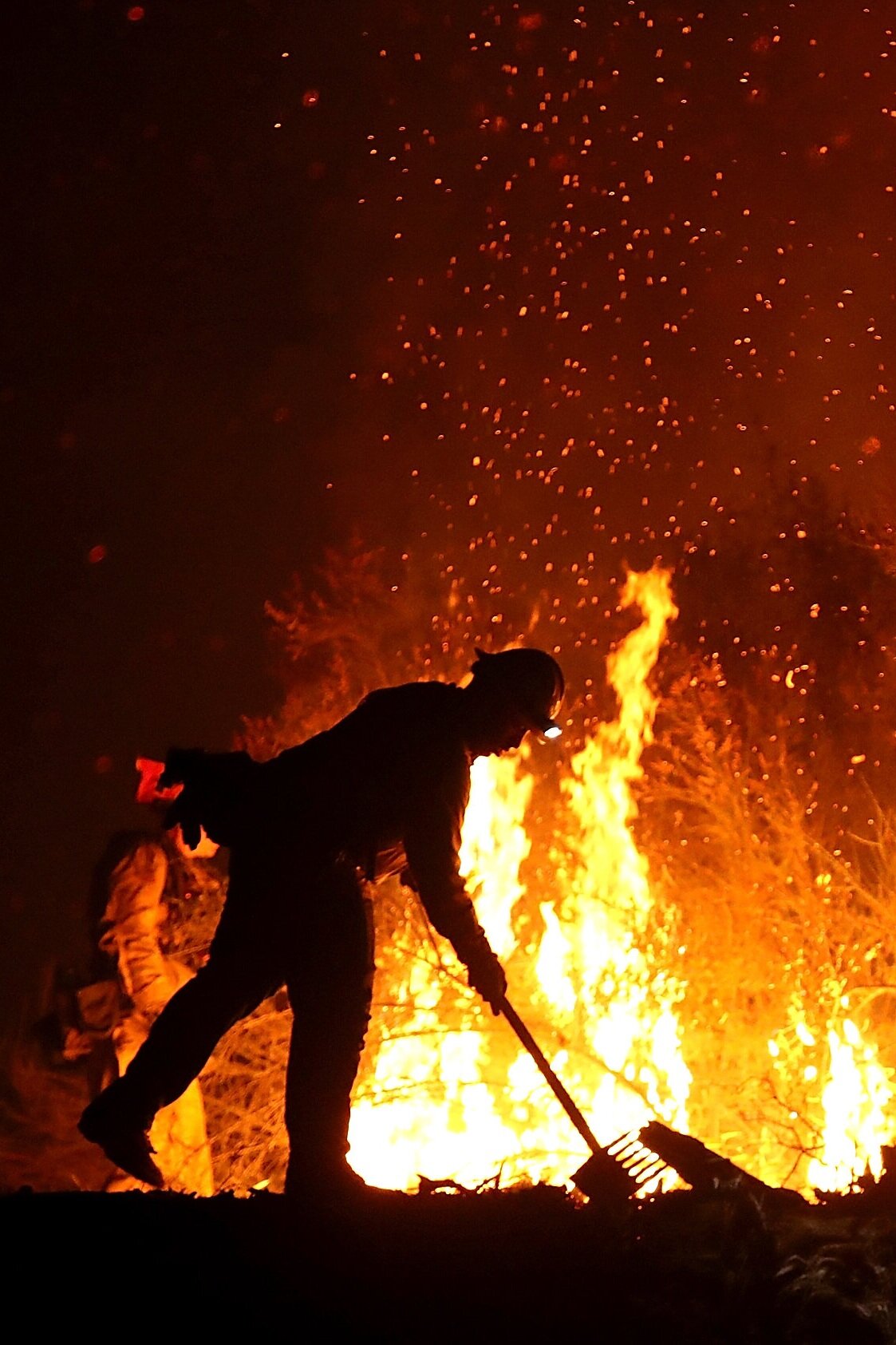
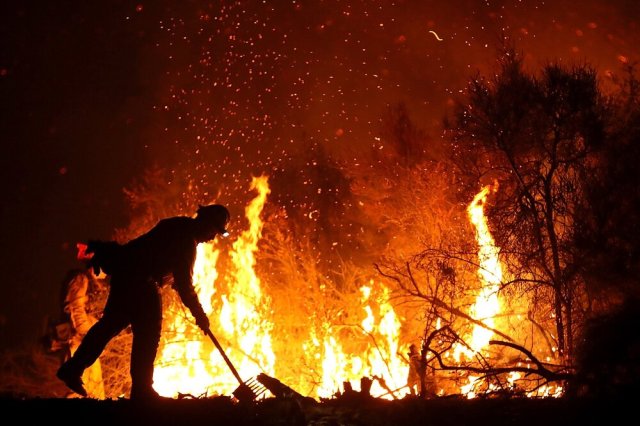
As the temperature rises and we get closer to summer, it’s time to be alert to an atrocity scorching the eco-scene. 2020 observed over 10 million acres of land blazed due to an uncontrollable entity that spreads and burns up natural territories when ignited. This entity is known as a wildfire. Although wildfires may occur due to natural causes such as lightning, volcanic eruption, and climate, 90% of wildfires are created by humans. When people act carelessly handling campfires, disposing flammable products like cigarettes, committing arson, and the placing and usage of power lines, machinery, and compost, wildfires are likely to flare up. Not only does it damage the grasslands or forest areas it usually happens in, but it can spread to residential areas, and affect many individuals’ lives. With May being Wildfire Awareness Month, it is crucial that we are informed about the hazards of wildfires as we partake in any outdoor leisure or activities. To aid you from taking incendiary risks, we at ecomadic are providing tips to prevent wildfires, and what to do in case a wildfire wreaks rampages in your residency!
Around the House
Source: Wikimedia Commons
Environmental consciousness has to start from within. If there’s no effort made towards making your home wildfire resistant, can we expect the same for public spaces? To begin the process, remove any living or deceased vegetation around the house that are flammable. Debris and dead matter found in the gutters, on top of the roof,and around the porch and lawn must be cleaned out and disposed of in proper containers. If you enjoy gardening, consider planting foliage that is fire-resistant. Maple trees, aloe (pictured above), bush honeysuckles, and low-sap plants are very effective in preventing embers igniting. Consider replacing any surfaces with wood or combustible materials (roof shingles, sheds, window panes, porches) with asphalt, slate, or other non-flammable materials. If that’s too costly, find heat-resistant coverings that protect said areas from possible combustion. While a wildfire can still harm your living space, erasing and keeping flammable material at a 30 ft (9.14 m) distance will lessen the property damages, heaven forbid you’re in that predicament.
Cigarette and Pyrotechnic Usage
Source: Aspray
Before you take that last puff, or make something burst in the sky, be cautious that none of its sparky substances fly to burnable places. Cigarettes, fireworks, and smoke bombs are already invasive to a natural habitat. To preserve the ecosystem, let alone preventing wildfires, be sure to use these products in areas free from trees and vegetation. Dispose all finished cigarettes in fire-proof containers or containers that won’t allow embers or ash to escape. Instead of purchasing fireworks (which is legal in a few areas), why not attend a designated fireworks display show, reducing the pollution they produce? If you really want to create your own light display, invest in buying a laser light projector that will create similar visuals as fireworks do. For gender reveal parties and other celebrations, use eco-friendly reveal cannons filled with colorful, biodegradable confetti of your liking (petals, sponge pellets, etc.) instead of combustible smoke bombs. These small alternatives will generate an outcome beneficial to the environment and our livelihood, and gradually decrease the livelihood of wildfires!
Campfire Bonfire Consciousness
Source: English Heritage
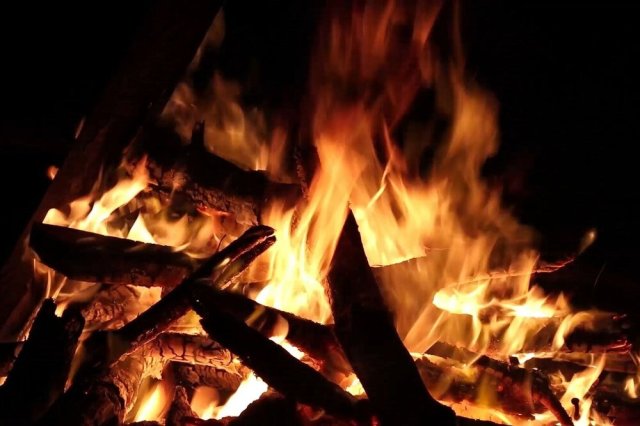
Although stargazing and using Earth’s natural light are greener, wildfire-free activities, if you and your loved ones prefer to bond around a center of flames, take these tips into consideration. Make sure you abide by the local fire laws, and have proper documentation to start a campfire if on public property. When scouting out a spot to start a campfire or bonfire, take into account that the fire should be lit on a non-combustible surrounding. You never want the fire near any dead leaves, dry grass, hanging trees, debris, vehicles, and camping gear to avoid the fire spreading. Consider purchasing a portable and sustainable fire pit. Additionally, those combustible materials should not be used to create a fire. Trash, aerosol, glass products, and dead foliage have a tendency to pop or explode, which can lead to embers latching on surfaces, and causing unwanted fires to erupt. Coal and dry wood are favorable products for firemaking, but they do cause a lot of air pollution. For a greener route, use recycled sawdust, coffee grounds, natural wax, and bioethanol, reducing your carbon footprint. Be mindful with the usage of any of these materials. You never want the fire to be more than a yard/meter stick long. Just how you monitor food heating in the oven, you also need to monitor the campfire. Mother Nature and human nature can be quite fickle. Therefore, it is crucial that you and the responsible people on the site are prepared to extinguish those flames at any point. Someone (an adult) always has to attend to the fire, and have water, sand, or dirt ready to put it out until those orangeish embers are no longer visible. Enjoy this hot event, but remember to maintain the fire from maximizing!
Vehicle & Machinery Usage
Source: MasterClass
Car cruising, cookouts, or outdoor chores involving machinery, proceed with caution when operating these equipment. First and foremost, the weather channel and app are your mates. Based on your location’s climate and weather, you never want to operate combustible engines on dry grass, at rising temperatures, or when it’s windy. Doing so will increase the risk of a fire. After a stroll down meteorology lane, think about investing in spark arrestors to place on your lawn mowers, weed whackers, and chainsaws. This prevents flammable debris from emitting onto surfaces that attract fire. Furthermore, maintain these products to decrease carbon emission. To be on the safe side when doing yard work, do it before 10 am, when the weather is calmer and cooler before Mother Nature goes to work. For a lovely barbecue bash, check your grill or other cooking devices for possible leaks or defects before usage. Whatever you use for fuel to the grill’s fire, keep it secure at all times, so it will not spill and affect your surroundings. On the subject of surroundings, distance yourself and the grill about 30 ft (9.14 m) from any building, object, or vegetation that could catch fire. Before you enjoy those buoyant highways and backroads, examine your car. Verify that the tire pressure is on par, there are no benders in your fenders, and every nook and cranny is intact. The last thing you want is something metallic from your car dragging on the road while driving, emanating a flame. Lastly, never drive or park your car on dry grass, especially when your car and the weather are hot! You never know when a fire could start due to overheated mufflers and exhaust pipes unbeknownst to you. Analyze and be aware of all the safety measures, and you can enjoy and engage in activities with these mechanical instruments.
In Case Of Inferno…
Source: Reviewed
Even if you’re doing everything right to avoid wildfires, you can’t expect the same for everybody. Also, people make mistakes. Though we hope witnessing a wildfire will never exist in your future, you must always be prepared for the intense situations. Always keep a fire extinguisher, evacuation plan/route, and an emergency kit handy at all times. Any of your favorite items (e.g. clothes, toys, electronics, accessories, etc.) should be within a good reach when it’s time to evacuate the premises. Keep tabs on what the local news is broadcasting about the wildfire in your area. Be sure to have battery operated devices like the radio, in case an outage occurs, and you need information on whether you need to evacuate or not. If you already prepared your home to be fire resistant as explained in the earlier section of the article, the most you’ll need to do now is remove furniture, appliances, curtains, drapes, and decor from the windows, doors, porches, patios, and balcony to the center area of your home. If you have identified a nearby water source, be sure to have a garden hose prepared for firefighters to use alongside their own hose when diffusing the fire. Lastly, when told to evacuate, exit the establishment immediately! Your safety is what matters in this scenario.
Source: 13News Now
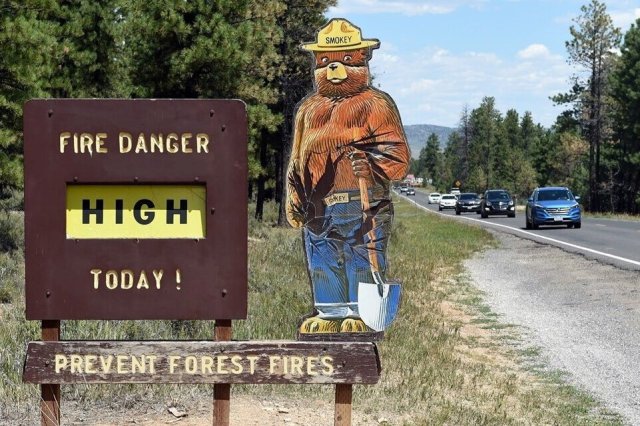
As previously stated, we hope that a wildfire will never reach your home. Adhere to the advice given throughout this article, and the decline of massive wildfires will occur. For more information on wildfire prevention, visit Smokey Bear, and Ready’s respective website. Also, don’t be afraid to contact your local fire department regarding the rules, regulations, and resources on fires. Stay safe and cinder-free this Wildfire Awareness Month, and every month afterwards!
meet the author
Rj Ross
Rj Ross is a writer at ecomadic. With his BA in communications and love for creative writing, he hopes to inspire and inform many generations about sustainable living and responsible traveling.
Disclaimer: the term “woman” is inclusive to all that identify as one.
Additionally, this article is not meant to antagonize men as a whole. We at ecomadic are perfectly aware of the fact that there are plenty of men out there trying to make the world a better place for women to feel safe and empowered. Unfortunately, however, that’s not always the case for all men, ultimately causing the case for a woman traveling alone to face dangers that a man normally wouldn’t.
The aim of this article is to encourage women of all ages who wish to travel alone to do so, while opening up some room for discussion on the sexist and dysfunctional way our society justifies some men’s predatory behavior, whilst simultaneously blaming women for not being “cautious enough”.
The Stigma Behind the Female Solo-Traveler
Source: Westend61
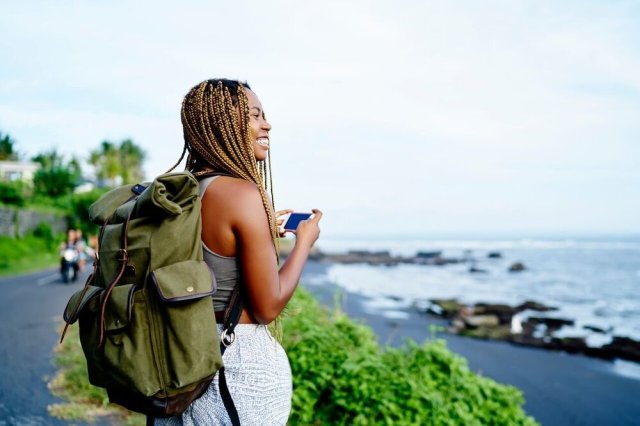
As women, we are constantly being taught that the world is a dangerous place for us. Whether we’re traveling or walking home in our own neighborhood (especially at night), we should always stay alert and never trust a stranger, no matter how strong we are. Primarily, because of men; men are stronger.
For reference, a survey conducted by UN Women in the UK found that 86% of young women (aged 18-24) have been sexually harassed in public spaces, and while just 3% did not recall experiencing this kind of behaviour, the remaining 11% preferred not to answer the question.
The very fact that women should be afraid of men is utterly absurd. We’re all humans! We have all evolved collectively into a rational and extremely intelligent species. So how come, when a woman walks on the street, she becomes prey in the eyes of dangerous and “uncontrollable” men?
This is where we, as a society, have work to do: men are not animals. They are perfectly capable of controlling their “instincts”, just as women are. The fact that, since the beginning of time, we have justified men as “uncontrollable”, via the typical “boys will be boys” mantra. And we’ve given them the opportunity to act however they want. Even when what they want results in hurting another human being.
That’s why all the responsibility falls on women: “you should be careful”, “you should dress adequately”, “don’t engage in a conversation”, “carry pepper spray with you”, “don’t stay out too late”, “never travel by yourself”.
The fact that women feel unsafe is a male problem. Men have to be held accountable for their actions, and women should be able to go wherever they want, while wearing whatever they want; feeling both confident and safe.
This article is not meant to impose any rules on female solo-travelers. It’s an empowering guide to encourage all women to explore the world, and feel more confident about themselves while doing so.
A Bit of Advice for Female Travelers
Source: Matador Network
Knowledge is power:
Learn about the country you’re going to while planning your trip. It’s important to inform yourself on the cultural background of the people you’re going to interact with, the best form of transportation, the neighborhoods to avoid, and the best accommodations for your needs. Some things will always be unpredictable, (it’s one of the best parts of traveling!) so it’s good to do some research beforehand for your own safety, and for the sake of being a respectful tourist.
Follow the daylight:
Unfortunately, in countries where there are high levels of violence and crime, walking at night is simply not an option. Do all your exploring and fun during the day. After watching a beautiful sunset, it’s best to head back to your accomodation for a good night’s rest.
Trust strangers, but not too much:
Making friends while on vacation is one of the best ways to travel the world and create amazing memories. You should trust the people you meet along the way, but as well as your instincts. Be sure to stay aware of your surroundings, too. You should be able to leave at any time if you feel uncomfortable. Remember: you have no moral obligation to be nice to people, your safety is your priority.
Keep your belongings with you:
In case you do find yourself in an uncomfortable situation, try and make up an excuse to leave, and then do so. This is also why it’s important to always have your belongings near you. For example, if you’re taking a taxi, keep your luggage in the seat next to you instead of the trunk, that way it’s within your reach at all times.
Your phone is also your best friend. Make sure it’s always charged and try to have data wherever you go.
Walk away whenever you want:
In mildly uncomfortable situations, the best thing to do is smile and walk away. If you start overreacting, things can escalate very quickly, so it’s best to not show your discomfort and leave. If you need help, a good tip is to look around and find a family. Families are generally very trustworthy.
Make sure you know how to contact the authorities in case you find yourself in a truly dangerous situation.
Common sense:
While we’re on vacation we tend to be more careless and, let’s face it, sometimes we even make stupid decisions. This kind of behavior often leads to some funny anecdotes, but when traveling alone, it can also put us in life-threatening or dangerous situations.
Even though it sounds like obvious advice, don’t forget your common sense, sometimes that’s all it takes to have a fun and safe experience.
Have fun with yourself:
Remember you’re there to have fun. We should all learn how to enjoy some time alone, so maintain those happy thoughts, explore as much as possible, and make the most of your time alone.
A Bit of Advice for Male Travelers
Source: People.com
If you’re a man and you want to make women feel more safe, just… don’t be creepy, dude!
All jokes aside, it’s really that easy. A woman walking around is an independent human being who has no idea about your intentions. Stick with basic human interaction rules: respect her personal space, don’t follow her, don’t stare at her, if you want to talk to her, walk up to her (walk, don’t run) and introduce yourself first.
You might think no one in their right mind would do anything different, but, trust me, this is no easy task for everyone.
Unfortunately, our life experiences have taught us to be scared of strangers, so do your best to change that as respectfully as possible.
What Needs to Change in our Society
Traveling alone is an amazing opportunity for personal growth, and it’s the best way to truly immerse yourself into a foreign culture. If we all had this kind of experience, the world would be full of inclusive and open minded people.
Instead of teaching the next generation of women to be careful, we should teach the next generation of men to be respectful. We should encourage young girls to explore the world, relying exclusively on themselves and their capabilities.
So, please, talk to your kids, talk to your friends, talk to your teachers, talk to your relatives. Spread awareness and have those uncomfortable conversations to shape a better future where all women feel safe and respected.
Giuliana was born and raised in Sicily (an Italian island in the middle of the Mediterranean Sea), since then she’s been moving around the world to meet new cultures and discover new places. She has a degree in Political, Social and International Sciences. During her studies she became passionate about environmental protection, gender equality, and cultural identity. She loves traveling, petting dogs on the street, and swimming underwater.
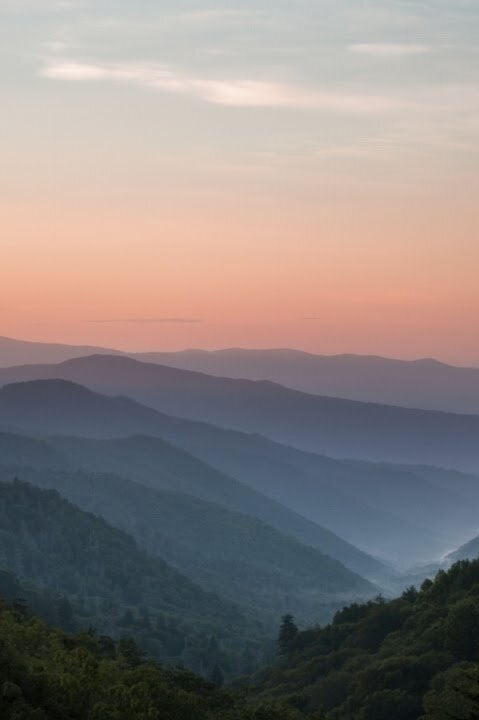
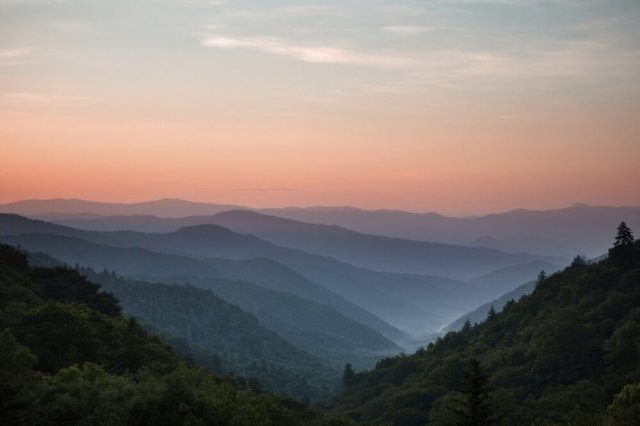
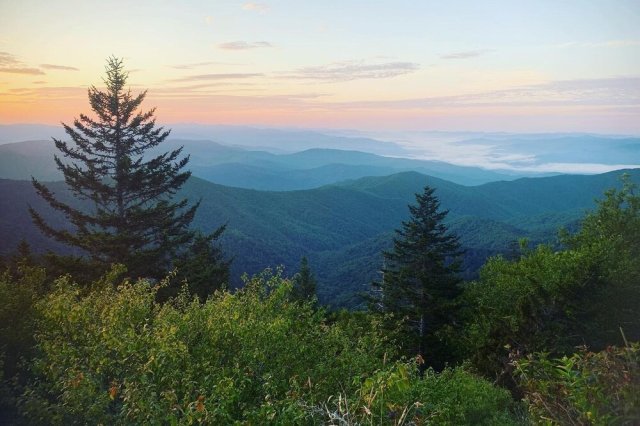
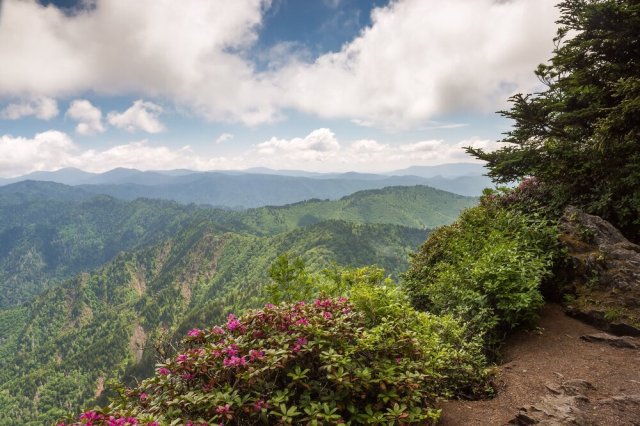
Tennessee has many places to visit, such as the country music capital, Nashville, and the Moonpie metropolis, Chattanooga. However, there’s a place in the Volunteer State filled with outdoor exploration that will make your travel bug jump for joy. A place with natural, foggy skies, century old trees, the world’s oldest mountains, and America’s most visited national park. This place is known as The Great Smoky Mountains, or The Smokies for short. An area with a great amount of tourism annually, however you decide to spend your time at The Smokies should have little to no hazardous impact on the environment. Thus, we at ecomadic have conjured up a list, emitting some sustainable stays, shops, and eateries to make your Smokies sojourn invigorating and eco-friendly.
Nearly 25 years dedicated to embracing nature and teaching campers about The Smokies in a fun, outgoing manner, Camp Atagahi is a 90-acre woodland retreat to relieve you of your busy routines. After resting in a cozy, spacious tent, and eating a meal made in the camp’s eco kitchen, prepare yourself for some terrific touring and trekking! Let one of the camp’s naturalist guides take you to the turquoise colored Big Creek cascades, the popular Cades Cove to spot black bears, or a stroll come dusk to learn about nocturnal creatures, with the skies and fireflies being your light. If you go with family or friends, opt to partake in recreational activities such as ziplining, kayaking on the Nantahala, or various trust exercises. Make the most of your time at Camp Atagahi and enjoy an exhilarating and educational experience with nature!
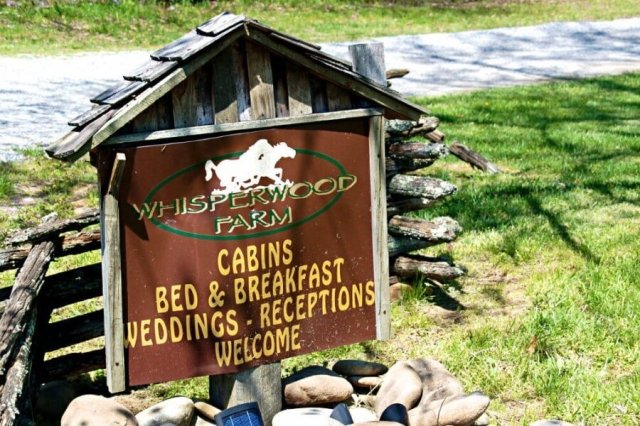
This bed and breakfast inn believes in nature and preservation, and gifts guests a front row gander at the fantasma of their Tennessee farmland. Enjoy the many cabins that provide an woodsy aesthetic and atmosphere, jiving stone-surround jacuzzis or hot tubs, and a captivating view of the creek. Consume a filling breakfast, lunch, and dinner prepared by the kind innkeepers, who use ingredients from their garden, the local farmers market, and the nearby Carver’s Orchard. Be sure to request in advance what you would like to eat during your stay at Creekwalk Inn, especially if you have vegetarian, vegan, and dietary preferences. The ecological ambience and southern hospitality of the inn may keep you content to stay and rest the entire trip; however, go on out for a day to the various attractions that are about 30 minutes away, such as the Great Smoky National Park, Cataloochee, and Dollywood. Bask in all the nature and nurture this bed and breakfast offers during your stay!
Located in the heart of Pigeon Forge, indulge in some delicious drinks and dishes at this Tennessee eatery. Priding itself in the local culture, like the art decor made by local craftsmen and artists, everything you see, smell, and taste in this restaurant will give you a sense of what Pigeon Forge is all about. That’s because foods such as the Fish ‘n’ Chips, The Patriot burger, and the House Salad are all made from scratch, using locally sourced and sustainable ingredients. Even the breweries, cocktails, and wines are locally crafted. While you’re enjoying the menu items, you can also enjoy a breathtaking view of Mount LeComte and the nearby mountains from the comfort of your seat. Bon Appétit to a Local Goat meal and experience that’ll have you baa-ck for more!
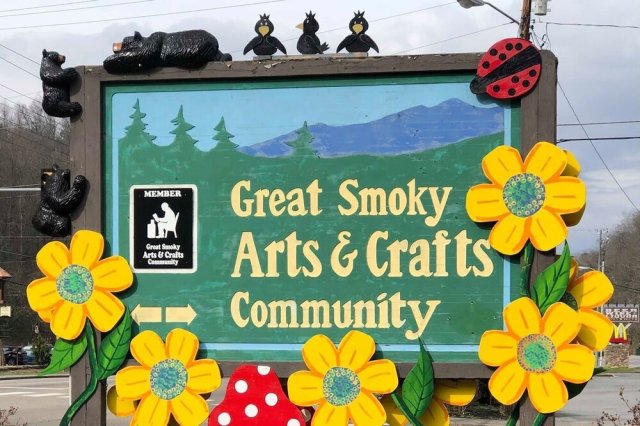
Hop on the downtown Gatlinburg trolley to take a trip to America’s largest independent organization of artistry. Visit eight miles of local shops run by carvers, weavers, watercolor artists, casters, soap makers, potters, silversmiths and many other artisans to continue promoting their craft and the district’s illustrative legacy. Browse through pottery inspired by the Smokies’ forest at Brandywine Pottery, a blend of traditional woodworking and modern technology at Tim Wemberding’s Woodworking, and candles poured into original, hand crafted and painted molds at Village candles. Not only can you peek or purchase the local artwork, you can also put on your crafty cape with the artistic, hands-on activities the various shops have available. Sketch, sculpt, and shop to your heart’s content within this valley of virtuosity!
What’s an adventure in the Smokies without stopping by its grand national park? After all, admission is free compared to most national parks. Hike, bike, or drive by the Roaring Fork Nature Trail to see an ebullient mountain stream, leading to the colorful Rainbow Falls. On the same trail you may see historical buildings like Jim Bales’ Cabin. On the Oconaluftee River Trail, you’ll see many more buildings such as the Mountain Farm Museum and Mingus Mill. Gallop out to Cades Cove, where you can go horseback riding, hayriding, or pay your respects to those who discovered this vast vicinity at the Cable cemetery. To truly say you’ve approached the Smokies, hike to the top of its highest mountains: Clingmans Dome, Mount Guyot and Mount LeConte, and take a picture of the blooming shrubs, wildflowers, and the American Chestnut trees that still remain. If you do encounter any wild animals (elk, black bears) along your paths in the park, be sure to respect them and remain distant! Like the aforementioned attractions listed, make your experience in this national territory an unforgettable and everlasting one!
meet the author
Rj Ross
Rj Ross is a writer at ecomadic. With his BA in communications and love for creative writing, he hopes to inspire and inform many generations about sustainable living and responsible traveling.
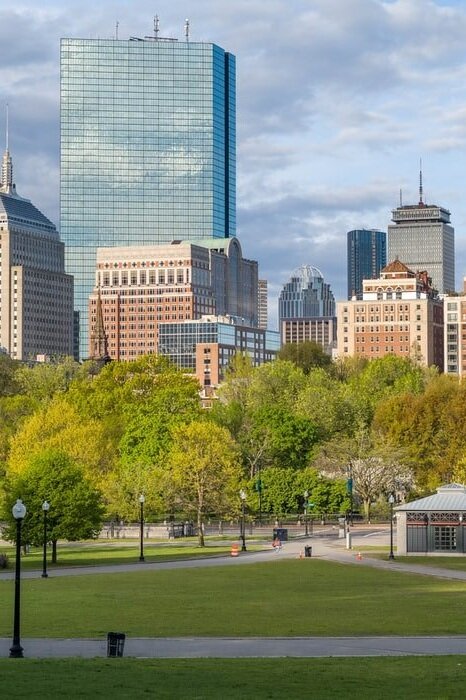
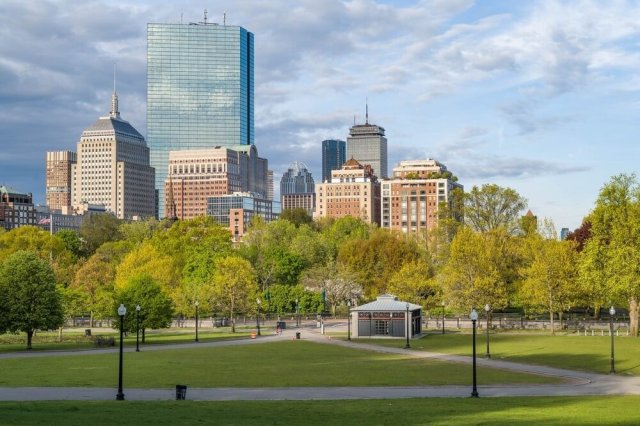
Situated along the Atlantic Ocean and picturesque Charles River, Boston is an East Coast city with a history nearly as old as the United States itself. This charming metropolis, often known as the backdrop for important events in American history, is also a major hub for the arts, innovation, entrepreneurship, and scientific research. You may have heard this city called by its nickname, Beantown, which comes from a dish of beans slow baked in molasses that was popular amongst the area’s Native American inhabitants and earliest European settlers. This rich history still lives on in the city today and can be experienced with a stroll through the city’s many diverse neighborhoods and lovely parks, including the quaint cobblestone streets of Beacon Hill. In fact, Boston Common, the city’s popular 50 acre park located downtown, is actually America’s oldest state park, established in 1634.
In addition to its many historical gems and landmarks, Boston has innumerable arts and science destinations with many renowned museums, art galleries, and spaces for outdoor recreation. When it comes to dining, the city’s notable farm-to-table scene features many restaurants honoring local ingredients that showcase the beauty and bounty of the region. With so much to see and do around Boston, this guide will introduce you to places to stay, eat, shop, and explore around the city that are highlighted for their efforts in sustainability, historical preservation, and community involvement. Take a peek through this guide and you’ll quickly see why Boston is an East Coast city you don’t want to miss!
Located in vibrant West End, The Boxer is a chic and eclectic hotel situated in the city’s Flatiron Building, which was originally built in 1904. When it comes to sustainability, the hotel embraces environmental and community stewardship and acts in accordance with sustainable hospitality practices that include many environmental and conservation initiatives. If you find yourself hungry during your stay, the hotel’s onsite brasserie, Bulfinch Social Restaurant & Bar, is a farm-to-table restaurant that features some of the region’s finest ingredients and dishes. The hotel is also within walking distance of many of the city’s most famed sights, such as Boston Common, Charles River, and TD Garden, making it the perfect landing spot for a trip to Beantown.
The Colonnade in Boston is a contemporary hotel that is committed to environmental awareness and sustainability. Located in Boston’s Back Bay region, this hotel integrates sustainability into all aspects of operations. From non-toxic cleaning products to energy-efficient lighting and windows to extensive recycling initiatives, everything at the Colonnade was designed to work in harmony with the environment. The hotel also has many wonderful amenities including a rooftop pool and lounge, a lobby cafe, a full-service fitness center, and a grand ballroom. If you wish to venture out to greater Boston during your stay, there are many popular attractions and shopping options located close by such as the Isabella Stewart Gardner Museum, Fenway Park, and Boston Public Library.
What all started in 1959 as the Fenway Motor Hotel, The Verb Hotel is a colorful boutique hotel that celebrates the vibrant art and music history of the Fenway area. Located just minutes from Fenway Park, the hotel is decorated with fun rock memorabilia and its walls feature bold quotes from Rock & Roll legends. If you’re hungry or looking to let loose, the hotel’s Japanese restaurant Hojoko is a great place to grab a drink and a bite to eat while enjoying live music and karaoke. The hotel’s outdoor saltwater pool and sun deck are open year round, offering guests a relaxing reprieve from busy city life.
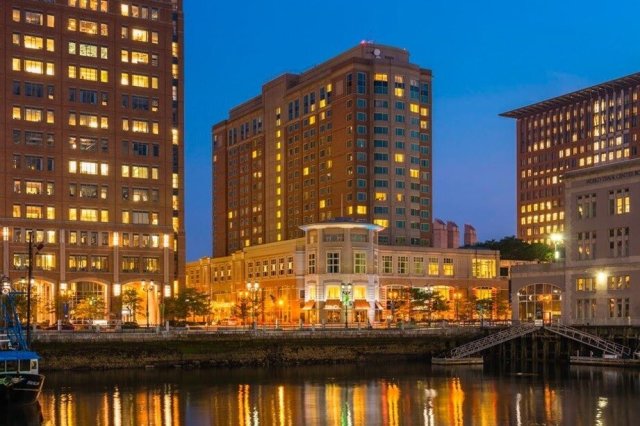
Noted as one of the greenest hotels in North America, The Seaport is a locally owned hotel that is a leader in social and environmental initiatives. Located in Boston’s Seaport District, the hotel sits on the waterfront and is within walking distance of many shops, bars, and restaurants. When it comes to amenities at The Seaport, sustainability is a central consideration. The hotel offers its guests complimentary bikes, in-room recycling, and on-campus access to Boston’s bus and train system – all intended to make a sustainable lifestyle more accessible. The hotel’s energy smart roofing system also aims to conserve energy and is designed with plants that reduce atmospheric heat. In addition to its many green initiatives, Seaport supports many local and environmental projects by teaming up with local nonprofits and organizations.
Situated in a warm and cozy space in Area 4 Cambridge, Bondir is a farm-house style restaurant that showcases the bounty of the lands and waters in and around New England. When it comes to creating new dishes, Chef Jason Bond uses simple, yet refined techniques that let the ingredients shine. The entire menu is a celebration of seasonal ingredients that are optimally fresh and sourced locally and sustainably. Many of the ingredients are even sourced from Bondir Gardens, a two acre plot that is operated by the restaurant and utilizes sustainable farming techniques. With its cozy quarters and commitment to sustainable sourcing, Bondir is the perfect spot to enjoy a special meal during your stay in Boston.
Located in Jamaica Plain, Ten Tables is a neighborhood farm-to-table restaurant serving handcrafted cuisine in an intimate setting. With a seasonally inspired menu that features local and organic produce, handmade pasta, and fresh seafood, this popular spot is perfect for vegetarians and meat-eaters alike. As the name suggests, space is limited at Ten Tables, but with its welcoming environment, sustainable ingredient sourcing, and refined preparations, it is well worth making the visit!
Field & Vine is a hip restaurant in Somerville that celebrates seasonal ingredients that are sustainably sourced from local farms. The restaurant’s menu, which consists of a variety of shareable plates and local beers and wines, strives to showcase the beauty of New England’s farms and waters. The restaurant also seeks to create a dining experience that is committed to the natural world through their lively decor that includes many plants, flowers, and natural materials.
Puritan & Company is a farm-to-table restaurant at Inman Square in Cambridge serving exceptional modern American and New England cuisine. The menu, crafted by Chef Will Gilson, consists of starters, entrees, and desserts that honor the seasons with ingredients sourced from local farms and breweries. The restaurant is open for brunch & dinner and its communal tables give the space a casual and relaxed feel. The restaurant has historical connections as well, getting its name from Puritan Cake Company, which once existed where the restaurant is located today.
Walnut Grille is a contemporary vegan and vegetarian restaurant in Newton that features a globally inspired menu composed of local and seasonal ingredients. Serving lunch, brunch, and dinner, this award-winning restaurant strives to accommodate a variety of dietary needs including gluten free, raw vegan, soy free, etc. Walnut Grille also has a great selection of organic and vegan wines, which pair perfectly with any of the restaurant’s exceptional entrees. With its eclectic menu, use of local produce, and notable ingredient transparency, Walnut Grille is a great option when looking for a healthy bite in the Boston area!
Veggie Galaxy is a classic American diner serving traditional comfort food that is completely vegetarian and made from scratch! Located in Central Square, Cambridge, this fun diner is known for its vegetarian versions of diner classics, such as its Chick’n & Waffles, Cheezeburger, and Vegan Milkshakes. Everything on the menu can be made vegan and the restaurant’s onsite bakery is 100% vegan, offering delicious cakes, pies, doughnuts, and more. Veggie Galaxy also serves all day breakfast and runs weekly specials, making it the perfect spot for any craving!
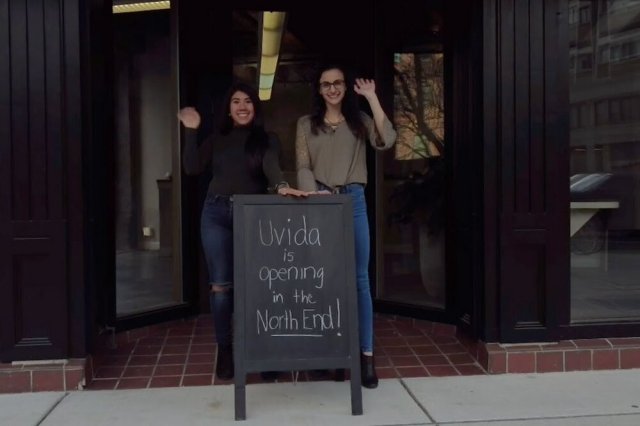
UVIDA Plastic Free Shop is a small, women-owned store in Boston with a mission to reduce waste and help make a more sustainable world. Located on the Lewis Wharf, UVIDA strives to take care of the environment by providing customers with sustainable, waste free alternatives for daily essentials. With an amazing variety of items for your bedroom, bathroom, kitchen, and more, UVIDA is the perfect place to kickstart a waste free lifestyle, restock your favorite items, or find unique waste free gifts. The shop also doubles a plant store, so be sure to take home a little greenery with your next waste free haul!
Use the code ‘ecomadic15’ for 15% off your next order!
Cambridge Naturals is a local and family owned business selling a wide variety of natural wellness products, including supplements, organic foods, and self-care products. The selection of products at Cambridge Naturals are carefully curated and sourced locally, organically, and ethically from fair trade and direct sources. A longtime member of the Cambridge community and certified as a B corporation, the store is committed to providing the highest level of service and a portion of the store’s proceeds are donated to social and environmental organizations that impact the local community.
Situated in a cozy nook on Tremont Street, Olives & Grace is a retail shop with a curated selection of handmade gifts and local food products. Founded in 2012 by Sofi Madison, the store is a place to connect with the community and find amazing products created by local artisans and entrepreneurs. Offering a variety of home decor, food, jewelry, beauty, and self care products, Olives & Grace has a unique product for just about any occasion. The store also has many unique gift boxes, such as the Local Maker Box, that are filled items made by local artisans – perfect for gifting to those you love!
The Isabella Stewart Gardner Museum in Boston is an art museum situated in the former home of Isabella Stewart Gardner, an American art collector and sociellite of the 19th century. The museum features Gardner’s impressive collection of European, American, and Asian paintings, sculptures, tapestries, rare books, manuscripts, and furniture, which she enjoyed collecting over the course of her life. Located adjacent to Back Bay Fens, the building itself was built to evoke a 15th century Venetian palace, which makes it the perfect home for Gardner’s world-class collection. The museum’s interior courtyard features ever-changing horticultural displays which beautifully integrate stonework arches and columns. The museum also hosts regular exhibitions, lectures, performances, and other events that give visitors a closer look at the history behind the art pieces and the life of Isabella Stewart Gardner.
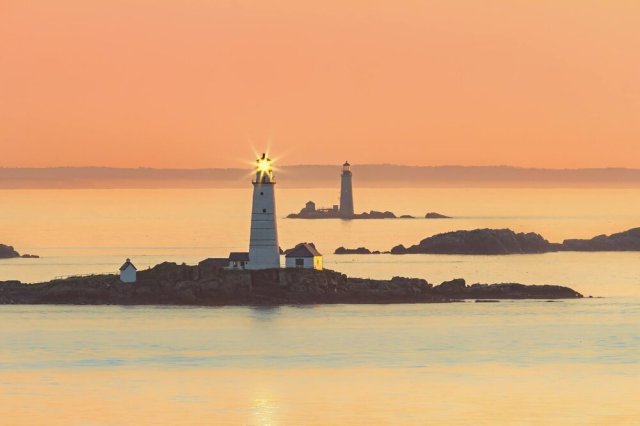
The Boston Harbor Islands are a picturesque collection of 34 islands and peninsulas located on or around Boston Harbor. Nearly all of the islands are open to the public and can be accessed either by ferry, car, bike, or foot. The islands offer many wonderful opportunities for outdoor recreation including hiking, camping, bird watching, and general exploration. Each of the islands has a unique history, such as Boston Light, which is home to the oldest and continually used lighthouse in the country that dates back to the Revolutionary War. Situated among the bustling city of Boston, the islands also act as a vital ecological habitat for local wildlife. With their stunning beauty and rich history, the islands are perfect for a quick getaway from the fast-paced city to the peace and solitude that nature provides.
Located along the Charles River, the Boston Museum of Science is a science museum and indoor zoo with over 700 interactive exhibits. The history of the museum dates back to 1830 when the museum was founded as the Boston Society of Natural History by seven men who shared an interest in science. Today, the museum’s exhibit halls feature interactive displays, such as the Butterfly Garden and Hall of Human Life, that educate visitors on scientific topics including wildlife, innovation, and outer space. With so much to learn, see, and explore, the Boston Museum of Science offers visitors to Boston an unparalleled opportunity to learn more about the world around us!
meet the author
Stephanie Stevens
Stephanie is a writer and photographer passionate about sustainable living, mindfulness, and exploring the outdoors. She loves microadventures but her favorite part about traveling abroad is immersing herself in other cultures. When she’s not writing, you can find her drinking coffee, playing soccer, or backpacking.

 Source: National Today https://platform-api.sharethis.com/js/sharethis.js#property=5f0bbd9ab9410d0019e80af3&product=inline-share-buttons
 Gilbert Baker. Source: Artsy
  📷 @sh.vets
  Source: TriPride
 Source: TriPride







































 ecomadic