
Eco-Guide to Exploring Vermont

.parent {
display: inline; position: relative; line-height: 30px; float: left; color: #82be41;
}
.parent a{
margin: 10px;color: #82be41;text-decoration: none;
}
.parent:hover > ul {
display:block;position:absolute;
}
.child {
display: none;
}
.child li {
line-height: 30px;width:115%;text-align:left;
}
.child li a{
color: #82be41;
}
ul{
list-style: none;margin: 0;padding: 0px; min-width:10em;text-align: center;float: right; font-weight: 550;
}
ul ul ul{
left: 100%;top: 0;margin-left:1px;
}
li:hover {
background-color: white;
}
.parent li:hover {
background-color: white;
}
.expand{
font-size:10px;float:right;margin-right:5px;
}

.parent a p{
display: inline; margin: 10px;color: #6e706b;text-decoration: none;
}

Eco-Guide to Exploring Vermont


written by Meagan McRoberts | October 11, 2020

*At ecomadic, we believe travel can now be defined and discovered in our own backyards. We believe that small and local businesses will facilitate the most powerful impact in re-building the tourism landscape – from both a socio-economic and environmental perspective. We’re putting together compilations of eco-guides – to be used ideally in your home state, a visit close by, or planning for a future trip.*

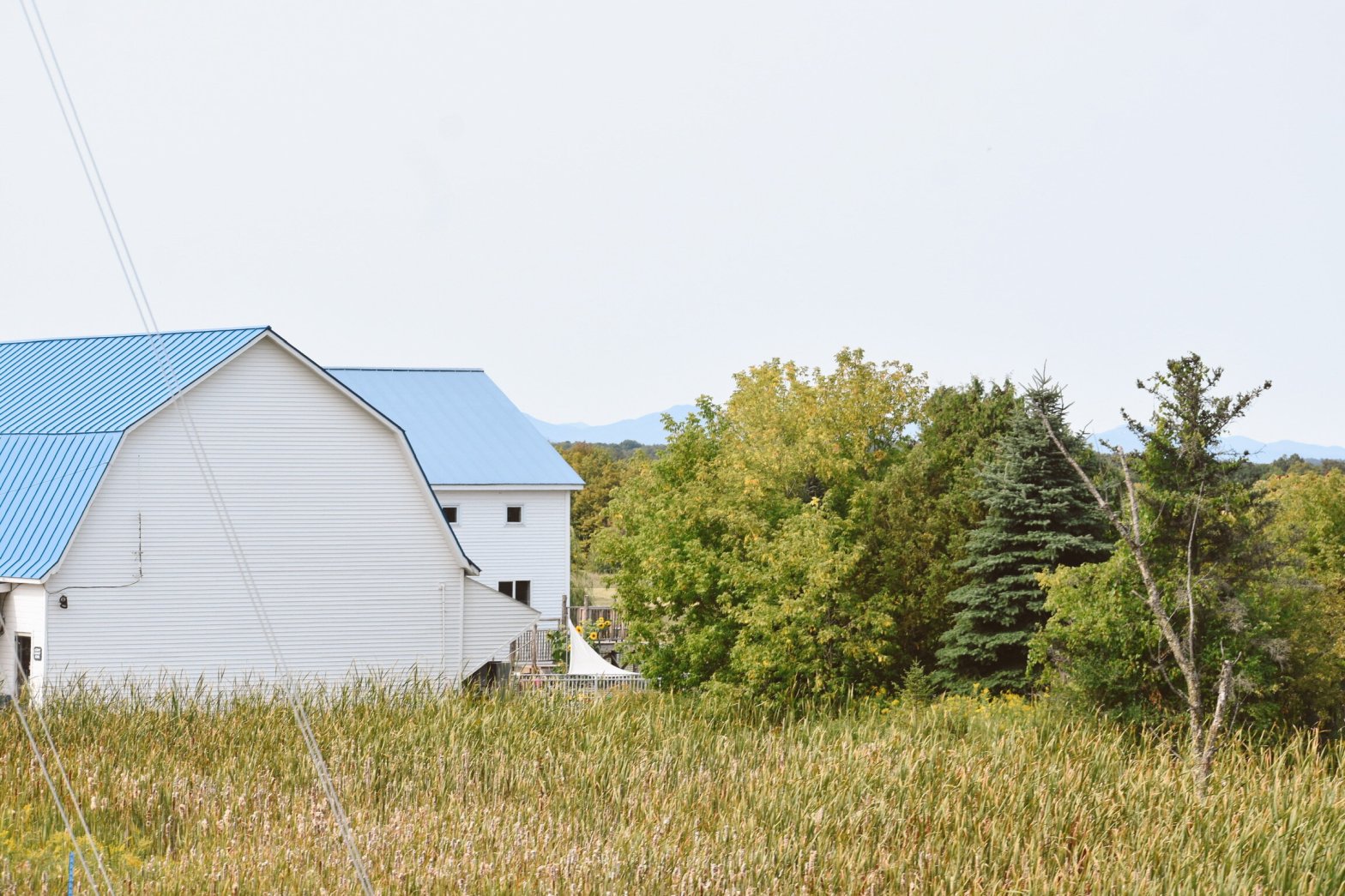
IMG_0008.JPGIMG_0008.JPG

https://platform-api.sharethis.com/js/sharethis.js#property=5f0bbd9ab9410d0019e80af3&product=inline-share-buttons


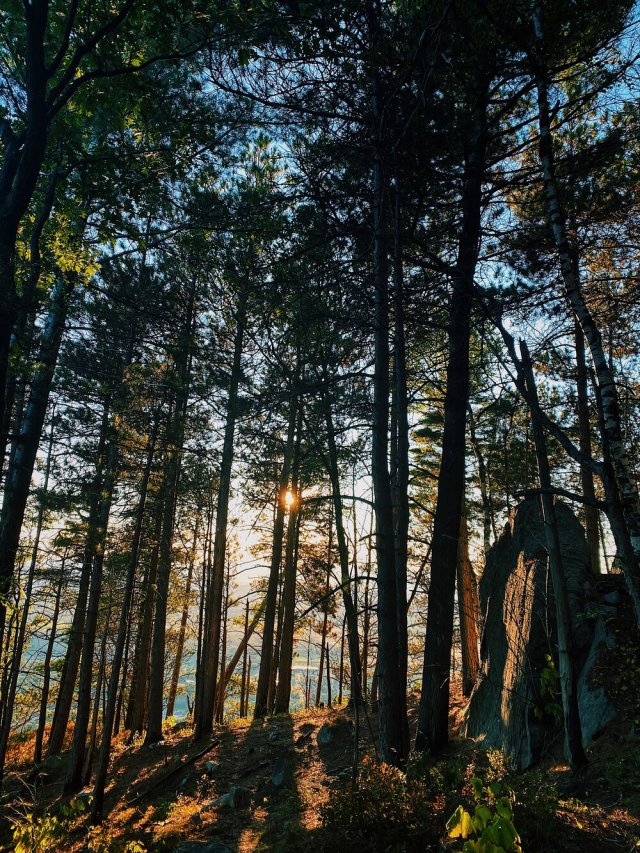
If you’re looking for a green destination in the US, you don’t need to look much further than Vermont. Vermont has sustainability engrained in its DNA, recognizable as soon as you start driving through. From quirky resale shops and solar panels, to a sense of community that fuels local businesses to thrive– it’s a super cool place to visit if I do say so myself.

Quick facts

The beautiful city of Burlington is the first U.S. city to use 100% renewable energy

Vermont was the first state to ban slavery (although not as simple and great as it sounds). 

Vermont has dairy farms with Cow Power– an initiative that turns methane gas from manure into a renewable energy source helping power homes and businesses around them.

There’s an extended list of responsible businesses in Vermont in fact, it’s hard to find businesses that aren’t doing something good for the world (even the big ones! see: Seventh Generation, Ben & Jerry’s, Cabot Creamery).

ecomadic’s Vermont responsible business roundup is just a start to the kinds of places you’d be proud to support.

Now here’s a quick guide to being a responsible traveler in this destination.

Be Knowledgeable & Responsible 

Vermont wasn’t always Vermont. We recognize the traditional owners of the land as the indigenous tribes that inhabited the region before European settlers. In this case the most prominent are the Abenaki tribe, Mohican tribe, & Massachusett tribes (Pennacook and Pocomtuc). 

You can learn more about the history of the land, including the Abenaki tribe and their heritage at the Ethan Allen Homestead museum. This community based museum recently partnered with an intertribal Abenaki organization that is dedicated to Indigenous cultural revival. They’re working towards creating an Indigenous Heritage Center. 

As mentioned previously, Vermont was the first state to ban slavery. Visit the Rokeby museum for a unique and immersive experience into the history of the Underground Railroad.

What’s in season?

Not only does eating seasonally provide more nutrients and taste better, but it reduces pollution and the distance food needs to travel to get to your plate. Check this chart to find out what’s in season while you’re traveling to Vermont and choose restaurants that offer local ingredients. Also don’t miss out on the local markets. Burlington Farmers Market has been around since 1980 and offers a fun Saturday morning activity as well as the opportunity to buy and cook with Vermont ingredients. If you’re too far from Burlington, here’s a search engine to find a closer market.

Tip: in Vermont, it’s never a bad time to get some Maple Syrup!

Connect with Nature

Connecting with nature in Vermont is a huge reason why people travel. In fact, it’s a great place to escape and camp in the wilderness without seeing a soul. Depending on the time of year you visit, the activities available will change. Autumn is perfect to hike and experience fall foliage, while in the winter you can ski down Stowe Mountain. Spring would be great for a camping trip and in Summer you can spend time in the waterfalls and famous Lake Champlain.

As always, leave no trace and be respectful of any animals. Like most destinations, there’s wildlife to be aware of. Although run-ins are rare, black bears, bobcats, coyotes, moose, amongst others are native to Vermont. 

Support Local & Unique Experiences

What better way to learn about where your food comes from than staying on a farm? Vermont is unique in that it has farm stays and tours. A few of our favorites are: 

NewLeaf Organics

Wildcraft in the Mountains

Vermont Food and Farm Tours

Don’t forget reviews!

To help out the little guys, don’t forget to review each business you visit. Your voice can be used to help guide and point other travelers in the direction of who they should support as well.


meet the author


Meagan McRoberts - Meagan holds an MA in Creative Writing and is passionate about travel and sustainable living. When she’s not working, she’s either in the ocean, on her yoga mat, or in transit to somewhere new.
MEAGAN+FINAL.jpg

Meagan McRoberts

Meagan holds an MA in Creative Writing and is passionate about travel and sustainable living. When she’s not working, she’s either in the ocean, on her yoga mat, or in transit to somewhere new.


 

How to Responsibly Road Trip in the U.S. (during a pandemic)

.parent {
display: inline; position: relative; line-height: 30px; float: left; color: #82be41;
}
.parent a{
margin: 10px;color: #82be41;text-decoration: none;
}
.parent:hover > ul {
display:block;position:absolute;
}
.child {
display: none;
}
.child li {
line-height: 30px;width:115%;text-align:left;
}
.child li a{
color: #82be41;
}
ul{
list-style: none;margin: 0;padding: 0px; min-width:10em;text-align: center;float: right; font-weight: 550;
}
ul ul ul{
left: 100%;top: 0;margin-left:1px;
}
li:hover {
background-color: white;
}
.parent li:hover {
background-color: white;
}
.expand{
font-size:10px;float:right;margin-right:5px;
}

.parent a p{
display: inline; margin: 10px;color: #6e706b;text-decoration: none;
}

How to Responsibly Road Trip in the U.S. (during a pandemic)


written by Meagan McRoberts | October 5, 2020


IMG_6363.JPGIMG_6363.JPG

https://platform-api.sharethis.com/js/sharethis.js#property=5f0bbd9ab9410d0019e80af3&product=inline-share-buttons


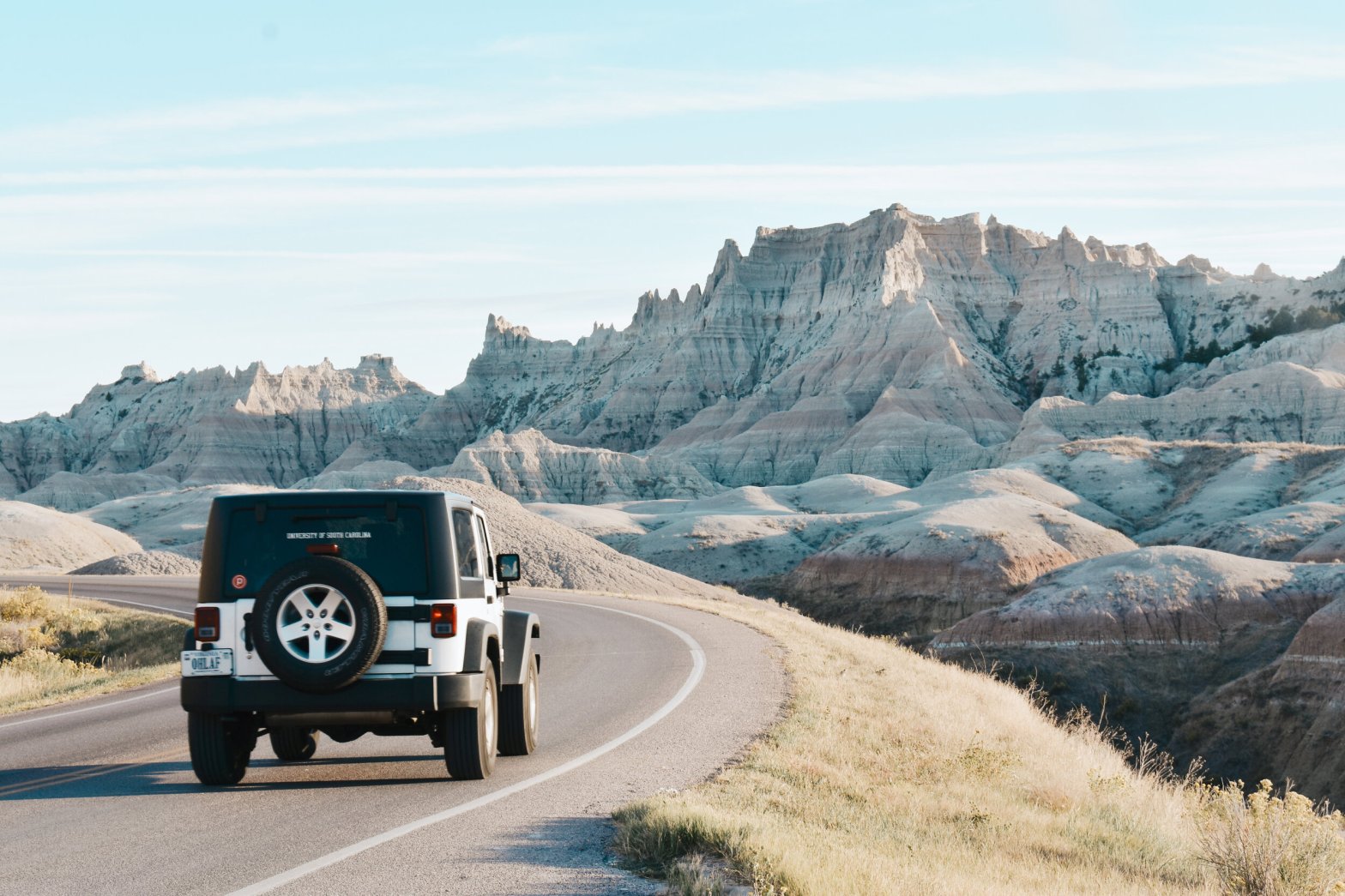
After six months of acclimating to the new reality we’re living in, and multiple breakdowns trying to understand the reroute that I had been put on, it was time to get back out into the world. Even if that meant going to a new place and being somewhat isolated, even if that meant dealing with travel shaming and anxieties of the current pandemic. Why? Travel has nurtured and helped me grow as a young individual, it’s a part of me and a part of the business I am co-founding.

I’d always dreamed of a cross country road trip in the United States– in my head it was moving to California in a few years, but this road trip came about much quicker as international borders closed and I was anxious to get out of my parents house. While I’m happy to be back on the road again, I recognize the immense privilege I have to be able to travel during this time. 2020 doesn’t feel as care-free as my previous trips and for someone who banks on going with the flow, it requires a lot more consideration. 

In a recent podcast by NPR, Guy Raz interviewed Brian Chesky, founder of Airbnb about resilience in business amidst a pandemic. Brian provided lots of insight into travel right now and confirmed people are traveling closer to home, into National Parks, and using vehicles rather than planes. They are reconnecting to nature, and unique & remote lodging is selling out. 

Guy Raz asked, “presumably your business is still significantly lower this time this year than it was last year?” Brian Chesky replied, “It’s not, no it’s not. Not significantly. It dropped by about 80%, and no one knows if this is pent up demand or not, but we’re back up to last year’s levels. Averaged out Latin American and Asia are lower, North America and Europe are higher.”

Listening to this in the car while staying in remote airbnbs for all of my accommodations, I probably shouldn’t have been that surprised. But to hear that they are back up to last year’s numbers seemed pretty crazy. It confirmed that I am not the only one thinking this way and that new travel trends are emerging in numbers.

It seems to be coming sooner rather than later, that more people are exploring domestically, so I’ve created a guide to responsible road tripping during this time.

Plan for Restrictions

The most important research I did while planning our road trip was in regard to travel restrictions. Rule #1: respect them. Rule #2 double check to make sure you have the most updated information. It always depends on where you are traveling from, restrictions are not created equal.

(When planning my trip) Maine, New Hampshire, and Upstate New York were high on my bucket list– but I decided not to visit as they were actively discouraging tourists. Vermont on the other hand, had restrictions in place that still allowed safe travel. You could either quarantine for 14 days before traveling or quarantine for 7 days before traveling + prove a negative COVID test (taken 72 hours within arriving).

Enforcement of restrictions ranges depending on location. In New York, you are required to fill out a travel form and risk a fine of $2,000 USD if you are found to not be following their restrictions. However, in Vermont, there was no one checking to make sure that we quarantined or had our negative COVID tests. I did message our Airbnb host and let her know we would be making minimal stops and wearing masks on our way up. I also offered to provide any extra information or proof of negative COVID tests that she needed. It’s definitely necessary to communicate with wherever you are staying– be it a hotel, boutique lodge, RV park, or even a friend’s house. Each accommodation will have different rules and may need to have your negative tests on record.

Contactless Travel 

A new term to get familiar with– contactless travel. How far can you travel while coming into contact with the fewest number of people? That’s the tricky task of 2020. When choosing where to stay, I originally wanted to rent a pop up tent through Outdoorsy and stay in wide open space as much as possible. Further into my research, I realized how heavily we would have to rely on public restrooms/showers and shared spaces at RV parks. For the length of the trip (6 weeks) and our wifi and charging needs during the trip, it made more sense to stay at Airbnbs. We chose ‘entire place’ only so that we weren’t exposed or exposing anyone in a shared space. Airbnb has amped up their cleaning protocol and stays with full kitchens have enabled us to go grocery shopping and limit time in any restaurants. While trying local food and experiencing culture is one of my favorite things to do when traveling, this trip is different. Accepting that travel right now is not the same as usual is necessary before going on any trip. Pick your travel buddies wisely, they are just about all you will have!

Cooking Instead of Going Out

Whenever possible, limit time in restaurants and shops, stick to the essentials. 

This doesn’t mean you have to completely miss out though. In each town we stayed near, we visited their local co-op or food store and picked up what’s in season. (ie. We made stuffed potatoes in Idaho & pancakes with maple syrup in Vermont). Major perk? Cooking ourselves makes budgeting much easier.

Embrace Nature & Avoid Cities

Hopefully someday soon cities will be lively and safe again, but for now they’re not exactly worth the stop. Instead of dwelling on what isn’t available, embrace the outdoors. Connecting with nature has been so therapeutic throughout this road trip. There are plenty of remote tiny houses and eco-lodges on Airbnb. Two other helpful sites are Hipcamp and Glamping Hub. Between these sites, you are sure to find a place that’s away from the crowds and leaves you alone with the great outdoors. 

Essentials 

Traveling during a pandemic means figuring out what’s essential. For us, it’s pretty much gas and food. This means always wearing a (re-usable) mask and using hand sanitizer whenever we’re filling up or picking up groceries. When in the outdoors and national parks, we always have our masks and are mindful of being far away from other hikers. Using the AllTrails app, I look for less trafficked trails so that we won’t be bothered with crowds.

Road-tripping during a pandemic can be a much safer option than flying and allows people to social distance in the outdoors. After accepting that it’s going to be a different trip than years past, and conducting enough research to ensure a safe and respectful trip, I think you’ll find that escaping to recharge in nature is a really good way to spend this time. In the US especially, as I am finding there are so many empty places waiting to be (safely) explored.


meet the author


Meagan McRoberts - Meagan holds an MA in Creative Writing and is passionate about travel and sustainable living. When she’s not working, she’s either in the ocean, on her yoga mat, or in transit to somewhere new.
MEAGAN+FINAL.jpg

Meagan McRoberts

Meagan holds an MA in Creative Writing and is passionate about travel and sustainable living. When she’s not working, she’s either in the ocean, on her yoga mat, or in transit to somewhere new.

 

11 Local & Eco-Friendly Businesses to Support in Vermont

.parent {
display: inline; position: relative; line-height: 30px; float: left; color: #82be41;
}
.parent a{
margin: 10px;color: #82be41;text-decoration: none;
}
.parent:hover > ul {
display:block;position:absolute;
}
.child {
display: none;
}
.child li {
line-height: 30px;width:115%;text-align:left;
}
.child li a{
color: #82be41;
}
ul{
list-style: none;margin: 0;padding: 0px; min-width:10em;text-align: center;float: right; font-weight: 550;
}
ul ul ul{
left: 100%;top: 0;margin-left:1px;
}
li:hover {
background-color: white;
}
.parent li:hover {
background-color: white;
}
.expand{
font-size:10px;float:right;margin-right:5px;
}

.parent a p{
display: inline; margin: 10px;color: #6e706b;text-decoration: none;
}

11 Local & Eco-Friendly Businesses to Support in Vermont


Written by Jaclyn Yost | October 5, 2020


📷Jaclyn Yost. Vermont Woods.📷Jaclyn Yost. Vermont Woods.

📷Jaclyn Yost. Vermont Woods.

https://platform-api.sharethis.com/js/sharethis.js#property=5f0bbd9ab9410d0019e80af3&product=inline-share-buttons


Eco-Accommodations

Hotel Vermont


Source: Hotel VermontSource: Hotel Vermont

Source: Hotel Vermont

Price Range – $$$

Book this place

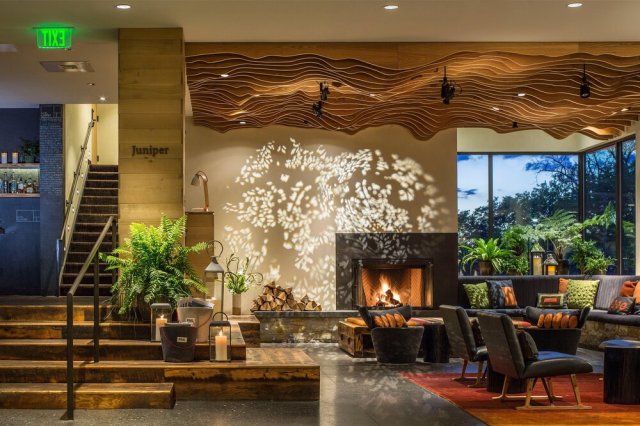
Hotel Vermont is located on the shores of Lake Champlain in downtown Burlington – Vermont’s most populous city. The independently owned and operated hotel prides themselves in supporting their local community. From farm-fresh cuisine served at their in-house restaurant, to hosted events and pop-ups, down to the bathroom amenities and chocolate – their operations and practices all align with community development intentions. Designed with a rustic and modern ambience, this eco-accommodation naturally gives off a homey Vermont-feel, encouraging guests to act and immerse themselves as locals too.

Quarry Brook


Source: HipcampSource: Hipcamp

Source: Hipcamp

Price Range – $ – $$

Book this place

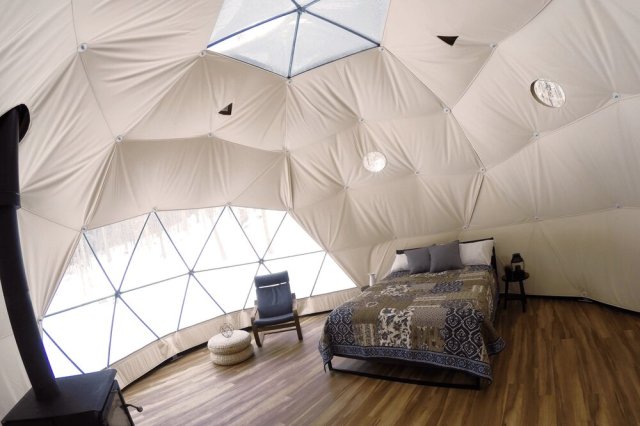
Quarry Brook’s Geodesic Dome is a unique stay located in Southern Vermont, about 5 miles from downtown Putney. Owned by farming couple Nick and Tara, their collaborative goals are to “make the joy of slowing down and connecting accessible to all” and to provide for their local community. Surrounded by miles of trails, a swimmable abandoned rock quarry, and mountains of trees, this eco-accommodation allows guests to relax, recharge, and experience sustainability off the beaten track.

Bonus points: Geodesic Dome out of your price range or booked? Quarry Brook also has a campsite available for $25-30/night if pitching a tent is more optimal for you.

Socially Responsible Eateries

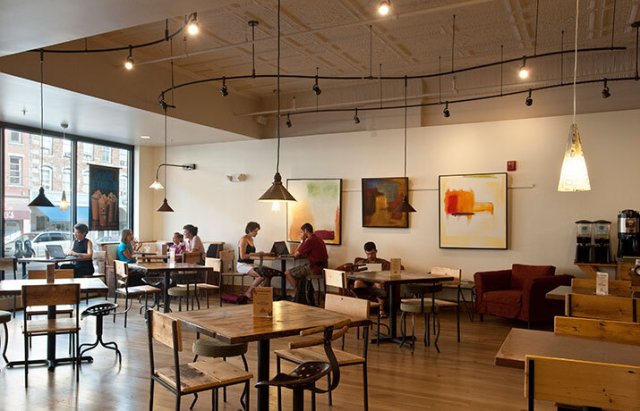
Shelburne Vineyard


Source: Seven DaysSource: Seven Days

Source: Seven Days

Price Range – $ – $$

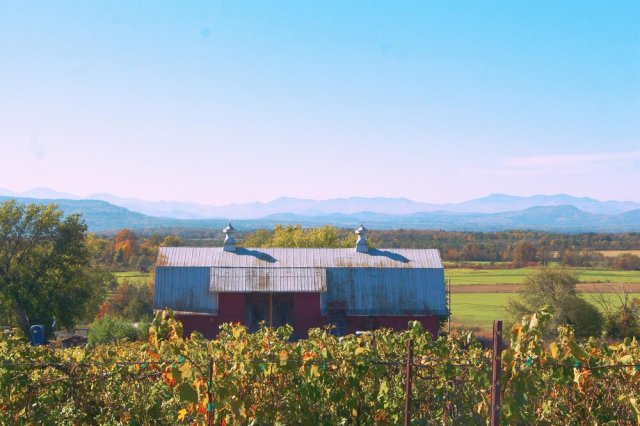
Located in Shelburne, Vermont, Shelburne Vineyard prioritizes sustainability to maximize their efforts in maintaining healthy soil and land quality – because that is what produces the best fruit! Using strategic farming practices, ethical materials, reduced mowing, and choosing to never use herbicides or cultivate the soil, the winery ensures that environmentally sound measures are being taken in all areas of operation. Because they recognize that every choice made will have an impact on our future.

The Works Café


Source: The Works CaféSource: The Works Café

Source: The Works Café

Price Range – $

The Works Café is a New England based community-conscious eatery that values the people, the profit, and the planet through local, delicious food. Across Maine, Massachusetts, New Hampshire, and Vermont, this eatery serves a variety of artisanal sandwiches, traditional NY-style bagels, organic quinoa bowls, chef-inspired salads, and more. Their thoughtfully sourced menu promises to leave a more positive impact – through good jobs and fresh, healthy food.

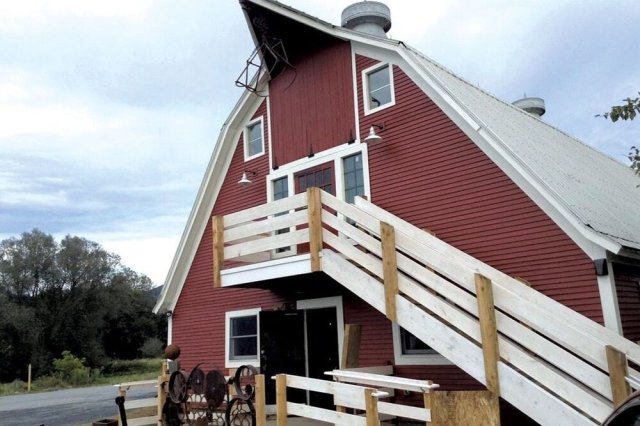
Zenbarn


Source: ZenbarnSource: Zenbarn

Source: Zenbarn

Price Range – $$

With a ‘soil to soul’ mission, Zenbarn in Waterbury, Vermont is a community space that serves fresh, farm to table fare taking inspiration from global travels and pairing it with live music. After converting their rustic century-old former dairy barn into the space known today, Zenbarn opened their doors in 2016 motivated to operate both environmentally and socially sustainably. Through eclectic, local cuisine and live entertainment, the underlying mission is to always put the wellness and strength of their local community first. 

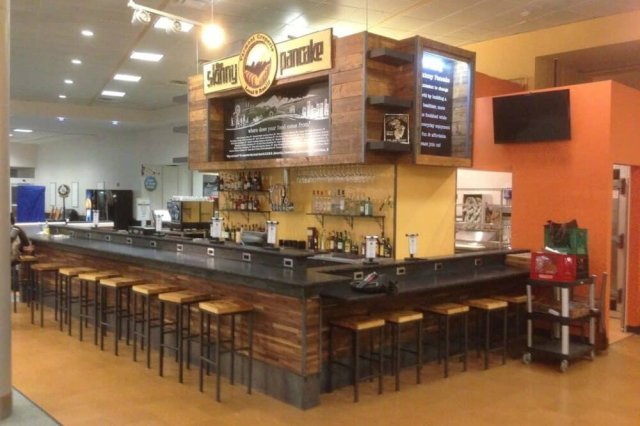
The Skinny Pancake


Source: The Skinny PancakeSource: The Skinny Pancake

Source: The Skinny Pancake

Price Range – $

Located across the state of Vermont, The Skinny Pancake is on a mission to change the world through making delicious, healthy food affordable and enjoyable. With a double bottom line mission statement, this eatery recognizes that “there is no profit without purpose, and no purpose without profit.” For example, they get all ingredients from farmers and food producers nearby, are on the mission to Zero Waste, commit 1% of their revenue towards food shed non-profit organizations, on top of many more. Through fast friendly service and local cuisine, The Skinny Pancake has become an iconic Vermont experience.

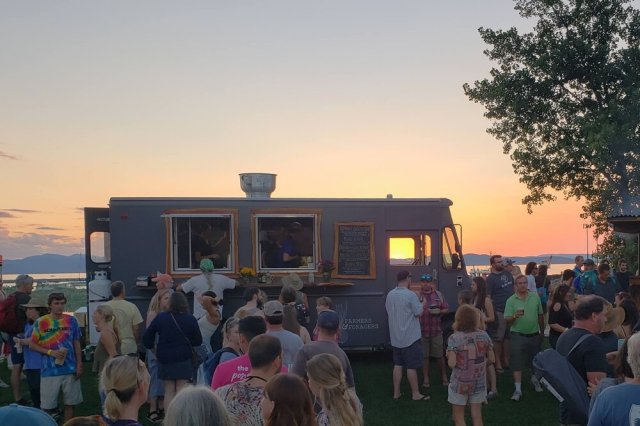
Farmers & Foragers Food Truck


Source: Farmers & ForagersSource: Farmers & Foragers

Source: Farmers & Foragers

Price Range – $

Farmers & Foragers is a food truck company located in Burlington, Vermont who is mindful of sourcing locally, supporting organic & sustainable farming, and celebrating Vermont food culture. The co-founders Lauren & Sol believe that everyone should be eating local food and therefore purchase all their food from farm partners, and even forage in the Vermont woods themselves! Staying true to seasonality, Farmers & Foragers has a regular rotating menu, based on what is fresh from their local farm partners.

Social Enterprise Shopping

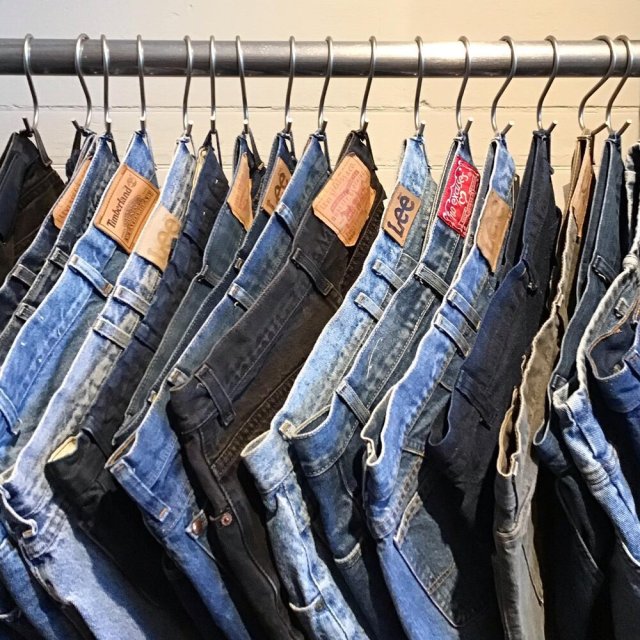
Billie Jean Vintage


Source: Billie Jean VintageSource: Billie Jean Vintage

Source: Billie Jean Vintage

Price Range – $$

Billie Jean Vintage is a premier vintage boutique by the Burlington Waterfront. They pride themselves in bringing customers high quality, one of a kind vintage items. By bringing new life to old clothing, the pieces found in this shop are meant to be long-lasting and extend the garment life cycle.

Ethical Experiences

Vermont Food & Farm Tours


Source: Vermont Food & Farm ToursSource: Vermont Food & Farm Tours

Source: Vermont Food & Farm Tours

Price Range – $$

Book this experience

Led by Amy Todisco, green living & wellness expert and tour guide, Vermont Food & Farm Tours is a guided organic farm, hydroponic greenhouse, and backyard garden tour for foodies interested in natural eating. On this tour, Amy will provide green living tips on healthy growing and cooking, and how healthy vibrant food can be used as natural medicine. 

Bonus points: There is an optional add-on for a fresh, farm to table lunch. Bringing her teaching to life! 

Wildcraft in the Mountains


Source: AirbnbSource: Airbnb

Source: Airbnb

Price Range – $$

Book this experience

Getting a true local experience, Ted and Linda will take you around the land on their property in their neighborhood to scour for food. Commonly finding ingredients like harvest young cattails, trout lilies, mushrooms, wild ramps, amongst other wild edibles, guests will be led through a cooking class to make either lunch or dinner.

New Leaf Organics


Source: New Leaf OrganicsSource: New Leaf Organics

Source: New Leaf Organics

Price Range – $ – $$

Book this experience

Located in the Champlain Valley of Central Vermont, the New Leaf Organics farm is a mission-driven business that is heavily involved in the state’s vibrant agricultural community. From cozy mountain yurts you can stay in, to cooking and floral arranging classes, this local, community-based organic farm will personalize sustainable experiences whether you are stopping by for a few days or even just a few hours.

meet the author

Jaclyn Yost

Jaclyn is the founder of ecomadic and editor of The Sustainable Seed. She is conscious creative passionate about shedding light on environmental and social sustainability issues through travel.


How to Fight Climate Change by Reducing Food Waste

.parent {
display: inline; position: relative; line-height: 30px; float: left; color: #82be41;
}
.parent a{
margin: 10px;color: #82be41;text-decoration: none;
}
.parent:hover > ul {
display:block;position:absolute;
}
.child {
display: none;
}
.child li {
line-height: 30px;width:115%;text-align:left;
}
.child li a{
color: #82be41;
}
ul{
list-style: none;margin: 0;padding: 0px; min-width:10em;text-align: center;float: right; font-weight: 550;
}
ul ul ul{
left: 100%;top: 0;margin-left:1px;
}
li:hover {
background-color: white;
}
.parent li:hover {
background-color: white;
}
.expand{
font-size:10px;float:right;margin-right:5px;
}

.parent a p{
display: inline; margin: 10px;color: #6e706b;text-decoration: none;
}

How to Fight Climate Change by Reducing Food Waste


Written by Kayla Christian | September 18, 2020


📷 Kayla Christian📷 Kayla Christian

📷 Kayla Christian

https://platform-api.sharethis.com/js/sharethis.js#property=5f0bbd9ab9410d0019e80af3&product=inline-share-buttons


When people think about climate change, it’s common to feel like

“there is nothing we can do”

“it is out of our hands”

“i’m just one person, what can I do?”

What if I told you each person could have a profound impact if we collectively incorporated a daily habit into our lives? That habit – reducing food waste.

Let’s start by touching more on why this is important to talk about.


📷Kayla Christian📷Kayla Christian

📷Kayla Christian

Importance

1. 1/3 of food produced worldwide is thrown away uneaten – a THIRD

Wasting food isn’t just something that happens occasionally, it happens everyday.

Think about it, every time you don’t finish your plate at a restaurant or something goes bad in your fridge, where does that food go? It goes into the trash, then into landfills, then eventually into the air as a harmful gas – which leads me to number 2…

2. Decomposing food waste produces a harmful gas called methane

Methane is a strong greenhouse gas that contributes to global warming. When emitted, this gas traps heat. So as you can imagine, this trapped heat in our atmosphere is leading to an increase in temperatures all over the globe.

Unfortunately, it’s not just about what happens after the food is thrown away, it’s what is happening in conjunction with it…

3. Unnecessary energy and resources are being used

Just as food waste is terrible, so is the amount of energy and resources that aren’t being conserved in the process. There are a great deal of steps that come before food is on our plate. By throwing our food away, even more has to be grown, manufactured, and transported.

So, how can we conserve these resources and energy?

How can we limit methane emissions?

How can we avoid a substantial amount of food being thrown away uneaten?

Ideas

Reducing food waste is quite easy to start implementing with a few adjustments, so let’s begin:

1. Planning

One of the biggest contributors to food waste is the failure to plan accordingly. Before you go to the store or the farmer’s market, make yourself a list!

Personally, I like to think ahead of what meals I’d like to prepare. Instead of a long general list, I group things together. That way, you have a better understanding of what will be eaten overall, not a bunch of random items that could end up going bad.

Also, it prevents you from making multiple grocery trips a week due to forgotten items. This means you’re buying less food AND driving less.. see how these little things matter?

2. Saving Leftovers

When you go out to eat and don’t finish your meal, save it! Not only will your future self thank you when you find those goodies in the fridge later, but you are doing a good job conserving what you have.

I like to remind myself how grateful I am for access to an abundance of food. I ask myself, who else would be grateful to have these leftovers?

3. Eating What You Have

Sometimes we crave a certain food we don’t have at home, so we think to run to the store and buy it. While I am a big supporter of satisfying your cravings, try to take a look around the kitchen first. 

Is there something else you could have tonight and can save that meal for the next time you go grocery shopping?

4. Freezing

Do you know how long some foods can last in the freezer? months…

You can incorporate this in a few ways. For example, buying frozen foods to begin with, like frozen fruit or veggies. Or, you can cook and freeze your items after buying.

It’s all about being mindful. Next time something in your fridge is about to go bad, think to yourself, could I cook and freeze this?

5. Getting Creative

Repurposing ingredients can be fun and eco-friendly.

For instance, I made chocolate strawberries and accidentally melted too much chocolate. Instead of throwing it out, I poured it onto some parchment paper into droplets and placed them in the fridge. My almost wasted chocolate became a little dessert for the next few days.

Also, try to discover some new flavors and combinations! Is there a leftover item in your fridge you can add to your dish that you didn’t originally think would go well? The possibilities are endless, and so is the impact…

Impact

Think about it this way, we’re all imperfect – It’s better to be imperfectly active about food waste than to not make any changes at all. If everyone did the LITTLE things then the economic, social, and environmental impact would be BIG…

1.  Economic

A study showed families waste around $1500 a year due to food waste. On a bigger scale, another study showed food waste accounts for 1 trillion USD in economic costs.

Have you ever sat back and really thought about the implications of this lost capital? What could that money have been used for? What are the social implications of this?

2. Social

Everyday, millions of people are struggling to put food on the table, especially nutrient dense food such as fruits and vegetables. When we are wasteful, it contributes to the societal issue of food scarcity.

Having an awareness that you have access to food can make all the difference. Ask yourself everyday, how can I express gratitude for this privilege?

3. Environmental

Climate change is not just happening in a few years, or a few months or tomorrow, it’s happening TODAY. So don’t wait, do what you can and take action! According to BBC, if the world collectively limited food waste we would reduce emissions by 8%. Knowing this information, what will you do differently from this point forward?

Caring about the environment isn’t just some “trend”

it’s a sincere concern for our mother earth

So, in effort to protect the planet we live on, let’s start in the place we live in – reducing food waste in the kitchen!


meet the author


Kayla Christian - Kayla is passionate about health and wellness and runs a beautiful account @havinghealthyhabits. She’s based in Charleston and if she’s not active outside, she’s cooking new recipes at home. She is redefining what it means to be “healthy”. Follow her for everyday motivation, recipes, and tips on how to live a balanced lifestyle.
Kayla+Christian.jpg

Kayla Christian

Kayla is passionate about health and wellness and runs a beautiful account @havinghealthyhabits. She’s based in Charleston and if she’s not active outside, she’s cooking new recipes at home. She is redefining what it means to be “healthy”. Follow her for everyday motivation, recipes, and tips on how to live a balanced lifestyle.


Inspiring us From the Road: Meet Willy the Traveling Potter

.parent {
display: inline; position: relative; line-height: 30px; float: left; color: #82be41;
}
.parent a{
margin: 10px;color: #82be41;text-decoration: none;
}
.parent:hover > ul {
display:block;position:absolute;
}
.child {
display: none;
}
.child li {
line-height: 30px;width:115%;text-align:left;
}
.child li a{
color: #82be41;
}
ul{
list-style: none;margin: 0;padding: 0px; min-width:10em;text-align: center;float: right; font-weight: 550;
}
ul ul ul{
left: 100%;top: 0;margin-left:1px;
}
li:hover {
background-color: white;
}
.parent li:hover {
background-color: white;
}
.expand{
font-size:10px;float:right;margin-right:5px;
}

.parent a p{
display: inline; margin: 10px;color: #6e706b;text-decoration: none;
}

Inspiring us From the Road: Meet Willy the Traveling Potter


Written by Meagan McRoberts | September 14, 2020


IMG_1592.jpgIMG_1592.jpg

https://platform-api.sharethis.com/js/sharethis.js#property=5f0bbd9ab9410d0019e80af3&product=inline-share-buttons


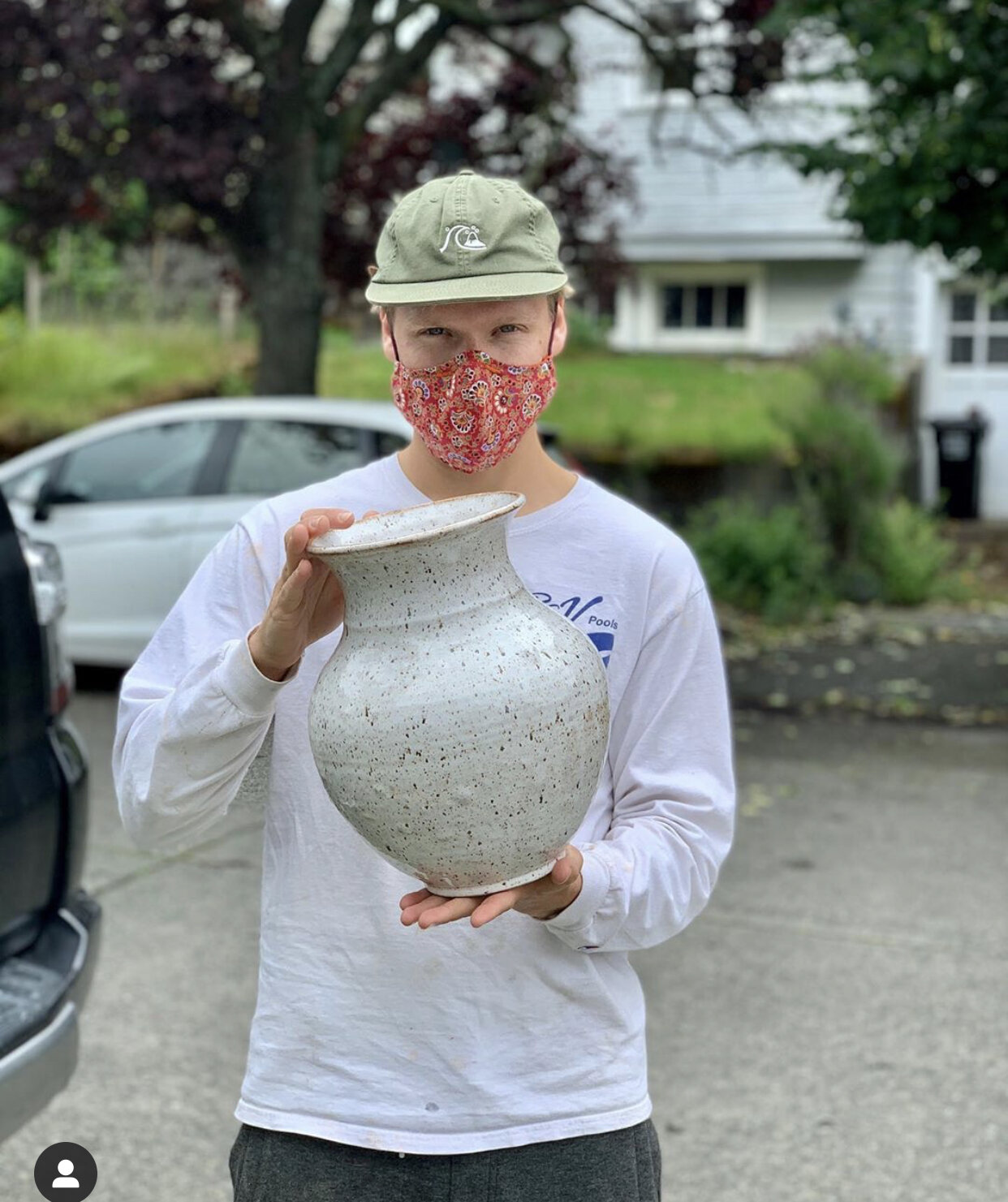
William Duval was working as an F&B manager at a hotel in Seattle until COVID hit and he lost his job. Opportunity knocked and he took his pottery wheel on the road, making his chosen art a full time gig, exploring and creating with incredible backdrops throughout the US. As he started to pick up more traction on Instagram– orders for his pottery began pouring in allowing him to keep on going.

We chatted with Willy to catch some inspiration from the road, and learn from someone who’s following their passion. 

How did this all begin?

@williamspottery has been an account I’ve been posting on since high school, just without consistency. After my undergrad, I felt like I needed to get a job and stuck pottery to the side. But yeah then I got laid off due to COVID and I had actually gotten a new car in October with a plug in the back of it, so I knew it was possible to spin on the road. It was an idea already in my head. I set off for a 3 day trip and ended up returning a month later. I grew around 4000 followers in 2 weeks and had a whole bunch of orders come in. I returned home, finished all the orders, and then got back on the road.

What it’s like being on the road during these crazy times?

It’s been nuts, I was in Yellowstone the first day it reopened so the wildlife was insane. There was a crazy amount of bison and obviously people hadn’t been there in so long.

Although, you feel out of place when you’re out of any major city. There’s less mask wearing, lots of wide open space. The only place I avoided was Maine. To get into any campsite there you need a negative COVID test within 72 hours and there’s a bunch of signs when you enter the state. Any place I felt unwelcome, I’ve just avoided. There’s no traffic right now so that’s a major plus!

Where do you get your inspiration/how do you decide what to make?

My inspiration is from driving around and exploring. I try to take a lot of the backroads & forest roads. I make a lot of u-turns!

I don’t really know what I am going to make when I make my pots, I make a cylinder and go from there. I basically just know the general shape and go off of what I’m feeling. 

How do you create your content?

So what I pull around is the real deal, it’s a potter’s wheel around 100 pounds. There’s no such thing as like a ‘travelers wheel.’ They have smaller wheels but you can’t throw as much clay on them.

I bring my wheel around and plug it in to the back of my car that’s 120V. I have a 100 foot extension cord, so I can’t bring the wheel absolutely anywhere but that’s kind of the behind the scenes of how I get it set up. 

Are the spots you shoot at on the fly or planned?

My first trip was the early days of COVID so places were wide open and I could set up in really cool spots. If I tried to do the same thing now, it probably wouldn’t work like I was in Jackson Hole and there were way too many people. But yeah like I said I make a lot of u-turns, and when I see a cool spot I’ll stop. Some are planned most are not.

Favorite place you’ve shot?

It was on my first trip out in Northern California – it was just the whole process that I loved. I found this cool spot, made a u-turn, made a pot, caught some fish, and met really cool people.

What’s next?

I am looking at needing more of a production type facility. Possibly somewhere in Montana. Cause I currently have to take everything to get fired off somewhere, and I am making too big of quantities to do that recently.

How do we find you & buy pottery?

I take orders on Instagram, just DM me! @williamspottery

Advice to keep us smiling?

Keep exploring & keep creating. I like to say, everybody has an art & you just got to try different things out to find it.


The Virtual Travel Experience Linked to Community Development

.parent {
display: inline; position: relative; line-height: 30px; float: left; color: #82be41;
}
.parent a{
margin: 10px;color: #82be41;text-decoration: none;
}
.parent:hover > ul {
display:block;position:absolute;
}
.child {
display: none;
}
.child li {
line-height: 30px;width:115%;text-align:left;
}
.child li a{
color: #82be41;
}
ul{
list-style: none;margin: 0;padding: 0px; min-width:10em;text-align: center;float: right; font-weight: 550;
}
ul ul ul{
left: 100%;top: 0;margin-left:1px;
}
li:hover {
background-color: white;
}
.parent li:hover {
background-color: white;
}
.expand{
font-size:10px;float:right;margin-right:5px;
}

.parent a p{
display: inline; margin: 10px;color: #6e706b;text-decoration: none;
}

The Virtual Travel Experience Linked to Community Development


Written by Meagan McRoberts | September 11, 2020


loola-header-bg@2x-1024x681.jpgloola-header-bg@2x-1024x681.jpg

https://platform-api.sharethis.com/js/sharethis.js#property=5f0bbd9ab9410d0019e80af3&product=inline-share-buttons


Meet Loola Adventure Resort – an eco-tourism destination in Bintan, Indonesia with a sweet backstory.

Marc van Loo (the “Loo” in LooLa) grew up and studied in the Netherlands. After finishing his studies, he traveled in Indonesia for a year in 1989, and spent most of my time in West Sumatra, fascinated by its local culture & hospitality. He decided to come back to Asia in 1991, do a PhD in Singapore, and travel frequently to Bintan to keep connections with Indonesia. In 1992, he met his wife, Isabelle Lacoste, originally from France (the “La” in LooLa ) who had traveled to Singapore to teach at the Alliance Française. Dr. Marc also became a teacher, and he and Isabelle invested the money they made as teachers to build an eco resort in Bintan – LooLa Adventure Resort. They finished building the resort in the year 2000, and the Indonesian staff coined the name LooLa because it combined their names, and it is also the name of a beautiful local seashell.

Like many others, Loola Adventure Resort has suffered from the huge reduction in tourism business due to COVID-19. After realizing this wasn’t going to pass quickly, Dr. Marc Van Loo, founder and creator of the resort, dove into figuring out how to get his business online. As Loola focuses on educating and inspiring its guests and community development is at the heart of its business, he was forced to figure out how to translate this virtually. 

Dr. Marc has since created virtual impact travel with the ability to choose which UN Sustainable Development Goal guests prefer to focus on. The experience is designed so that guests can not only support a community but meet them, just as they would in pre-covid times. 

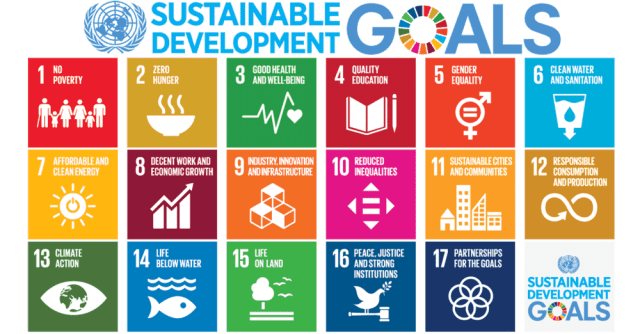
UN Sustainable Development Goals

There are 17 SDGs that were adopted by all United Nations Member States in 2015. They provide a ‘shared blueprint for peace and prosperity for people and the planet, now and in the future.’ 


image1170x530cropped.pngimage1170x530cropped.png

What You Can Choose From 

At Loola Adventure Resort, there are a few experiences designed to give virtual travelers an idea of what’s available, although everything is customizable. For example, guests can support a local family. This means building a personal relationship. The local staff introduces guests on a video call and they get a chance to learn what it means to live on $240 USD per month, what life is like when water doesn’t flow from the tap, and what the locals hopes and dreams are for the future. 

Guests also learn what makes Indonesians so uplifting and optimistic. Another possibility is to fund mangrove tree planting projects and watch them come to life by digital means. This could be used as a way to offset guests’ personal impact or their company’s. The Loola staff can help facilitate a partnership with a local school to plant the trees as well.

Make an Impact From Your Home

From team-building activities, to CSR, to organizing for a few friends, Loola can help people virtually travel and make an impact. Check out their most recent experience below! Read more information and book your experience with Loola here.

On September 27th at 7PM EST, ecomadic is partnering with Loola Adventure Resort– to host a virtual cooking class! The class will be run by a beautiful local family in Bintan, Indonesia and we’ll be making two traditional dishes, Sambal and Nasi Goreng. To purchase your ticket & join us, click here.


An Expert’s Guide to Understanding Sustainable Tourism

.parent {
display: inline; position: relative; line-height: 30px; float: left; color: #82be41;
}
.parent a{
margin: 10px;color: #82be41;text-decoration: none;
}
.parent:hover > ul {
display:block;position:absolute;
}
.child {
display: none;
}
.child li {
line-height: 30px;width:115%;text-align:left;
}
.child li a{
color: #82be41;
}
ul{
list-style: none;margin: 0;padding: 0px; min-width:10em;text-align: center;float: right; font-weight: 550;
}
ul ul ul{
left: 100%;top: 0;margin-left:1px;
}
li:hover {
background-color: white;
}
.parent li:hover {
background-color: white;
}
.expand{
font-size:10px;float:right;margin-right:5px;
}

.parent a p{
display: inline; margin: 10px;color: #6e706b;text-decoration: none;
}

An Expert’s Guide to Understanding Sustainable Tourism


Written by Jaclyn Yost | August 20, 2020


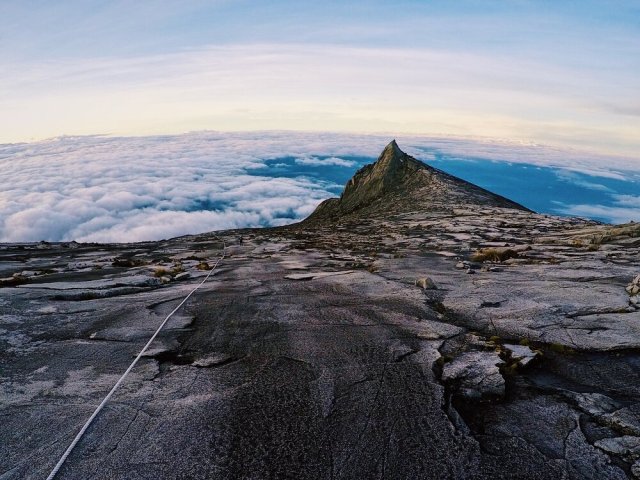
📷Jaclyn Yost. Mount Kinabalu, Malaysia.📷Jaclyn Yost. Mount Kinabalu, Malaysia.

📷Jaclyn Yost. Mount Kinabalu, Malaysia.

https://platform-api.sharethis.com/js/sharethis.js#property=5f0bbd9ab9410d0019e80af3&product=inline-share-buttons


What does sustainable tourism really mean and what does it look like in action?

I have spent the past 4 years traveling around Southeast Asia and dedicating my educational and professional career just to figure this out. But in truth, I believe that there will always be more to learn and advance in the sustainable tourism space – both personally and industrywide. 

Saying this, my general rule of thumb is to support small and local businesses; learn local customs and fully immerse myself in the rich culture to learn about the local livelihood and historical roots; and to protect the environment by choosing experiences that are already mindful of their footprint, while individually working to conserve and protect the Earth’s, and surrounding destination’s, natural ecosystems – i.e. aiming for zero waste, choosing conservation-based activities, natural habitat wildlife experiences.

However, there is no “one-size fits all” model for sustainability, and it is likely to look different based on the region in the world you are in. Which is why as a sustainably-minded traveler, it is important to continuously educate yourself on what sustainable tourism is and how it can be utilized as a tool for positive impact.

Sustainable Tourism Definition by Industry

According to the United Nations World Tourism Organization (UNWTO), when applying sustainability through tourism, it must “[take] full account of its current and future economic, social, and environmental impacts, addressing the needs of visitors, the industry, the environment and host communities”.

Generally, there are three core dimensions that highlight what the sector should be actively working towards:

  • Preserving the environment by ensuring that environmental resources involved in tourism development are maintaining ecological processes and conserving natural biodiversity and heritage. 

  • Protecting the socio-cultural authenticity of host communities and destinations through respectful cross and inter-cultural understanding, and the conservation of cultural heritage and values – both built and living. 

  • Ensuring economic viability through secure, long-term operations that will uplift communities and individuals socio-economically through ways of employment and social services. 

Applying these general themes and concepts of sustainability to travel and tourism activity is aimed to mitigate mass tourism stressors; taking into account issues like threatened biodiversity, climate change, plastic pollution, overtourism, loss of cultural authenticity, economic inequality, exploitation, and so on.

To successfully implement sustainable tourism development and make certain that there is effective consensus building and participation, it is required for all stakeholders to be relevant and informed, in addition to trustworthy and active political leadership. (Sidenote: All the more reason to vote in November for leaders who care about a more sustainable and green future!!!)

How can I support sustainable tourism?

Sustainable tourism spans into the entirety of the tourism ecosystem, and can be supported by tourists by mindfully selecting where we are staying, eating, shopping, and touring. 

Below are some traits that I look for while planning and selecting places to support on my travels. ~pro tip: be sure to familiarize yourself with greenwashing first to ensure you’re not falling for false green claims!

Eco-accommodations:

  • Mostly local staff as opposed to international presence to ensure money and working skills are being instilled within the local community

  • Local materials and products, with transparent sourcing. 

  • Promotion of the local culture 

  • Educational & transparent information over environmental and social impact and matters

  • Community development projects in place to support the surrounding region

  • Tips for guests on how they can be more environmentally mindful during their stay

  • Implement special waste, energy, and water management systems. 

    • Sorting waste appropriately (i.e. biodegradable, plastic, aluminium, general)

    • Alternative energy transport options for guests (i.e. bikes, electric vehicles), utilizing renewable energy

    • Rainwater harvesting, grey and black wastewater treatment 

  • Avoid the use of disposables and single use plastics – particularly with toiletries

  • All natural and organic cleaning products

Socially Responsible Eateries:

  • Local staff & local opportunity for the surrounding region (i.e. live music events, artisan craft corners)

  • Display cultural roots through decoration, cuisine, and events

  • Locally sourced and seasonal food

  • Mission driven restaurants that give back to their community (i.e. food donations, training opportunities)

  • Eradicates food waste (i.e. composting, works in full ingredient or surplus food in dishes, à la carte instead of buffet style

  • Vegetarian and plant-based friendly

Ethical Tours:

  • Decent work opportunities for local guides

  • Operators should provide guidelines for appropriate traveler behavior and guidelines (i.e. dress code, photography, business etiquette, social standards and local customs)

  • ‘Leave No Trace’ policy

  • Respectful of wildlife (i.e. safe distances, natural habitats, no interaction unless extensive research with credible backstories)

Social Enterprise Shopping:

  • Shops that are environmentally or socially mission driven in support of a specific cause (i.e. raising awareness, social employment, paying-it-forward)

  • Products with minimal waste and packaging, easily traceable backstories

  • Local artisan products. Bonus points if you do the exchange yourself.

  • Avoid generic and mass manufactured souvenirs and trinkets as they are likely to be internationally made, funneling profits out of the local economy and likely to have a harmful background (i.e. factory/warehouses, C02 emission due to transport mileage).

The above indicators are not exhaustive. After initially choosing a place, how I usually learn best on-site is to discuss sustainability practices with the appropriate staff members, especially if I have any questions over their green claims. The more transparent and willing to talk is usually a good indication of a responsible operator. 

Why Sustainable Tourism & Why Now?

The travel and tourism sector is one of the most powerful and influential industries in the world, spanning into 185 countries and 25 regions. To fully amplify the positive impacts that the sector can bring to the world and its people, there needs to be collaborative effort from global businesses, communities, travelers, and governments.

Working towards these greener goals and re-structuring the industry – especially moving into a post COVID-19 world – is necessary to shape a bearable and just future for generations to come.


meet the author


Jaclyn Yost - Jaclyn is the founder of ecomadic and editor of The Sustainable Seed. She is conscious creative passionate about shedding light on environmental and social sustainability issues through travel.
2E017C4E-C9C8-405F-9270-062F2097B0A9.jpg

Jaclyn Yost

Jaclyn is the founder of ecomadic and editor of The Sustainable Seed. She is conscious creative passionate about shedding light on environmental and social sustainability issues through travel.


Why Now Could Be the Perfect Time to Educate Yourself on Sustainable Tourism

.parent {
display: inline; position: relative; line-height: 30px; float: left; color: #82be41;
}
.parent a{
margin: 10px;color: #82be41;text-decoration: none;
}
.parent:hover > ul {
display:block;position:absolute;
}
.child {
display: none;
}
.child li {
line-height: 30px;width:115%;text-align:left;
}
.child li a{
color: #82be41;
}
ul{
list-style: none;margin: 0;padding: 0px; min-width:10em;text-align: center;float: right; font-weight: 550;
}
ul ul ul{
left: 100%;top: 0;margin-left:1px;
}
li:hover {
background-color: white;
}
.parent li:hover {
background-color: white;
}
.expand{
font-size:10px;float:right;margin-right:5px;
}

.parent a p{
display: inline; margin: 10px;color: #6e706b;text-decoration: none;
}

Why Now Could Be the Perfect Time to Educate Yourself on Sustainable Tourism


written by Meagan McRoberts | August 14, 2020


IMG_1007.JPGIMG_1007.JPG

https://platform-api.sharethis.com/js/sharethis.js#property=5f0bbd9ab9410d0019e80af3&product=inline-share-buttons


Sustainable tourism aims to solve a wide range of issues, where overtourism, plastic pollution, wildlife protection, and improving community development are merely an introduction. But take into account carbon emissions and it immediately becomes a tricky topic. Flying 3,000 miles to engage in ecotourism opens up a can of ambiguity. 

Defined by the World Tourism Organization, sustainable tourism is ‘tourism that takes full account of its current and future economic, social and environmental impacts, addressing the needs of visitors, the industry, the environment and host communities.’

The tourism ecosystem involves transportation, accommodations, recreation, eateries and shopping. This topic is one that can’t be completely understood or solved in just one article, but with a pause on travel, it is one that we have time to dig into before planning and engaging in the next big trip.

Time for Reflection

Coronavirus has (temporarily) returned cities to the locals. Some tourist hotspots have emptied, and across the world, policies have been put in place to protect locals from travelers who may be carrying the virus. Coronavirus has also reduced greenhouse gas emissions and allowed mother nature some time to heal. While this may be negligible when further analyzed long term, at the very least it’s given us some inspiration on what changing our habits can look like. For example, in India, air pollution has cleared allowing people to view the Himalayas from Punjab for the first time in 30 years. In Phuket, Thailand, the deserted beaches are seeing the most nests of leatherback sea turtles in 20 years and dugongs have been seen in Trang’s waters.

Intense travel restrictions remain worldwide, and leave us with time to reflect.

Have we been taking too much? The click of a button, release of funds, and we’re booked on an airplane, and a 4 night stay, potentially very disconnected from the impacts of our decisions. Does the hotel I am staying at employ locals? Did I offset the impact of my flight? What does that mean again? Is the tour I booked actively protecting wildlife and resources? Does the money I am spending at restaurants and shops contribute to the local economy?

Reality Check: Tourism accounts for 8% of global CO2 emissions. 

Raise Your Awareness 

A 2019 National Geographic survey of 3,500 adults, showed strong support for sustainability. However, it’s still a challenge to change the actions of consumers. In the survey 42% of U.S. travelers are willing to prioritize sustainable travel in the future but only 15% of these travelers are familiar with what sustainable travel means. 

Breaking down sustainable tourism becomes a bit easier when you think of three different categories of impact– environmental, social, and economic. Learning about the many stories and issues that intersect when sustainability meets tourism is not only interesting but will help raise your awareness about the impacts of your decisions and help inform you to make better ones in the future. It’s also inspiring to see how much of a positive difference making those changes can have. 

Attention to Worldly issues

As many of us continue to browse and dream about our next trip, we now have time to properly research potential destinations. I recommend picking a place and reading to understand the culture, social issues, environmental issues, and how tourism factors into the local economy. Mass tourism can cause loss of cultural authenticity. Committing to understanding culture before you visit is not only the responsible thing to do, but will help you to spot authentic versus inauthentic experiences. Learning about sustainable tourism can raise your attention to worldly issues. Diving deeper, aim to research and understand how racial inequality plays out in tourism and how tourism affects indigenous cultures. What responsibilities do we carry when jetting off to a new place?

Another part of sustainable tourism is tourism dispersal – where tourists visit less popular destinations which can help combat overtourism. Finding an off-the-beaten-path experience is more sustainable than going to mass tourist attractions and will likely improve your experience. With this extra time to research and gather information you might be surprised how much you can learn about the world before you even leave your house.

It’s Trending

The way coronavirus has changed the travel industry thus far has pushed us in a more sustainable direction. We are forced to answer the question like never before, is this ‘essential travel’? The less travel, the less impact we make– which is a step in the right direction. But as a travel obsessed person myself, it’s a hard thing to do. What’s trending now is→ slow travel, local travel, road trips, and camping. These are some of the many alternatives to hopping on a plane for a weekend trip. Consider exploring closer to home or (if it’s safe) spending a whole month in one destination.

Your Next Trip Will Be Even Better

After understanding sustainable tourism on a deeper level, your next trip will be so much better. You will be more educated on the specific destination, culture, language, social and environmental issues and of course the businesses that you want to book with. Getting away from tourist traps will be much more simple and speaking of the future? Your trip can help preserve our earth for generations to come.

Our favorite resources to get started —>

Tourism Cares: Meaningful Travel Platform Free Online Course

How to save tourism from itself | Doug Lansky TED Talk

UNWTO Sustainable Development


meet the author


Meagan McRoberts - Meagan holds an MA in Creative Writing and is passionate about travel and sustainable living. When she’s not working, she’s either in the ocean, on her yoga mat, or in transit to somewhere new.
MEAGAN+FINAL.jpg

Meagan McRoberts

Meagan holds an MA in Creative Writing and is passionate about travel and sustainable living. When she’s not working, she’s either in the ocean, on her yoga mat, or in transit to somewhere new.

 

What Does Sustainable Travel Look Like in Cities?

.parent {
display: inline; position: relative; line-height: 30px; float: left; color: #82be41;
}
.parent a{
margin: 10px;color: #82be41;text-decoration: none;
}
.parent:hover > ul {
display:block;position:absolute;
}
.child {
display: none;
}
.child li {
line-height: 30px;width:115%;text-align:left;
}
.child li a{
color: #82be41;
}
ul{
list-style: none;margin: 0;padding: 0px; min-width:10em;text-align: center;float: right; font-weight: 550;
}
ul ul ul{
left: 100%;top: 0;margin-left:1px;
}
li:hover {
background-color: white;
}
.parent li:hover {
background-color: white;
}
.expand{
font-size:10px;float:right;margin-right:5px;
}

.parent a p{
display: inline; margin: 10px;color: #6e706b;text-decoration: none;
}

What Does Sustainable Travel Look Like in Cities?


Written by Ruya Yonak| July 28, 2020


https://platform-api.sharethis.com/js/sharethis.js#property=5f0bbd9ab9410d0019e80af3&product=inline-share-buttons


When we think about sustainable travel– conservation, nature, yoga retreats, eco-villages or self sufficient camping trips come to mind. Though, according to data, most tourists still prefer city breaks. There are a few different factors that contribute to this such as safety, transport and finance. 
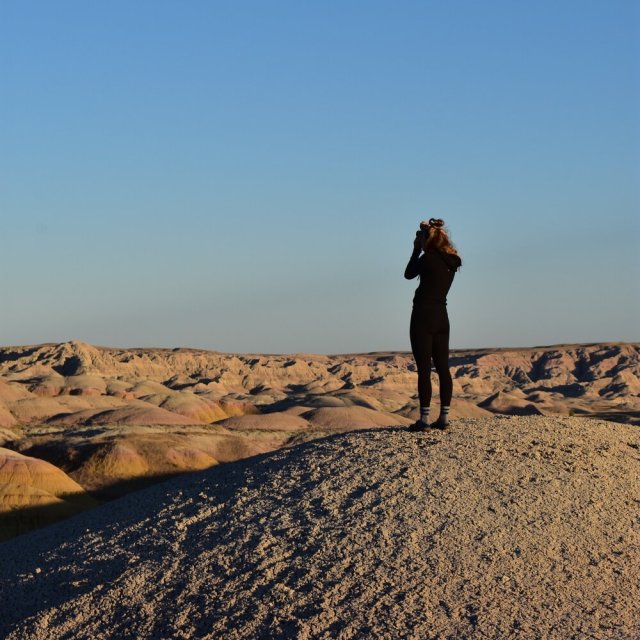
While people don’t often associate cities with eco-friendly travel, cities are vibrant places full of interesting history, culture, and people. And luckily, it is possible to reduce our impact on the environment during a city trip as well. 

So, for those of you who love city breaks, here’s how to be a sustainable traveller in cities.

Stay at an eco-friendly hotel, hostel or B&B

Oftentimes we could be looking for the cheapest accommodation option, especially if we are only planning to stay somewhere for a few days. But hotels tend to use a lot of water and energy, and they are not great with food waste either. 

Eco-friendly hotels are common in big cities, and if you are looking for the cheaper option you can always find a like minded traveller community of people who are happy to share their space.  

Beware: Airbnb is usually not the more sustainable option either. They have damaged communities where Airbnb houses drove up the rent prices in certain parts of the cities and caused gentrification

Check eco-credentials of the hotels, youth hostels or b&b’s you’re planning to book. These can be energy and water saving practices, organic food garden, waste recycling, chemical free cleaning products, plastic free or refillable shampoo and body wash products etc…

Stay longer, if you can (Slow travel)

‘Slow travel’ is popular amongst eco-travellers for a reason. When we plan a short trip somewhere, we tend to queue for an hour to see all the landmarks and main tourist attractions, we choose the quickest transport option possible, we cram up 3-4 activities in one day. 

Slow travel is better organised, and allows you time to connect with the place you are visiting. And a more bohemian way to see it would be that slow travel is not an escape. It’s connected to the way you live: more mindful, stress-free, and in the present moment.

If you want to still go on a short trip, think about discovering destinations closer to you with a bike, an electric car or train. 

Eat at sustainable restaurants

The best part of any trip is the first delicious meal you have. There are many eco-friendly places you can eat in cities. Not only do they make delicious food, they support the local economy including farmers, butchers and cheesemongers (that buy from organic animal farmers).  

The best thing I remember about my trip to Berlin last year is the abundance of delicious vegan food in Kreuzberg, especially 1990 Vegan living

Use public transport or cycle

This is a no brainer. Every big city in Europe is well known for fully functional public transport services. If this is not the case in the city you are visiting, opt for electric car sharing/renting services (don’t think Uber and Lyft).

Buy souvenirs at second-hand, antique or local eco-friendly shops

Who doesn’t love finding gems at an antique shop? An old book, a decorative sculpture, masks, musical instruments… There are just so many good options. You would be giving new life to an old object. 

And if second-hand is not your thing, choose fair trade and eco-friendly local shops. Don’t be fooled by the cheap souvenir shops, eco-friendly things are usually handmade by locals.

Take tours from locals, and not big tour agencies

Not only would you be discovering exciting places, you’d also be blending in with the locals! 

Choose eco-friendly activities

Think simple! A museum visit, a bike ride, a day at a natural reserve… These are all eco-friendly activities. There is no end to them. Don’t go to Starbucks, McDonalds, zoos that exploit animals, circus shows involving animals… If you want to take your kids to see animals, take them to local city farms and sanctuaries.

Buy from local businesses

I’ve already mentioned this above 👆But the reason I want to emphasize it is because a lot of people prefer to visit cities because there are many places to shop. I get it, it’s exciting and you want to treat yourself. 

However, a lot of the common brands have a terrible impact on the environment and they still use animal fur. By shopping local, you could find things that you cannot find anywhere else and you would be contributing to the local economy. This is especially important in smaller villages. 

Avoid plastic, carry reusable travel essentials

This is as simple as not buying a water bottle but carrying a reusable one. And no, I’ve been there too, don’t buy a plastic water bottle and promise yourself you will refill it. At one point, you will forget/lose/bin it. It’s a good opportunity to make friends with local cafés by wandering in and asking them to refill your water bottle in the local language.

Visit the city in low season

Overtourism is a real problem but as we as travelers become more mindful about the impacts on overtourism, we can all help transform the travel culture for the better. Slow travel and visiting cities in low season can help combat the negative impacts of overtourism and preserve the ancient sites we love. 

Try traveling on the train

This is probably the most essential bit of advice to become a more sustainable traveller. It’s possible in most continents to reach several destinations by train (ie. Interrailing in Europe), but when this is not a possibility, the best substitute is a bus, rideshare or even better, renting an electric car.

Oh, also avoid cruise ships at all costs. 

Say no to “travel-sized” plastic packaging

Who doesn’t love a tiny shampoo bottle, toothpaste and the word ‘travel essentials’? I know they are cute, and fit everywhere but you really really really don’t need them. 

Mind the sun!

Put your sunscreen on kids! Not over the counter ones because many of those contain oxybenzone, which is toxic to the algae that live within corals and sea life.

I am positive there are more ways to be a sustainable traveller. DM me on Twitter or Instagram @ecocityguides for more ideas!


meet the author


Ruya Yonak - Ruya is a freelance writer based in London who is passionate about travel, live music, culture, food and stand up comedy! That’s why she loves going to cities and immersing herself in the hustle and bustle. She started ecocityguides to help travelers discover cities sustainably and to promote sustainable businesses in cities.
IMG_9543.jpg

Ruya Yonak

Ruya is a freelance writer based in London who is passionate about travel, live music, culture, food and stand up comedy! That’s why she loves going to cities and immersing herself in the hustle and bustle. She started ecocityguides to help travelers discover cities sustainably and to promote sustainable businesses in cities.


Design a site like this with WordPress.com
Get started