As we merrily march into May, we’re now seeing Spring at its peak, and a mass of holidays and events to celebrate! The first week of the month, there’s May Day, the Kentucky Derby, and Star Wars Day. In that same week, there’s another holiday with historical and cultural meaning to the citizens of Mexico. That day is Cinco de Mayo. Historically, the holiday is celebrated due to the Mexicans defeating the French at the Battle of Puebla in 1862. Nowadays, the holiday is also observed as a celebration of Mexican culture, primarily through the cuisine. Whether you commemorate the battle or celebrate the cuisine and culture, as long as you continue to support the Mexican community on the holiday and afterwards, that’s what truly matters. As we get festive for the Fifth of May, here are five environmentally-responsible eateries we recommend visiting on your next trip to Mexico!
When you’re in the need to start your day or night with refreshments, drinks, or meals, this Colonial Roma café is the perfect spot to visit. After all, a place with the word “madre” in it is going to provide the hospitable, motherly service to put a smile on your face! As you’re seated inside the exquisite establishment, enjoy delicious local and vegan dishes, such as their avocado and cucumber based poke bowls, the ricotta ravioli, french toast with fig compote, or a Mexican mollette with rajas poblanas. Food as appetizing as these should be ordered with a spectacular beverage like a matcha and cucumber smoothie, a ginger beer mocktail, or a cup of coffee, with beans grown via sustainable practices at the Finca San Martín Cohuapan in Puebla. With great foods, beverages, and a view of the park, Plaza Luis Cabrera, enjoy an enthralling experience at an unique and historical café!
Make it a mission in Mexico City to eat at a restaurant which mashups American and Mexican dishes delightfully! Furthermore, this restaurant is 100% plant based! Try their various vegan meals such as their signature Forever Burger, and their spin on the Philly Cheesesteak and Beyond burger. For authentic Mexican dishes, taste their bajan cauliflower tacos, their sashimi tostadas, and Spaguetti Provenzal. If you have more room for dessert, enjoy a serving of choco-raspberry tart, key lime pie, or a passion-fruit panna cotta. With any option that pleases your palate, the effort contributed for each dish had environmental consciousness and respect for Earth’s inhabitants in mind. Sway on by for an eternal, edible, and eco-friendly experience!
Mexico’s first organic bakery, Ruta de la Seda connects scrumptious pastries and baked goods with its customers, like the famous Silk Road (which “ruta de la seda” translates to) connecting the East and the West. Opened in the summer of 2007, the café prioritized supporting local agriculturists who practice sustainability, fair trade, and environmentally friendly farming. Collaborating with over 40 ecological organizations and communities throughout Mexico City and other parts of the country, their menu consists of over 70% organic certified products! Treat yourself to pico de gallo, pan dulce, manchego, and cortado, and taste the fresh, artisanal ingredients from Mexican towns like Tlaxcala, Puebla, Oaxaca and Sonora. There is also a great selection of vegan and vegetarian friendly foods and beverages to delight in. May your time at Ruta de la Seda be sweet and silky-smooth!
From one sip of coffee, the 218 years of family tradition at Katsina will warm your body right up! Using organic and biodynamic products from the farm in Coatepec, Veracruz, Katsina takes a stance in implementing sustainable and socially responsible practices in their establishment. Not only are they eco-friendly, but they are very crafty with their coffee. Partake in espresso with chocolate, lemon, or honey. Imbibe in a french press with a floral aroma, chamomile tea with lavender and peppermint, or a latte with wonderfully illustrated latte art on top. Stop by the shop during holidays like Cinco de Mayo, Mexican Independence Day, Christmas, or Dia De Los Muertos, and your latte art and decor will be specially made to represent the respective holiday. Once you get a taste of ambience and farm raised products in a cup, you will certainly want to bring their blends back home with you. Luckily, you can at their shop or online, where they sell a few of their savory blends! Make sure to have your card and device to contact the store prepared, especially if you’re ordering outside of Mexico.
Ever since he discovered the joys of vegetable cuisine from his mother, chef Edgar Núñez developed this into a refined restaurant that promotes produce on the plate. Using various produce from the restaurant’s garden, the Xochimilco chinampas, and local fish and shellfish, Núñez gets patrons well acquainted with his vision of fine dining and interpretation of modern, Mexican cuisine. Enjoy the “catch of the day” or “green of the day” with a side of cauliflower, mexican pepperleaf (hoja santa), and avocado. Relish in rice mixed with coconut milk and matcha, or a gluten-free smoked banana if you have a sweet tooth. No matter what you order, you’ll get a nutritious, elegant, and relaxing time in a restaurant south of the hustle and bustle of Mexico City!
meet the author
Rj Ross
Rj Ross is a writer at ecomadic. With his BA in communications and love for creative writing, he hopes to inspire and inform many generations about sustainable living and responsible traveling.
.parent a p{
display: inline; margin: 10px;color: #6e706b;text-decoration: none;
}
Meet Deanna Amodeo: Traveler & Author
Written by Jaclyn Yost | May 3, 2021
We sat down with Deanna Amodeo – traveler & author of ‘When You Stand Up To The Sun’. Watch the interview to learn more about her book, how travel has shaped Deanna into the person she is today, and how spirituality has played a role in her journey thus far. 🌞
If you’d like to support & buy the book, you can order it here.
Edited by: Jaclyn Yost
meet the author
Jaclyn Yost
Jaclyn is the founder of ecomadic and editor of The Sustainable Seed. She is conscious creative passionate about shedding light on environmental and social sustainability issues through travel.
Protecting the environment takes effort. While the path to sustainability can be overwhelming, we can all agree that it’s all worth it in the long run. The trick is to start small and take it one step at a time. We can already make a great difference with the choices we make at the grocery store, so here’s a small guide to help you begin:
1. Bring Reusable Shopping Bags
Source: Woman’s World
Reusable groceries bags are more convenient than common plastic bags: they’re more resistant, and they’re cost effective. Do you often forget your reusable bags at home? Yeah, me too! Here’s a pro-tip to always have them at hand: keep them next to your door or in your car! As an alternative, check to see if the cashier at the grocery store can find a reusable box for you to store your items in. They’re usually happy to get rid of them!
2. Beware of Plastic Packaging
Source: Simplifi Fabric
When choosing your products, always go for the option that provides zero-waste or minimal packaging. You can always, bring your own reusable produce bags and choose your fruit individually, rather than buying it wrapped in plastic. When there are no plastic-free choices available, go for the bigger package rather than multiple small ones.
Some plastics are more easily recyclable than others. If you buy an item with plastic packaging, check its resin identification code(the small number inside of a triangle). This symbol tells you which out of the seven types of plastic it is likely made from.
4. Always Read the Labels
Source: Mind Over Mango
Reading the labels of the products we buy should be a common practice, not only to protect our planet, but also our health. Some harmful components, such as palm oil, are easily avoidable just by reading the ingredients description on the labels. Generally, it is advisable to purchase products made out of natural and/or organic ingredients.
It’s important to recognize the terms that are written on labels. For example: organic production avoids pesticides, artificial fertilizers, GMOs, and requires some animal welfare standards; meanwhile, in the words of the Fairtrade Foundation, “fairtrade addresses the injustices of conventional trade, which traditionally discriminates against the poorest farmers and workers.”
When it comes to toiletry, instead, look for the cruelty free symbol. This means the product that you are buying has not been tested on animals.
5. Choose a Plant-Based Diet
Source: Brooklyn Grange
Whether you like it or not, plant-based diets (i.e. the vegan and vegetarian diet), are the most environmentally friendly option. We recently published a piece on the importance of a vegan/vegetarian diet; you can find the article here.
While practicing these diets is not easy for everyone, it’s important to do the best that you can and try to avoid animal-based products as much as possible. It’s also an opportunity to experiment with new flavors and new recipes!
Pro-tip: the New York Times made a listicle of delicious plant-based recipes to help you on this journey.
6. Buy Local
Source: Reno Gazette-Journal
This is a big one. You should support local businesses as much as possible, especially when it comes to fresh products and produce (i.e. fruit and vegetables). You’ll indirectly support the whole local economy, and you’ll purchase products with a shorter mileage, therefore contributing less to pollution.
We listed out all of the benefits from shopping locally in one of our previous articles, you can find it right here!
7. Do Your Research
Source: Christin Hume
As a consumer, it’s important to know which brands to support. Do the brands you buy from apply sustainable practices to their business? Do they practice and promote inclusivity? Are they funded by some organizations that you might not agree with?
Hey, I get it. It’s hard to keep track of all the single brands we buy from. So at least know which brands you shouldn’t support! Do a quick research on the brands you usually support the most, and see if you should switch to another one next time. Our choices can have an immense impact on the market. Remember we’re giving them their profits!
8. Try to Plan Your Meals
Source: BellyBelly
Another big step towards sustainability is the reduction of food waste. We all contribute to the waste of food, from the forgotten vegetables at the bottom of our fridge, to the leftovers from the past few days that end up in the trash anyway. By planning your meals for the week, you optimize the products you buy, which is convenient for both the planet and your wallet.
9. Easy Switches
Source: Purdue Exponent
Potentially, all of the products we buy can be switched to a more sustainable option. The problem is that sometimes these options can be too expensive or hard to find.
Here are some easy switches you can start with:
Bamboo toothbrush.
Paper or compostable cotton swabs.
Solid soap, shampoo, and conditioner bars.
A menstrual cup or reusable pads.
Reusable razors.
Washable makeup wipes.
Quality Over Quantity
The rules of consumerism push us to consume and purchase as much as possible. We’re often drawn to the cheapest option, whilst knowing that we’re still going to have to purchase a replacement soon after. This type of behavior opposes the concept of living sustainably. Be smart about the choices you make with your money; in the long run, a more expensive item that will perfectly serve its purpose and last you longer, is going to be way more convenient than the cheaper option that you’ll have to replace over and over again throughout the same period of time. Do yourself a favor, buy better products, not only for the planet, but for your own health, too.
Want to learn more?
Which Cruelty-Free Logos Can We Trust in 2021? – Ethical Elephant
The Benefits of Supporting Local Business – ecomadic
Giuliana was born and raised in Sicily (an Italian island in the middle of the Mediterranean Sea), since then she’s been moving around the world to meet new cultures and discover new places. She has a degree in Political, Social and International Sciences. During her studies she became passionate about environmental protection, gender equality, and cultural identity. She loves traveling, petting dogs on the street, and swimming underwater.
We see it in our streets, in our waterways, and in our oceans. Whether it’s on an evening stroll, during the morning commute, or even while traveling – that stray bottle, soda can, or fast-food container never seems to be out of view. It seems everywhere we go, no matter how much we’d like to, we just can’t seem to escape our world’s mounting trash troubles. Across the globe, landfills are filling – and overflowing – at an alarming rate with seemingly no end in sight. According to research reported by The World Bank, humans generated 2.01 billion tons of solid waste in 2016 alone and that figure could rise to 3.4 billion tons by 2050. The U.S. alone, which accounts for only an approximate amount of 4% of the world’s population, generates a whopping 12% of the world’s garbage. While these massive numbers can be hard to wrap your head around, all it takes is a look around to get a glimpse of how dire and widespread this problem has become.
Yet even with such a pervasive issue, many individuals and governments alike seem to avoid taking any sort of action towards improving the situation. The greatest case of this lack of ownership can be seen in the existence of what has been aptly named the Great Pacific Garbage Patch or the Pacific trash vortex, which consists of two distinct collections of marine debris that have formed in the Pacific Ocean. For reference, the area of this patch is two times the size of Texas and three times the size of France.
You might be imagining these patches as mounds of bottles, fishing nets, and miscellaneous trash – and they are – but perhaps the scariest part of these patches is that they are almost entirely made up of microplastics, which are tiny bits of plastic that are entirely invisible to the naked eye. This invisibility factor caused oceanographers and climatologists to be unable to confirm the existence of the Great Pacific Garbage Patch with satellite imagery, even though they had long predicted it was there. It wasn’t until these mounds of trash were discovered first-hand by racing boat captain Charles Moore that we were able to confirm the patch’s location and existence.
So, how do these microplastics make their way into the ocean? When trash and plastics aren’t disposed of properly, they often make their way into waterways and streams. When plastics in particular travel through the water and into the ocean, they are broken down by the sun into millions of teeny tiny pieces through a process called photodegradation. As these microplastics, along with other debris and rubbish, move their way through the ocean, they are pulled by the strong currents of the ocean’s North Pacific Subtropical Gyre. This gyre gradually pulls all of the trash into its vortex, creating a massive patch.
You might be wondering: whose responsibility is it to clean up this mess? Well, with the patch being located in international waters, no country wants to claim responsibility for it and because the trash has technically accumulated from many different sources, it is hard to place one group at fault.
While the Great Pacific Garbage Patch is a massive issue in and of itself, it also acts as a larger metaphor for the Global Trash Crisis as a whole. When it comes to producing and disposing of trash, there seems to be an “out of sight, out of mind” notion among developed countries; or that once it’s out of our country, it’s no longer our problem. This dangerous mindset has led to widespread inaction in tackling this global crisis, but this lack of accountability won’t be able to last for long. Unlike much of the Great Pacific Garbage Patch, this global crisis is not an invisible affair and the reality of our trash troubles can be seen all around us. As this global crisis has come to a head in recent years, many countries are quickly realizing that they no longer have the luxury of willful ignorance and that the time for action is now.
Source: Los Angeles Times
What Has Led To The Global Trash Crisis?
When taking a closer look at the Global Trash Crisis, it becomes clear that there are many driving forces, including: an increase in waste production, a widespread lack of infrastructure, and a general oblivion or indifference. When it comes to waste production, we are actually producing more trash than ever before – and by we, I mean globally. All across the globe, waste generation has increased, with both developed countries and developing countries producing more waste each year as international standards of living continue to rise. The largest contributors to global waste, however, are developed countries, with recent research showing that higher-income countries are actually producing twice as much waste per capita than developing countries. Not surprisingly, the United States leads the pack in this regard, with per capita waste generation among Americans increasing from 4.5 pounds per person per day in 2017 to 4.9 pounds per person per day in 2018.
With all of this increase in trash production, it doesn’t help that we massively lack the infrastructure to manage all that we produce. Up until 2019, the United States and other developed countries, such as Germany and Australia, sent plastic waste to be processed in other countries, such as China. However in 2019, China officially put the brakes on that partnership and many developing countries followed suit, forcing many developed countries to face a reckoning when it comes to where to dispose of their trash. Not to mention that with industrialization happening at such a fast rate, many developing countries are struggling too as they are not equipped with the infrastructure to handle the rapid influx of waste.
This lack of infrastructure in cities around the world has also led to a host of environmental and public health issues as many governments have resorted to throwing recycling in landfills and waterways, and in many cases, burning unwanted trash. This burning of waste is extremely damaging, as it leads to harmful carbon dioxide emissions, which have led to the overall warming of our planet and other effects related to climate change.
In addition to increased production and lack of infrastructure, there also lies the issue of oblivion and/or indifference. Mark Dancy, president of WasteZero, one of the U.S.’s largest waste companies, noted that because people are not seeing where the waste goes, they do not believe (or know) that it is a problem. In fact, many experts agree that the perceived efficiency of our waste management systems in America has led many to believe that we do not have a waste problem. The garbage truck comes and it picks it up. What happens after isn’t my problem, right?
As more research reveals the severity of this crisis, we can see that this way of thinking has had dire consequences, but it also reveals the unwillingness of individuals, companies, and governments to take ownership for this problem that we are all facing. Regardless of our collective unwillingness to act, this crisis has shown no signs of slowing down and as more and more countries come to terms with their trash output, many around the world are scrambling to find quick and effective solutions.
Source: New York Times
What Are Some Viable Solutions?
As this global crisis continues to fester, individuals, companies, and governments have started to realize that we need solutions – and we need them fast. Given the complexity of the situation, there is no magic fix but while viable solutions might not seem easy to come by, that does not mean that they don’t exist. In fact, when it comes to this global crisis, effective action will likely need to be comprehensive and take a multi-level approach in order for any progress to really take place.
One of the simpler solutions that has been popular around the world is a bag tax. With a bag tax, consumers are charged an upfront cost – anywhere ranging 5 cents to a dollar – for the cost of the bag. This extra fee is meant to deter consumers from using plastic bags and also to contribute to the cost of processing plastic bags, which is a costly endeavor. While this solution has been effective at reducing the consumption of plastic bags, it still allows for the production and consumption of plastic bags to persist, making it an unfavorable solution. Not to mention that for many consumers, a five cent fee is hardly enough to make them think twice about using a plastic bag.
Source: Marissa Lewis
Another solution that is perhaps more compelling is the use of biodegradable alternatives in place of single-use plastics. These biodegradable substitutes are typically made of plant-derived alternatives, such as grain and sugarcane, which allows them to biodegrade naturally over time. This solution seems to be a step in the right direction, as it works to negate the need for single-use plastics in general and could lead to a decrease in their overall production and use. The biodegradable alternatives would also lead to less landfill waste overtime, with the biodegradable material eventually breaking down to organic matter.
While neither the bag tax or the use of biodegradable alternatives are perfect solutions, they both seem to be a step in the right direction as they aim to tackle the issue of plastic. According to a 2018 study completed by the U.S. Environmental Protection Agency (EPA), plastics accounted for over 18% of landfills, second just to food (coming in at 24%.) So, as we can see both in our landfills and in our oceans, cutting down on plastic is a worthwhile endeavor that can lead to a drastic reduction in overall waste.
Some countries, however, are taking a more comprehensive approach. South Korea, for example, has imposed a volume-based waste fee system, where residents are responsible for paying for the amount of waste that they produce. Food waste, recycling waste, and electronic waste are managed completely separately from each other, leading to less contamination and spillage. South Korea also implemented a ban on single-use plastic bags in supermarkets, leading to a reduction in plastic waste. Overall, these measures have been immensely successful and have led to a reduction in yearly food waste of nearly three quarters of a pound per person.
In Kamikatsu, a small mountainous town in Japan with a population of 1,500, zero-waste goals have been implemented with residents taking on the task of separating trash into 45 categories before being sent off to be recycled, reused, or repurposed. The town has also introduced many community projects aimed at reducing waste, such a diaper project that provided households with infants a cloth diaper starter kit for a full year in order to reduce the excessive waste that comes with disposable diapers. Projects such as these, in addition to the town’s overall zero waste initiatives, have made Kamikatsu a model for what zero waste living can look like around the world.
As our knowledge of this global crisis develops, so will the extent of our solutions. However, no matter whether you consider additional taxes, plastic alternatives, or infrastructure changes, one thing is for certain: we need to act and we need to act now. While it might take some time before governments take serious action, we all have the power to implement changes in our personal lives that will provide immediate aid in the fight against this global crisis.
How To Limit Your Personal Trash Production
As an individual, global crises such as this can feel overwhelming, as we feel that the problem is so big and out of our control. However, action can be empowering and there are things that we can all do to limit our own personal trash consumption and in turn feel more inspired about the future.
One of the best first steps for limiting your personal trash production is to limit or completely eliminate your use of disposable and single-use plastics. While this might seem like a daunting task, these single-use plastics, such as plastic cutlery, plastic bags, etc. are some of the least sustainable products on the market. One of the easiest ways to reduce your intake of these is to bring your own reusable cup with you for beverages on the go and to bring a reusable bag along for anything that you might pick up during your day.
Source: Shift Workspaces
Along those same lines, another great way to reduce plastic consumption in the long term is to invest in reusable and biodegradable goods. There are so many great swaps for plastic products these days, and investing in reusable items such as bamboo silverware, a stainless steel straw, or reusable water bottle, will help you to cut down on unnecessary waste. Plus, you’ll save money in the long run, too!
One of the places we encounter the most waste is at the grocery store with so many products wrapped in unnecessary paper and plastic. One of the ways to cut down on this unnecessary waste is to shop in bulk. Shopping in bulk enables you to cut down on waste by allowing you to utilize the same container every time you shop! All you have to do is bring your empty container and fill it to your heart’s desire.
While the onus of the Global Trash Crisis should not fall on us as individuals, we are all responsible for our actions and the role that we play in the continuance of this global dilemma. By reducing our own trash production, we can feel good about limiting our contribution to this widespread crisis that continues to affect our precious ecosystems, communities, and livelihoods. We don’t have to be perfect, but making improvements where we can will go a long way over time. If we don’t, our global issues relating to trash will only continue to grow and there will become a time where action won’t be voluntary – it will be mandatory and it might be too late.
Stephanie is a writer and photographer passionate about sustainable living, mindfulness, and exploring the outdoors. She loves microadventures but her favorite part about traveling abroad is immersing herself in other cultures. When she’s not writing, you can find her drinking coffee, playing soccer, or backpacking.
Being eco-friendly goes far beyond turning the water off while you brush your teeth, it’s about re-evaluating the purpose of how you live and being conscious of your actions. With growing public efforts to restore our planet, various tactics have been exercised and essential legislation has been standardized. Now, living a sustainable lifestyle remains within reach for a wider range of society. Whether converting one’s home to operate with more responsible habits or practicing such routines while traveling, room for improvement always remains.
Exploring a new city or town sustainably can be accomplished through various techniques. Carbon free transportation, opting to support small businesses, and properly disposing of waste all contribute towards healthy tourism. Though some of the simplest tips seem to fall through the cracks at times. What collection of items should an eco-conscious traveller carry throughout one’s excursions? Look no further, this guide has been put together to enlighten the public on what components to include in one’s day-to-day bag.
Bag
Source: IndieGetup
Before all else, a dependable bag is essential to assemble your belongings and ensure a fun-filled, eco-aware day comes to fruition. While most may already possess a faithful tote, some may be on the market for a new pack. A key factor of being a responsible consumer is to conduct proper research prior to any purchase. An ethical business guarantees sustainable production, material sourcing, and employee working conditions. Thankfully, my investigation brought forth Terra Thread.
After seeing the mission – “to create affordable and durable organic & Fairtrade cotton bags and accessories…that make the world a better place by always being sustainable, ethical, traceable, and transparent,” it was hard not to take a deeper look. Terra Thread uses Fairtrade Organic Cotton, is GOTS Certified, operates in a Fair Trade Certified Factory, and creates carbon neutral products. Their Zem Mini Backpack comes in an assortment of colors and exists as the perfect everyday, eco-warrior apparatus.
Water Bottle
Source: Mizu Life
A snowballing trend with an overwhelming market, reusable water bottles are common ground amongst society. Everyone needs to drink water, obtaining the necessity can be done one of two ways – responsibly or irresponsibly. In the United States, 1,000 people open a bottle of water every second. Out of the 35 billion empty water bottles thrown out every year, a mere 12% are recycled. These numbers are alarming, and while the abundance of reusable water bottle advertising is apparent, more need to join the movement.
Owning a reusable water bottle helps prevent further plastic pollution and landfill build up. If your kitchen cabinets aren’t already loaded with an assortment of drinking devices, narrowing down on a credible and honorable company may be difficult. The popularity of reusable bottles has resulted with various unethical brands creating low-quality products. While owning a reusable bottle in any form is a step in the right direction, a new purchase should be rightly researched to ensure responsible production.
The environmentally conscious company Tentree, creates “Earth-First” essentials using the most sustainable materials in the world. Every purchase ignites the planting of ten trees. Who wouldn’t want to support a brand with standards like these?! Amidst their assortment of merchandise, Tentree offers a completely plastic-free water bottle. Your hunt to locate an appliance to properly maintain your beverages temperate can now subside.
Food Containers
Source: Epicurious
Eating one’s way through a new city promotes the use of unsustainable takeaway containers and food packaging. Typically made of plastic or styrofoam, single-use food containers satisfy the consumer for minor moments, and continue to pollute the environment for repeated years. Plastic litter from takeout orders, “is a prime source of the estimated 269,000 tons of plastic pollution swept into waterways and oceans, where they partially degrade, harming marine life and affecting human health.” However, not for the responsible traveller.
Showing up with personal food storage interrupts traditional practices and could make employees question the establishment’s methods. Though a bit awkward at first, the satisfaction outweighs any concerns of looking like a “weirdo”. Not wanting to dominate one’s entire bag, selecting an appropriately sized container is imperative. Through trial and error, a ‘medium-sized’ container paired with a Stasher ‘Stand-Up’ create the perfect pair for any culinary encounter.
Reusable Cutlery
Source: Nomad Tribe
The breadth of plastic pollution stretches as far as discarded fishing gear to minuscule single-use items. Regardless of their size, 40 billion individual plastic utensils are discarded in the United States each year. Utilized for a few moments then unconsciously disposed, single-use items inevitably end up scattered in our precious waterways and environment.
Carrying a personal set of utensils eliminates the possible confrontation of plastic cutlery. Actively refusing and politely declining single-use silverware decreases inclusion of an eye-opening issue. While many reusable sets circulate throughout the market today, spending your dollars on a new fork, knife, and spoon deems completely unnecessary. Assuming most don’t stock their kitchen with a single set of utensils, the most sustainable route to acquire reusable tableware is to shop from your own drawers. Using an old sock serves as the perfect transportation device for your “new” reusable cutlery set.
Tote & Produce Bags
Source: Well + Good
If one’s day consists of shopping and picking up items here and there, a vital tool to harness are spare tote and produce bags. Another common fashion, greater numbers of folk proudly carry reusable bags. Whether browsing the farmers market or purchasing trinkets from a small business, having the option to deny the common plastic bag marks a victory.
The market for such bags ranges far. With so many options, determining which to be the most responsible candidate could be tricky. The largest factor to be wary of is the material used – steer clear of virgin synthetic textiles and search for bags made of recycled materials or organic cotton. Profoundly separate from conventional cotton, organic cotton is produced without toxic substances and polluting pesticides, and is grown in healthier soil.
Every Action Matters
Though individual engagement may seem disheartening while looking at the bigger picture, each small act multiplies. The only way to spread awareness to live with an environmentally conscious mindset is to actively discuss how to go about such endeavors. With more of society broadening their horizon of how to go about an eco-friendly life, more questions will arise.
Luckily, writers here at ecomadic devote this space to educate its readers on how to reconstruct our Earth. No topic ranges too far off, and learning what to utilize for day-to-day ventures is just the beginning towards a viable existence.
meet the author
Kristen McKenna
Kristen was born and raised on Long Island, New York. After spending her childhood and teenage years exploring New England, she is now ready to see what else the world has to offer. Through her blog Tip Toe the Globe, she hopes to share her intimate adventures while at the same time spread awareness of environmental sustainability and lower waste living. If you can’t find her on a hike, she’s probably looking for a bakery or ice cream shop.
You can smell it from light breezes blowing off of freshly bloomed magnolia, dogwood, and willow trees. Its gentle kiss on your skin comes in scattered breaths as beams of warm sunlight dart through the canopy just beginning to fill with green. Spring is upon us and the forager, wicker basket at their side, knows best to keep their eyes peeled for its bountiful promise.
It’s easy to witness the changes spring brings about, but the forager finds delight in the details.
Drew Zimmerman, better known as Unkle Fungus (@unkle_fungus), explores the world of foragables in the Northeast, specifically in his home state of Pennsylvania.
“I started foraging about four and a half years ago,” Zimmerman said. He reminisced on his first big find, saying “I came across some chicken of the woods on this log and it made me weak in the knees, almost.”
This sparked Zimmerman’s passion for foraged food, and he has since developed a gourmet mushroom growing business under his alias, showcasing just how addicting this hobby can be.
From his cool demeanor and breezy speech, Zimmerman exudes confidence. His knowledge seems effortless enough to assume foraging a simple feat. But as a novice myself, I can assure you it’s far from easy.
When I first began foraging, a friend told me an old foragers’ saying: there are foragers old, and there are foragers bold; but there are no foragers old and bold.
With an estimated 5.1 million species of fungus, confusion is inevitable. Skilled foraging requires years of training and education, or a riskier perspective. While various courses and guided forays exist, options are still limited. But for us amateurs, there are several ways around this – tried and true by yours truly.
Becoming a Pro
Source: MorningChores
The first thing a new forager should do is join one (or five) foraging forums. These exist on Facebook, Reddit, even Meetup, and contain endless information from foragers old and new. If you can’t find one local to your area, broaden your search to surrounding ones.
These groups offer you the opportunity to take note of what others are searching for and finding near you. Be sure to post photos of your own finds for identification, and connect with fellow fungi fanatics.
It’s important to note that these groups can get pretty intense, so make sure you understand the rules!
“I immediately joined a bunch of different Facebook groups and started really analyzing the ecosystems for the mushrooms other people were finding,” Zimmerman said. “When I finally went out, I’d look for the same stuff – studying trees and directions.”
Zimmerman cross-referenced his own observational photos with information he found on various foraging forums and created a stockpile of notes on ecosystems and the fungi they grow.
Getting hands-on experience is imperative for becoming a great forager. Explore your local wooded areas and take loads of pictures.
When you’re first getting started, I recommend either going alone or going with an experienced forager. You’ll have the space to really observe the area and zero in on the micro-ecosystems you encounter.
Zimmerman stresses this point, especially during spring (morel season), saying, “Get used to going out by yourself! The more people you go out with, the more distraction there is. When you go into an old growth environment and you’re by yourself, you notice things that you would totally just walk over if you brought somebody with you.”
After you’ve gotten started, I think bringing a friend or two amplifies learning and fun. After all, it’s nearly impossible to have a bad time searching for hidden treasures in the woods, and as you walk, you can talk about things to look for, what’s in season, practice your identification, and make all sorts of jokes about mushrooms.
(Why are mushroom farmers such good people? They have good morels).
What’s in Season Now?
Source: Greater Greater Washington
So, you’ve joined a few groups and you’re ready to start looking. Now is the best time to start! In season and ripe for the picking are dozens of foragable foods, with more and more popping up every day.
The most elusive of the season: the morel. Morels are extremely particular about the habitats they grow in, down to the direction they face and the soil temperature over several nights. It’s a science and it takes some studying to master, but you just might get lucky! I found my first morel this season after having only practiced foraging for about six months, so I’d say it’s possible.
But foraging isn’t only mushrooms, and the bounty of edible wild plants spring has sprung is probably already around you. Dandelions, wild garlic, mustard garlic, violets, magnolias, clovers and so much more have all sorts of edible and medicinal value.
“There’s tons of invasive species,” Zimmerman said, “but as invasive and destructive as they may be, they can be really wonderful and medicinal, like mustard garlic greens, which are phenomenal, and Japanese knotweed. Just because they’re invasive, doesn’t mean… [they] need to be burned or ripped down or something.”
You can use dandelion leaves and mustard garlic as substitutes for spinach, dandelion root as a coffee substitute, and substitute wild garlic for chives for the store-bought heads. These are everywhere, most recently found growing wild in some planter boxes at the waterfront at Gantry in Brooklyn, NY.
Clovers, dandelion flowers, violets and magnolias all make for sweet and floral teas, with magnolia tasting exactly like ginger and violets like fresh grapes. Plus, when you steep violets and add sugar to create a syrup, the resulting mixture is color changing, reacting to acids by turning pink, and bases, green!
Getting Started
Source: Mossy Oak
Whenever you forage, you are acting as a member within the ecosystem. Everything you do impacts the rest of the ecosystem. So, remember to take only what you need and will consume.
Do not eat anything you absolutely cannot identify, using either an app, other members of groups, research, and/or a spore print (unless you decide to be a bold forager and not an old one).
Follow laws regarding local plants, especially those that may be endangered. For example, ramps, a very rare Spring edible wild plant, take approximately seven years to grow and are nearing extinction due to over-harvestation.
Even if you don’t come home with the greatest morel jackpot, foraging sinks in when you actually make something with your finds. For the most part, regardless of your location, there are potential finds and at least a little clarity on even the most fruitless of days.
“It’s a meditation in a way,” Zimmerman said. “Focusing on your environment, understanding the noises and the smells is a really great thing.”
Lastly, always remember to practice ‘Leave No Trace’ principles whenever you are in a natural space, and happy hunting, fellow foragers.
meet the author
Audrey Weiss
Audrey Weiss is a content creator for ecomadic passionate about all things nature. Born and raised in Colorado, she’s a sucker for big rocks, snow capped peaks, and sunny days. If she isn’t camping, hiking or rock climbing, she’s somewhere in the woods foraging for mushrooms and whatever else she stumbles upon. Audrey hopes to one day own a homestead aimed at environmental education through nutrition and agriculture, making ecotourism her long love.
Artist Emily Jalinsky is passionate about accessible art education and collaboration in her community of Iowa City, Iowa and beyond. She is an interdisciplinary artist primarily working in printmaking, pen and ink, watercolor, and embroidery.
Through her works on paper, assemblage, and installation she investigates changing states in the body and mind prompted by her experience with sleep/seizure-like episodes and psychological disorders. Emily has exhibited in numerous exhibitions, including solo exhibitions at CSPS Hall, Cedar Rapids, IA, and the Stanley Museum of Art, Iowa City, IA. Permanent Collections include the University of Iowa Hospital and Clinics and UI Mood Disorder Clinic specialized treatment center for depression. She was selected for the Iowa Arts Council Strategic Planning Partners Series, 2020-2021, and the Iowa Women’s Art Exhibit at the State Capital, Des Moines, IA, 2017. She received a BFA in printmaking from the University of Kansas in 2012 and now lives and works in Iowa City, IA.
Q: Emily, your work is intricate, detailed, almost fairy tale-like. Who are you as an artist/ what inspires you?
I strive to live a creative, slow-paced life with love, mindfulness, and compassion. I grew up with neurological and sleep disorders that helped me slow down (i.e. take lots of long walks) and bring intention and care into my life. Sometimes this has felt like an unwelcome guest, but ultimately, it shaped me into a person that not only needs but craves care and attention for myself and others.
I’m an artist, mother to a curious, energetic toddler, and married to an evolutionary biologist. We spend a lot of our time outdoors on the trails around Iowa City! Hickory Hill is close to our house and our main stomping grounds, but we venture to the fossil gorge and the Solon countryside often.
In terms of my mediums, I’m an interdisciplinary artist primarily working in printmaking, pen and ink, watercolor, and embroidery. Often, works on paper are layered together with found materials to create larger compositions, assemblages, and installation art.
I’m inspired by changing states in the body and mind and avenues that are taken to stay grounded, inspired, or protected: how our internal and external worlds depend on each other, in an elusive spiritual sense and a play between creativity and science. I’m intrigued by the resiliency and solace found in nature, the history and mystery in found materials such as old book covers, and the ritual and ceremony of everyday experiences like making tea and setting intentions.
Source: Emily Jalinsky | Art Offering: Fits in Two Hands Held to the Chest #1
Graphite, pen and ink, watercolor, folded and mounted paper with found book cover assemblage.
Inside look at materials from Jalinsky: This started as the middle folded piece during a process-based meditation practice. The smaller pieces of a found book cover in the middle of this piece were part of a cover that has been cut into strips and used in two other pieces I’ve made recently. Most of my stash of vintage books are from second-hand shops in Lawrence, KS and Haunted Bookshop in Iowa City.
Q: What do you do aside from making beautiful art?
Along with my art practice, I teach printmaking classes and mindfulness, process-based sessions. I also do science illustration work with ink and watercolor, such as graphical abstracts for publications or artwork for conferences and journals.
Q: Describe one of your processes when you reuse or recycle materials.
I’m a process-based artist which means I let each layer inform the next. I hold my themes and/or purpose for a piece loosely while letting it unfold moment by moment. I often start with a print: either from a traditional method made in the print studio or from what I call a tea print. This is a stain left behind from a steeped tea bag with stenciling or stippling on the paper. I work into it with drawing, watercolor, cut paper, or embroidery, finding the flow of the marks.
The paper gets mounted, folded, or wrapped with natural nori paste and married with other pieces from my studio or found materials such as vintage book board or natural materials picked up on my daily walks.
I then revisit materials I’ve already used in previous stages or add something new like gold leaf or string. It’s then placed in my studio, ready for documentation in front of my studio window and eventually a frame, gallery, or packaged for shipping (hopefully going to a new forever home).
Source: Emily Jalinsky | Transcending in Form: Finding Resilience (detail)
Watercolor, embroidery on paper, gold leaf on found book cover assemblage.
Inside look at materials from Jalinsky: This piece was part of a series of small works I carried with me while I traveled. I had a stack of left-over Rives BFK printmaking paper scraps from previous print runs, along with a bag of embroidery floss, micron pens, and watercolors. When I got back home I mounted them on book covers cut to fit their small, delicate size. However, they were framed larger with layers of handmade papers and white mat-board edged with gold leaf.
Q: Why are you drawn to repurposing items and art materials?
I’m a process-based artist and inspired by mindfulness and attention to our bodies and surroundings. So bringing intention into materials makes sense to me. When I use something from one of my nature walks it holds my own history and the history of that trail or path.
When I use a piece from an old book I’m able to respond to the previous marks, stains, or textures found on it. I like knowing it has experienced a history unknown and yet special to me and to the piece I’m making. It, in and of itself, has been resilient.
I also keep most scraps from my artwork and sewing practice to be embedded into future pieces.
Notes and intentions are also hidden within pieces. So there is a recycling process literally embedded into my work. I feel like all of this enhances the pieces and gives them another level of intentionality.
Source: Emily Jalinsky |Art Offerings: Fits on an Alter #1-#9
Teabag, collagraph print, gold leaf bundles.
Inside look at materials from Jalinsky: Teabags are from my daily use- I used the same ones that had dried that week. The prints were proofs from an online print course I offered. I treated them to give a translucency and pasted with the teabags intuitively while applying nori paste with my fingers letting the experience be very tactile for me. I wound the bundles with the teabag string so there wasn’t any added adhesive or bundling. Gold leaf was added at the end.
Q: How do you go about choosing found materials in your art?
My studio is filled with past scraps, smaller unfinished pieces, books, nature gatherings, etc. While I work I try out different materials as I go. Or I’m fervently struck with the need to use one of the materials I have on hand. I try to have everything organized but not to the point where I can’t see them and feel their presence. So they are not locked away in a closet. They are sprinkled around my studio on shelves, open containers, etc., ready and receptive.
Q: How did the process of reusing pieces come about for you?
When I was in college at the University of Kansas from 2006-2012 I had the most fabulous teacher and mentor: Carol Ann Carter. She is still a phenomenal practicing artist. She taught me the method of process-driven art and I have never looked back. I found a way to bring my love of printmaking to this way of working as well.
Through my struggles with health, I also learned mindfulness meditation and biofeedback. These practices gave a foundation to my daily life and studio time. Using found materials, reusing scraps and prints, and implementing eco-friendly shop cleanup, are intuitive continuations of these daily/studio approaches.
Source: Emily Jalinsky | Inner Calm
Installation with silkscreen on cut paper, embroidery, teabags, and stamps on torn fabric, string and xerox lithography on paper, tarlatan, tea leaves, and rock bundles.
Inside look at materials from Jalinsky: Both the silkscreen and xerox lithography prints were used for other editions and one-of-a-kind pieces. The original books scanned for these prints have been used in my original works for the past five years and continue to be a recurring material in my current work. Teabags and loose tea leaves were from my daily tea rituals. Stamps were hand-carved from erasers I used in college. The fabric was from a small stash of quilting fabric from my late grandmother. The tarlatan bundles were all from previous intaglio print runs and filled with borrowed rocks from my high-school assistant’s personal rock collection.
Q: What does the future have in store for you?
I will continue working in this way because it’s part of the structure of who I am now. I also continue to be mindful of my choices as I learn about sustainability and our impact on our planet.
I continue to learn through my illustration work with Maurine Neiman’s lab and the science field that surrounds my husband’s work. I’m not perfect in this regard but I’m thankful to learn as I go and bring mindful awareness to this knowledge.
Q: What is a new inspiration that you are excited about?
I look forward to learning the art of natural dyes and watercolor from lichen!
I recently found an artist community doing just this and hope to learn from them in the coming year. I’ve dabbled with natural dyes before but I’ve never gone through the process in its entirety, let alone with a plant that speaks to me so deeply. Adding foraged, homemade pigments feels like the natural next step in my work’s progression.
Source: Emily Jalinsky
Q: What draws you to lichen?
Lichen started grabbing my attention in my early twenties as I was in art school and developing my own visual language. Due to my sleep disorders, I wasn’t able to drive and often had to lay down to rest or have an episode. Sometimes I would lay there for over half an hour conscious of my surroundings but not able to move yet. This was nothing new, I had been experiencing this since adolescence, but when I was in art school I learned to use these times as part of my research: to use my power of observation during these moments. Then I learned mindfulness and started using these moments of physical impairment as a time to meditate.
When I observed lichen and learned of its slow-growing nature (growing for hundreds of years) and resilience it quickly became my totem plant/guide. I learned it not only survived through drought and rough conditions but animals, including humans, can eat it to survive. It’s also a symbiotic organism made up of fungi and algae.
I suppose I have always thought of myself as a lichen since learning these things. I am slow to move, slow in my process, always in need of community and others for help, but hopeful for continual growth and giving back with artwork for mental/spiritual sustenance.
At one point I had wanted to make all of my own paper as well but I am blessed with many friends from the Center for the Book at the University of Iowa who make paper and share their bounty with me.
Q: What Art businesses do you support?
I do my best to buy art supplies from companies I admire such as our local Blick store and McClain’s Printmaking Supplies. I’m moving more and more in this direction and curbing my habit of getting cheaper, more accessible materials from online vendors. This is something I’ve been learning from my friends and peers at Public Space One. They continue to be the best example of a homegrown, ethical, supportive, inclusive arts ecosystem. A large part of my art journey and support system in Iowa City is due to them!
Local artists like Emily help build bridges between communities and also inspire all of us! By making her art visible, not only do artists like Emily start conversations about vulnerabilities and ways of sustainable expression, but she also encourages other creatives to share their work and use their voice.
Source: Emily Jalinsky
Here are 5 ways we can support artists:
Buy their work online.
Promote them on your social media.
Donate to your favorite arts organization.
Attend in-person event when it is safe or especially if it is outside.
Order a custom-made piece.
To contact Emily Jalinsky or to see more of her work go to:
Jennifer MacBain-Stephens went to NYU’s Tisch School of the Arts and now lives in Iowa where she likes to rock climb, hike, and mountain bike. She is the author of four poetry collections and enjoys exploring how to blend creativity with nurturing the earth. She also hosts a free, monthly reading series sponsored by Iowa City Poetry called Today You Are Perfect.
Almost a full year after the brutal killing of George Floyd, a verdict has finally been reached in the trial of ex-cop Derek Chauvin. The jury found Chauvin guilty of all three charges, 2nd-degree unintentional murder, 3rd-degree murder, and 2nd-degree manslaughter. While sentencing is expected to come in the next couple of weeks, the most severe of the charges Chauvin has been convicted of, 2nd-degree murder could lead to a maximum prison sentence of 40 years. The actual sentence will depend on several factors, such as Chauvin’s lack of prior criminal history and the state’s sentencing guidelines. But additional considerations such as Chauvin’s authority as a police officer and his use of excessive force in front of a crowd might extend the sentence.
Key Moments of the Trial
Several vital witnesses gave their statements throughout the trial. Darnella Frazier, who famously took the video that spread across the world and played a pivotal role in the prosecution’s case, gave emotional testimony of the events that she witnessed. At the stand, Frazier stated, “When I look at George Floyd, I look at my dad. I look at my brothers, I look at my cousins, my uncles. Because they are all black.” Her statements reflected how deeply seeing this event unfold has affected her. “I look at that, and I look at how that could have been one of them.”
In addition to multiple other emotional testimonies given by witnesses and family, one particular witness surprised many of those following the trial. Notably, the Minnesota police chief, Medaria Arrandondo, gave testimony that spoke out against Chauvin. He was quoted saying, “To continue to apply that level of force to a person proned-out, handcuffed behind their back, that in no way, shape or form is anything that is by policy.”
In the closing statements, the prosecution heavily relied on the widely circulated video of Floyd’s death to prove their case. Prosecutor Scheicher said, “This case is exactly what you saw with your eyes. It’s what you know in your heart.” The prosecution argued that regardless of health and drug use, Chauvin should be found guilty if his actions caused the heart failure to happen. Meanwhile, the defense argued that Floyd passed away due to heart conditions, drug use, and possibly carbon monoxide poisoning from car exhaust. Eric Nelson argued that Chauvin’s actions were justified and that it was reasonable to believe Floyd was lying when he cried out that he couldn’t breathe. Nelson backed up those claims by arguing that Floyd fought back when officers tried to get Floyd into the back of the police car and that Chauvin had been distracted by the crowd that had formed around the scene while kneeling on Floyd’s neck.
Minneapolis, Minnesota Source: Newsweek
Twin Cities Reacts to Trial Verdict
As people worldwide held their breath and tuned in anxiously to hear the verdict read live, many questioned whether Chauvin would be convicted. An organizer of the Black Visions Collective Oluchi Omeoga recalled, “When they said the first charge was guilty, I was very shook.” According to TIME, they had been skeptical from the start of the trial and worried that Chauvin would be acquitted. Another account from an army veteran and longtime resident of Minneapolis Pree-Stinson shows the same hesitancy. They said at a demonstration, “I think we’re going to see the same thing that happens every time, but I don’t want to speak anything into existence.” The skepticism is not unfounded. If you take a look at history, it makes sense why many felt that way. According to NPR, Chauvin is the second police officer to be ever convicted in an on-duty death case in Minnesota’s history.
George Floyd’s brother, Philonise Floyd, told reporters, “Today, we are able to breathe again.” Twin Cities reacted to the verdict with a mix of astonishment and joy. The community had suffered devastating losses and endured unbelievable pain since back in May when riots first broke out and were met by a heavy police force. The community also had to relive much of the trauma during the process of the trial. Unfortunately, the trial’s verdict comes just as other fatal police shootings sent shock waves across the U.S. Just 30 minutes before the judgment was given out, another deadly shooting by police took the life of 16-year-old Ma’Khia Bryant. And just last week, Minneapolis was rocked with another fatal police shooting that hit close to home. Daunte Wright, 20, was fatally killed in Brooklyn Center, near where Geroge Floyd was murdered.
Minneapolis, Minnesota Source: Vox
The Next Steps
The recent deaths of Bryant & Wright only highlight how much more work needs to be done to dismantle the violent and racist policing system in the United States. The verdict in Floyd’s trial should be embraced and celebrated, but the fight is not over. As Keith Ellison, lead prosecutor, stated, “I would not call today’s verdict justice, however, because justice implies true restoration. But it is accountability, which is the first step towards justice.”
Here are some ways can we help support police reform and organizations that are working towards that goal:
You can contact your state representative to tell them to pass the George Floyd Policing Act, which would ban the use of chokeholds and no-knock warrants, as well as end legal immunity of police officers. You can find your representative and directly call and email them to show your support for the bill. You can also fill out this form from Everytown for Gun Safety, who will send a message on your behalf.
Check out the NAACP’s Toolkit for Community Mobilization. This resource aims to provide guidance and information on long-term strategies for police reform through engagement in local communities. It’s a great source on specific areas that should be targeted for reform, as well as extensive educational information on garnering support for a coalition in your area.
Another way to help is to show support for nonprofits who are advocating for police reform and defunding. Check out organizations like Campaign Zero and Anti Police Project for ways to donate and get involved.
Lastly, one of the most important things you can do is to keep showing support for reform at the local to international level, either on social media or in person. Keep marching and keep that same energy felt when the Black Lives Matter movement kicked off last May. The world watched in horror when George Floyd was publicly murdered, but the truth is that he is only one part of a tragic and long history of violence at the hands of law enforcement in the United States.
Minneapolis, Minnesota Source: USA Today
meet the author
Josefina Artigas
Josefina is a content writer at ecomadic. They hold a BS in Biochemistry and a minor in sociology. Their interests include cooking, anime, and coding. They are passionate about the intersection of sustainability and social justice.
You’re getting ready to head into the hustle and bustle of another work week. Before you walk out your home, you seek a few words of affirmation from your daily horoscope. You view the reading, and the message entails that you need an immediate vacation. Now you’re heading to work thinking about your schedule, finances, and in the midst of it all, what kind of vacation is right for you? Well, like astrology aids in guiding you spiritually on the right path, we at ecomadic are recommending some splendid settings to lead you to an incredible vacation, based on your star sign!
Capricorn (December 22 – January 19)
Dubai, United Arab Emirates Source: CNN
Ambitious and hardworking as you are, you want a vacation that exudes the same amount of effort you put into your daily routine! After all, your symbol is the goat, so why not make this travel the greatest of all time? Take a trip to Dubai, where you can see the Dubai Frame, slide down the snowy slopes at Ski Dubai, and explore the flora and fauna at the Dubai Desert Conservation reserve. Hop off the plane at LAX, and enjoy Los Angeles by visiting beautiful beaches, luxurious celebrity homes and hangouts, and windmill tours in the pampering, Palm Springs area. Wherever you plan to go, may it keep you active and energetic throughout your vacation!
Aquarius (January 20 – February 18)
Jamaica Source: Arzo Travels
Filled with determination, a vacation for you is not solely fun and relaxation. Wherever you decide to go, you want to make sure it’s meaningful to you and your surroundings. Your sign is the water bearer, so giving in a way unique to you comes naturally! Secure a spot to travel to an island country like Barbados or Jamaica. The recreational activities in both tropical countries such as snorkeling, zip-lining, hiking through forests, and witnessing new wildlife will elate those adventurous senses within Aquarians. Also, take one of the eco-friendly tours that teaches you about the societal and environmental issues facing various areas of said country. If there are any volunteering events during your stay, feel free to participate if permitted to. Overall, your vacation as an Aquarius is meant to provide a monumental experience that’ll build character within!
Pisces (February 19 – March 20)
Skopelos, Greece Source: The Crazy Tourist
Ruled by Neptune, Pisces are in need for a place filled with intimacy, creativity, and aquatic scenery. Marvel in the Mamma Mia aesthetics by traveling to Skopelos in Greece! Enjoy the beautiful beaches like Panormos and Katsani, whether to swim like an enchanting mermaid, or walk on the sands, overseeing a scenic view of the island. If you have a romantic partner, take them on an intimate boat ride on the water, late at night and gaze at the clear, captivating night skies. Bring a camera or your favorite art journal, because the towns’ shops, restaurants, and various churches and castles are so picturesque, you will yearn to preserve visual proof! Also, as a passionate Pisces, have your heart on your sleeve, for like Donna in Mamma Mia, you may find someone who’ll help you chase the shadows away!
Aries (March 21 – April 19)
Kauai, Hawaii Source: Travel + Leisure
Things are really heating up with Aries! Your destination needs to be fiery, and tenacious as the sign Mars rules. Consider a trip to Hawaii. When you’re not relaxing, immerse yourself in recreational activities that are a bit on the wildside. Try jetskiing, scuba diving, and swimming with lethal sharks. Hike to the top of various steep hills and mountains to get a grand view of the Hawaiian islands. Allow the fire sign within to ignite, and take a tour or a walk to the volcanic areas on the island. Make sure you’re well equipped with resources that will keep you and your surroundings safe. Like the Aries symbol, ram your way into extreme excursions on your vacation!
Taurus (April 20 – May 20)
Tuscany, Italy Source: RoutePerfect
A Taurus who doesn’t like a vacation is full of bull- and not the bull representing their sign! After a lot of hard work put into their goals and livelihood, Tauruses need to play and be comforted just as hard. Locations such as Tuscany, Italy, or the New York Hamptons are great spaces that provide a homey feel, while providing plenty of activities to keep your inner Taurus engaged. Embrace Italy’s countryside region by taking a class on cooking authentic, Italian cuisine, or visit Florence’s Uffizi gallery or the Pisa Cathedral to see illustrations of Italy’s rich history. In the Hamptons, enjoy wine tasting at Wölffer Estate & Vineyard, explore the relics and art works at the Parrish Art Museum, and top it off with a good bicycling around the lighthouse at Montauk Point State Park. May your Taurean getaway keep you chipper and cozy!
Gemini (May 21 – June 20)
New Orleans, Louisiana Source: New York Post
Known for their split personality, any destination must fulfill both sides of a Geminis’ spectrum. To satisfy your inner twins, you need to vacation at a place with excitement, but versatility. New Orleans, Louisiana is a perfect place for 24 hours of versatile, “Big Easy” excitement. Start the day off with a fresh beignet in the French Quarter before heading off to many tours NoLa has to offer. From educational tours about voodoo culture or jazz music, to boat tours in alligator swamps, there’s an endless variety of excursions to get into before sundown. Once the night time occurs, make your way onto Bourbon street for a moment of delightful debauchery! If you go during Mardi Gras, you’ll surely enjoy the festive camaraderie the town offers during that season! Head on down to New Orleans, or any place that will give a blend of education, recreation, relaxation, and celebrations!
Cancer (June 21 – July 22)
Havana, Cuba Source: Traverse
It is time to claw out of your crab shell, and break from the tiresome routines, Cancer! Of course, you’re not going just anywhere! You want a place that makes you feel safe and secure, and won’t force you into being vulnerable if your emotions and intuition prohibits it. Invest in a trip to a space of solitude, like a beach home in Turks & Caicos, or Havana, Cuba. Wherever you decide to stay in these areas, it must provide all the indoor amenities so that the only outdoors you’ll want to engage in will be enjoying the ocean, the ocean view, and the night skies where you can see the magnificent moon that rules your Cancerian sign. If you do want to go out and about in these areas, bring a friend, lover, or family member you trust will make the trip a memorable experience for you. Remember, your enjoyment and comfortability is what matters on your vacation!
Leo (July 23 – August 22)
New York City, NY Source: Fodors Travel Guide
You are a lion, hear you roar! The prideful, charismatic, and dynamic beings Leos are, you need to voyage to a vicinity that is the creme de la creme! A major city like Paris, New York City, or Osaka is right up your alley. Immerse yourself in the city culture by visiting the hotspots such as the fashion forward Champs-Élysées in Paris, the regal and historical Osaka Castle in Osaka, and the artsy and campy Broadway in New York. Be sure to search for the best night clubs and party events in the area that will allow you to socialize with the who’s who of the respective city. Like the Earth, Leo, this vacation is your oyster, so make some premium chowder out of it!
Virgo (August 23 – September 22)
London, England Source: Lonely Planet
The maiden of the Earth signs, your trip needs to be practical, organizational, and sensible to your liking. Not that something out of your comfort zone isn’t your forte, but before you take a trip into new territory, you are researching to become aware of every aspect surrounding that setting. Places like London or Montreal are fitting for your Mercury-ruled star sign. Due to these areas being tourist heavy, it’s easier to plan out an itinerary of which attractions to visit. The benefit to these areas is that there are a lot of historical monuments such as the Windsor Castle in London or the Notre-Dame Basilica of Montreal in Montreal enriched in culture that will enlighten your inner intellect. In addition, these cities provide the option to walk or use public transportation. While the area will still be foreign to you, at least maps and routes are accessible via your smart device, or the signs and businesses throughout the city. Make your vacation a logical, enjoyable, and self-improving before heading back to your everyday cycle.
Libra (September 23 – October 22)
Bali, Indonesia Source: Wendy Perrin
With so many options in the world to travel to, the indecisivity of a Libra will surely be overwhelmed. Libras like to go with the flow. Whatever is suggested that seems a tad bit to your standard, you’ll go for it. After all, that’s why you’re reading this article, right? In all seriousness, the primary paradise for your Libran being is a place with balance and zen! Bali or the Blue Lagoon in Iceland are perfect getaways to bring said balance and serenity back to your life! Stay at an eco-retreat in Bali’s Undisan village, and partake in yoga, chakra healing, and Indonesian martial arts, also known as sila. At the Blue Lagoon in Iceland, submerge yourself in the therapeutic and geothermal Gunnuhver mud pool, or take a dip in the popular blue lagoon to wash your worries away. Douse yourself in an aura rejuvenating vacation to bring your Libra scales at an equilibrium.
Scorpio (October 23 – November 21)
Fiji Source: Vogue Australia
The most outgoing and mysterious of all the water signs, you need some time to place the mask you wear with others to the side, and unleash your true nature. Any voyage you roam to should stimulate your spirit like your scorpion stinger. Escape to an island like Fiji for restoration, recreation and many other intriguing options. Catch the vibrant sensations from a spa day at the Sabeto Hot Springs, rafting on the Rivers Fiji, to touring by boat at the stunning, Sigatoka River Safari. What will make this trip even more beneficial for you is making it a group getaway. Invite those loyal and likeminded to you for a bonding experience that will be discussed for years to come! This is the chance to try something fun and fresh, and learn more about yourself. With your squad supporting you, go forth in this getaway with vulnerability and vigor!
Sagittarius (November 22 – December 21)
Aspen, Colorado Source: Leader’s Edge
Last, but not least – and they’ll let you know that they’re anything but that – Sagittarius. The daring, blunt, and motivated centaur within isn’t looking to merely relax like a regular degular person. You want adventure. You seek discovery. You want something to proudly proclaim they’ve done that most can only dream of. Places such as the Victoria Falls in Zimbabwe will provide many tasks to easily cross off your bucket list. Fasten your seatbelts and enjoy wildlife expedition throughout the Hwange National Park. Go bungee jumping, or swim at the edge of the falls. Revel in all the recreational activities by the waterfalls, but like the TLC song, please don’t chase it! Since you all are born around the wintertime, Ski resorts in Aspen, Colorado or Anchorage, Alaska are great to visit, and get a grand boost of energy from skiing, sledding, glacier hiking, and other snow recreations. As you return home, you will be fulfilled and have so many stories, you’ll be the envy of the other star signs!
meet the author
Rj Ross
Rj Ross is a writer at ecomadic. With his BA in communications and love for creative writing, he hopes to inspire and inform many generations about sustainable living and responsible traveling.
From festive parades and all night parties on Bourbon Street to seasonal crawfish feasts and world class jazz festivals, New Orleans is a city with a big personality and an incomparable atmosphere. The Big Easy, as the city is affectionately known, sits on the winding Mississippi River, near the Gulf of Mexico. Once the territorial capital of French Louisiana, you might recall from history class that the state was acquired by the United States in 1803 through the Louisiana Purchase. While the state became American territory, the city’s vibrant French culture still remains, which can be seen through its French architecture, cuisine, and the celebration of Mardis Gras, French for Fat Tuesday. The city’s culture is also heavily influenced by African, Spanish, and Creole cultures, resulting in perhaps one of the most culturally unique cities in all of America.
In the French Quarter, the city’s historic hub for art, history, and nightlife you’ll find Bourbon Street – the infamous thirteen block strip of eateries, clubs, and live music venues where seemingly anything goes. On upper Bourbon Street you’ll find locals, partygoers, and tourists alike enjoying the numerous clubs, souvenir shops, and jazz venues. While on the lower end of this historic strip, you’ll find a thriving gay bar scene, including Cafe Lafitte in Exile, the county’s oldest continuously operating gay bar. No matter where you venture in New Orleans, you’ll be sure to find colorful characters, delicious eats, and hidden historical gems that speak to the city’s life in another time. Discover all this vibrant city has to offer with a look through this guide, which highlights many sustainable places to eat, shop, play, and stay all around the Big Easy!
Located just a few blocks from the French Quarter, International House is a chic boutique hotel that attracts both local travelers and visitors from around the world. Inside the hotel lobby, you’ll find high ceilings and quirky art either created by local artists or inspired by the region. The lobby also features photographs of local Jazz legends and a green baby grand piano made from recycled materials. Built in the early 1900s, the building itself was once a leading financial institution and in 1943 became “International House”, a center dedicated to world peace, trade, and understanding and the first World Trade Center in the world. Today, International House offers guests a relaxing reprieve from city life with its cozy rooms, fitness center, and spa. The hotel’s candlelit bar, Loa, is a popular local spot where guests can enjoy drinks made with local ingredients, such as honeycomb, bamboo, and citrus.
Madame Isabelle’s House is a fun and brightly colored hostel set in a historic building. Located within walking distance of the French Quarter, this quirky hostel is named after Madame Isabelle, a longtime tenet of the neighborhood. Offering both private rooms and mixed dorms typical of hostel living, Madame Isabelle’s House is a great landing place for exploring all there is to see in the Big Easy. The hostel is tastefully decorated with artwork typical of the old New Orleans homes in the area. The hostel also features an outdoor courtyard garden with an outdoor deck and jacuzzi hot tub, perfect for those late night chats with friends, old and new.
Located next to the Ace Hotel and just steps from the French Quarter, Seaworthy is an oyster bar serving sustainably harvested seafood and a great selection of cocktails, beer, and wine. The restaurant is situated in a classic Creole Cottage built in 1832 and was created through a partnership between the Ace Hotel and Grand Banks, an oyster bar based in New York. The restaurant is committed to sustainability, sourcing its oysters from the Gulf Coast, East Coast, and West Coast, and preparing them with inventive takes on classic preparations. Perfect for dinner or happy hour, Seaworthy is a great spot to enjoy some sustainable seafood when exploring the Big Easy.
Green Goddess is an eclectic restaurant located in the heart of the French Quarter, New Orleans’ hub for art, history, and nightlife. The restaurant’s seasonal menu is inspired by both international flavors and Creole cuisine and includes many vegan and vegetarian options. Green Goddess also has an extensive wine list, seasonal cocktails, and many local beer options. With a visit to the restaurant’s outdoor courtyard on Exchange Alley, guests are able to enjoy a meal or drink al fresco while enjoying the lively energy of the city.
Fair Grinds Coffeehouse is a local coffee shop and meeting spot in New Orleans that seeks to make a greater change in the local community and world at large – one cup of coffee at a time. Set in a cozy space with an outdoor patio, Fair Grinds serves Fair Trade coffee, tea, and chocolate products in addition to a full cafe menu with vegan and vegetarian options. Some of the produce featured on their menu is even grown in the coffeehouse’s own vegetable garden, ACORN farm, located in the lower 9th ward. Fair Grinds believes in Fair Trade products because of the social, environmental, and economic benefits that it provides to farmers and as a mission driven enterprise, Fair Grinds regularly contributes proceeds to fund community projects in Central and South America. With a cup of coffee from Fair Grinds, you won’t just feel like you can change the world – you actually will!
Meals from the Heart Cafe was started in 2006 by Chef Marilyn Doucette as a way to create healthy alternatives to classic New Orleans dishes. Located in the historic French Quarter’s Farmers Market, this cafe has become widely known for its amazing crab cakes and plethora of vegan and vegetarian options. Everything at Meals from the Heart Cafe is made to order, making it perfect for anyone with an allergy or dietary restriction. Nearly everything at the cafe is made from scratch, which helps to contribute to its mission of providing healthy food to the community that is low in sodium, refined sugars and without GMOs and trans fats. If you’re looking for a meal in Nola that will taste good and make you feel good – Meals from the Heart Cafe is for you!
At Liberty’s Kitchen, food is used as a vehicle to create greater change in the lives of New Orleans’ youth. Through its kitchen and counter service cafe, this nonprofit organization strives to create healthy futures for young people between the ages of 16 and 24 that are out of work and out of school. In the kitchen, these young members of the community are taught invaluable culinary, customer service, and life skills that translate to opportunities in the real world. With a visit to Liberty’s Kitchen, guests can enjoy a delicious breakfast or lunch while supporting this organization’s amazing mission of bettering the lives of New Orleans youth.
Located in Bywater, Sneaky Pickle is a quirky and casual eatery dedicated to local and sustainable sourcing. Inspired by international flavors, the menu at Sneaky Pickle features a variety of starters, sides, sandwiches, and entrees that are perfect for lunch & dinner. The restaurant menu is veggie forward offering mostly vegan and vegetarian options, with a few meat options sprinkled in. Sneaky Pickle also has an outdoor patio, which is the perfect place to enjoy a cocktail or one of their non-alcoholic beverages!
Glitter Box NO is a retail space and online shop that seeks to empower women and other disenfranchised groups through the sale of artwork and products made by female and non-binary artists. Located steps from the French Quarter, this fun and artsy store offers many one of a kind and handmade pieces from clothing and accessories to gifts, artwork, and home decor. Through supporting female and non-binary artists, Glitter Box works towards its mission of providing crucial empowerment to these groups and as a way to pay it forward, Glitter Box donates 5% of its proceeds to nonprofits that share their mission.
Unique Products is an environmentally friendly retail gallery created by recycling artists Mark Kirk and Heather Macfarlane. Located in New Orleans since 1999, this gallery and workshop was created as a response to the growing recycling challenges facing the city of New Orleans. At the gallery, you can find green themed home decor, accessories, and lighting that are individually designed and handmade by local artists. The artists even take the thousands of beads leftover from Mardi Gras and repurpose them into new and exciting items. Unique Products is committed to supporting eco education and encourages its visitors to change the way they view trash.
Goods That Matter is a store in the Lower Garden District that offers the highest quality, eco-friendly, and handmade-in-America goods. The store offers an amazing assortment of clothes, accessories, stationary, home decor, and so much more. All of the products sold at Goods That Matter are handmade and made of eco-friendly materials and give back to social and environmental causes. The shop’s founder, Tippy Tippens is a social entrepreneur, designer, and consultant, who is passionate about building a more sustainable world. Goods That Matter is the first Benefit Corporation (or B Corp) and as a way to give back to the local community, 10% of the shop’s proceeds go to sustainable causes that work to protect the environment, both locally and around the world.
Ninth Ward Rebirth Bike Tours give visitors to New Orleans the chance to learn about the story of the city’s rebirth after the devastation of Hurricane Katrina. The tours are given in comfortable cruiser-style bikes and last four hours, giving tour participants the chance to learn about the rebuilding efforts in New Orleans’ Lower Ninth Ward, an area deeply devastated by Katrina. This tour provides a unique opportunity to explore a new part of New Orleans and experience the strength of those who call this city home. A small portion of the proceeds from the tour also goes to local charities in New Orleans.
The Whitney Plantation is a museum in Wallace, Louisiana that provides an authentic presentation of the lives of enslaved people on what was once a sugar, rice, and indigo plantation. Through self-guided tours, guests are invited to explore the property and view the exhibits, buildings, and memorial artwork. The plantation’s restored buildings in particular allow for an authentic presentation of how life was on this land for the slaves that were held here on bondage for over 100 years. The self-guided tours on the property are held at the visitor’s own pace and also include an audio tour that can be accessed via the plantation’s app.
The Backstreet Cultural Museum is a museum and cultural experience that educates guests about New Orleans’ African American culture. The museum is home to many collections of costumes, photographs, artifacts, films, and other items that have had historical significance when it comes to African American culture in New Orleans. From displays on Mardi Gras Indians to social clubs and jazz funerals, the exhibits at the Backstreet Cultural Museum shed important light on both the struggles the African American community has faced but also their creative achievements and accomplishments. The museum is located just a short walk from the French Quarter and is open Tuesday through Saturday.
Spanning 1,300 acres, New Orleans City Park provides a place for outdoor play, education, recreation, and so much more. Located right in the heart of the city, City Park is one of the largest urban parks in the United States and has a plethora of outdoor activities to enjoy including tennis courts, a disc golf course, a golf course, Couturie Forest, the New Orleans Museum of Art, just to name a few. The park is committed to preserving natural habitats and biodiversity that exist in the area and the park’s Botanical Garden is home to more than 2,000 varieties of plants. With so much to explore, the park is definitely worth a visit to get your daily dose of nature while visiting the Big Easy.
Swamp Kayak Tours offers a unique way to explore the swamps surrounding New Orleans. These beautiful and ecologically sensitive areas, which are often unexplored by visitors to the city, provide an amazing way to take a break from life in the city with a little physical activity in beautiful surroundings. Both the Honey Island Swamp Tour and the Manchac and Maurepas Swamp Tour offer visitors the chance to experience the stunning beauty and active wildlife of the area. Swamp Kayak Tours strives to promote responsible stewardship of the swamps by educating visitors on the issues threatening the swamp and by encouraging visitors to leave no trace.
Crescent City Farmers Market is a set of weekly outdoor markets that operate throughout the year at different locations in New Orleans. Operated by nonprofit Market Umbrella, the market serves as a place where farmers and growers can connect and build relationships with shoppers and members of the community. While strolling through the market, shoppers will find local produce, fresh baked bread, flowers, wild-caught Louisiana seafood, handcrafted meals, and so much more. The market strives to make healthy food more accessible to the New Orleans community and accepts a variety of payments including cash, card, apple pay, checks, ebt/snap/food/stamps, and their very own market tokens. A visit to any of the Crescent City Farmers Market locations is a great way to secure some fresh & healthy food while supporting local farmers and artisans!
No, what you see is not junk – at Music Box Village, nontraditional items are used to create whimsical, interactive, and artist-created music houses intended to inspire a sense of wonder. This quirky and unique village is the flagship project of New Orleans Airlift, a non-profit organization dedicated to creating opportunities to connect communities through arts education and public arts events. At Music Box Village, visitors are invited to explore these interactive musical houses that are filled with music and act as instruments themselves! The Village also hosts regular events with artists from both near and far that help unite the community around music, exploration, and play. A visit to the Music Box Village is an experience like no other and is sure to awaken your childlike sense of wonder.
Want to learn about life in the Big Easy through the Black lens? Mikhala Iversen Afropean has arrived with her All About Dat Tours in New Orleans, Louisiana. Through spoken word and jazz music, Mikhala wants to give guests a history lesson about the Black experience in Louisiana that many other tours would often glamorize or tone down the harsh realities of what many Black people endured. When not discussing their plight, Mikhala also showcases the prosperity of the Black, Louisiana locals via the various Black-owned shops and eateries you’ll see throughout the tour. Due to the current times (COVID-19) there are a limited number of tours and spots to attend said tours in order to be health-conscious; therefore, it’s best to secure a spot for a one-of-a-kind experience swiftly!
meet the author
Stephanie Stevens
Stephanie is a writer and photographer passionate about sustainable living, mindfulness, and exploring the outdoors. She loves microadventures but her favorite part about traveling abroad is immersing herself in other cultures. When she’s not writing, you can find her drinking coffee, playing soccer, or backpacking.



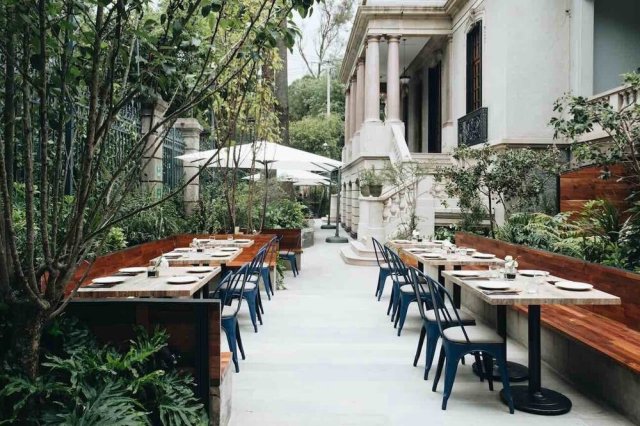
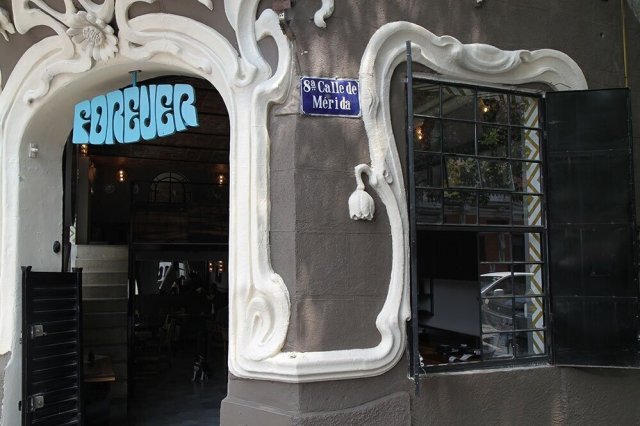
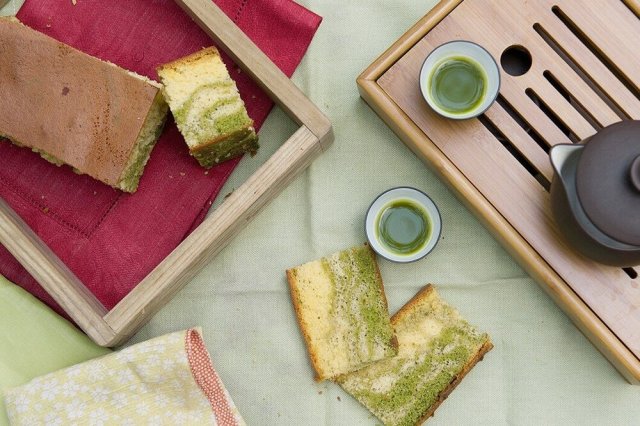
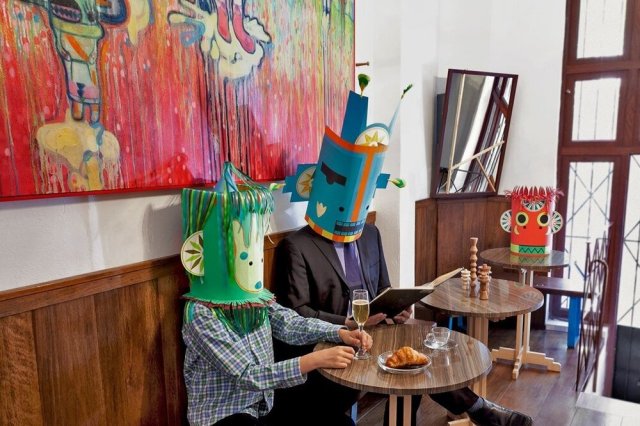




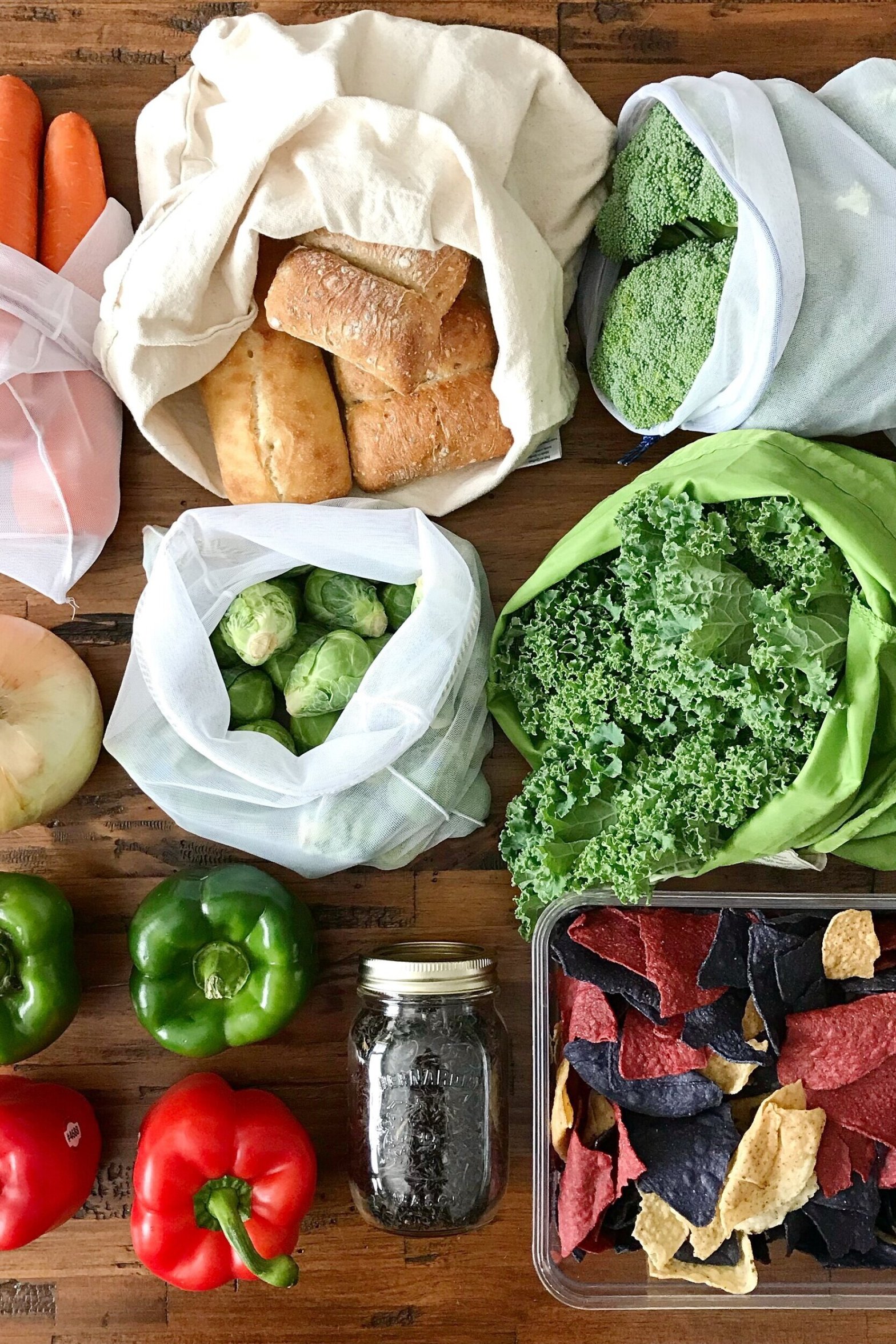


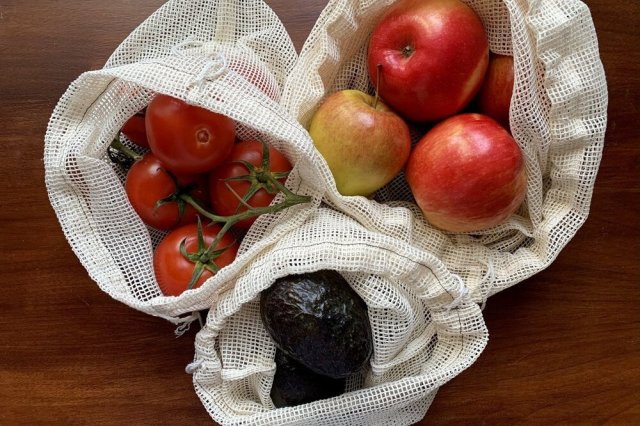
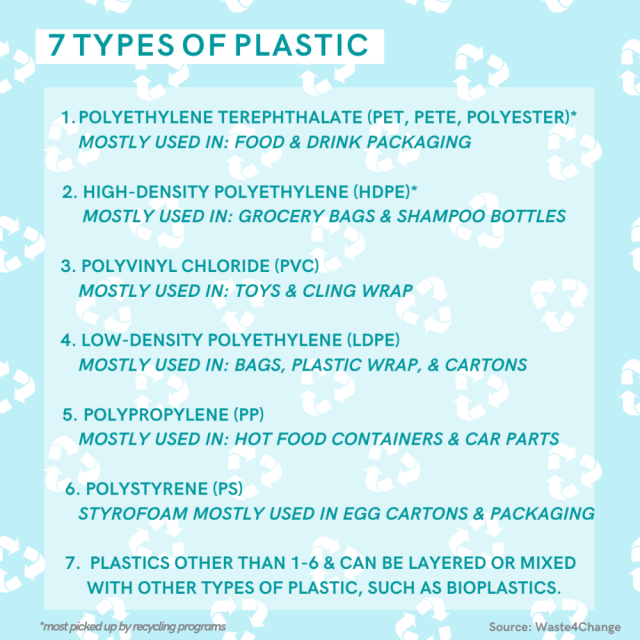
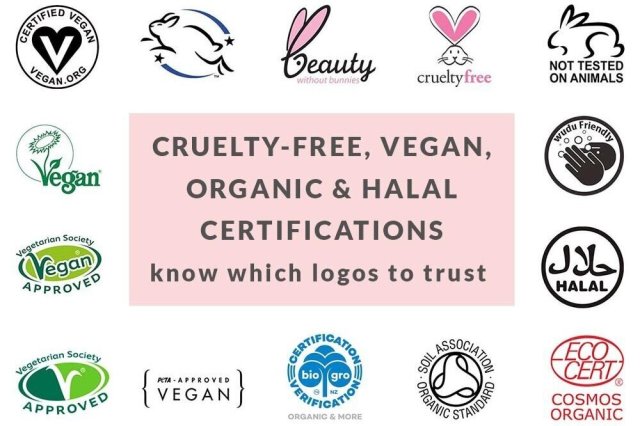
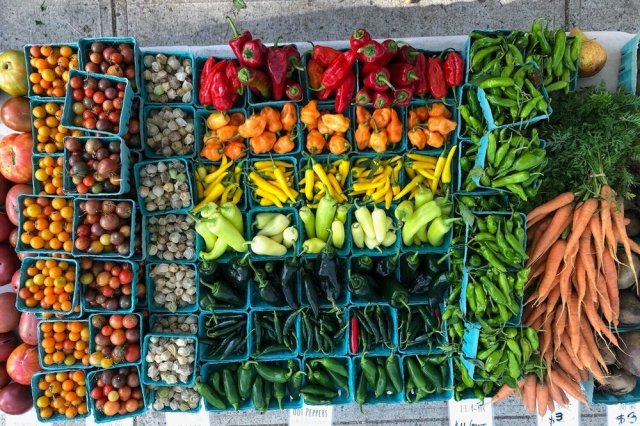
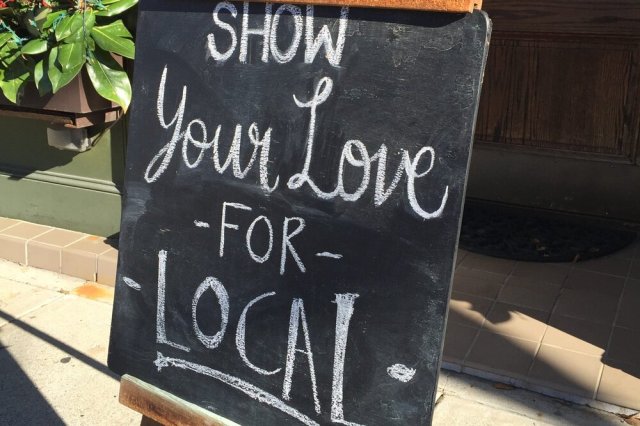


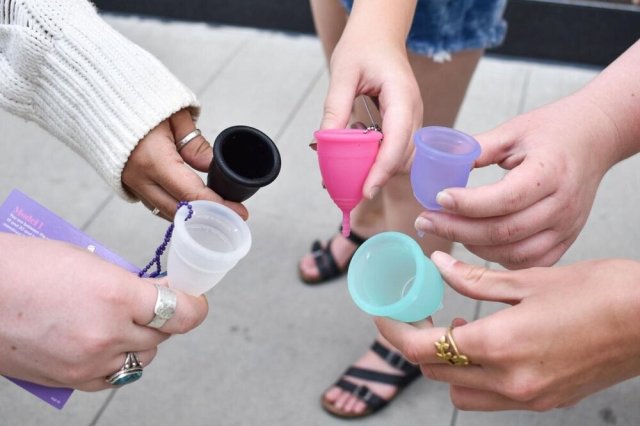

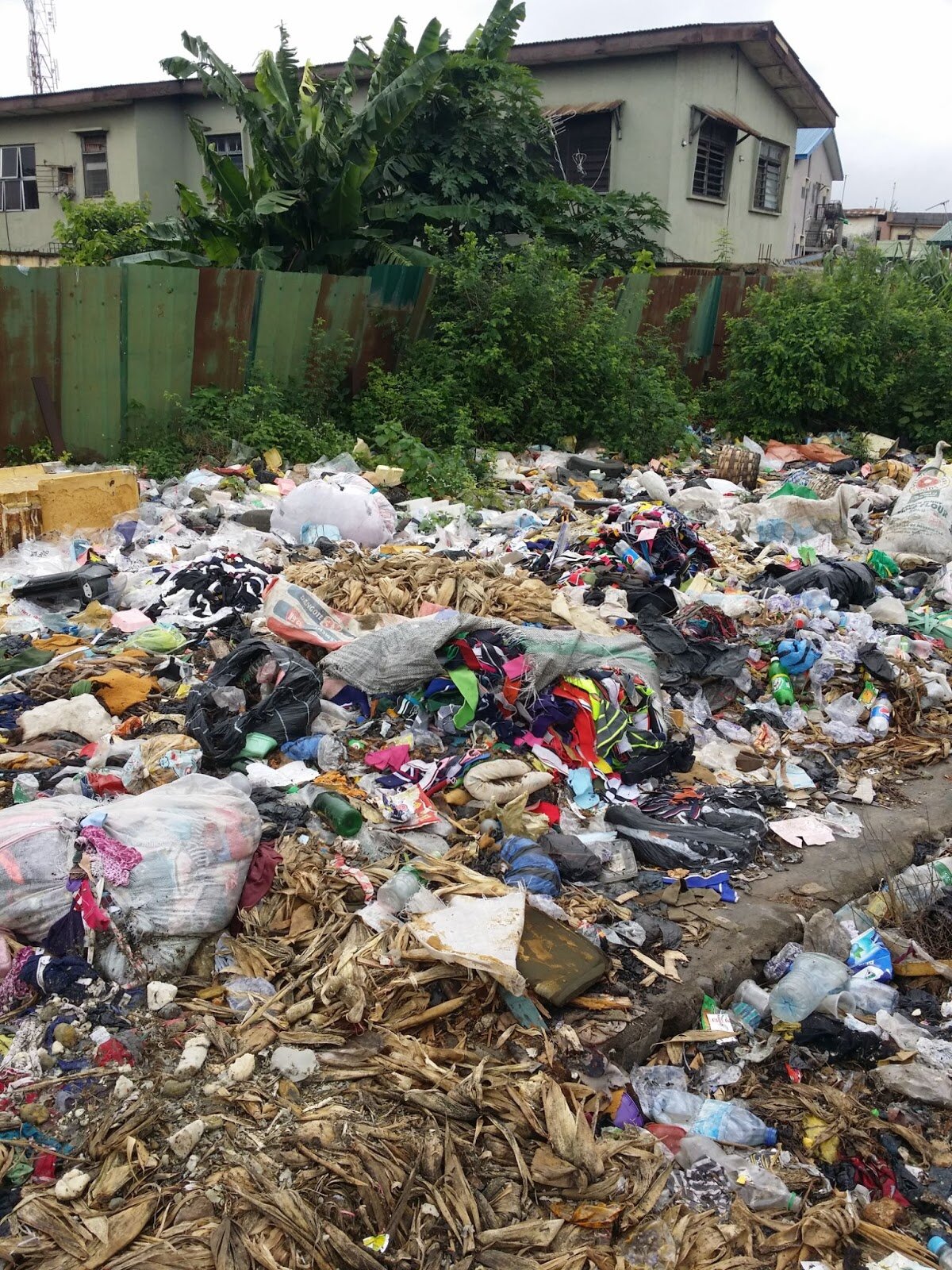

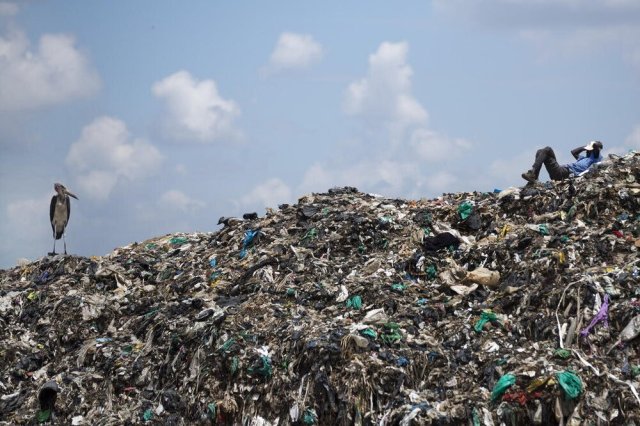
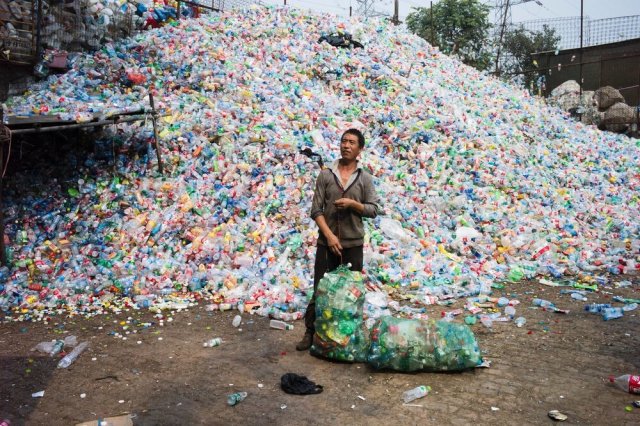
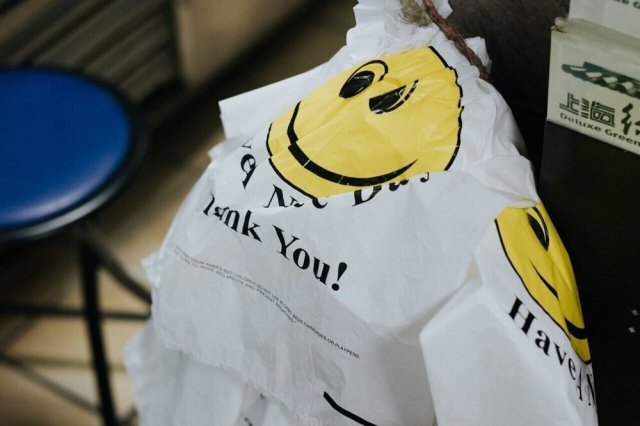
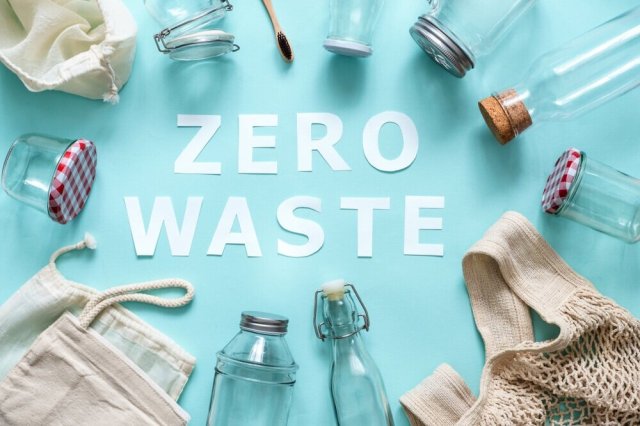
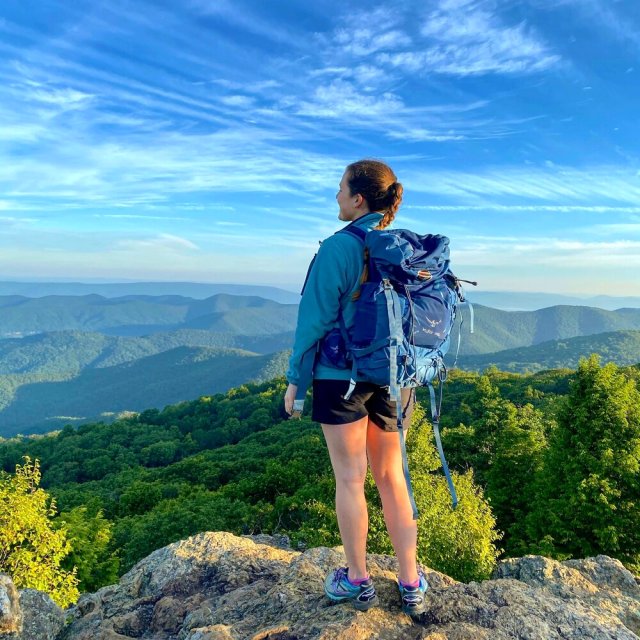
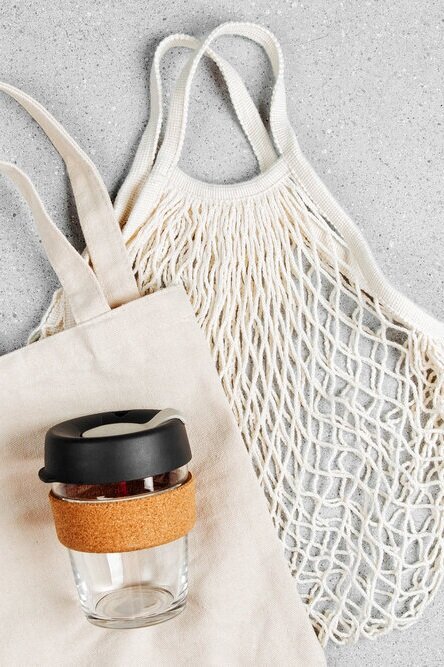

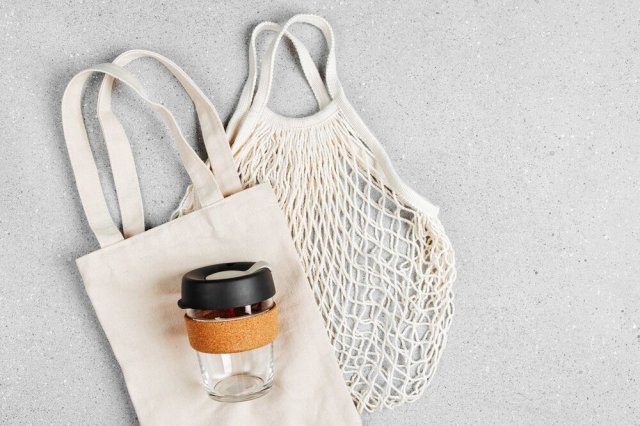

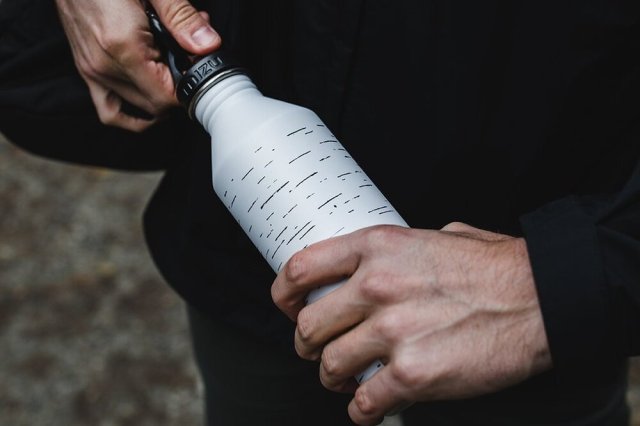

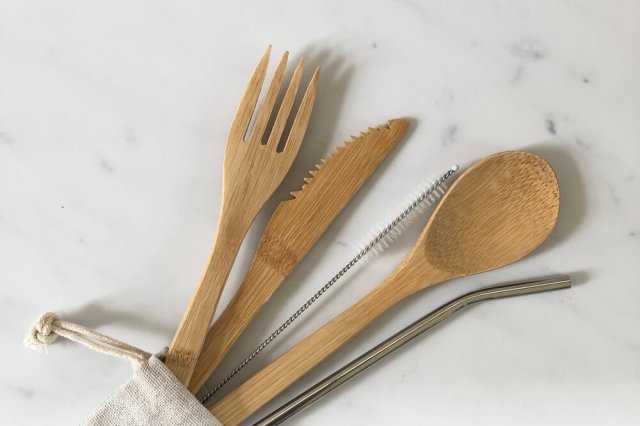
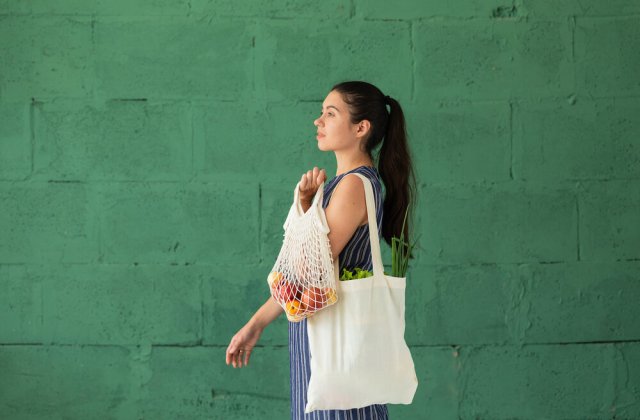


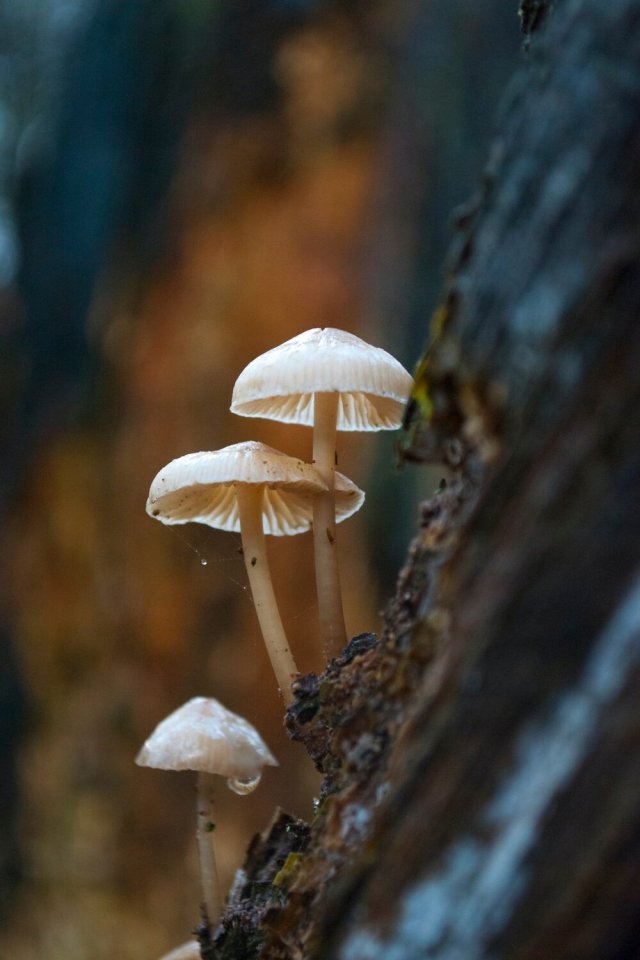
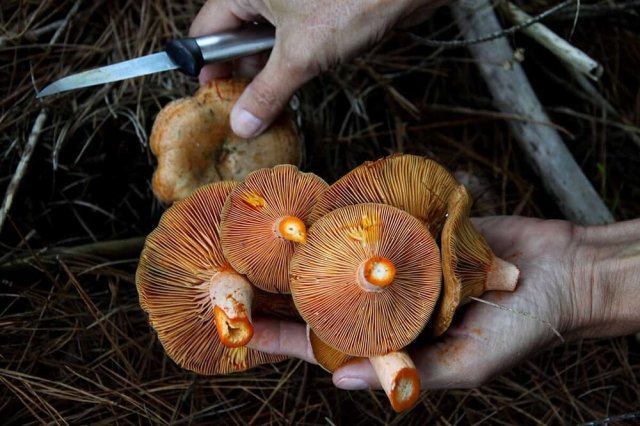
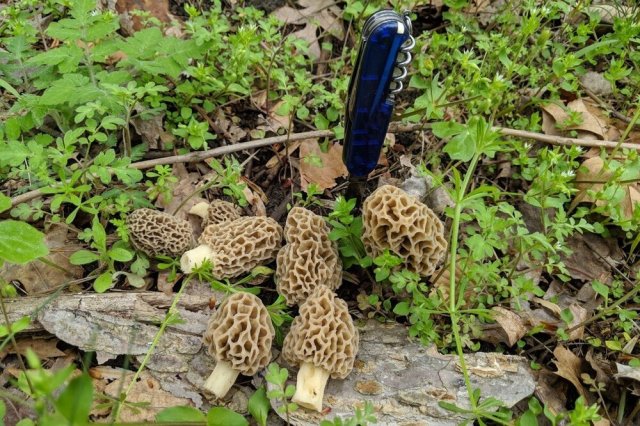
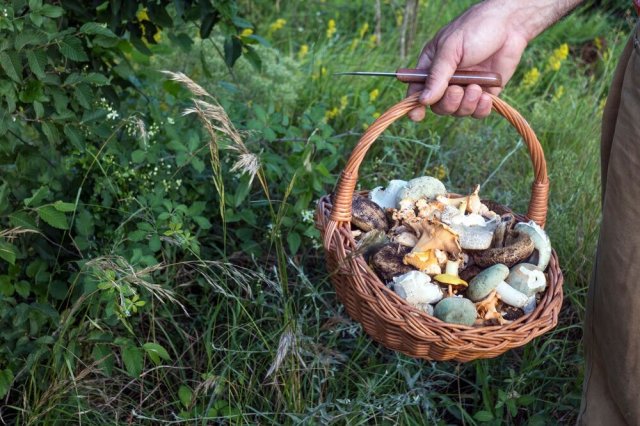


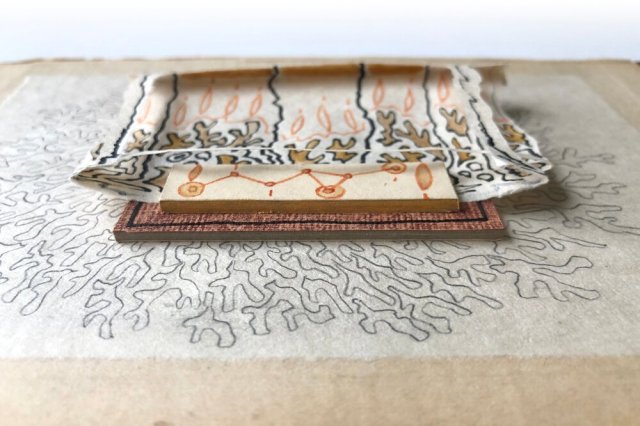
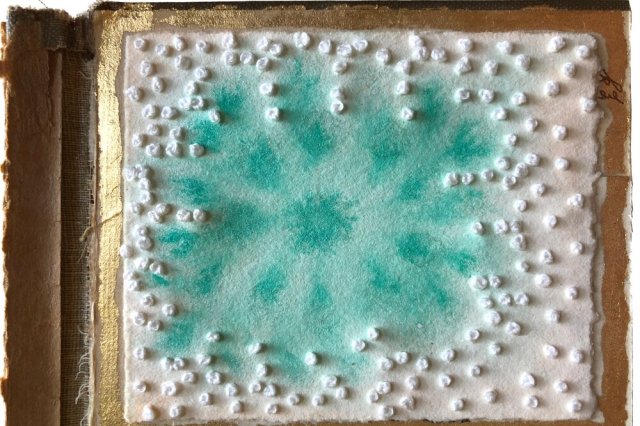
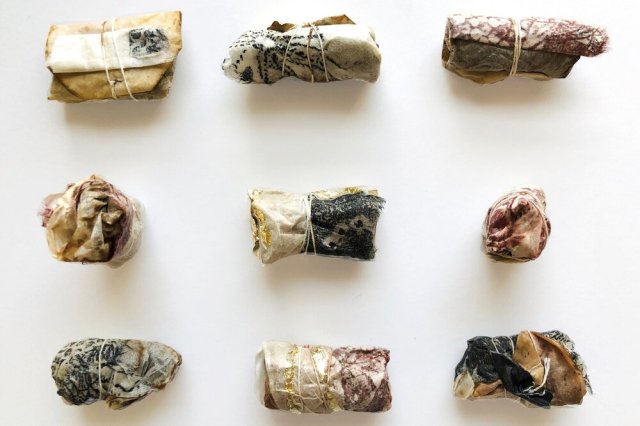
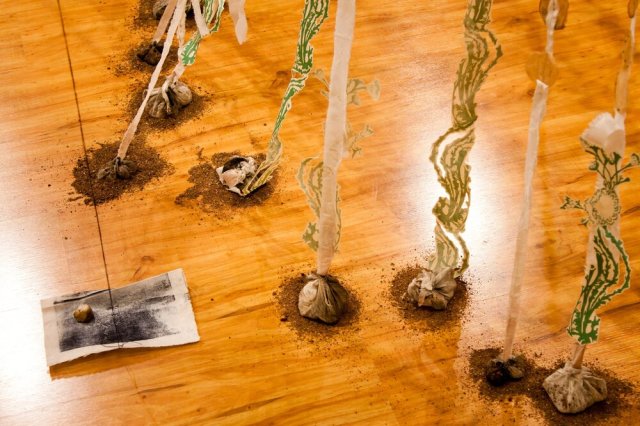
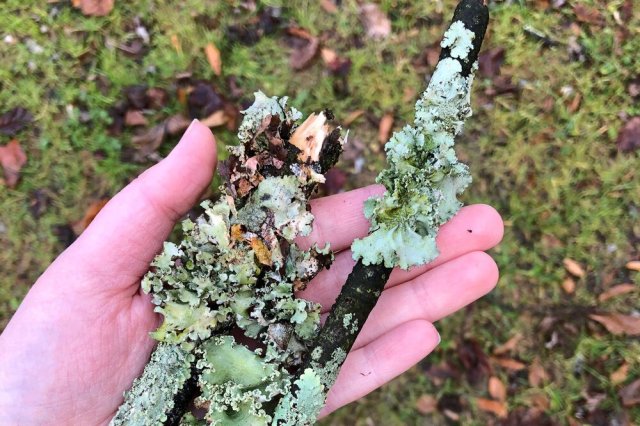
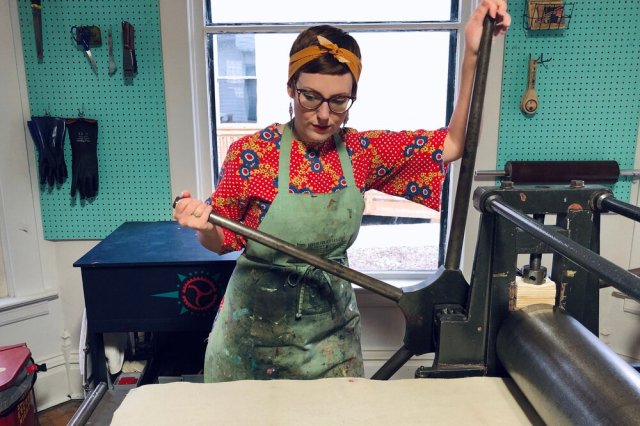















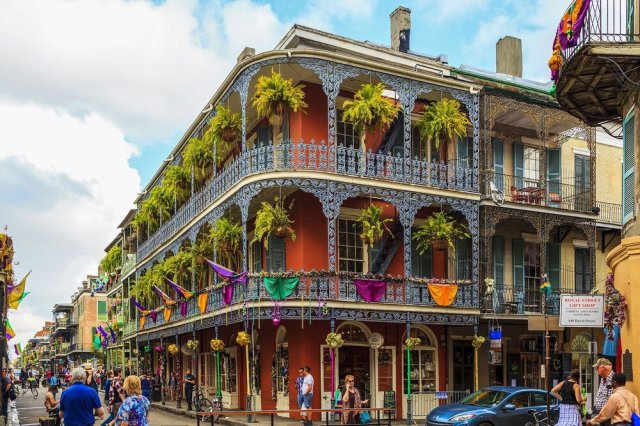
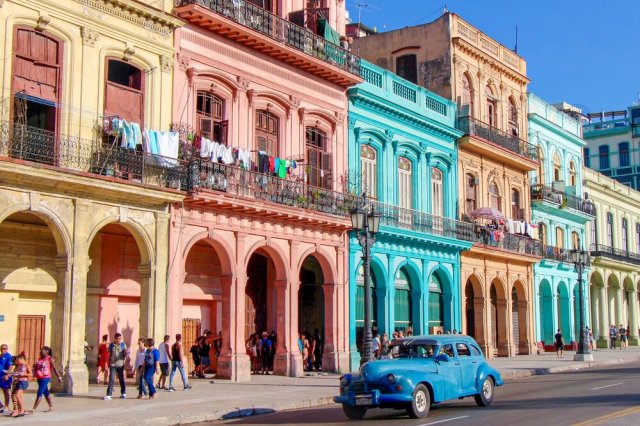












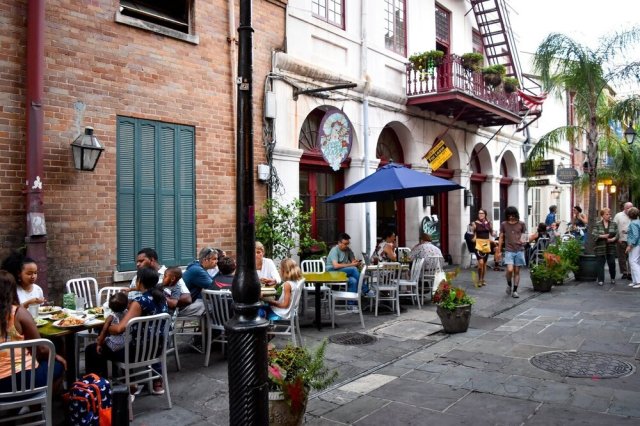
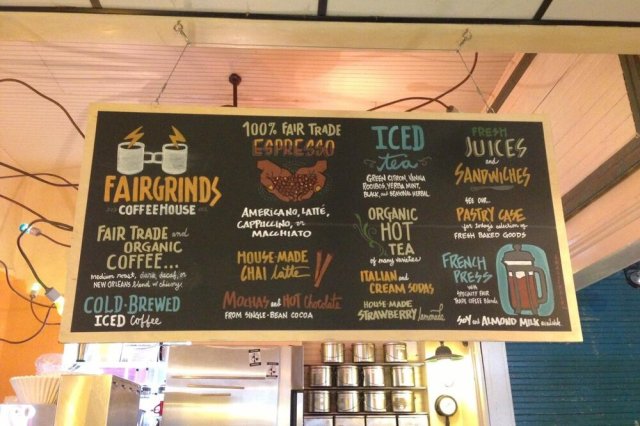
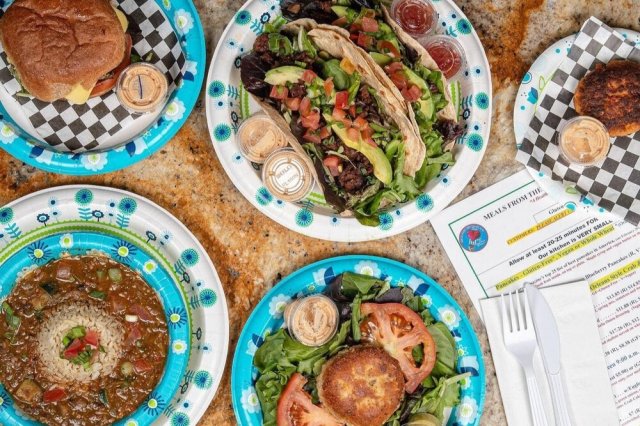

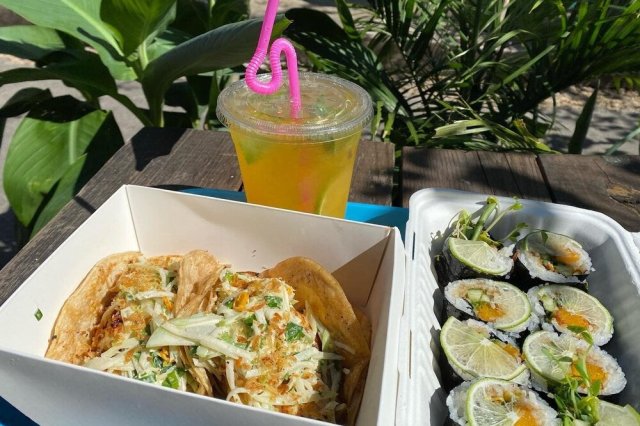
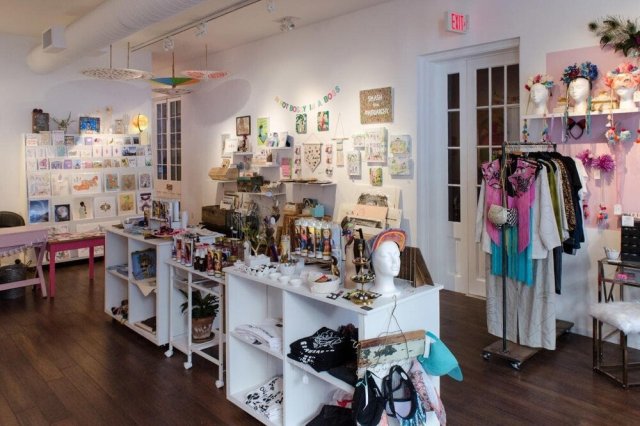
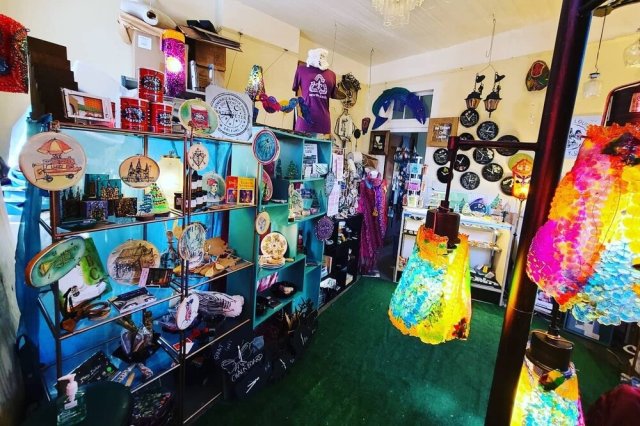
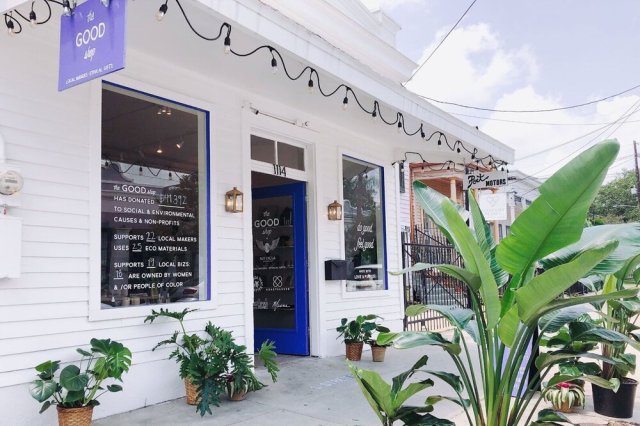
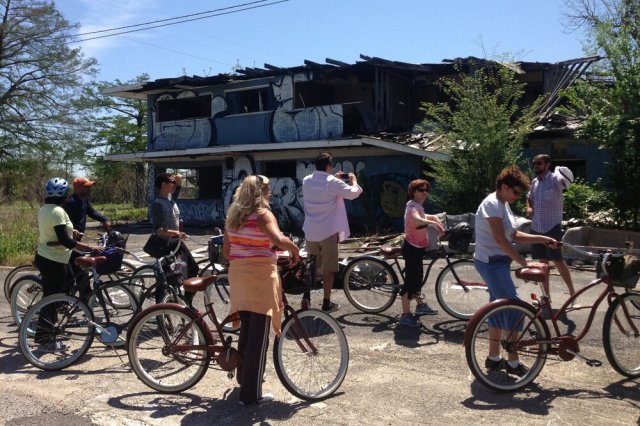



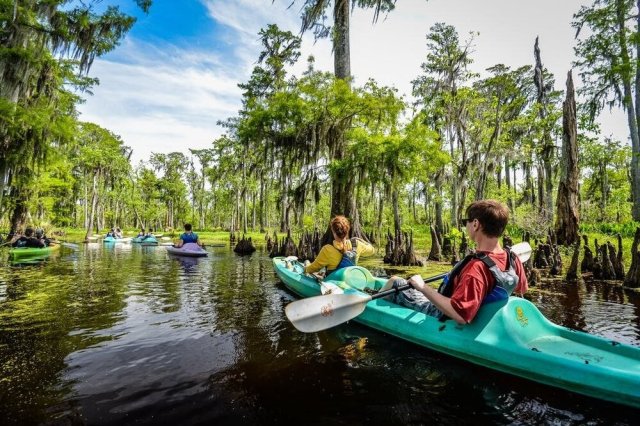
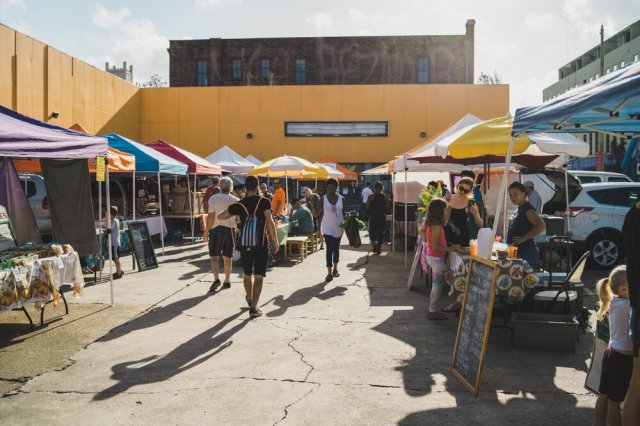
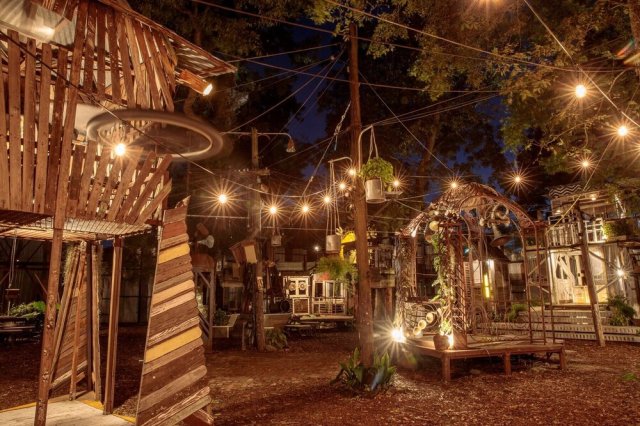

 ecomadic