
Opinion: What’s Up With Vegans & Vegetarians?

.parent {
display: inline; position: relative; line-height: 30px; float: left; color: #82be41;
}
.parent a{
margin: 10px;color: #82be41;text-decoration: none;
}
.parent:hover > ul {
display:block;position:absolute;
}
.child {
display: none;
}
.child li {
line-height: 30px;width:115%;text-align:left;
}
.child li a{
color: #82be41;
}
ul{
list-style: none;margin: 0;padding: 0px; min-width:10em;text-align: center;float: right; font-weight: 550;
}
ul ul ul{
left: 100%;top: 0;margin-left:1px;
}
li:hover {
background-color: white;
}
.parent li:hover {
background-color: white;
}
.expand{
font-size:10px;float:right;margin-right:5px;
}

.parent a p{
display: inline; margin: 10px;color: #6e706b;text-decoration: none;
}

Opinion: What’s Up With Vegans & Vegetarians?


written by Giuliana Gentile | April 9, 2021


Source: Simon Berger - @8momentsSource: Simon Berger - @8moments

Source: Simon Berger – @8moments

https://platform-api.sharethis.com/js/sharethis.js#property=5f0bbd9ab9410d0019e80af3&product=inline-share-buttons


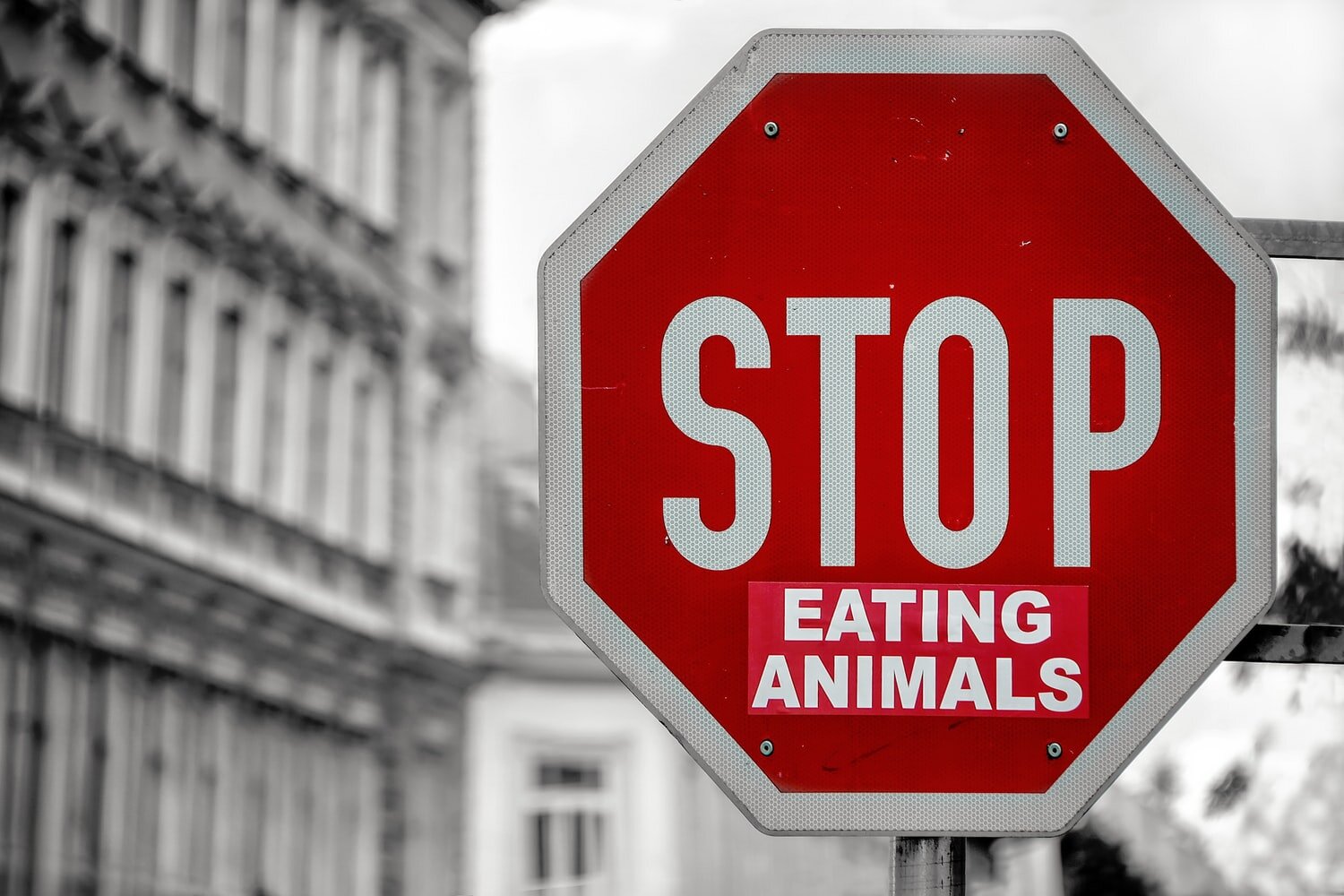
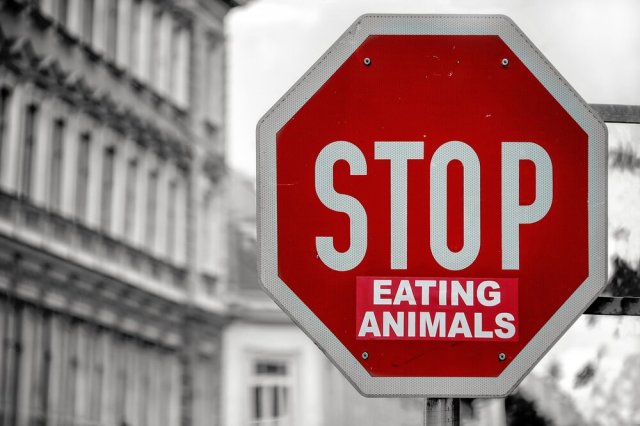
Vegetarianism and, even more, veganism are often seen as an extreme sacrifice not worth making, perpetrated by extremist people who oversimplify the issues of our society and make their diet almost their religion. 

How can we reduce all of our system’s problems to the meat industry? How can we reduce all of the environmental crisis to the fish industry? How can we reduce all of the health issues to the dairy industry?

The answer is: we can’t.

Systemic Problems vs. Consumer Solutions

We live in a world where inequality and injustice are embedded in the structure of our society. Profit often has more value than human rights, mass production often has more value than environmental protection. There are all kinds of discrimination due to gender, sex, nationality, culture, disability, economical status, body shape, religion, language, skin color, and so on.

We need to change the very structure of our society to make the world a better place. The planet is overpopulated, most of our production, under the rules of capitalism, turns into mass production, which can very rarely be sustainable.

Systemic Problems

These types of problems can only be solved through regulation and law enforcement. Collective problems need collective solutions. Being politically active, raising awareness, exposing yourself by having uncomfortable conversations, signing petitions, donating to organizations, pushing our congress representatives to take measures… These are all great ways to contribute positively to society nowadays.

Consumer Solutions

These are the choices we make with our money. Increasing the demand of certain products instead of others can truly make a difference to the system itself, and we can all contribute to this evolution in our small individual realities. Some examples of consumer’s solutions are: supporting small businesses instead of big corporations, buying second hand products, making educated choices about the products we buy, choosing packages with minimal to no plastic, supporting environmentally friendly companies, supporting businesses that promote diversity and inclusion, ordering products with the shortest mileage possible, and so on. 

Veganism and Vegetarianism fall into both categories; they’re a consumer solution and they address systemic problems. While the impact of meat, dairy, and fishing industries can only be mitigated by strict regulation and efficient policy changes implemented by our governments, we as consumers make up a crucial part of the problem and therefore we can also become part of the solution.

Environmental Impact

The meat, dairy, and fish industries are notoriously known to have a negative impact on the environment. The main issues they contribute to are: greenhouse gases emissions, deforestation, use of land, water waste, species extinction, coral loss, habitat destruction, and carbon release.

Let’s analyse all of them individually, shall we?

Meat & Dairy

Greenhouse gases: Global livestock production contributes an estimated 18% of anthropogenic greenhouse gas (GHG) emissions mainly in terms of methane and nitrous oxide, which is a gas with a global warming potential 296 times greater than CO2 per pound. For reference, while the emissions of all of Europe’s cars and vans combined sum up to 656m tonnes of carbon dioxide in one year, livestock in the European Union was responsible for the emissions of about 702m tonnes of carbon dioxide in the same year.

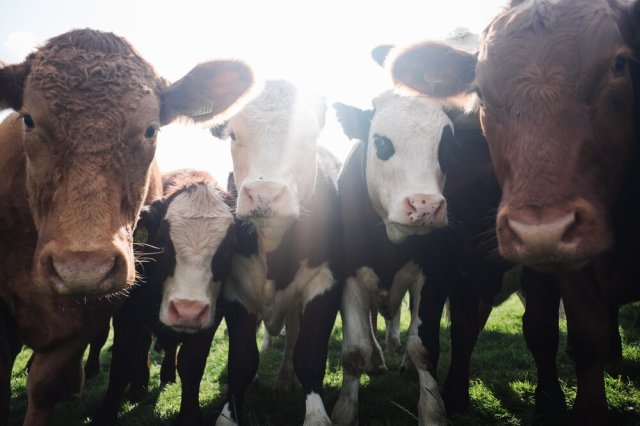
Deforestation: Cattle ranching is the leading cause of deforestation in the Amazon rainforest, and that’s because of the grazing land for the animals, and soy fields. Around 80% of the global soy production is destined to feed the animals, which then go through the industrial farming process.

Now, I know what you’re thinking: if soy is one of the main causes of deforestation, and we all turned vegan/vegetarian, wouldn’t we produce a lot more soy and still contribute to deforestation? The answer is, quite simply, no. That’s for two reasons:

  1. There are sustainable ways to cultivate soy. For example, in Brazil the ProTerra Foundation owns the ProTerra Certification Standard, a set of sustainable indicators in line with the UN’s Sustainable Development Goals. This type of certification imposes some restrictions and requirements as a basis to help organizations develop, maintain and improve their sustainable production practices. Additionally, The Nature Conservancy set up a computerized rural land registry known by its Portuguese acronym, CAR. “This land registration mapped 100% of the municipalities rural land, identified existing forest cover versus agricultural areas and, in line with Brazil’s Forest Code, assisted in the environmental regularization of rural properties.”

  2. There are 7 billion people on the planet, and if you think that’s a lot you won’t like to know that 70 billion farmed animals are reared worldwide every year. But the issue here is not only the human to animal ratio. Humanity drinks 5.2 billion gallons of water and eats 21 billion pounds of food each day; worldwide, cows drink 45 billion gallons of water and eat 135 billion pounds of food each day (and that’s just cows… no pigs, chickens, horses etcetera). Yet here we are striving to find a solution for world hunger, while also destroying our forests to cultivate more food for the animals we breed to eat, instead of directly cultivating it for ourselves.

📷  @robertbye📷  @robertbye

📷 @robertbye

Use of land: Livestock covers 45% of the Earth’s total land. To feed a person on a vegan diet requires just one-sixth of an acre of land. To feed that same person on a vegetarian diet that includes eggs and dairy requires three times as much land. To feed an average US citizen’s high-consumption diet of meat, dairy, and eggs requires 18 times as much land.

Water waste: Here are three fun facts: 

1. One quarter-pound hamburger requires over 660 gallons of water to produce. In other words one single hamburger is the water waste equivalent of showering for two entire months. 

2. Domestic water use is only 5% of what is consumed in the US versus 55% for animal agriculture. 

3. It takes upwards of 1000 gallons of water to produce one gallon of milk.

& to be fair, some vegan alternatives for milk also have a negative impact on the environment. For example, a single glass of almond milk requires 130 pints of water to produce. The most sustainable option so far is oat milk, but you can consult this list to find out about the alternatives.

When only considering the consumption of meat and dairy, in just one day, a person who eats a vegan diet saves 1,100 gallons of water, 45 pounds of grain, 30 sq ft of forested land, 20 lbs CO2 equivalent, and one animal’s life. Let that sink in for a second.

Industrial Fishing 

Species extinction: For every single pound of fish caught there’s up to five pounds of non targeted species trapped such as dolphins, whales, sea turtles and sharks, which is known as “bycatch”. Just for reference, six out of seven species of sea turtles are either threatened or endangered, while 250,000 sea turtles are captured or killed every year by fishing vessels. Additionally, half of the sharks the industry kills (more than 11,000 per hour) are killed as bycatch. In case that wasn’t clear enough, that means that they’re accidentally caught, then killed, and thrown back at sea like trash.

Coral loss: 90% of the world’s coral reefs will die by 2050. Other than the warming temperature of our oceans, the main cause of this is industrial fishing: in the first place because it kills the species that keep the ecosystem of the reefs alive, and secondly because of a fishing technique called trawling. Trawlers are giant boats that drag fishing nets as big as 13 jumbo jet planes across the ocean floor, wiping out all the living flora and fauna of the area. Here’s a terrifying fact: according to the FAO, land deforestation is estimated to wipe out 25 million acres per year, while seafloor deforestation wipes out 3.9 billion acres every year.

Carbon release: Per acre, marine plants absorb 20 times more carbon than the same area of forest on land. 93% of all the world’s CO2 is stored in the ocean, losing 1% of this ecosystem is the equivalent of releasing the emissions of 97 million cars. Additionally, a recent study reveals that bottom trawling releases as much carbon as air travel.

Habitat destruction: 46% of the Great Pacific Garbage Patch (a collection of marine debris in the North Pacific Ocean) is fishing nets alone, and another large majority are other types of fishing gear. So yes, plastic straws are bad, but we should also be addressing the destructive power of the fishing industry. To put this in perspective, in one day the fishing industry kills more marine life in the Gulf of Mexico than the Deepwater Horizon oil spill did in 3 months.

Accessibility

We’re all very aware of the fact that vegan and vegetarian products are often too expensive and hard to find. Even though the plant-based market is growing, the vegan portion of the world’s population is still extremely low compared to the omnivore population. It’s hard to find an accurate estimation, but according to a 2018 analysis, vegans make up only 3% and vegetarians only 5% of the world’s population.

Until the demand of these products reaches a higher level, the prices in the market will remain more or less the same.

In reality, the racial disparity and inaccessibility of healthy food in lower-income communities makes a fully vegan diet out of reach for some. Practices like fishing and farming are also often important parts of their cultures and traditions, and no one is trying to take that away from them… oh wait a second, that’s exactly what the meat and fish industries are doing. 

The people who rely on these natural resources for their nutrition, also respect their environment and have very minimal impact on the natural ecosystems; but because of the cattle and fishing industries, these communities are deprived of their natural resources, their lands, and their coastal waters; all of this to profit the big corporations and put a stake or some tuna on our plate. 

A very representative example of this can be found in the coasts of Somalia, which are wiped out by industrial fishing ships, leaving the local fishermen no fish for their families. These same fishermen ended up becoming pirates in those waters as a pure act of survival, trying to rob those ships that deprived them of their own food.

The fact that some people can’t afford plant-based products, or necessarily need to go fishing and farm animals to bring some food home, does not justify the existence of our fish and meat industry. On the contrary, we should do whatever we can to protect those communities from the very cause of their lack of food.


Local fishermen in Tanzania. Source:     Taryn ElliotLocal fishermen in Tanzania. Source:     Taryn Elliot

Local fishermen in Tanzania. Source: Taryn Elliot

While processed vegan and vegetarian products, which aim to imitate meat and dairy, are often unaffordable, the statistics say that the largest proportion of vegans fall under an average US$30k income bracket, and plant-based diets are rarer amongst people with higher annual incomes. Additionally, plant-based diets are often the norm in developing countries, due to religious practices as well as the lower costs of production needed to grow vegan food.


Source: Tijana DrndarskiSource: Tijana Drndarski

Source: Tijana Drndarski

The countries with the highest percentage of people identifying as vegan or vegetarian are India (19% vegan and around 30% vegetarian), Taiwan (15% both combined), Brazil (14% both combined), and Israel (5% both combined). When it comes to vegan or vegetarian food that is not processed, but naturally rich in nutrients (such as lentils, beans, chickpeas, kale, spinach, nuts, seeds, and many others), the cost is not a problem anymore because they can be found everywhere and extremely cheap.

With this in mind, if you do have the possibility to try out these types of diets, there’s no reason not to. You can only do good to yourself and the planet.

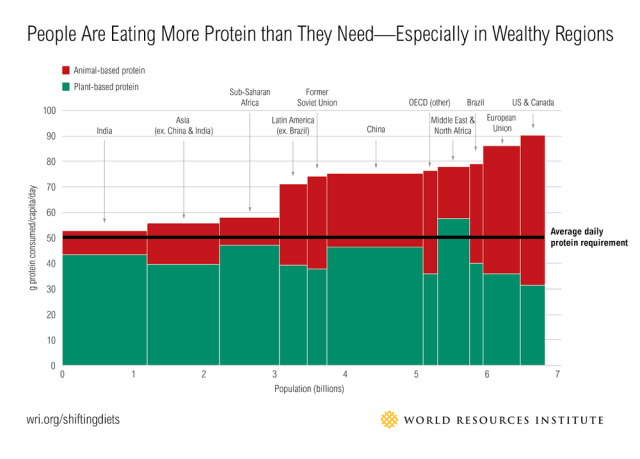
The Protein Myth

Now, the most common question vegans and vegetarians get is “but where do you get your protein??”.

Dr. Milton Mills paints a pretty clear picture: “All protein is initially made by plants. All of it. And it is not necessary to eat animal tissue in order to get protein. Only plants have the ability to actually take nitrogen from the air, break those molecules apart, incorporate that nitrogen into amino acids, and then make protein. Any protein you get from an animal is simply recycled plant protein.”

Similarly, the Omega-3 that is so valued in fish, is not actually produced by fish, but by the algae cells that fish eat. So the most valuable nutrient we get from fish is actually the algae DHL, which we could get directly from the algae.

Human milk, which is naturally designed for human growth and development, has the lowest content of protein than in any species ever tested. Just for reference, the level of protein per 100g of milk produced by rats is 9g, while in human milk it’s only 1g. That means that a baby rat naturally requires more protein than a human baby. Just gonna leave this here.

Source: World Resources InstituteSource: World Resources Institute

Source: World Resources Institute

Willpower

At this point, my question is what will it take? What’s going to be the tipping point or the wake up call that’s actually going to make us realize that this solution is within our reach and it will make an immense difference?

Everyone is free to do whatever they want, and the information in this article has been seen or heard before… But that’s the point: we all know about this. How can we knowingly accept and perpetrate the destruction of our planet, when one simple solution is sitting right there in front of us?

Yes, there are other problems; yes, it needs to become more accessible; no, it doesn’t need to involve every single person on the planet; no, it’s not hard at all… so why not start from yourself? Why not take that small step to make the world a better place?


Want to learn more?

Vegan and Plant-Based Diet Statistics for 2021 – Plant Proteins.co

Cowspiracy – Netflix

What The Health – Netflix

Seaspiracy – Netflix

Seaspiracy Review: Stream it or Skip it? – Green is the New Black


meet the author


Giuliana Gentile - Giuliana was born and raised in Sicily (an Italian island in the middle of the Mediterranean Sea), since then she’s been moving around the world to meet new cultures and discover new places. She has a degree in Political, Social and International Sciences. During her studies she became passionate about environmental protection, gender equality, and cultural identity. She loves traveling, petting dogs on the street, and swimming underwater. 
Giuliana.jpg

Giuliana Gentile

Giuliana was born and raised in Sicily (an Italian island in the middle of the Mediterranean Sea), since then she’s been moving around the world to meet new cultures and discover new places. She has a degree in Political, Social and International Sciences. During her studies she became passionate about environmental protection, gender equality, and cultural identity. She loves traveling, petting dogs on the street, and swimming underwater. 

 

The Problem with Drugs in Laos: How Backpackers Behavior is Impacting the Country

.parent {
display: inline; position: relative; line-height: 30px; float: left; color: #82be41;
}
.parent a{
margin: 10px;color: #82be41;text-decoration: none;
}
.parent:hover > ul {
display:block;position:absolute;
}
.child {
display: none;
}
.child li {
line-height: 30px;width:115%;text-align:left;
}
.child li a{
color: #82be41;
}
ul{
list-style: none;margin: 0;padding: 0px; min-width:10em;text-align: center;float: right; font-weight: 550;
}
ul ul ul{
left: 100%;top: 0;margin-left:1px;
}
li:hover {
background-color: white;
}
.parent li:hover {
background-color: white;
}
.expand{
font-size:10px;float:right;margin-right:5px;
}

.parent a p{
display: inline; margin: 10px;color: #6e706b;text-decoration: none;
}

The Problem with Drugs in Laos: How Backpackers Behavior is Impacting the Country


Written by Lucy McCulley | April 10, 2021


Source: Jaclyn YostSource: Jaclyn Yost

Source: Jaclyn Yost

https://platform-api.sharethis.com/js/sharethis.js#property=5f0bbd9ab9410d0019e80af3&product=inline-share-buttons


Laos has become a popular destination on many backpackers’ Southeast Asian itinerary – providing idyllic backdrops, cheap accommodations, and routes through to Vietnam, Cambodia, Thailand, Myanmar and China. Famous for its rich forests, crystal clear waterfalls, and mountainous terrain, another, more troubling appeal that has drawn in travelers from around the world over the past decade – its notorious drug culture.

It is of no surprise to anyone that has traveled the Southeast Asian circuit that drugs are extremely prevalent and accessible throughout the region, with a ‘magic pizza’ or ‘shroom shake’ being pretty easy to get your hands on. Just how readily available these substances are allows for travelers to experiment with more ease (and for a lot less money) than they might be able to in their home country. However, is this carefree attitude leaving the places we travel to in a worse state than when we arrived?

The Troubled History of Laos

Since the end of Sourigna Vongsa’s reign in 1694, Laos continuously struggled to maintain its independence from both the countries it borders and Western nations. For almost 100 years Laos was overrun by both Burmese and Siamese armies, dividing the Laotian people into three principalities.

After the Chinese Black Flag army attacked the city of Luang Phrabang in the late 19th century, French military intervention allowed for France’s power to expand from Cambodia into the region, marking the beginning of the French protectorate of Laos. It took 60 years, facing further occupation from Japan and influences from the Indochinese Communist Party, for Laos to gain full independence from French rule.

Despite the plethora of attacks on Laos since the 17th century, the country’s most devastating period was still to come during the Vietnam War. Unknown by many, Laos was relentlessly bombed by the US, and for 9 years the neutral country was victim to over two million tons of cluster bombs – making Laos the most bombed country in the world per person to date.

As a result of the US attack, 50,000 people died during this period; and since it’s end in 1973 a further 20,000 have died in the region. The war had catastrophic effects on the environment, wildlife and historic sites such as the Plain of Jars. To this day, unexploded bombs are continuing to kill and injure Laotian people. A silent tragedy that was internationally unacknowledged until recent years.

Today, Laos is governed by the Lao People’s Democratic Republic, a socialist one-party republic that openly endorses communism. The communist regime within the country has led to massive disparities between the elite and the poor. Described by the UN as a ‘least developed’ nation, many Lao people have little access to education and are illiterate, and for those living in remote locations it can be extremely difficult to gain any access to medical care. Ravaged by the wars of its past, much of Laos has been left in poverty.


Nam Song River, Vang Vieng.  📸 Lucy McCulleyNam Song River, Vang Vieng.  📸 Lucy McCulley

Nam Song River, Vang Vieng. 📸 Lucy McCulley

The Tourist Boom

Laos, slightly later in its tourism development than its neighbor Thailand, opened its borders to tourism in 1989, and launched the ‘Visit Laos’ campaign in 1999/2000. Since then, tourism in Laos has skyrocketed and contributed massively to the economy through providing new job opportunities and building cash flow within the country.

Due the success of the 1999 campaign, it was reprised again in 2018 to gain further attraction from the outside world. Over the last 30 years tourists continue to flock to the region year on year to immerse themselves in Laotian culture and experience its natural beauty first hand. When we consider the economic growth, need for greater transportation links and working infrastructure- the positive impacts of tourism in Laos are undeniable.


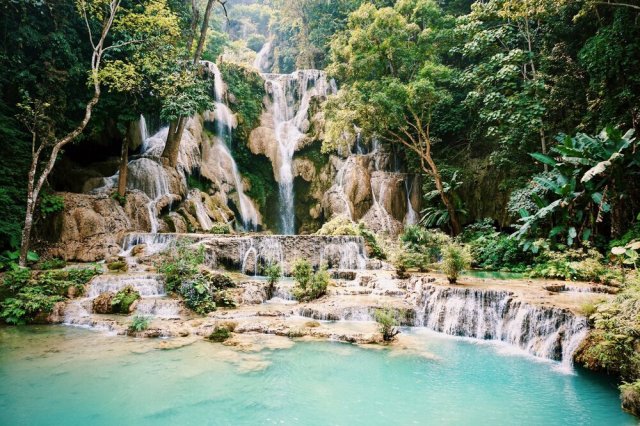
Kuang Si Falls.  📸 Jaclyn YostKuang Si Falls.  📸 Jaclyn Yost

Kuang Si Falls. 📸 Jaclyn Yost

Drugs in Laos: What’s the Issue?

An inevitable effect that backpacking culture has in Southeast Asia is the use of illicit drugs. As travelers are experiencing probably the most carefree period of their lives during their backpacking experience, the unsurprising experimentation with substances has been capitalized on by host destinations. This phenomenon is no different in Laos, where marijuana, opium, and magic mushrooms are as easy to get ahold of as a cup of coffee; a dramatic contraction of the strict laws that prohibit them.

So what’s the big deal? Why is this any different to taking drugs in more developed nations? It’s common knowledge that all drug use poses a risk of danger, from unexpected reactions to being given the wrong substance in the first place. However, the risk you are taking with your health in Laos is far greater. Unlike its neighbor Thailand, Laos has very little access to medical care, and even if they were able to treat you in the country it could take days to get there – days that when you are having a bad reaction to substances, you just don’t have. 

The city of Vang Vieng has become a focal point of such instances, known to some as a party town, and others as a backpacking ghetto; it has become a drug hotspot for travelers. Travelers know the Nam Song River, an ancient source of life that is cherished by the Buddhist people of Laos, as ‘the lazy river’. Tubing along the lazy river (the art of sitting on a rubber dingy and floating from bar to bar) has become a must on a backpacker’s itinerary. Foreseeably, sitting in an open river getting exceedingly drunk has proven extremely dangerous, resulting in many tourist deaths every year. These unfortunate deaths have also stopped the local people from washing in the river, an ancient practice they are now afraid of due to the spirits of the dead they believe to be lurking in there.

Aside from the more obvious health risks, a more complex issue arises from drug use in Laos – corruption. Laos is a communist state, where the rule of law is not fought in court, but in cash. The open advertisements of drugs outside bars and restaurants can fool travelers into thinking it’s a safe place to use them, however you risk being followed by a police gang upon leaving, or even being reported by the place that sold them. The police can issue you hefty fines on the spot, and if you are unable to pay you will be imprisoned until you do so – making policing the most profitable and powerful job aside from the governing elite.

The power of the police not only affects tourists, but is a huge issue for locals. From petty crime to hearsay, Laotians can face fines that result in lifelong debt or unfair imprisonment by the police. Without any independent media or legal system to turn to, there is little locals can do to escape this. As tourists, we can limit police corruption where possible by respecting the law and stopping the power we give to police with our tourism dollars.


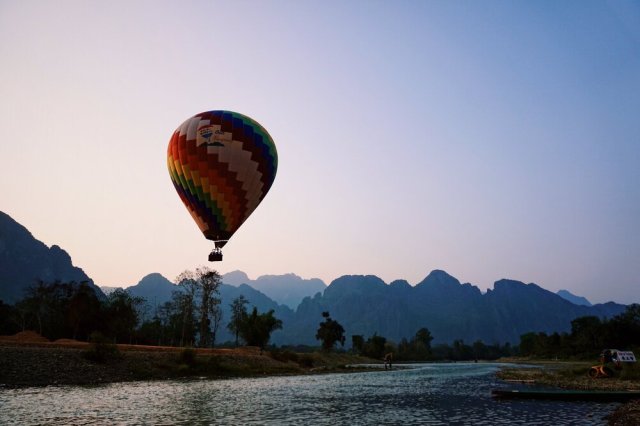
Vang Vieng.  📸 Jaclyn YostVang Vieng.  📸 Jaclyn Yost

Vang Vieng. 📸 Jaclyn Yost

What Can We Do?

Laos is a beautiful and fascinating nation with so many memorable experiences to offer. There is no question as to why it is so popular, with friendly locals, a multitude of UNESCO heritage sites and stunning scenery; it deserves a place on everyone’s travel list. So, how can we be a conscious and respectful traveler in Laos? Educate yourself on its history and acknowledge the difficulties that are still faced today. By researching local businesses, homestays, and social enterprises beforehand, you can ensure that your money stays local and supports the communities that desperately need it.


meet the author

Lucy McCulley

Lucy is the Digital Marketing & Social Media Strategist at ecomadic. Graduating from university in 2017 with a BA in International Law, she has since developed her career in marketing. With a love for people and the planet, Lucy hopes to contribute to the sustainability movement through education and awareness.


Meet Jonas: Psychedelic Facilitator

.parent {
display: inline; position: relative; line-height: 30px; float: left; color: #82be41;
}
.parent a{
margin: 10px;color: #82be41;text-decoration: none;
}
.parent:hover > ul {
display:block;position:absolute;
}
.child {
display: none;
}
.child li {
line-height: 30px;width:115%;text-align:left;
}
.child li a{
color: #82be41;
}
ul{
list-style: none;margin: 0;padding: 0px; min-width:10em;text-align: center;float: right; font-weight: 550;
}
ul ul ul{
left: 100%;top: 0;margin-left:1px;
}
li:hover {
background-color: white;
}
.parent li:hover {
background-color: white;
}
.expand{
font-size:10px;float:right;margin-right:5px;
}

.parent a p{
display: inline; margin: 10px;color: #6e706b;text-decoration: none;
}

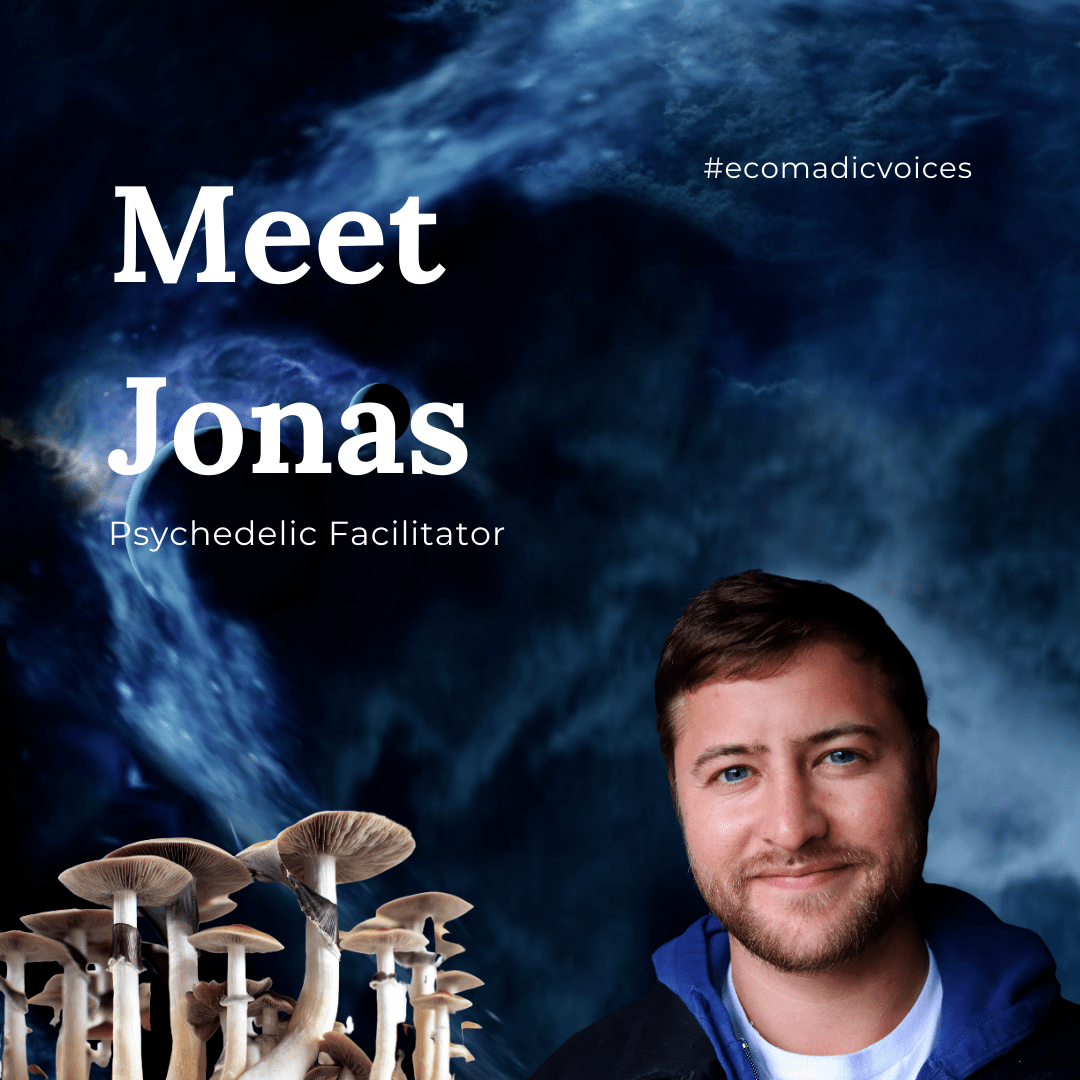
Meet Jonas: Psychedelic Facilitator


Written by Jaclyn Yost | April 8, 2021


Designed by: Lucy McCulleyDesigned by: Lucy McCulley

Designed by: Lucy McCulley


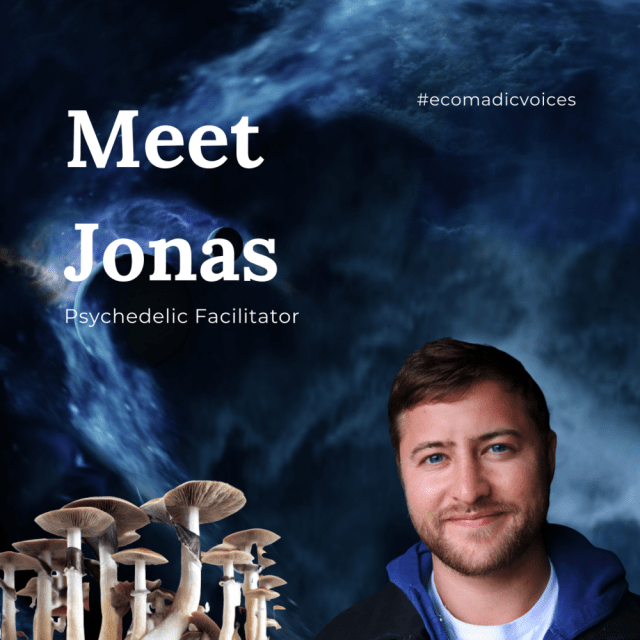
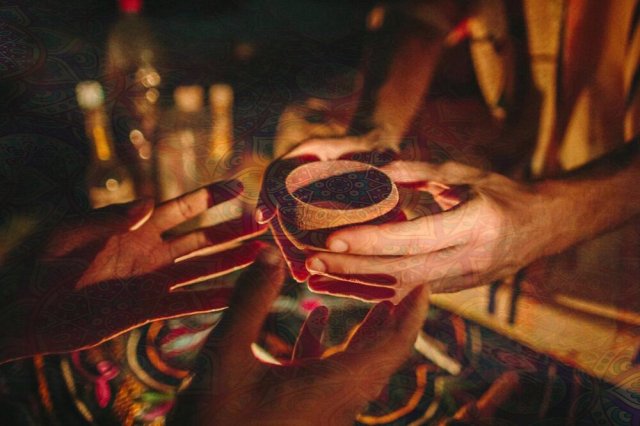
What is a ‘Psychedelic Facilitator’ you may ask? Well, ecomadic sat down with one to find out! Learn from Jonas, a Psychedelic Facilitator at MycoMeditations – a legal mushroom retreat in Jamaica.  

Disclaimer: drug use always comes with risk. The recreational use of drugs is highly illegal in many jurisdictions around the world. The information provided in this video is for informational purposes only. ecomadic does not advocate the use of illicit drugs and is not responsible for the consequences of reader actions.

Video Footage: Jonas Rosen

Edited by: Jaclyn Yost


meet the author

Jaclyn Yost

Jaclyn is the founder of ecomadic and editor of The Sustainable Seed. She is conscious creative passionate about shedding light on environmental and social sustainability issues through travel.


Hello Darkness, My Old Friend: 7 Starry Skies Across the Globe

.parent {
display: inline; position: relative; line-height: 30px; float: left; color: #82be41;
}
.parent a{
margin: 10px;color: #82be41;text-decoration: none;
}
.parent:hover > ul {
display:block;position:absolute;
}
.child {
display: none;
}
.child li {
line-height: 30px;width:115%;text-align:left;
}
.child li a{
color: #82be41;
}
ul{
list-style: none;margin: 0;padding: 0px; min-width:10em;text-align: center;float: right; font-weight: 550;
}
ul ul ul{
left: 100%;top: 0;margin-left:1px;
}
li:hover {
background-color: white;
}
.parent li:hover {
background-color: white;
}
.expand{
font-size:10px;float:right;margin-right:5px;
}

.parent a p{
display: inline; margin: 10px;color: #6e706b;text-decoration: none;
}

Hello Darkness, My Old Friend: 7 Starry Skies Across the Globe


Written by Rj Ross | April 4, 2021


night sky.jpegnight sky.jpeg

https://platform-api.sharethis.com/js/sharethis.js#property=5f0bbd9ab9410d0019e80af3&product=inline-share-buttons


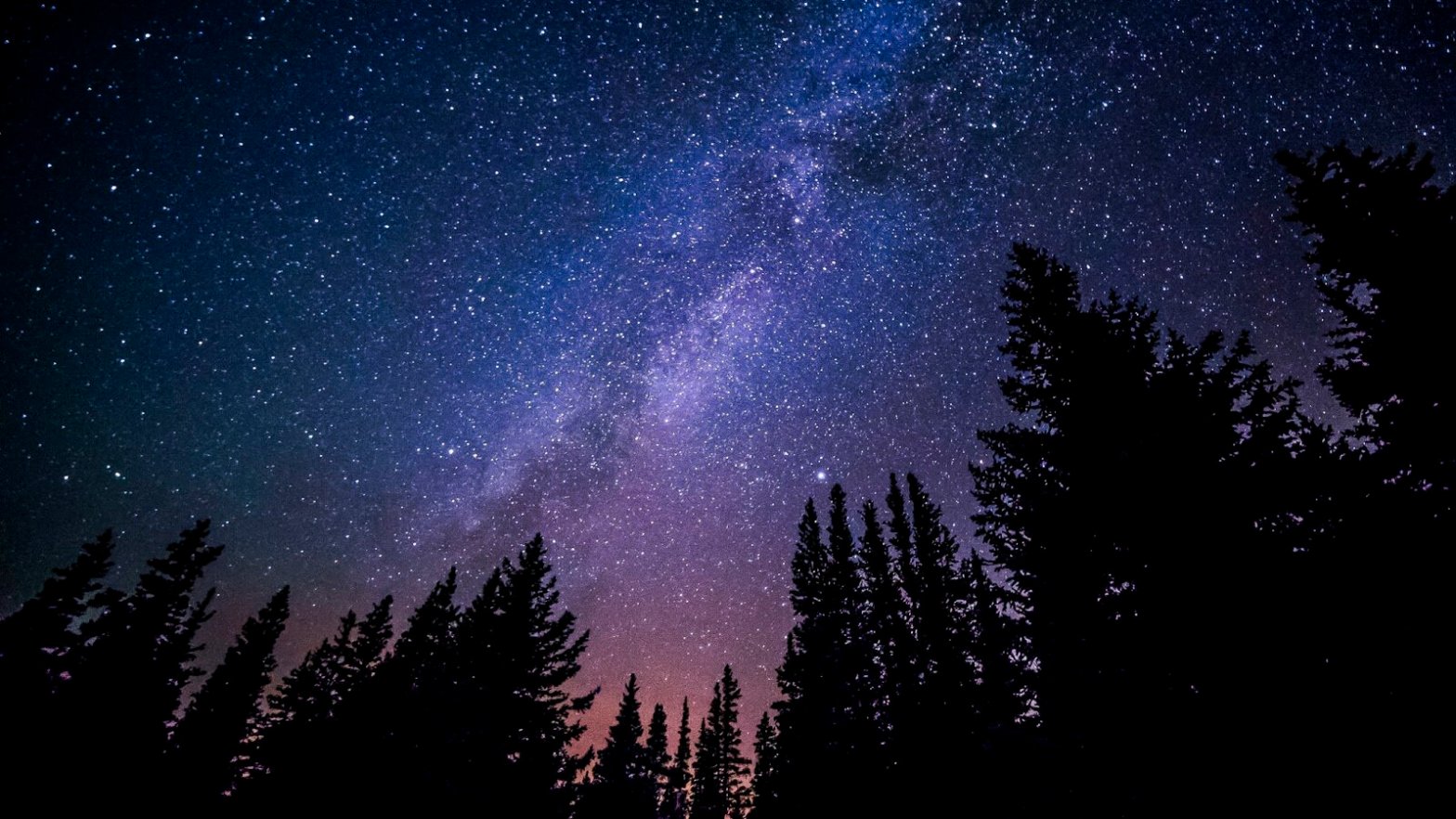
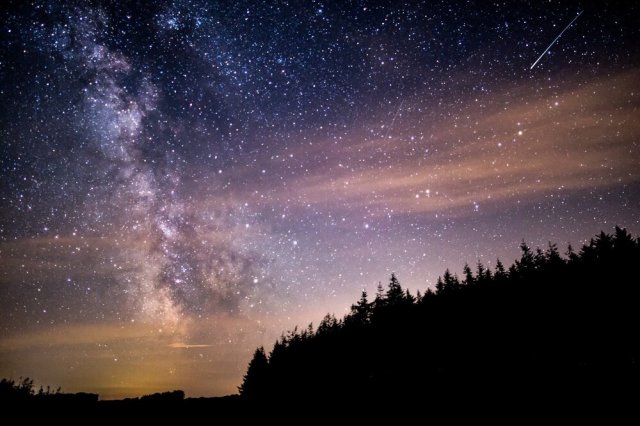
Darkness is often affiliated with negativity: death, depression, and evil. Amidst all those words associated with it, there is beauty within our buddy darkness. As humans, when we close our eyes to partake in devotion, meditation, or slumber, we envision said beauty in the form of zen or escape from our everyday issues. Now, let’s apply the beauty in darkness to the environment. Come sundown, depart from the artificial city lights to an area of less light pollution, and look to the skies. Not only will the moon gorgeously radiate its nocturnal energy, but so will the dazzling stars surrounding you, making you the center of astronomical excellence. Not only is there beauty within this outdoor opacity, but there are benefits, improving wildlife and the usage of energy.

International Dark Sky Week (April 5, 2021 – April 12, 2021) encourages spreading awareness and the importance of preserving dark skies showcasing how amazing Mother Nature’s darkness can be. Instead of pretending that airplanes in the night skies are like shooting stars, visit an area with dark skies – approved by the International Dark Sky Association (IDA) – to make your wish on a real star. Like the number of days in a week, we at ecomadic gathered up seven, IDA-certified dark-sky sites around the world to stargaze and influence you to lessen the light pollution in your community!

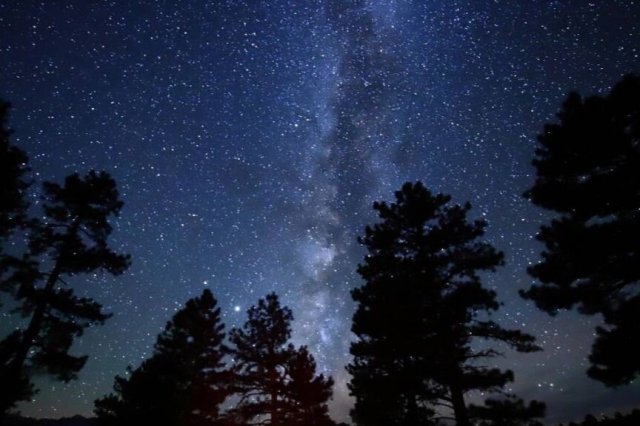
Ridgway, Colorado – United States


Source: Ridgway ColoradoSource: Ridgway Colorado

Source: Ridgway Colorado

One of the three cities in Colorado with the Dark Sky stamp, Ridgway is a town filled with outdoor adventures and glistening skies come sundown. The town takes pride in its dark sky throughout the area, its official website provides tips on how to maintain the dark sky. From usage of low-watt, LED and fluorescent lights, to shielding the light from shining anywhere but downwards, these pointers preserve Ridgway’s dark-sky and allows residents and visitors to enjoy many marvelous images from up above. From any balcony, rooftop, or patio, experience a cliquant display of the milky way, constellations, planets, and even satellites! Travel to Ridgway, Colorado for a celestial view in the Centennial State!

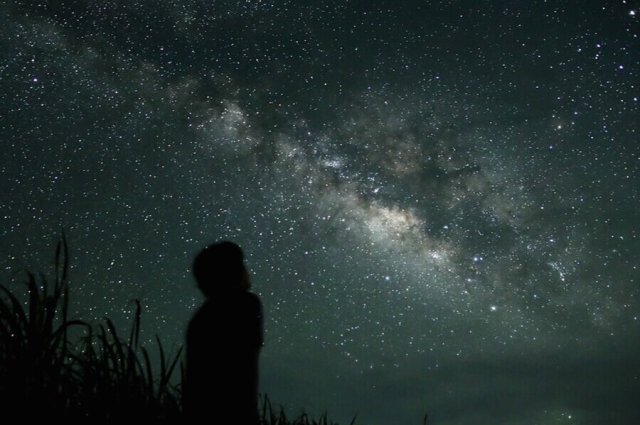
Iriomote-Ishigaki National Park – Japan


Source: About Time MagazineSource: About Time Magazine

Source: About Time Magazine

Located in the Okinawa Prefecture, Iriomote-Ishigaki not only preserves Japan’s only tropical rainforest, but one of the darkest skies in the continent of Asia. The park already has plenty to do in the daytime, such as touring the forests, and various water recreation activities on the island’s breathtaking beaches, but the fun doesn’t end after hours. With tourism playing a major role in Okinawa’s economy, the residents, government officials, and Japan’s Ministry of the Environment put in effort to educate and improve the dark-sky via night tours outside or on the island’s observatory. Annually, there is a celebration event of the park’s dark-skies called the Southern Island Star Festival, which local acts, and Japan’s celebrities put on ravishing performances. For top-tier night skies in a tropical territory, grab your visa and come visit Okinawa’s National Park!

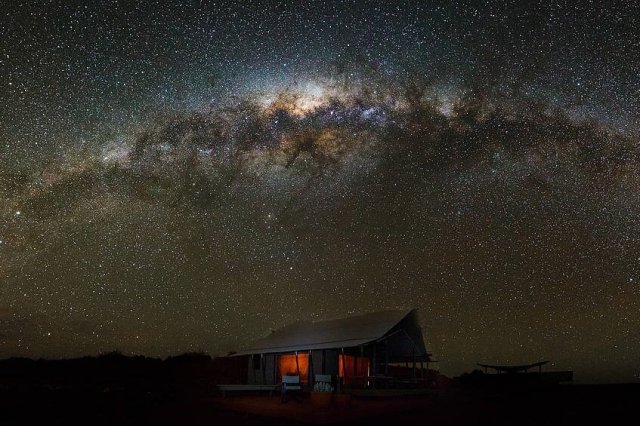
NamibRand Nature Reserve – Namibia


Source: WolwedansSource: Wolwedans

Source: Wolwedans

Moseying on to the Motherland, discover a nature reserve in Namibia, home to Africa’s first IDA-certified setting! While the private reserve staff teaches visitors the benefits of protecting biodiversity and wildlife in the Namib Desert, they also provide information on the joys of less light pollution through its tours, lodging, and educational programs via the Namib Desert Environmental Education Trust (NADEET). Stay at the Kwessi Dunes lodge, or the many camps and lodges through Wolwedans, with each stay having a space for guests to go stargazing and be in awe of the astronomical art above. Some stays even allow the opportunity for guests to sleep under the sparkly stars. Enjoy stellar skies, sustainability, and environmental science when you make a sojourn at NamibRand Nature Reserve!

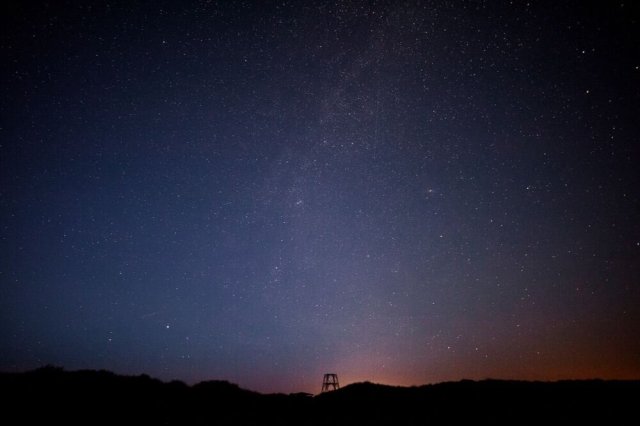
Lauwersmeer National Park – The Netherlands


Source: The StarSource: The Star

Source: The Star

In a country well-known for its “red-light district”, it contains a “district” with no lights at all. The Lauwersmeer National Park in the Friesland and Groningen provinces of Holland has skies so clear, dark, and starry, one could call it the starlight district. In a country that has a lot of nighttime tourist attractions, the National Park provides an escape from the vibrancy of the crowds and artificial lights to a space where sounds and visions of nature prevail. Furthermore, Lauwersmeer allows you to simultaneously enjoy various areas in the park while viewing the dark skies; that is, if you’re not afraid of the dark. Stroll to the Lauwersoog harbor, and hear the eerie, breezy sound of the harbor’s black water. Trek through Zoutkamperril and see a distant, but incandescent view of the Vierhuizen windmills and the fishing marina. However you choose to see the skies, you will leave the park appreciating darkness in the Dutch-speaking department!

Exmoor National Park – United Kingdom


Source: The Best of ExmoorSource: The Best of Exmoor

Source: The Best of Exmoor

The first European reserve to be designated as a Dark-Sky space by the IDA, Exmoor National Park allows night sky enthusiasts to gaze into a clear, sun-free space of over three-thousand stars on a beautiful, English night. Depending on the time of year on your Exmoor escapade, you may experience a different celestial show each time. Spot translucent skies in Spring, a surfeit of shooting stars come late summer into Autumn, and longer nights when Winter arrives. Some of the best places in the reserve to look at the night sky are Brendon Common, Bossington Hill, and Wimbleball Lake, the latter providing a dreamy, lakeside view and sky reflection. There are also many events in the Summer and Fall time promoting dark skies, the primary one being the weeklong, Dark Sky Festival in October. Enjoy nightwalks, telescope viewing, many outdoor (and online) workshops with fellow stargazers for an unforgettable experience. However you choose to enjoy your visual journey, may it entice you to enjoy nature’s beauty.

Wai-Iti – New Zealand


Source: Freedom and SafetySource: Freedom and Safety

Source: Freedom and Safety

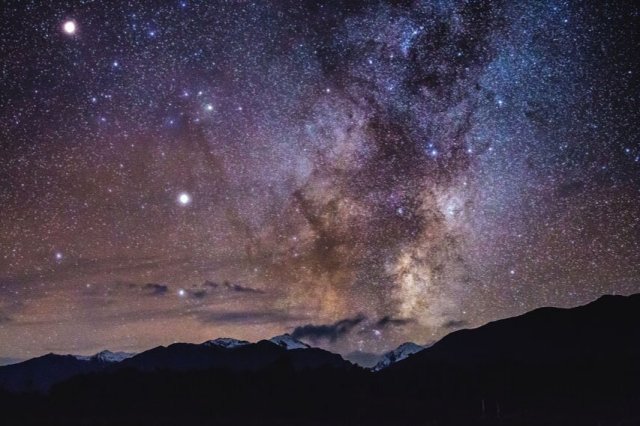
After years of maintaining healthy, dark skies, Wakefield, New Zealand saw its first dark sky being recognized in July of 2020. From the Wai-iti Recreational Reserve to the Tunnicliff Forest, Wai-Iti presents pure and pristine night skies filled with stars and constellations galore! Depending on the time of year (and the status of COVID-19), attend events such as the star parties, where telescopes are set up and local astronomers discuss the importance of limiting unnatural light usage. After witnessing the auroral night skies on this island, may it move you to seek change in your community, and work together for contaminant-free skies.

Flagstaff, Arizona – United States


📸  @loganmayerr📸  @loganmayerr

📸 @loganmayerr

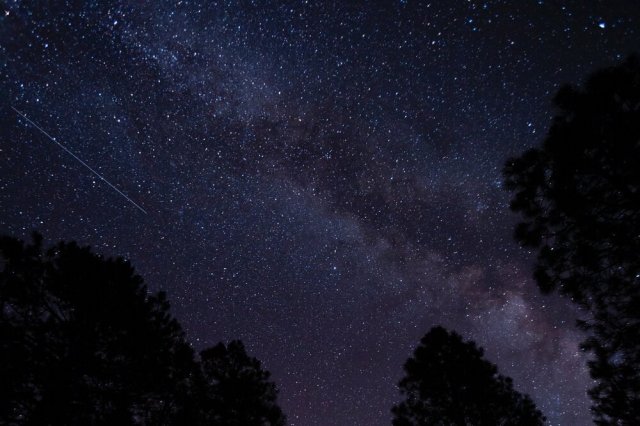
Returning back to America, visit the first place to be officiated as an International Dark Sky Space. Leading the Dark Sky movement since 2001, this city in the Grand Canyon state makes sure that its residential community preserves the pitch-black and blue beauty up above through various outdoor lighting restrictions, and many educational activities. Due to Flagstaff’s famous dark skies, the city is also an astronomy hotspot. Space zealots can have a galactic journey throughout the town, such as the Meteor Crater & Barringer Space Museum in the downtown district. If you plan on visiting during September, stargaze at Buffalo Park, especially when the three-day annual star party comes to town. Not in the mood for an open-air viewing at a park field? Stop by the Lowell Observatory, a space sanctuary in Flagstaff filled with telescopes for your peeking pleasures, and tours and exhibitions with such a rich history in astronomy, and the Arizonan city. Make your time in Flagstaff, and any dark sky reserve, an enjoyable and enlightening moment to eternally treasure!


meet the author


Rj Ross - Rj Ross is a writer at ecomadic. With his BA in communications and love for creative writing, he hopes to inspire and inform many generations about sustainable living and responsible traveling.
IMG_3450.PNG

Rj Ross

Rj Ross is a writer at ecomadic. With his BA in communications and love for creative writing, he hopes to inspire and inform many generations about sustainable living and responsible traveling.


What a Trip: Ayahuasca in the Andes

.parent {
display: inline; position: relative; line-height: 30px; float: left; color: #82be41;
}
.parent a{
margin: 10px;color: #82be41;text-decoration: none;
}
.parent:hover > ul {
display:block;position:absolute;
}
.child {
display: none;
}
.child li {
line-height: 30px;width:115%;text-align:left;
}
.child li a{
color: #82be41;
}
ul{
list-style: none;margin: 0;padding: 0px; min-width:10em;text-align: center;float: right; font-weight: 550;
}
ul ul ul{
left: 100%;top: 0;margin-left:1px;
}
li:hover {
background-color: white;
}
.parent li:hover {
background-color: white;
}
.expand{
font-size:10px;float:right;margin-right:5px;
}

.parent a p{
display: inline; margin: 10px;color: #6e706b;text-decoration: none;
}

What a Trip: Ayahuasca in the Andes


Written by Stephanie Stevens | April 4, 2021


Drug Tourism - Peru.pngDrug Tourism - Peru.png

https://platform-api.sharethis.com/js/sharethis.js#property=5f0bbd9ab9410d0019e80af3&product=inline-share-buttons


They say that travel changes you – that as you experience new places and cultures your eyes are opened to new ideas and ways of thinking. Yet, even as travel gives us these transformative experiences, some seek greater highs and further avenues of transformation while traveling through the use of drugs.

In recent years, international drug tourism has blossomed, as many around the world take flight seeking drug experiences in faraway lands. From cannabis coffeeshops in Amsterdam to hashish in Morocco and full moon parties in Southeast Asia, the industry around drug tourism has continued to expand since it first gained traction in the 60s and 70s. One drug in particular that has recently gained considerable publicity in the Andes region, specifically in Peru, is ayahuasca.

One of the unique aspects about ayahuasca is the broad spectrum of people that are interested in using it. From backpackers to businessmen, the plant’s strong psychoactive effects and healing capabilities make ayahuasca appealing to a diverse group of people. Many seek out the plant for its reported success in alleviating anxiety and depression, while others seek it to help treat drug addictions and mood disorders. There are, however, also dangerous side effects associated with the drug and unfortunately, as interest in ayahuasca has increased across the globe, there have been a growing number of concerning incidents, which have raised questions about the morality and safety of its use.

Ayahuasca: Powerful Plant Medicine

Used by Indigenous communities in the Amazon for hundreds, if not thousands, of years, ayahuasca is a carefully concocted brew of the psychotria viridis shrub (known locally as chacruna) and the banisteriopsis caapi vine (also known as ayahuasca). Both plants are native to the Amazon, hence the extended history of their use in this region of the world.

There are many different Indigenous communities throughout South America that use ayahuasca in ceremony and the brew is known by many different names, depending on the community using it. One community that has long used ayahuasca in ceremony are the Quechua people, who are native to countries in South America, including Peru. The name ayahuasca actually comes from the Quechua language and translates to spirit vine (aya for “spirit” and huasca for “vine”).  

There are many reasons as to why these communities use ayahuasca such as physical and emotional healing, communicating with ancestors and the spirit world, and expanding consciousness, just to name a few. To these Indigenous communities, ayahuasca is a revered plant medicine that deserves profound respect.

So, what is it that gives these plants their hallucinogenic properties? The psychotria viridis plant contains DMT, a naturally occurring psychedelic substance which is broken down by monoamine oxidases (MAOs) enzymes in the liver and gastrointestinal tract when orally ingested. The banisteriopsis caapi vine, on the other hand, contains psychoactive properties of its own as well as MAO inhibitors, which when combined with psychotria viridis, enable DMT to become active in the body. In other words, when these two plants are brought together the result is a powerful psychedelic brew.

To make the drink, a shaman (or curandero) boils the leaves of the shrub and stalks of the vine until the mixture reduces to a thick, strong concentrate. This process is repeated many times until the shaman is satisfied with the brew’s strength and consistency. The beverage is then strained to remove any solids and impurities. Shamans are also known to have their own recipes, adding different herbs and ingredients to aid the body in it’s detoxification process during what is affectionately known as “the purge.”

What is the Experience of Ayahuasca Like?


Source: KahpiSource: Kahpi

Source: Kahpi

An ayahuasca ceremony is a specific ritual that can be described as mentally, physically, spiritually, and emotionally stimulating. The ceremony is typically held at night and begins with the shaman preparing and blessing the space. Each participant is supplied, at the very least, with a comfortable seat or mattress and a bucket, which comes in handy during the body’s purging process (more to come on that). Once everyone is situated, the shaman will start to administer the brew, sometimes through several micro doses.

Within twenty to sixty minutes, the powerful effects of this plant medicine start to take hold. The most common physical side effects include diarrhea and vomiting (grab your bucket!) which are said to be a way that ayahuasca helps the body to purge negative energies. 

Along with these typical physical effects, there are a host of other symptoms that can accompany the consumption of ayahuasca. The reported positive effects are euphoria, greater sense of awareness, spiritual revelations, and feelings of enlightenment. While the more unpleasant effects are feelings of paranoia, fear, and auditory hallucinations. According to most accounts, the majority of people report experiences from both ends of the spectrum.

The experience is said to last anywhere from 4-8 hours and can result in major revelations about nature, the universe, and oneself, which is why journaling and processing once off the drug are essential components of the ayahuasca experience. This is also why it is essential to partake with an experienced shaman that can help you process your experience in a constructive and positive way.

Ayahuasca Tourism: Where it Goes Right & Where it Goes Wrong

As interest in ayahuasca has increased around the world, tourism associated with this drug has ballooned, especially in the past 20 years. In an effort to keep up with demand, lodges and retreat centers all over Peru have started to combine their jungle and nature tours with ayahuasca ceremonies, drawing tens of thousands of tourists from around the world eager to participate. The Iquitos region in particular, located in Northern Peru near the Amazon jungle, is estimated to have up to 100 different retreat centers with the primary selling point being the chance to participate in an ayahuasca ceremony.

With more mainstream use of the drug, there have been a number of uplifting anecdotes from people who have tremendously benefited from the ayahuasca experience. In addition to helping alleviate symptoms of anxiety and depression, ayahuasca is said to have the potential to help those suffering from post traumatic stress disorder, arthritis, diabetes, and drug addiction. There is also some compelling research that shows that DMT may benefit brain health by protecting brain cells from damage. Some of the brightest reports demonstrate the drug’s ability to help people understand themselves better and gain greater clarity on their life’s direction, purpose, and meaning.

The increase in tourism associated with ayahuasca has also led to the stimulation of local economies. The cost of an ayahuasca retreat can vary, ranging anywhere from $50 to $3000, which can help supply local shamans, healers, and community members with valuable income. There have also been reports, however, that the increase in ayahuasca tourism has led to the plant becoming too expensive for locals, potentially making it more difficult for Indigenous communities to maintain these spiritual practices that are an important part of their cultural heritage.

Unfortunately, the rise in popularity of ayahuasca has also led to some negative incidents, often stemming from the emergence of some bad characters. One of the most important parts of an ayahuasca ceremony is the role of the shaman, who are typically men that have been selected or have emerged as spiritual leaders of their communities. Given their authority over the group, shamans are awarded valuable power and influence and sometimes this power is abused. In the past decade, there have been numerous accounts of deceitful or fraudulent shamans who have been accused of taking advantage of participants’ sexual, mental, physical, and emotional health. Some shamans have even been exposed as liars, kidnappers, and rapists. As a result, many retreat participants, mostly women, have come forth with stories of abuse and manipulation by deceptive shamans, which has put ayahuasca in a negative light. 

With the strong physical effects associated with the drug, ayahuasca is certainly not suitable for everyone. There have been several reports of international travelers responding very poorly to the drug, experiencing severe side effects, including extreme sadness, hopelessness, and even death. Given the drug’s strong hallucinogenic properties, some have even reported that the drug had opened a spiritual door that they felt they couldn’t close. This is why it is so important to do your homework before partaking in ayahuasca to ensure your safety and wellbeing; ayahuasca is not something that should be taken lightly or ingested on a whim while traveling.

Use Responsibly: Do Your Research & Plan in Advance

There is no question that this powerful brew results in healing experiences for many. If you are planning to travel to Peru or any part of the world to consume ayahuasca, proceed with caution. It is the advice of many in the ayahuasca industry that tourists should be clear about what their intentions are with an ayahuasca experience and that they should come with an open mind about what that experience might bring them. In fact, many centers are known to turn tourists away if they feel that their intentions for an ayahuasca ceremony are not pure.

The ayahuasca experience is different for everyone, but at the end of the day it is a drug that will alter your consciousness and likely your ability to control your physical body.  With shamans playing such an integral role in the proceedings of an ayahuasca ceremony, it is essential that you do your research to pick an experienced shaman that you can trust. Most reputable retreat centers have comprehensive websites where you can read about the shamans and speak to someone about the experience prior to travel.

Since this drug is also said to heighten emotions, it’s wise to only consume ayahuasca when in a positive frame of mind. Being in a new place in itself can spark feelings of freedom, joy and even enlightenment and ecstacy. If you decide to take these feelings to new heights with ayahuasca, remember to do your research, be respectful of local customs, and to always show reverence for this plant medicine that has long been a prominent spiritual practice of Indigenous communities around the world.


Sources:

Peru’s Ayahuasca Industry Booms as Westerners Search for Alternative Healing – The Guardian

Ayahuasca: The Dark Side and Dangers – The Recovery Village

The Ayahuasca Phenomenon – MAPS

‘I Was Sexually Abused by a Shaman at an Ayahuasca Retreat’ – BBC

7 Destinations Where Drug Tourism is Thriving – Oyster

The Endogenous Hallucinogen and Trace Amine N,N-Dimethyltryptamine (DMT) Displays Potent Protective Effects against Hypoxia via Sigma-1 Receptor Activation in Human Primary iPSC-Derived Cortical Neurons and Microglia-Like Immune Cells – Frontiers in Neuroscience


meet the author


Stephanie Stevens - Stephanie is a writer and photographer passionate about sustainable living, mindfulness, and exploring the outdoors. She loves microadventures but her favorite part about traveling abroad is immersing herself in other cultures. When she’s not writing, you can find her drinking coffee, playing soccer, or backpacking.
Stephanie_WebsitePhoto.jpg

Stephanie Stevens

Stephanie is a writer and photographer passionate about sustainable living, mindfulness, and exploring the outdoors. She loves microadventures but her favorite part about traveling abroad is immersing herself in other cultures. When she’s not writing, you can find her drinking coffee, playing soccer, or backpacking.


17 Sustainable Stays, Eats, Shops, and Experiences in Washington D.C.

.parent {
display: inline; position: relative; line-height: 30px; float: left; color: #82be41;
}
.parent a{
margin: 10px;color: #82be41;text-decoration: none;
}
.parent:hover > ul {
display:block;position:absolute;
}
.child {
display: none;
}
.child li {
line-height: 30px;width:115%;text-align:left;
}
.child li a{
color: #82be41;
}
ul{
list-style: none;margin: 0;padding: 0px; min-width:10em;text-align: center;float: right; font-weight: 550;
}
ul ul ul{
left: 100%;top: 0;margin-left:1px;
}
li:hover {
background-color: white;
}
.parent li:hover {
background-color: white;
}
.expand{
font-size:10px;float:right;margin-right:5px;
}

.parent a p{
display: inline; margin: 10px;color: #6e706b;text-decoration: none;
}

17 Sustainable Stays, Eats, Shops, and Experiences in Washington D.C.


Written by Stephanie Stevens | April 2, 2021


📷  Tim Kubasik @tkubs_📷  Tim Kubasik @tkubs_

📷 Tim Kubasik @tkubs_

https://platform-api.sharethis.com/js/sharethis.js#property=5f0bbd9ab9410d0019e80af3&product=inline-share-buttons


As the capital city of the United States, Washington D.C. is often known for its deep historical roots, government buildings, and historical monuments. However, D.C. is so much more than the epicenter of American politics – it is a city brimming with rich culture, an eclectic international food scene, iconic museums, and beautiful parks & scenery. Many travel to this East coast city to explore the history that lives in places such as the White House, Smithsonian Museum, and the National Mall, but D.C. is also a landing place for dreamers and change makers seeking greater change in the world at large.

As a major cultural center of America, D.C.’s diverse makeup can be seen (and tasted) in the vibrant food and arts scene that spans all across the city. From the political hub of Capitol Hill to trendy Georgetown to the vibrant U Street Corridor, D.C. offers so much to taste, explore, and experience. This guide features D.C. accommodations, eateries, shops, and experiences that are highlighted for their efforts in protecting the environment, supporting local communities, and fostering political and social change. Be sure to support them and their causes the next time you find yourself in the nation’s capital!

Eco-Accommodations

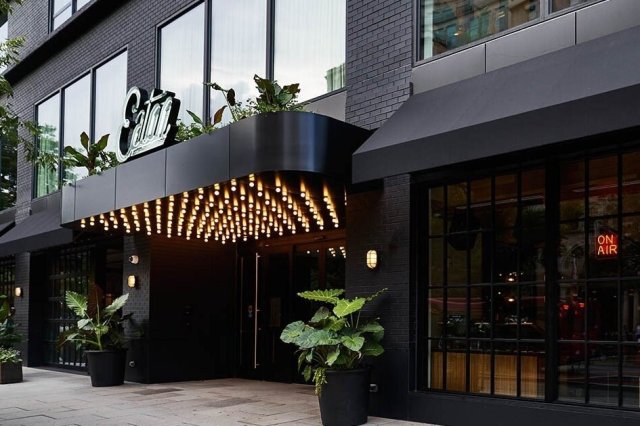
Eaton DC


Source: Eaton WorkshopSource: Eaton Workshop

Source: Eaton Workshop

Price Range – $$

Book this place

Eaton Hotel in DC is more than a hotel, it is a part of a mission-driven hospitality company that is dedicated to shaping a better world through values of equity and inclusivity. In creating a place for people to gather, commune, and collaborate, Eaton strives to contribute to broader change in local communities, ecosystems, and the world at large. Located in the heart of downtown and just steps from the White House, this hotel is a great place for travelers to rest, learn, and feel inspired while visiting America’s capital city. Part of Eaton hotel is the Eaton House – a workspace that was created for people to work independently or collaboratively towards greater social change. The hotel also has an amazing all day restaurant, American Son, which serves American favorites made with local ingredients and seasonal produce from the hotel’s rooftop garden. If you’re in need of some relaxation during your stay, you can head to the hotel’s wellness center which offers yoga, meditation, sound baths, and an infrared sauna. If you prefer to relax with a libation, the hotel also has two bars, a speakeasy called Allegory and a rooftop club called Wild Days.

Viceroy Washington DC


Source: Viceroy Washington DCSource: Viceroy Washington DC

Source: Viceroy Washington DC

Price Range – $$$

Book this place

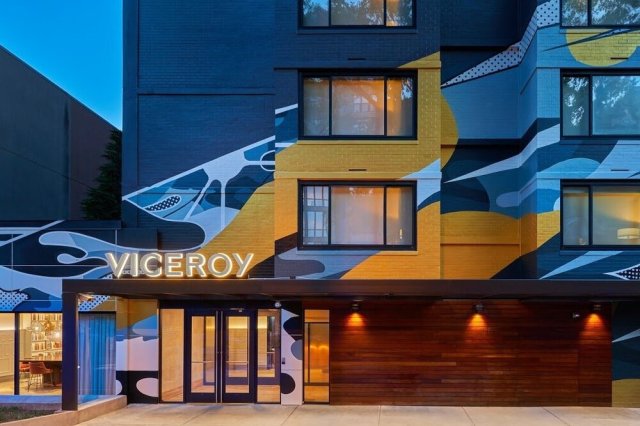
The Viceroy in Washington D.C. is a modern luxury and art-forward hotel with many eco-friendly initiatives. Located in trendy Logan Circle, the hotel’s many amenities include a coffee & wine bar, art gallery featuring local artists, spacious outdoor patio, fitness center, and a rooftop pool. The hotel strives to reduce its environmental footprint through many sustainable practices including but not limited to: a linen and towel reuse program, use of non-toxic cleaning products, refillable bottles for toiletries, a comprehensive recycling program, and use of LED light bulbs. Just a short walk from the many shops, sites, and museums D.C. has to offer, the Viceroy is a great option for your next trip to America’s capital city.

Hotel Zena


Source: Hotel ZenaSource: Hotel Zena

Source: Hotel Zena

Price Range – $$$

Book this place

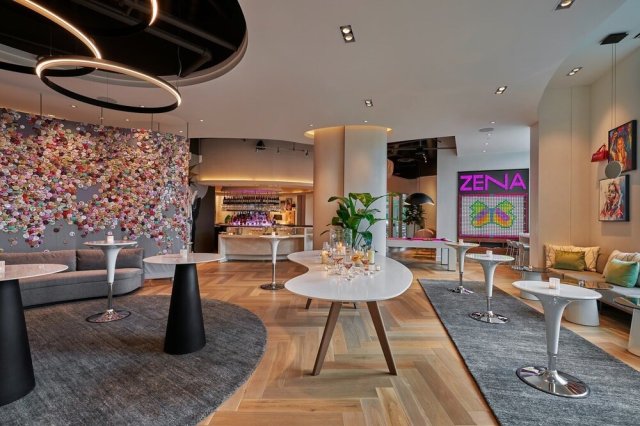
Hotel Zena is a contemporary hotel in downtown D.C. that celebrates and welcomes all different genders, races, cultures, and sexualities. Located on vibrant 14th street on Thomas Circle, the hotel is a place where travelers are invited to relax deeply, think freely, and dream brightly. As a part of Viceroy Hotels, Hotel Zena strives to reduce its environmental footprint through many sustainable practices including but not limited to: a linen and towel reuse program, use of non-toxic cleaning products, refillable bottles for toiletries, a comprehensive recycling program, and use of LED light bulbs. There are also many amazing amenities at Hotel Zena, including the hotel’s rooftop, which features a pool, bar, and impressive city views. In the hotel’s art collection, simply tiled “Her”, guests will find inspiration in powerful art pieces showcasing females from around the world.

Socially Responsible Eateries

Busboys and Poets


Source: Busboys and PoetsSource: Busboys and Poets

Source: Busboys and Poets

Price Range – $$

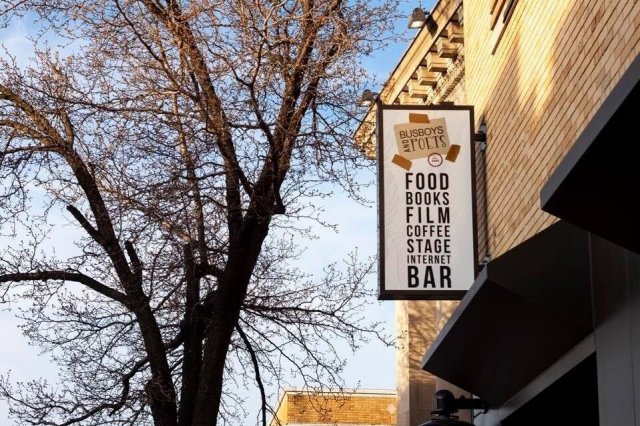
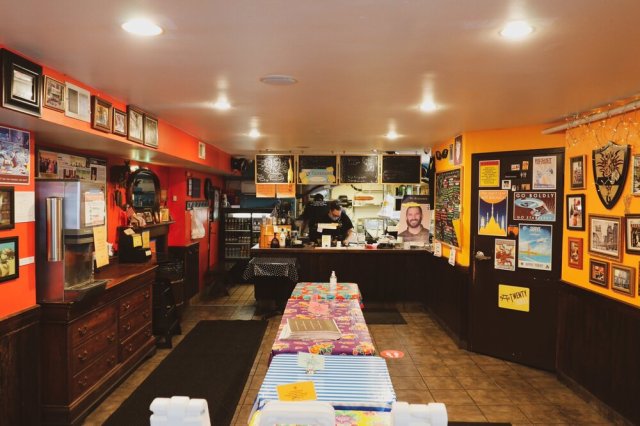
Busboys and Poets is a restaurant, bookstore, and community gathering space that invites conversation and connection surrounding art, culture, and politics. What began as a single D.C. location, Busboys and Poets now has seven successful locations in the Washington D.C. metro area. Environmentally conscious, the company strives to minimize their footprint by infusing sustainability into all aspects of operations. At their restaurants, they serve fair trade coffee and tea, organic milk and dairy products, organic eggs, sustainable seafood, and local, organic greens. Menus are printed on recycled paper, oil is reused for biofuel, and all five D.C. locations utilize 100% renewable wind energy. Each location also hosts regular poetry events and contains a Busboys and Poets bookstore where customers can read about and discuss social, political, and cultural issues. With a visit to Busboys and Poets, you will feel rejuvenated by mind, body, and soul!

Bub and Pop’s


Source: Tim KubasikSource: Tim Kubasik

Source: Tim Kubasik

Price Range – $

Bub and Pops is a beloved, locally owned D.C. sandwich shop that is inspired by owner Jonathan’s grandparents, Mae and Irving Wagner (Bub and Pop). When Irving came home from WWII, nearly 70 years ago, the two decided to open up a shop of their own in West Philadelphia where they served delicious sandwiches, including an Italian Hoagie and a Braised Beef Brisket Sandwich. Today, all these years later, Jonathan uses these two sandwiches from his grandparents as inspiration for the menu at Bub and Pop’s, which has amazing soups, salads, and sandwiches – including vegan and vegetarian options! Located in Northwest, everything at Bub and Pops is made from scratch in house, which makes this place a step above the rest.

Immigrant Food


Source: Immigrant FoodSource: Immigrant Food

Source: Immigrant Food

Price Range – $$

Immigrant Food was created as a celebration of America’s immigrants. Founded by global policy expert Peter Schechter and esteemed Chef Enrique Limardo, the food at Immigrant features creative fusions of ingredients, flavors, and cooking techniques from around the world. Chef Enrique is an immigrant himself, originally from Caracas, Venezuela and has found great success with many food ventures in the D.C. metro area. Co-founder Peter came up with the idea for Immigrant as a way to pay homage to his parents, who were immigrants from Austria and Germany. Together at Immigrant Food, the two aim to celebrate immigrants and bring people together through food – a mission they call gastro-advocacy. With this great cause and unique culinary offerings such as the Mumbai Mariachi bowl, this cause-casual spot is the perfect spot to broaden your culinary horizons while getting a quick bite in D.C.

Lucky Danger


Source: Anna Meyer PhotographySource: Anna Meyer Photography

Source: Anna Meyer Photography

Price Range – $$

Lucky Danger is a American Chinese spot in Mount Vernon Triangle co-founded by chefs Tim Ma and Andrew Chiou, who are both the sons of Taiwanese immigrants. Chef Ma, who is also the head chef at American Son in D.C., is one of the chefs behind Chefs Stopping AAPI Hate, which is a weekly dinner series that gives customers the chance to purchase a five course takeout dinner with the proceeds going towards supporting AAPI communities and organizations. Currently only available for takeout, Lucky Danger serves both American Chinese favorites, such as Kung Pao Chicken and Veggie Lo Mein, as well as traditional Chinese dishes, including Pig Ear Salad. The packaging at Lucky Danger is unique too, with food being served in compostable containers with funky, retro stickers. This sustainable practice in combination with the restaurant’s amazing food makes Lucky Danger a must try when it comes to Chinese food in D.C.

Mr. Braxton Bar & Kitchen


Source: Tim KubasikSource: Tim Kubasik

Source: Tim Kubasik

Price – $$ 

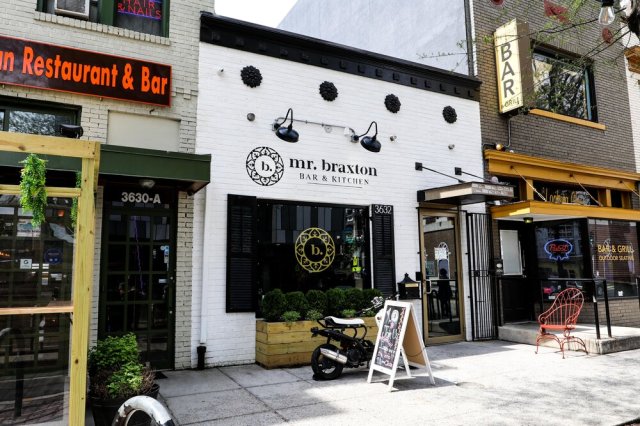
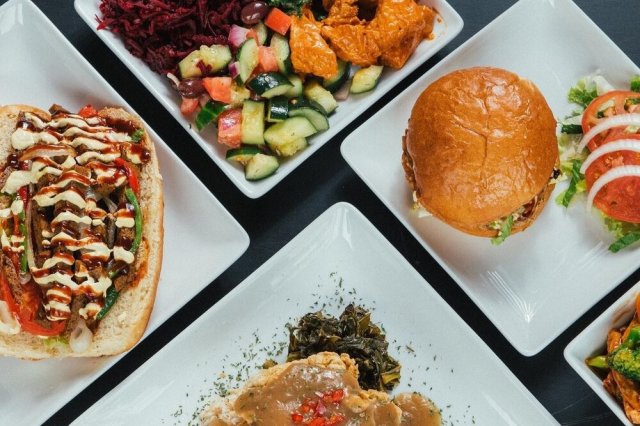
Mr. Braxton Bar & Kitchen is a Black-owned restaurant in Parkview serving eclectic American cuisine with an international flair. Open for dinner and weekend brunch, the restaurant menu includes starters, entrees, sandwiches, and desserts with many vegan and vegetarian options. The restaurant does their best to source local ingredients from the DMV and offers a great selection of local beers, wines, and spirits. On the spacious back patio, where local DJs and musicians perform regularly, you’ll find plants, hanging lights, and an amazing black and white floor to ceiling mural. This intimate setting, along with the restaurant’s amazing food and commitment to sourcing locally, make this spot perfect for a romantic date night, casual meetup, or a night out with friends!

Roaming Rooster


Roaming+Rooster.jpgRoaming+Rooster.jpg

Price – $$

Roaming Rooster is a fried chicken eatery that started in 2015 with a mission to create delicious, mouth watering comfort food that customers could feel good about eating. What started as a single food truck, this locally owned spot now has three locations around D.C. including Woodridge, U-Street, and Tenleytown. The menu features five popular variations of fried chicken sandwiches, as well as various sides and add-ons, such as fries, coleslaw, pickles, and honey butter. All of the chicken used at Roaming Rooster is free range, which means that the birds are provided consistent access to the outdoors and the chickens are also raised without antibiotics and without the use of chemicals. This commitment to high quality sourcing, along with the restaurant’s flavorful preparations, make this popular spot a must try in the D.C. area!

NuVegan Café


Source: NuVegan CaféSource: NuVegan Café

Source: NuVegan Café

Price Range – $

NuVegan Café is a casual, family owned eatery that is striving to change the perception of vegan food. Located in Northwest, this vegan spot serves amazing and affordable soul food that is great for any eater no matter their lifestyle. From sweet kale salad to mac & cheese and jumbo size cinnamon rolls, NuVegan has something for everyone to enjoy. The hot bar and chef specials change daily and the cafe is committed to promoting conscious consumption, using organic ingredients whenever possible!

Chaia Tacos


Source: Chaia TacosSource: Chaia Tacos

Source: Chaia Tacos

Price Range – $

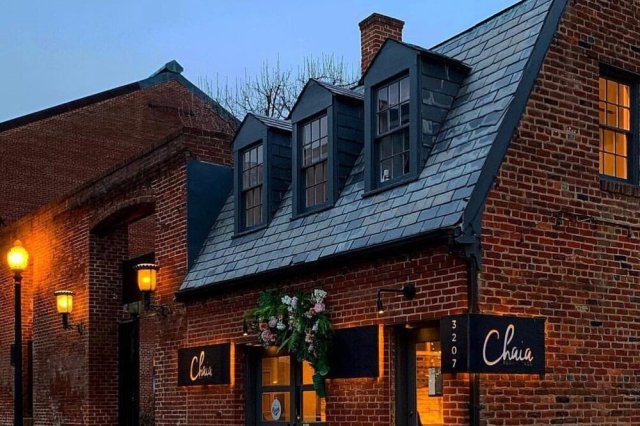
Chaia is a female run business serving amazing plant-based tacos and sides in trendy Georgetown. The delicious tacos at Chaia are made using seasonal vegetables and local ingredients which they source from partnerships with local farms. You can’t go wrong with anything on the menu at Chaia, which is kept small intentionally so that everything is done right. In addition to house made corn tortillas and salsas, everything at Chaia is nut-free and gluten free. Want something refreshing to wash down your meal? Try a local kombucha, housemade soda, Chaia margarita, or local beer!

CALABASH TEA


Source: CALABASH TEASource: CALABASH TEA

Source: CALABASH TEA

Price Range – $

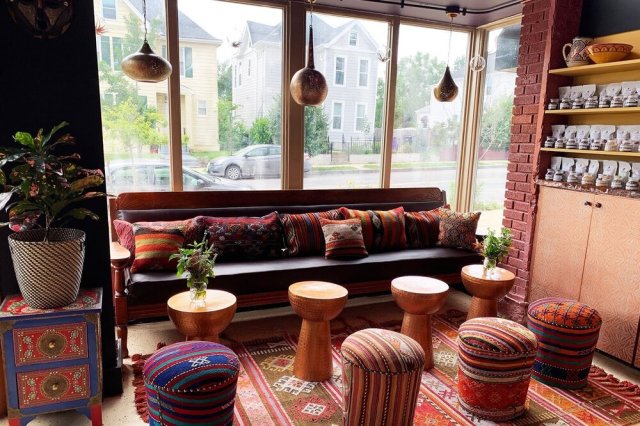
CALABASH Tea is a locally owned herb store offering an incredible array of herbs, spices, award winning teas, body care products, vegan eats, and so much more. The store’s founder, Sunyatta Amen, is a 5th generation master herbalist and natural lifestyle expert, who grew up behind the counters of her father’s various herb shops and vegan juice bars in Harlem. She was inspired to create her own stores with the intention of decolonizing wellness and creating beautiful spaces where everyone is granted access to better health. With two locations in Northeast and Northwest, a visit to CALABASH can lead you towards greater health from the inside out!

Sankofa Video Books & Cafe


Source: Sankofa Video Books & CafeSource: Sankofa Video Books & Cafe

Source: Sankofa Video Books & Cafe

Price – $

Located across from Howard University, Sankofa Video Books & Cafe is beloved coffeehouse and bookstore featuring an impressive selection of books and delicious eats and espresso. Sankofa, which means “going back in our past in order to go forward” was founded in 1998 by Haile and Shirikiana Gerima, a filmmaking couple who released a film by the same name. When it comes to Sankofa’s books, the store specializies in videos and stories about people of African descent around the world. With it’s close proximity to the university, Sankofa also hosts regular live music nights featuring promising talent from Howard’s music school as well as local and international artists.

Social Enterprise Shopping

The Outrage


Source: WashingtonianSource: Washingtonian

Source: Washingtonian

Price Range – $$

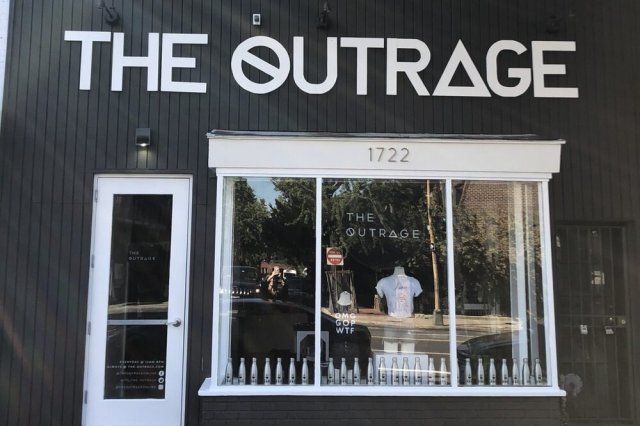
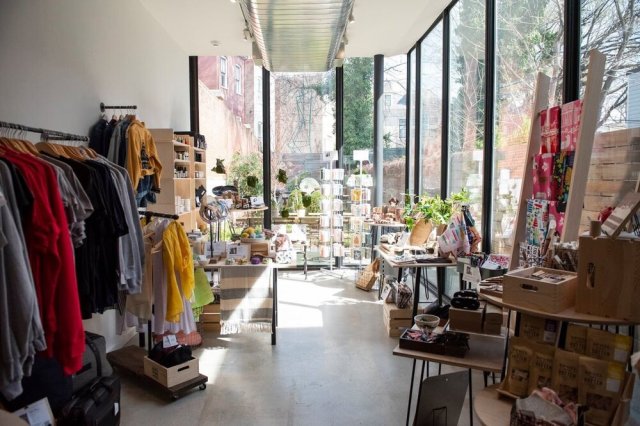
Located on bustling 14th street, The Outrage is a social enterprise shop and activist hub that seeks to mobilize activists by leveraging the power of community and fashion. At The Outrage you can find everything from clothes, accessories, and jewelry to books, stickers, and stationary – all branded with important social movement messages. As an active agent of social change, The Outrage donates to progressive organizations with every single purchase. The shop also gives customers the chance to register to vote at checkout and teaches the community about how they can contact their representatives to urge action on important issues and movements, such as immigrant rights, women’s rights, environmental justice, Indigenous rights, and Black Lives Matter. Stop by The Outrage (or visit their online shop!) to get involved in the fight for change.

Gift Shop


Source: Gift ShopSource: Gift Shop

Source: Gift Shop

Price Range – $$

Gift Shop features an ever-changing selection of brands and creations made by Black entrepreneurs in DC, Maryland, and Virginia. Located in Northeast near Union Market, Gift Shop is a brick and mortar store that gives customers a physical space to discover and support local, Black-owned brands. There are many different products featured in the store including clothing, home decor, and accessories and with a constantly rotating selection, there is always something new to discover.

Shop Made in DC


Source: Shop Made in DCSource: Shop Made in DC

Source: Shop Made in DC

Price Range – $$

As the name suggests, Shop Made in DC is the place to shop an amazing rotating selection of products made locally by D.C.’s artists, makers, and creatives. With four locations around the District, Shop Made’s rotating selection features a variety of products from apothecary, art, and apparel to jewelry, furniture, and home decor. The shop was started by Stacy Price and Michael Babin who came together with the mission to celebrate the local maker movement in the District and to assist in the growth of local artisans. The selection is always changing at Shop Made, which makes it the perfect place to find unique products while supporting the local community.

Ethical Experiences

Potomac Heritage National Scenic Trail


Source: Sara CottleSource: Sara Cottle

Source: Sara Cottle

Price Range – $

Explore this experience

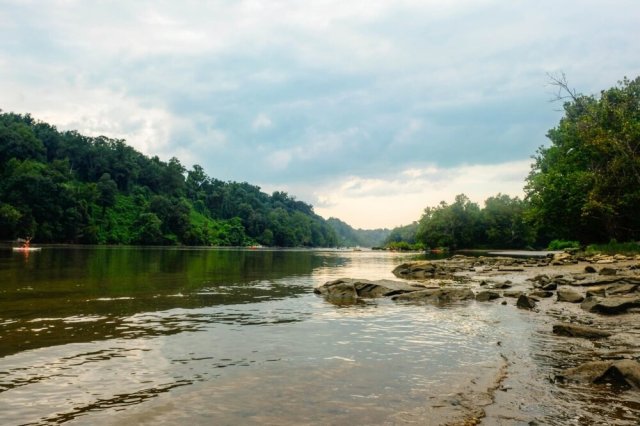
The Potomac Heritage National Scenic Trail is a lengthy trail network that spans over 800 miles and connects various trails and historic sites in Virginia, Maryland, and Pennsylvania, and the District of Columbia. Managed by the National Park Service, the trail traces the Potomac River corridor, the Ohio River watershed in Pennsylvania and western Maryland, and part of the Rappahannock River watershed in Virginia. With many different recreational activities available, such as hiking, biking, and paddling, this expansive trail system is a great way to experience the beautiful scenery and rich history of the Washington D.C. area.


meet the author


Stephanie Stevens - Stephanie is a writer and photographer passionate about sustainable living, mindfulness, and exploring the outdoors. She loves microadventures but her favorite part about traveling abroad is immersing herself in other cultures. When she’s not writing, you can find her drinking coffee, playing soccer, or backpacking.
Stephanie_WebsitePhoto.jpg

Stephanie Stevens

Stephanie is a writer and photographer passionate about sustainable living, mindfulness, and exploring the outdoors. She loves microadventures but her favorite part about traveling abroad is immersing herself in other cultures. When she’s not writing, you can find her drinking coffee, playing soccer, or backpacking.


Tips for a Healthier and Greener City Life

.parent {
display: inline; position: relative; line-height: 30px; float: left; color: #82be41;
}
.parent a{
margin: 10px;color: #82be41;text-decoration: none;
}
.parent:hover > ul {
display:block;position:absolute;
}
.child {
display: none;
}
.child li {
line-height: 30px;width:115%;text-align:left;
}
.child li a{
color: #82be41;
}
ul{
list-style: none;margin: 0;padding: 0px; min-width:10em;text-align: center;float: right; font-weight: 550;
}
ul ul ul{
left: 100%;top: 0;margin-left:1px;
}
li:hover {
background-color: white;
}
.parent li:hover {
background-color: white;
}
.expand{
font-size:10px;float:right;margin-right:5px;
}

.parent a p{
display: inline; margin: 10px;color: #6e706b;text-decoration: none;
}

Tips for a Healthier and Greener City Life


written by Giuliana Gentile | March 26, 2021


Source: Megan MarkhamSource: Megan Markham

Source: Megan Markham

https://platform-api.sharethis.com/js/sharethis.js#property=5f0bbd9ab9410d0019e80af3&product=inline-share-buttons


Urban Life & The Consequences of Lockdown

With an analysis conducted by some researchers at the Vancouver School of Economics and McGill University, it was found that “life is significantly less happy in urban areas”. The goal of this study was to map the geography of wellbeing throughout Canada. The data collected through a survey shows that people living in areas with a lower density of population reported higher levels of happiness when compared to those living in more populated areas. Thus, individuals living in highly populated areas have reported to be less satisfied with their overall quality of life.

According to the WHO, the effects of the current pandemic (bereavement, isolation, loss of income and fear) are triggering mental health conditions and exacerbating existing ones. Experiencing the lockdown in a small enclosed environment, such as an average apartment in a big city, can have extremely negative effects on our mental health.

To escape from these frustrating conditions, we need to reconnect with nature and keep healthy habits inside and outside of our home.

How Can We Make Urban-Living More Sustainable & Healthy?

Walk & Exercise 

The easiest way to get some fresh air and keep our bodies in motion is to take long walks. Put on some comfy shoes and try to walk as much as possible throughout the week (best if it’s early in the morning to avoid crowds). It’s great exercise and will considerably improve your mood for the day. You can also find some trekking and hiking trails to visit in your free time. Walking is the best way to connect with nature and escape the pollution of the big cities. Additionally, you can always find some youtube videos for exercising from home. It’s important to get some extra movement during these strange times, not only to stay in shape, but to improve our mental health while keeping our bodies healthy.


Chicago, IL.  📷  @rvrmakesChicago, IL.  📷  @rvrmakes

Chicago, IL. 📷 @rvrmakes

Plants & Pets

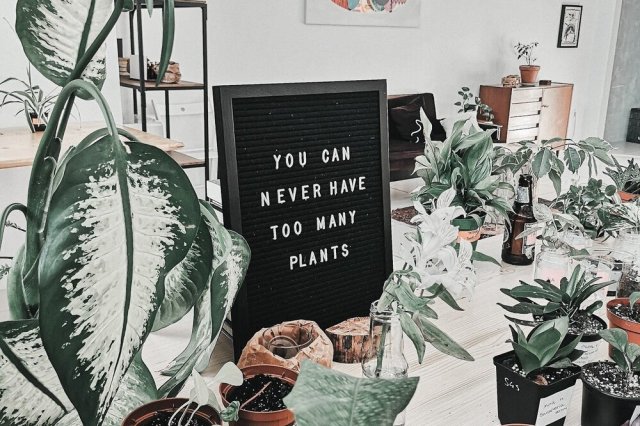
Especially when living alone, we feel the need for social interactions over text messages and virtual meetings. The best and safest way to remedy that is to get a pet; an inestimable source of joy and companionship. However, if you’re not able to, you can always fill your house with plants! It’s always gratifying to take care of living things, and it will make your environment green and full of life (but remember to make sure the plants are not toxic for your furry friends!). If you’re not so much of a plant expert, don’t worry, technology is here to help. Make sure to write down the name of the plant you’re buying, and then google it! There’s plenty of stuff to learn. Also, there are many apps to keep your plants healthy and well fed, you can check them out on this list.


Urban Jungle. Source: Miska SageUrban Jungle. Source: Miska Sage

Urban Jungle. Source: Miska Sage

Watch Documentaries

When you don’t have the possibility to go outside, you can always connect with nature online. Documentaries give you the opportunity to learn about the wilderness, and escape from the four walls where we spend most of our time. Those beautiful visuals will make your mind wander, and you’ll feel way more connected to the world around you.

Tip: Here are the best ones to watch on Netflix.


Source: Mollie SivaramSource: Mollie Sivaram

Source: Mollie Sivaram

Stimulate Your Creativity

Create, create, create! It doesn’t matter how, it doesn’t matter if you’re not “good” at it, just find a creative outlet. Take a piece of paper and draw, grab some paint and make an abstract painting, play an instrument, make up some choreography to your favorite song and dance around, redecorate your room, print some pictures and make an album, give yourself a makeover, create an outfit for your dog… literally anything works!


📷  @tim_arterbury📷  @tim_arterbury

📷 @tim_arterbury

Visit Parks & Botanical Gardens 

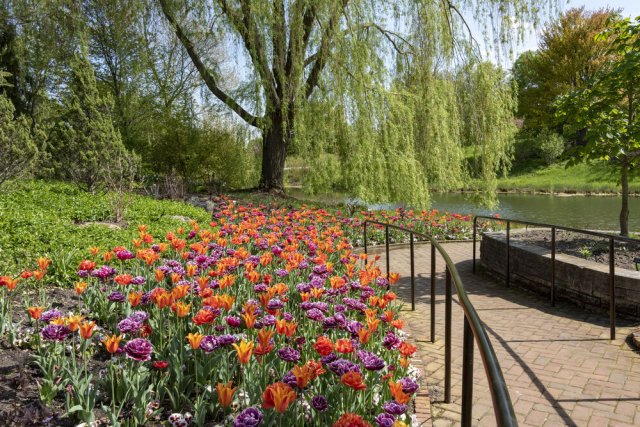
This might seem like an obvious one, but we’re often so overwhelmed by this feeling of isolation that we forget to appreciate the little things. Going to a park or a botanical garden could really give you that boost of energy you need, simply with a change of scenery. Honestly, it will also give you an opportunity to get out of your sweatpants and feel pretty again. It’s definitely worth a try!


Source: Chicago Botanic GardenSource: Chicago Botanic Garden

Source: Chicago Botanic Garden

Healthy Food & Fresh Ingredients 

We all need some comfort food right now, but remember that delicious doesn’t necessarily mean unhealthy. Now more than ever we need to think about our wellbeing, and that implies giving our bodies the right nutrients. Avoid fried and highly processed food, unhealthy snacks in-between meals, and instead make lots of smoothies and fruit salads to snack on throughout the week.

Remember that we’ve considerably slowed down our daily rhythms, so our bodies require way less caloric intake. Don’t make yourself guilty stressing about your weight, just eat whatever feels right for you, as long as it’s good for your health.


📷  @annapelzer📷  @annapelzer

📷 @annapelzer

How Can We Make Cities Greener?

To live a greener city-life, we should be making our cities greener in the first place. So here are some ideas to share and reflect on:


Source: National GeographicSource: National Geographic

Source: National Geographic

Alternative Construction Materials

The most common city landscape is a skyline of tall buildings made out of concrete… but is this really the best strategy for urban construction? Well, let’s start with the fact that the production of cement (key component of concrete) is responsible for 8% of all the CO2 emissions in the world. Do we need to find a futuristic, undiscovered material to change our current ways of construction? Not necessarily! Our ancestors already found the solution. Materials such as straw bales, rammed earth, bamboo, wood, clay and other natural mediums have been used for millennia in efficient and ingenious ways.

Architectural Design 

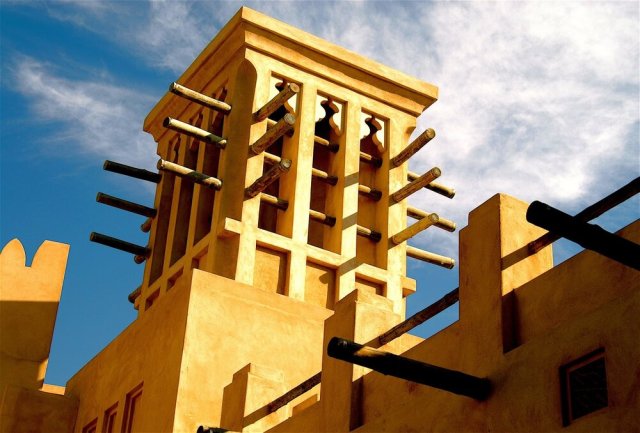
Sealed, concrete buildings make us dependent all year long on heating systems and air conditioning to keep a comfortable temperature inside our home. Now, picture this: according to The Guardian “a small unit cooling a single room, on average, consumes more power than running four fridges, while a central unit cooling an average house uses more power than 15”. An alternative to this waste of energy is to change the architectural design of modern buildings; and again our ancestors have the answer. Buildings can be designed to allow ventilation in a natural and sustainable way. A great example is the Barjeel – or wind tower – in Dubai, which reimagines Emirati wind towers using 480 layers of recycled cardboard. An article by Dezeen explained that “with the first examples dating back to 3100 BC, historically the wind towers were built to accompany small houses and villas in the region, acting as natural, non-electrical forms of air-conditioning. Originally made from basic materials such as palm branches and leaves, the Barjeel gradually increased in scale and advanced in materials, eventually being made from mud, clay and bricks”.


Source: PinterestSource: Pinterest

Source: Pinterest

Light Colors

Here’s another futuristic idea that will blow your mind: painting all the buildings white. That’s right, it’s that easy! Dull, dark-colored home exteriors absorb 70% – 90% of the radiant energy from the sun, warming our homes, while light colored surfaces actually reflect most of the heat away from the surface. Another good solution is to apply a reflective coating to our existing roofs and windows.

Introducing More Green

Surprisingly, one of the ways to make our cities greener is to introduce more green. Other than parks and botanical gardens, we can always add plants to our walls, roads, sidewalks, and rooftops. Plants, in fact, enhance shading and ventilation, absorb carbon dioxide, and improve air quality (they also look way prettier than concrete).

An innovative design first introduced in Milan, Italy, is the vertical forest, which consists in two towers entirely covered with vegetation. The concept behind this is to build a “home for trees that also houses humans and birds”.


Source: Stefano Boeri ArchitettiSource: Stefano Boeri Architetti

Source: Stefano Boeri Architetti

Alternative Energy

The Noor-Ouarzazate complex in Morocco, the world’s largest concentrated solar power plant, produces enough electricity to power a city the size of Prague; saving the planet from over 760,000 tonnes of carbon emissions. This is not science fiction, it really exists, and could be the future of the energy industry (if we’re smart enough to embrace it).


Source: Helioscsp, Dennis DehavenSource: Helioscsp, Dennis Dehaven

Source: Helioscsp, Dennis Dehaven

Potentially, our greatest source of energy is the sun: 430 quintillion joules of the sun’s energy fall on Earth every hour, that’s roughly equivalent to 2000 nuclear bombs every second. Of this energy, humanity only uses 410 quintillion joules in a yearhow clever of us. In one year, we fail to use all of the energy the sun can provide in a single hour. But hey, let’s keep using fossil fuels instead, it’s destroying our planet and it has historically always been a source of international conflict. That’s way better! Right? Wrong. Other alternative and sustainable forms of energy are hydroelectric, wind energy, wave energy, amongst others; all of them wildly in disuse.

The Future of Civilization

These are just a few of the improvements that could be implemented in our cities within the next few years. There’s a million more things we could do as communities to improve urban life, such as fully switching to electric cars, funding campaigns and educational programs about sustainability, and completely eliminating single-use plastics. We could also start opening and advertising way more vegetarian and vegan restaurants, making vegetarian and vegan products more accessible in supermarkets, promoting the support of small businesses instead of big corporations, and so on. Just imagine the benefits and progress that would come from all of these implementations. There’s a lot to do, and we’re only getting started.


Want to learn more?

Green Buildings Could Save Our Cities – National Geographic

Cooling Your Home Naturally – Energy Efficiency And Renewable Energy

The air conditioning trap: how cold air is heating the world – The Guardian


meet the author


Giuliana Gentile - Giuliana was born and raised in Sicily (an Italian island in the middle of the Mediterranean Sea), since then she’s been moving around the world to meet new cultures and discover new places. She has a degree in Political, Social and International Sciences. During her studies she became passionate about environmental protection, gender equality, and cultural identity. She loves traveling, petting dogs on the street, and swimming underwater. 
Giuliana.jpg

Giuliana Gentile

Giuliana was born and raised in Sicily (an Italian island in the middle of the Mediterranean Sea), since then she’s been moving around the world to meet new cultures and discover new places. She has a degree in Political, Social and International Sciences. During her studies she became passionate about environmental protection, gender equality, and cultural identity. She loves traveling, petting dogs on the street, and swimming underwater. 
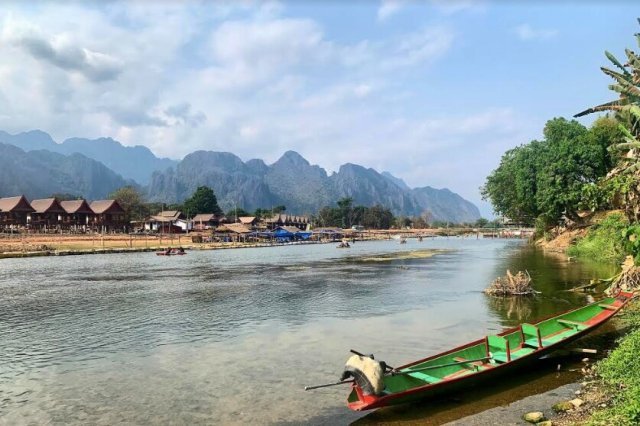
 

Smart, Green Cities: What They Are & Where To Find Them

.parent {
display: inline; position: relative; line-height: 30px; float: left; color: #82be41;
}
.parent a{
margin: 10px;color: #82be41;text-decoration: none;
}
.parent:hover > ul {
display:block;position:absolute;
}
.child {
display: none;
}
.child li {
line-height: 30px;width:115%;text-align:left;
}
.child li a{
color: #82be41;
}
ul{
list-style: none;margin: 0;padding: 0px; min-width:10em;text-align: center;float: right; font-weight: 550;
}
ul ul ul{
left: 100%;top: 0;margin-left:1px;
}
li:hover {
background-color: white;
}
.parent li:hover {
background-color: white;
}
.expand{
font-size:10px;float:right;margin-right:5px;
}

.parent a p{
display: inline; margin: 10px;color: #6e706b;text-decoration: none;
}

Smart, Green Cities: What They Are & Where To Find Them


Written by Kristen McKenna | March 25, 2021


Milan, Italy. Source: Victor GarciaMilan, Italy. Source: Victor Garcia

Milan, Italy. Source: Victor Garcia

https://platform-api.sharethis.com/js/sharethis.js#property=5f0bbd9ab9410d0019e80af3&product=inline-share-buttons


With the environmental movement gaining traction in all corners of the globe, some of the most populated areas have been exhibiting improvements regarding green infrastructure and development. Nearly 50% of the world’s population reside in cities alone. Having such a heavy concentration of people, industry, and energy use in small industrial areas, one can only imagine the environmental impacts cities have. “According to UN Habitat, cities consume 78 percent of the world’s energy and produce more than 60 percent of greenhouse gas emissions.”

The good news is that urban areas around the world have been making immense strides to scale down their environmental impact. Methods to reduce greenhouse gas emissions, combat solid waste, and enforce policies to mandate the use of safer energy resources have been in effect throughout multiple cities. Being one of the largest contributors to climate change, the remodeling of urban areas is most imperative for the planet’s revival. Which may lead one to question what makes a city green other than having a recycling program and public bicycles. With a goal to lessen their carbon footprint, cities have developed creative methods to improve environmental quality.

Efficient Public Transportation 

Since transportation accounts for an estimated one fifth of carbon dioxide emissions across the world, this category of concern deems highly critical. Some people avoid driving their own car within city limits due to sheer inconvenience and the difficulty moving about can impose unto them. While walking is an obtainable alternative, it’s not always realistic. Electric buses are one sustainable solution to transport the bulk of commuters and travellers. “About 425,000 electric buses are in use worldwide, with 99% of them operating in China.” Electric buses tick many boxes regarding sustainability – aside from no longer requiring a diesel-fueled source of energy and releasing zero carbon emissions, these vehicles are quieter, easier to maintain, and have lower operating costs. 


Toronto, ON, Canada. Source: Kayla SpeidToronto, ON, Canada. Source: Kayla Speid

Toronto, ON, Canada. Source: Kayla Speid

Bike-sharing systems have been implemented across thousands of cities worldwide. Whether you’re looking to change your commute for work or explore a new city, a bicycle is an efficient and emission free way to get about. These programs reduce traffic congestion and make urban areas more accessible to maneuver. Amsterdam is known for the authority cyclists have over the road, so it’s only fitting to discover the small city implemented the original bike-share program in 1965. With today’s advances, docking station ID-systems have been the most widespread method of use. For bike-sharing services to be environmentally beneficial, they must be used in great quantity. Next time you have your day out in the city, consider locating your nearest bike dock and gain a more intimate encounter with your surroundings.

Waste Management 

The world creates nearly 2 billion tons of municipal solid waste each year. However, you might be wondering where exactly all of this waste ends up? In most cases, the final resting place for items “thrown away” is a landfill, other times incineration. Communities are recognizing that excess waste continues to pollute various landscapes and ecosystems. Cities everywhere are undertaking zero waste initiatives in efforts to tackle the growing waste dilemma.

Recycling

A topic we are all aware of, yet could inform ourselves better on. Since the 1960’s, recycling has greatly improved – but we still have a long way to go. A mere fraction of recyclable items actually end up getting recycled. Due to lack of education, legislation, incentives or penalties – society has been conditioned to a “single-use” and “throw away” lifestyle, not considering the products afterlife, post disposal. Within the past few years, awareness has begun to spread with some specific areas providing the perfect example of how to properly recycle. 

Not just a single city making immense improvements towards recycling infrastructure, but the entire country of Germany has approached recycling in a particular manner generating exceptional results. Der Grüne Punkt, or The Green Dot system, has been one of the most effective recycling initiatives to surface. “…manufacturers and retailers have to pay for a “Green Dot” on products: the more packaging there is, the higher the fee. This clever system has led to less paper, thinner glass and less metal being used, thus creating less garbage to be recycled. The net result: a drastic decline of about one million tons less garbage than normal every year.” Paired with various bins accepting different materials, the rate of recycling has greatly increased throughout the country. Pioneers we should all be looking up to, Germany has set the bar high.


📷  @jasmin_sessler📷  @jasmin_sessler

📷 @jasmin_sessler

Composting

On the rise are composting programs, gaining traction across cities and creating a new trend everyone wants to be a part of. Not only is it a technique to avoid the disposal of organic material in landfills, composting demonstrates a means to create nutritious soil to aid in the reconstruction of native regions. San Francisco mandates the cities residents to responsibly separate their waste. Three bins are provided; landfill, recycling, and compost materials. The green compost bin accepts food scraps, soiled-paper, and plants – these ingredients are reused by local farmers to produce nutrient-rich soil. Thanks to efforts of The Golden City, 255,500 tons of organic waste is diverted from landfills annually. Instead of contributing to the developing waste stream and greenhouse gas emissions, composting reduces toxic fumes and supports the regeneration of soil.


📷  @the_modern_life_mrs📷  @the_modern_life_mrs

📷 @the_modern_life_mrs

Alternate Energy Sources 

As the cost of renewable energy drops, a growing number of cities are pulling the plug with fossil-fuel based energy. As of 2018, more than 100 cities across the globe receive at least 70% of their electricity from sustainable sources. Renewable elements such as hydro, geothermal, biomass, solar, and wind – non deriving from nuclear or fossil fuel elements. The leader for renewable energy consumption is Latin America. Roughly 65% of Latin American cities obtain electricity through hydropower. Hoping to match this region’s standards, a Sierra Club analysis determined that if all the conference’s members (more than 1,400 U.S. cities) converted to 100% renewable energy, 42% of the country’s electricity would come from renewable origins. A few setting the example; Santa Barbara, Orlando, and Denver. The evolution of sustainable power sources is a continuous operation gaining attention in all the appropriate areas.


📷  @priscilladupreez📷  @priscilladupreez

📷 @priscilladupreez

Public Spaces 

With industrial and apartment buildings dominating most urban development, finding an open space can be difficult at times. That being said, public spaces are the heart of a city. Redeveloped areas are surfacing in cities around the globe with efforts to advance urban livability. The spaces are geared to encourage social and political gatherings, a place to hang out, play, and interact. The reappearance of open areas serve as magnets for the advancement of new communities.

In Marseille, France, redevelopment of the Old Port cleared the docks of visual and architectural barriers, hence making the presence of recreational boats appropriate for all residents and their excursions. “The central Quai des Belges, now devotes 60% of its surface to pedestrians and protects them from the sun beneath the Grande Ombrière, a rectangular canopy of 1,000 m2, which can also be used for large-scale events with big audiences. New floating docks have been installed in order to accommodate water activities without interfering with the pedestrian flow or views.” Not all common spaces are constructed from modern material, many host a literal green environment. The environmental benefits found throughout these parks begin with their largest factor, trees! Trees can alleviate climate change, while other permeable surfaces absorb water from storms and counter flooding. Parks also maintain biodiversity and act as rest areas for migrating birds.


Central Park, New York, NY . 📷  @harguelloCentral Park, New York, NY . 📷  @harguello

Central Park, New York, NY. 📷 @harguello

Green Fun!

Urban sustainability doesn’t just consider how we get energy and where trash goes. A key element to stimulate public support is to make living eco-friendly, enjoyable, and achievable. The best green cities celebrate their environmental efforts with farmers markets. Notably the highlight for certain areas, farmers markets boast community and cultural unity. Traditional retailers may allocate their products from international suppliers, thus, increasing their demand for fossil-fuel induced transportation services. Supporting local growers and artisans strengthens the local economy and lessens our carbon footprint. 

While festivals and events generate ludicrous amounts of waste, considerable efforts have been enforced to lessen the negative effects. Cities host a number of festivals, some making stronger attempts to decrease their carbon footprint than others. However, we should be more concerned with the environmental and green celebrations that occur worldwide. One amongst the flock being the UK Green Film Festival, which spans across an entire week each year. The goal is to showcase films discussing current environmental issues. Aiming to reach a broad audience, venues can be found scattered throughout the United Kingdom during this designated week. Social gatherings to promote environmental education could easily pivot the public’s mindset and attitude towards living a more eco-conscious lifestyle.


📷  @mertguller📷  @mertguller

📷 @mertguller

Supporting Green Leadership and Laws

Perhaps one of the most imperative components to cultivate a sustainable city is to support environmentally mindful policy and law makers. After all, our representatives are the ones calling the shots and making decisions on what responsible practices to implement. Though not all elected officials put the environment on their main list of to-do’s, some exist to look up to. City leaders of Copenhagen, “set a goal to become the first carbon neutral city in the world by 2025.” Through tracking the progress being made, it’s not secret this Scandinavian city is headed in the right direction. Since 1995, Copenhagen’s carbon emissions have diminished by 50%. The responsibility to implement change does not solely fall upon our leaders; lawmakers will not take action unless a concern is heard. The public, you, must use your voice and words to reflect the necessary modifications needed to make our communities flourish again.

Where are Green Cities?

With the popularity of harnessing sustainable practices increasing over time, coming across a green city has become more common. Some are more advanced than others, however the acknowledgment of each makes evident the desirability to overcome a fossil-fuel charged society.

Vancouver, British Columbia 

Fresh, local seafood is a staple in Western Canada. Not only famous for incredible cuisine, but for containing the lowest greenhouse gas emissions in any North American city. Taking advantage of the city’s large reserve of hydroelectricity enabled Vancouver to obtain 90% of its power from a renewable source. Furthermore, the city also decided to tackle waste management and distributed compost bins to single-family homes and multi-unit buildings, decreasing solid waste in landfills and incineration by 28%. Vancouver figured out how to utilize landfills, by capturing released methane and using the gas to heat greenhouses.


Vancouver, BC, Canada . 📷  @mbennaVancouver, BC, Canada . 📷  @mbenna

Vancouver, BC, Canada. 📷 @mbenna

San Francisco, California 

In 2017, The Golden City rated first on WalletHub’s ranking of America’s greenest cities. “In terms of cleaning up the environment, San Francisco is leading the way when it comes to proper disposal of waste, eco-friendly buildings, air quality, carbon emissions, transportation, and land use.” San Fran set the bar high concerning green urban areas; they were the first American city to ban the use of plastic bags, enforce the use of reusable bags, bags made from recycled materials, and compostable bags.


San Francisco, CA . 📷  @michalp24San Francisco, CA . 📷  @michalp24

San Francisco, CA. 📷 @michalp24

Austin, Texas

When Texas comes to mind, traditional thoughts involve cowboy hats and comfort food. Most wouldn’t suspect the states capital to rank as one of the most eco-friendly cities within the U.S. With the help from the local government, sustainability groups, and non-profit organizations, Austin, TX holds fame for being a widely recognized eco-friendly city. Austin provides solar energy for customers from local community solar photovoltaic projects, 15% of the city’s land is dedicated to parks and open, green spaces, as well as many new homes and businesses to meet the latest energy efficiency standards. 


Austin, TX . 📷  @mitchkmetzAustin, TX . 📷  @mitchkmetz

Austin, TX. 📷 @mitchkmetz

Washington D.C.

Being the Capital of the United States, it made sense that D.C. fell in line with other forward-thinking cities. If I chose to list all of Washington D.C.’s environmental accomplishments I could dedicate an entire chapter, but for now I’ll focus on just a few. Aside from being the first jurisdiction to initiate a bike-share program in North America, D.C. was the first LEED Platinum City in the world, and passed the Clean Energy DC Act in 2018 which is the country’s first 100% renewable energy bill and fastest-acting climate change legislation in the country.


Washington, D.C.  📷  @jacob1cWashington, D.C.  📷  @jacob1c

Washington, D.C. 📷 @jacob1c

Rio de Janeiro, Brazil 

While not boasting a varied assortment of eco-friendly accomplishments compared to cities in more developed countries, some South American urban areas have incorporated sustainable practices and are on the road toward resiliency. Carnival, samba (an energetic dance of Afro-Brazilian origin), and world famous beaches attract visitors to Rio de Janeiro from all across the world. Rio was the region’s first city to disclose its carbon emissions in 1988 and keeps up to date with environmental monitoring. Almost 90% of Rio’s electricity sources are from renewable elements, predominantly hydropower. Not to mention the expanded bicycle framework has amplified the importance of cycling as a main mode of transportation. The influx of bikers has improved urban mobility, social inclusion, and environmental quality.


Rio de Janeiro, Brazil.  📷  @phaelnogueiraRio de Janeiro, Brazil.  📷  @phaelnogueira

Rio de Janeiro, Brazil. 📷 @phaelnogueira

Lisbon, Portugal

One of the oldest cities in the world was titled as the European Green Capital for 2020. Lisbon reduced their energy consumption by 28% between 2012 and 2017 and well exceeded the 2030 goal of 40% carbon emission decrease in 2016. The Portuguese capital leads by example in numerous other ways; their tree-planting tactic not only increases biodiversity and green spaces, but it also helps alleviate climate change effects, pollution, and provides land for urban farming. Now, over 700 organic gardens are utilizing collected rainwater and composted materials to produce soil.


Lisbon, Portugal. Source: Jason BriscoeLisbon, Portugal. Source: Jason Briscoe

Lisbon, Portugal. Source: Jason Briscoe

Vienna, Austria

With nearly 50% of the total area covered in trees and no other European city to match the high density of green space, Vienna confirmed to be one of the greenest cities in the world. Vienna is globally acknowledged for a city of conservation and an eco-standard setting leader in issues regarding wastewater management, air, and water supply. The eastern european city makes use of renewable energy, sustainable public transportation, a healthy recycling infrastructure, water consumption, air quality, and offers a number of local markets.


Vienna, Austria. Source: Jacek DylagVienna, Austria. Source: Jacek Dylag

Vienna, Austria. Source: Jacek Dylag

Oslo, Norway

Where the vikings once roamed now accommodates the largest percentage of electric vehicles (EV) and alternative fuel vehicles in the world. The bulk of new car sales in Oslo are hybrids, plug-in hybrids, or 100% EV. If driving isn’t your fancy, Oslo contains a vast green public transportation system; trams, electric buses, and ferries that all run on renewable energy. Unique geography of the surrounding country made it possible for Oslo to generate 98% of the city’s electricity from hydropower. A leader in urban sustainability, Oslo is vigorously striving to reduce greenhouse gas emissions of over 95% by 2030. 


Oslo, Norway.  📷  @gunnarridderOslo, Norway.  📷  @gunnarridder

Oslo, Norway. 📷 @gunnarridder

Singapore

Ever since announcing its independence in 1965, Singapore pledged to create a vibrant, lush city, and clean environment. Though most notable for the abundance of greenery throughout the city, Singapore’s water consumption strategy should have other metropolitan areas begging for their superior tactics. “Today, up to 40 percent of Singapore’s water demand is met by a process of purifying treated, used water with advanced membrane technologies and UV disinfection. This process and desalinated water is expected to meet up to 85 percent of Singapore’s water demand by 2060.” Since deeming themselves as global leaders of sustainability, Singapore hosts an assortment of international events promoting environmental sustainability education amongst world leaders while providing informative ways to tackle current issues.


Singapore.  📷  @kp89_Singapore.  📷  @kp89_

Singapore. 📷 @kp89_

Sydney, Australia 

Known for the Opera House and active harbor, Sydney additionally earned the reputation for being another one of the most sustainable cities. Sydney has been executing environmentally responsible adjustments for years – being carbon neutral since 2007, certified in 2011, Sydney became the first government district in Australia to accomplish such a feat. The entirety of the city collects power from renewable energy sources; including three local wind and solar farms. 


Sydney, Australia.  📷  @danfreemanphotoSydney, Australia.  📷  @danfreemanphoto

Sydney, Australia. 📷 @danfreemanphoto

The Rise of Green Cities

The world’s cities have been opening their eyes to the unavoidable modifications that must be made in order to preserve the population and environment. Significant goals have been set with some districts going above and beyond to meet their objectives before the anticipated completion date, while others lose momentum and fall behind. However, this is not a race. Individual accomplishments push society towards a brighter and more sustainable future. 

As I discussed earlier, if we want to see change in our communities or those we travel to, we have to speak up. Our leaders will not feel the need to alter toxic routines we have grown accustomed to unless the public unifies and emphasizes their concerns. Instead of cultural hubs being the epicenter of pollution and climate change, new technology and engineering methods are revamping the infrastructure and the way humans tackle issues. Hopefully, sometime in the near future, we will look back and recognize how innovative of a species we can be.


meet the author


Kristen McKenna - Kristen was born and raised on Long Island, New York. After spending her childhood and teenage years exploring New England, she is now ready to see what else the world has to offer. Through her blog Tip Toe the Globe, she hopes to share her intimate adventures while at the same time spread awareness of environmental sustainability and lower waste living. If you can’t find her on a hike, she’s probably looking for a bakery or ice cream shop.
Kristen.JPG

Kristen McKenna

Kristen was born and raised on Long Island, New York. After spending her childhood and teenage years exploring New England, she is now ready to see what else the world has to offer. Through her blog Tip Toe the Globe, she hopes to share her intimate adventures while at the same time spread awareness of environmental sustainability and lower waste living. If you can’t find her on a hike, she’s probably looking for a bakery or ice cream shop.


Crafting Green Space and Cycling Paths in Wausau, Wisconsin

.parent {
display: inline; position: relative; line-height: 30px; float: left; color: #82be41;
}
.parent a{
margin: 10px;color: #82be41;text-decoration: none;
}
.parent:hover > ul {
display:block;position:absolute;
}
.child {
display: none;
}
.child li {
line-height: 30px;width:115%;text-align:left;
}
.child li a{
color: #82be41;
}
ul{
list-style: none;margin: 0;padding: 0px; min-width:10em;text-align: center;float: right; font-weight: 550;
}
ul ul ul{
left: 100%;top: 0;margin-left:1px;
}
li:hover {
background-color: white;
}
.parent li:hover {
background-color: white;
}
.expand{
font-size:10px;float:right;margin-right:5px;
}

.parent a p{
display: inline; margin: 10px;color: #6e706b;text-decoration: none;
}

Crafting Green Space and Cycling Paths in Wausau, Wisconsin


Written by Jennifer MacBain-Stephens | March 25, 2021


Wausau, WI. Source: Andrew LynchWausau, WI. Source: Andrew Lynch

Wausau, WI. Source: Andrew Lynch

https://platform-api.sharethis.com/js/sharethis.js#property=5f0bbd9ab9410d0019e80af3&product=inline-share-buttons


“The Wisconsin tradition meant more than a simple belief in the people. It also meant a faith in the application of intelligence and reason to the problems of society…” – Adlai Stevenson

Small town vibe: huge eco heart.

Dividing Wausau into the East and West sides, the Wisconsin river cuts through this lush city, once occupied for thousands of years by the Ojibwe people. Wausau means “a faraway place” or “a place which can be seen from far away” in the Ojibwe language.

The city is known for its pine forests and their harvesting at Stevens’ Point, German immigration, and helping the Hmong population settle here from Southeast Asia (after the Vietnam war,) which helped facilitate a more diverse community in the 1970s. In the 1990s, several old buildings in the center of downtown were demolished, creating “the 400 Block,” an open, grassy area with sidewalks. This block is a center for festivals and gatherings. Throughout recent years, Wausau has redesigned the 400 Block, adding a stage and other renovations that cost roughly $2 million.

Cities don’t just plan themselves. Urban planning, now a thriving occupation as populations grow, focus on how to develop spaces in cities, towns, parks, and everything in between. I spoke with Wausau Wisconsin’s Transportation Planner, Andrew Lynch, about what makes a healthy city.


Wausau, WI. Source: Andrew LynchWausau, WI. Source: Andrew Lynch

Wausau, WI. Source: Andrew Lynch

Q: What is Wausau, Wisconsin like?

The City of Wausau has a population of about 40,000 and anchors a metro area of about 80,000. Marathon County is approximately the size of Rhode Island and is one of the last agriculture intensive areas before you hit the heavily wooded northern regions of the state. 

Wausau is very much in the center of the state with easy (in a Midwestern sense) access to Madison, Green Bay, and Minneapolis. 


Wausau, WI. Source: Andrew LynchWausau, WI. Source: Andrew Lynch

Wausau, WI. Source: Andrew Lynch

The small town vibe and access to the outdoors is a big positive. One of the biggest summer events is Concerts on the Square. The park is usually packed with a couple thousand people enjoying dinner and drinks while listening to music with friends. With such a popular event, the space is at a premium. People arrive at noon, place their chairs, and then leave them until they return at 6:00 p.m.

Q: What is a new development happening now in Wausau in terms of living space?

There are new parks and housing along the riverfront in a long-term plan to redevelop previously industrial or unused space. The condos already built are showcased as Wausau River life. There is also a family friendly, activity heavy Park and a super fun restaurant and river patio. These locations push people to play outside and socialize.

In terms of State Parks, we are fortunate to have Rib Mountain State Park within our metro area. This park boasts the second highest geographical point in the state, multiple walking and hiking trails, boulders to climb, and winter downhill skiing.

Q: You are a bike enthusiast, would you say that is how you got into urban planning? 

I own three bikes which is always one less than I need. I normally do the two mile commute to work by bike but have been working from home at my dining room table for the past year. 

I got into urban planning a few years after my undergraduate degree was complete when I  joined the University of Iowa Bicycle Advisory Committee. There were some planners assisting with that group and talking with them helped spur my interest.   

Once a year, a friend who lives down the street and I commute to work by kayak. We do mountain biking and road biking in the summer and snowshoeing or skiing in the winter. 
The winter is long and deep enough that you have to find a way to enjoy it. The summers are temperate and pleasant: the number of humid days can be counted on two hands. These activities keep me busy when I’m not renovating our house or making sawdust in my workshop. 


Wausau, WI. Source: Andrew LynchWausau, WI. Source: Andrew Lynch

Wausau, WI. Source: Andrew Lynch

Q: What do you like about your job?

Being the Transportation Planner for Marathon County, I get to work with local groups on projects with a special focus on the metro area that encompasses all or part of twelve areas. 

These communities are all different. Wausau is the main city in the area with a traditional downtown; gridded streets, and homes of every age. The other communities range from more suburban developments with corridors of big box shopping, to former mill towns; areas that would be considered rural by any standard. One thing all of these places have in common is a willingness to have fun year round. 


Wausau, WI. Source: Andrew LynchWausau, WI. Source: Andrew Lynch

Wausau, WI. Source: Andrew Lynch

Q: Do you think transportation can make or break a city?

Transportation is very important to a community as it dictates how people are allowed to move around. I say ‘allowed’ because the nation’s transportation systems are very car-centric and in many places anything else is either difficult to use or feels dangerous.

I also look at this from an environmental viewpoint.  This is due to the fact that about ⅓ of greenhouse gas emissions are from the transportation sector. Using non-polluting modes and cleaner technologies can go a long way to helping us meet our climate goals. This includes distribution of Federal transportation funds, transit planning, long range planning, and bicycle and pedestrian planning. 

I really enjoy working with the local administrators, council members, and staff on projects or areas of concern. 

My interest in transportation planning was spurred by the California High Speed Rail project. That massive project, and on a smaller level, my own foray into bike commuting, really spurred my interest in how people move around and between their communities.


Wausau, WI. Source: Andrew LynchWausau, WI. Source: Andrew Lynch

Wausau, WI. Source: Andrew Lynch

Q: Who are you working with now to facilitate more non-car usage in the city?

Patrick Peckham is an alderperson with the City of Wausau. After a career in local journalism he retired and was elected to this position. Pat is an easygoing guy and willing to listen to the many different opinions presented at council meetings. 

He is a long-time bike commuter and advocate and chairs the City Bicycle and Pedestrian Committee. One particular interest of his is solar power. In his short time on the council, he has made this a signature issue and the city has followed through by encouraging developers to install solar panels on new town-homes built on city land. 


The future water treatment plant is also planning to install a large solar field to power their operations. Pat has had a positive impact on the community through his service.
Q: In order for people to reduce car usage and commute by bike, they need safe and easy passage. How have you helped influence this transition to more cycling in Wausau? 

I am the staff member to the metro area Bicycle and Pedestrian Committee which has been an instrumental force in improving the type and number of bike lanes, trails and safe crossings. I love the idea of progress and positive change.

After graduate school, I had opportunities to work in larger communities, but from a professional standpoint, I recognized that it was easier to have a large impact in smaller communities. 


Wausau, WI. Source: Andrew LynchWausau, WI. Source: Andrew Lynch

Wausau, WI. Source: Andrew Lynch

Q: What’s an example of a recreational group that helps build community?
CWOCC, the Central Wisconsin Off-Road Cycling Coalition, is the local mountain bike group. It is the driving force behind the fantastic trail systems and will soon be applying for an IMBA Ride Center designation.An IMBA Ride Center is a method to designate areas in the country that have a range of quality riding types. All the big name places you’ve heard of have this designation and it would ‘put us on the map’ so to speak. Here is more information about IMBA.

Q: How easy is it to get around?

When people who are unfamiliar with the Wausau area ask how long it takes to get somewhere my standard answer is ‘less than 20 minutes’. 

It’s one of those funny facts that happens to be true. From my front door, in 20 minutes, I access cross-country skiing or mountain biking at Nine Mile County Forest, downhill skiing and hiking at Rib Mountain State Park, kayaking on the Wisconsin River, or the city park with downhill mountain bike trails. There are wonderful park facilities all throughout the county, many of them with campsites.


Wausau, WI. Source: Andrew LynchWausau, WI. Source: Andrew Lynch

Wausau, WI. Source: Andrew Lynch

Q: Elected in 2020 and an ex roller derby player, what is a positive action your new Mayor, Katie Rosenberg, a Progressive, is taking in Wausau?

The City of Wausau has started to request the installation of solar power on projects that use city-owned land. A new water treatment plant is currently being built and they just purchased land nearby to install a field of solar arrays that will help power the plant. You can read more about it here.

Q: You’ve established a healthy city that needs green space, easy transportation, growing businesses, and affordable entertainment. How can small cities keep populations from leaving?

This is really the place to be in the middle of the country if you want to have quick and easy access to outdoor activities. 

The local Chamber of Commerce has developed a plan for attraction and retention of businesses built around emphasizing the high quality of life and outdoor amenities. We have corporate locations of Liberty Mutual and Footlocker which we would like to keep and some industry leaders like Greenheck (a leading supplier of air movement and air conditioning.) They all have to recruit nationally. 

The Wausau area also has five microbreweries and one distillery as well as some amazing restaurants using meat and produce from local farms: Stoney Acres Farm, Red Door Family Farm, Ninepatch Farm, and Mullin’s Cheese.  

We were also recently named a top ‘zoom-town’ so why not live here and work somewhere else?


Wausau, WI. Source: Andrew LynchWausau, WI. Source: Andrew Lynch

Wausau, WI. Source: Andrew Lynch

Q: What are your parting thoughts about this thriving Midwest city?

I’m excited to say that Wausau was recognized in 2018 as the Best Small City for Biking by Places For Bikes. Here are some great bike links:

Mountain biking http://cwocc.org/

Iron Bull https://www.ironbull.org/

Bicycle Wausau www.bicyclewausau.org

Wausau MPO www.wausaumpo.org

Wausau Wisconsin hosts thirty-seven city parks, which are maintained by the Wausau and Marathon County Parks, Recreation, and Forestry Department. There is even a curling barn in Marathon Park. One step into Nine Mile Forest, you forget that a city exists. Maybe that is part of the magic that lies within this Midwest hideaway.


Wausau, WI. Source: Andrew LynchWausau, WI. Source: Andrew Lynch

Wausau, WI. Source: Andrew Lynch

With respecting green space, paying attention to community feedback and growth, and retaining families and students, Wausau is doing it right. Their new project, the Ringle Trail system, (in partnership with the Marathon County Solid Waste Department), will create 10 new miles of trail and include a shared starting point with the Mountain Bay trail. Put this city on your Midwest visit bucket list!


meet the author


Jennifer MacBain-Stephens - Jennifer MacBain-Stephens went to NYU’s Tisch School of the Arts and now lives in Iowa where she likes to rock climb, hike, and mountain bike. She is the author of four poetry collections and enjoys exploring how to blend creativity with nurturing the earth. She also hosts a free, monthly reading series sponsored by Iowa City Poetry called Today You Are Perfect. Find her at: http://jennifermacbainstephens.com/.
jenny.jpg

Jennifer MacBain-Stephens

Jennifer MacBain-Stephens went to NYU’s Tisch School of the Arts and now lives in Iowa where she likes to rock climb, hike, and mountain bike. She is the author of four poetry collections and enjoys exploring how to blend creativity with nurturing the earth. She also hosts a free, monthly reading series sponsored by Iowa City Poetry called Today You Are Perfect.

Find her at: http://jennifermacbainstephens.com/.


Design a site like this with WordPress.com
Get started