Traveling is a fantastic way for people to experience the world. Now, through trains, planes, and even on foot, we are given opportunities to indulge in other cultures and food and learn about a new place’s history. However, with traveling comes responsibility. Understandably, people go on vacations to escape their daily lives, and thinking about potential stressful or dangerous situations is not fun. Ensuring you are aware of your surroundings and who you’re with can allow you to have a much more accessible and fun time.
Airport Safety
📷 @marcolopez95
Downloading a VPN could also save you from hackers or anyone trying to access your information. A VPN or virtual private network is a system that protects your Internet connection and your privacy online. While also making sure that you’re keeping your valuable items on your person, make sure you are taking all of your bags with you when leaving the seating area. Whether you’re going to the bathroom or getting food, it’s best to have all of your items with you leaving little risk for your stuff to be stolen or tampered with by someone else.
When you land at your destination, and your boarding pass seems of no use to you, what do you do with it? Most people in these scenarios toss them in the trash, but that could put you at a significant security risk. If you take a look at your boarding pass, there is a barcode printed on the paper. This holds valuable information about you, and if someone were to get a hold of the boarding pass, hackers could very easily use a barcode scanner to scan the barcode and access your information. Things such as bank information or where you live can be found out through your boarding pass. Therefore, it’s best to wait until you are home to throw away your boarding pass or just tear it up into small pieces; that way, it won’t be able to be traced.
What to Know In a Foreign Country
📷 @convertkit
Getting ‘locked up abroad’ is probably one of the scariest things that can happen on a trip. A significant reason why so many people end up in these situations is due to poor communication. Which is why learning about some of the history in the country and their most prominent laws beforehand could help you. Some countries have laws that you would never think of, but understanding where you are and their customs can prevent you from making mistakes.
Understandably, it’s pretty unlikely that someone would be fluent in a language of a country they are visiting for the first time, but it is essential to learn the basics. There are, of course, the standards that are hello, goodbye, or please and thank you, but phrases such as “do you know where…?” or “I am from…” can go a long way. This shows you are making an effort and facilitates cross-cultural understanding.
Lastly, if possible, carry your cell phone around while you are sightseeing, especially in rural areas. While the idea of wanting to ‘disconnect’ from the world sounds peaceful, it is crucial to contact people not only for your sake but also for other people to reach you if they’re in trouble. Sharing your location with trusted friends and family in advance before your trip is also advised, especially if traveling solo.
Contact
📷 @priscilladupreez
Before visiting a country, it’s always best to make sure you have the phone number for the Embassy of your country of origin. If you are in trouble, it’s natural to want to call home first. Unfortunately, they will also have to contact the Embassy or authorities on your behalf, so to not cause much confusion, it’s best to contact the Embassy first. Coming from the Smart Traveler Enrollment Program (STEP) official website, “The Smart Traveler Enrollment Program (STEP) is a free service to allow U.S. citizens and nationals traveling and living abroad to enroll their trip with the nearest U.S. Embassy or Consulate.” When traveling to a new place for the first time, one might think it isn’t uncommon to have some of the locals introduce you to the city. Being conscious of your surroundings and your saying in public spaces can get you in trouble.
Sharon Perkins, a United States flight attendant, explains, “Try not to talk about your finances out loud, especially if you’re low on money. If they think you need money, you’re going to be easy prey. Someone could hear your conversation, and because having an American passport is valuable to many people, they’ll try to offer you a way to make money by selling or distributing for them through the airport. Many flight attendants and pilots have been people in certain countries. We are leaving, is anyone ever specific with their terminology, but it’s very easy to understand what they are going to ask of you. There are ways people can gauge if they deem you will be stopped by airport security. Some people can walk right through, and others are randomly stopped and given an extra search.”
Enjoying Your Trip
📷 @simonmigaj
Being a mindful traveler isn’t about being paranoid but rather being safe while still knowing how to have a good time. Every year there are so many stories in the news about tourists who get into dangerous situations abroad because they are either unaware of the laws and customs of the country they’re visiting or they just get caught up in a bad situation. It’s easy to get frightened from being in a new place, but it’s also important to remember that many sites have a lively culture, where being friendly and hospitable it’s just a part of their customs to welcome you into their country. Unfortunately, people are willing to take advantage of travelers anywhere you go. It’s up to us as individuals to do what we can to ensure that we have a safe trip.
Raven is currently a college student residing in Charlotte, NC. Her interests include traveling and exploring the world through different lenses. Having a passport from before the age of walking has instilled the value of different cultures as a part of her identity. She is passionate about spreading awareness on political and social issues in the United States and abroad.
After months of winter wonders and wholesome holidays, all cold things must come to a melt. The flowers are blooming, the temperature is rising, the birds are returning from the South, and daylight’s saving time has leapt forward, which only means one thing: spring is here! A season of rebirth, rejoice, and turning over a new leaf. Talk about the perfect time to spring into new and engaging enterprises! Last spring, we couldn’t savor the season’s greetings due to the rise of the COVID-19 global pandemic. Gradually, things are getting better than the predicament we were once in. So with that in mind, we at ecomadic have constructed a list of seven activities to emerge excitement into your spring, whilst simultaneously keeping you environmentally conscious!
Gardening
📷 @funnelhead
As leaves start to bud on the tree branches, you can grow flowers to form a gorgeous garden in your yard. Before you plant any flowers or seeds, consider looking up plants native to your environment, in order to prevent invasive species and the overuse of water and other materials for plant growth. Alongside native plants, grow plants that accompany and attract creatures which combat pests from polluting your pretty garden. Take up activities such as composting organic waste instead of buying store-bought fertilizer with artificial herbicides, and harvesting rainwater in renewable rain barrels instead of constantly using a gardening hose. Each of these tasks will ensure a sustainable garden; enjoy the process and the end result of having a green and pristine yard!
Birdwatching
📷 @andreiprodan
As the local birds return from vacating during the colder seasons, go out and explore them in their natural habitat. Let your bird enthusiast soar by researching the different types of birds in your state; map them out, and throughout the spring season, travel to forests, national parks, and other ecosystems where the different birds rest their wings. Remember, this is birdwatching – emphasis on the ‘watching’ part; always respect the birds by keeping boundaries a la social distancing, and not tampering with their habitat. Doing so may hinder their lively cycle.
Food Harvesting
📷 @riosamba
If you’re a foodie like this ecomadic writer, planting your own produce is the perfect activity during the spring. Instead of worrying about wasting, or possible pesticides in store-bought produce, head to your local markets and buy seeds to grow carrots, beets, tomatoes, berries, cherries, and many other seasonal fruits and vegetables. Similar to gardening, make sure the materials used are renewable and herbicide-free for a healthier and cleaner produce selection and environment. If you grow enough, use them in your favorite recipes, and set up a picnic or dinner outdoors with a small circle of friends and family who’ll enjoy the fruits and veggies of your labor. You’ll be in for a tasty treat this spring when you jump head first into harvesting produce!
Egg Hunt
📷 @anniespratt
Many holidays are celebrated in the Spring, Easter being one of the most popular ones. You’ve probably seen the display of Easter eggs, decor, sweets, and other fun supplies throughout various stores well before spring even started. Though not everyone celebrates the religious holiday, all are welcome to engage in the non-religious activities affiliated with Easter this year: one being the egg hunt! Invite some friends and family members of all ages to help design eco-friendly “eggs” and baskets for the hunt. If you or someone you know has a spacious backyard, hide the eggs in reachable areas that won’t bother the life production in said backyard (which is why we’re not recommending doing this in public outdoor areas). Even though this game is usually geared for children and families, adults can enjoy it as well, especially if you add prizes appropriate for those ages inside the eggs. Grab your baskets and have your eyes on the prize, ‘cause like Pokémon, you “gotta catch ‘em all!”
Fishing
📷 @amito09
As the weather gets warmer, the fish start to appear. Why not take the time to throw down a line and bask in the beauty of the water with some spring fishing? Before taking a boat out onto the aquatic world, make sure it’s clean, and that the material you’re using to bait and catch the fish will not attract invasive species to the H2O habitat you’re heading to. In fact, if you’re going to catch any fish, it’s highly recommended to catch those that are invasive to the area. Doing so will contribute to the reproduction of the local creatures. If you do catch native fish, please release them back, especially species that aren’t high in population within the area. There are lots of wonders waiting for you in the waters below this spring!
Plogging
Source: Waste4Change
On your daily jog outdoors, you’ve definitely encountered trash along your path. Oftentimes, you just pass by it, for who is going to pick up something foreign and filthy with their bare hands? Next time, be sure to bring disposable gloves and bags to partake in plogging! A term coined in Sweden, plogging provides the opportunity to pick up trash and recyclables while on your daily jog, walk, or any ambulation exercise you desire! This activity provides healthy benefits for you and the environment. It is also perfect if you’re hesitant to interact with too many community volunteers in organized, environmental cleanups during the pandemic. This spring, invite your friends or family members you trust to tidy up the trails, and protect the planet through plogging!
Bicycling
Source: Sherise VD
Saving the seasonal pastime for last, bicycling is an activity providing fitness, recreation, and transportation. Instead of using a car to drive around locally, reduce your carbon footprint, and travel via bike to experience scenic views of nature blooming while cycling. In locations where the cherry blossoms reside, pedaling through those areas is quite exquisite during the spring. Want to make bicycling even more interesting? Plan a scavenger hunt with a few friends or family members, to bike around in your community and discover areas that are sustainable to the environment! May bicycling, and the other above-mentioned activities accelerate you into auspicious adventures this new season!
meet the author
Rj Ross
Rj Ross is a writer at ecomadic. With his BA in communications and love for creative writing, he hopes to inspire and inform many generations about sustainable living and responsible traveling.
From hiking and skiing to rock climbing and stargazing, the state of Utah is filled with endless outdoor opportunities. Known for its rugged mountains, premier skiing, National Parks & Monuments, and rich Indigenous history, a trip to this Mountain West state will satisfy any need for adventure.
Part of the 4 corners region of the U.S. along with Colorado, New Mexico, and Arizona, Utah is very geographically diverse. In Northern Utah, you’ll find the beautiful state capital of Salt Lake City where you can enjoy great vegan eats and some of the best skiing in the world. Southern Utah is actually home to the state’s five National Parks, known as the “Mighty Five”, where the striking landscapes and unique geology will have you feeling like you’re in another world. Arches National Park in Moab and Bears Ears National Monument near Blanding are popular Southeast destinations while the Southwest is home to Canyonlands National Park, Zion National Park, and beautiful Grand Staircase-Escalante National Monument. You can’t go wrong no matter where you go in Utah as there is always something new to explore and enjoy.
When traveling to new places, be sure to support businesses that give back to local communities and take care of our beautiful planet. A look through this guide will introduce you to many amazing accommodations, shops, and eateries where you can eat, shop, stay, and play your way through Utah – and feel good about it!
Located just a short walk from Zion National Park, Flanigan’s Inn is an inclusive eco resort and spa offering guests rest and rejuvenation after busy days exploring the park and Zion Canyon. The Inn’s many lovely rooms, suites, and villas are surrounded by gardens, ponds, and pathways for guests to explore at their leisure. A walk on the property’s nature trail leads to the Hilltop Labyrinth, where guests can enjoy a meditative walk and panoramic views of the Zion Canyon cliffs. Guests are also invited to enjoy a soothing treatment at the resort’s Deep Canyon Spa, which uses organic and botanical essence products. The resort’s eatery, Spotted Dog Cafe, offers delicious food crafted with locally sourced produce, hormone-free meats, and sustainably harvested fish. The cafe also serves organic, fair trade coffee that is locally roasted by River Rock Roasting Company.
Spend a night under the stars with Under Canvas’ desert glamping, located just minutes from Utah’s famed Arches National Park and Canyonlands National Park. The mission of Under Canvas is to bring people into nature to help foster an appreciation and respect for the natural world. Under Canvas, who believe in being responsible stewards of the environment, employ practices that reduce their environmental footprint, such as low-flow toilets, pull chain showers, and low lighting. With its commitment to environmental conservation, Under Canvas also strives to minimize disturbances to the land and works with local conservation-backed organizations to protect outdoor spaces from development.
Located at the base of 12,000 ft. Mt. Timpanogos, Sundance Mountain Resort is a stunning mountain oasis offering year round mountain activities including skiing, hiking, horseback riding, and fly fishing. Created by actor and activist Robert Redford in 1970, the resort is a hub for artistic expression, outdoor exploration, and restful rejuvenation. The resort is committed to protecting the natural environment and strives to inspire conservation in others through offering access to all Northfork Canyon has to offer. In keeping with its green operations, the resort has a Green Building Policy which governs all new development and remodeling projects and implements green practices such as energy efficient lighting and heating and sustainable material sourcing. The resort also has several eateries, most notably the award winning Tree Room, which features organic produce, seasonal mountain cuisine, and beautiful artwork from the Indigenous communities that once called this canyon home. A stay at Sundance Mountain Resort will leave you well fed, rested, and inspired to protect our beautiful planet.
Red Moon Lodge can be found in the thick of Moab Valley, Utah. With a mission devoted to conscious change and mindfulness, the lodge offers travelers a place to recharge that has minimal impact on the Earth. Red Moon Lodge is completely solar powered and serves only organic food, composts, recycles, uses non-toxic cleaning materials and natural pest management, and practices water efficiency techniques. This special, spiritual lodge guarantees respect for you during your stay, while appreciating and valuing what Mother Nature has continually offered.
Bunk House Inn is an earth conscious bed and breakfast that exists on the perimeter of Zion National Park. Surrounded by orchards, pastures, and majestic red cliffs, this eco-accommodation is committed to the values of ‘reduce, reuse & recycle’. Their most notable green stride is that solar panels produce about 80% of the energy they use, while the remaining 20% is derived from wind power. Furthermore, they reduce their water consumption by installing water saving faucets and shower head attachments; and their front porch was crafted with 100 year old reclaimed wood from the Great Salt Lake railroad trestle. With all their eco-conscious effort, the Bunk House Inn offers a peaceful atmosphere and a low-impact consciousness.
Named for the vertical mountains surrounding Salt Lake, Vertical Diner is an amazing plant-based restaurant situated in a retro diner. Located in downtown SLC, the diner serves an incredible menu of 100% plant-based comfort foods – including all day breakfast! The diner strives to source local ingredients seasonally and 30% of the menu is comprised of organic ingredients. While you’re there, be sure to try the fan favorite dude cakes which are two pancakes topped with sausage, caramelized onions, grilled peppers, mushrooms, french fries all smothered in gravy!
Seasons Plant Based creates amazing pizzas and cheeses that are 100% plant based and delicious. Located in Salt Lake City, Seasons strives to make beautiful food that is sustainable, respects nature, and nourishes all life. Everything at Seasons is hand-crafted and the restaurant strives to use ingredients that are local, organic, and non-GMO. Through creating delicious plant based foods, Seasons hopes to show everyone how satisfying, filling, and comforting plant based foods can be!
Zest Kitchen & Bar is a Salt Lake City eatery serving delicious organic vegan and vegetarian dishes. The restaurant’s amazing menu features a globally inspired and chef-driven menu that combines sustainable, plant-based ingredients with artful preparations. The team at Zest strongly believe in the connection between our plates and our planet and are proud to support local farmers and purveyors. The menu at Zest is made up of 85% organic ingredients and all lunch and dinner options are made without processed sugars! The restaurant also has an amazing drink menu with many handcrafted cocktails, such as the margarita with muddled jalapeños, and a large selection of organic wines, beers, and spirits.
The owners of Hell’s Backbone Grill & Farm, Jen and Blake, are committed to environmental ethics, sustainability, and social responsibility and community development. The meals served at Hell’s accentuates local, regional, and seasonally appropriate cuisine; appropriately, their menu rotates periodically. Much of the produce served is grown at their own six-acre farm – including potatoes, lettuce, radish, peas, kale, even garlic! Resonating further with their bountiful resources, Hell’s Backbone Grill & Farm has arranged so their food scraps are returned to Earth, by either composting or feeding to their chickens which carry on to lay their eggs served in the restaurant.
Salt & Honey is a makers marketplace selling locally produced gifts, art, jewelry, home decor, and so much more! Founded by two female entrepreneurs, Salt & Honey provides shoppers with the opportunity to buy fun, unique items while supporting local artists and crafters. Through showcasing local products, the store strives to help creative professionals establish their own successful local shops. Salt & Honey now has two locations in the Salt Lake City area, one near downtown SLC and one in Murray.
HelloBulk Markets is a female-owned, Salt Lake City grocery store supplying bulk items that help save the environment by cutting down on waste. With a visit to HelloBulk, shoppers can fill up on a wide variety of grocery, personal care, and household cleaning items, all by bringing their own containers and filling them up as much as they need! Founder Jamaica Trinnaman started HelloBulk after many years working in the grocery industry where she was exposed to all of the unnecessary packaging that is included with most grocery items. In response to this discouraging observation, she started HelloBulk, which she intends to one day grow into a larger bulk store that will meet an even wider variety of needs while giving back to the community! You can support this amazing business and satisfy your grocery needs with a visit to the store, which is located on the West side of Salt Lake City in the Granary District.
Where the red rocks roam, Arches National Park will render many memories in Moab, Utah. Whether driving or hiking, be sure to take a moment to view how these rocks get in formation! Arches National Park consists of over 2,000 stone arches, including the iconic Delicate Arch, and the longest arch in North America, the Landscape Arch! Be sure to check out the Balanced Rock, and be bewildered at how these boulders have maintained their position for decades. With various forms the rocks and stones take in this park, Arches National Park will grant you a better appreciation of geology after your visit!
If you travel to the edge of the Paunsaugunt Plateau in south central Utah, you’ll find the Bryce Canyon National Park! Head over to viewpoints such as Bryce, Inspiration, and Sunrise to get an overlook of the Silent City, its amphitheater, and many other structured, rock depositions known as hoodoos. If you are able to drive a distance, check out the Rainbow and Yovimpa viewpoints to see a collection of colorful rock layers regarded as the “Grand Staircase”. After an amazing day of rock exploration, stay during the sundown, and witness one of the world’s darkest skies, where nothing but stars and sections of the Milky Way galaxy shines bright! Visit Bryce Canyon for quality air and geology galore!
A compilation of colorful canyons awaits you at the Canyonlands National Park! In the heart of the Southeastern Utah desert, journey through acres and acres of canyons, mesas, buttes, fins, arches, and spires. Districts such as The Needles will give you an opportunity to see colorful sandstone spires in the backcountry area, while the Island In The Sky district allows you to climb the sandstone cliffs and spot a scenic view of the Canyonlands once you reach the top! The captivating canyons aren’t the only thing the park has to offer; the rivers flowing within the Canyonlands have enough current that you can boat or packraft once meeting the proper requirements! Come sightsee and sail into the Canyonlands soon!
Canyons, valleys, and an area settlers once called home, Capitol Reef National Park has a little bit of everything to enjoy! Canyoneer through many cliffs and boulders formed of sedimentary strata and enjoy the geological structures shaped like Navajo sandstone domes and ocean reefs. When you are done playing in the deposition districts, take a walk to the Waterpocket District, where the Fremont River flows, and there are springs filled with drinkable water once you filter it. If the Waterpocket area didn’t quench your thirst enough, stop by the verdant valley known as Fruita for extraordinary views of the heart of this park! In Fruita, you’ll learn some of the history of the various settlers who once called the area home; you’ll see places like a one-room school, the Gifford Homestead, and an orchard filled with various fruits, depending on season, available to pick if ripe and if under the “u-pick” signs around the orchard. So much to learn, do, and taste, it is worth the capital to catapult your way to Capitol Reef National Park!
The first national park in Utah, Zion is the park to play and pay respects to the pioneers who once claimed this national park as their place of residence. After taking the Zion pledge to protect and preserve the park, explore various locations within the park on foot, by care, or by stock animals, and see the beauty of this haven of desertous habitats; rove through the Virgin River to enter The Narrows, the narrowest place within Zion Canyon. If recreational activities such as canyoneering, bicycling, or stargazing don’t leave you tiresome, take a stroll to the Kolob Canyons to relish in the lavishing landscape, or learn about the lifestyle of the past Zion natives and colonizers through archaeological sites such as the Cable Mountain Draw Works, and other sites so ancient it requires permission to view to prevent the public for damaging any artifacts. After your visit through the pleasant park with such a praiseworthy past, you will definitely sing Zion’s name to the heavens!
meet the author
Stephanie Stevens
Stephanie is a writer and photographer passionate about sustainable living, mindfulness, and exploring the outdoors. She loves microadventures but her favorite part about traveling abroad is immersing herself in other cultures. When she’s not writing, you can find her drinking coffee, playing soccer, or backpacking.
When I moved to Texas, I thought I was done with the harsh winters I had endured in New York. I had expected cold rainy weather and a couple of chilly days, but nothing to the magnitude of what was to come during winter storm Uri. Many have argued that the severe condition millions of people found themselves in was an anomaly. The National Weather Service categorized the extreme weather as “unprecedented and expansive”. Although the effects were comprehensive, in terms of just how many and how severely people suffered, the crisis was not completely unforeseen. A saga of deregulation, profit optimization, and negligence created the right conditions to nearly bring the entirety of Texas’ grid to collapse during one of the worst extreme cold weather crises the state has ever experienced.
Deregulation
Here’s what the situation looked like during the beginning of the storm. Almost 3 million households lost access to heat and electricity. Nearly 12 million Texans were affected by issues of water quality and shortages. The Texas grid was “seconds and minutes” away from a complete and total collapse (one that would have actually taken months to recover from), said Bill Magness, the President, and Chief Executive of the Electric Reliability Council of Texas (ERCOT). The council was formed to manage the wholesale market and is supervised by the Public Utility Commission of Texas. It’s important to note that Texas is the only state that operates its own grid, independent from the rest of the continental United States. Its prices and procedures are set by an array of energy companies that are in competition with one another.
Texas’ independence is a source of pride within the state, with numerous high-profile politicians touting the move to a free market as a means to provide people with cheap power throughout the state. George W. Bush (former Texas governor) argued that the competition would reduce cost and broaden the market, giving customers more choice. According to the Texas Tribune, former Texas Gov. Rick Perry was reported to have said that the “current disaster was worth it if it keeps rates low and federal regulators from requiring changes to the system.” It should be alarming for us to hear this from a former governor. But this further illuminates how profit margins and limiting governmental reach comes before the livelihoods and safety of residents.
Compared to other regions that have stronger customer protections and have annual planning reports to show that they are adequately prepared for demand, Texas’ regulations do not mandate such protections or transparency. Instead, utility companies and energy providers are given more leniency within Texas and hold greater influence in terms of legislation and policy. Energy companies are not required to provide power during times of emergency, which creates no incentive and is compounded by the lack of real repercussions. This lack of preparation applies both to extreme cold weather and heatwaves, the latter of which is not rare in Texas. Further, instances of pushback from the largest energy providers have reportedly also obstructed several pieces of legislation from passing. The level of unpreparedness and general negligence highlights the inherent problem with a free market. Yes, this process has provided cheap electricity and power for the people of Texas, but has the cost been worth it?
Warning Bells for Climate Change
Typically, freezing air from the Arctic swirls over the North Pole a couple of miles above the Earth’s surface. Due to the steady rise of global temperatures and increasingly unpredictable weather patterns, we’re seeing more of this cold arctic air creating unpredictable weather Southbound. What this means is that what happened in Texas is no longer an irregularity. This will only keep happening in Texas and in other parts of the world that might not be ready for such extreme weather.
Several winter storms have rocked Texas in the past 20 years; each time, the severity and the outcomes become more dire, but we see even less action from politicians and energy utility companies. In 2014, another winter storm caused a major push for integrating cold weather preparedness into energy infrastructure. Although there was a call for action, no official policy was ever instated. Those empty promises are even more apparent now.
Downtown Houston, Texas. 📷 @juvx
Communities Most Impacted
People of color and low-income communities are already disproportionately affected by climate change. These marginalized communities are more likely to experience higher pollution rates and are afforded fewer resources and protections when extreme weather events occur. What happened in Texas last month showcases the need for stricter regulation as the effects of the storm were felt unevenly. Due to the lack of adequate funding of infrastructure within minority communities, the storm’s effects left many in these areas without power and water for longer amounts of time. Without proper assistance, many lacked the financial resources and opportunities to seek refuge elsewhere (I’m looking at you, Ted Cruz).
The Need For Stronger Protections
The case of Texas should sound the alarm. As weather and climate become more turbulent, we must address changing weather patterns and mediate their effects. Texas also demonstrates how deregulation and inadequate preparation for cold temperatures made the outcomes of the storm that much worse, especially within marginalized communities. The need for Texas to update its power regulations is apparent. Energy is an integral part of public health and safety, as well as the environment. Future energy policy must reflect the community’s needs while still being flexible enough to adapt to the increasingly unpredictable climate ahead.
Notably, we must advocate for Texas to rejoin the national grid. It will ensure that access to power during times of emergency is possible and ensure that people’s safety is a higher priority in Texas energy policy. Additionally, climate disasters will only worsen all over the United States, and Texas will be a key player in protecting the future of the U.S. through cooperation and solidarity. Lastly, we must focus on the people we elect into office. The 2022 midterm elections are already coming up. The election will be an opportunity for individuals and communities to push for candidates that will ensure environmental protection. The winter storm highlighted how unaccountable many of our elected officials are. From Gov. Abbott blaming renewable energy for the blackouts to Ted Cruz going on a trip to Mexico, it’s apparent that not all our politicians have the best interest of Texans at heart.
meet the author
Josefina Artigas
Josefina is a content writer at ecomadic. They hold a BS in Biochemistry and a minor in sociology. Their interests include cooking, anime, and coding. They are passionate about the intersection of sustainability and social justice.
As the saying goes, all work and no play makes Jack a dull person! If you are as hard-working as this Jack character, then a fun getaway is essential for some guaranteed radiance in your life. You’re looking up your budget, your schedules, and suddenly, you hear a bark, meow, or some other animalistic onomatopoeia; that’s when it hits you: your fur baby deserves a vacation as well! Just how ecomadic encourages sustainable traveling for all human beings, we recommend it for your precious pets as well, for they also contribute to helping or harming the environment. Before you load that luggage, here’s an itinerary of suggestions to make your passage with your pet easy and eco-friendly.
Background Check Before Booking
Just as you want your stay to fit your environmentalist values, you should also want an accommodating location for your animal babies. First, have an open and thorough discussion with a veterinarian about what medical and health needs must be fulfilled for your pet not to negatively affect the new environment, and vice-versa. After that vet visit, it’s time to find a location. Besides making sure the lodging practices sustainability, it’s essential that it’s a safe haven for your howling or meowing pets; places with outdoor and indoor recreation areas for animals is perfect, especially those with an exercise/walking routine (most pets love a routine). In case you want to go somewhere that prohibits pets, leave them at the establishment’s animal play space where the pet can have a fun vacay from you until you return! Lastly, figure out the best method of transportation. If you’re planning on driving to the destination, map out all the pet-friendly rest stops along the way. It’s important during long drives for your pet to get out and stretch and go to the bathroom, especially if you’re stopping to relax or grab a bite; remember, leaving your pet in a car alone for a period of time – especially when it’s hot – is a hazardous no-no.
If you plan on using public transportation such as a bus, train, or plane, make sure you look up the fees, rules, and regulations for each transportation service company to prepare yourself for boarding said vehicle. If you choose to take a flight with your pet, but they can’t join you in the cabin, make sure you choose a direct flight to avoid the hassle of your pet being transferred from one plane to another while in the cargo holds. Also, make sure you read up on reports on the respective airline pertaining to animal incidents in said cargo holds. After recommendations from the vet, and reading the backstories of the location, lodging, and transportation, only then can you officially book the destination.
Pack Compact, Pack Green
Once the destination and transportation have been finalized, it’s now time to bring the suitcases out. Packing for yourself can be quite hectic, and if you overpack, it becomes pretty costly, and not just financially. The same applies to your pets. As Henry David Thoreau once said, “simplicity, simplicity, simplicity”. Avoid landfill and pollution by buying new toys or clothes for your pet for the trip. Bring items they are familiar with: bed and blanket, litter box, favorite toy, favorite treats, and anything the vet or transportation service requires you to bring. Regarding food, it’s best to substitute waste-producing canned foods for fruits, veggies, and grains packaged in eco-friendly, disposable, and collapsible travel containers. Also carry water and refillable containers usable for you and your pet.
Furthermore, if you decide to try the local cuisine during your vacation, make sure you get enough so that your pet will be able to consume some, and feed two mouths with one meal! Be sure to also bring green, absorbent wipes and biodegradable bags to clean up after your pet when they relieve themselves, or to make sure substances latched onto them in an environment remain in said environment; avoid introducing invasive species when you can. Now that the packing is complete, it’s just a matter of going on the trip! Or is it?
Acquaint Your Animal
Piggy-backing on one of the former points regarding familiarity, while humans have the capability of treading to new territories easily, it isn’t the same case for pets; which is why it’s essential to get your fur babies accustomed to what lies ahead in advance, and avoid harming their health and the health of the habitat you’re voyaging off to. For starters, take them to busy spaces weeks prior to the trip, specifically the train station or airport if that’s how you’re traveling to your destination; let them be aware of the sounds and citizens of that setting. Be sure to have a few treats to hand out for reassurance when they’re adjusting well. Since most modes of transportation require pets to be in a carrier or crate, make sure you allow them to be acclimated to said carrier or crate for a long period of time beforehand. Allow them to release their energy via playing and exercising so they’ll be fatigued enough to want to enter the carrier or crate. Pad the area with nature-friendly, absorbent wipes or tissues before they sit in the crate or carrier, in case they excrete anything while in said area. Give them treats when they’re doing well in said area for positive reaffirmation.
As for the vacation portion, it is difficult to bring an entire ecosystem to your humble abode; however, there are ways to acquaint your pet to the foreseeable, foreign lands. If you’re traveling to an area with a completely different climate, try messing around with the heat or A/C to examine how your pet reacts in hot or cold temperatures. If you’re going to a beach area, take your pet to the local lake or body of water, accessible to pets and people, and observe their behavior. If you’re planning on outdoor excursions such as hiking, show your pet images of the species they’ll see in these settings. Keep doing this within the few days or weeks leading to the vacation in order to fix or reward the behaviors you’re witnessing. Like humans, animals also make mistakes; when that happens, bring out those well-acquainted toys and treats to soothe your fur-baby’s feelings, alongside those biodegradable waste bags and wipes to clean up the mess, and secure the earthly surroundings
Bon Voyage!
You’ve now reached the end of ecomadic’s checklist preparing you and your pet for a planet-friendly passage. We hope you have a sweet, safe, and sustainable travel filled with memories that’ll make you say “it’s one for the books”!
meet the author
Rj Ross
Rj Ross is a writer at ecomadic. With his BA in communications and love for creative writing, he hopes to inspire and inform many generations about sustainable living and responsible traveling.
In Carolyn Finney’s ‘Black Faces, White Spaces’, we get a good look at the intertwined history of the environmental movement and African Americans in the United States. Finney guides us through the complicated way race, nationalism, and the ‘Great Outdoors’ manifest into a narrative about conservation that does not necessarily consider people of color’s perspectives and concerns. The book criticizes the historical absence of African Americans from mainstream environmental rhetoric. It explains how this creates invisibility that shapes how Black folks relate to and understand the natural world.
Why Care?
Many argue that environmental movements and policy neglect to acknowledge that not all Americans share all values regarding conservation and the environment. Some see wilderness as a site to preserve for the future generation with clear definitions of acceptable activities such as recreation, scientific research, and leisure. In contrast, others view nature through a lens of interdependence with nature and include activities that hold historical significance (i.e. fishing, hunting & foraging). Because we only predominantly see one prevailing narrative (i.e. hiking & camping) as normative, other activities and views of nature can be at odds (outlawing certain practices at protected lands). Tensions between conflicting views of nature coupled with the prevailing environmental narrative that often marginalizes people of color sows division and creates barriers for further collaborative action. Expanding our view of the environment will only be beneficial. Including diverse perspectives will ensure that the range of concerns reflects the state of the environmental movement.
Although challenging, we must acknowledge that the link between racism, nationalism, and conservation is still present in the way we frame preservation and the outdoors. In their quest to attract a more diverse pool of visitors, National Parks have started showcasing more stories that have been obscured from the mainstream narrative. But tension and conflicts about showcasing these stories illuminate the need to understand the legacies of exclusion in creating environmental movements and policy. Throughout the history of the U.S., we’ve seen that uninhabited wildlands were epitomized as the best America had to offer. This idealization would lead to the relationship between protected lands and what it meant to be American. These sites became where history is told and representative of the collective nation.
The erasure of people of color at these protected parks and landscapes speaks volumes of how we perceive our communities of color as not part of America and do not add to what it means to be American. The perception also goes hand in hand with the lasting influence of eugenics within the conservation movement. Eugenics was premised on the purification of the human gene pool and is predicated on exclusion. The same exclusion we see happened during crucial moments in history, such as during nation-building when the government barred people of color from land ownership and development. The same exclusion occurred when it came to who dictated environmental policy and who would benefit from conservation.
Importance of Expanding Our Understanding of Conservation
A core tenant of Finney’s book argues that representation can help define and expand notions of identity and how people relate to the world around them. In the past and present, the representation of African Americans has often focused on warping their humanity.
“Representation of ‘primitive’ Africans were used to perpetuate and sustain the ideas and values of the West that supported economic growth while at the same time reflecting the feelings and thoughts that justified actions of moral superiority and shaped the social imagination.” (71)
Finney adds that the lack of visual and textual representation in popular media, the National Parks, and environmental education maintains African Americans’ invisibility in environmental management conversations. Finding various narratives in environmental institutions’s major outlets provides representation that shapes and supports understanding of people’s past and where they’ve come from. By acknowledging and making history more transparent, evoking the past becomes a powerful tool for involving the community in environmental preservation and participation. Not only does it provide a way for increased involvement, but it also offers an avenue for healing.
For the most part, when we think about why people of color are not represented in protected lands, we point to a disinterest in nature or cite economic reasons like accessibility. While those reasons are involved and part of the big picture, it’s essential to understand that none of these things happen in a void. A history of violent exclusion and dehumanization has tied the outdoors to a place of danger and possible death.
Virginia Key Beach – A site of African American history in the United States. Established in the 1940s due to the recruitment of African Americans by the Navy, it was the only beach in Miami that Black folks could go. Source: Virginia Key Beach Park
Takeaways
I highly recommend this book for those looking to understand the intersections of race, history, and conservation in the United States in a way that is easy to understand and engaging to read. Finney’s book covers much more than just the aspect of representation that I’ve highlighted. It includes interviews with Black folk on their perception of the environment, research into historical African American sites such as Virginia Key Beach, and so much more.
I truly enjoyed Black Faces, White Spaces’. Finney intertwines history, art, popular culture, and media to illustrate how our perceptions are formed by the complicated relationship between people of color and nature. This relationship is emphasized because it continues to reinforce the environmental policies and institutions that are in place. Historical context adds dimension and explains the evolution of that relationship. Each of the chapters adds another layer of complexity to the argument Finney brings forth. From the way that we’ve come to understand and accept a narrow view of the environment to how race and nationalism implicitly tie meaning to land and understanding how collective memory and representation build the narrative of who and how we relate to the natural world.
meet the author
Josefina Artigas
Josefina is a content writer at ecomadic. They hold a BS in Biochemistry and a minor in sociology. Their interests include cooking, anime, and coding. They are passionate about the intersection of sustainability and social justice.
When it comes to agriculture, it seems obvious to start by looking at the ground. But industrial food production is rapidly decimating the very earth it requires, turning the once nutrient-dense soil dry and unusable. So, what’s the real difference between dirt and soil?
It all begins with carbon. According to an article published by the Yale School of Education, healthy soil has the ability to reabsorb carbon in the air to convert it into life, aka: plants. Carbon already exists all around and inside of us and is a key ingredient for life, though it’s often painted as the antagonist in the battle against climate change. It fills our atmosphere and heats global temperatures, resulting in an increase in frequency and severity of natural disasters and the destruction of natural habitats.
But a “new” farming practice offers a way to utilize carbon, promising to decrease temperatures and reverse the effects of climate change over the next two decades, alone.
Regenerative Farming
Regenerative farming uses cover crops, minimal to no tilling, controlled grazing, and composting, and diversity to revert desertified land, or land that has been poorly managed to the point of degradation. This practice is deeply rooted in Black and Indigenous culture in the United States, following many Indigenous farming techniques and applying them to current day agriculture. The pristine environment that English settlers stumbled upon in America was long planned and established by Indigenous communities, according to the National Farmers Union. When African slaves landed in the U.S., they upheld many of these practices in their own communities. Today, native people continue these methods today and farmers are listening. Regeneration International, the Natural Resource Conservation Service and many more are hosting educational courses aimed at teaching farmers about some of the benefits of permaculture farming, or sustainable farming, and for good reason.
📷 Markus Winkler
If you take a step back and compare natural ecosystems to industrial farming, the differences are evident. The former is an untouched haven covered in greenery, home to hundreds to thousands of species working harmoniously to maintain the land. Meanwhile, the latter shows row crops with barren trunks lining acre after acre of land, a mix of water and pesticides raining down from gigantic metal monsters onto eerily green leaves while pools of dry dirt and runoff pour down trenches dug by colossal and violent tills. These effects make sense when you take a long look at the destructive techniques utilized in big-ag, or industrial farming. Regenerative farming looks at these destructive methods and uses land management techniques to take advantage of all that the environment offers.
Cover Crop Implementation & Minimal Tilling
By incorporating cover crops and minimizing tilling, runoff becomes a problem of the past. Cover crops reabsorb more carbon, creating deeper and longer root systems and storing additional carbon in the soil. These plants act as home and protection for microbes, insects, and animals important for maintaining the ecosystem and increasing biodiversity. Further, cover crops collect and store water in the soil and because the soil remains undamaged, it more easily drinks up the water it is provided with.
Diversification, Composting & Controlled Grazing
But what about pests that create additional destruction? Regenerative farming practices tackle this in two ways: composting, grazing, and plant diversity. By controlling grazing patterns of ranch animals, common pests like snails, cicadas and beetles become food for chickens and ducks, while cows, pigs, and goats graze cover crops, leaving behind compost and tamping nutrients into the soil with their hooves. Diversification brings all of these different animals and insects together to form a sustainable ecosystem.
📷 @calepinaud
You can see this technique at work with Apricot Lane Farms in Ventura, California. The owners, a married couple named John and Molly Chester, first began their journey toward a regenerative farm in 2011. Soil degradation on their property required massive repair and when they finally created the farm they longed for, a new enemy surfaced: snails. The Chesters eventually determined that they could feed their birds and solve their pest problem by simply letting them do what they do best and mimicking natural scenarios.
The Chesters aren’t the only ones jumping on the permaculture train. Corporations are even beginning to see the long-term perks. General Mills pledged to convert 1 million acres of farmland into regenerative farmland by 2030, even offering pilot programs in North Dakota, Saskatchewan, Manitoba, and Kansas to local farmers.
What You Can Do
These techniques can be applied to small or large-scale gardens and farms, whether you have a cow at your disposal or not. In your own garden, starting a compost bin is essential and a super easy way to cut down on your waste all the while dramatically improving your soil health. In addition, adding sand and mulch to your soil improves drainage and water storage, and allows for healthy root growth. It may also be helpful to test soil pH, aiming for between 6.0 and 7.5pH, as suggested by the USDA. You can add wood ash to increase pH and peat moss to decrease it. After your soil has reached the desired pH, plant freely! Well, not exactly. Take into account what plants prefer what conditions and plan, accordingly, using trees and larger shrubs for shade when necessary.
As someone without the luxury of a garden, I understand wanting to support soil health without physically being able to contribute. Still, there are plenty of farms that utilize permaculture techniques for regenerative farming. Green America keeps an updated map of farms such as these with local options on every continent, offering the healthiest and happiest foods across the globe. Afterall, healthy animals come from healthy plants, which come from healthy soil. So, don’t forget you are what you eat, so make sure you’re eating soil and not dirt.
meet the author
Audrey Weiss
Audrey Weiss is a content creator for ecomadic passionate about all things nature. Born and raised in Colorado, she’s a sucker for big rocks, snow capped peaks, and sunny days. If she isn’t camping, hiking or rock climbing, she’s somewhere in the woods foraging for mushrooms and whatever else she stumbles upon. Audrey hopes to one day own a homestead aimed at environmental education through nutrition and agriculture, making ecotourism her long love.
With the global population set to continue to rise over the next thirty years and reach nearly 10 billion by 2050, the question remains: how are we going to feed everyone without destroying the planet? The current way of feeding our planet is both unsuccessful and unsustainable, with nearly half of the world facing food scarcity and swaths of forest being transformed into inefficient agricultural land. The loss of forest is devastating to all forms of life, as our trees act as essential habitats and our planet’s lungs – absorbing carbon dioxide and providing us with the oxygen we need to breathe.
In addition to our issues relating to food security, we also have a major water problem. As “the water planet”, approximately 71% of the Earth is made up of water with over 96% of the planet’s water being held in our oceans. However, only 3% of the Earth’s water is freshwater and only 0.5% of that freshwater is available for drinking, growing crops, etc. – the rest of it is either polluted, or locked in the soil, glaciers, polar ice caps, and the atmosphere. This means that while we technically have a lot of water, we are actually very limited when it comes to water that we can use to drink and grow food.
In considering these mounting challenges, we can see that innovative solutions to providing healthy food and clean water have become more important than ever. It has also become evident that due to the importance of water in all aspects of life, employing sustainable strategies for managing water might bring the answers we are looking for when it comes to growing enough food to feed our growing population.
What Makes a Solution Sustainable?
For a solution to be truly sustainable, it must be maintainable without depleting nonrenewable resources. When considering our need for healthy food and water, a solution must not only supply these two products, but it also must contribute to the protection of our watersheds, forests, and ecosystems so that we can feed ourselves for years to come. In other words, these solutions must be viable for the long term and not just work in the short term. Finding ways to sustainably feed a growing population will take some persistence and ingenuity, but it can be done. Fortunately, there have already been many bright spots as many around the world have started to employ innovative solutions to secure our planet’s precious resources and provide the world with the healthy food and water it so desperately needs.
Providing Clean Water with ‘Water Funds’
As the water across our planet becomes increasingly more scarce, water as a commodity becomes increasingly more valuable. Nearly 700 million people already live with water scarcity in the world today and solutions to this issue must not only provide fresh, clean water, but they must also contribute to the future protection of water sources. One of the innovative solutions to meet this need for more water while protecting the planet is Water Funds.
A Water Fund is a localized initiative that supplies clean, healthy water to communities while generating funds for watershed conservation. Through uniting local cities, governments, communities, and other stakeholders, Water Funds are able to create positive impact through collective action. Through a Water Fund, municipalities collect money from those who consume the water (water users) and put it towards compensating those who take care of watersheds (water producers) and towards funding local watershed conservation efforts. The funds created through these initiatives enable communities to carry out important conservation projects and to offer financial incentives for farmers and ranchers (water producers) to be better stewards of the land. These localized initiatives offer a sustainable solution to our global water scarcity as they supply safe, clean water while safeguarding valuable water sources and protecting biodiversity.
Where Have Water Funds Been Effective?
Water Funds have found success in many regions of the world including Africa, Asia Pacific, North America, and Latin America, and are showing signs of promising growth. The Nature Conservancy currently has 26 Water Funds in operation and has many funds in development. In Latin America in particular, Water Funds launched by the Nature Conservancy have been tremendously successful. In villages near Quito, Ecuador and Bogotá, Colombia, these initiatives have funded community -wide reforestation projects and in Brazil, they have been able to provide financial compensation for farmers and ranchers who protect riverside forests on their land. Specifically, in Brazil’s Atlantic Forest – one of the most biodiverse regions of the world – cities and towns use the fees collected by downstream residents (water users) to compensate the conservation efforts of the upstream farmers and ranchers (water producers). Currently, water producers in this area of Brazil are being compensated $32 per acre for taking care of the riverside forests on their properties! Getting paid to take care of the environment? That sounds like a win, win!
The Nature Conservancy’s growing collection of these initiatives are currently working to provide steady funding for the protection of over 7 million acres of watershed which supplies drinking water for nearly 50 million people. Being able to financially compensate people for being good stewards of the environment is a crowning achievement of Water Funds and the ability of these initiatives to unite all water stakeholders has deemed them a viable solution for the future.
Munroe Island, Kerala, India. 📷 @mariekeweller
Regenerative Agriculture
The health of our planet’s forests directly impacts the health of our environment as a whole. Deforestation is a multifaceted problem as it destroys habitats and weakens one of our planet’s strongest defenses against air pollution. One of the biggest drivers of deforestation is agriculture, including cattle ranches, which might at first seem like a good thing given our current challenge of feeding a growing population – more food is what we need, right? Unfortunately, it’s not that simple. Our current agricultural systems are already using up nearly half of the world’s vegetated land and nearly 90% of the water used by humanity. On top of that, cattle ranches are one of the largest contributors to greenhouse gases, propelling climate change. For these reasons, and a host of others, our current methods of providing food to our planet are not viable for the long-term. This is where the need for sustainable solutions comes into play. The answers to feeding our growing population won’t come from doing what we have been doing, they will come from innovative solutions.
📷 @nandhukumarndd
So how do we keep our forests while providing the world with food? One compelling solution is regenerative agriculture. Created as a sustainable solution to traditional agriculture, regenerative agriculture is a practice that produces food while replenishing soil, conserving water, and protecting biodiversity. What makes regenerative agriculture so unique is its ability to supply healthy food while simultaneously contributing to the protection of our planet. This practice has huge implications for future growth and as the Nature Conservancy notes, regenerative agricultural practices have the potential to take the agriculture sector “from a greenhouse gas emitter to a climate change solution.”
Where has regenerative agriculture been effective?
As the most biodiverse region on the planet and the world’s largest net food exporter, there is perhaps no better place for a reimagining of agricultural practices than Latin America. The current outlook in the continent is grim, with studies showing that the region has become a leading global emitter of greenhouse gases and the World Bank reporting that two-thirds of the continent’s farmland is already degraded.
There have, however, already been improvements where regenerative agriculture has been implemented. One of the most effective methods of regenerative agriculture in Latin America has been silvopasture, which is the integration of trees, vegetation and grazing livestock operations on the same property. This practice has been crucial in a region that is a leading exporter of meat as it creates a way to maintain food production while maintaining biodiversity, protecting habitats, and minimizing environmental impact. The future is bright for restorative agriculture across the globe, but in order to make an impact these practices need to be implemented as soon as possible.
Protecting Our Oceans While Feeding Our Planet
Holding over 96% of the world’s water, our oceans are a major resource for life on Earth. While they provide a place for us to recreate and explore, oceans also provide a lifeline, supplying essential nutrients for over 3 billion people and jobs to nearly 12% of people on Earth. Oceans clearly need to be a central priority when it comes to feeding our planet as the health of our world’s oceans is directly tied to the health of our communities and economies. With the ocean being an extremely intricate web of ecosystems, it is imperative that we consider all life forms when devising solutions to our human problems. One of the ways that we can sustainably manage our oceans is through utilizing fish stocks.
A fish stock is a way to track and manage fish populations around the world in order to protect them from overfishing. When creating fish stocks, scientists take into account different factors such as fish size and reproduction rates to determine a maximum sustainable yield for each fish species or set of species. This number refers to the maximum long-term average catch that can be fished under current environmental and fishery conditions. When a stock is being harvested at a rate that is higher than its maximum sustainable yield it’s status gets labeled as overfishing. When a stock’s population is so low that it might be unable to bounce back it gets labeled as overfished. These statuses inform fisheries and also alert enforcement entities to closely monitor the fishing of certain stocks. The good news is that fish stocks have the ability to bounce back from overfishing and overfished statuses. When populations are able to rebound back to a target population size, they are labeled as rebuilt. The Fish Stock Sustainability Index created by the National Oceanic and Atmospheric Administration (NOAA) compiles this information to track the performance of certain fish stocks so that changes can be made depending on the stock’s status. When these metrics are taken into account by fisheries around the world, they have the power to protect fish populations and promote the biodiversity of our oceans.
How have fish stocks help to protect fish populations?
According to NOAA, the use of fish stocks has assisted in the rebuilding of both the Southern California Cowcod and the American Plaice. The cowcod in particular was under a 19 year rebuilding plan that included fishing quotas, large area closures, and the use of recreational fishing equipment that increased the survival rate of discarded cowcod. This rebuild of cowcod is the ninth stock to be rebuilt by the Pacific Coast Groundfish Fishery Management Plan and has now allowed for the reopening of thousands of square miles of fishing grounds, creating another sustainable option for seafood consumers. This successful rebuild is the result of the united efforts of fishermen, environmental groups, and fisheries managers, and provides a glimmer of hope for the future of rebuild efforts.
When we take care of our oceans, we take care of ourselves. Our world’s oceans provide so much to us in the way of recreation, nutrition, and jobs. By closely monitoring fish populations through fish stocks, global fisheries have the chance to protect biodiversity and provide an essential source of global nutrition – a consideration that becomes increasingly vital with a rapidly growing population. For these reasons, among many others, the sustainable management of our oceans is an essential component to feeding our growing planet.
Hikkaduwa, Sri Lanka. 📷 @msaditya9
The Future of Sustainably Feeding Our Growing Planet
If we want to be able to take care of our growing planet, we need to be open to new sustainable strategies that contribute to the health of our bodies, ecosystems, and economies. 700 million people are already living with food and water scarcity and that number is expected to rise as the global population increases. This comes as greenhouse gases continue to rise and 85% of commercial harvested fishery stocks are said to be at their breaking point. Clearly, our global food systems need rethinking as we struggle to supply healthy food and water to a growing planet. Despite these complex challenges, the swift implementation of these and other promising innovations might give us a chance to meet our evolving needs while working to protect our planet rather than contribute to its demise.
Stephanie is a writer and photographer passionate about sustainable living, mindfulness, and exploring the outdoors. She loves microadventures but her favorite part about traveling abroad is immersing herself in other cultures. When she’s not writing, you can find her drinking coffee, playing soccer, or backpacking.
With its striking red cliffs, quiet desert plains, and vibrant arts scene, it’s easy to see why New Mexico is known as the land of enchantment. A part of the 4 corners region of the U.S. along with Colorado, Arizona, and Utah, this beautiful Southwestern state is popular among backpackers and road trippers for its limitless outdoor opportunities, rich history, and distinct regional cuisine. Once a Spanish colony and then later part of Mexico, the state has a unique cultural makeup and is home to over twenty Indigenous communities, including the Navajo Nation. With this diverse population, the state is also home to many different languages, cultures, and ways of life. This, along with the state’s varied landscape, vast areas of protected land, and many historical landmarks make New Mexico the perfect place for your next outdoor adventure.
From the artsy capital of Santa Fe to mountainous Taos and the southern desert plains, there is so much to explore in this Southwestern state. This guide will introduce you to many unique stays and experiences that are noted for their efforts in sustainability, cultural preservation, and support of local communities. Be sure to show them your support the next time you visit the enchanting state of New Mexico!
Sustainability and hospitality are top considerations at The Blake Hotel, which makes it the premier destination when visiting Taos Ski Valley. This ski in/ski out alpine lodge offers first-rate access to all of the year-round outdoor activities at Taos Ski Mountain, such as skiing and hiking. As a part of Taos Ski Valley, sustainability is not just afterthought for The Blake Hotel – it’s a guiding principle. Taos was named the world’s first ski resort to become a B Corporation, which is a testament to its commitment to meeting the highest standards of social and environmental performance. When it comes to sustainability efforts at The Blake, the hotel utilizes a geothermal heating and cooling system and was awarded a prestigious LEED Silver certification for its commitment to limiting its environmental impact. The Blake also strives to incorporate the rich history and culture of Taos in the art, architecture, and design of the hotel and has an impressive art gallery for guests to enjoy at their leisure.
A stay at the beautiful Taos Goji Eco Lodge will have you feeling rested and reconnected to your creative spirit. Situated on 40 stunning acres at the foot of the Sangre De Cristo Mountains, this lodge is a true oasis for anyone seeking to rest and recharge from the stressors of everyday life. With an organic goji berry farm, vegetable garden, and fields of wildflowers, the ecolodge is a place to nourish your mind, body, and soul. Over the years, the property has been visited by many artists and creatives, including Aldous Huxley who lived and wrote on the property for many years. You can even stay in the cabin where Huxley once worked or in one of the many other cabins inspired by other artists that have visited the farm, such as D.H. Lawrence and Ram Dass. No matter which cabin you choose, you will surely feel your soul rested and your creative spirit reawakened.
Situated on a working organic farm in Albuquerque, Los Poblanos provides travelers to New Mexico with an experience like no other. Designed in 1932 by noted architect John Gaw Meem, known as the “Father of Santa Fe Style”, the property is a natural oasis with its Spanish courtyard and fountains, lush greenery, and fields of vegetables and lavender. The working farm at Los Poblanos is family run and operates on a model of restorative agriculture, which has a host of environmental benefits, including healthier soil and improved biodiversity. The farm’s lucious lavender fields are used to make artisan lavender products (which you can purchase at the farm shop try in the spa)! All of the food served is organic and farm fresh, sourced from either the property’s own farm or other farms in the Rio Grande River Valley.
Looking to reduce your footprint while traveling? There’s no better place than an Earthship! Uniquely built and designed to eliminate environmental impact, Earthship’s harness energy entirely from the earth and operate completely off the grid. Using upcycled materials, the core of these structures is created using old truck tires, sand, gravel, and clay. Energy is harnessed by wind and solar power and the unique construction provides a steady comfortable temperature. Indoor and outdoor gardens provide fresh and healthy food, and harvested rainwater is utilized for hygiene needs, household chores, watering the plants, and of course drinking! This efficient system results in a zero net energy building that is easy to live in and easy on your conscience. Not to mention, by staying in one of these green structures, you’ll also get to enjoy the beauty of the surrounding desert.
Located just 20 minutes south of Santa Fe on the Turquoise Trail Scenic Byway, Rancho Gallina is an eco retreat promising rest and recharge. Spanish for “chicken ranch”, Rancho Gallina takes pride in their gorgeous property, organic gardens, and of course their chickens! During your stay, you will be able to enjoy farm-fresh, organic food sourced from local farms, co-ops, and the ranch’s own garden. Over the years, the ranch has undergone major renovations and upgrades in order to limit its environmental footprint, including the installation of solar panels and geothermal heating and cooling systems. If you’re looking to explore New Mexico’s exceptional outdoor activities, there are many opportunities for outdoor and cultural adventures in the area.
Set on a 40 acre property in Mountainair, Two Ponyz Ranch offers the opportunity for rest and recharge in the pristine wilderness of New Mexico. Ranch guests are given full access to the Guest Casita which has two outdoor patios and boasts serene views of the Manzano Mountains and Chupadera Mesas. The ranch owner, Karen Smith, built the guest house as a way to live in harmony with the Earth and to give visitors the opportunity to do the same. The casita is mindful of the environment and utilizes green energy, mindful water usage, and recycling. Karen is also an active member of the community and works closely with the local youth as an Elementary school art teacher and founder of the Youth Outreach Art, Music & Culture Project. If you wish to get active during your stay, there are many activities including hiking, skiing, and snowshoeing offered in the adjacent Mountainair District of the Cibola National Forest.
Ardovino’s Desert Crossing is an El Paso mainstay known for its exceptional food and rich history. The restaurant was originally opened by colorful character Frank Ardovino in 1949 as Ardovino’s Roadside Inn and quickly became known as the place to enjoy to eat, drink, and gamble. After Frank’s death in 1973, the place sat vacant for nearly twenty years until Frank’s grandnephew and grandniece, Marina and Robert Ardovino, decided to open the place back up in 1997. Today, Ardovino’s is known for its outstanding food and service. As a proud supporter of the sustainable movement in El Paso, the restaurant sources ingredients from locally owned farms and ranches and strives to source food that is grown without the use of pesticides. Some of the ingredients are even sourced right from the property, where Ardovino’s manages their own garden and raises their own hens. The restaurant also hosts a weekly farmer’s market that is held every Saturday and is a great place to connect with members of the community and shop for organic produce and meats, fresh-baked breads, salsas coffee, and more!
Fire & Hops is a locally owned spot known for its amazing upscale pub food and friendly neighborhood atmosphere. Located in downtown Santa Fe, the gastropub was started in 2014 by two friends, Joel Coleman and Josh Johns, who shared a desire to create a place in Santa Fe where quality food and drinks could be served in a casual environment. In creating Fire & Hops, Joel and Josh came up with four guiding principles to support their vision: local, sustainable, quality, and friendly. With this commitment to sustainable sourcing, the menu features a variety of snacks, small plates, entrees, and desserts made with ingredients from local farmers, and ranchers. The menu also has a stellar selection of local drinks including craft beers, wines, and artisanal ciders.
A local favorite in Santa Fe, Posa’s El Merendero is a family run restaurant that has been making their signature tamales using an old family recipe since 1955. At Posa’s, tamales are made the traditional way by using cooked and ground whole corn (posole) to make a masa dough which is then filled with a variety of mixtures and steamed in a corn husk. While many come for the tamales, the restaurant also has an extensive menu that includes vegan and vegetarian options – even a vegan green chile tamale! The restaurant also doubles as a tamale factory, providing their delicious products to local restaurants and markets in Santa Fe.
Located in Albuquerque’s historic Nob Hill, Mata G is an award-winning vegetarian restaurant serving up delicious international cuisine. The restaurant’s diverse menu includes breakfast, soups, salads, sandwiches, and daily hot entree specials that keep things exciting! Mata G is committed to using the freshest meat-free ingredients to make meals that are comforting and satisfying. The restaurant is an Albuquerque favorite and has been celebrated with many awards including the ‘2019 – Best of the City Awards’ by ‘Albuquerque: The Magazine’ and ‘2019 – Best of the Burque Restaurants’ by ‘Weekly Alibi’.
Kelly Horrigan Handmade is a female-owned leather and jewelry store based in Albuquerque, New Mexico. Created as an alternative to mass produced fashion, KHH strives to empower women’s self expression through beautiful and unique jewelry and wall hangings. The pieces are created by designer Kelly Horrigan, who combines old world techniques with experimental finishes to make modern pieces that beautifully combine art and high fashion. All of the pieces are one of a kind with materials sustainably sourced from repurposed leather, semi precious stones, antique beads, and ethically sourced feathers. The shop also supports an amazing mission and contributes 10% sales to Honor Native Land Tax, which is an initiative that provides ongoing opportunities to financially support Indigenous people.
Moxie is a female-owned shop in Taos selling unique fair trade and handmade gifts, clothing, home decor, and more. Working with global partners, this small business strives to end poverty and hunger in developing countries with each sale. The shop also carries locally made products and artwork. In fact, some of the treasures you find at Moxie are even made by the shop owner! Moxie believes in supporting fair trade because of the tremendous opportunities it creates for economically and socially marginalized communities. When in Taos, be sure to make a stop at Moxie to find something special and support this amazing cause!
Ted Turner Reserves aims to provide warm hospitality on their custom tours while connecting visitors to over one million acres of New Mexico’s majestic Southwestern landscapes. Through transformative experiences and conservation projects, their passion is to showcase and protect the spectacular and biodiverse lands of the state. Through their efforts, Ted Turner Reserves is committed to restoring, sharing, and safeguarding the unique wilderness in the United States, not only for today but so that future generations can enjoy the planet’s natural treasures too.
The Earthship Global Visitor Center provides a cool way to tour (and stay in!) an Earthship! A unique self-sufficient home, Earthships are made out of natural and recycled materials and function completely off-the-grid. Using power from the sun and wind, these self-sufficient structures grow their own food, harvest water from the sky, and treat their own sewage. The mission of the Earthship Biotecture is to empower individuals to live in harmony with nature without the forces of politics and bureaucracy. With a visit to the Earthship Global Visitor Center, you can take a self guided or one hour guided tour around the property and grounds which includes a greenhouse, water organizing module, power organizing module, and rain catchment system. The amazing Earthships are also available for nightly and long term rentals!
Beauty’s more than skin deep, and this National Park in New Mexico wants you to view its beauty deep below the Chihuahuan Desert. When you’re not hiking on the trails surrounding said desert and the Guadalupe Mountains, explore the largest cave chamber in North America, which was formed by limestone rock. If you visit between late May through October, you may even get the opportunity to view bats flying in and out of the caves. Do not fear, for as long as you respect the bats, they will never harm you. One of the greatest ways to respect the bats (and its habitat) is to make sure to wear closed-toe shoes to avoid getting your feet wet. Also, make sure to clean your shoes using the park’s bio-cleaning mats to avoid transferring fungus or other products that could induce white-nose syndrome or other diseases for the bats. Enjoy elevation and expeditions when you enter the Carlsbad Caverns.
In the midst of the Sacramento and San Andres Mountain ranges in New Mexico lies a park where white sand dwells delicately. Interestingly enough, this national park is actually named after said white sand! As you drive or hike through the scenic, sandy dunes, take time to go sledding down the soft slopes of white sand. Make sure you stroll on the Interdune Boardwalk to snag scientific information about the park via the outdoor exhibits; also, make sure to get a satisfying sight of the Sacramento Mountains! Make the delectable desert and dunefields your next destination by traveling to White Sands National Park!
meet the author
Stephanie Stevens
Stephanie is a writer and photographer passionate about sustainable living, mindfulness, and exploring the outdoors. She loves microadventures but her favorite part about traveling abroad is immersing herself in other cultures. When she’s not writing, you can find her drinking coffee, playing soccer, or backpacking.
Traveling is one of the best ways to escape from our ordinary lives and forget about all of our worries. As tourists we have a tendency to not think about the long-term impacts of our actions, which can consequently lead to being disrespectful of the environment and the local people in the places we visit. Overtourism has negatively affected various destinations that were once pristine and significantly important for the local people. In order to avoid this, we certainly don’t need to stop traveling, we just need to be mindful of the repercussions of our actions.
The Value of Rivers
Rivers around the world play a crucial role in sustaining biodiversity and providing the ideal habitat for many endangered species. About two thirds of the planet’s freshwater is locked away in glaciers, and another 30% lies beneath the surface of the land as subterranean lakes or rivers. That means that only around 1% of freshwater is within reach; which is the reason as to why fresh water on land is extremely precious to all living creatures, humans, animals and plants. In many destinations around the world we can find spectacular river landscapes, which all sustain a rich amount of life.
Find some examples of essential rivers can be found below:
Pantanal, Poconé, Brazil. 📷 @nathsegato
The Pantanal, in Brazil, is home to extraordinary species such as jaguars, caimans, and capybara, which all depend on its water and vegetation.
BC, Canada. 📷 @marcotjokro
Various rivers in North America are fundamental for the reproduction of freshwater salmon, which is on the brink of extinction, and are also home to the salmon’s furry predator: the Grizzly Bear.
Mekong River Delta, Vietnam. 📷 Tomáš Malík
The Mekong River in Southeast Asia is the largest inland fishery in the world, and 60 million people depend on it.
Tarangire National Park, Tanzania. 📷 @joel_herzog
And lastly, in Ruaha, Tanzania, hippos, buffalos, lions, elephants, and many more animals depend on the natural waters. Unfortunately, about 30 years ago, rivers in this African region have started to go dry.
We’ve changed the natural flow of more than two thirds of the planet’s longest rivers by building dams across them. As the planet warms, and as we consume so much water ourselves, droughts are becoming more severe and more frequent. On top of that, overcrowding and over-tourism is endangering the few healthy river areas that our planet has left.
The Ugly Side of Tourism
Tourists are often drawn to visit rivers for the purpose of admiring the landscape and/or for recreational activities (zip-lining, diving, partying, etc). Both of these reasons can cause significant damage to the river’s ecosystems, simply because a great amount of human presence is not meant to be hosted in the area in the first place. When the local authorities aren’t able to control the amount and kind of tourists that are hosted in these localities, the consequences can be disastrous.
For better understanding, here are two examples that underline the difference between unregulated and regulated tourism in a river area:
1. Vang Vieng, Laos
Located deep in Central Laos, one of Southeast Asia’s poorest countries, the once calm and quiet farming village has now become an epicenter for backpackers from all around the world looking for a wild experience. Unfortunately, in this case the term “wild” has nothing to do with nature: in the wise words of a Vang Vieng visitor, “you come here to get wasted.” The main attraction of the area, other than alcohol and drugs, is tubing, which means riding tractor-tyre inner tubes down the Nam Song river. This activity became so increasingly popular that locals began to set up businesses to rent out tubes to travelers. This “business” comprises over 1,500 households. Local people depend on the income that this business provides, but they have to bear the harsh consequences. Extremely cheap bars have opened alongside the river to profit off this tourism overflow, which has ultimately led to unregulated drinking and drug consumption. This area also allows risky activities such as unsupervised jumping from high rocks into the water, and tubing while wasted (and potentially unconscious). These extremely irresponsible activities have caused injuries and also multiple deaths of young tourists: Vang Vieng’s tiny hospital recorded 27 tourist deaths in 2011 alone due to drowning or diving into shallow waters with rocks. In an article by The Guardian, La Phengxayya – a 25 year old primary school teacher in nearby village Phoudindaeng – stated, “we don’t want to swim in the river any more, we believe there are evil spirits in the water because so many young foreigners have died.” Other natives agree and express further that the responsibility lies with the Laos authorities to enforce regulations. However, they also believe there’s too much corruption and cronyism surrounding the river-bar scene for that to ever happen.
2. Caño Cristales, Colombia
The Caño Cristales river boasts a whole spectrum of colors, which is reason as to why it has become so well known. Because of the way the light hits the water, and the microorganisms that live within, the “liquid rainbow” seems to flow with pink, green, and yellow tones, creating a magical and unique atmosphere.
Source: Expotur-eco
With this, the area has naturally gained more attention, potentially making the destination the perfect recipe for overcrowding and wild touristic attractions. Fortunately, the local authorities have promptly implemented a list of rules to keep the area pristine and protect the ecosystems living in the river (i.e. no plastic bottles, no sunscreen or insect repellent in the water, no swimming in certain areas, no cigarettes, no feeding the fish). On arrival, visitors are required to attend a briefing to ensure that these rules and regulations are understood and will be followed. Henry Quevedo, president of the Caño Cristales tourist board, said that this was an almost exclusively local project, with hundreds of families playing a role acting as tour guides and hosts; who are now undergoing training and learning other languages to accommodate the influx. Additionally, in certain times of the year, the access to public is restricted to give the river a break from all the foot traffic.
A Bit of Advice for the Respectful Tourist in You
We can all learn from the example of Caño Cristales to respect the environment that we are only guests in. To assist, we have provided a few tips to remember when traveling to a land/river area:
1. Research & Learn
It is important to know the local natural resources, culture, customs of the area, and if there is any environmental risk. This way you can be prepared and be respectful as much as possible. When in doubt, ask the locals! They’ll know best about taking pictures in the right places, wardrobe choices, forbidden areas, and all the activities that might be inappropriate for their culture.
2. Leave No Trace
Always take your trash with you and carry it until you find a trash can (no matter how far it is, and even better if it’s recyclable). By bringing your own bag, you can make it easier for yourself, and you can even pick up other trash left behind as well.
3. Respect the Flora & Fauna
Nature is not a souvenir store, you’re not supposed to take anything home. Other than that, avoid touching anything unless the locals say it’s ok to do so. This is also a matter of safety for yourself!
4. Don’t Choose Overcrowded Destinations
Avoid traveling with numerous people and group tours, instead, travel by yourself or with a small group of other people. If you absolutely must go to an overpopulated spot, avoid traveling in the peak season to miss the crowds, you’ll get a much more authentic adventure.
5. Ditch the Toxic Sunscreen
Read the label of your sunscreen before you buy it, some of them are made with natural ingredients and are also designed to be safe for the environment. See the Haereticus Environmental Laboratory’s comprehensive list for all potentially harmful ingredients.
6. Visit Protected Destinations
Protected areas or World Heritage sites need our support as tourists, so it’s good practice to visit these areas and include any visits or activities related to conservation projects. This will continue to generate revenue for these projects.
7. Don’t Play Loud Music
Places immersed in nature are meant to be enjoyed quietly and respectfully. With this kind of noise pollution you’ll scare away all the beautiful fauna living in the area, and you’ll disturb everyone else who’s trying to enjoy the experience just as much as you.
8. Avoid Heavy-Polluting Transportation Methods
Whenever it’s possible, avoid transportation, such as cars or boats, that give off a large amounts of greenhouse gas emissions; instead, hike, or ride a bike. It will be cheaper, and you’ll be able to enjoy the nature around you way better.
9. Support local businesses
By supporting local businesses, you’ll also support the whole local economy. Especially in poorer countries, entire communities of people depend on the resources the rivers provide, and tourism is an extremely important resource for them.
It’s a ripple effect that gives the locals the opportunity to grow and thrive, and the future tourists to enjoy the location as beautiful as you saw it. Support local eco-accommodations, local restaurants, local social enterprise shops for souvenirs, and ethical experiences. There’s nothing better than experiencing a foreign culture in its full authenticity.
Giuliana was born and raised in Sicily (an Italian island in the middle of the Mediterranean Sea), since then she’s been moving around the world to meet new cultures and discover new places. She has a degree in Political, Social and International Sciences. During her studies she became passionate about environmental protection, gender equality, and cultural identity. She loves traveling, petting dogs on the street, and swimming underwater.






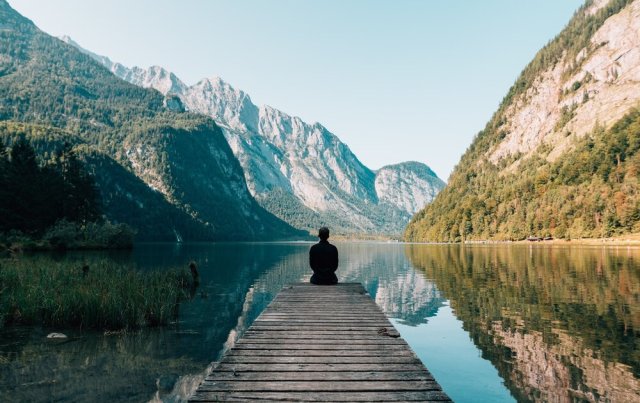




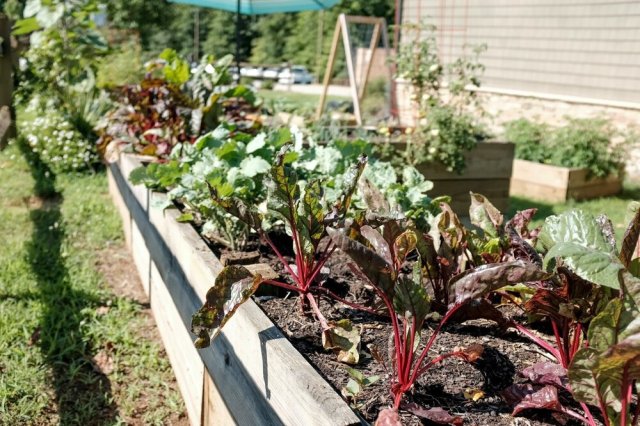

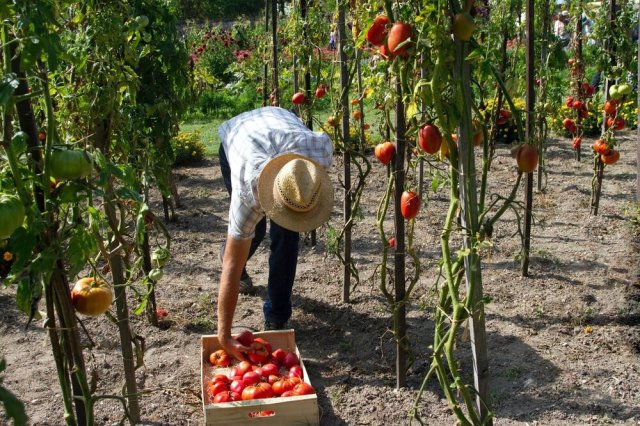

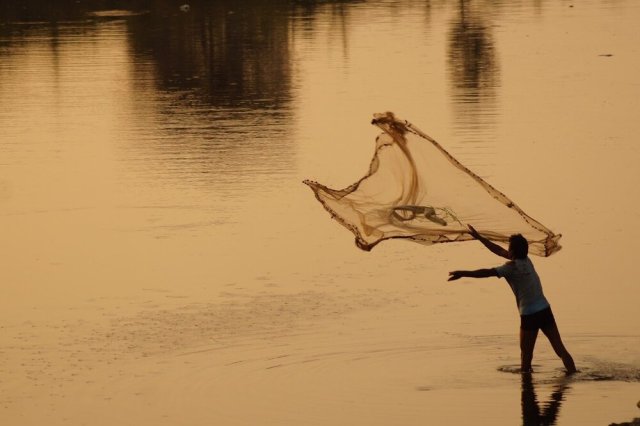
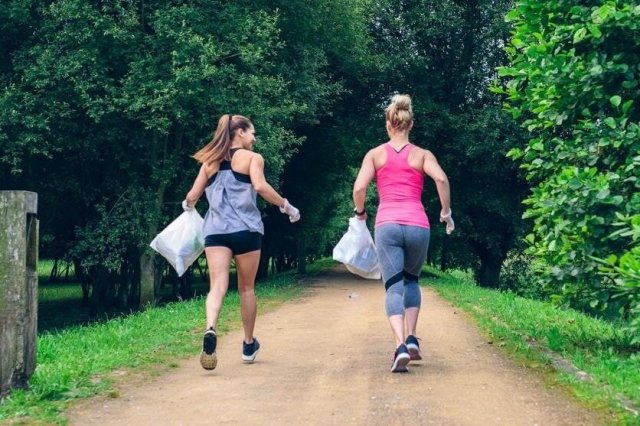


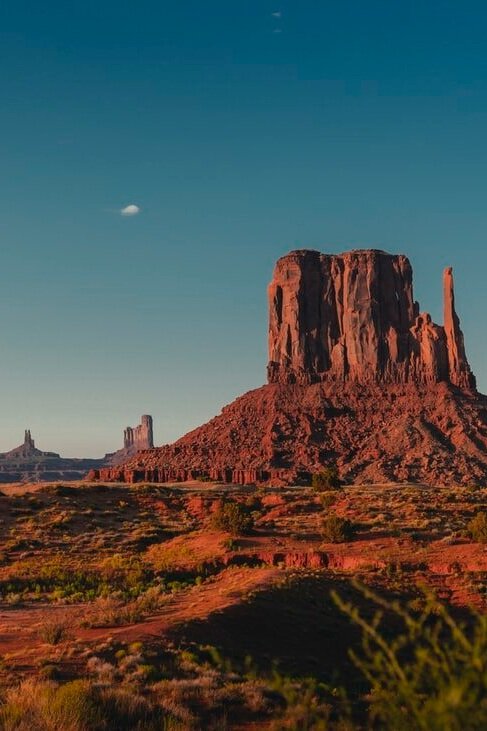

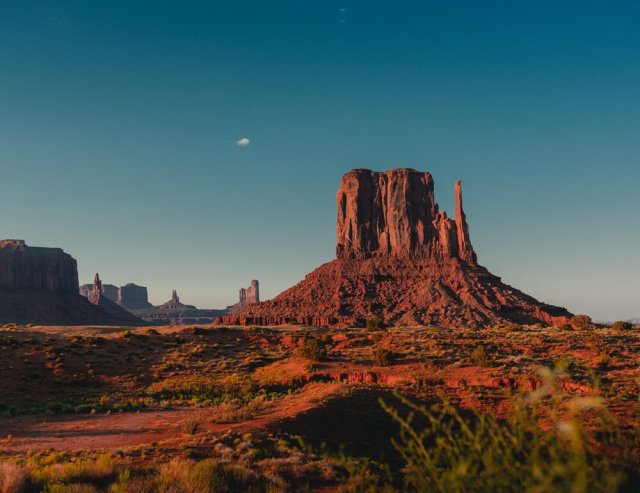
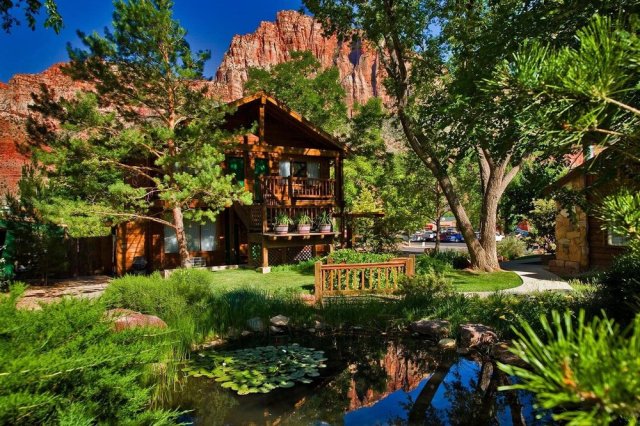
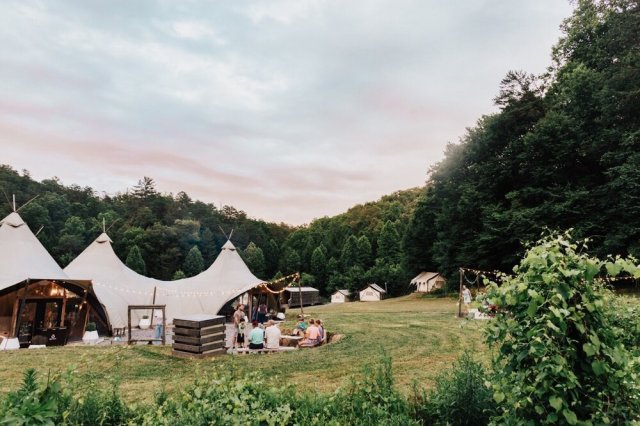
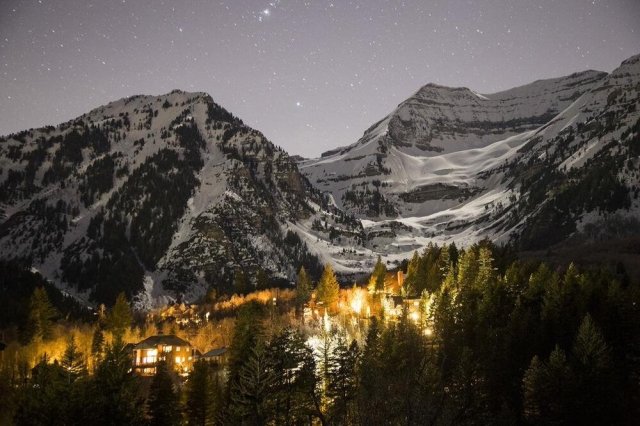
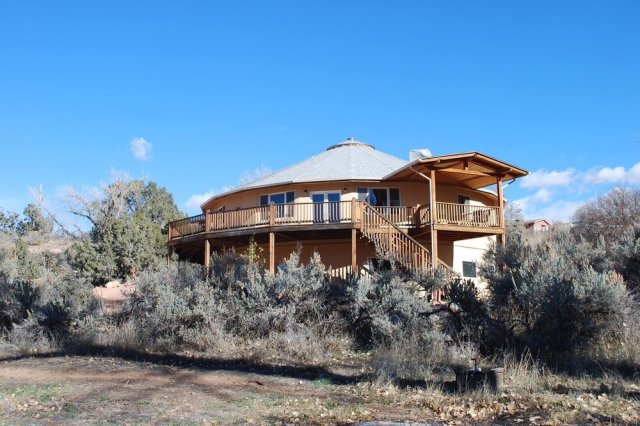
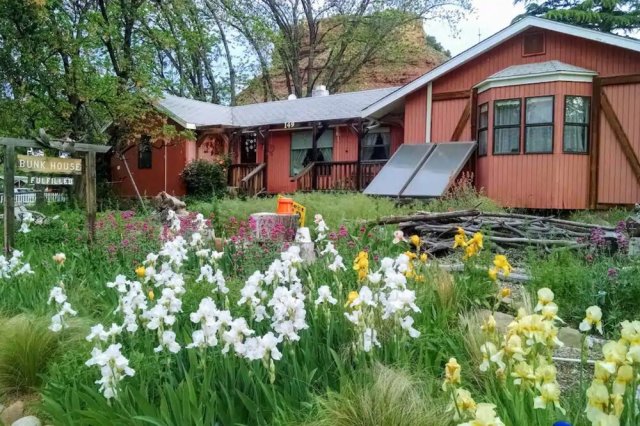



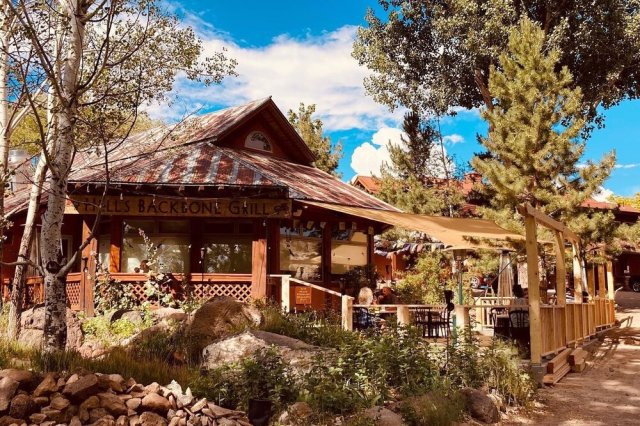




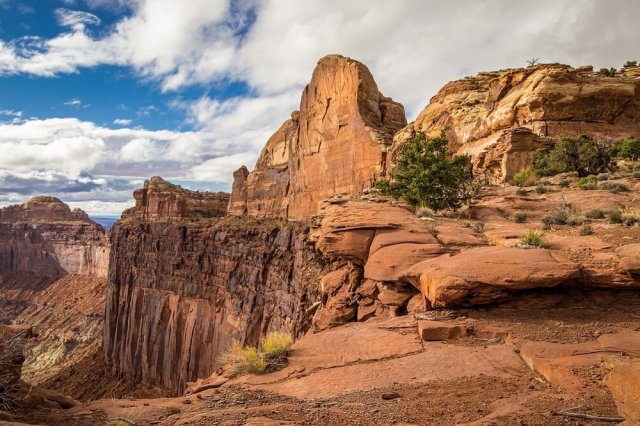
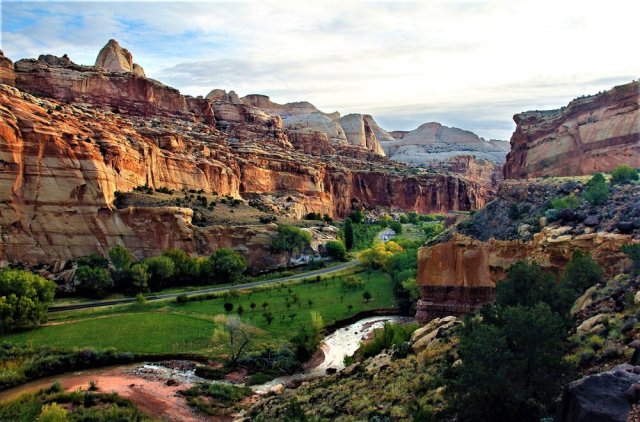
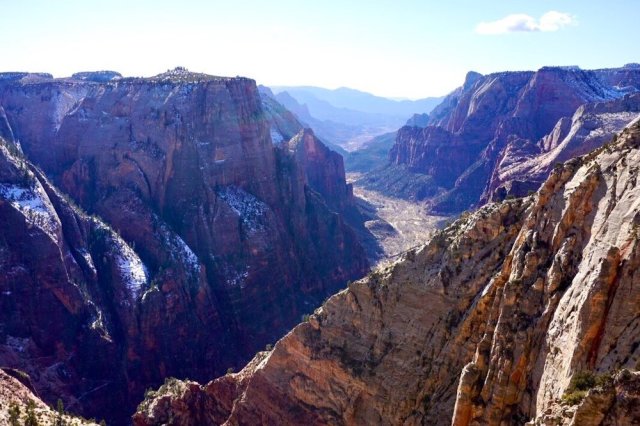







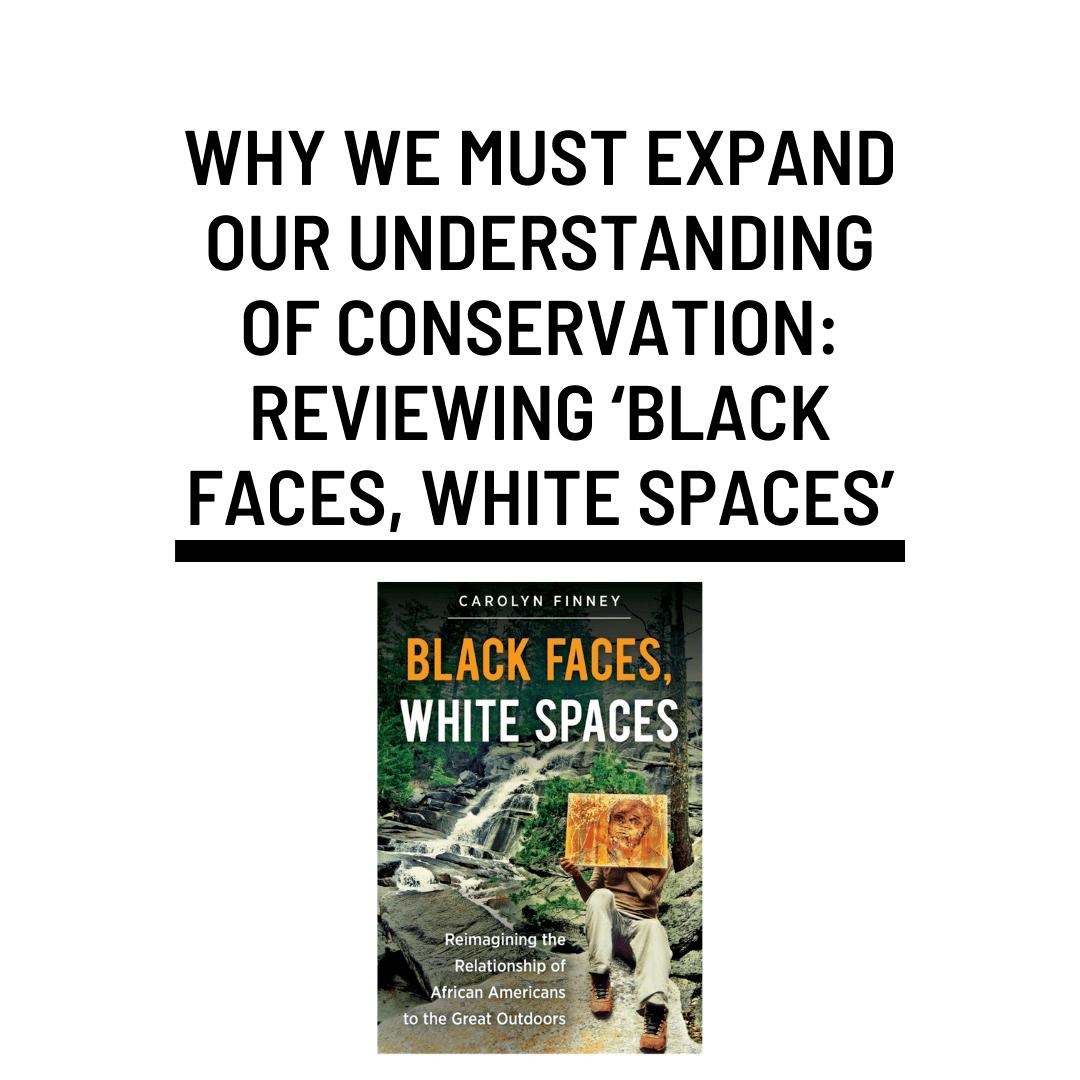

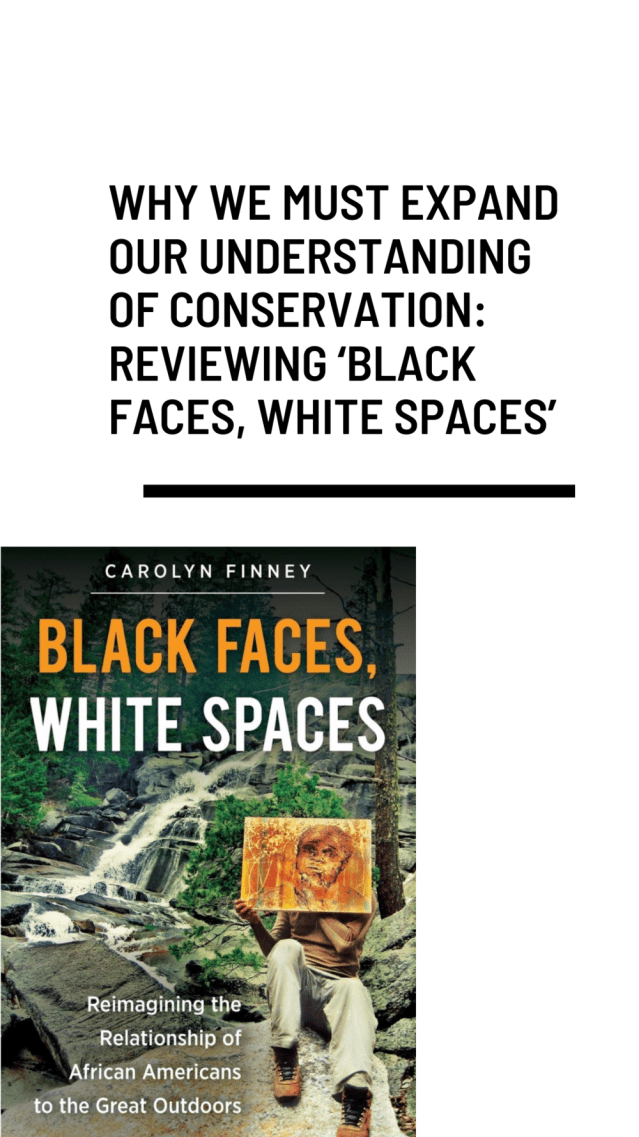









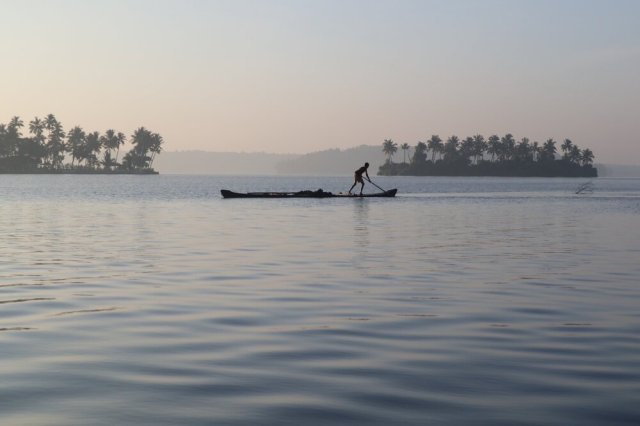


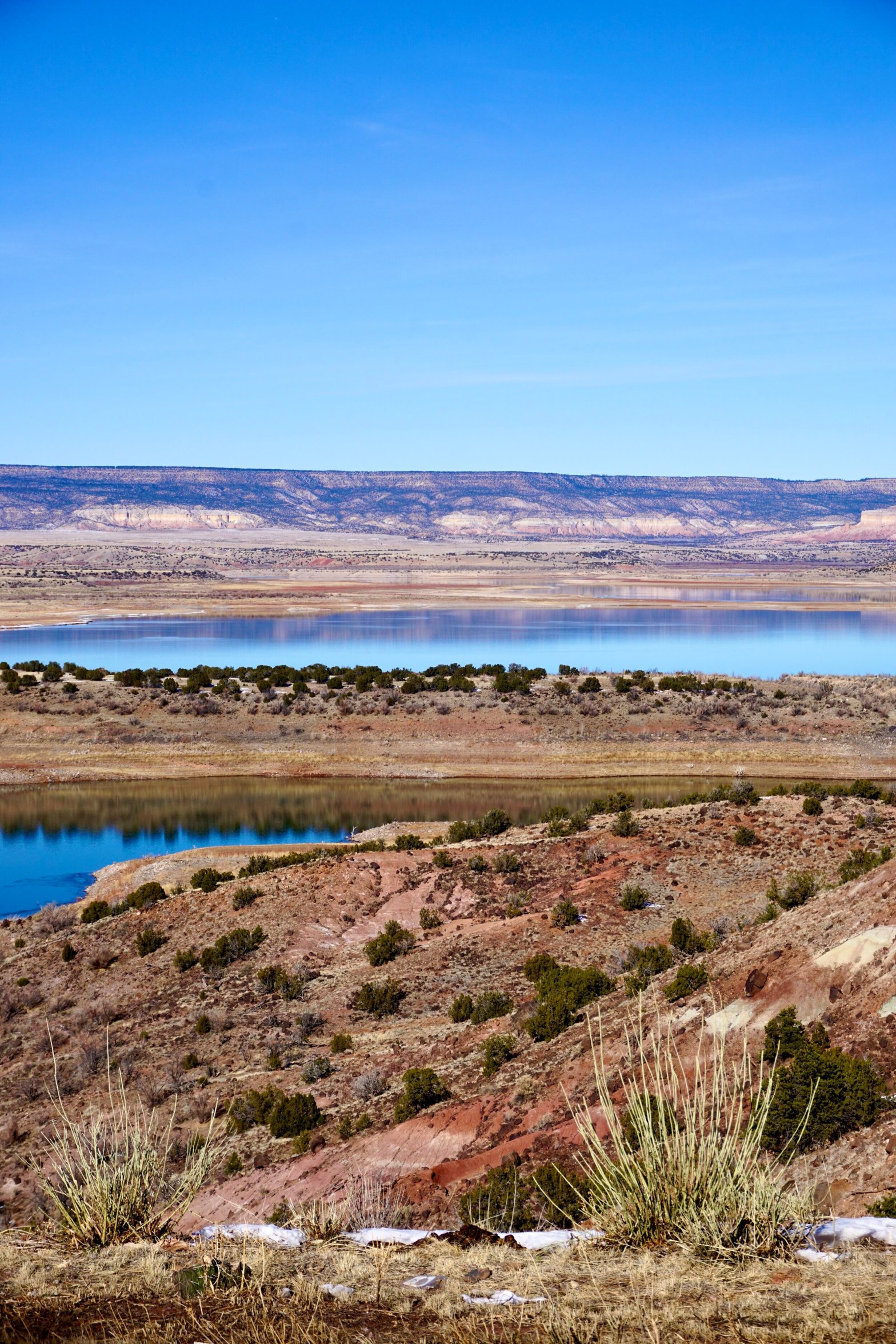

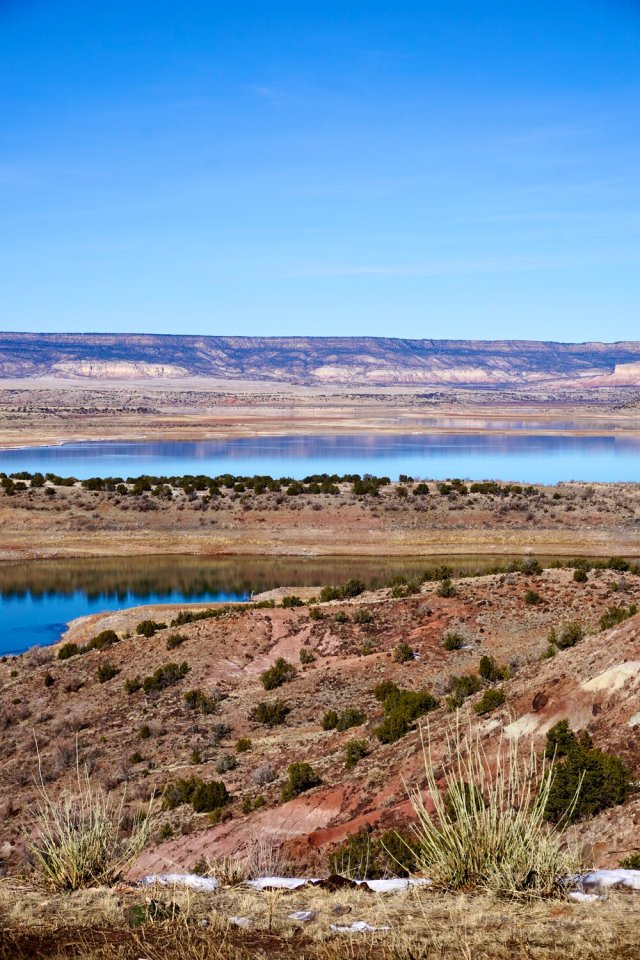




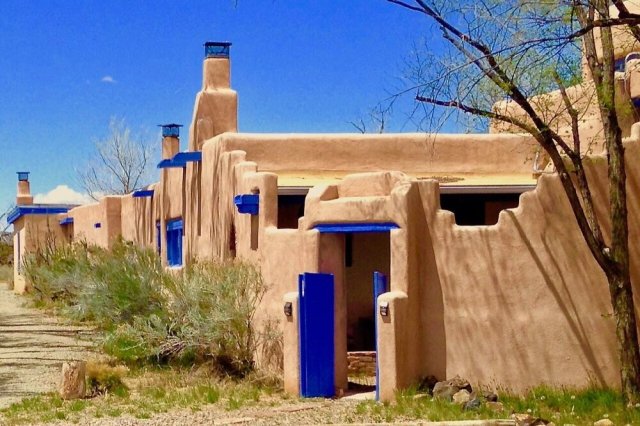

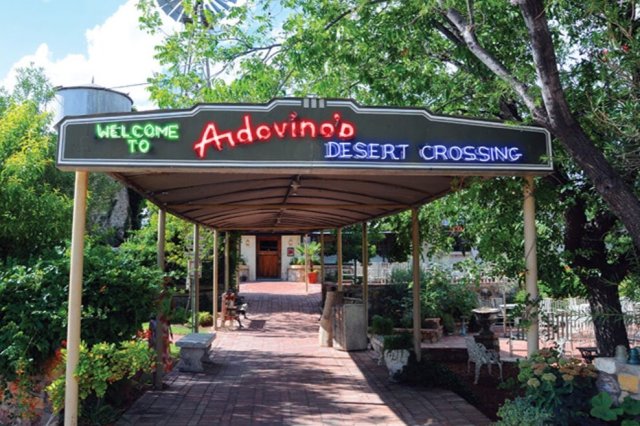
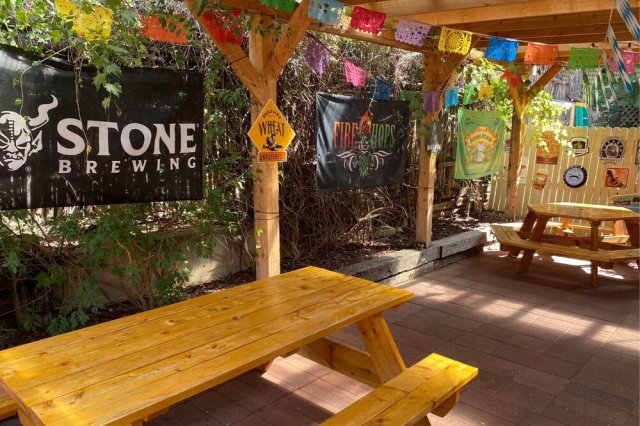




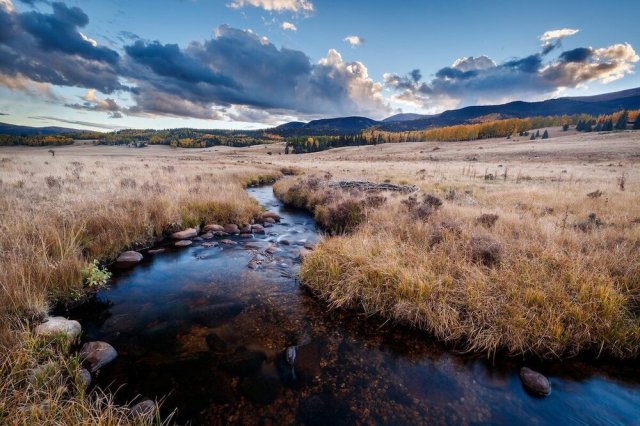
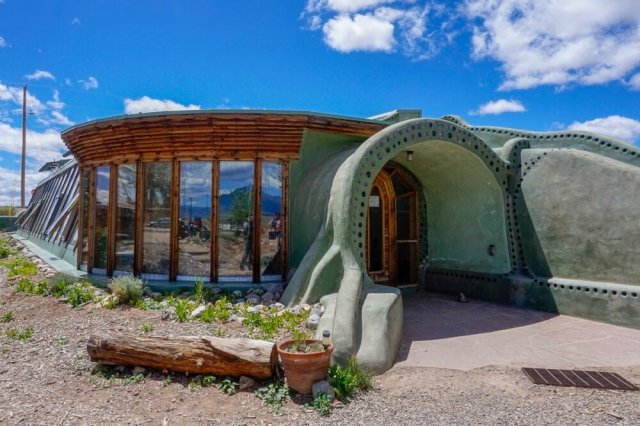
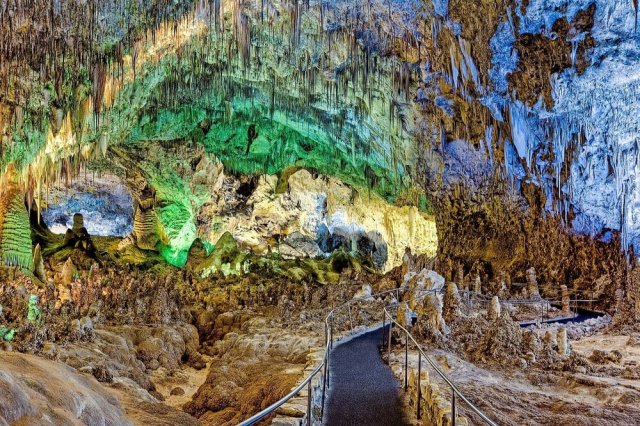

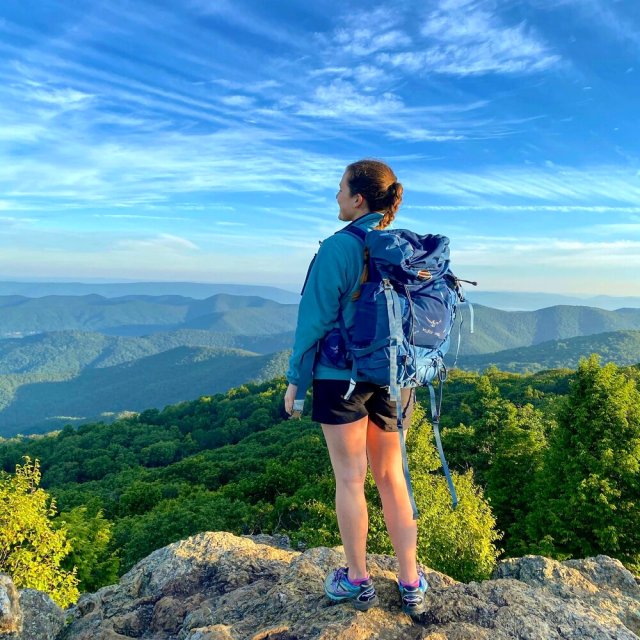
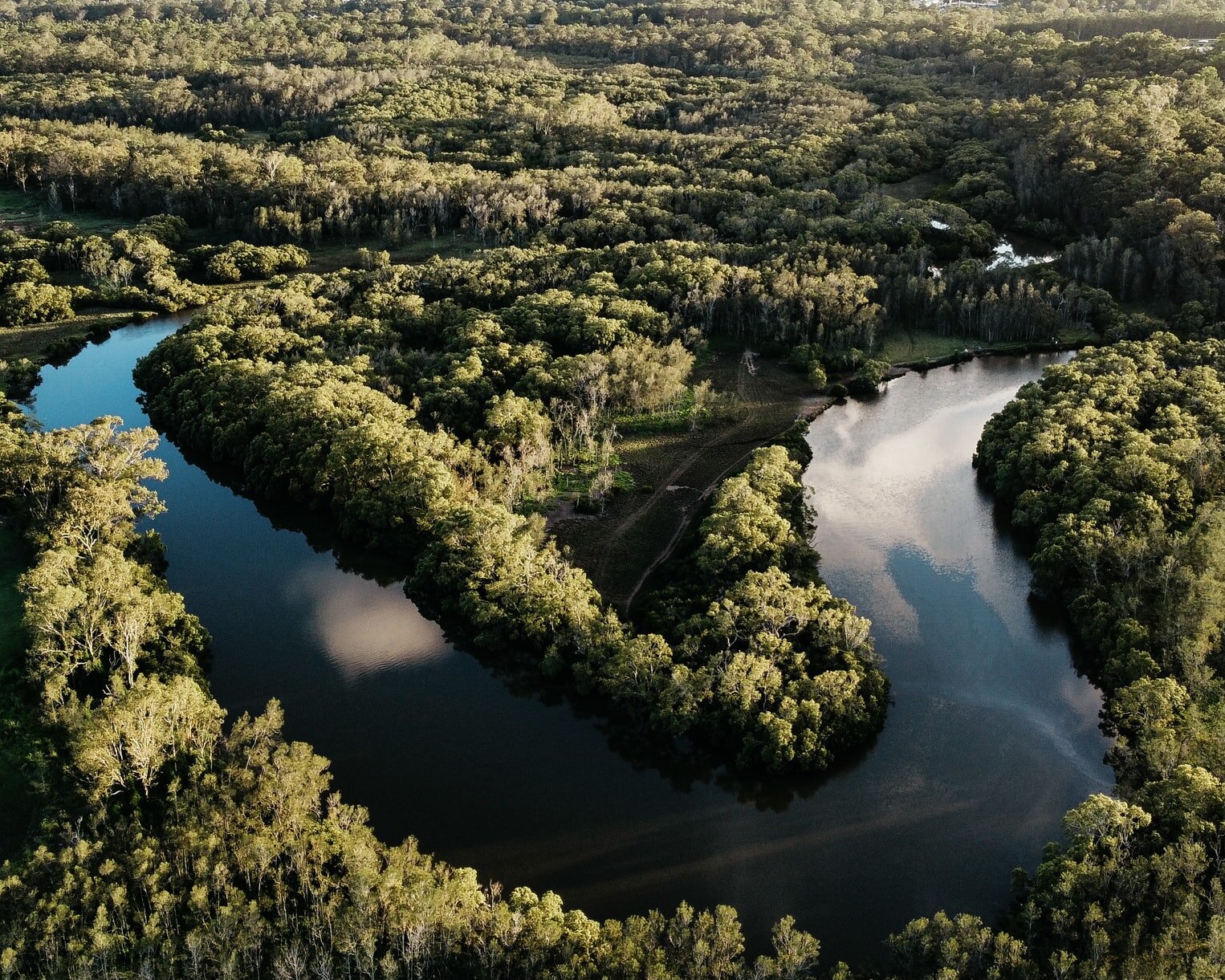

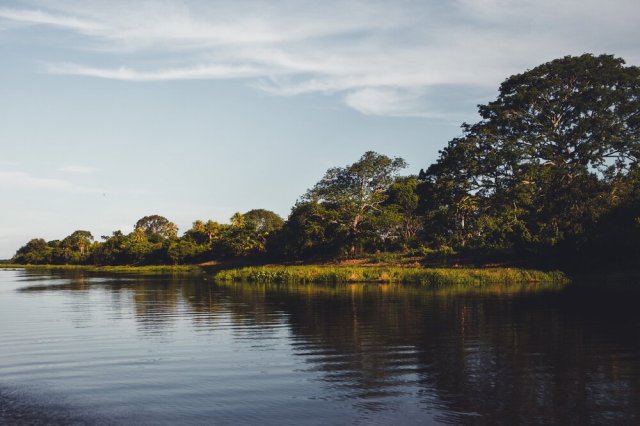
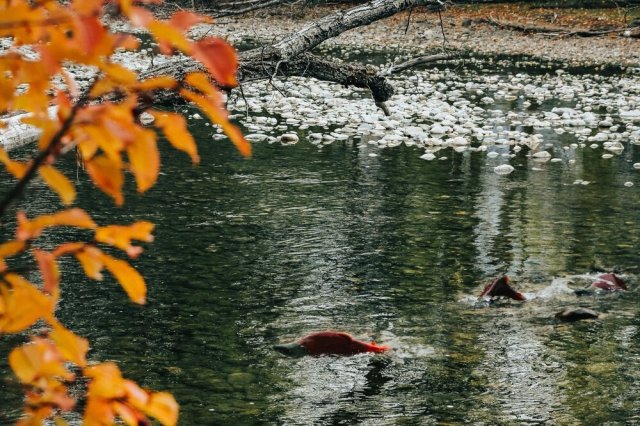
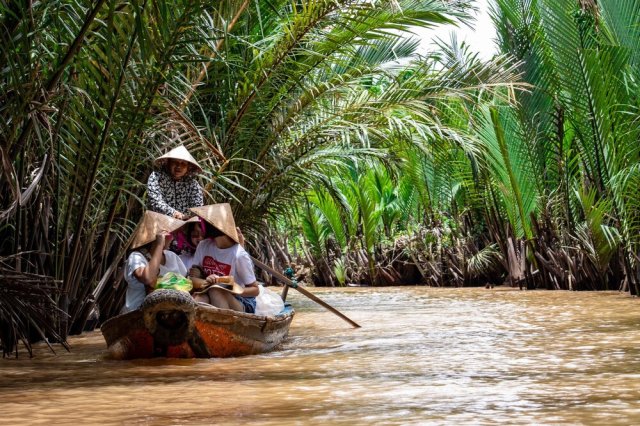
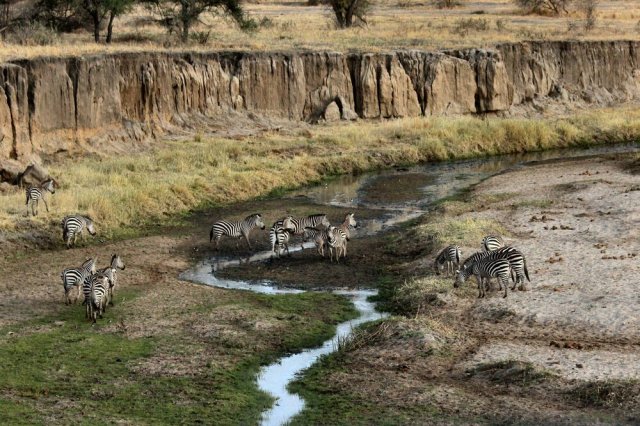
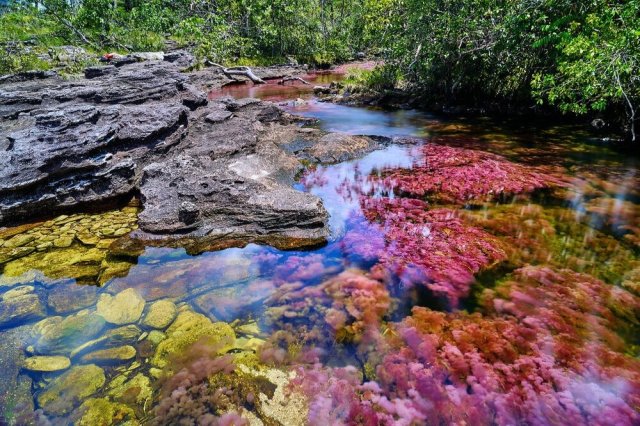

 ecomadic