.parent a p{
display: inline; margin: 10px;color: #6e706b;text-decoration: none;
}
Meet Maddie & Dalton: The Power Couple Working to Save the Ocean
Written by Jaclyn Yost | March 15, 2021
Designed by: Lucy McCulley
Learn from marine power couple Maddie & Dalton as they discuss their work with the awesome organizations Debris Free Oceans & Rescue a Reef. Join us to hear how the University of Miami research pair connected over their shared passion for the sustainability of our ocean, what keeps them going in their line of work, and steps that we can all take to better the health of our ocean – whether landlocked or coastal. Because a healthy ocean is key to a healthy planet. 💙
Cover Video Footage: Waterlust
Edited by: Jaclyn Yost
meet the author
Jaclyn Yost
Jaclyn is the founder of ecomadic and editor of The Sustainable Seed. She is conscious creative passionate about shedding light on environmental and social sustainability issues through travel.
Dating all the way back to the 1960s, scientists have been sounding the alarm on the increase in Earth’s temperature and the impact that a warming climate would mean. From droughts to wildfires; to ice melt, sea level rise, and ocean acidification; down to more frequent and extreme weather events, catastrophic environmental disruptions have been predicted for centuries.
Fast forward to the present day, the very events we were warned about are currently happening all around us. While natural occurrences can be accounted for as part of the problem (i.e. the sun’s intensity, volcanic eruptions, naturally occurring greenhouse gas concentrations), these climatic warnings are not triggered by natural events alone. In fact, according to the National Climate Assessment, human activity is the top contributing factor to global warming due to our engagement with fossil fuels – by burning fossil fuels, carbon dioxide, methane, soot, and other toxins are released into the atmosphere, trapping the sun’s heat and slowly causing our planet to warm. Furthermore, this increase in temperature has led to social and economic instability to develop; such as, harder access to basic necessities (i.e. healthy, affordable food; clean water; affordable housing), climate adaptation disparities, racial injustice, climate displacement, and the direct threat to human health and societal well-being.
These dire effects of climate change are no longer future events to prepare for, and there is only limited time to act before it is too late. And because they are human related, it is up to us to take the necessary measures to mitigate these disturbances.
Breaking Down Climate Change
According to NASA, climate change is defined as “a long-term change in the average weather patterns that have come to define Earth’s local, regional, and global climates. These changes have a broad range of observed effects that are synonymous with the term.” While observing the Earth’s surface temperatures, NASA scientists have also reported that most of the warmest years on record have been within the past 20 years.
In order to recognize how the climate works, an in-depth view of climate-related occurrences can be found below.
Droughts – “a prolonged period of abnormally low rainfall, leading to a shortage of water.”
Source: @jmp__
The Middle East, East/South Asia, and the Southwest and Western parts of the United States are all regions in the world that are known to be drought-prone. Climate change will only increase the odds of these conditions to worsen and become more widespread. Droughts are disastrous in many ways. Firstly, they negatively impact crops and livestock, threatening access to commodities like wheat, corn, and soybeans. Without production of these staples, prices can skyrocket due to food insecurity, which ultimately can lead to social unrest, famine, and human migration. Furthermore, the lack of natural rainwater can raise concerns about the reliability of electricity production. Not only do these power grids provide the electricity that cools water and maintains safe operations, but when droughts coincide with heat waves, extra stress on the grid can grow due to electrical demand. Which can lead to power becoming unavailable all together. Droughts can also affect our rivers, buckle roadways due to high heat, and create optimal conditions for wildfires.
How can we be more resilient to droughts?
Drought resilient strategies can be led by communities and governments who are most affected by the phenomena. Ways can include conserving water in homes, strategic industrial and agricultural practices, identifying new water sources, and implementing better management techniques on watersheds. Helping to preserve sources, and prevent difficult access when drier conditions are occurring; saving money and preventing further devastating environmental and social disruptions.
Wildfires – “an unplanned fire that burns in a natural area such as a forest, grassland, or prairie.”
Source: Michael Held
Climate change has also been identified as a key factor in the amount and intensity of wildfires around the world. In the Western United States, Canada, parts of Europe (i.e. Greece), Australia, and South America, climate-fueled wildfires have decimated entire forests, alongside the communities and ecosystems that live within. Rising temperatures, drier conditions (i.e. droughts), a decrease in soil moisture, accidental and purposeful human activity, and the presence of trees, shrubs, and other fire fuel, are all contributing factors that have led to an influx of wildfires, increased wildfire risk, and prolonged wildfire seasons. This increase will only get harder to manage overtime, creating billions of dollars in damage – loss of homes/infrastructure, firefighting costs. Deadly and destructive, aside from the obvious devastation and damage that can be seen on the ground level, greenhouse gas and aerosol fumes are known to permeate the air, creating unhealthy air quality levels for millions in the surrounding regions.
How can we be more resilient to wildfires?
Wildfires affect federal and state budgets, public health, and the natural environment. In order to build resilience, smart land use and forest management policies via zoning rules, tree mortality management, including fire-resistant designs on buildings, allocating fire prevention funds, and implementing quick recovery plans are suggested.
Ice Melt, Sea Level Rise & Ocean Acidification
Source: @willianjusten
In a warming world, one of the most dramatic effects being seen present day is the reduction of Arctic sea ice. This melting of glaciers and ice has led to sea levels rising at unprecedented rates. In fact, the World Meteorological Organization has reported that this rise is accelerating at 0.12 inches (3 millimeters) per year worldwide; which is around double the average expected in the 20th century; climate scientists are 95% certain that these changes are directly linked to human activity. Furthermore, aside from melting polar ice and glaciers, thermal expansion is also a contributing factor in the global sea level rise as ocean water has been found to swell due to warming conditions. If levels continue to rise at this pace, coastal communities (where roughly half of the Earth’s human population resides) will eventually be submerged.
Alongside these warming ocean waters comes acidification. Due to the increase in CO2, the ocean absorbs this gas, which leads to acidity. Carbonic acid can lead to a number of detrimental impacts including the death of coral reefs through bleaching events – the phenomenon where coral will expel their symbiotic algae, which is their main source of food and nutrients. While it is possible to recover coral from a bleached state, more frequent episodes make rehabilitation less common. Furthermore, it isn’t just the arctic ice melt and increasingly acidic oceans that needs to be our top concern, as it is also being reported that the Northern Hemisphere now sees 10% less permafrost – permanently frozen ground – than there was in the early 1900s. This thawing can lead to landslides and land collapses, as well as an increase in bacterial diseases due to the unearthing of buried animal carcasses.
How can we be more resilient to these issues?
Ice melt, sea level rise, and ocean acidification is a global responsibility, yet it is particularly important to act on a local level. Resilience plans should include artificial seawalls and levee structures for coastal cities, while shoreline and wetland restoration should be emphasized in low-lying locations. In consideration to the human factor, it is necessary to implement partial and full evacuation plans for the entirety of coastal regions in an event of an emergency; as well as educate the community and public on best precautionary measures to take, in particular the vulnerable populations who rely on public services.
Extreme Weather Events – hurricanes, tornadoes, blizzards, and droughts.
Source: NASA
While droughts were touched on before, other extreme weather events fueled by climate change – such as hurricanes, tornadoes, and blizzards – need to be addressed as yet another effect of global warming. Particularly colder than usual winters and some of the hottest summers on record have been noted in recent years. More frequent and tragic storm surges that are increasing in power and intensity has been documented too. For example, hurricanes get their energy from the temperature difference between the cold upper atmosphere and warm tropical oceans. Which is why we have seen whole cities and countries destroyed in the Caribbean, Southeast Asia (i.e. Typhoon Haiyan in the Philippines in 2013), and along the coasts of the U.S. (i.e. Hurricane Sandy in New York in 2012, Hurricane Katrina in Louisiana in 2005).
How can we be more resilient to extreme weather?
Places can build resilience through flood-proofing; implementing valves, pumps, and drainage systems; as well as allocating resources and funds for areas at risk – ensuring to be inclusive to all communities and neighborhoods, no matter the economic or social composition.
How Will Climate Change Impact Us All?
The examples painted above are only expected to worsen over time if adaptation and preventative measures are not prioritized today. The Intergovernmental Panel on Climate Change (IPCC) has assessed that the future habitability of our planet is dependent on our global ability to achieve carbon neutrality, or ‘net zero’ emissions by 2050. In doing so, this can keep global temperatures between 1.5°C – 2°C above pre-industrial era levels. While this increase in temperature sounds minimal, even a 1.5°C – 2°C increase has the potential to drastically change the livelihoods of people everywhere. If we do not take action, experts have predicted that if our world continues down the same “business-as-usual” path, temperatures could increase by 8°C by 2100, putting us on the radar for the 6th mass extinction.
There is no way to avoid these climate trends, and even if you are fortunate enough to live in an area that may not be as affected by the shock of the crisis now, climate change will eventually reach us all. This will be seen through ways such as damage to our homes (i.e. flooding, wildfires, deadly natural disasters), which in return will see an increase in home insurance premiums the more climate-vulnerable we become. It will also lead to unbearable outdoor work conditions for construction workers, miners, firefighters, and agricultural workers. In fact, it has been predicted that by 2100, only 3-6 hours before dawn would be safe to work in as heat waves increase in intensity and recurrence. These hot spells will also lead to higher electric bills and more blackouts, as more air conditioning will be needed to achieve comfortability in our own homes. However, with this increased demand for electricity and power, electrical grids can tire (also the case for snowstorms with the demand for heat inside homes). Unfortunately, the world watched this all unfold recently in Texas and Jackson, Mississippi when residents were left for days and weeks on end without heat, electricity, or running water; which was then met with disproportionate assistance for marginalized communities. Moreover, with the increasing need for resilience, governments will need to ensure their communities can mitigate and adapt to climate events through strengthening of infrastructure and the building of seawalls for protection. With these new innovations, tax prices will increase. While these measures will still require billions of dollars today and seem pricey, implementing now will save us from trillions of dollars in damage if this were chosen to be carried out at a later stage.
Furthermore, it has also been found that health risks and allergies will be on the rise as air quality worsens and pollen season prolongs. In addition, flooding and storms have been known to foster mold growth, which can lead to other lung diseases as well as an increase in allergies. Health related issues won’t just stop there, as it has been reported that heat cramps, heat exhaustion, heat stroke, and hyperthermia can increase with the rise in temperatures. Heat exposure over prolonged periods have been found to aggravate respiratory and kidney diseases, diabetes, strokes, and cardiovascular health; the most vulnerable to these issues sparked by excess heat being older adults, pregnant women, and children. To make matters worse, disease-carrying mosquitoes (i.e. malaria, dengue fever, chikungunya, West Nile virus) thrive off of warmer, wetter conditions. And as hospital bills increase, so will food bills. Touched upon briefly before, extreme weather affects livestocks and crops, which directly influences stability, variety, and price of food. Warm weather also creates conditions that spoils food faster, and exposes pollinators and insect species vital to our food systems to extinction. Due to the globalized nature of our food trade network, vulnerabilities can create global disruption, outcasting communities and farmers around the world who depend on the trade for their livelihood. Insufficient water quality also comes hand in hand, where intense storms and heavy precipitation risk the contamination of our water sources. From street runoff, overflow of untreated sewage systems, saltwater intrusion, and drought, a lack of accessibility to safe drinking water can create disease, death, and societal instability.
And lastly, these eco-anxieties and environmental disruptions have been linked to aggravated mental health – where cases of suicidal and traumatized people have been on the rise as climate-issues are hard to cope with. And when the climate crisis eventually disrupts travel (i.e. flooded airports, too high of temperatures for planes to fly, more turbulent air conditions due to stronger winds, loss/damage of destinations) and outdoor exercise conditions (i.e. excessive weather, unsafe temperatures), the very activities we turn to as a mental escape will become harder to access.
Threat to Our Ecosystems
Source: Tania Malréchauffé
Aside from environmental concerns, the effects of global warming also acts as a stressor to the Earth’s ecosystems. According to the National Academy of Sciences, many plant and animal species are moving to higher altitudes and expanding their range Northward due to warming temperatures. These changes in migration patterns have the potential to disrupt ecosystems as species may not be able to adapt to the new climates and locations they find themselves in, ultimately leading to extinction. Higher temperatures also expands the probability of disease-causing pathogens, introducing more diseases that directly puts plant and animal species at risk to new illnesses they were once protected from in their natural habitats. If left unattended, by 2080, our world could witness the disappearance of up to ½ the plant population, and a decrease in ⅓ of the animal population.
Unjust Threats to Our Societies
Black Lives Matter protest in DC. Source: @jaclynyost
In addition to the proliferation of climate change in the natural world, it has been found that environmental injustices disproportionately impact communities of color and lower income groups. Historically these socioeconomic inequalities and unjust systems have led to people of color being on the front lines of the climate crisis – specifically, vulnerability to heat waves, environmental degradation, succeeding labor market dislocations, and extreme weather events. For example, in the United States, BIPOC communities that experienced Hurricane Sandy (2012) and Hurricane Katrina (2005) are still grappling with the aftermath multiple years later. While neighboring, predominantly white, higher income communities saw immediate government action and funding assistance to rebuild. It is imperative to support policies and efforts that identify, address, and work to resolve these power imbalances, in particular to ensure that climate-related policies cover all people regardless of ethnicity or race.
Tackling Climate Change
Our world is drastically changing due to global warming, and ambitious action is required to save entire ecosystems and the essentials that we value and depend on. It is especially important to recognize the human influence and how we must change our actions in addressing devastating environmental patterns and their consequences.
To protect our health, safety, and lives, we must support policies that enhance climate resilience and drastically reduce the amount of greenhouse gas emissions that are put into our atmosphere. Together we must work to implement nature-based solutions to capture carbon dioxide (i.e. planting trees, better forest management); promote clean, renewable energy (i.e. solar & wind); advocate for government leaders to adopt aggressive climate goals and solutions that cut carbon emissions and protect people; improve resilience measures (i.e. assist vulnerable populations with adaptation strategies, emergency planning, conservation/preservation methods, green infrastructure); and inspire education and conversations on how the world can work in collaboration to tackle the climate crisis.
The magnitude of climate change beyond the next few decades relies on individual/societal, organization, business, and government action; or else these tragedies will only become more severe and unavoidable over time, and we will only be left with ourselves to blame.
meet the author
Jaclyn Yost
Jaclyn is the founder of ecomadic and editor of The Sustainable Seed. She is conscious creative passionate about shedding light on environmental and social sustainability issues through travel.
Heat waves in the arctic. Snowstorms in the tropics. Erosion. Rising sea levels. Endangered organisms. Air pollution. Droughts. These unfortunate occurrences have one common denominator, which is one of the biggest environmental issues our Earth faces: climate change. Though this writer can compose an astute piece about the subject, providing possible solutions, this article will provide a plethora of perspectives via different forms of media. From shows, documentaries, podcasts, and books, we at ecomadic have assembled a list of informative, thought provoking, and entertaining content to help you be the change in combating the climate crisis.
Podcasts
How To Save A Planet
Source: Gimlet Media
“What do we need to do to solve the climate crisis, and how can we get it done?” asks Gimlet Media journalist Alex Blumerg and marine biologist Dr. Ayana Johnson on their first podcast episode. The dynamic duo started this environmentalist podcast in 2020 to ask the important questions on how to improve the Earth from the current climate crisis as individuals and as a collective. Tune in weekly as they discuss topics that the viewers have presented to them, as well as interview environmentalists, scientists, and workers in the agricultural industry to conjure up solutions we can implement in our daily routines. From discussions on recycling, kelp and seaweed farming, to the intersection between climate change and social movements, enjoy diverse, thought-provoking, and entertaining conversations to help reinvigorate our world!
Repeatedly doing routines of achieving her dreams, Steph L. Dickson suddenly had an epiphany, and broke free from life’s hustle and bustle to focus on what is in front of her, and surrounding her; thus, the 2020 podcast ‘Live Wide Awake’ was born, to enliven listeners with sustainability and conscious leadership. Each episode, Dickson brings a special guest – such as ‘We Don’t Have Time’ founder Ingmar Rentzhog, or ‘Matter’ founder and ‘Banyan Trees’ second gen leader Renyung Ho – to discuss climate change, consciousness, sustainability, spirituality, so the audience cease slumbering over the need to save Earth and ourselves. Step out of your slumber and escape the matrix with ‘Live Wide Awake’ to redeem a revelation.
Want to learn about the controversial climate crisis through storytelling and analysis? Mary Annaïse Heglar and Amy Westervelt are there for you with their podcast: Hot Take! Each episode, the ladies dish out the latest topics blazing the streets concerning climate change, as they break it down for their audience to comprehend. In addition, they provide their unfiltered, but constructive critiques on how the media handles the coverage of climate change, as well as how society deals with the subject. Whether the discussion is on the global pandemic’s impact on climate change, or how it intersects with oil and war, prepare yourself for a scorching, straightforward session with Hot Take!
Going on its third season, the award-winning, MIT-produced podcast caters in bringing an audible and aware discussion on the “what, why, and how of climate change.” What makes this podcast stand out from the others is that the conversations are brief, and are primarily done by scientists. For those who need the basics on climate change, or its impact on subtopics such as hurricane season, carbon tax, fossil fuels, and nuclear energy, the hosts use their expertise to simplify and educate their listeners on these, and many other subjects. Tune in today to learn and be enlightened on the climate crisis!
Stephen Lacey, Katherine Hamilton, and Jigar Shah formed a trio to take on the many topics surrounding energy, renewables, cleantech, and the environment! Each episode, the Greentech Media podcast observes and evaluates the latest trends in the energy markets around the world, and the effects it can have on the climate. From discussing the current presidency’s management on climate change, to analyzing Amazon’s relationship with fossil fuels, may this podcast energize you with facts that will spark an awareness within!
Intersecting environmentalism with feminism, this compilation is an adequate and articulate read on everything you need to know about the climate crisis. Throughout your read, you’ll find essays and poems well-crafted by women from all walks of life, including some of the hosts from their respective, above-mentioned podcasts. Often disregarded in environmental activism, this book gives an opportunity for women to be visible, to allow environmentalists to view their perspective on climate change, and how we as a collective can combat it! In celebration of Women’s History Month, and every month afterwards, support and uplift the ladies and their contributions by giving this book a read!
Written by Naomi Klein, On Fire provides a hot, passionate collection of essays promoting the proposal tackling climate change known as the ‘Green New Deal’. Page by page, essay by essay, read as she elaborates on how beneficial the proposal could be through her extensive research, and observance on various events such as Hurricane Maria, her meeting with Greta Thunberg, and the 2020 US presidential election. For a burning awakening, or an eloquent and coherent perspective, Klein’s collection of essays is worth the read!
This documentary isn’t Academy Award winner Leonardo DiCaprio’s first encounter with water. However, this film provides a personal and environmentalist view of the actor as you’ve never seen him before. Join DiCaprio as he travels to various countries such as Italy, China, India, and the Caribbeans (to name a few), as he gets into the science, politics, and social aspects surrounding the climate crisis. The film also depicts the global warming views of public figures like Barack Obama, Pope Francis, Ma Jun, and Elon Musk via sit-down interviews. Overall, Before The Flood presents an abundance of information about the ongoing problem, with possible solutions; but the other takeaway is that no matter where we live in this world, climate change connects us all, and we must find means to reduce it for a healthier, eco-friendlier Earth!
While most documentaries may focus on the issues, 2040 centers around the solutions leading to a healthy, sustainable climate in the year of 2040. Australian actor Damon Gameau travels around the world, and reports on the eco-friendly options various countries have to reduce global warming; some of these include ridesharing, solar panel usage, seaweed farming, and educating young girls and women about the environment (given some countries prevent them from this knowledge). When the film doesn’t focus on what countries are currently doing to better the environment, Gameau interviews kids and environmentalists to share their thoughts on how they would lessen the climate crisis, alongside Gameau illustrating the ideal world he hopes his daughter will live in come 2040. The variety of solutions shown in this documentary, viewers will finish this film brainstorming a few ideas themselves, or applying what they’ve watched to their own lives!
Produced by National Geographic, the Emmy-winning docu-series provides two seasons worth of episodes evaluating the effects climate change has on environments in the US and other countries. Each episode has a celebrity (from Don Cheadle to America Ferrera) who travel and team up with environmental journalists and activists, to interview locals in the community of that episode to see how they manage with the insufferable impacts of climate change (i.e. water acidification in the west coast due to coal mining; deforestation in the Amazon rainforest). The series not only expands your understanding on global warming, but gives you a greener perspective on your favorite celebrities. Seeing famous people learn and aid in contributing to healing the wounds global warming placed on many ecosystems may hopefully influence you to help heal the world in your own way!
It’s common knowledge that humans aren’t the only living organisms occupying Earth. However, when the subject of global warming is brought up, it always regards the impact on people’s livelihood. The eight episode docu-series ‘Our Planet’ decides to deviate from highlighting homosapiens’ takes on climate change, and instead focus on the other members of the animal kingdom, and their respective habitats. Narrated by David Attenborough, you’ll get a picturesque peek into jungles, deserts, frozen territories, and many more ecosystems as Attenborough describes the routines of the native species, and how some of those species are at risk of endangerment due to the climate crisis. Although the imagery in the docu-series is hardly graphic or saddening, the fascinating footage of the plenty habitats of the earth, alongside the information Attenborough delivers with his calming narration, will surely supply slight melancholy, but much motivation to do better than before to prevent the crisis from continuing.
Rj Ross is a writer at ecomadic. With his BA in communications and love for creative writing, he hopes to inspire and inform many generations about sustainable living and responsible traveling.
The magic of travel is that it has the ability to open our eyes to the world around us. When we visit new places we are introduced not only to new languages and landscapes, but also to different ways of thinking, living, and interacting with the natural world. However, no matter how far we venture, the mounting challenges related to conservation, such as land mismanagement and loss of biodiversity, are inescapable. As our global ecology reaches a tipping point, it is more important than ever to educate ourselves and support science based conservation efforts both at home and abroad. In particular, when we couple conservation with travel, we can directly support local populations and their efforts to protect local ecosystems, promote biodiversity, and support the sustainable growth of their local communities.
In creating a more sustainable world, education is an essential first step. We can only do better once we know better and education empowers us to transform our values and behaviors. When it comes to conservation education, there are four main areas of focus, as determined by the Nature Conservancy: tackle climate change, protect land & water, provide food & water sustainably, and build healthy cities. These four focus areas provide a great framework for learning more about conservation, which leads us to feel more empowered to do our part to protect the planet and it’s invaluable resources.
Fortunately, there are many ways to contribute to conservation and science while exploring our beautiful planet! In this guide, you will be introduced to a variety of unique eco-accommodations and ethical experiences that contribute to conservation in regards to sustainability, science education, research, and sustainable community development. So, when you’re ready to embark on your next adventure, take the opportunity to tap into your inner scientist by supporting these amazing businesses and destinations.
Gayana Marine Resort is a stunning destination that combines luxury accommodations with conservation ecology. Located on Gaya Island’s beautiful Malohom Bay, just off the coast of Borneo, this awe-inspiring resort features 45 tropical villas that are specially designed to harmonize with nature. What makes this resort especially unique is the on-site Marine Ecology Research Center, which strives to protect the local ecosystems and educate others about marine life. Run by marine biologists, the center has achieved impressive success with its efforts in giant clam propagation. Environmental education is a top priority for the center as they enjoy teaching visitors about the importance of protecting the local coral reefs, mangroves, and seagrass beds with their tours and full-day programs.
The Gibbon Experience in Northern Laos provides an opportunity like no other. Made up of a collection of tree houses connected by zip lines, this unique destination gives travelers the opportunity to sleep in the trees amongst diverse rare and diverse wildlife, including gibbons! A true ecotourism destination, The Gibbon Experience uses the profits from overnight stays and experiences to protect the rainforest and its biodiversity. The business also employs over 120 people, giving local guides and workers valuable incomes. If you’ve ever wondered what it would be like to sleep in a tree canopy, The Gibbon Experience is for you! Connected by zip lines, the treehouses are set high in the forest on wooden consoles and are suspended on rope wires. With four different accommodation options (Classic, Waterfall, Express, and Honeymoon) visitors are given the chance to pick whatever works best for their needs and preferences. No matter which option you choose, you are in for an exhilarating and incomparable experience.
Located within a private forest reserve in the southern part of the Brazilian Amazon, Cristalino Lodge is a paradise for nature lovers. Everything at the lodge is designed with sustainability in mind, including its eco-friendly bungalows and sustainable building design that utilizes solar energy. The lodge is committed to practicing responsible tourism and works closely with the Cristalino Foundation, a foundation that is committed to promoting the conservation of the area’s natural resources. The foundation, with support from the lodge, also runs The School of the Amazon education program which hosts students from regional schools to participate in forest immersion activities, which provides the opportunity to learn more about local ecosystems while fostering a positive relationship with the forest. The foundation also oversees responsible management of the area’s forest and conducts important research on the biodiversity of the Amazon.
Great Ocean Ecolodge is a stunning sustainable ecolodge and ecology center on Cape Otway in Southern Victoria, Australia. The ecolodge and adjoining Conservation Ecology Center are committed to providing meaningful experiences with nature and wildlife to foster an appreciation of the natural world. In keeping with their commitment to sustainable living, both buildings are entirely powered by solar energy and utilize rainwater collected on-site for operations. The ecolodge keeps a small carbon footprint by growing their food and sourcing additional ingredients from farms across the Otways when creating their seasonal menus. The lodge is surrounded by 165 acres of grasslands with many trails and offers guided walks with the center’s ecologists.
Three Camel Lodge is a gorgeous luxury ecolodge in Mongolia’s breathtaking Gobi Desert. The lodge is a leader of sustainable tourism for its valiant efforts to conserve natural resources, preserve cultural traditions, and improve the quality of life for Gobi residents. Over 50% of the lodge’s supplies, services, and ingredients are sourced within 50 miles, with additional food supplemented by the lodge’s onsite organic greenhouse. In keeping with Three Camel’s commitment to supporting the local community, the one-of-a-kind lodge was built entirely by locals and continues to be staffed entirely by Native Mongolians. For accommodations, there are 40 luxury gers, which are outfitted with wood stoves and custom furnishings to allow guests to relax and unwind. This world-renowned destination provides an unparalleled desert experience and has been featured in numerous publications including Conde Nast Traveler, Forbes Travel Guide, and Architectural Digest.
The Seacoast Science Center is a nonprofit organization and marine science center that seeks to inspire conservation through marine science education, recreation, and resources. Located on the rocky coast of Odiorne Point State Park in Rye, New Hampshire, the center utilizes the coastal environment’s sandy beaches, rocky shores, freshwater habitats, and woodlands to teach about the growing challenges our planet faces today. With a walk through the center’s aquariums, indoor touch tanks, and other interactive experiences, you will be able to learn more about amazing marine animals and what you can do to protect them. You can also venture outside and deepen your connection to the natural world by exploring the state park’s unique beaches, tide pools, and woodlands.
Borneo Eco Tours is a world-class tour company that offers a multitude of sustainable tours around Borneo, a large rugged island just off the coast of Indonesia. The company offers cultural, adventure, wildlife, and nature tours that take guests around Northern Borneo and the beautiful surrounding islands. A truly incredible region of the world, Borneo is home to pristine beaches, some of the world’s oldest rainforests, mountains, caves, and so much more. The tours at Borneo Eco Tours take into consideration all aspects of safe nature and wildlife interactions while maintaining a strong commitment to conservation and environmental efforts. Even more, part of the proceeds from the tour bookings goes towards helping the local community and social projects through the company’s nonprofit, BEST Society. Borneo Eco Tours also partners with two local lodges, Sukau Rainforest Lodge and Borneo Rainforest Lodge, which offer amazing accommodations for those who want to spend an unforgettable night in the rainforest.
The Northern Aegean Dolphin Project is a citizen science and volunteer research project that was created in the summer of 2013 to evaluate the conservation status of dolphins and whales in the beautiful National Marine Park of Alonissos in Northern Sporades, Greece. Each summer, the project enlists the help of volunteers from around the world to conduct research on the dolphin and whale populations that inhabit the area. In a truly unforgettable experience, volunteers are taken on daily expeditions for 7 days to participate in field surveys at sea, which includes collecting and processing important biological information and photographing amazing wildlife and landscapes in the Aegean Archipelago.
Tacugama Chimpanzee Sanctuary is an animal sanctuary near Freetown, Sierra Leone that provides rescued chimpanzees with a place to recover from abuse, injury, mistreatment, and trauma. In addition to providing hands-on treatment and care for the chimps, the sanctuary works with local communities to promote natural resource management and wildlife conservation through the Tacugama Community Outreach Program. The sanctuary, which has been supported by noted primatologist Jane Goodall, has made amazing progress towards greater conservation of chimps and their habitat through education, advocacy, and outreach programs. You can explore the sanctuary by joining in on guided sanctuary tours, activities, and events or you can take advantage of the several lodging options if you’d like to experience a night in the jungle!
Sea North Tours is a family-run tour business in Churchill, Manitoba that provides visitors with safe opportunities to interact with friendly beluga whales and other marine life that inhabit the Hudson Bay. Founded in 1977, Sea North Tours is committed to protecting marine life, and all of the boats at Sea North Tours are free from exposed moving parts, which protects even the friendliest belugas from being harmed when swimming under or around the boat. In addition to paddle boarding and kayaking, Sea North Tours offers different ways to interact with the friendly beluga whales that swim in the bay’s waters. These include Beluga Whale Watching Tours and Zodiac Boat Charters led by local tour guides.
meet the author
Stephanie Stevens
Stephanie is a writer and photographer passionate about sustainable living, mindfulness, and exploring the outdoors. She loves microadventures but her favorite part about traveling abroad is immersing herself in other cultures. When she’s not writing, you can find her drinking coffee, playing soccer, or backpacking.
One place in the United States proves to be unlike any other. The Four Corners region refers to where Colorado, New Mexico, Arizona, and Utah meet together at one point. Sculpted millions of years ago, the surrounding landscape is now home to various National Parks and monuments – each with its own unique charm. Having the opportunity to experience these natural wonders is an ultimate bucket list accomplishment.
With hundreds of miles to cover, a road trip is a wonderful way to get around, where you can experience and see even more beauty along the way; arriving in a new town every few days, making meaningful memories. But when the focus lies on traveling, don’t let sustainability take the back seat. There are a number of resources available that encourage responsible and sustainable travel. This article is aimed to provide advice on how to stay responsible while road tripping around the 4 Corners – sharing responsible business recommendations, route suggestions, and sustainability tips and tricks. So buckle up, and join us on this green journey!
Sustainability Tip: Since this is, in fact, a road trip, a set of wheels will be needed. Taking the time to select a rental vehicle that releases low CO2 emissions, is a hybrid, or full electric, would reduce your carbon footprint immensely during the trip. On account of public transport not being an option for an adventure like this, choosing an eco-conscious vehicle is the better alternative than a regular car.
After touching down in Denver and acquiring your most important tool for the foreseeable future, the Colorado wilderness is just about a 1.5 hours drive away. With glacier carved valleys and an accessible tundra, deciding what to do in Rocky Mountain National Park can prove to be daunting. Straying away from the more popular activities can be fulfilling in more ways than one. On the Eastern side of Grand Lake lies the East Inlet Trail that rewards the determined with Lake Verna and Spirit Lake. Seven miles one way, this could either be accomplished as a full day adventure, or for a more leisurely take you could turn the trek into an overnight, backpacking trip!
Heading Southwest for 6 hours will bring you to Black Canyon of the Gunnison National Park. The encompassing area contains deep, narrow, vertical cliffs – it only makes sense that a popular activity is rock climbing in some of the most remote spots of the park. Where the bulk of climbing takes place around the North and South Chasm Walls, the canyon is 1,820 feet deep. At its deepest, the canyon is 2,722 feet deep. Choosing a less popular time of the year to climb will allow you solitude and calmness during a time that could be stressful. In an effort to be a responsible climber, make sure you are: clearing chalk (whether it is yours or not), keeping to the trail while en route to the climb spot, picking up trash in an effort to leave no trace, using eco-friendly equipment, and removing old bolts.
Preparing for a quick 3.5 hour drive Southeast, a stop for some food is necessary. Just over an hour outside the National Park, the town of Gunnison is home to a family-owned coffee shop – Mochas Coffeehouse & Bakery. Serving breakfast and lunch, with vegetarian and vegan options, the coffeehouse & bakery distributes organic, fair-trade coffee, and is committed to the quality of their food. With bellies full of good grub, you’re now ready for a complete change in landscape.
Great Sand Dunes National Park & Reserve is home to the tallest sand dunes in America. While the most popular activity is to climb and explore any area of the 30 square mile dunefield, another great experience is to see the dunes after dark. With a combination of minimal light pollution, high elevation, and dry air, the Great Sand Dunes is the perfect backdrop to sit in the dark and witness one of Mother Nature’s greatest shows. Planning your visit around a moonless night, or with a late moonrise could create even better conditions.
Road trips can get long and tiring. Keeping up with a good hygiene routine is not only beneficial for yourself, but also your passengers! Many traditional bodycare products contain harmful ingredients that have been proven to have negative effects on the human body. Furthermore, many of these products are packaged in plastic materials, which contributes to the ever growing plastic pollution issue that our planet is facing. Thankfully, there are companies working to remove the negative associations regarding personal care products. WeFill is a business based in Durango, Colorado with a mission to limit single-use plastic container consumerism. They offer a refill system for household cleaning products, and bath and body products. If you are in need of shampoo, body lotion, shaving products, face moisturizer, even micellar water; WeFill will cleanse your personal canvas in time for the next National Park.
Heading to the Southwest corner of Colorado, you will reach the last National Park for the state – Mesa Verde. This National Park showcases archeological heritage of the Ancestral Pueblo people, with unique man-made rock formations which were previously resided in. The most popular activity within the park is the Cliff Palace Loop, requiring a pre-ticketed, ranger-guided tour. While this definitely deserves an inquiry; there are certainly other areas to explore that will be less crowded with tourists. The Petroglyph Point Trail is moderately trafficked and an easy 2.4 mile loop hike. The largest petroglyph panel in the National Park deserves a thorough inspection from any traveler.
With Colorado in the rearview mirror, New Mexico is next on the agenda. An 8 hour drive South calls for the need of groceries. Fortunately, Albuquerque is the halfway point to our next destination. Obtaining your nutritional needs in an eco-friendly matter can sometimes get tricky as plastic packaging plagues common grocery stores. Albuquerque hosts La Montanita Co-op – New Mexico’s largest community-owned natural foods market. Aside from carrying local, organic produce, meat and cheeses, handmade gifts, and natural body care products; the star of the show is their bulk section. Here you can fill up your reusables with an assortment of snacks to keep you energized and going for the next leg of the trip!
After stocking up on essentials, our next National Park is a short 3.5 hour drive South. White Sands National Park displays the world’s largest gypsum dunefield, engulfing 275 square miles of desert. Sledding the unlimited sand dunes is one of the most popular activities visitors partake in. For even more solitude, the Playa Trail is a simple 0.5 mile stroll that leads you to a small playa – a low-lying area that fills with rainwater after storms. This ever-changing landscape awaits those who are looking to seek something out of the ordinary.
Sustainability Tip: Another frequently neglected sustainable travel practice is composting when traveling (luckily, ecomadic put together a guide here). Much easier than most people anticipate, composting while on the road can be done effortlessly by anyone. With the help of like-minded communities, areas all across the world have adopted composting programs to stimulate the routine of disposing organic waste properly. For ultimate change, we as individuals must dig deep.
Heading Southeast, we come upon a commonly overlooked National Park – Carlsbad Cavern National Park, where hidden beauty lies below the surface. This National Park encompasses more than 119 limestone caves that were formed by dissolving limestone due to rainwater. The biggest spotlight at the park is cave exploration, as there are over 50 miles of hiking trails that visitors have access to. The six mile Upper Rattlesnake Canyon to Guadalupe Ridge Loop offers canyon scenery and a variety of cacti and other desert plants.
Venturing out of New Mexico and into Arizona, your clothing may start to accumulate dust and dirt from all the cave dwelling and dune sledding. To one’s advantage, Cero. – a unique social enterprise shop – is located in Tucson, which is on the outskirts of our next upcoming National Park. Not only do they carry package-free home and body products, but they also support local artisans too – selling handmade jewelry, clothing, and accessories. From bamboo toothbrushes to shampoo & conditioner bars, Cero. is the perfect stop to grab some more zero-waste essentials & clean up.
Once you’re feeling fresh, you are ready for Saguaro National Park. The area is famous for the nation’s largest cacti – the giant saguaro, the universal symbol for the American west. In Saguaro, two sections divide the park – the Western section (Tucson Mountain District) has a denser population of cacti, thus, attracting more visitors. On the other hand, the Eastern section (Rincon Mountain District), has a lower concentration of cacti. Although the Rincon part of the park lacks the famous prickly plants, this part of Saguaro is the only place to camp, supplies miles of backcountry hiking, and leaves the congestion of tourists behind.
Sustainability Tip: Being in the Arizona desert, temperatures can soar well over 100 degrees Fahrenheit depending on what time of year you visit. Hydration is an essential component of your health, and to ensure you can make it through each day of this once in a lifetime road trip. Reusable water bottles are without a doubt the most discussed zero waste swap. Trendy as they are, a good quality water bottle can serve you for years if taken care of properly. Klean Kanteen holds fame for creating the original stainless steel, BPA-free water bottle. Avoid further single use water bottle pollution by purchasing a reusable bottle and carrying it alongside you into each park.
You’ll certainly need to stay hydrated in Petrified Forest National Park, where on a clear, sunny day you’re guaranteed to break a sweat. Nearly 5 hours Northeast of Tucson lies a forest unlike any other in the country, abundant with trees not made of wood, but quartz. Petrified wood resulted from natural occurrences dating back millions of years ago. Ancient trees tumbled into a river system, fell deep below the surface, and were carried by mammoth amounts of sediment and debris. Due to the rapid rate at which this occurred, and the depths the logs reached when initially sunk, oxygen was cut off and the rate of decay took centuries. Various minerals now make up the structure of each log. Most notably: silica dissolved from volcanic ash, which then absorbed into the penetrable wood, crystallized in the cellular structure over thousands of years, and eventually replaced the organic material as the trees decomposed. The park is split in two individual areas, each having something particular to offer. The Southern section encompasses the higher cluster of petrified wood, while the Northern section is home to the colorful hills of the Painted Desert. The Petrified Forest National Park is one of the United States’ best kept secrets as it sees a fraction of the foot traffic that the most popular National Parks see each year. Such as Yosemite and Great Smoky Mountains.
Continuing North for another four hours delivers you to the doorstep of a top ten National Park in the United States – the Grand Canyon! Carved over 6 million years ago, the Grand Canyon National Park is one of the most studied landscapes in the world and lies within the Colorado Plateau of Arizona. Venturing to the park is an experience everyone should have at least once in their lifetime, but first you will require some food to fuel your body before the challenging hikes. The Morning Glory Cafe is a local vegetarian/vegan restaurant in Flagstaff, Arizona that was established in 1985. The long-standing establishment serves up hearty and healthy organic meals, made fresh daily. Including smoothies, hemp burgers, and tempeh clubs. Additionally, Morning Glory Cafe strives for zero waste by composting nearly all food waste, and carries on to use this soil produced to grow and harvest vegetables for the cafe – coming full circle and growing their own. After caring for your appetite, the time has come to disembark inside a National Park larger than the state of Rhode Island.
For those out there willing to reach harder-to-access locations to be rewarded with a more exclusive and intimate encounter, such routes exist. The Rim-To-Rim Hike proves to be strenuous; booking at 24 miles, this out of the ordinary venture rewards the strong-willed while parading through two billion years of the Earth’s history. Eventually arriving at the heart of the Grand Canyon, you’ll find the Colorado River. An overnight stay for the rugged outdoor folk is conceivable thanks to Bright Angel Campground. The time to visit the Grand Canyon is now, as its ever changing landscape will progress due to the Colorado River activity and natural erosion occurrences.
With our last state on the horizon, we approach the first and most visited National Park of Utah. Before getting into the swing of The Beehive State, a recoup may be needed following your Grand Canyon episode. Bunk House Inn is an earth conscious bed and breakfast that exists on the perimeter of Zion National Park. Surrounded by orchards, pastures, and majestic red cliffs, this eco-accommodation is committed to the values of ‘reduce, reuse & recycle’. Their most notable green stride is that solar panels produce about 80% of the energy they use, while the remaining 20% is derived from wind power. Furthermore, they reduce their water consumption by installing water saving faucets and shower head attachments; and their front porch was crafted with 100 year old reclaimed wood from the Great Salt Lake railroad trestle. With all their eco-conscious effort, the Bunk House Inn offers a peaceful atmosphere and a low-impact consciousness. You can unquestionably rest your head easily with a smile on your face knowing your pillowcase was washed using “green” products.
Now refreshed and prepared for what lies in the foreground, you can now retrace steps of the native people and pioneers of Zion National Park. Home to one of the scariest hikes in America – Angels Landing – Zion is more than just slot canyons and astounding hikes, the park also works to protect ancient archeological sites. The Anasazi people were the original inhabitants of Zion 800-1,500 years ago; they left behind deserted cliff houses and rock art throughout the National Park. After a park ranger grants you access, Petroglyph Canyon is a hidden gem within Zion. Unacknowledged by most, these ancient drawings which line red sandstone walls continue to hold little understanding; their age along with their meaning.
Bearing Northeast for another Utah phenomenon, we are transported to a landscape that seems otherworldly. Bryce Canyon National Park is home to the notable hoodoos; the freezing and thawing of water over millions of years are what ultimately created the shape and structure of the hoodoos scattered throughout the National Park. Technically not a canyon, Bryce is a series of natural amphitheaters, wearing away into an escarpment of the Paunsaugunt Plateau. Covering a space of 35,835 acres, the possibilities of surveying the area seem endless. A more in-depth approach of learning the in’s and out’s of a National Park is to load up a pack and hit the backcountry for an overnight escapade. Backpacking is an approach to fully immerse yourself in the surrounding environment; and the activity doesn’t contribute to overtourism in the more easily accessible park areas, where the natural terrain may be diminishing. The Under the Rim Trail is comprised of 23 miles of forests, meadows, and sherbet-colored cliffs, taking anywhere from one to four days to complete.
On this days long trip, ample opportunities will emerge to ensure you are practicing sustainable backcountry hiking and camping. Most would think, “I’m already outside in nature instead of the city… isn’t that eco-friendly enough?” Sadly, that’s not the case. Ethical guidelines while involving yourself in the outdoors begin with sticking to the trail and not venturing off. By opening a public trail, this already damages the natural environment, therefore designated paths decrease the disturbance of the ecosystem. Additionally, agitation to wildlife or vegetation displays human beings as disrespectful visitors. The grounds on which we walk while in National Parks are not our homes, but the abode of various critters and species. Native animals are not circus acts or zoo exhibitions; feeding them is a huge no no! Unknowingly, offering wildlife our human food causes more damage than we realize. One last procedure to fall in line with, is proper disposal of human waste. Not something everyone likes to discuss, but nonetheless, vitally important to guarantee humans are not polluting the biosphere in yet another manner. A bit more exertion is necessary to do your business if you’re comparing the encounter to a customary bathroom; a small hole 8-12 inches deep, at least 200 feet away from a water source, campsite, or trail, and all wipes or toilet paper need to be packed out and taken with you. Caring for our environment can be done so in numerous ways. At times, some of the most minuscule things we do can have the most considerable effect.
Setting course Northeast once again, our route takes us through Boulder, Utah – one of the most isolated towns in the United States. With a population of just 253, you wouldn’t anticipate a local Boulder restaurant to cater their procedures with environmental sustainability in mind. But think again! Hell’s Backbone Grill & Farm is owned by Jen and Blake, who are committed to environmental ethics, sustainability, and social responsibility and community development. The meals served at Hell’s accentuates local, regional, and seasonally appropriate cuisine; appropriately, their menu rotates periodically. Much of the produce served is grown at their own six-acre farm – including potatoes, lettuce, radish, peas, kale, even garlic! Resonating further with their bountiful resources, Hell’s Backbone Grill & Farm has arranged so their food scraps are returned to Earth, by either composting or feeding to their chickens which carry on to lay their eggs served in the restaurant. After fueling up, it is time to venture to the next stop.
With a name established in recognition to Washington D.C.’s American State Capitol Building and the coral-like landscape, Capitol Reef National Park demonstrates to be a hidden gem of Utah. Serenity radiates from every corner of this National Park, so concluding how to spend your time may be complex. As Capitol Reef’s sister parks have higher foot traffic, it is almost as if you’ll feel that you have the park and its entirety to yourself. Whether hiking, driving through, discovering petroglyphs and fossils, or collecting fruits at the orchards of Fruita, Capitol Reef National Park has something for everyone.
Aiming for a more prominent National Park in the Four Corners area, we are in close proximity to Moab – home to none other than Moab Farmers Market. Efforts to support local businesses and farmers have never been more crucial. When visiting the farmers market at Swanny City Park, you choose to appreciate the dedication from natives of the area. Hosted on Thursday evenings and Saturday mornings, these gatherings are a place for residents and tourists to share the crops of the giving land. While carrying ordinary market finds like fruit, vegetables, and honey; some more unique vendors have popped up over the years. Herbal medicines, body products, natural dairy and meat, tea, even a quesadilla cart and cheesecake booth. An exceptional way to discover the last city of the road trip, and a debut for what’s to come.
Containing some of the most alienated land remaining in the continental U.S., Canyonlands National Park showcases, “remarkable effects of millions of years of erosion on a landscape of sedimentary rock”. Canyonlands comprises four separate sections: Island in the Sky, The Needles, The Maze, and Horseshoe Canyon Unit. They all share the desert atmosphere, but each consist of exclusive characteristics that distinct themselves from each other. The Needles portion accommodates sandstone spires that give this part of Canyonlands its name. To digest the area properly, the Chesler Park Loop Trail has a bit of everything. Nearly 11 miles for completion, the route brings you through strangely shaped canyons and melting lava rock formations.
The Corona Arch, Arches National Park. 📷 @its_tgain
Just a stone’s throw away and you find yourself mixed amongst the densest concentration of natural stone arches in the world. Over 65 million years in the making, Arches National Park is the home of over 2,000 recorded natural arches. Utah’s state symbol and the most recognized natural stone arch in the world, Delicate Arch sits amidst its neighbors. While this arch attracts spectators from across the globe, many fail to indulge in Arches’ entire perimeter. Standing tall by its lonesome in the Northwest corner of the National Park is Tower Arch. Forgotten by most, this 5 mile trek allows seclusion in a space that may otherwise be jam-packed with sightseers. With Arches National Park drawing so much attention over the years, Moab has been the host to millions of people.
Pit Stop!
Moab clung to that opportunity to lead by example when it came to sustainability. Presenting an impressive collection of environmentally mindful businesses, you may have a hard time leaving Moab. For however long you decide to treat yourself, a place to recharge is essential. Red Moon Lodge can be found in the thick of Moab Valley, Utah. With a mission devoted to conscious change and mindfulness, the lodge offers travelers a place to recharge that has minimal impact on the Earth. Red Moon Lodge is completely solar powered and serves only organic food, composts, recycles, uses non-toxic cleaning materials and natural pest management, and practices water efficiency techniques. This special, spiritual lodge guarantees respect for you during your stay, while appreciating and valuing what Mother Nature has continually offered.
Ending the Trip Responsibly
More and more establishments are emerging that are contributing to the regeneration of a truly sustainable economy in all aspects. The duty is ours, not only as travelers but as residents of our own communities, to bring attention to the businesses willing to go the extra mile and not just think about making profit. Despite the detection of “green” brands not being the simplest of tasks, emerging from the other side confirms to be valuable in more ways than one. With hearts now full of wholesome memories, a 4 hour drive will bring you to the airport in Salt Lake City.
If this route sparked inspiration to attempt your first environmentally responsible road trip, we hope your efforts continue to not only motivate yourself, but those who surround you. Happy travels!
meet the author
Kristen McKenna
Kristen was born and raised on Long Island, New York. After spending her childhood and teenage years exploring New England, she is now ready to see what else the world has to offer. Through her blog Tip Toe the Globe, she hopes to share her intimate adventures while at the same time spread awareness of environmental sustainability and lower waste living. If you can’t find her on a hike, she’s probably looking for a bakery or ice cream shop.
The Importance of Education in the Battle Against Climate Change
Whether you’re someone who’s just starting to learn about climate change or someone who’s trying to specialize in the topic, the amount of information that we’re exposed to can be overwhelming. That’s also one of the reasons why some people don’t want to learn about it in the first place: it’s just too much work. Unfortunately, it’s not really up to us to decide if we want to be involved in it or not, because we already all are, simply by living on planet Earth. The very first step to tackle this issue is educating ourselves and spreading awareness. We owe it to ourselves, but most of all, we owe it to the future generations.
What is Conservation Education?
Educating yourself about conservation means understanding the value of our natural resources, and gathering information in order to limit our negative impact on the planet. Education and awareness are, in fact, the first steps for a more conscious and sustainable life. The ultimate goal is to preserve natural resources and give future generations the opportunity to live in a more habitable world.
Negationism, Misinformation & Politics
Climate change has been a highly discussed topic in recent years. Political parties have taken their stand in relation to this topic, and consequently, the population has been divided in different groups with different “beliefs”. Of course, the word “belief” in this case can hardly apply (since we’re talking about scientific facts, not religion), but somehow we’ve come to a point where science itself is a source of disagreement and personal interpretation.
According to two polls conducted by CBS News and The Washington Post, about 75% of Americans believe that human activity is fueling climate change, while only around half believe that it should be considered a “crisis” or that humans should act on climate change “right now.”
This division of the population is caused by the lack of awareness and reliable information that we’re exposed to. A big factor in this regard is the amount of misinformation circulating on social media. In the US, it was found that adverts on Facebook denying the reality of the climate crisis or the need for action were viewed at least 8 million times in the first half of 2020. The 51 climate disinformation ads identified included ones stating that climate change is a “hoax” and that fossil fuels are not an existential threat.
Protesters against carbon tax in Australia – August 2011. Source: TORSTEN BLACKWOOD/AFP/Getty Images
Now, the reason behind this appears clear when considering the interests of the fossil fuels industry: climate change is an uncomfortable reality for business, so the easiest thing to do is denying its existence. The latest estimate is that the world’s five largest publicly-owned oil and gas companies spend about US$200 million a year on lobbying to control, delay or block binding climate policy.
But the question is: why do people follow their lead? What’s in it for the average citizen who has nothing to do with those companies?
Believing in climate change or not shouldn’t stop people from taking care of the planet we all live on. Sustainability should be an essential part of all our lives, regardless of our political beliefs. It can only do good for us!
Why Should We Educate Ourselves?
Staying well educated shields us from all the unreliable information that we’re exposed to, it keeps us grounded to reality. It’s fundamental to stay focused on what’s really important, which is protecting our planet, protecting our home.
Reading and gathering reliable information takes effort, and unfortunately, human beings are often discouraged to make the effort when they don’t see the benefits they can gain from it. That’s simply the way we’re wired, we have a tendency to maintain the status quo rather than taking action and changing our negative habits.
The status quo so far has been the belief that natural resources are unlimited, and that our impact on the environment will never be significant enough to cause irreversible damage. It’s a very comfortable reality: we have what we need, whenever we want.
Source: @worldsbetweenlines
Unfortunately, we’ve come to a point where that’s simply not true anymore, and we’re realizing it when it’s almost too late. Our CO2 emissions are damaging the atmosphere that allows us to breathe and protects us from the direct light that comes from the Sun; the temperatures are rising, both on land and underwater, causing desertification, coral bleaching, death of entire ecosystems, climate irregularities, polar ice melting, ocean water rising, new species on the brink of extinction, and other consequences created by this ripple effect we brought upon ourselves.
Facts on Climate Change
The planet’s average surface temperature has risen about 2.12 degrees Fahrenheit (1.18 degrees Celsius) since the late 19th century.
While temperatures shifting and climate irregularities are a constant in the history of our planet, the current warming is occurring roughly ten times faster than the average rate of ice-age-recovery warming. That also implies that carbon dioxide from human activity is increasing more than 250 times faster than it did from natural sources after the last Ice Age.
The top 100 meters (about 328 feet) of the ocean has warmed more than 0.6 degrees Fahrenheit (0.33 degrees Celsius) since 1969.
The ocean is the biggest storage area of carbon dioxide of the planet. The increasing temperatures have caused significant imbalances in the marine ecosystem, the main issue being coral bleaching and the death of the entire ecosystems that corals support. We have in fact already lost around 50% of the Great Barrier Reef since 1995.
Greenland lost an average of 279 billion tons of ice per year between 1993 and 2019, while Antarctica lost about 148 billion tons of ice per year.
Glaciers are retreating almost everywhere around the world – including in the Alps, Himalayas, Andes, Rockies, Alaska, and Africa. Both the extent and thickness of Arctic sea ice has declined rapidly over the last several decades. Additionally, the amount of spring snow cover in the Northern Hemisphere has decreased over the past five decades and the snow is melting earlier. As a consequence, global sea level has risen about 8 inches (20 centimeters) in the last century. The rate in the last two decades is nearly double that of the last century and accelerating every year.
How Can We Educate Ourselves?
Easy access to education is key in order to spread awareness and build strong supporting communities with similar values. Sustainability and respect towards the environment should be the values we all share as a species, simply because they are the path for our survival. If we want to build a more sustainable future, we need to teach these values to children from a young age, as parents, as relatives, as friends, as teachers in school. This way, future generations can lead the way in the climate movement.
But first, we need to inform ourselves and be open to learning something new about our planet and the impact we have on it. A bit of advice to start…
Read and check your sources. To make sure you’re reading truthful information, double check the source. Who’s writing? Who do they work for? Are they an expert in the matter? If yes, how so? Which references are they using? Which platform are they using? What goal are they trying to achieve? And so on.
Have uncomfortable conversations. Challenge your knowledge by talking with someone who knows more than you on the topic. Once you feel comfortable enough, talk with people who have a different opinion, it’s important to have tough conversations and spread awareness (as long as it’s done respectfully).
Giuliana was born and raised in Sicily (an Italian island in the middle of the Mediterranean Sea), since then she’s been moving around the world to meet new cultures and discover new places. She has a degree in Political, Social and International Sciences. During her studies she became passionate about environmental protection, gender equality, and cultural identity. She loves traveling, petting dogs on the street, and swimming underwater.
Shenandoah National Park is a wilderness wonderland, drawing over a million visitors each year with its numerous hikes, cascading waterfalls, tranquil woods, and mountain vistas. Located amongst the Blue Ridge Mountains in Virginia, the picturesque park encompasses over 200,000 acres and is just under 100 miles from Washington, D.C. One of the park’s central features is Skyline Drive, a historic winding mountain road lined with trees that extends for 105 miles and features many scenic overlooks. Along Skyline Drive, the park boasts over 500 miles of trails, including parts of the Appalachian Trail, as well as many cultural landmarks.
The park is studded with old growth forests and a variety of wildlife, but it’s the park’s rich history that makes SNP especially unique. Established on December 26, 1935 during the Hoover administration, the park’s creation was no small feat as many of the area’s inhabitants were reluctant to give up their land to the government. At least 500 families are said to have been evicted from their homes during this time and many are buried in the old cemeteries that remain in the park today (see Little Devil Stairs and South River Falls below). The park’s main artery, Skyline Drive, also has historical roots, as it was a major accomplishment of the Civilian Conservation Corps (CCC) – a work relief group that provided unemployed men with jobs preserving natural resources in America during the Great Depression.
With its rich history and stunning outdoor opportunities, SNP is a great place for a unique outdoor experience. To make planning a trip to Shenandoah a little easier, this mini guide will highlight 8 different hikes ranging from easy to strenuous that are located near the park’s four entrances along historic Skyline Drive.
Entrance 1: Front Royal Entrance
Little Devils Stairs
As the name suggests, this hike will have you working hard for your lunch. The trail starts at the Keyser Run parking area and the first half is a steep climb through quiet woods that passes an impressive gorge with many cascading falls. The second half of the loop is a pleasant walk on a fire road through old growth forests and passes by Bolen Cemetery, which makes this hike perfect for those who enjoy a bit of history with their hike.
Mile marker: 19.4
Mileage: 7 miles
Overall Run Falls
A challenging, but rewarding hike that features expansive views and the park’s largest waterfall. The first half of the hike is a steep descent on Overall Run Trail past the base of the falls where hikers can then turn around and retrace their steps up the mountain and back to the parking area. At the base of the 93 ft falls, you’ll find several swimming holes that are great for a midhike cool off. There are also a few lovely campsites close by if you wish to extend your trip and spend a night under the stars.
Mile marker: 22.2
Mileage: 5 miles
View from Overall Run Falls. 📷 @stephytrees
Entrance 2: Thornton Gap Entrance
Hawksbill Summit
This short and steep hike takes you to the Hawksbill Peak, the park’s highest summit at 4,051 feet. There are two options to get you to the top, a short and steep climb or a less challenging winding trail. Once at the top, hikers can stand on the viewing platform and feast their eyes on 360 views of the Shenandoah Valley. This short hike is perfect for hikers looking for a quick sweat with big payoffs.
Mile marker: 45.5
Mileage: 2-3 miles
Rose River Falls Loop
A beautiful and scenic loop that winds for 4 miles through beautiful woods and is accessible in all seasons. The trail meanders along the Rose River and features a lovely 67 foot waterfall. There are many spots for swimming during the summer, so be sure to bring a swimsuit! The total elevation gain of the hike is 910 ft and since the trail is moderately steep at parts, it is best suited for intermediate hikers.
Mile marker: 49.4
Mileage: 4 miles
Rose River Falls. 📷 @stephytrees
Entrance 3: Swift Run Gap Entrance
Bearfence Mountain
A short but sweet hike located at just about the center point of Skyline Drive, Bearfence includes a challenging, but fun, rock scramble and is suitable for beginner and intermediate hikers. The summit features stunning 360 views and many places to sit and take in the views, which makes this hike perfect for a sunrise or sunset adventure – just be sure to bring your camera and a headlamp!
Mile marker: 56.4
Mileage: 1 mile
Bearfence Summit. 📷 @stephytrees
South River Falls
This is a lovely wooded hike suitable for just about any hiker. About 1.3 miles into the hike, there is a walled overlook of South River Falls, which is the third largest waterfall in the park! There is even a spur trail that leads down to the base of the waterfall if you’d like to get a closer look at the falls or are feeling up for a cold dip. You can retrace your steps to take the trail back to the parking area or you can take the South River Fire Road back and visit the South River Cemetery. An easy and steady trail, this hike is perfect for those who want to enjoy the park’s quiet woods. Bonus tip: try out this hike in the Spring to see beautiful wildflowers and to hear the melodies of migrant songbirds.
Mile Marker 62.7
Mileage: 3.3 miles
Entrance 4: Rockfish Gap
Jones Run Falls Trail
With a 42 foot waterfall and stream crossings, Jones Run Falls Trail is a great choice for hikers who want to pair a short, moderate trail with a refreshing dip. To try out this hike, simply take Jones Run Trail for 1.7 miles to Jones Run Falls. Once you’ve arrived, you can explore the area for other smaller falls, continue on the trail to Doyles River Falls (another popular waterfall in the area) or turn back to hike back to the parking area.
Mile Marker: 84.1
Mileage: 3.5 miles
Riprap + Wildcat Ridge
Riprap Hollow is a very popular hike and perhaps the most challenging on this guide, but well worth the effort for its beautiful waterfall and scenic views from Chimney Rock. The hike is in the southernmost region of the park near the Rockfish Gap entrance and follows Riprap Trail, Wildcat Ridge Trail, and part of the Appalachian Trail. The hike includes an impressive 2,225 feet in elevation gain but all that hard work is rewarded with a 20ft waterfall and a large swimming hole to cool off in!
Mile Marker: 90
Mileage: 10 miles
Tips for When in the Park
Each of these hikes offers something unique and all are wonderful ways to explore the majesty of Shenandoah National Park. If you do decide to visit SNP, or any National Park for that matter, please remember to do so responsibly. The National Park Service strives to preserve the integrity of natural and cultural resources in America and you can support this mission by leaving no trace. This means disposing of waste properly, staying on the trail, leaving what you find, respecting other visitors, and maintaining a safe distance from wildlife. As visiting National Parks has become more popular in recent years, it remains crucial that we follow these guidelines and do our part to assist in the maintenance of these special places.
meet the author
Stephanie Stevens
Stephanie is a writer and photographer passionate about sustainable living, mindfulness, and exploring the outdoors. She loves microadventures but her favorite part about traveling abroad is immersing herself in other cultures. When she’s not writing, you can find her drinking coffee, playing soccer, or backpacking.
The Channel Islands National Park is composed of five Islands off the coast of California, specifically along the Santa Barbara Channel. The Islands of San Miguel, Santa Rosa, Santa Cruz, Anacapa, Santa Barbara, and the waters surrounding them became a National Park and Marine Sanctuary in 1980. Since then, the area has seen an increasing amount of unique flora and fauna, various supported ecosystems, and shelter for certain marine and land species that once were on the brink of extinction. The area also has great archeological value as it was home to Native Indigenous tribes over 13000 years ago and extinct species. Such as the dwarf wooly mammoth during the Ice Age (rumor has it that the ‘Ice Age’ movie was actually shot in this location). 😉
Also known as “North America’s Galapagos”, these islands host over 2,000 plant and animal species; 150 of which cannot be found anywhere else in the world. This area attracts nature lovers from all over the world for its hiking, camping, whale watching, and diving experiences. The sights are breathtaking, cliffside landscapes and vast ocean, the pristine and untouched California – “as it once was”. But, surprisingly, the fundamental feature of the Channel Islands is found down below. All around these beautiful coasts, 492 species of algae and 4 species of seagrass grow beneath the surface as underwater forests.
Kelp Forests in the Channel Islands. Source: Scuba Diver Life
Why Are Underwater Forests So Important?
Underwater forests are just as important as land forests in the fight against climate change as they absorb carbon dioxide and regulate the temperature of our planet.
A very distinctive feature of the Channel Islands are giant kelp forests – macro-algae that populates rocky waters along the coasts. In fact, they are home to one-third of Southern California’s kelp forests. These underwater wonderlands host over 1,000 species of marine flora and fauna; they provide food, attachment sites, shelter, and serve as a nursery habitat for young fishes too.
Some of the most known species that call the Channel Islands home are California sea lions, harbor seals, sea otters, and whales. Although all the inhabitants of an ecosystem are fundamental for its survival, there are always some key characters who play a crucial role to keep their community alive and healthy. In the case of kelp forests, there are three main characters: freaking adorable sea otters, pesky sea urchins (important, but you may want to avoid them with your feet!), and badass urchin-eating fish.
So, the way this works is: the urchins feed on the kelp, the otters and the fish feed on the urchins and prevent them from over spreading (and devouring the whole forest). In return, the kelp offers them shelter and the ideal habitat to thrive. Cool right?
Source: @portuguesegravity
But this perfect mechanism can only function in protected areas. In fact, outside of the National Park, urchins are spreading like a plague, and these invasive species are endangering the kelp forests. Historically, giant kelp has been harvested for commercial purposes throughout California. This practice is fortunately prohibited within the National Park’s boundaries.
Additionally, even smaller types of marine plants like seagrass are incredibly important for the local ecosystems and play a key role in the fight against climate change. Seagrass absorbs 35 times as much carbon dioxide as the same area of rainforest. That’s right, I’ll say it again: 35 times.
Mangrove Tree. Source: @maxwellridgeway
Other underrated plant-heroes of our oceans are Mangroves trees, which often border seagrass meadows. These trees offer shelter for various species of fish to lay eggs, the tangled roots offer protection until the young fish hatch. The same roots also protect our coasts from hurricanes, as well as absorb carbon dioxide – once again coming to our rescue against climate change.
What Have We Learned?
The moral of the story is to never underestimate the importance of marine plants and underwater forests. Instead, we can consider them as ours (& the ocean)’s guardian angels.
Otter in California. Source: @mana5280
So here’s what you can do to respect these ecosystems when visiting underwater forests:
Make sure you’re using reef-safe sunscreen, see theHaereticus Environmental Laboratory’s comprehensive list for all potentially harmful ingredients.
Leave no trace, collect all the trash you produce and carry it with you until you find a trash can.
Don’t disturb the flora and fauna, especially when scuba diving. Look and explore but just don’t touch anything (especially the sea urchins… it hurts… a lot).
Enjoy nature as it is, avoid loud music or traveling in big groups of people, you’ll get a much more authentic experience!
Giuliana was born and raised in Sicily (an Italian island in the middle of the Mediterranean Sea), since then she’s been moving around the world to meet new cultures and discover new places. She has a degree in Political, Social and International Sciences. During her studies she became passionate about environmental protection, gender equality, and cultural identity. She loves traveling, petting dogs on the street, and swimming underwater.
Many have turned to National Parks throughout the pandemic to alleviate stress and have something exciting to do. Touted as ‘America’s Best Idea,’ the National Parks have seen a boom in visitation numbers as people seek ways to travel while staying relatively socially distant. Although the pandemic is hitting hard for almost everyone around the country, – especially people of color and low-income communities – visitation at National Parks is still predominantly white. Many factors come into play regarding low diversity in visitation numbers – including socio-economic access, cultural differences, discrimination, and historical erasure. To understand just how pervasive racial disparities are within access to National Parks, we need to revisit how they were established in the first place.
History of Conservation & National Parks
We can trace the modern U.S. environmental movement back to the 19th and early 20th centuries. Influential members such as Henry David Thoreau, John Muir, and Franklin D. Roosevelt advocated conserving the U.S. wilderness due to the destructive forces of expansion. This early conservation movement was instrumental in establishing the Wilderness Act of 1964, which sought to protect the natural environment for the American people. The act would prove influential in the establishment of National Parks across the nation.
What did the members of this early environmental movement have in common? Besides supporting indigenous people’s forceful and violent removal from their homes, they were white, affluent, and college-educated. The legislation stressed the importance of preserving land “in their natural condition” to “secure for present and future generations the benefits of wilderness.” At first glance, there doesn’t seem to be anything especially controversial. But upon a closer glance, it’s apparent that the legislation expressed only white people’s preferences and outlined who would realistically benefit under the law.
Impacts
The Wilderness Act of 1964 outlined what was considered “acceptable” activities within nature. The act only allowed activities that did not “disrupt nature,” such as hiking, camping, and research. Under this framework, those who had an intertwined relationship with nature for sustenance, shelter, and culture were considered unlawful. This meant that groups who for generations foraged, hunted, and fished in what are now federally protected lands lost all access to their means of life. It’s crucial to keep in mind that policies surrounding environmental protection have historically marginalized the lives of BIPOC folk.
Additionally, National Parks are where much of U.S. history is told today. A combination of historical erasure, violent dispossession, white-washing, and in some cases, complete omission have skewed the way history is recounted. Further, the legacies of legal and institutional segregation and violence against people of color in the form of lynchings and land dispossession contribute to why many don’t necessarily feel safe and welcomed at parks. Many report that they are discriminated against while navigating the outdoors, which negatively affects their experience in nature.
Another contributing factor is the low diversity of National Park employees at all levels. The agency relies on a seasonal workforce as a means to full-time employment. According to former National Park Service (NPS) director Jonathan Jarvis, the way that the agency hires its workers has created a system that makes it harder for people of color to seek full-time employment at the parks. Jarvis explained in an interview:
“In order to get one of those entry-level jobs in the service, you have to serve multiple seasons as a seasonal, which means you have to have some economic status in order to do that kind of job,” Jarvis said. “You end up with a middle-economic-class, college-educated, white feeder group because they’re available.”
Low diversity in visitation numbers should be of concern for several reasons. For one, it highlights the need for change to go beyond attracting a more diverse pool of visitors but rather make the outdoors a safer and welcoming space. Furthermore, it shows a gap in the people who are not actively included in efforts towards conservation. Subsequent action and support are needed to make the outdoors more accessible. Removing racial and discriminatory names, exploring historical narratives that differ from the mainstream, hiring more people of color in land management services, and considering historical practices outlawed are just the beginning.
Most importantly, we must ensure that future policy regarding federally protected lands and parks includes people of color in the dialogue. Often, public parks are built and structured around white preferences and priorities. To pass meaningful legislation, considering and including people of color in the will be instrumental moving forward. Janae Davis – an academic passionate about exploring ideas & practices that link environmental, environmental justice, and social justice movements – reminds us that:
“At a time when environmental problems that threaten our quality of life are exacerbated by political maneuvers which further endanger our ecosystems, the NPS cannot afford to alienate an increasingly diverse population. Policies established in times of extreme racial violence, such as the Wilderness Act, should be reassessed to address real concerns about the relationship between racial injustice and environmental protection.”
Josefina is a content writer at ecomadic. They hold a BS in Biochemistry and a minor in sociology. Their interests include cooking, anime, and coding. They are passionate about the intersection of sustainability and social justice.
You’re sitting at home wondering what to do during your free time. You don’t want to hop to another house, even if it is a friend or family member; you don’t want to go dining, dancing, or shopping until you’re dropping. You want an adventure that is ecological and sustainable to nature. Look no further than a National Park!
These government owned areas consist of predominantly natural lands conserved to protect and maintain wildlife and various environments from perishing. We at ecomadic have provided a list of all the National Parks around the 4 Corners Region – Arizona, Colorado, Utah, and New Mexico. Grab your atlas or map, and prepare to pinpoint your next park passage from our list!
In the desertous Arizona lies a mountainous park that’s many miles long to the point it’s split into two sections for visitors. This is the Grand Canyon National Park. As you head to the south rim of the park (north rim is only available between May 15th to October 15th annually), you’ll find many adventures awaiting you. Although there are current limitations due to COVID-19, don’t let that deter you from enjoying the grandeur of the Grand Canyon. Take a hike around the various canyon trails, including the famous Trail of Time between the Yavapai Geology Museum and Hermits Rest. Along the trail, you’ll learn about the geological background of the Grand Canyon through historical signs you’ll see on your walk, or just taking in the various views and landscapes. If you’re lucky enough, you may even see a Californian condor. You can also receive delightful views of the desertous destination through the Grand Canyon Railway, water rafting on the Colorado River, or even by mule. When you’re done hiking, take your reusable bottle and fill up with some fresh, clean water from the Arizona park. Water not on your mind, you may also fill up on tea, coffee, or other healthy beverages for a small discount if you’re using a reusable bottle. Be sure to get a pass in advance, and enjoy an Arizonan adventure!
Don’t let the name of this location perturb you, for there is nothing petrifying about the Petrified Forest National Park. Whether by foot, car, on bicycle, promenade through areas where fossils, erosion-formed mesas and buttes, and colorful, petrified wood reside. When you’re not exploring the park’s two geological formations, be on the lookout for the Painted Desert, the ancient remains of Pueblo Perco, and a preserved section of the iconic Route 66. Open every day except Christmas and Thanksgiving, hope the Petrified Forest National Park will be a pleasant experience.
When we think of desert areas, cactuses often come to mind. All Arizona parks consist of them, but the Saguaro National Park is a special space for them, specifically the tree-like cactuses known as saguaros. Trek through the wilderness of the saguaro safe space, and spot various settings such as the cactus gardens, and the Tucson and Rincon mountain districts. If you’re tired of walking, relax around the Gates Pass, and hopefully you’ll get an amazing view of the sunset. Though strolling at the Saguaro National Park is surely a moment you do not want to miss, you must be careful: there are many carnivorous animals you may encounter on your hike. But don’t let that prick your stride, for seeking the Saguaro National Park scenery in the end is well-worth it!
With deep, vertical cliffs, the Black Canyon of the Gunnison is a mountainous park to engage in many activities and expeditions like John Williams Gunnison himself. Between the South rim, North rim, and the East portal (the latter two are currently closed), many trails are awaiting for you to hike around on. Since the park is open 24/7, if you stay around during the night time, you will have a cosmically captivating view of the night skies, and possibly the Milky Way depending on the time of year you visit! The Black Canyon also allows visitors to enjoy exploring the inner parts within the canyon (permit required), and partake in kayaking and rock climbing (South rim only). During the snowy season, grab your winter gear and wallow in the wonders of cross-country skiing and snowshoeing. Make your plans to merrily bask in the Black Canyon of the Gunnison today.
Home to the tallest sand dunes in America, the Great Sand Dunes National Park & Reserve will lure you into an arenaceous adventure. Grab some sand sleds or sandboards, and slide down the various dune areas, including Star Dune, the tallest sand dune in North America at 750 feet (229 meters). Interestingly enough, while seeking and sledding the sandy hills is one of the primary reasons to visit this Southern Colorado park, there are many other ecosystems to see, that you’ll probably want to make this park visit a four-day weekend trip. Take a dip in the Medano Creek while viewing the dunes; travel through the green, forested trails that lead to the Sand Creek Lake; though access is limited, graze in the grassland and wetland areas, and feast your eyes on an assortment of wondrous wildlife and blooming wildflowers. From sands to shrubs, Sand Dunes National Park & Reserve is awaiting for your environmental amazement!
Established by President Roosevelt to “preserve the works of man,” Mesa Verde National Park is an environment showcasing nature, and the culture of the Pueblo natives who once occupied it. Currently, the cliff dwellings are unavailable, but there are various overlooks to view them during your hikes, showcasing the many areas the ancestral Pubeloans frequented, such as the Sun Temple, the Cliff Palace, and the Spruce Tree House. In addition to the arid areas in the park, there are also woodland areas where you can gaze upon the lavish greenery in these conserved communities. Don’t miss an opportunity to make memories at Mesa Verde National Park!
With a name that sounds like paradise for petrologists, the Rocky Mountain National Park will get anyone’s rocks off with its geology, glaciers, and greenery. After taking the Rocky Pledge to protect and preserve the area, pedal your way into an area filled with stellar, scenic views of mountains, meadows, and awe-inspiring alpine tundra areas. When you’re feeling the need to move around on foot, take a day hike through the wilderness, and silently watch elks, pikas, and bighorn sheep in their natural habitat (from a distance, please). Currently (Feb 2021), there are issues surrounding troublesome fires; please be cautious of what you bring or do so sparks do not ignite. Only the passion and desire to visit Rocky Mountain National Park should be fiery, because this trip will make you “feel like you’re on top of the world”.
Beauty’s more than skin deep, and this National Park in New Mexico wants you to view its beauty deep below the Chihuahuan Desert. When you’re not hiking on the trails surrounding said desert and the Guadalupe Mountains, explore the largest cave chamber in North America, which was formed by limestone rock. If you visit between late May through October, you may even get the opportunity to view bats flying in and out of the caves. Do not fear, for as long as you respect the bats, they will never harm you. One of the greatest ways to respect the bats (and its habitat) is to make sure to wear closed-toe shoes to avoid getting your feet wet. Also, make sure to clean your shoes using the park’s bio-cleaning mats to avoid transferring fungus or other products that could induce white-nose syndrome or other diseases for the bats. Enjoy elevation and expeditions when you enter the Carlsbad Caverns.
In the midst of the Sacramento and San Andres Mountain ranges in New Mexico lies a park where white sand dwells delicately. If the name wasn’t obvious enough, this National Park is actually named after said white sand! As you drive or hike through the scenic, sandy dunes, take time to go sledding down the soft slopes of white sand. Make sure you stroll on the Interdune Boardwalk to snag scientific information about the park via the outdoor exhibits; also, make sure to get a satisfying sight of the Sacramento Mountains. Make the delectable desert and dunefields your next destination by traveling to White Sands National Park.
Where the red rocks roam, Arches National Park will render many memories in Moab, Utah. Whether driving or hiking, be sure to take a moment to view how these rocks get in formation. Arches National Park consists of over 2,000 stone arches, including the iconic Delicate Arch, and the longest arch in North America, the Landscape Arch. Be sure to check out the Balanced Rock, and be bewildered at how these boulders have maintained their position for decades. With various forms the rocks and stones take in this park, Arches National Park will grant you a better appreciation of geology after your visit.
If you travel to the edge of the Paunsaugunt Plateau in south central Utah, you’ll find the Bryce Canyon National Park. Head over to viewpoints such as Bryce, Inspiration, and Sunrise to get an overlook of the Silent City, its amphitheatre, and many other structured, rock depositions known as hoodoos. If you are able to drive a distance, check out the Rainbow and Yovimpa viewpoints to see a collection of colorful rock layers regarded as the “Grand Staircase”. After an amazing day of rock exploration, stay during the sundown, and witness one of the world’s darkest skies, where nothing but stars and sections of the Milky Way galaxy shines bright. Visit Bryce Canyon for quality air and geology galore!
A compilation of colorful canyons awaits you at the Canyonlands National Park. In the heart of the Southeastern Utah desert, journey through acres and acres of canyons, mesas, buttes, fins, arches, and spires. Districts such as The Needles will give you an opportunity to see colorful sandstone spires in the backcountry area, while the Island In The Sky district allows you to climb the sandstone cliffs and spot a scenic view of the Canyonlands once you reach the top. The captivating canyons aren’t the only thing the park has to offer; the rivers flowing within the Canyonlands have enough current that you can boat or packraft once meeting the proper requirements. Come sightsee and sail into the Canyonlands soon.
Canyons, valleys, and an area settlers once called home, Capitol Reef National Park has a little bit of everything to enjoy. Canyoneer through many cliffs and boulders formed of sedimentary strata and enjoy the geological structures shaped like Navajo sandstone domes and ocean reefs. When you are done playing in the deposition districts, take a walk to the Waterpocket District, where the Fremont River flows, and there are springs filled with drinkable water once you filter it. If the Waterpocket area didn’t quench your thirst enough, stop by the verdant valley known as Fruita for extraordinary views of the heart of this park. In Fruita, you’ll learn some of the history of the various settlers who once called the area home; you’ll see places like a one-room school, the Gifford Homestead, and an orchard filled with various fruits, depending on season, available to pick if ripe and if under the “u-pick” signs around the orchard. So much to learn, do, and taste, it is worth the capital to catapult your way to Capitol Reef National Park!
The first National Park in Utah, Zion is the park to play and pay respects to the pioneers who once claimed this National Park as their place of residence. After taking the Zion pledge to protect and preserve the park, explore various locations within the park on foot, by care, or by stock animals, and see the beauty of this haven of desertous habitats; rove through the Virgin River to enter The Narrows, the narrowest place within Zion Canyon. If recreational activities such as canyoneering, bicycling, or stargazing don’t leave you tiresome, take a stroll to the Kolob Canyons to relish in the lavishing landscape, or learn about the lifestyle of the past Zion natives and colonizers through archaeological sites such as the Cable Mountain Draw Works, and other sites so ancient it requires permission to view to prevent the public for damaging any artifacts. After your visit through the pleasant park with such a praiseworthy past, you will definitely sing Zion’s name to the heavens!
meet the author
Rj Ross
Rj Ross is a writer at ecomadic. With his BA in communications and love for creative writing, he hopes to inspire and inform many generations about sustainable living and responsible traveling.
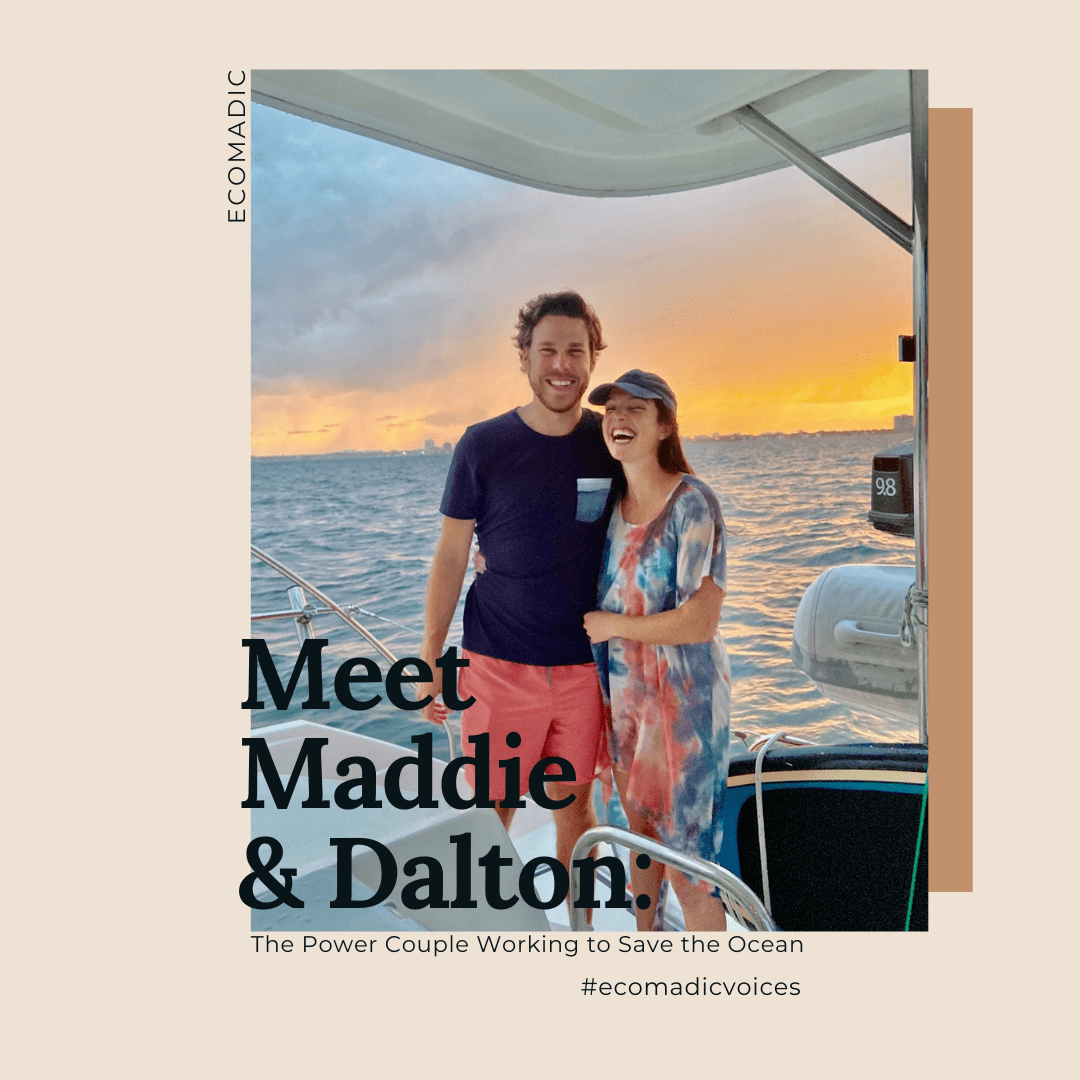

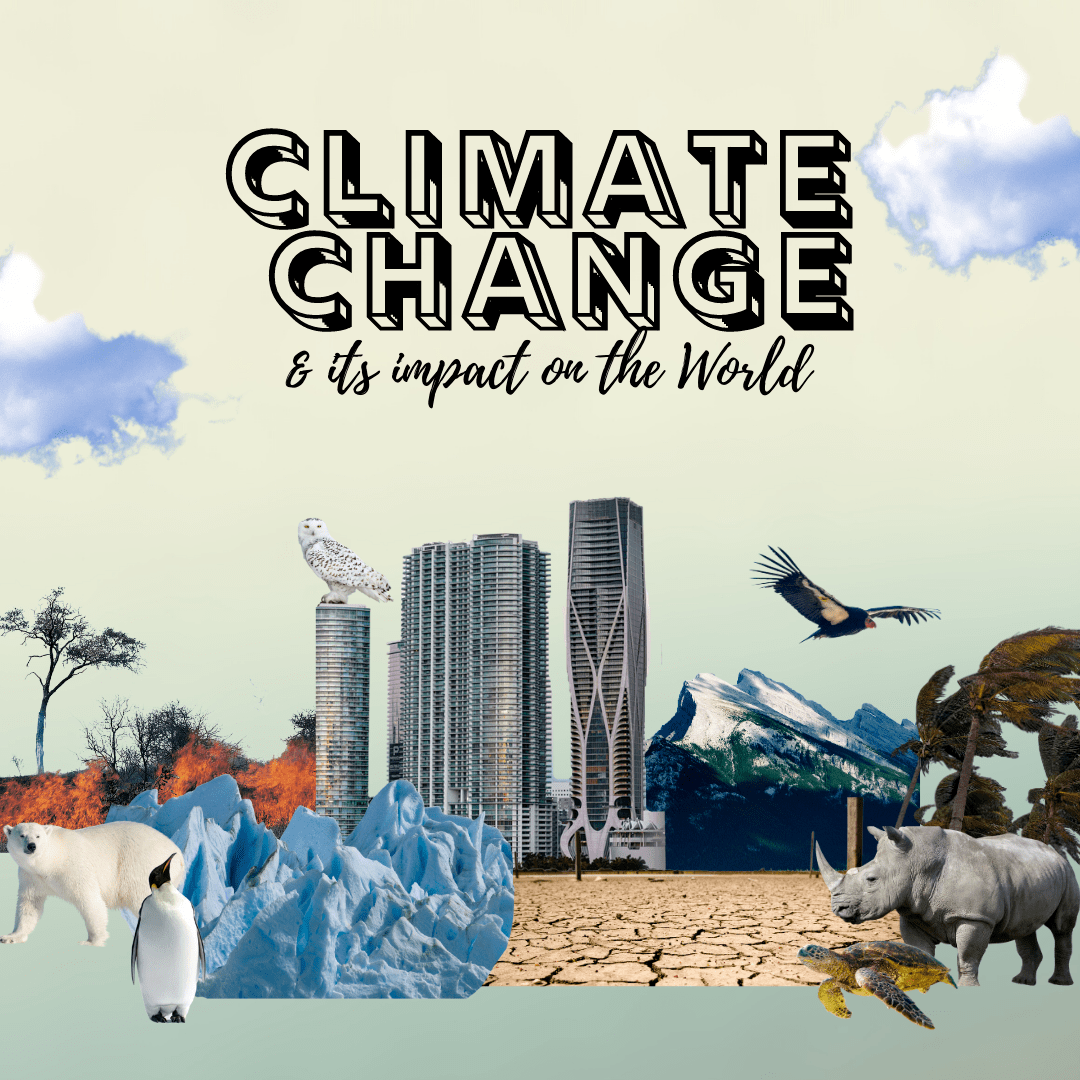

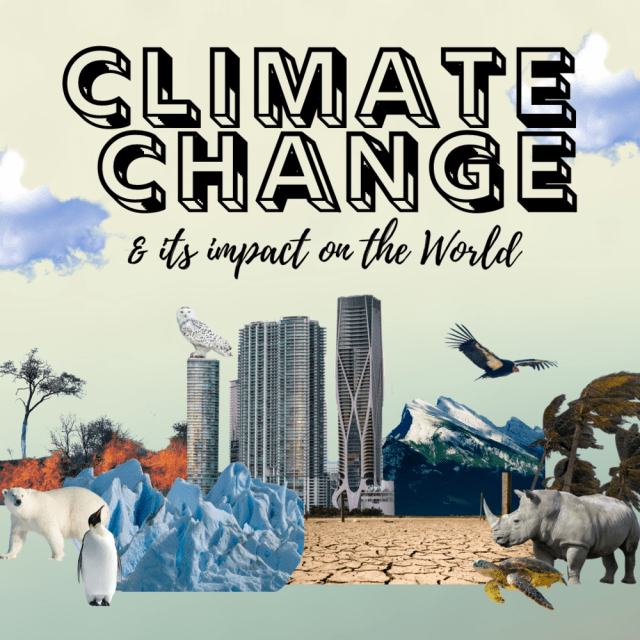
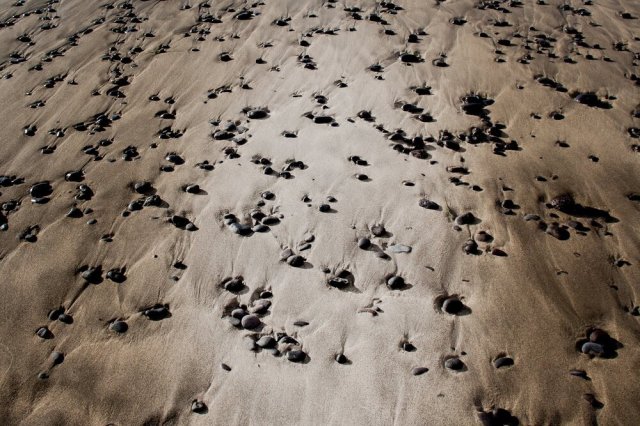
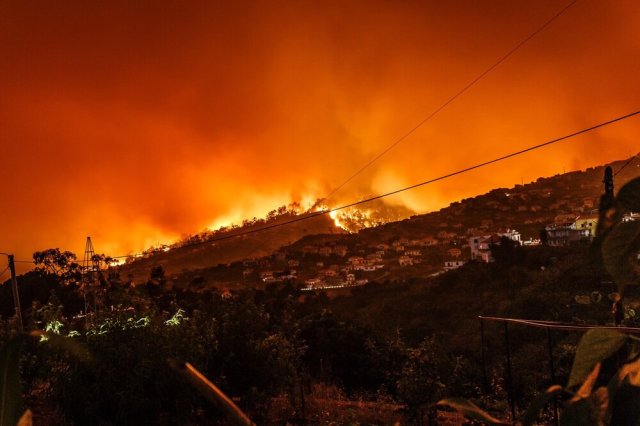
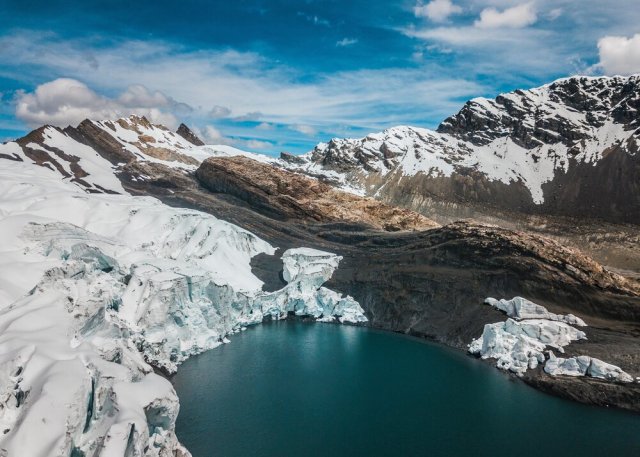
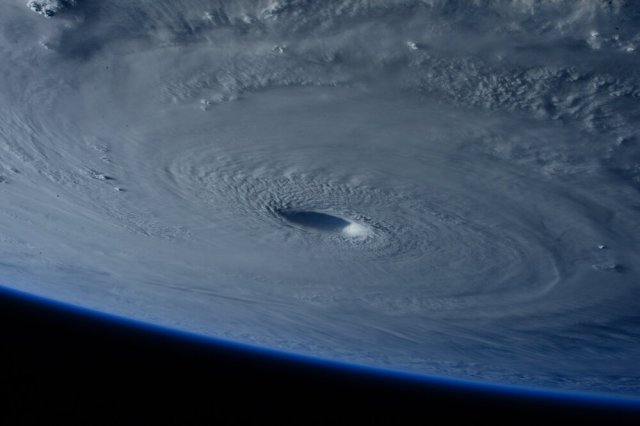
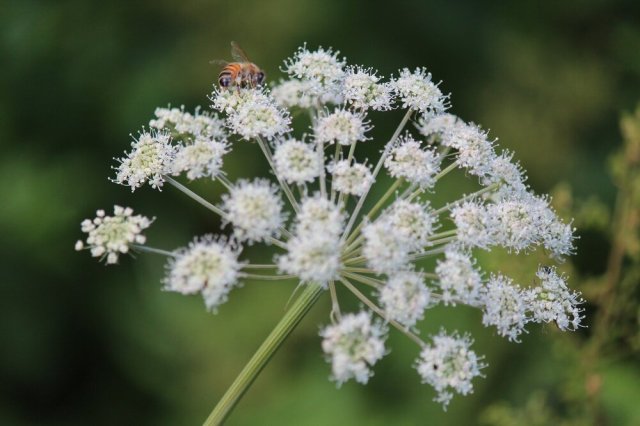






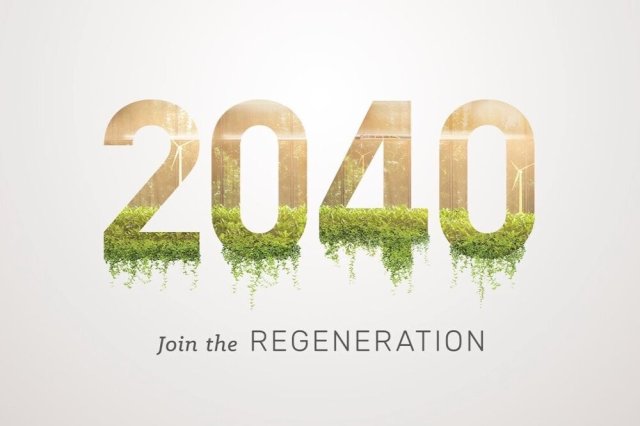



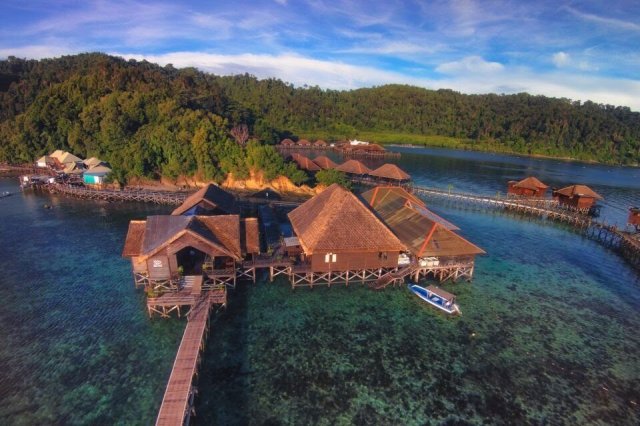
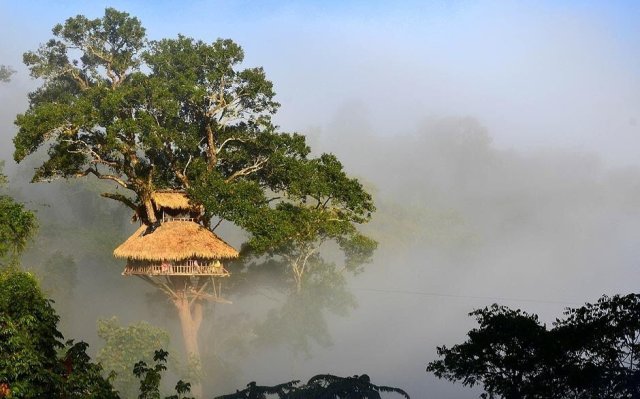
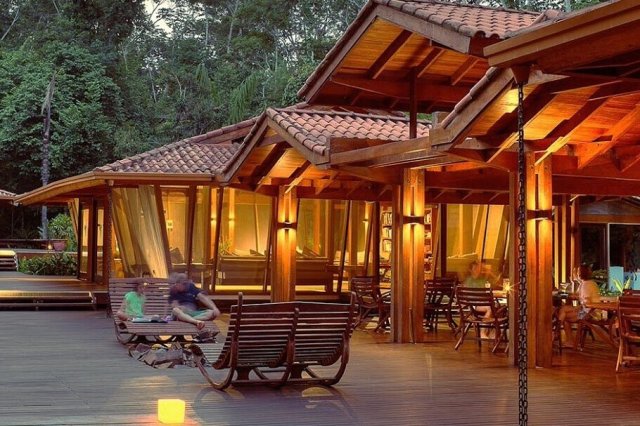
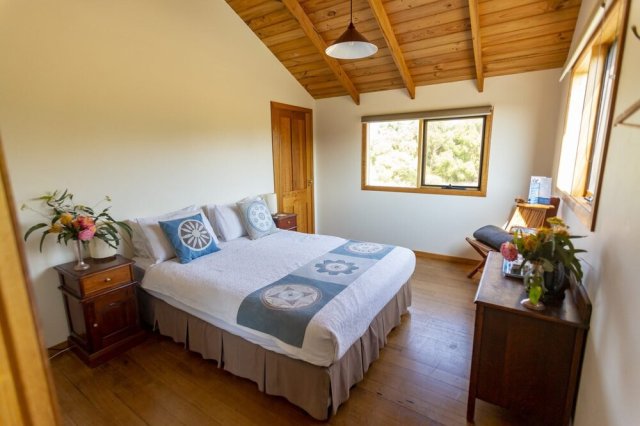
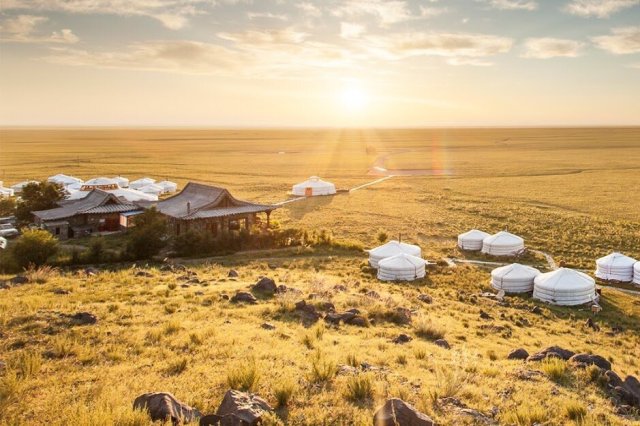
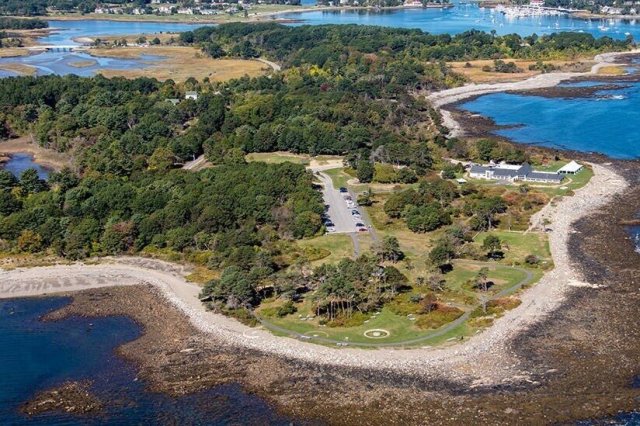
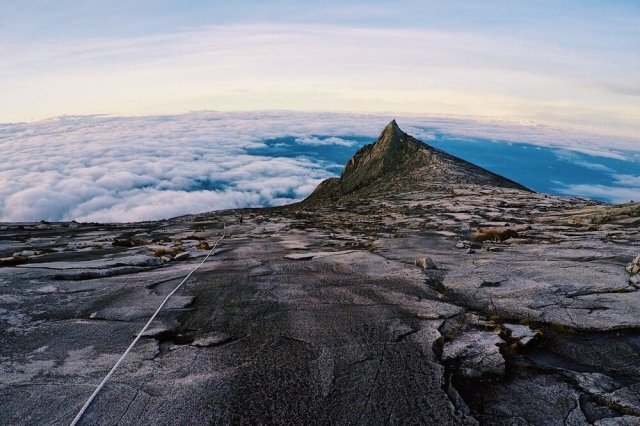
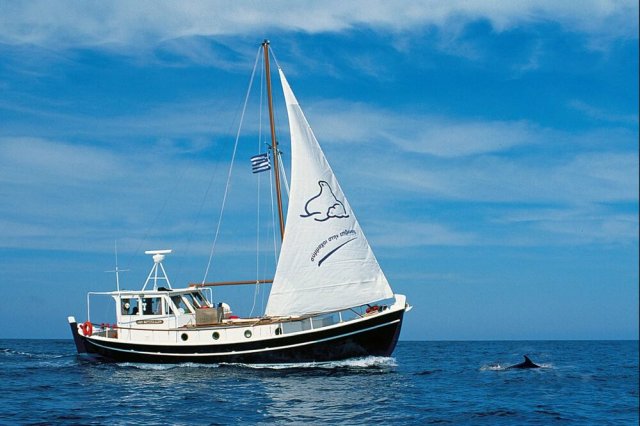
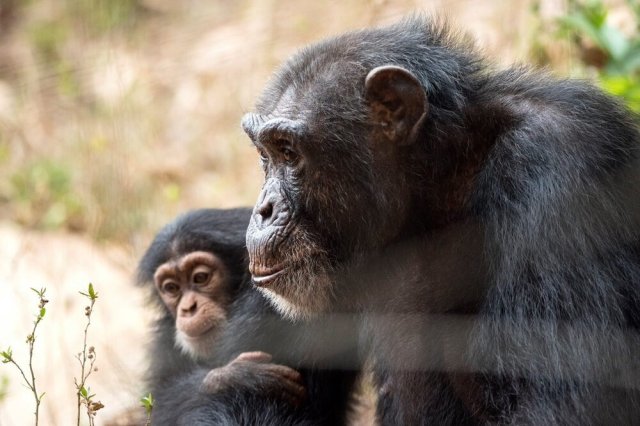
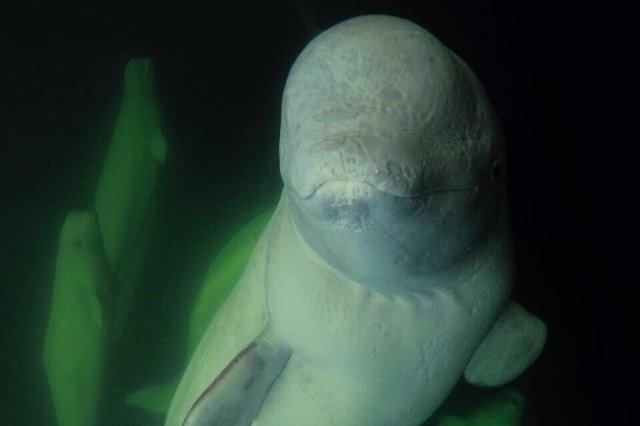
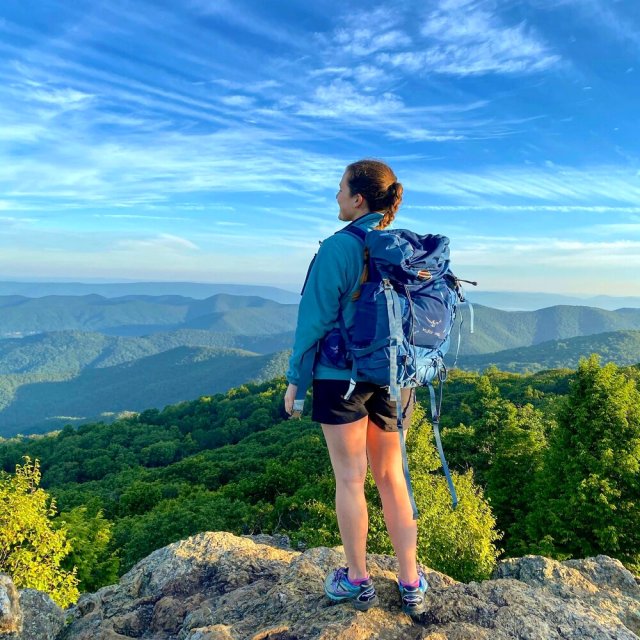
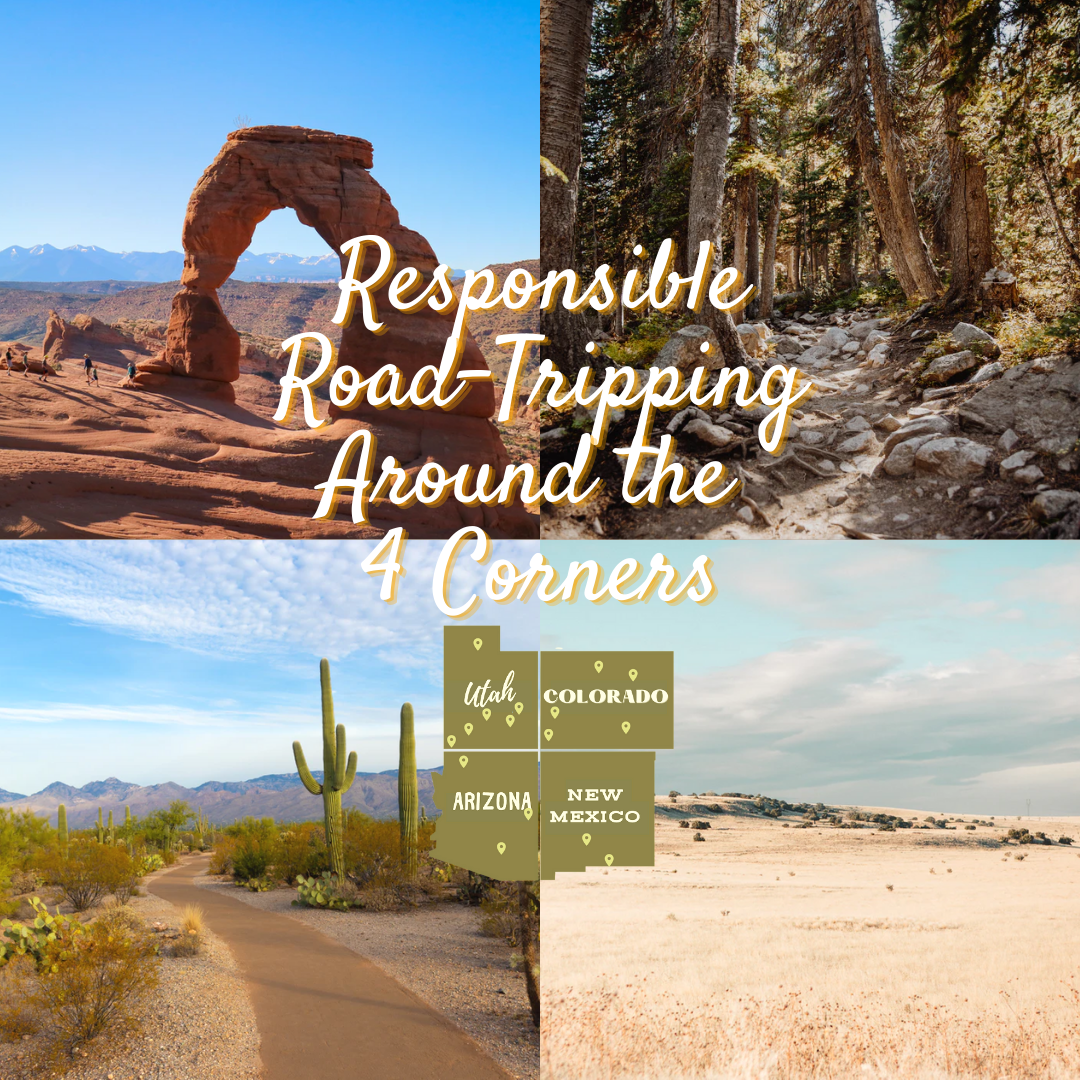

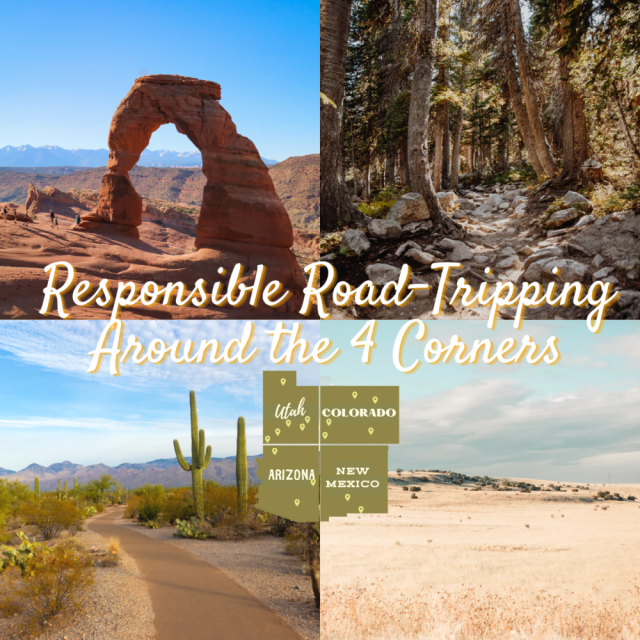
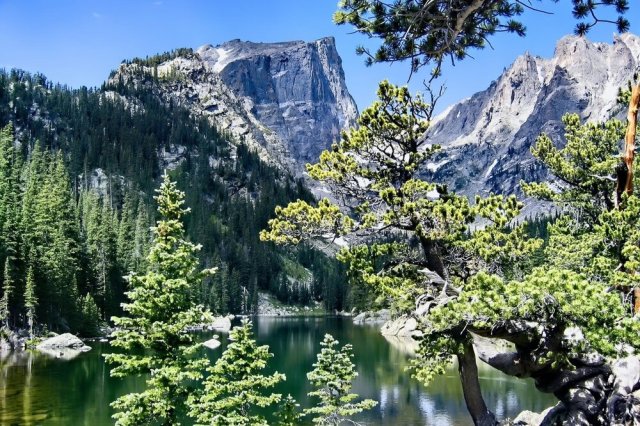
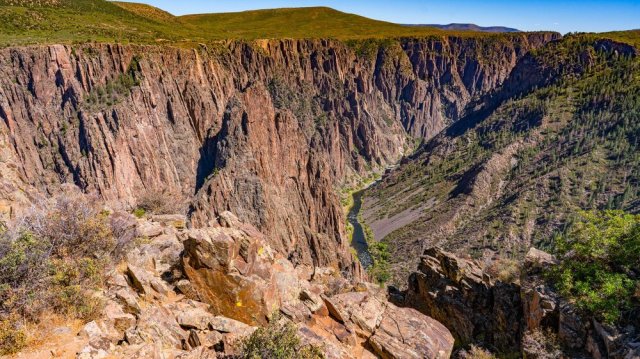
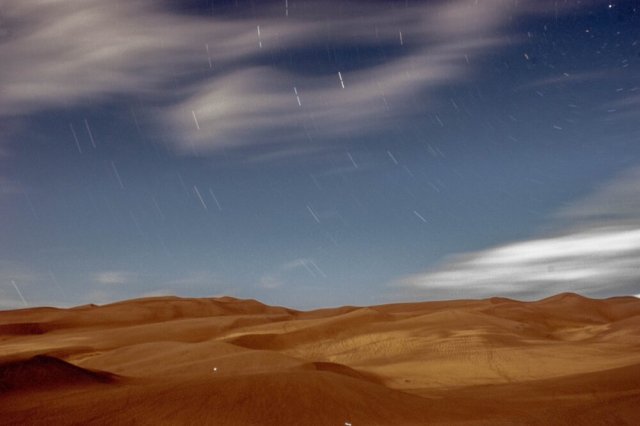
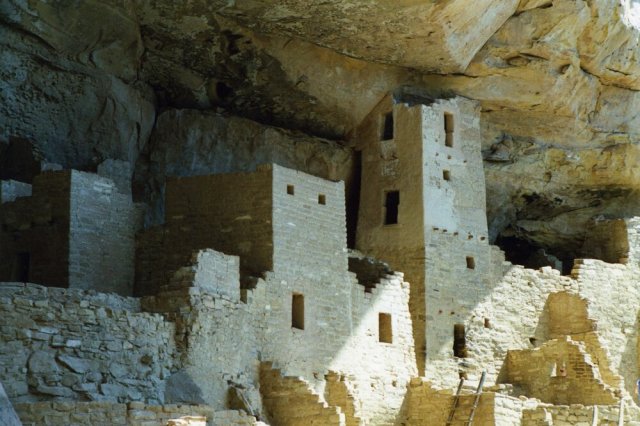
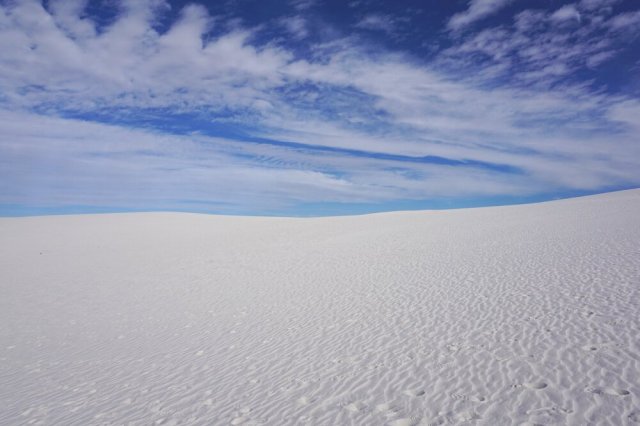
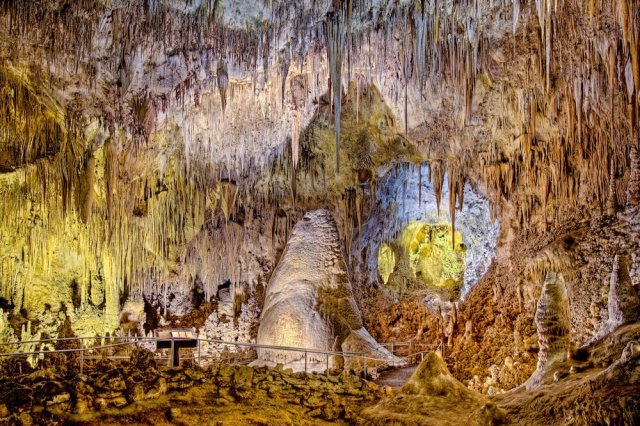
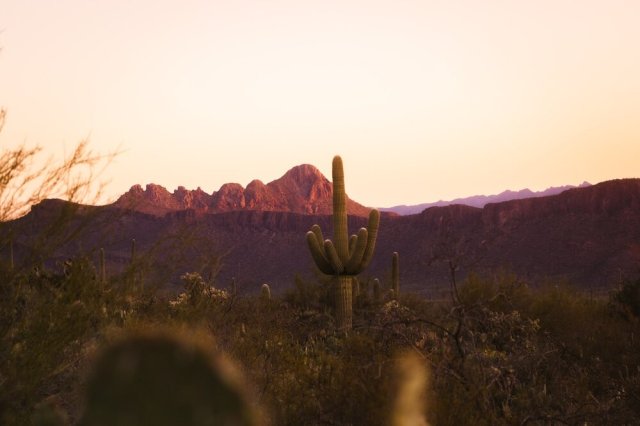
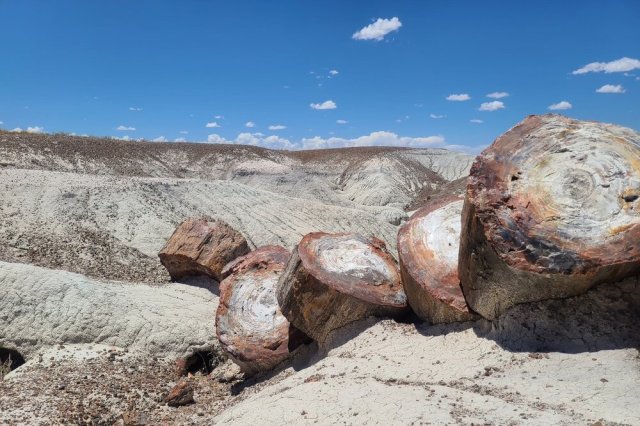
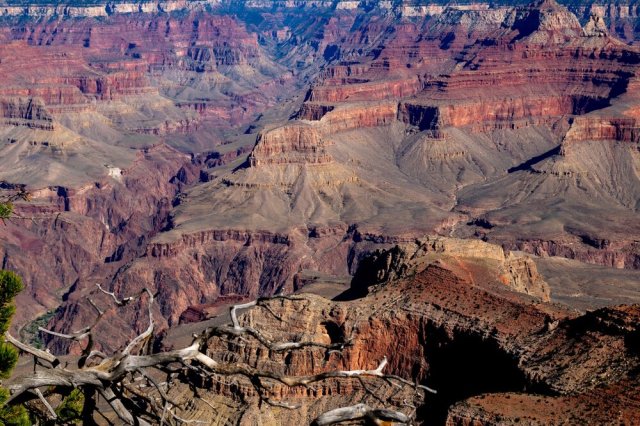
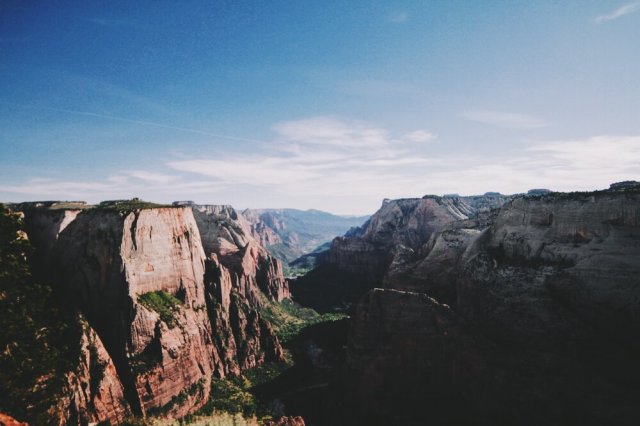
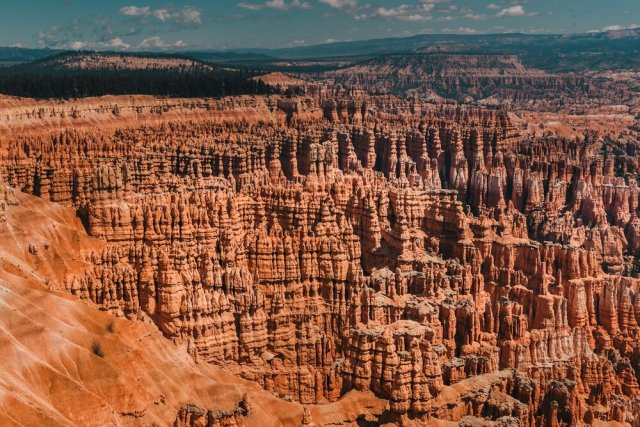
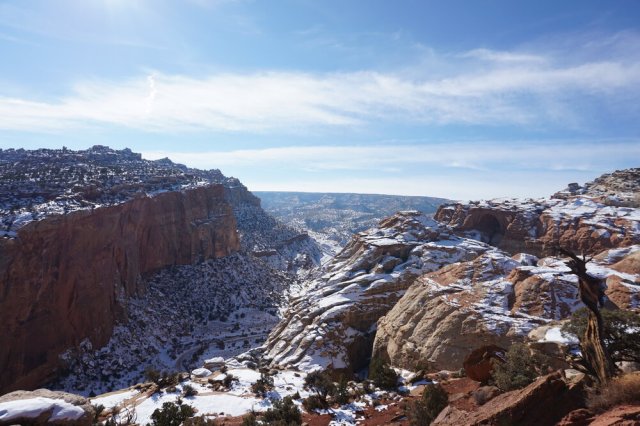
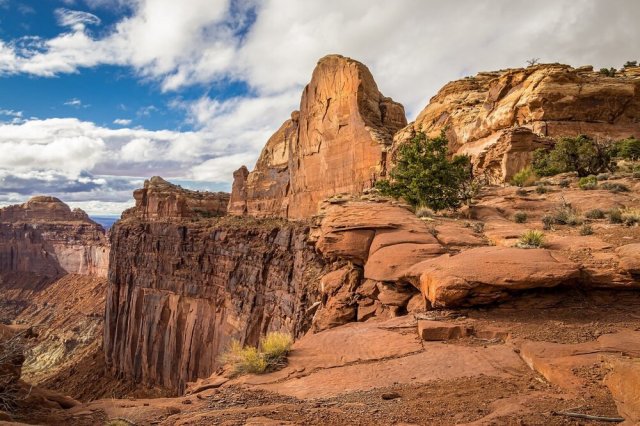
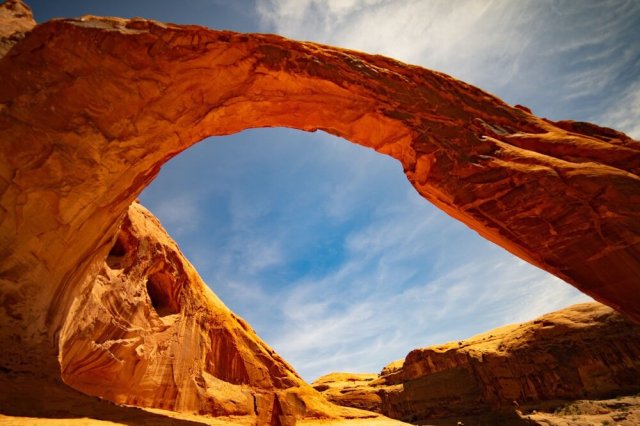

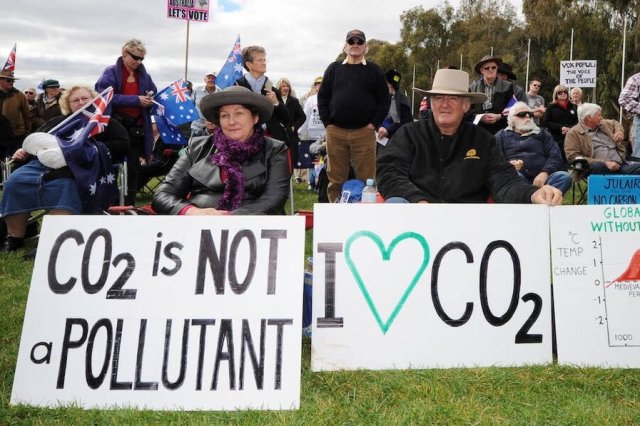
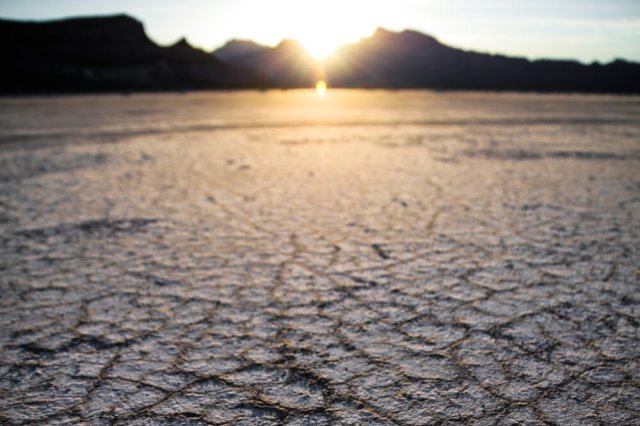


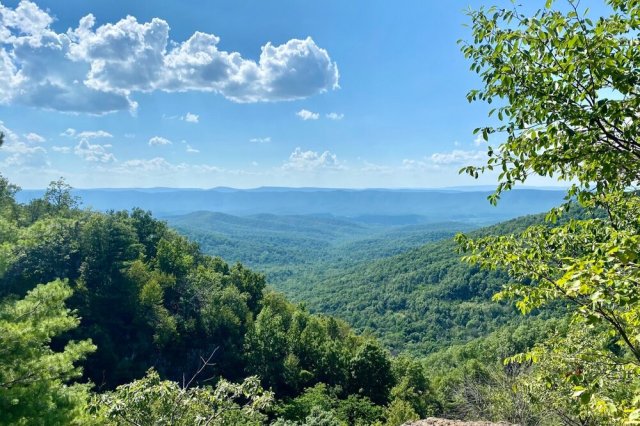
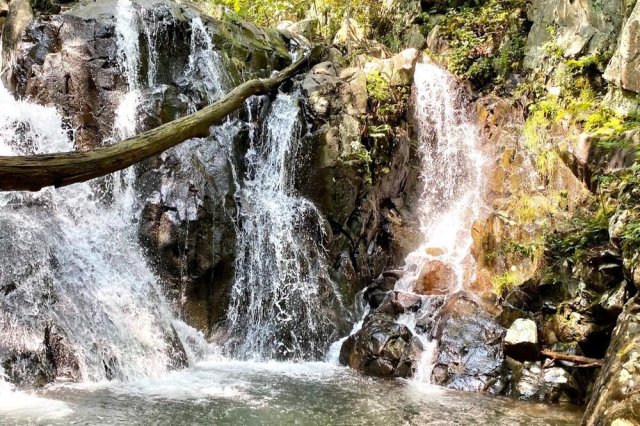
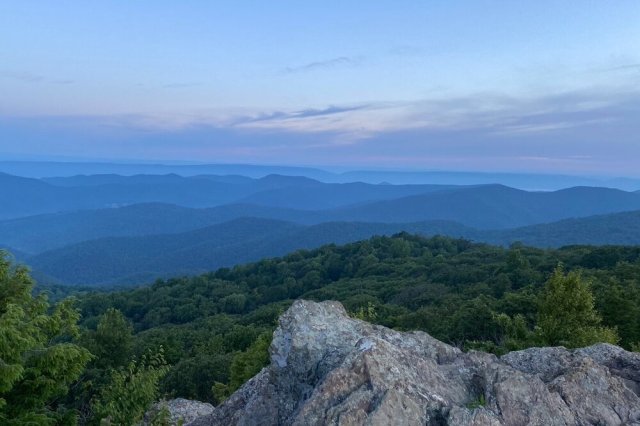
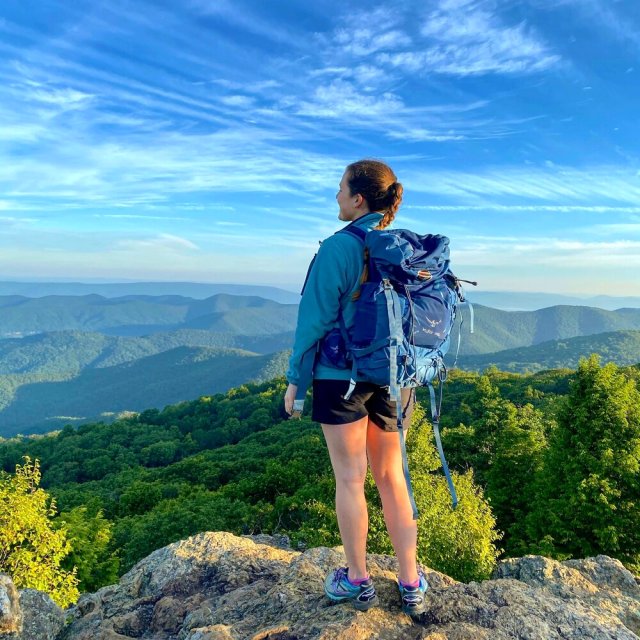

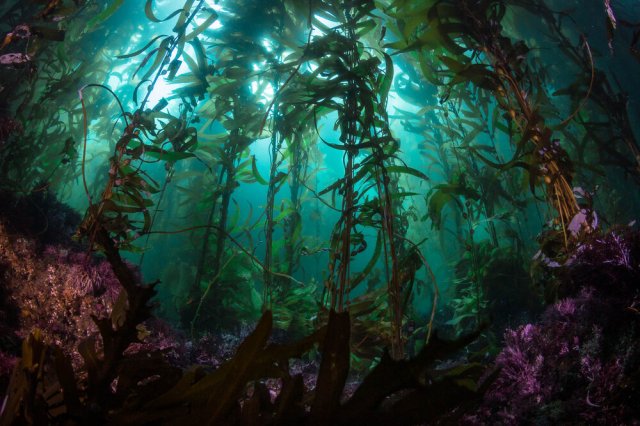
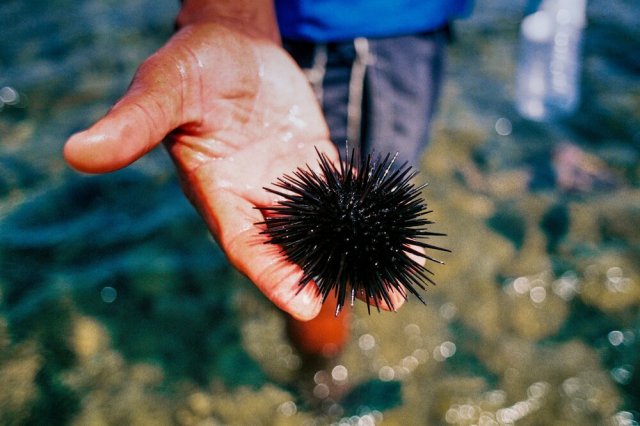
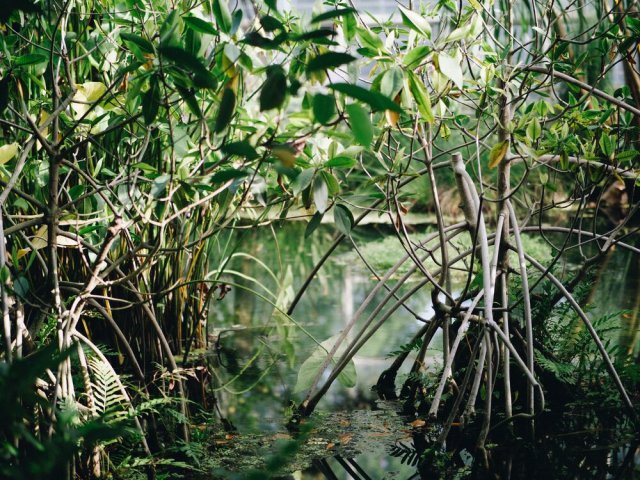
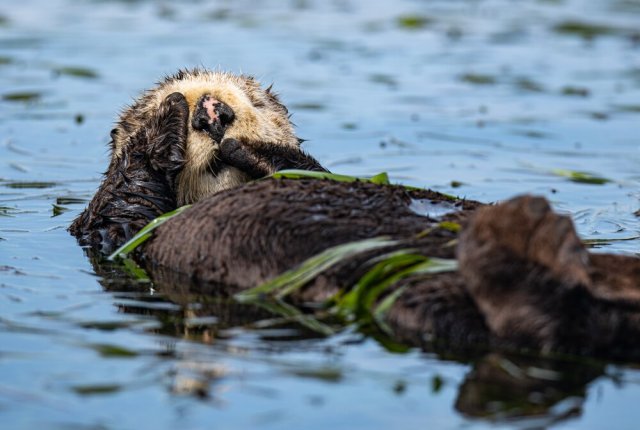


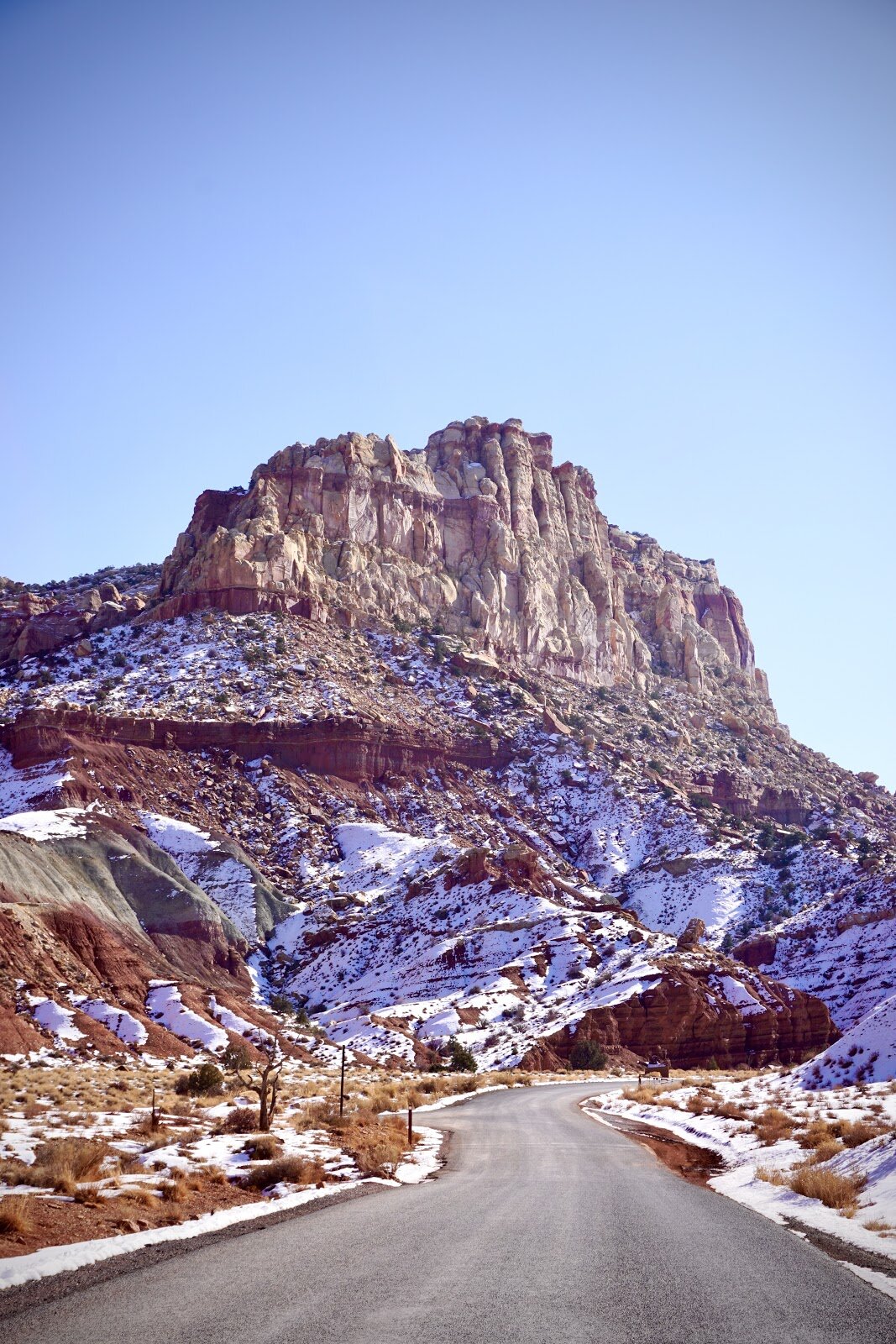

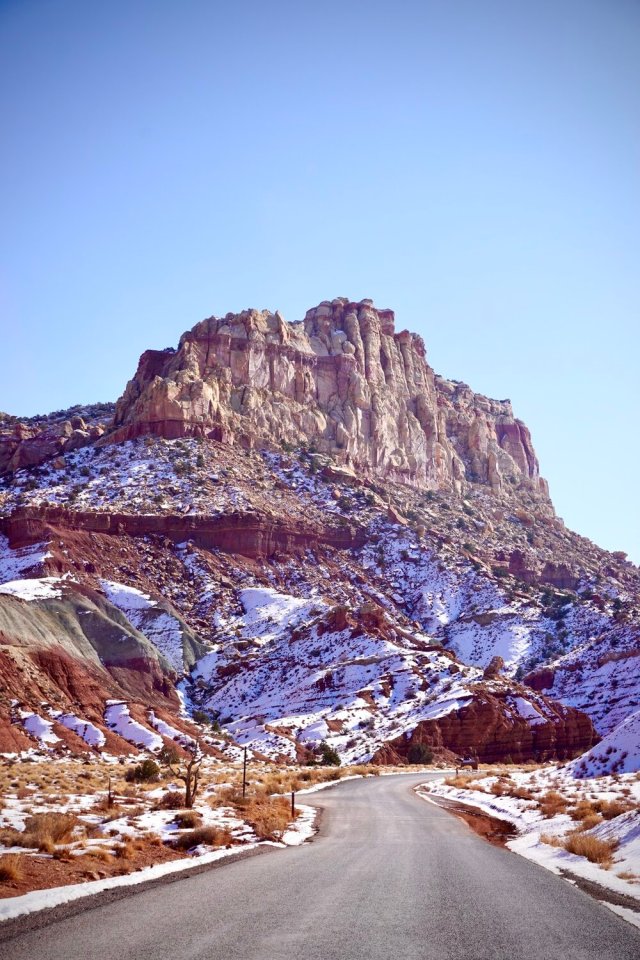
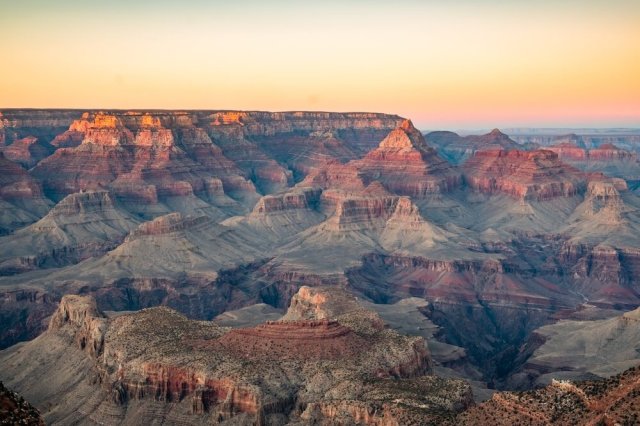
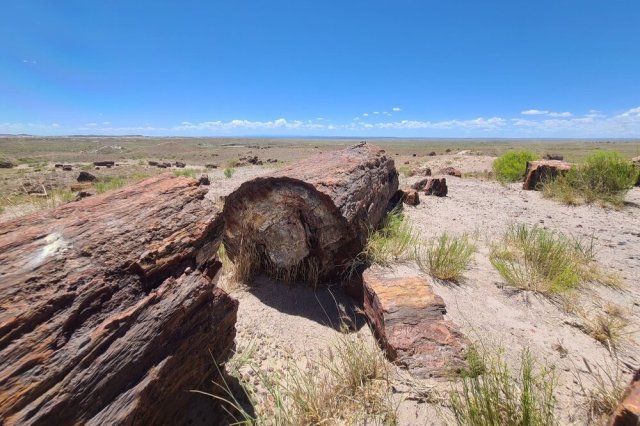
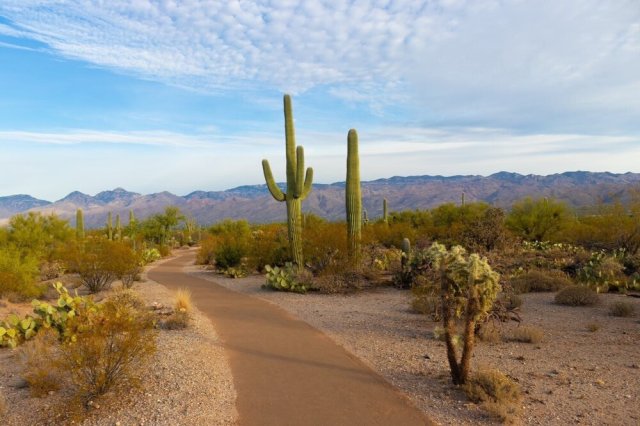
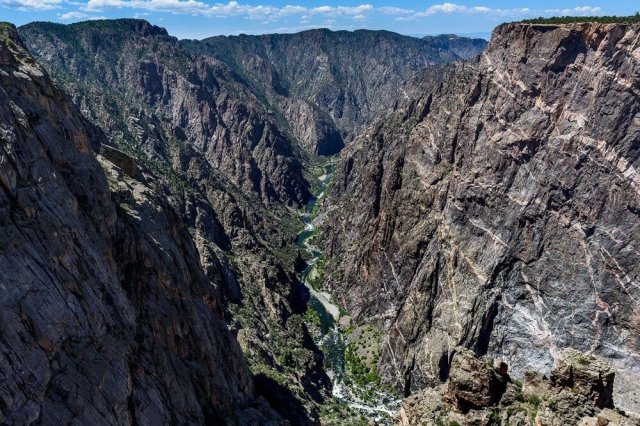
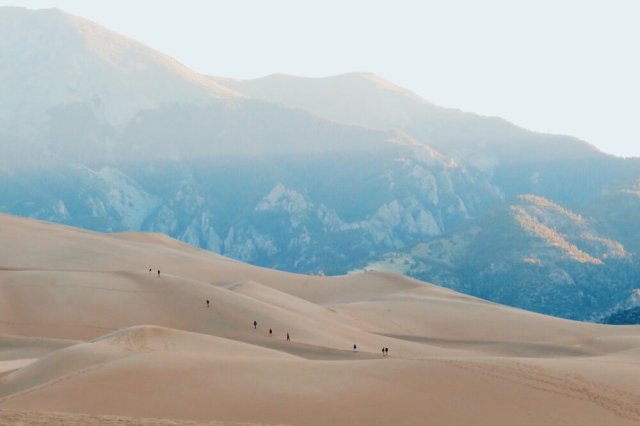
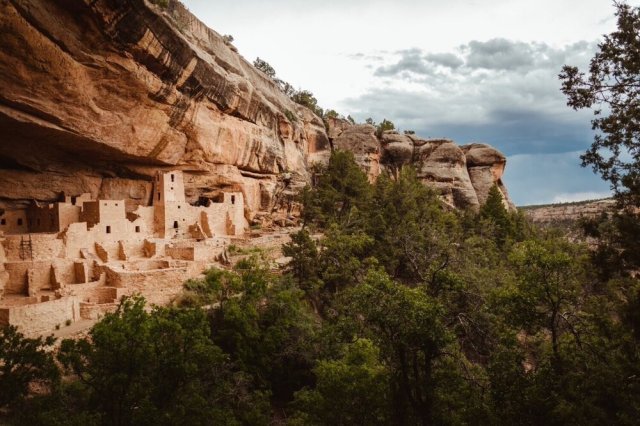
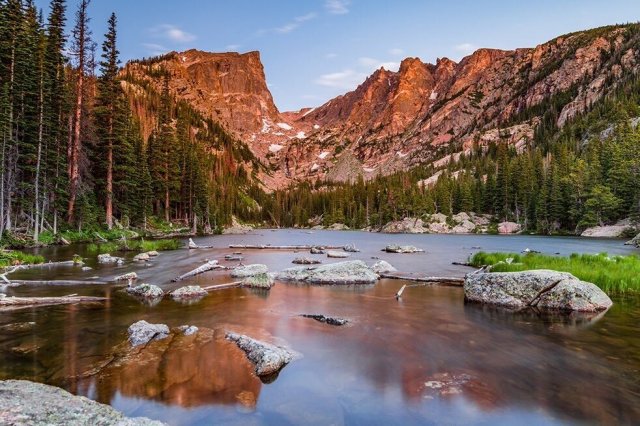
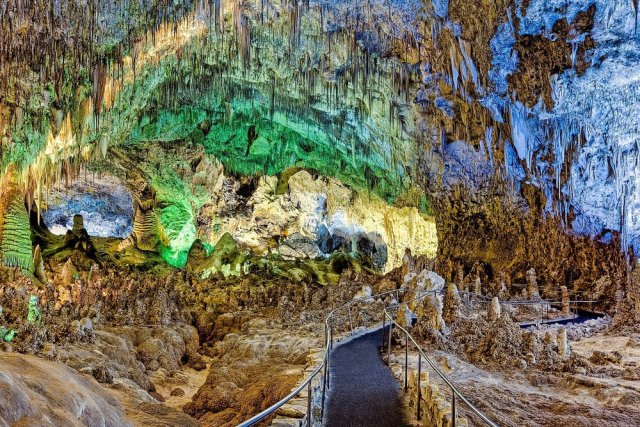
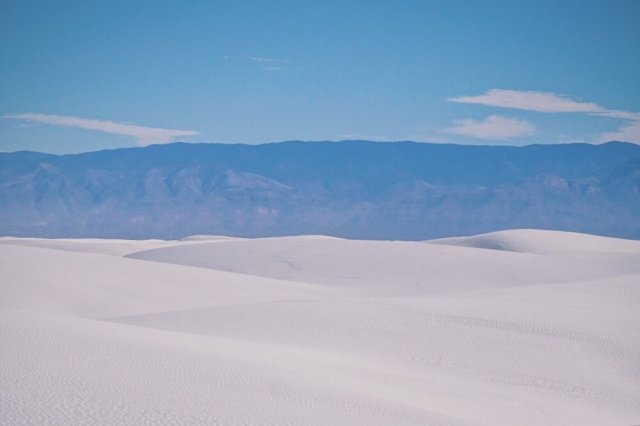
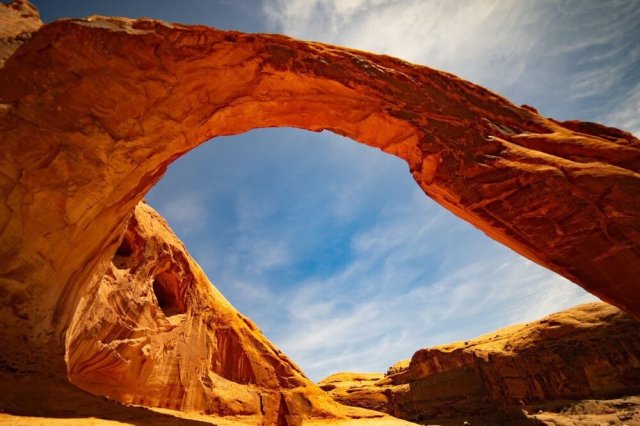
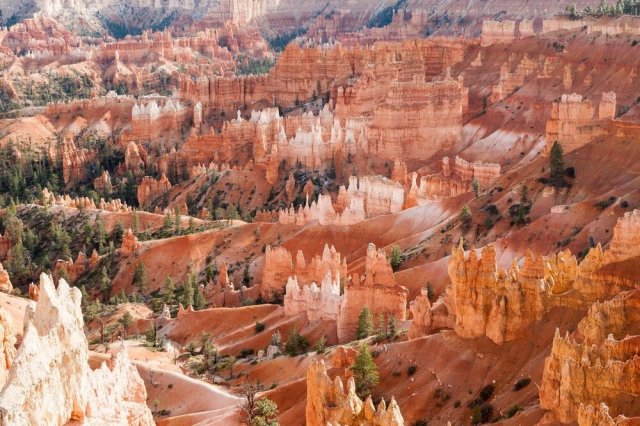
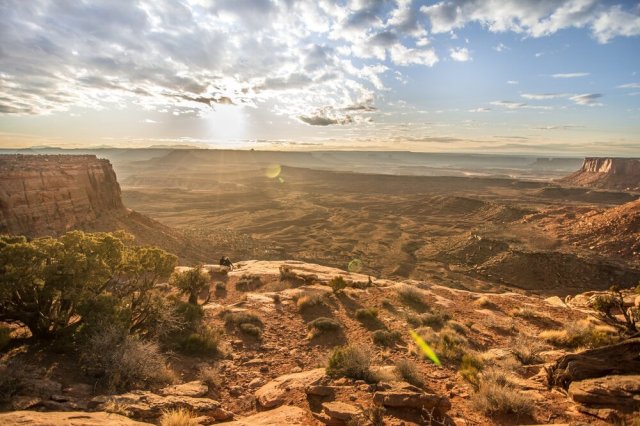
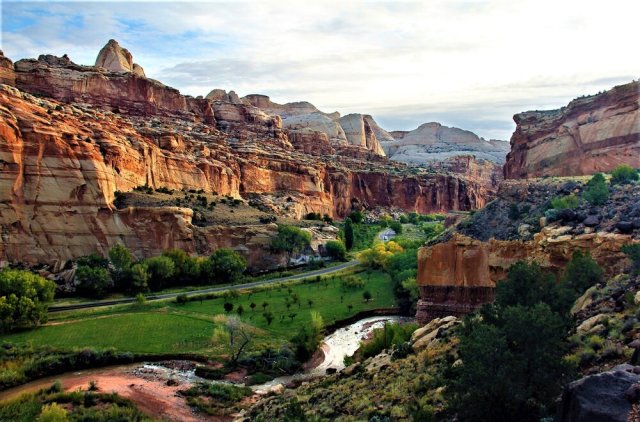
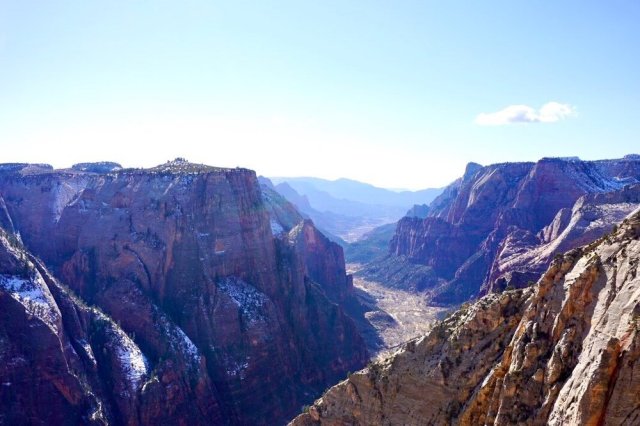

 ecomadic