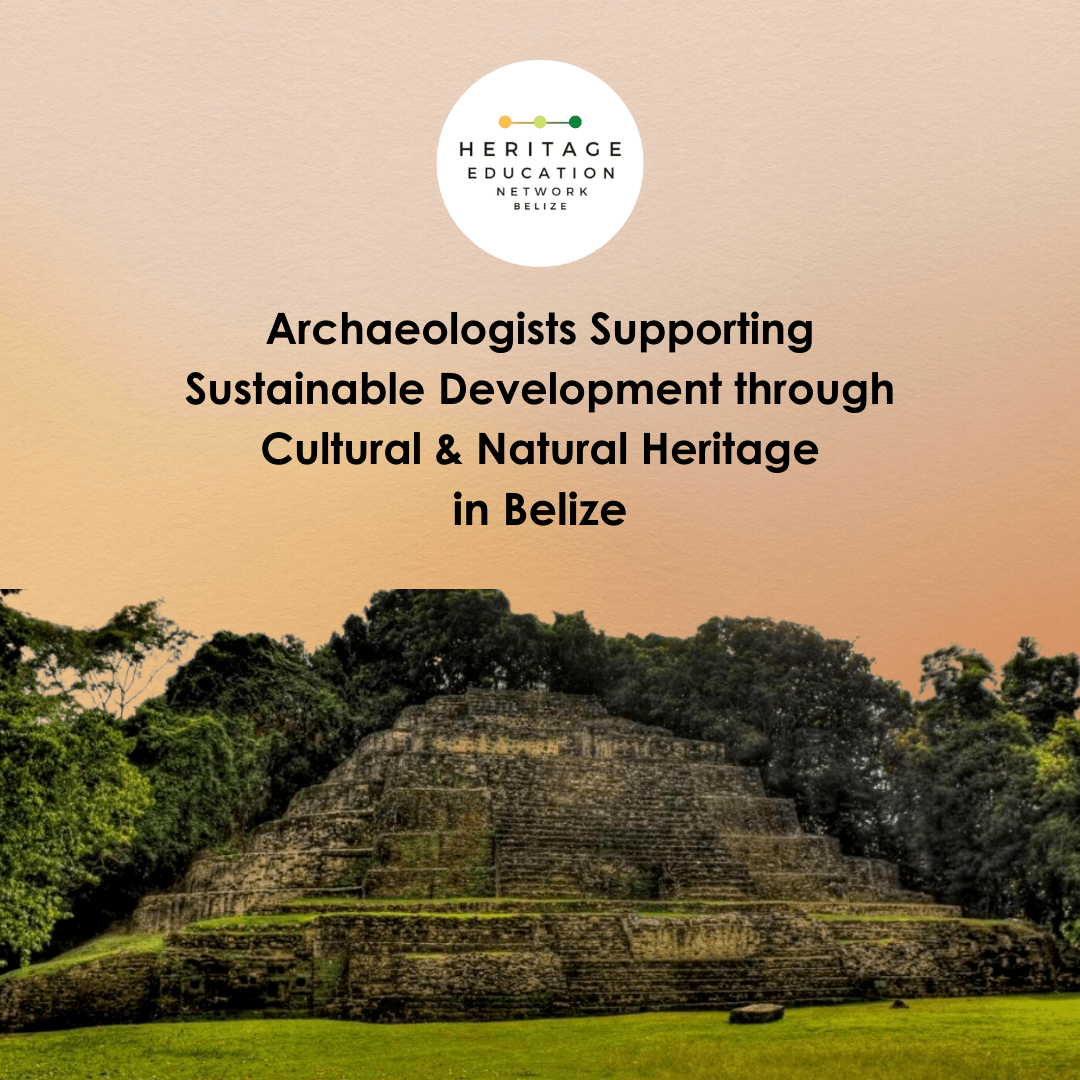

Heritage Education Network: Archaeologists Supporting Sustainable Development through Cultural & Natural Heritage

.parent {
display: inline; position: relative; line-height: 30px; float: left; color: #82be41;
}
.parent a{
margin: 10px;color: #82be41;text-decoration: none;
}
.parent:hover > ul {
display:block;position:absolute;
}
.child {
display: none;
}
.child li {
line-height: 30px;width:115%;text-align:left;
}
.child li a{
color: #82be41;
}
ul{
list-style: none;margin: 0;padding: 0px; min-width:10em;text-align: center;float: right; font-weight: 550;
}
ul ul ul{
left: 100%;top: 0;margin-left:1px;
}
li:hover {
background-color: white;
}
.parent li:hover {
background-color: white;
}
.expand{
font-size:10px;float:right;margin-right:5px;
}

.parent a p{
display: inline; margin: 10px;color: #6e706b;text-decoration: none;
}

Heritage Education Network: Archaeologists Supporting Sustainable Development through Cultural & Natural Heritage


Written by Heritage Belize | February 1, 2021

Heritage Belize (2).pngHeritage Belize (2).png

https://platform-api.sharethis.com/js/sharethis.js#property=5f0bbd9ab9410d0019e80af3&product=inline-share-buttons


Heritage tourism is becoming a tool for researchers to safeguard culture and nature sustainably… & tourists can support this type of tourism too when visiting a destination! By visiting archaeological sites and participating in culture tours, a positive relationship between sustainability, tourism, and Archaeology and Heritage Management can be developed.

Archaeology & Tourism

Heritage Education Network Belize is an organization led by four female archaeologists. Their goal is to help the sustainable development of communities, businesses and organizations in the cultural, creative, and tourism sectors. They believe they are critical stakeholders in sustaining cultural and natural heritage. Coming from an archaeology background, they often hear concerns about the impact of mass-tourism and debates about cultural ownership or stakeholder involvement in tourism development plans. To cut it short, tourism combined with heritage management and archaeology for most has been a challenge in their discipline. Yet, its positive impacts on sustainability are less and less debated every year.


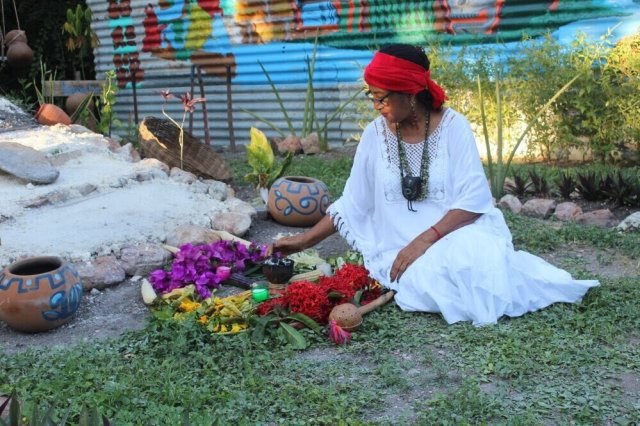
Heritage Belize Team. Source: HENBHeritage Belize Team. Source: HENB

Heritage Belize Team. Source: HENB

The Tourism Impact

You might ask why tourism? How do heritage and tourism relate, and how can we as visitors increase our impact? To understand, we have to look at some basic tourism industry information and underlying issues that shaped heritage management and archaeology in the past decades.

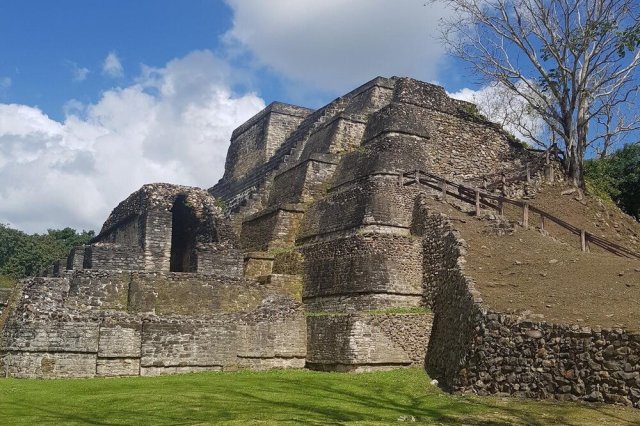
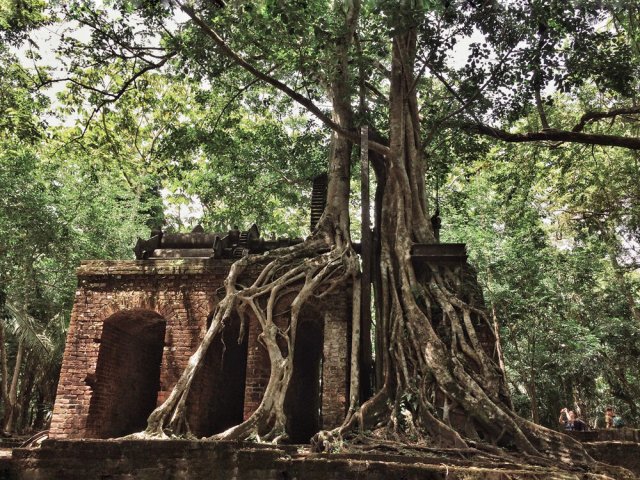
Archaeological sites and heritage spaces can bring million-dollar revenue per year. This revenue comes from entrance fees, artisan shops, tour operator services, restaurants – and so on. Tourism provides the majority of the GDP of developing countries. In Belize, tourism brought around 40% of the country’s annual GDP in 2019. Revenue streams directly and indirectly linked to the tourism industry have an enormous impact on people’s lives. This is something we could see clearly during the 2020 COVID-19 pandemic. There are also growing trends of slow travel, responsible travel and embracing local culture during a visit. This craving of authenticity brings visitors closer to culture and heritage, which inevitably connects the two disciplines and their respective challenges.

Source: HENBSource: HENB

Source: HENB

Common Problems

Many of the ongoing issues in Archaeology and Heritage management are related to excluding adjacent communities, stakeholders, and the lack of community engagement in tourism.

This phenomenon often results in a disconnect between people and their culture. When people are not allowed to engage with a heritage site in a meaningful way or to share and earn from traditional expertise, the perception of one’s “culture” within an individual becomes bitter.

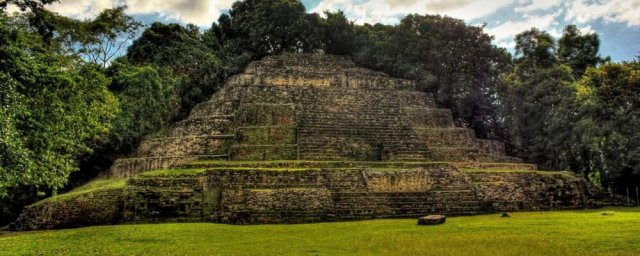
In more extreme cases, issues of site destruction also become prominent. Communities adjacent to archaeological sites and heritage spaces are often rural communities who have to grow crops or hunt in archaeological and nature reserves to sustain themselves. Exclusion from site development, tourism development, decision-making processes and tourism profits can also lead to aggression, vandalism and negligence.

Source: Caribbean Heritage NetworkSource: Caribbean Heritage Network

Source: Caribbean Heritage Network

Resolving Heritage Issues with Tourism

Site destruction or cultural disconnect are socio-economic and heritage management issues that tourism can help us mitigate. 

Adjacent and stakeholder communities are frontline hosts of visitors seeking authentic cultural experiences. Supporting small local businesses, ethical travel curators, community museums, social enterprises, indigenous or minority artisans when travelling can give people a voice to become influential and resilient stakeholders. Tourism can, therefore, enhance cultural identity, raise cultural awareness and improve socio-economic issues amongst vulnerable communities.

Visitors can be agents of change towards a sustainable future. This is why Heritage Education Network Belize views collaboration between academic disciplines and tourism businesses as a gateway to achieving economic, cultural and ecological sustainability.

meet the author


Heritage Belize - Heritage Belize is a nonprofit organization led by a group of archaeologists, heritage professionals, tourism and business industry leaders who work to support heritage education and the sustainable development of tourism and creative businesses. By offering online courses, educational resources, consultation, community engagement, and capacity-building projects, they aim to position local communities as influential and resilient heritage stakeholders.

4.png

Heritage Belize

Heritage Belize is a nonprofit organization led by a group of archaeologists, heritage professionals, tourism and business industry leaders who work to support heritage education and the sustainable development of tourism and creative businesses. By offering online courses, educational resources, consultation, community engagement, and capacity-building projects, they aim to position local communities as influential and resilient heritage stakeholders.


 

10 Local Experiences in Belize You Won’t Find in the Guidebooks

.parent {
display: inline; position: relative; line-height: 30px; float: left; color: #82be41;
}
.parent a{
margin: 10px;color: #82be41;text-decoration: none;
}
.parent:hover > ul {
display:block;position:absolute;
}
.child {
display: none;
}
.child li {
line-height: 30px;width:115%;text-align:left;
}
.child li a{
color: #82be41;
}
ul{
list-style: none;margin: 0;padding: 0px; min-width:10em;text-align: center;float: right; font-weight: 550;
}
ul ul ul{
left: 100%;top: 0;margin-left:1px;
}
li:hover {
background-color: white;
}
.parent li:hover {
background-color: white;
}
.expand{
font-size:10px;float:right;margin-right:5px;
}

.parent a p{
display: inline; margin: 10px;color: #6e706b;text-decoration: none;
}

10 Local Experiences in Belize You Won’t Find in the Guidebooks


Written by Stephanie Stevens | February 1, 2021


📷 @juancy📷 @juancy

📷 @juancy

https://platform-api.sharethis.com/js/sharethis.js#property=5f0bbd9ab9410d0019e80af3&product=inline-share-buttons


With many wonderful outdoor activities, archeological sites, and the second largest barrier reef in the world, tourism has become a major industry in Belize. This coastal country on the eastern coast of Central America attracts a diverse set of tourists each year looking to explore natural attractions and to learn about the country’s rich Maya culture and heritage. As in many developing countries, tourism is a key component of the health of Belize’s economy as Belizean locals rely heavily on the tourism industry for jobs, income, and financial stability. There are many opportunities for travelers to support local tourism in Belize, which in turn helps to celebrate and preserve indigenous heritage and customs. 

Supporting local businesses when traveling abroad is important for a host of reasons. For one, when tourists visit and engage with locally-run businesses they help to recirculate what they spend into the local economy, which helps support local businesses, families, and livelihoods. Also, developing destinations, such as Belize, are rich with history, culture, and heritage and by supporting local businesses, visitors help to preserve these cultures that have existed for thousands of years. Protecting heritage has become increasingly difficult in the age of rapid development and technology, so it is more important than ever for travelers to consider supporting local vendors, businesses, and experiences.

In addition to benefiting the local economy and community, taking part in cultural practices is an eye-opening and enriching experience. Connecting with locals typically enables visitors to see the country in a unique way and to learn more about a place’s culture such as language, customs, food, and more. The locals in Belize have much to offer and are passionate about sharing their folktales, culture, customs, and ancestral practices with visitors. In partnership with Heritage Belize, below you can find 10 local businesses to support when traveling to Belize.

Eco-Accommodations

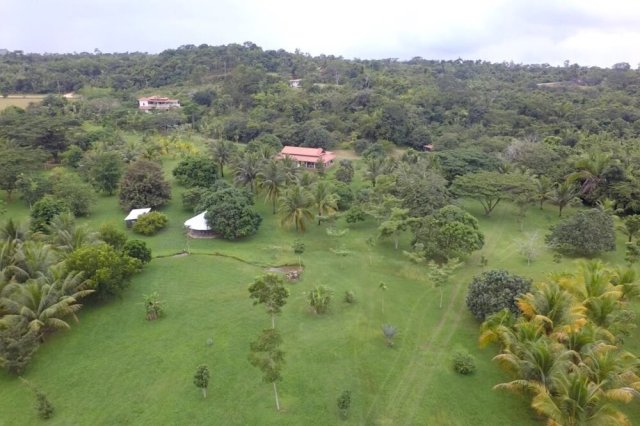
Rock Farm Guest House & Home of Belize Bird Rescue


Source: Rock Farm Belize & Belize Bird RescueSource: Rock Farm Belize & Belize Bird Rescue

Source: Rock Farm Belize & Belize Bird Rescue

Price Range – $

Book this place

The Rock Farm Guest House, located just 3 miles outside of Belmopan, provides guests with jungle-feel accommodations and a calm, relaxing atmosphere. Rock Farm has been the family home of British couple Jerry Larder and Nikki Buxton since 2003. In 2016, the couple decided to open their home to guests in order to provide sustainable funding for Belize Bird Rescue, which is also located on the property. Perfect for birders, nature lovers, and those wishing to explore nearby natural wonders, Rock Farm Guest House gives guests the opportunity to enjoy beautiful accommodations while supporting local conservation efforts. All income from Rock Farm Guest House goes toward Belize Bird Rescue and avian conservation programs in Belize.

Socially Responsible Eateries

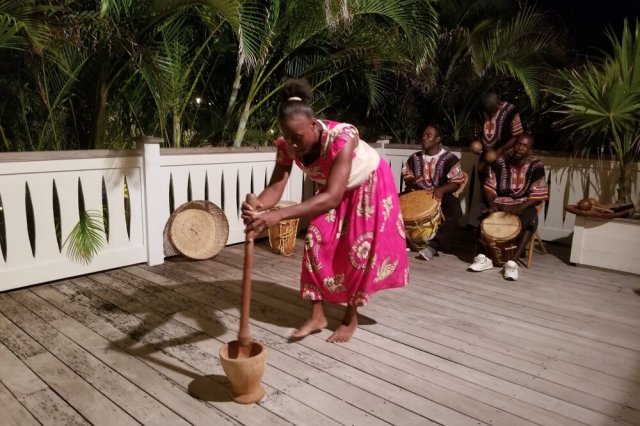
Black & White Garifuna Restaurant and Cultural Center


Source: Black & White Garifuna Restaurant and Cultural CenterSource: Black & White Garifuna Restaurant and Cultural Center

Source: Black & White Garifuna Restaurant and Cultural Center

Price Range – $

The Black & White Garifuna Restaurant and Cultural Center, located in San Pedro, Belize, is a locally-owned cultural center and restaurant. The Black & White Garifuna gives visitors the chance to experience Garifuna culture through traditional Garifuna food, homemade wine, and traditional Garifuna drumming and dancing. Traditional Garifuna music is defined by the use of percussion instruments and drums and is often accompanied by maracas and singing.

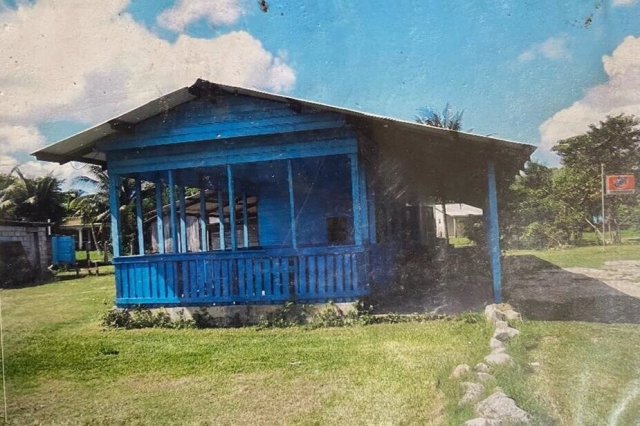
Las Orquideas Restaurant


Source: Las OrquideasSource: Las Orquideas

Source: Las Orquideas

Price Range – $

Las Orquideas is a restaurant and women’s co-op located in a small village next to Lamanai Archaeological Reserve, which is one of the largest archaeological parks open to the public in Belize. Originally established with the help of the Canada Fund in 1996, the restaurant is managed today by the Indian Church Women’s Group. What started as a small restaurant and spot for locals, Las Orquideas has grown as tourism has increased in the region.

Ethical Experiences

Itzamna Society


Source: Itzamna SocietySource: Itzamna Society

Source: Itzamna Society

Price Range – $

The Itzamna Society is a registered NGO that was established in 2000 with the purpose of promoting community development, cultural patrimony, and biodiversity conservation. The Itzamna Society (Itzamna meaning God who created all things on Earth) established Elijio Panti National Park in 2001, which is co-managed today by the Itzamna Society and the Forest Department. The park encompasses 13,000 acres of mountainous terrain with waterfalls, natural pools, medicinal trails, biodiverse flora and fauna, and an extensive cave system.

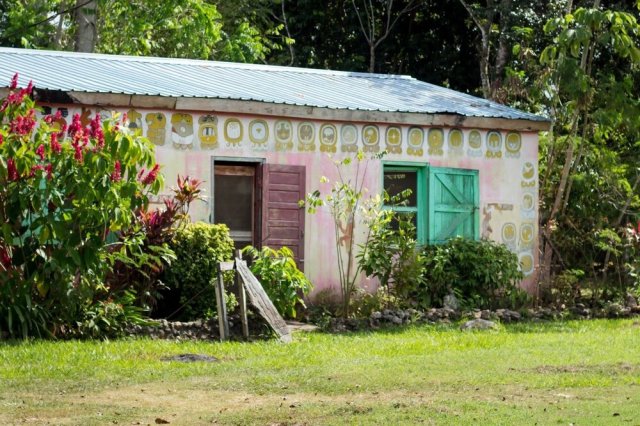
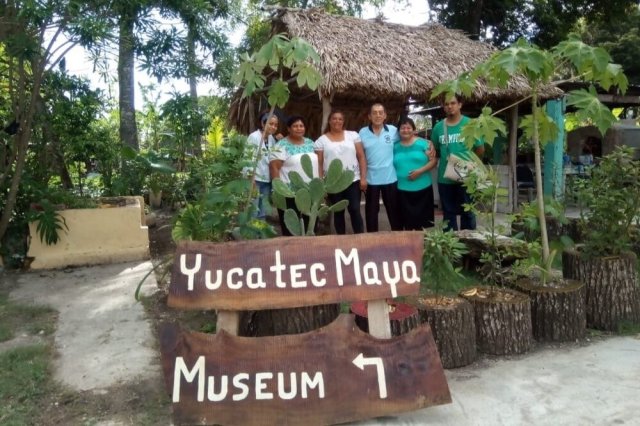
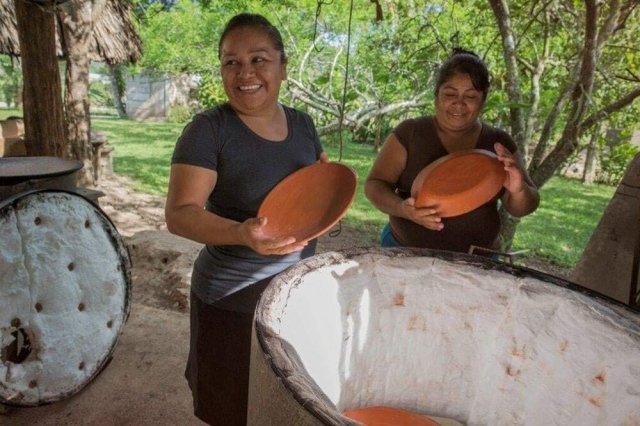
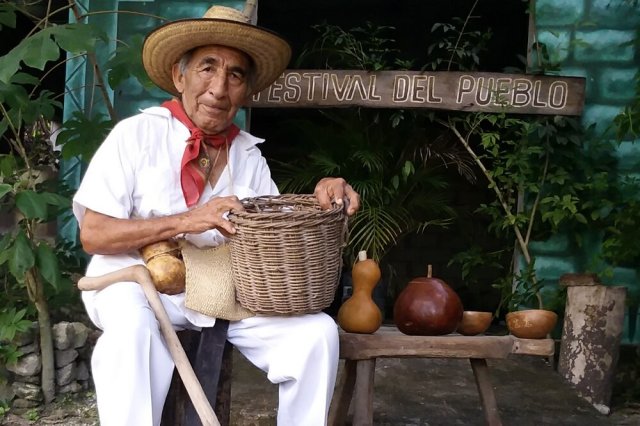
(Yucatec Maya Museum) U Kuuchil Uucben Mayaya Ba’alo’ob


Source: (Yucatec Maya Museum) U Kuuchil Uucben Mayaya Ba'alo'obSource: (Yucatec Maya Museum) U Kuuchil Uucben Mayaya Ba'alo'ob

Source: (Yucatec Maya Museum) U Kuuchil Uucben Mayaya Ba’alo’ob

Price Range – $

Yucatec Maya Museum connects the Cultural Corridor of the villages of San Pedro, Cristo Rey, Yo Chen, Patchakan, Xaibe and Chan Chen in the Corozal District. The museum hopes to create awareness about Maya culture, especially among the local younger generation, and to inspire others to appreciate the artifacts of Yucatec Maya culture. The museum features cultural artifacts as well as other cultural objects such as metals, old documents and old photographs. The museum also promotes the importance of medicinal plants, which have been utilized in Maya culture for thousands of years. There is a trail available for visitors to explore at the site of the museum that features many medicinal plants.

San Antonio Women’s Cooperative


Source: San Antonio Women’s CooperativeSource: San Antonio Women’s Cooperative

Source: San Antonio Women’s Cooperative

Price Range – $

San Antonio Women’s Cooperative (SAWC) is a non-profit organization that started in 2001 and is located in San Antonio Village in Cayo District, on the main road next to the Mayan temple of Caracol. With 12 active members of Maya descendent, this social enterprise shop provides ethical experiences to visitors in order to spread awareness of Maya culture and to generate income for the benefit of the local community.

Lan Barangu Luban Garifunaduaü (Barranco House of Culture)


Source: Lan Barangu Luban Garifunaduaü (Barranco House of Culture)Source: Lan Barangu Luban Garifunaduaü (Barranco House of Culture)

Source: Lan Barangu Luban Garifunaduaü (Barranco House of Culture)

Price Range – $

Lan Barangu Luban Garifunaduaü (Barranco House of Culture) is a Garifuna Museum and Resource Center. It is located in the small village of Barranco, in the Toledo District of Belize. The center was initially created to aid in preserving and educating others about Garifuna culture, a mission that the center still works towards today. The center also works to ensure that residents of Barranco village understand their history, culture, and identity. As the longest standing House of Culture in the Toledo District, the museum showcases artifacts of clothing, farming, travel, language, and music that were (and still are) used by the Garifuna people.

U Chan Muul Yaax K’aax


Source: U Chan Muul Yaax K’aaxSource: U Chan Muul Yaax K’aax

Source: U Chan Muul Yaax K’aax

Price Range – $

U Chan Muul Yaax K’aax, which translates to Little Mound in the Green Forest, is a small family-run, community-led museum that showcases the local history of San Lazaro and the surrounding villages. Run by the Carillo family, the museum is located in the Orange Walk District in northern Belize, which is famous for its sugar production. More specifically, the San Lazaro Village is in the heart of the sugar belt, located between the archaeological sites of Cuelo and Lamanai Archaeological Reserve. The museum’s collections include objects from pre-hispanic Maya, Guerra de Castas (the Caste War of 1847), Mestizo and present-day Maya.

Kanan Miatsil (Guardians of Culture)


Source: Kanan Miatsil (Guardians of Culture)Source: Kanan Miatsil (Guardians of Culture)

Source: Kanan Miatsil (Guardians of Culture)

Price Range – $

Kanan Miatsil, Mayan for Guardians of Culture, is a non-profit organization run by Felicita Cantun in Yo Creek Village. Felicita is a Maya elder who is known in the area as the “Culture Warrior” for her work to safeguard the Yuactect Maya culture and promote its visibility. The Kanan Miatsil organization develops the visibility of Maya Yucatec culture in order to stimulate Belize’s economy and enhance the quality of life of the indigenous Yucatec Maya of Northern Belize. The organization acquired land in recent years, which they transformed into Pachamama Ecological Park, where visitors can come to experience and learn more about the culture, customs, and practices of the Yucatec Maya.

Epic Mayan Tours


Source: Epic Mayan ToursSource: Epic Mayan Tours

Source: Epic Mayan Tours

Price Range – $

Epic Mayan Tours is a small family-owned tour business that intertwines folklore, culture, and tradition to create authentic travel experiences across Belize. Epic Mayan Tours is owned by Jenny Cantun, a Maya woman with 10+ years of experience as a tour guide in Belize. Jenny’s family is from the Orange Walk District in the North (Yo Creek Village) in the northern part of Belize. Her family still resides in this part of Belize today at Pachamama Ecological Park, where her family practices Maya traditions and ceremonies. Visitors can visit Pachamama Ecological Park to experience these traditional Maya ceremonies, explore nature trails, learn more about Maya medicinal plants, or to watch a game of Pok Ta Pok, a game played by Maya ancestors for thousands of years.

meet the author


Stephanie Stevens - Stephanie is a writer and photographer passionate about sustainable living, mindfulness, and exploring the outdoors. She loves microadventures but her favorite part about traveling abroad is immersing herself in other cultures. When she’s not writing, you can find her drinking coffee, playing soccer, or backpacking.
Stephanie_WebsitePhoto.jpg

Stephanie Stevens

Stephanie is a writer and photographer passionate about sustainable living, mindfulness, and exploring the outdoors. She loves microadventures but her favorite part about traveling abroad is immersing herself in other cultures. When she’s not writing, you can find her drinking coffee, playing soccer, or backpacking.


The Benefits of Supporting Local Business

.parent {
display: inline; position: relative; line-height: 30px; float: left; color: #82be41;
}
.parent a{
margin: 10px;color: #82be41;text-decoration: none;
}
.parent:hover > ul {
display:block;position:absolute;
}
.child {
display: none;
}
.child li {
line-height: 30px;width:115%;text-align:left;
}
.child li a{
color: #82be41;
}
ul{
list-style: none;margin: 0;padding: 0px; min-width:10em;text-align: center;float: right; font-weight: 550;
}
ul ul ul{
left: 100%;top: 0;margin-left:1px;
}
li:hover {
background-color: white;
}
.parent li:hover {
background-color: white;
}
.expand{
font-size:10px;float:right;margin-right:5px;
}

.parent a p{
display: inline; margin: 10px;color: #6e706b;text-decoration: none;
}

The Benefits of Supporting Local Business


written by Giuliana Gentile | January 28, 2021


📷  @socialcut📷  @socialcut

📷 @socialcut

https://platform-api.sharethis.com/js/sharethis.js#property=5f0bbd9ab9410d0019e80af3&product=inline-share-buttons


When planning a trip and during our travels we’re presented with various choices: taking a flight or going on a road trip? Booking a hotel or staying at an Airbnb? Finding an organized tour or exploring on our own? Packing light or bringing our whole closet? All these kinds of choices will make a huge difference on the nature of our trip, they will define which kind of tourist we’re going to be. But one specific choice we should always make without question is supporting local businesses for various reasons.

Reason #1: Tourism Leakage

Recent research shows that the revenue going back to the local economy of  “standard” all-inclusive package tours is only 20%. That means that visiting a country, a city, or an island with these kinds of packages barely benefits the local economy. Additionally, it was found that a great percentage of the profits generated by tourism in developing countries ends up benefitting foreign entities. The percentage varies from country to country – but for reference 40% of tourism profits generated in India leave the country, while the percentage reaches 70% in Thailand and 80% in the Caribbean.

This phenomenon known as tourism leakage represents an abuse of the beautiful locations and the local population who welcomes the tourists in their home.

The WTTC states that “local travel means tourism that leaves money in the hands of those living in your tourist destination”. In other words, it means investing our tourist dollars in the wellbeing of the community so that we or others can enjoy the same beautiful experiences.

By choosing small and local restaurants, shops, accommodations, and experiences, as tourists, we are able to support the whole supply chain behind these businesses, which usually rely on other neighboring local businesses and suppliers – alliances that help to keep the community character intact and provide visitors with a more authentic experience.

Furthermore, there’s a clear correlation between the concentration of small businesses in a community and local wellbeing: compared to big-box retailers and shopping centers, they’re proven to employ more people per unit of sales, and retain more employees during economic downturns; they offer higher salaries, therefore contributing to lower levels of poverty; and they generate more tax revenue for their cities, at less of a cost.

Reason #2: Consequences of the Pandemic

Covid-19 has had a devastating impact on local and small businesses all around the world. To put this into perspective, Yelp closure data showed that, in the US, both permanent and temporary closures have risen across the nation. About 97,966 businesses have reported that they will be permanently closed.

Instead, giant empires with already considerable profits, have benefitted from the effects of the lockdown. Let’s take Amazon for example, not only has it survived during the pandemic, but it has tripled its profits. According to former Secretary of Labor, Robert Reich, “Jeff Bezos could give every Amazon employee $105,000 and still be as rich as he was before the pandemic”. And its growth comes at a high price: a study of the economic impact of Amazon’s retail operations, has reported that Amazon has displaced 62,000 stores and 90,000 retail jobs only in the US.

Unfortunately, that is how mass consumerism goes. As consumers, we have gotten used to the convenience and receiving packages in the commodity of our home (especially in the midst of a pandemic) within one day seemingly has no price… or does it?

In 2017, Amazon’s package deliveries emitted about 19 million metric tons of carbon, which is the equivalent of just under five coal power plants. In 2019, the amount of CO2 Amazon emitted was the equivalent of 13 coal-burning power plants running for a year.

Fortunately, during this unpleasant period of time (to say the least), there have been various initiatives aimed to limit the disastrous effects of the pandemic on the local economies. One example can be found in Belize with the Heritage Education Network Belize organization. Their mission is to “facilitate the sustainable development of communities, businesses, and organizations in the cultural, creative, and tourism sectors” through online courses and community engagement. This project supports local businesses by uplifting Belizean cultural heritage.

Choosing to support businesses and organizations with missions like so can create positive benefits from economic, environmental, and socio-cultural perspectives.

Reason #3: The Link with Sustainability

According to the Sustainability Knowledge Group, small-and-medium-sized enterprises are crucial to sustainable development all over the world.

Compared to big-box retailers they:

  • Require less means of transportation, and usually source their supplies within short distances. To put that into perspective, local store deliveries are the most environmentally sound – even without a pandemic in the picture: research shows that greenhouse gas emissions associated with local store deliveries averaged about 0.07 kilograms of CO2 per item, compared with 0.18 kilograms for orders from online retailers and 0.1 kilograms for in-person shopping.

  • They use considerably less packaging and unnecessary plastic.

  • They usually produce handmade or locally grown products, which implies better quality and a cleaner production process.

    &

  • They’re more likely to keep the money they earn within the local economy and support other local businesses by relying on their own community.


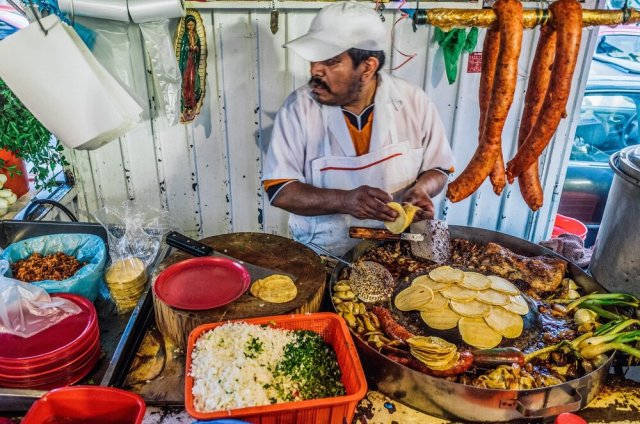
Taco stand in Mexico. Source: PinterestTaco stand in Mexico. Source: Pinterest

Taco stand in Mexico. Source: Pinterest

Reason #4: The Value of Authenticity

It’s healthy to be reminded of the real value of the products we buy. We’re often drawn to the most convenient option, and we accumulate products we think we need, until we don’t, and then we buy new ones… & the cycle continues…

Meanwhile, there’s a story behind each item in our cart – someone’s work, someone’s time. There are people behind each one of those items. & most commonly, small businesses provide the most ethical treatment to their employees. Which is why we need to be more mindful of the choices we make as consumers.
Supporting Small & Local

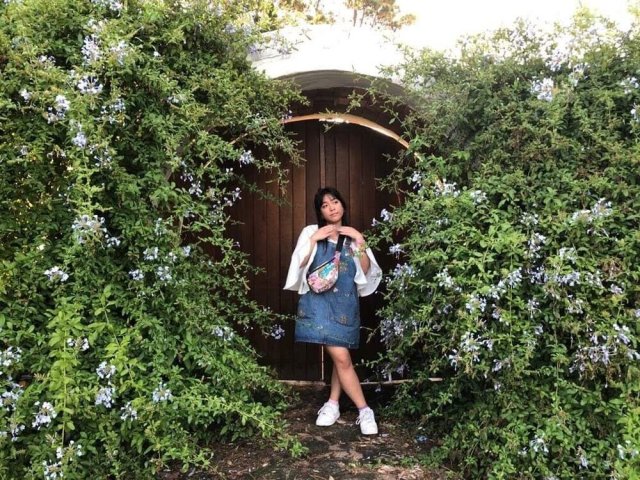
Especially when traveling, we must contribute in order to give the opportunity to the local economies to grow and thrive.

What would be left of the localities we visit if we only used them for our enjoyment and didn’t give anything in return? What kind of experience would we have if all the local restaurants were replaced by Starbucks and McDonalds, and all the local eco-accommodations became big multinational corporation hotels?

Our experiences as tourists can only be authentic if we let them be so.


Want to learn more?

Shop small and support local! – Heritage Belize

5 Ways Tourism Can Support Local Economies – World Travel & Tourism Council

Why Buy Local – Moz

Key Studies: Why Independent Matters – ILSR

How Amazon became a pandemic giant – and why that could be a threat to us all – The Guardian


meet the author


Giuliana Gentile - Giuliana was born and raised in Sicily (an Italian island in the middle of the Mediterranean Sea), since then she’s been moving around the world to meet new cultures and discover new places. She has a degree in Political, Social and International Sciences. During her studies she became passionate about environmental protection, gender equality, and cultural identity. She loves traveling, petting dogs on the street, and swimming underwater. 
Giuliana.jpg

Giuliana Gentile

Giuliana was born and raised in Sicily (an Italian island in the middle of the Mediterranean Sea), since then she’s been moving around the world to meet new cultures and discover new places. She has a degree in Political, Social and International Sciences. During her studies she became passionate about environmental protection, gender equality, and cultural identity. She loves traveling, petting dogs on the street, and swimming underwater. 


Opinion: The Need for Sustainable Travel

.parent {
display: inline; position: relative; line-height: 30px; float: left; color: #82be41;
}
.parent a{
margin: 10px;color: #82be41;text-decoration: none;
}
.parent:hover > ul {
display:block;position:absolute;
}
.child {
display: none;
}
.child li {
line-height: 30px;width:115%;text-align:left;
}
.child li a{
color: #82be41;
}
ul{
list-style: none;margin: 0;padding: 0px; min-width:10em;text-align: center;float: right; font-weight: 550;
}
ul ul ul{
left: 100%;top: 0;margin-left:1px;
}
li:hover {
background-color: white;
}
.parent li:hover {
background-color: white;
}
.expand{
font-size:10px;float:right;margin-right:5px;
}

.parent a p{
display: inline; margin: 10px;color: #6e706b;text-decoration: none;
}

Opinion: The Need for Sustainable Travel


written by Raven Steele | January 28, 2021


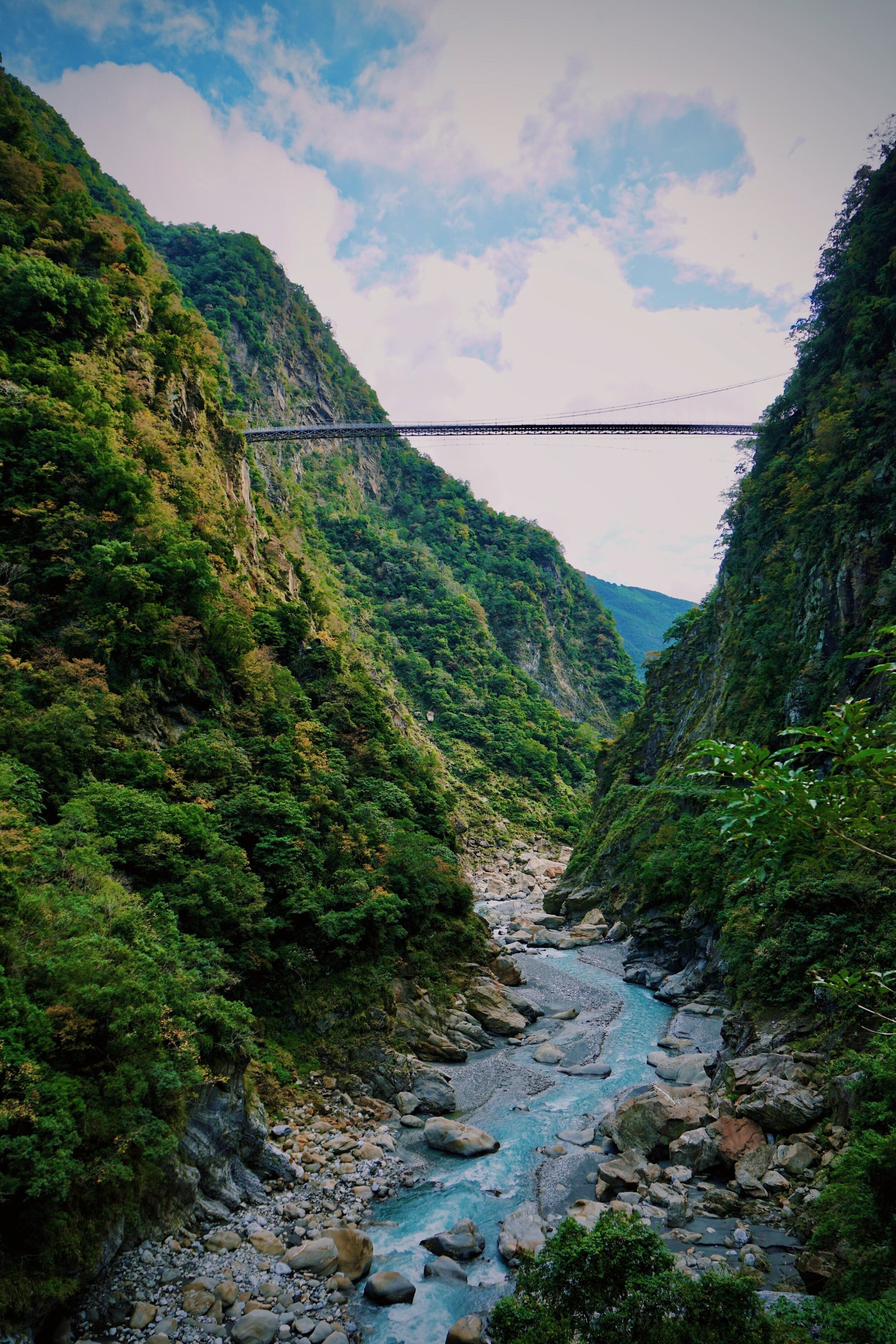
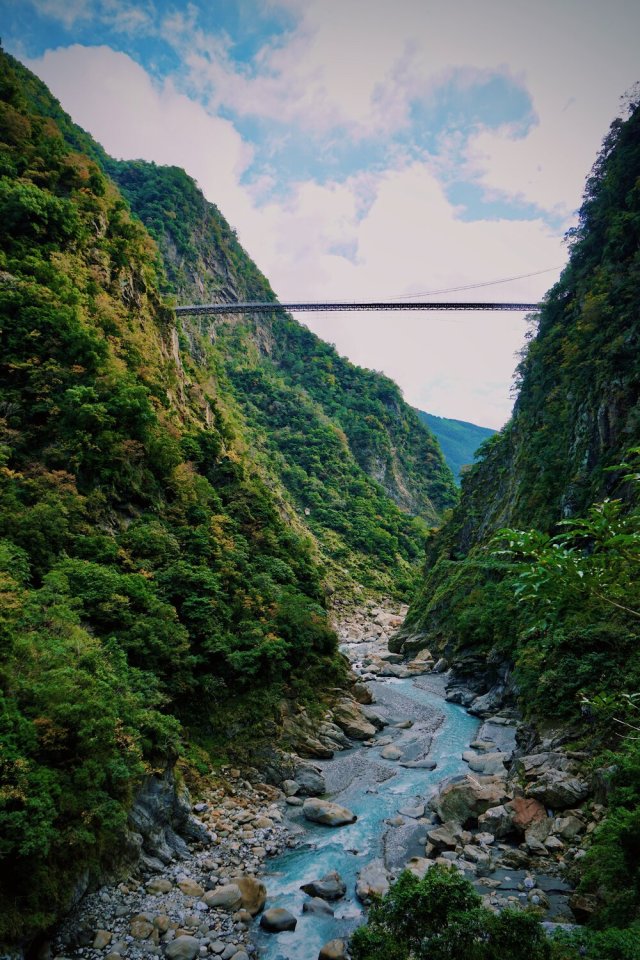
Taroko Gorge, Taiwan.  📷  @jaclynyostTaroko Gorge, Taiwan.  📷  @jaclynyost

Taroko Gorge, Taiwan. 📷 @jaclynyost

https://platform-api.sharethis.com/js/sharethis.js#property=5f0bbd9ab9410d0019e80af3&product=inline-share-buttons


With all that 2020 gave us, it can be hard to see the light at the end of the dark tunnel. But we as a society should take this time to find new and innovative ways of fulfilling a sustainable lifestyle. Sustainable lifestyles can start with travel. We can all agree that traveling will look a bit different for the next foreseeable years. But we can’t give up on losing our passion for travel and discoveries.  


What is Sustainable Travel?

Sustainability is not a new idea and can be dated back to just under 30 years ago. Sustainable travel, however, is a relatively modern concept. In an article written by Charlie Marchant in March of 2019, sustainable travel is defined as: 

“Finding a way that tourism can be maintained long-term without harming natural and cultural environments. Sustainable travel should minimize the negative impacts of tourism and ideally be beneficial to the area in which it takes place.”  


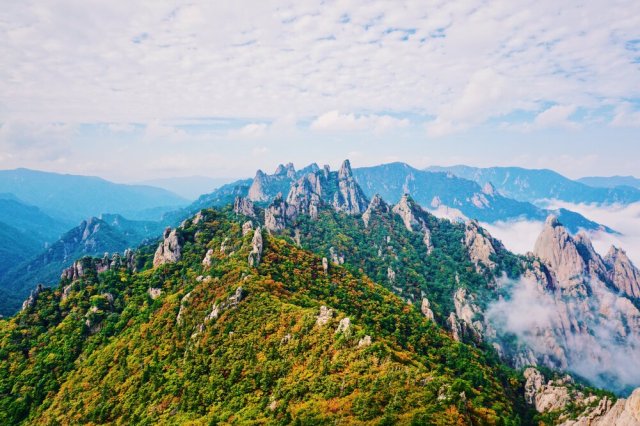
Seoraksan National Park, South Korea.  📷  @jaclynyostSeoraksan National Park, South Korea.  📷  @jaclynyost

Seoraksan National Park, South Korea. 📷 @jaclynyost

Without sustainable travel, our Earth’s gems will be no more. From mountains to oceans to rainforests and everything in between, we need to be more mindful about how we are potentially polluting the Earth with our means of travel.

Tips to Traveling Sustainably

Sustainability is viewed as a way of living. It is making adjustments to your daily life that will, in the long run, ensure a more sustainable future. Below you can find some tips on how to implement sustainability into your travel habits.

Air-Time

According to a Vox article written in 2019, aviation worldwide emits about 860 million tons of carbon dioxide annually. Still, every year, tourism’s global carbon footprint increases, and air travel accounts for over 40% of the carbon footprint for the entire tourism industry. 

However, many countries rely heavily on tourism to help fuel their economy. So keeping these points in mind, it is important to think about alternative ways of travel as this can make a tremendous difference.

While we might not be able to take sailboats to every destination like Greta Thunberg, trains and buses are a great alternative to get around – especially in regions like Europe and South America, respectively.

But if you must catch that flight, to reduce your C02 emissions: choose non-stop flights over connecting when possible, sit in coach over first class, and pack light. And if you can squeeze in enough vacation time, the longer you can stay in your destination – & experience the art of slow travel – the better.

Transportation Alternatives

When in another city, it can be best to use green transportation. Depending on your destination, hiking and walking might be your best option to experience the land and city.

But if that isn’t possible, another new wave of transportation taking the world by storm: electric scooters and bicycles. Companies such as Bird and Lime have given a new meaning to traveling on foot. With the process being as simple as downloading an app, it can give you a better chance to explore local communities that you would’ve otherwise missed by having a driver. 

Furthermore, depending on your destination, public transportation can be one of your best options for travel. It is found that electric trains emit 20-35% fewer carbon emissions than diesel trains. Specifically in Europe, there is the Eurorail. The Eurail is essentially a popular transit system that is only available to non-European residents. The Eurail Pass is a train ticket that you can use to travel across 31 countries by train and sometimes ferry.  It’s best to use when traveling long distances and it gives you an unlimited. There are multiple variants for the pass as well as discounts for tourists. 

Carbon Offsets

If avoiding flying isn’t an option, consider carbon offsets. Carbon offsets are projects started by individuals to create sustainable energy projects. With a small additional price to your initial ticket, you can help fund these projects worldwide. 

Lodging

If you don’t mind sharing your space with a few other people and settling for basic accommodation, hostels are a great way to spend a little less and are more sustainable due to their economical nature. Typically in a hostel, there is communal living and private spaces, where you can meet other adventurous travelers and have a shared social experience. They are also a great option if you are on a budget, ranging from about US$7- $60 a night on average,

Extra bonus points: find hostels that have additional environmental and social practices in place to make your trip a little greener.

How to Pack

Packing is often a helpful yet overlooked tool when it comes to sustainable travel. It’s not just about how you pack, but what you fill. Using reusable toiletries, reusable water bottles, and bamboo straws and utensils are a great alternative to save plastic waste that otherwise wouldn’t decompose for hundreds and thousands of years after being thrown out.

To add to your sustainability collection, pack light. It is best to plan and think about what necessities you will need. Packing for “just in case weather” is a big reason why so many people end up overpacking. For clothes, have outfits put together beforehand; it can be smart to have at least one minimalist clothing item that can be reworn and paired with different styles. This can open up space for ethically made souvenirs and artisan crafts that you might find along the way. 

Looking Forward


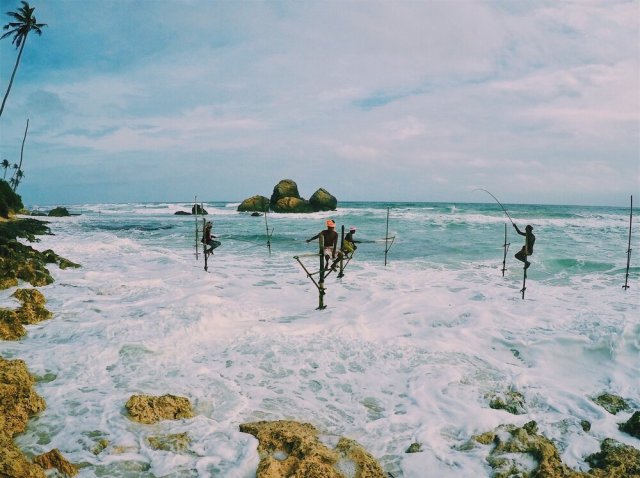
Fisherman in Sri Lanka.  📷  @jaclynyostFisherman in Sri Lanka.  📷  @jaclynyost

Fisherman in Sri Lanka. 📷 @jaclynyost

There is no perfect way to reduce carbon emissions on your own ultimately. But it is essential to be mindful of the world in which we live. We often take for granted all the world has to offer and focus on the quickest and most efficient planning ways.

Each year, more and more people are making conscious decisions to travel sustainably. And remember, no matter how small or large that contribution is, it can make a world of difference.


Recommended Sources: 

Sustainable Travel Defined- here 

Want to Learn More?  

Carbon Offsets Explained- here 

Millennial Travel Trends-  here

Aviation Pollution in Depth- here


meet the author


Raven Perkins Steele - Raven is currently a college student residing in Charlotte, NC. Her interests include traveling and exploring the world through different lenses. Having a passport from before the age of walking has instilled the value of different cultures as a part of her identity. She is passionate about spreading awareness on political and social issues in the United States and abroad.
Raven.jpg

Raven Perkins Steele

Raven is currently a college student residing in Charlotte, NC. Her interests include traveling and exploring the world through different lenses. Having a passport from before the age of walking has instilled the value of different cultures as a part of her identity. She is passionate about spreading awareness on political and social issues in the United States and abroad.


Farmers & Foragers: A Food Truck Celebrating the Local Community

.parent {
display: inline; position: relative; line-height: 30px; float: left; color: #82be41;
}
.parent a{
margin: 10px;color: #82be41;text-decoration: none;
}
.parent:hover > ul {
display:block;position:absolute;
}
.child {
display: none;
}
.child li {
line-height: 30px;width:115%;text-align:left;
}
.child li a{
color: #82be41;
}
ul{
list-style: none;margin: 0;padding: 0px; min-width:10em;text-align: center;float: right; font-weight: 550;
}
ul ul ul{
left: 100%;top: 0;margin-left:1px;
}
li:hover {
background-color: white;
}
.parent li:hover {
background-color: white;
}
.expand{
font-size:10px;float:right;margin-right:5px;
}

.parent a p{
display: inline; margin: 10px;color: #6e706b;text-decoration: none;
}

Farmers & Foragers: A Food Truck Celebrating the Local Community


Written by Stephanie Stevens | January 27, 2021


Founders, Lauren & Sol. Source: @farmandforagevtFounders, Lauren & Sol. Source: @farmandforagevt

Founders, Lauren & Sol. Source: @farmandforagevt

https://platform-api.sharethis.com/js/sharethis.js#property=5f0bbd9ab9410d0019e80af3&product=inline-share-buttons


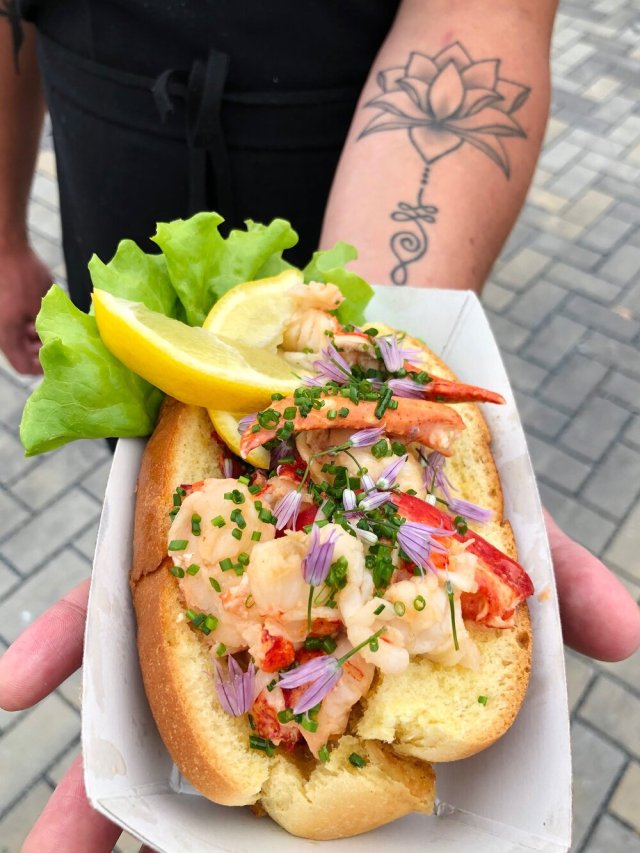
Located in beautiful Burlington, Vermont, food truck company Farmers & Foragers utilize locally-sourced and sustainable ingredients to provide amazing food and service. Founders Lauren and Sol were both working in the restaurant industry when they decided to start up the food truck company in 2015. As advocates of a community-sourced society, Lauren and Sol work closely with local providers to source the highest quality and freshest ingredients for their incredible menu.

Celebrating & Supporting Local

Lauren and Sol believe that everyone benefits from eating local. When sourcing ingredients, they work closely with local growers, fishmongers, foragers, and purveyors, which supports the local economy and ensures the freshest and highest quality ingredients.

In addition to boosting the local economy, sourcing food locally is great for helping the environment. Transporting food from farms to kitchens usually requires trucks, planes, and even cargo ships, to make long distance trips, resulting in increased levels of greenhouse gas emissions. These emissions are harmful for the environment as they disrupt ecosystems, create air pollution, and contribute to climate change. By sourcing food locally, the distance food has to travel is greatly reduced, which reduces overall emissions. Locally-sourced ingredients can be better for you too: due to the reduced time in between harvest and consumption, ingredients that don’t have far to travel tend to be higher in nutrients!

As their name suggests, Farmers & Foragers take a unique approach to ingredient sourcing with foraging. A popular practice in Vermont, foraging is the act of searching for edible food in the wilderness. What some like to think of as a combination of hiking and gardening, foraging enables folks to explore the natural world in a new way and connect to their primal instincts – be sure to learn what’s safe before you taste!


@anniespratt@anniespratt

@anniespratt

There are a wide variety of mushrooms to forage in Vermont, including chicken and hen of the wood, morrells, lobster, and lions mane, just to name a few. At Farmers & Foragers, foraging is a way to connect with the local environment and the local community. It isn’t uncommon for local foragers to show up unexpectedly to the food truck with large bags of foraged mushrooms, which Lauren and Sol use to create new menu items or to add to their delicious menu staple, the Vermont Cheesesteak. 

Lauren and Sol are also avid foragers themselves and often visit a prolific spot just a short walk from their property during spring ramp season. This unique way of sustainable ingredient sourcing is just another way that Farmers & Foragers showcases the amazing local ingredients that Vermont has to offer.

Sustainable Sourcing & Operating

In addition to community development, sustainability is one of the core values at Farmers & Foragers and is woven into all aspects of operations. They strive to reduce their overall footprint by sourcing all ingredients locally when possible and from individuals that follow sustainable practices. This means that animals are sourced from local farms where they are fed natural and sustainable diets and that the seafood from the fishmonger is caught in a sustainable and mindful manner.


Source: @farmandforagevtSource: @farmandforagevt

Source: @farmandforagevt

Lauren and Sol also have a property where they grow their own food and have nine of their own raised garden beds, a green house, fruit trees, and keep their own bees! This results in an amazing little biome in the summer months and in early fall Lauren and Sol collect the honey to use on the truck and in the kitchen.


Source: @farmandforagevtSource: @farmandforagevt

Source: @farmandforagevt

In terms of operations, Lauren and Sol are committed to reducing waste and closing the loop as best they can. With different practices in place in order to sustainably manage byproducts, they limit their environmental footprint and support local ecosystems. For their spent fryer oil, they partner with Black Bear Biodiesel, a waste cooking oil collection service that collects and upcycles spent fryer oil into clean-burning biodiesel for resale (pretty awesome!) When it comes to food waste, the F&F team are avid composters and repurpose food scraps and meat fats to make rich stocks to use for future dishes.

Where You Can Find Them

The team at Farmers & Foragers love to provide customers with amazing food, service, and overall experience. Community is at the heart of everything at Farmers & Foragers and they truly love to be a part of Vermont’s vibrant food culture.

The Farmers & Foragers food truck can be found at the Burlington Harbor Marina from May-October and at Spruce Peak from January-March. They also provide catering services year round.

 The Farmers & Foragers Dockside menu features a variety of sandwiches, tacos, salads and sides, such as the Perch Tacos starring Lake Champlain perch filets and the Harvest Salad featuring Vermont Grafton clothbound cheddar. The Farmers & Foragers Catering menu features a more extensive selection to serve larger parties and events. Their menus rotate regularly depending on what’s available and what’s in season. 

Farmers & Foragers has been on the receiving end of many awards including:

#1 Farm-to-table food destination in Vermont by Eater Montreal 

2019’s Seven Daisies Winner for Best Food Truck of Vermont by Seven Days Newspaper

#1 Food Truck in Vermont by Where Traveler

You can find more information, including their menu on their website: https://vtfarmersandforagers.com/

& on Instagram at: @farmandforagevt


meet the author


Stephanie Stevens - Stephanie is a writer and photographer passionate about sustainable living, mindfulness, and exploring the outdoors. She loves microadventures but her favorite part about traveling abroad is immersing herself in other cultures. When she’s not writing, you can find her drinking coffee, playing soccer, or backpacking.
Stephanie_WebsitePhoto.jpg

Stephanie Stevens

Stephanie is a writer and photographer passionate about sustainable living, mindfulness, and exploring the outdoors. She loves microadventures but her favorite part about traveling abroad is immersing herself in other cultures. When she’s not writing, you can find her drinking coffee, playing soccer, or backpacking.


Opinion: How Heightened Climate Awareness Allows Us to Protect the Earth

.parent {
display: inline; position: relative; line-height: 30px; float: left; color: #82be41;
}
.parent a{
margin: 10px;color: #82be41;text-decoration: none;
}
.parent:hover > ul {
display:block;position:absolute;
}
.child {
display: none;
}
.child li {
line-height: 30px;width:115%;text-align:left;
}
.child li a{
color: #82be41;
}
ul{
list-style: none;margin: 0;padding: 0px; min-width:10em;text-align: center;float: right; font-weight: 550;
}
ul ul ul{
left: 100%;top: 0;margin-left:1px;
}
li:hover {
background-color: white;
}
.parent li:hover {
background-color: white;
}
.expand{
font-size:10px;float:right;margin-right:5px;
}

.parent a p{
display: inline; margin: 10px;color: #6e706b;text-decoration: none;
}

Opinion: How Heightened Climate Awareness Allows Us to Protect the Earth


Written by Sidney Gibbs | January 26, 2021


Grenoble, France. 📷  @spayliaGrenoble, France. 📷  @spaylia

Grenoble, France. 📷 @spaylia

https://platform-api.sharethis.com/js/sharethis.js#property=5f0bbd9ab9410d0019e80af3&product=inline-share-buttons


Climate Awareness

To start out with a bit of basic psychology, a study by the National Natural Science Foundation of China found that humans naturally gravitate towards beautiful things because they make us feel good. In following, the attraction and appreciation of that beauty leads to a greater respect for and care of that object or place.

For example, if you have a piece of clothing that you find especially beautiful, do you carelessly throw it in the wash with dirty rags? Probably not, because you value its beauty and want to sustain it and as a result – you take care of it.

Well, this same logic follows for the Earth. 

Listening to the Earth

The Earth is so beautiful but we often don’t take care of it as we should because we do not consciously recognize or appreciate its beauty day in and day out. We are so caught up in our daily lives and our technology that we pass by a beautiful sunset or a colorful flower without the slightest thought or appreciation.

This epidemic of living in the bubble of our own lives without much outward appreciation of the world around us has had detrimental effects on the environment. We have collectively disconnected ourselves from the Earth. This way of life has created a global society that fails to care for the Earth or notice when it calls out for help.  


Lost Dog Wash, Scottsdale, US.  📷 @alysaLost Dog Wash, Scottsdale, US.  📷 @alysa

Lost Dog Wash, Scottsdale, US. 📷 @alysa

Industrial Impacts

We can fix this though.

If we begin to wake up to the beauty in the world around us individually, that will cultivate a greater collective awareness of the environment and a deeper level of respect for the Earth.

This awakening translates into more positive climate action and a better world for us all. It just takes a shift in awareness. The power of the sheer number of people on this planet is that if even half of us wake up to the beauty of the world around us, respect the planet further and take action from that place of appreciation then we can see immense shifts in the health of our planet. We just have to start. Our society complicates every aspect of life but re-recognizing the Earth is truly very simple.


Bondi Beach, Australia. 📷  @matthardyBondi Beach, Australia. 📷  @matthardy

Bondi Beach, Australia. 📷 @matthardy

Practices to Connect with the Earth & Build your Awareness of Nature

– Stand outside for a few moments without any distractions or your  phone and just take a deep breath and notice that nature is around you. Even if you are in a city, notice the leaves on a tree that are a deep red or a pretty cloud in the sky. It starts with the smallest things. Try this and encourage your friends to do the same! 

– When you do spend time in nature – whether that be a park, trail or your backyard – notice how you feel when you are there. And after you leave. That time and feeling of peace just might shift the rest of your day for the better.

Using Peace & Awareness to Fight for our Planet

The movement for climate action has become a bit angry – and rightly so. However, it is important that we don’t get so caught up in the fight that we forget what we are fighting for – the everlasting beauty and calm wisdom of the Earth that is always around us. 


meet the author


Sidney Gibbs - Sidney is a student at GW that loves travel, yoga, meditation, and photography. She is passionate about the Earth and is the creator of @illumene.earth - an instagram sharing pictures and stories of people’s favorite places in nature around the world. Through this, her mission is to help people recognize the interconnectedness of the beautiful nature present on every side of the globe.
Sidney.jpeg

Sidney Gibbs

Sidney is a student at GW that loves travel, yoga, meditation, and photography. She is passionate about the Earth and is the creator of @illumene.earth – an instagram sharing pictures and stories of people’s favorite places in nature around the world. Through this, her mission is to help people recognize the interconnectedness of the beautiful nature present on every side of the globe.


10 Exquisite, Eco-Friendly Media to Enlighten the Youth About the Environment

.parent {
display: inline; position: relative; line-height: 30px; float: left; color: #82be41;
}
.parent a{
margin: 10px;color: #82be41;text-decoration: none;
}
.parent:hover > ul {
display:block;position:absolute;
}
.child {
display: none;
}
.child li {
line-height: 30px;width:115%;text-align:left;
}
.child li a{
color: #82be41;
}
ul{
list-style: none;margin: 0;padding: 0px; min-width:10em;text-align: center;float: right; font-weight: 550;
}
ul ul ul{
left: 100%;top: 0;margin-left:1px;
}
li:hover {
background-color: white;
}
.parent li:hover {
background-color: white;
}
.expand{
font-size:10px;float:right;margin-right:5px;
}

.parent a p{
display: inline; margin: 10px;color: #6e706b;text-decoration: none;
}

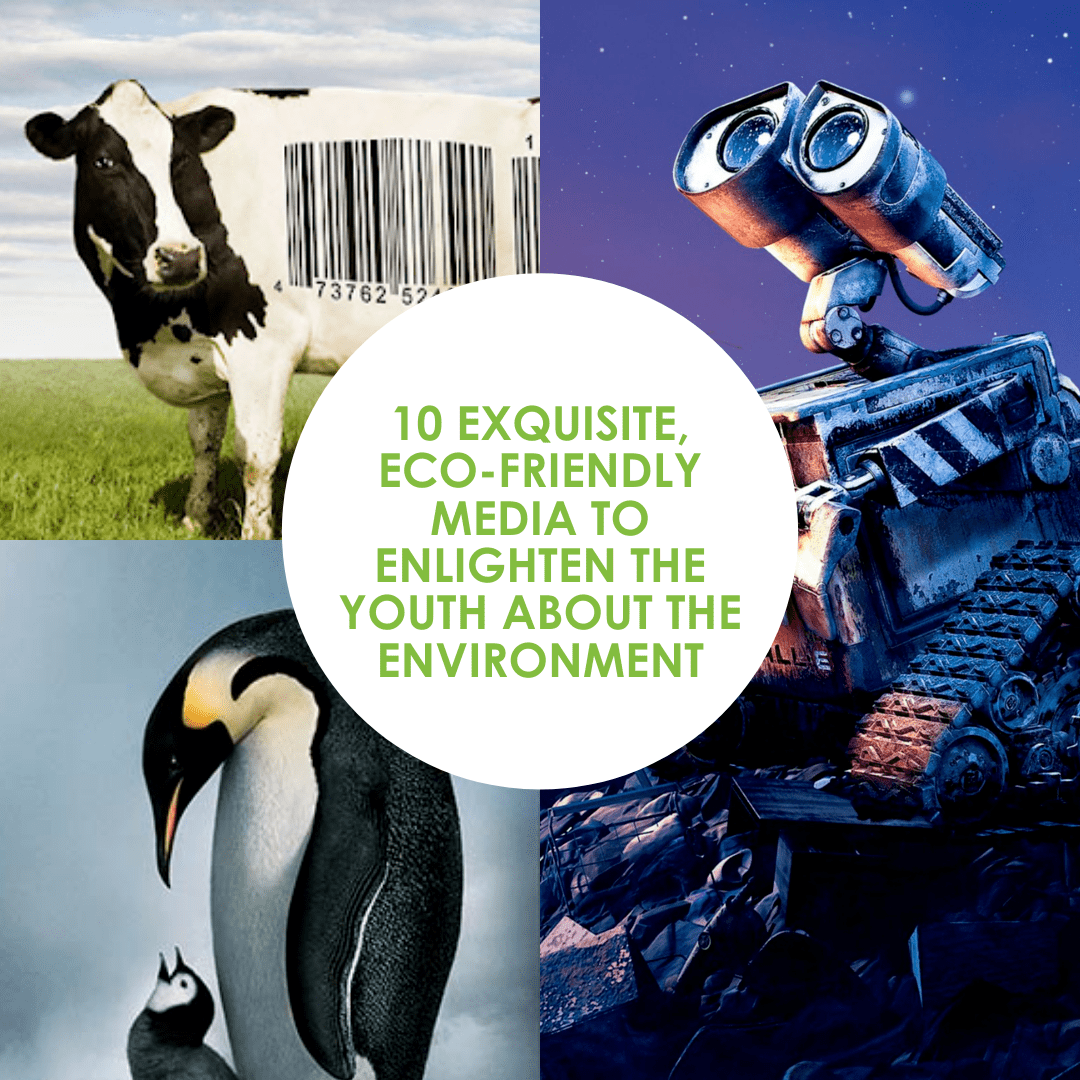
10 Exquisite, Eco-Friendly Media to Enlighten the Youth About the Environment


Written by Rj Ross | January 26, 2021


Designed by Jaclyn Yost.Designed by Jaclyn Yost.

Designed by Jaclyn Yost.

https://platform-api.sharethis.com/js/sharethis.js#property=5f0bbd9ab9410d0019e80af3&product=inline-share-buttons


As the late pop singer Whitney Houston once sang, “I believe the children are our future, teach them well, and let them lead the way”. What better place to lead them than into the world of environmentalism? Okay, maybe you are not an environmentalist or ecologist, but you care about our ecosystem and want the minors in your life to attain an awareness. Look no further, because we at ecomadic have conjured up a list of meaningful films, shows, and documentaries that will entertain, educate, and engraft the youth in your life so they’ll protect and preserve the gift of nature Earth produces.

Films

Ferngully: The Last Rainforest


Source: WikipediaSource: Wikipedia

Source: Wikipedia

An adaptation of the titular, Diana Young novel, Ferngully: The Last Rainforest allows us to trudge through the fictional, Australian rainforest through Zach as he learns about the destruction he and his fellow construction workers have done to the majestical, fairy-filled land. Even with the recurring theme of magic, Ferngully bestows upon us the idea that while some things that affect the environment are beyond our control, the less pollution and endangerment of natural resources we engage in, can truly make a difference!

Where to Watch: Starz; Amazon Prime Video; Vudu

Age Rating: 10+

Over The Hedge


Source: SBSSource: SBS

Source: SBS

On surface, this Dreamworks film appears to be a comedy about forest animals foraging for food in suburbia. However, the deeper meaning in this film is how consumerism affects nature. The woodland characters in this movie wake up from their hibernation to a majority of their land being converted into a residential area, now having to adapt for survival. The use of forests to produce homes and businesses for our consumption ends up with homeless animals having life-threatening encounters with us.

As someone who grew up in suburbia, I can attest to the many times I’ve witnessed this; while never to the extent of racoons driving cars or possums breaking and entering houses to watch tv, I have seen deer stuck in wire fences, one too many squirrels struck by cars, and even a fox almost drowning in the community pool. While children watching this film won’t necessarily indicate the concept of “consumerism vs. nature” on first watch, the film’s replay value will gradually aid them in grasping said concept, and hopefully get them involved to make a change in their local community. 

Where to Watch: HBO Max; Hulu

Age Rating: 13+

The Lorax


Source: NPRSource: NPR

Source: NPR

Based on the titular Dr. Seuss story, the television special and film focuses on the repercussions of industrialization and the constant usage of natural resources. Unlike the previous films, this film has a harsher tone; through the visuals and dialogue, sadness is the primary feeling you’ll have after seeing the demise of the once-colorful town of Thneedville. While industrialization isn’t a fixable problem for kids, the one idea kids will take away from both the tv special and film is the appreciation of trees and planting, for as Dr. Seuss said, “unless we care about it [nature] a lot, nothing’s going to get better”. 

Where to Watch: 1972 Special: Hulu; 2012 Movie: Netflix 

Age Rating: 10+

WALL-E


Source: Disney+Source: Disney+

Source: Disney+

A Pixar movie about robots and romance can also provide insight on our overconsumption and lack of sustainability. One of the main settings of WALL-E takes place on Earth, which has become a wasteland that the humans littered and left to laze around and lounge in mobile chairs on a spaceship. The portrayal of the humans’ new, careless lifestyle will compel you and younger viewers to not succumb to what is quick and accessible, and to be wary of your surroundings and protect it for healthier living. 

Where to Watch: Disney+

Age Rating: 10+

Happy Feet


Source: Movies AnywhereSource: Movies Anywhere

Source: Movies Anywhere

The Academy-Award winning film not only provides musical numbers, dance scenes, and an avalanche of emotions from penguin protagonist Mumbles’ storyline, but supplies commentary on the ongoing issues in the Antarctic region. Watch as Mumbles tap dances into tundra troubles such as overfishing and pollution in Antarctica, leading to rather unhappy results for the penguins. After watching this film, younger viewers will want to glide, heel-toe, and guard the glacier-filled area from any more damage it’s encountered. 

Where to Watch: HBO Max; Amazon Prime Video

Age Rating: 10+

Shows

Captain Planet and the Planeteers


Source: Captain Planet FoundationSource: Captain Planet Foundation

Source: Captain Planet Foundation

“Let our powers combine”, Kwame says, as he and his fellow Planeteers alert Captain Planet to protect the world from horrific activities such as pollution, deforestation, animal abuse, etc. The television series promotes environmental preservation and sustainability; it also promotes healthy living (physically, mentally and socially) for human beings, as evident in episodes geared towards incurable diseases, violence, and drugs. After each episode, there’s a recap of the subject matter tackled in the stated episode, with a moral to better young viewers’ understanding of the environmental issues. For a basic understanding about going green and respecting nature, Captain Planet is the superhero ready to school!

Where to Watch: Amazon Prime Video; Vudu;  iTunes; Google Play

Age Rating: 13+

Healin’ GoodPreCure


Source: MyAnimeListSource: MyAnimeList

Source: MyAnimeList

One of the biggest kids anime franchises in Japan, Pretty Cure (PreCure for short) has a series dedicated to magical girls (a la Sailor Moon) who fight to protect — or heal — Japan’s greenery from being infected by an evil entity known as the Byogens. Healin’ Good PreCure not only admirably presents Japanese culture, language, and its stance on the country’s environmental issues, the series also puts femininity on the forefront; allowing viewers to attain an inner sparkle within them to get out and combat the conundrums to heal their respective environment!

Where to Watch: Crunchyroll 

Age Rating: 10+

The Magic School Bus


Source: PBSSource: PBS

Source: PBS

The Joanna Cole book series was adapted into a cartoon where an elementary school teacher named Ms. Frizzle takes her students on abnormal field trips via her supernatural schoolbus to teach them the wonders of the world! Some of these field trips consisted of traveling into the ocean, inside a beehive, and the Arctic region. Although the series is geared towards science in general, episodes concentrating on biology, ecology, geology, and technology helps play a role in inspiring the younger viewers to assist in the environmental crisis in their own way! The ongoing spin-off series, The Magic School Bus Rides Again also follows the same premise as its predecessor, including a Q&A segment at the end of each episode to share more scientific facts and trivia with the young viewers!

Where to Watch: Netflix; Vudu; Amazon Prime Video

Age Rating: 10+

Documentaries

March of the Penguins


Source: Amazon UKSource: Amazon UK

Source: Amazon UK

Unlike the earlier-mentioned Happy Feet, these penguins aren’t singing or dancing, but having an evergreen excursion throughout the Antarctic area. Narrated by Morgan Freeman, watch as the annual adventure of the emperor penguins, as they encounter many high points and hardships; some of those hardships being a result of the coarse conditions of the environment (overfishing, pollution, climate change, etc.). By the end of the documentary, viewers will understand the grand scheme of how simple activities we engage in our habitat can benefit or befoul another habitat. Additionally, this documentary may have a G-rating, but there are harsh scenes involving penguin death; feel free to avert your eyes or skip those scenes if necessary! 

Where to Watch: HBO Max; Vudu; Amazon Prime 

Age Rating: 13+

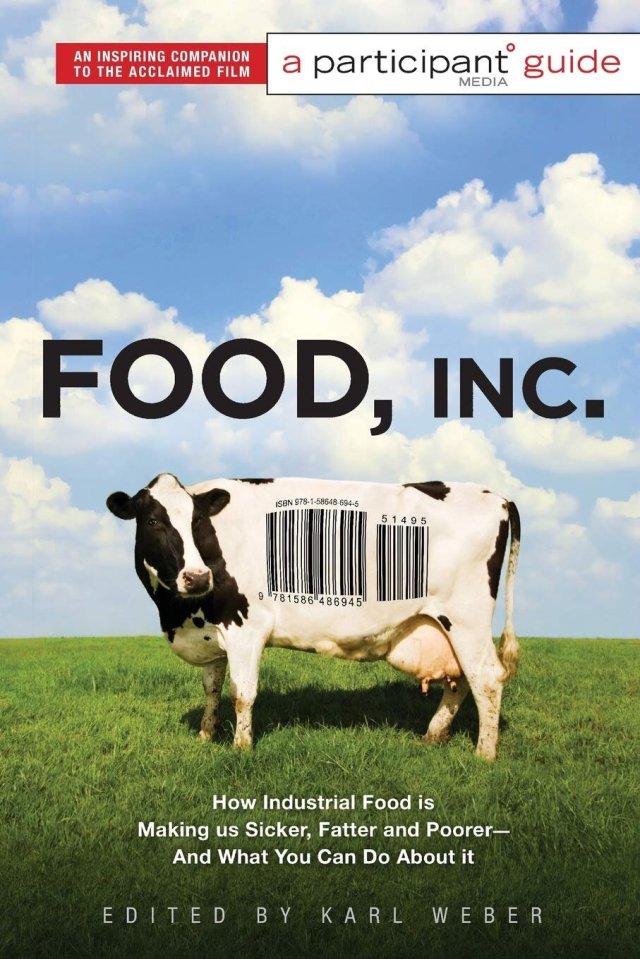
Food, Inc.


Source: Amazon CASource: Amazon CA

Source: Amazon CA

When watching a film or show, who doesn’t love the accompaniment of some tasty food? Before making that store run for savory snacks, watch this film for a new perspective – and possibly, a new palate. This documentary gives us access to the sketchy food industry; viewers will be in for a shock when seeing the unethical and unsanitary practices some of the biggest food corporations partake in, from cross contamination when manufacturing and distributing products, to the mistreatment of animals and the workers at the various food facilities. Seeing how much dirty work (literally & figuratively) is involved in the food we consume will convince any viewer to seek alternate options. This documentary also contains triggering scenes like the previous entry; yet, younger viewers should watch so they can grow to eat and enjoy foods that are substantial and sustainable to the environment, and are handled with healthy living in mind. After all, the best way to one’s healthy mind and healthy heart is through a healthy stomach!

Where to Watch: YouTube; TubiTV; Pluto TV 

Age Rating: 14+

meet the author


Rj Ross - Rj Ross is a writer at ecomadic. With his BA in communications and love for creative writing, he hopes to inspire and inform many generations about sustainable living and responsible traveling.
IMG_3450.PNG

Rj Ross

Rj Ross is a writer at ecomadic. With his BA in communications and love for creative writing, he hopes to inspire and inform many generations about sustainable living and responsible traveling.


Opinion: Eco-Tourism or Ego-Tourism?

.parent {
display: inline; position: relative; line-height: 30px; float: left; color: #82be41;
}
.parent a{
margin: 10px;color: #82be41;text-decoration: none;
}
.parent:hover > ul {
display:block;position:absolute;
}
.child {
display: none;
}
.child li {
line-height: 30px;width:115%;text-align:left;
}
.child li a{
color: #82be41;
}
ul{
list-style: none;margin: 0;padding: 0px; min-width:10em;text-align: center;float: right; font-weight: 550;
}
ul ul ul{
left: 100%;top: 0;margin-left:1px;
}
li:hover {
background-color: white;
}
.parent li:hover {
background-color: white;
}
.expand{
font-size:10px;float:right;margin-right:5px;
}

.parent a p{
display: inline; margin: 10px;color: #6e706b;text-decoration: none;
}

Opinion: Eco-Tourism or Ego-Tourism?


written by Giuliana Gentile | January 26, 2021


What is ego-tourism_.pngWhat is ego-tourism_.png

https://platform-api.sharethis.com/js/sharethis.js#property=5f0bbd9ab9410d0019e80af3&product=inline-share-buttons


Social media has drastically affected the way we travel. According to recent data, Facebook and Instagram are two of the top three sources of travel inspiration among millenials. Documenting our travels on social media has become an integral part of the experience itself, and sometimes taking the perfect picture of a beautiful landscape is more important than seeing it in person. But do our tags on Instagram benefit the wonderful destinations we brag about in our posts? Or are we simply feeding our narcissistic desire of showing the world how cool we are?

The Impact of Social Media on Tourism

When human beings stepped on the Moon for the first time in history, the whole world watched them proudly plant their flag to let everyone know they’ve been there.

Nowadays, with social media we come to know new places through the lenses of other people’s cameras; so when we post our staged picture with the perfect outfit in some “exotic” location, we tag that place, we plant our little flag to let everyone know we’ve been there.

Recent research shows that 84% of millennials and 73% of non-millennials are ‘likely’ or ‘very likely’ to plan a trip based on someone else’s vacation photos or social media updates.

Theoretically there’s no harm in that: by posting our travel pictures we receive recognition from our followers, and the locality gains more attention, therefore more tourists, therefore more money. 

But unfortunately, money is not always the final and only outcome. Popularity can be a double edged sword, and lead to just as much harm as it can increase profits.

The public exposure that social media offers has made it extremely difficult to find unknown locations or unexplored paths, while the once moderately touristic spots have become unbearably crowded.

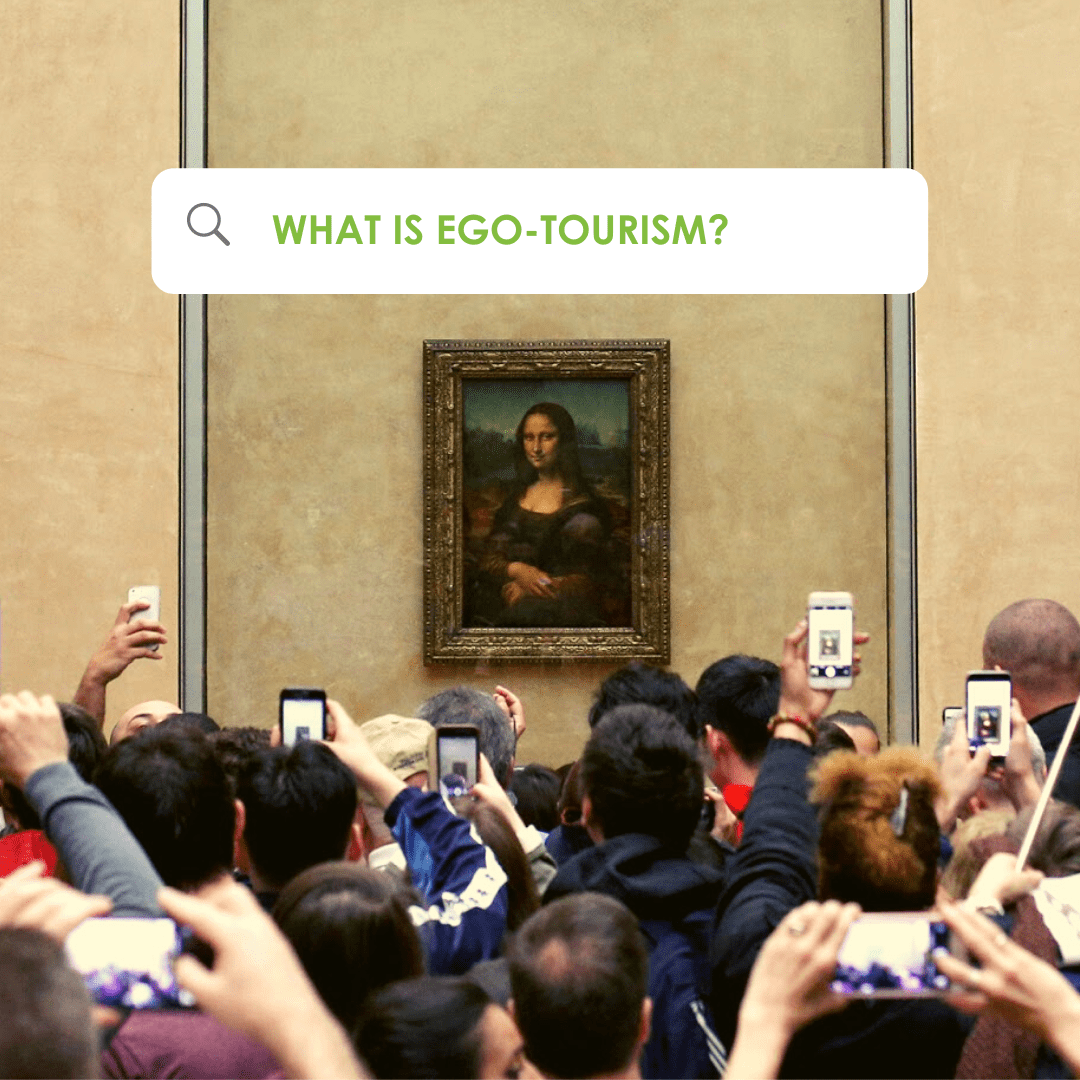
What is Ego-Tourism?

This eagerness of taking pictures and selfies in the locations we visit developed into a phenomenon labeled as “ego-tourism”.

There’s a variety of definitions for this term, but most of them define an ego-tourist as someone who takes an adventurous trip, not for the experience itself, but for the bragging rights of having been there.

In this regard, Dr. Stanislav Ivanov gives a simple explanation:

“People travel, because they want to be talked about (need of recognition, esteem), because they want to be associated with a specific group of people (belongingness) or because they want to prove to themselves that they are capable of doing something or better than the others (self-actualization). The main motivator is, however, the need of recognition.”

In other words, our virtual social interactions – the likes and comments we receive – appagate our narcissistic desire for other people’s validation. So we’re brought to believe…

“If you didn’t post it on Instagram, did it even happen?”

Consequently, when traveling, this egocentric behavior implies the complete disregard for the actual location and the people who live it.

The Consequences of our Actions

The overflowing mass of tourists who visit the once pristine spots they saw on social media, in most cases causes considerable damage to the environment where these places are located. Research shows that one of the most affected locations are the islands and beach related destinations, where the negative effects of the human presence are immediately visible.

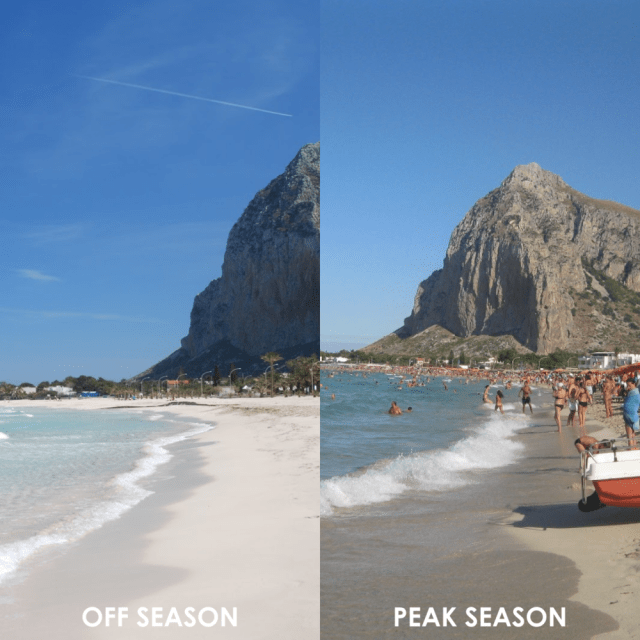
One example of this can be seen on the west coast of Sicily, Italy. San Vito Lo Capo, one of the most popular beaches in the area, attracts a large number of tourists every year due to the “instagram-able” white sands and blue waters.


Picture (left):    Source   ; Picture (right):    SourcePicture (left):    Source   ; Picture (right):    Source

Picture (left): Source; Picture (right): Source

During the peak season in the summer, thousands of umbrellas and chairs cover those white sands entirely, and the water near the shore turns into a greenish turbid color.

The biggest and so far inevitable consequence of overcrowding in San Vito is the constellation of trash left behind by its visitors – plastic bottles, cigarettes, wraps, and containers can be easily spotted all over the sand and underwater.

This drastic mutation of the landscape is due to the enormous increase of human presence all in the same period of time. San Vito is a small town of around 4,700 people which, according to statistical data, has already hosted more than 140,000 tourists in a single year, the majority visiting during the peak season of July and August.

One of the reasons behind the change of color of the water, and a rather disgusting one, is the urine of thousands of people concentrated on the shore, combined with the residue of sunscreen that gets released in the sea.

Unfortunately, San Vito is only one of the many places disrespected by its visitors. Which leads to the question: is a pretty picture on Instagram worth it?

Ego-Tourism vs. Eco-Tourism

The disrespect and disregard for the environment, typical of ego-tourism, comes in direct contrast with eco-tourism; which is, by definition:

Responsible travel to natural areas that conserves the environment and improves the wellbeing of local people.”.

Meaning, eco-tourism is meant to educate the travelers to care about their surroundings and respect the places they visit, having no negative impact on the environmental or socio-cultural aspects of a destination.

Traveling is supposed to make us feel better and is an opportunity for personal growth, so there’s nothing wrong with doing it for egocentric reasons. But when we plan our trips we face multiple choices that can really make a difference between being an ego-tourist instead of an eco-tourist.

Making selfish choices as a traveler often causes damage to the environment, the loss of cultural authenticity, and ends up barely benefiting the local community, which should be the goal in the first place. To put this into perspective, according to WWF, the revenue going back to the local economy with eco-tourism is 95%, while with “standard” all-inclusive package tours it goes as low as 20%.

So what can we do about it?

While we should document our travels – and, I believe that, it’s wonderful to publicly share our experiences so that others can be inspired to explore new places and new cultures. It is important that we stay conscientious of our actions to ensure our eco-tourist intentions do not become ego-tourist tendencies. Listed below are some tips to avoid just that:

  1. Leave No Trace: always, always take your trash with you and carry it until you find a trash can (no matter how far it is, and even better if it’s recyclable). By bringing your own bag, you can make it easier for yourself, and you can even pick up other people’s trash. Not everyone is as mindful as you are, so help our planet and get your hands dirty… you can always wash them afterwards. Additionally, if you’d like to give an even bigger contribution, you can easily organize or participate in a cleanup! All you need is yourself, and your love for planet Earth.

  2. Ditch the Toxic Sunscreen: read the label of your sunscreen before you buy it, some of them are made with natural ingredients and are also designed to be reef safe. See the Haereticus Environmental Laboratory’s comprehensive list for all potentially harmful ingredients.

    *hint hint, some of the most toxic sunscreen brands include: Banana Boat, Coppertone & Hawaiian Tropic.

  3. Don’t Choose Overcrowded Destinations: avoid traveling with numerous people and group tours (such as boat trips with more than 10 seats on board). Instead, travel by yourself or with a couple of other people; ask locals for directions; and hike, walk, or rent a bike to get around. If you absolutely must go to an overpopulated spot, avoid traveling in the peak season to miss the crowds. Therefore getting a much more authentic adventure.

  4. Educate Yourself to Avoid Disrespectful Picture Taking: we all want to keep some beautiful memories from our travels, and it’s great to capture the landscapes we visit in the best way possible. However, we must always be mindful of the people around us and the place we are walking in. Asking ourselves questions like…

    “Am I ruining the experience for someone else?”

    “Am I disrespecting the culture?”

    “Am I generating further overcrowding?”

    “Am I causing damage to the environment?”


Want to learn more?

Overtourism: too much of a good thing – National Geographic

ECOTOURISM – EGOTOURISM? – Maija Bertule, Jens M. Kring, Lasse Degn, Qillaq Nielsen, Gerelmaa Gerelsaikhan

‘Ego travel’ – your guide to the narcissistic heart of modern holidaying – The Guardian

Targeting Moments of Need in the New Travel Landscape – amp agency

Paradise lost: World’s most beautiful places under threat of tourism – BBC News

Is Your Sunscreen Bad for the Planet? Here’s How to Choose an Ocean-Safe Formula – Vogue


meet the author


Giuliana Gentile - Giuliana was born and raised in Sicily (an Italian island in the middle of the Mediterranean Sea), since then she’s been moving around the world to meet new cultures and discover new places. She has a degree in Political, Social and International Sciences. During her studies she became passionate about environmental protection, gender equality, and cultural identity. She loves traveling, petting dogs on the street, and swimming underwater. 
Giuliana.jpg

Giuliana Gentile

Giuliana was born and raised in Sicily (an Italian island in the middle of the Mediterranean Sea), since then she’s been moving around the world to meet new cultures and discover new places. She has a degree in Political, Social and International Sciences. During her studies she became passionate about environmental protection, gender equality, and cultural identity. She loves traveling, petting dogs on the street, and swimming underwater. 


10 Terrific Films, Shows & Documentaries to Tingle Your Travel Senses

.parent {
display: inline; position: relative; line-height: 30px; float: left; color: #82be41;
}
.parent a{
margin: 10px;color: #82be41;text-decoration: none;
}
.parent:hover > ul {
display:block;position:absolute;
}
.child {
display: none;
}
.child li {
line-height: 30px;width:115%;text-align:left;
}
.child li a{
color: #82be41;
}
ul{
list-style: none;margin: 0;padding: 0px; min-width:10em;text-align: center;float: right; font-weight: 550;
}
ul ul ul{
left: 100%;top: 0;margin-left:1px;
}
li:hover {
background-color: white;
}
.parent li:hover {
background-color: white;
}
.expand{
font-size:10px;float:right;margin-right:5px;
}

.parent a p{
display: inline; margin: 10px;color: #6e706b;text-decoration: none;
}

10 Terrific Films, Shows & Documentaries to Tingle Your Travel Senses


Written by Rj Ross | January 20, 2021


Designed by Jaclyn Yost.Designed by Jaclyn Yost.

Designed by Jaclyn Yost.

https://platform-api.sharethis.com/js/sharethis.js#property=5f0bbd9ab9410d0019e80af3&product=inline-share-buttons


It’s almost a year since the entire world went on lockdown and quarantined due to the global pandemic that is COVID-19. With increasing cases, we find our limitations from various activities increasing as well. One of these activities – which we at ecomadic enjoy a lot – is traveling. But let’s not be pessimistic. The environment will heal eventually.

In the meantime, to prepare us for that voyage-filled future: here is a list of films, shows, and documentaries we recommend for your viewing pleasure that will inspire your next well-needed, sustainable vacation!

Films

Eat Pray Love


Source: Legal NomadsSource: Legal Nomads

Source: Legal Nomads

Starting with the obvious, Julia Roberts classic, the film adaptation of the Elizabeth Gilbert memoir will lead you to booking your spiritual journey away from the hustle and bustle of life. While marital issues, like the film’s main character, may not be your current waterloo, the past year for some (if not, most) have had us face varying hardships: unemployment, death, isolation from loved ones, and a plethora of political and social issues; therefore, once lockdown is over, you will definitely want to pack your luggage and head out to the wonderful countries shown in Eat Pray Love, such as Italy, India, and Indonesia. What is also great about the film (and the memoir itself) is that the places Elizabeth travels in the film weren’t tourist-heavy, but just serene settings for a peace of mind, and a chance to embrace the local culture. Give this movie a watch, and you will definitely jot down a journey!

Where to watch: Hulu, Vudu, Amazon Prime Video, Showtime

The Sound of Music


Source: YouTubeSource: YouTube

Source: YouTube

The Julie Andrews classic will leave you scurrying for a seat on a plane to Salzburg, Austria! The opening scenes of Frauline Maria meandering through the heart-throbbing hills, which are “alive with the sound of music”, will automatically have visiting Austria on your bucket list. The montage of Maria and the Von Trapp children confidently roaming and singing through the local towns and valleys of Austria (on foot and via public transportation) will give you ideas on the many environmentally-friendly wonders and activities to engage in these smaller, Austrian towns, while remembering the beautifully sung songs from this Roger’s and Hammerstein musical. 

Where to watch: Disney+

Black is King


Source: IMDBSource: IMDB

Source: IMDB

With recent films such as Black Panther, which diverts from the negative stereotypes attributed to Africa, Black is King, while a musical reimagining of the Disney classic, The Lion King, shows various locations throughout this music-filled movie that could possibly be your next destination. Whether the local Nigerian museums in the “Keys to the Kingdom” segment, the local town of Nima in the Accra region of Ghana during “Already”, or the Zulu churches and villages in Mapoch South Africa during “Brown Skinned Girl” and “Water” will fill you with desires of experiencing the beauties of these locations yourself, while enjoying music native to the Western and Southern regions of Africa. 

Where to watch: Disney+

Crazy Rich Asians


Source: KaleidoscopeSource: Kaleidoscope

Source: Kaleidoscope

The romcom adaptation of the titular novel gave a glimpse of many locations in Malaysia. Whether one wants to explore the many local shops and eateries at the Changi Airports Rachel and Nick departed the plane at, enjoy the Singapore Botanic Gardens in front of Ah-Ma’s home, or grab a bite at a hawker center, which provides local cuisine at a reasonable price, Crazy Rich Asians’ spectacular settings will have you set an immediate appointment with the Malaysian embassy! 

Where to watch: HBO Max

Shows

House Hunters International


Source: Movies RankingsSource: Movies Rankings

Source: Movies Rankings

Similar to the original House Hunters, this series focuses on real estate, showcasing lavish abodes- but in every country that is not the US or Canada. The charm of this series compared to the original is how these houses are located in the non-tourists towns, where the buying couples get a panoramic view of the language, customs, and culture the foreign towns have to offer. Also, for those who have a knack for home decor and development, House Hunters International showcases a variety of ways other countries create these homes, which sometimes involve eco-friendly amenities to pique your interest and stamp that country in your passport!

Where to watch: Hulu, HGTV

Anthony Bourdain: Parts Unknown


Source: Slash FilmsSource: Slash Films

Source: Slash Films

The late Anthony Bourdain traveled to twelve seasons worth of obscure areas in an atlas of countries, states, and cities. Besides learning about new, local areas and the history behind each, there are also a lot of interesting foods Mr. Bourdain gets to enjoy. If you are a foodie watching this on your laptop. Tablet, or smartphone, I suggest having a cloth on standby, to prevent water damage from salivating over the delicacies Anthony Bourdain consumes.

Where to watch: Hulu, HBO Max

Street Food


Source: Hospitality MagazineSource: Hospitality Magazine

Source: Hospitality Magazine

While on the subject of food, another docu-series to watch is this Netflix series! With two volumes thus far, travel with your tv to various spots in Asia and Latin America where exquisite, ethnic dishes are cooked and served; compliments to the local chefs, who provide their perspective on their local culture and its relationships with these mouth-watering meals. From heartfelt stories and location trivia from the hosts, cooks, and citizens, to visuals of the areas surrounding the eateries, if it doesn’t make you book a flight immediately, it will keep you watching until Netflix asks “are you still watching this show?”

Where to watch: Netflix

The Wild Thornberrys


Source: ThrowbacksSource: Throwbacks

Source: Throwbacks

Animation can bring out the adventurer in some. If you were a 90’s or 00’s kid, this Nickelodeon cartoon was one of your first shows you watched about traveling globally. In their RV, Eliza and her family document various discoveries they make in every and any country, in hopes to preserve and protect their environment, especially the animals that Eliza has the ability to communicate with. The Wild Thornberrys is a show for all generations to watch, whether it helps you add new countries and cities on your visit list, make you more conscious of the environment, or supply you with an entertaining dose of nostalgia! 

Where to watch: CBS All Access, Amazon Prime Video

Documentaries

Crowded Out


Source: Responsible TravelSource: Responsible Travel

Source: Responsible Travel

While the previous entries center around local and obscure areas in their respective countries, or environmentally friendly areas, this thirty-minute documentary emphasizes why it is best to stray from the destination hotspots. Produced by Justin Francis, this documentary depicts the dark side of tourism. Locals in places such as Venice or Barcelona are interviewed to discuss their exhaustion of tourists overpopulating their cities, and their culture and lifestyle being stripped due to businesses (big and small) catering solely to these tourists. While this documentary may not provide alternative places to visit, hopefully it will entice you to be more considerate when planning a trip around overpopulated destinations. 

Where to watch: Youtube, Vimeo

Gringo Trails


Source: IMDBSource: IMDB

Source: IMDB

Another film about the negative impact tourism has, Pegi Vail’s Gringo Trails will aid you in understanding what it means to be a traveler: Is having an authentic experience in another country worth the exploitation of the native residents? How does my fun at a remote or popular place impact this foreign country economically and environmentally? The documentary invokes lots of thought and debatable questions, while showcasing alternate places to visit and assist in countries such as Bolivia, Mali, and Thailand (e.g. the Chalalan eco-lodge). Every location in the aforementioned article entries is great to travel to, and Gringo Trails will not condemn you for doing so. Gringo Trails’ main goal is to help us as travelers learn to always do our research before booking that trip. Just like our mission at ecomadic, the documentary will provide awareness to help sustain and better any environment we encounter!

Where to watch: Vimeo, Vudu, Amazon Prime Video

meet the author


Rj Ross - Rj Ross is a writer at ecomadic. With his BA in communications and love for creative writing, he hopes to inspire and inform many generations about sustainable living and responsible traveling.
IMG_3450.PNG

Rj Ross

Rj Ross is a writer at ecomadic. With his BA in communications and love for creative writing, he hopes to inspire and inform many generations about sustainable living and responsible traveling.


Design a site like this with WordPress.com
Get started