Whether you’re someone who’s just starting to learn about climate change, or someone who’s trying to specialize in the topic, the amount of information that we’re exposed to can be overwhelming. That’s also one of the reasons why some people don’t want to learn about it in the first place: it’s just too much work. Unfortunately, it’s not really up to us to decide if we want to be involved in it or not, because we already all are, simply by living on planet Earth. The very first step to tackle this issue is educating ourselves and spreading awareness. We owe it to ourselves, but most of all, we owe it to the future generations.
Category Archives: Category: Education
The Importance of Underwater Forests
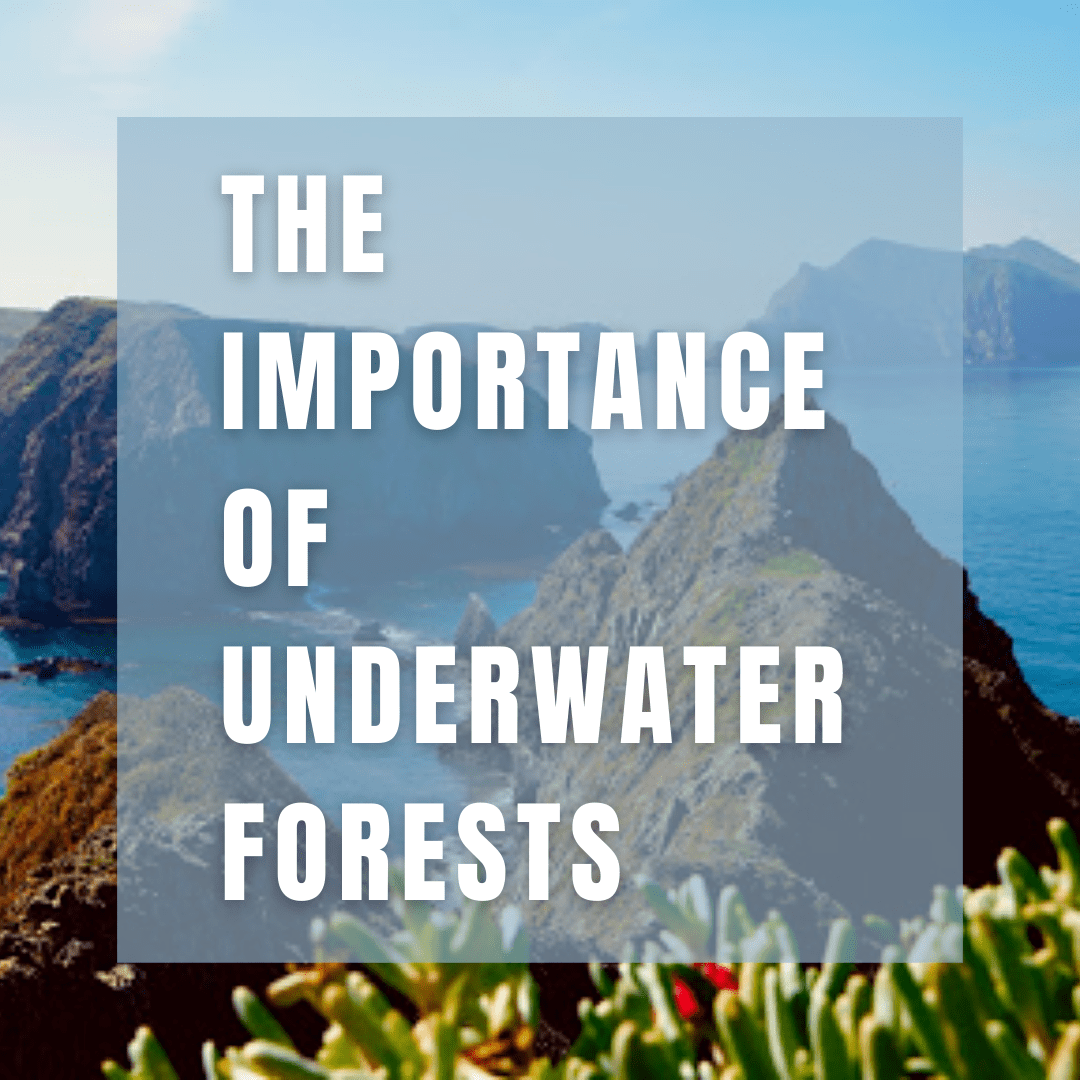
Underwater forests are just as important as land forests in the fight against climate change as they absorb carbon dioxide and regulate the temperature of our planet. Found in regions like the Channel Islands in California, these powerful marine plants play a fundamental role in keeping their ecosystems alive.
The Racist History of National Parks

Visitation in National Parks is predominantly white. Many factors come into play regarding low diversity in visitation numbers – including socio-economic access, cultural differences, discrimination, and historical erasure. To understand just how pervasive racial disparities are within access to National Parks, we need to revisit how they were established in the first place.
Miami: The “Ground Zero” for Climate Change
Miami is a beachfront metropolitan city known for its warm tropical weather, luxury properties, swampy parks, and coral reefs. Yet with the growing effects of climate change, the future of Miami may not be as glamorous. Read more to learn what has led experts to refer to Miami as the “ground zero” for climate change.
Sustainable Trails: Connecting People With the Earth for Generations to Come

Backyard Trails, LLC is a company designing and building sustainable mountain bike trails around the Midwest.
Eradicate The Uninvited: Invoking Awareness on Invasive Species!

Invasive species are creatures that have infiltrated various parts of the environment, including National Parks, various bodies of water, and many other natural habitats. In light of this week being national invasive species awareness week, we at ecomadic will provide our readers key information about invasive species, the issues due to them, and what we can do to solve it.
Why It’s Not Too Late To Save The Planet: The Case of Raja Ampat

On many occasions, we have already witnessed nature’s capacity of regeneration and adaptability in the context of adequate protection measures. A striking example of this capacity can be seen in the Indonesian islands of Raja Ampat.
The Green Journey: One US Administration At A Time!
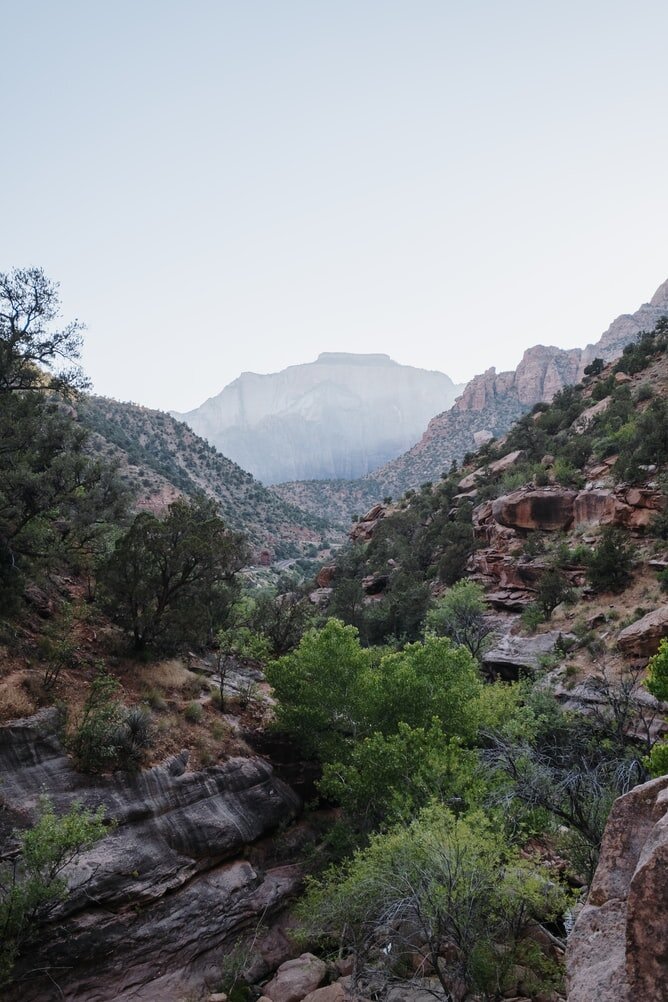
In celebration of President’s Day, let us take a trip on the highway to history, and see the help a few of the administrations provided for our habitat!
Food Deserts and their Impact on Low-Income Communities
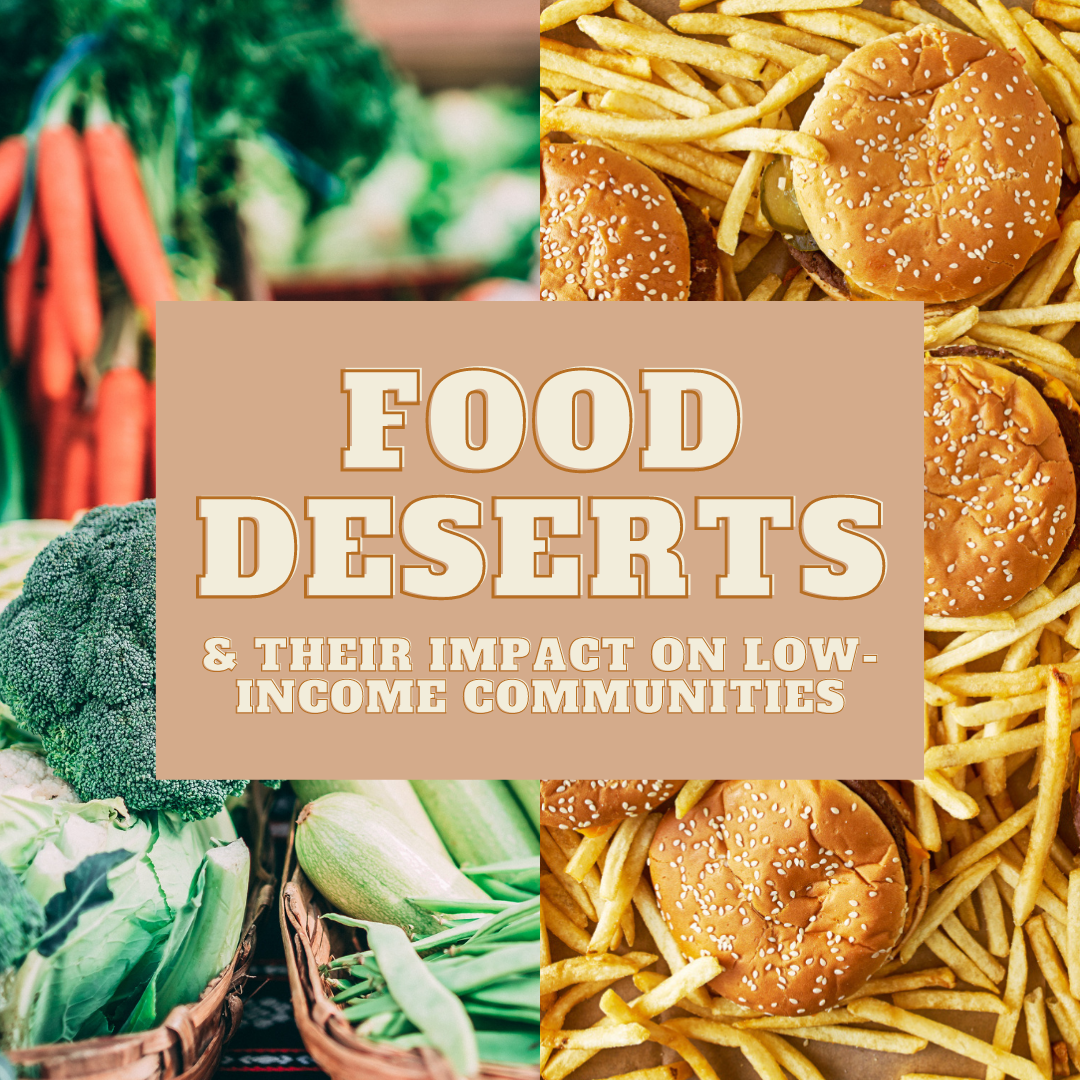
A food desert is an area within a community with limited access to healthy eating and new sustainable resources. The term ‘food desert’ itself is relatively new, but the implication has always been around. These can often be found in impoverished neighborhoods in contrast to an area with higher access to fresh markets. People who live in food deserts are more likely to consume highly processed foods with little to no nutrients. For many people, living in food deserts can lead to diet-related chronic diseases.
Opinion: A Bit of Advice for Shopping Sustainably
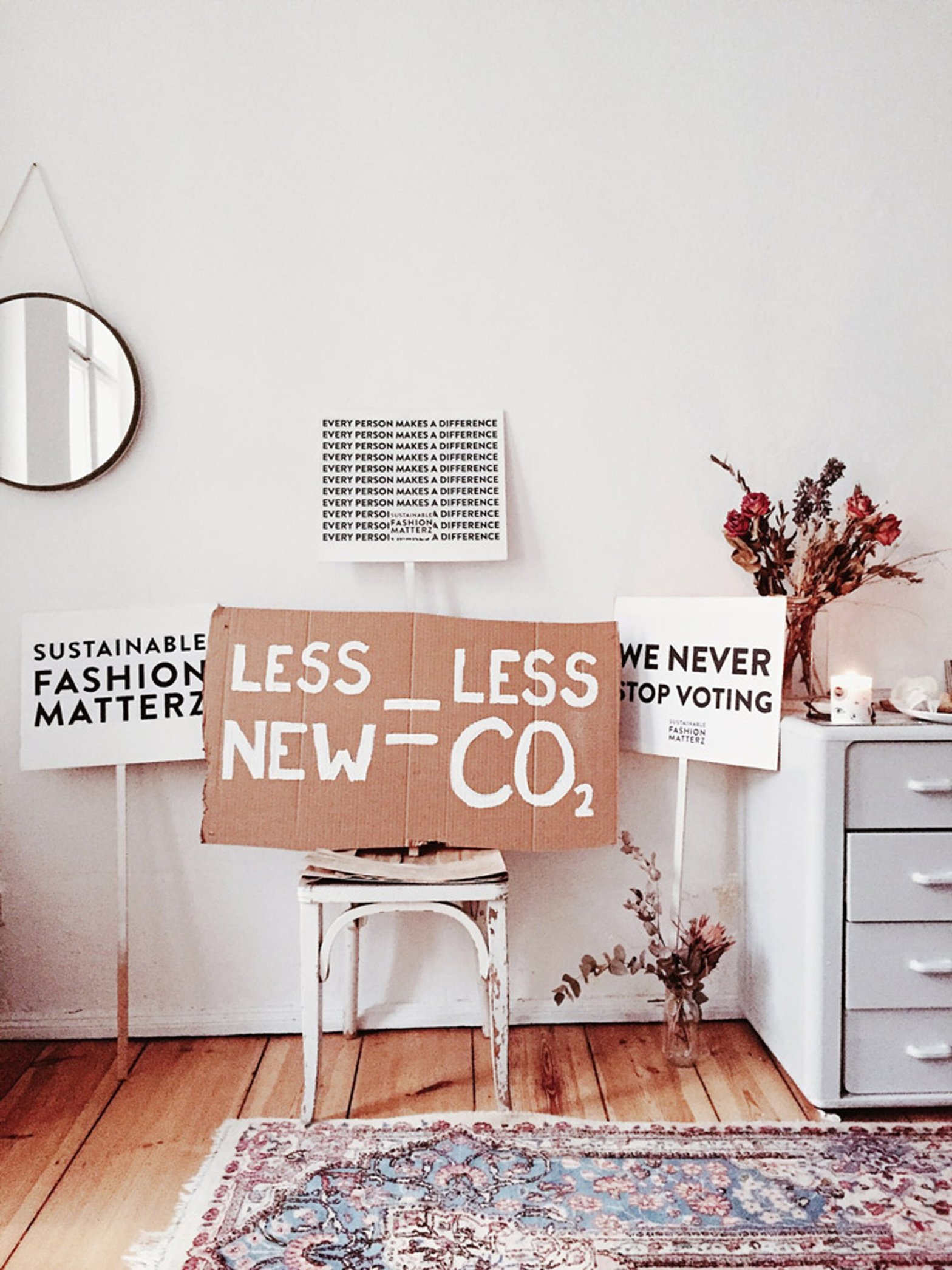
The fashion industry has quickly evolved to keep up with the culture of consumerism – we want to buy more and we want to buy it quickly. Unfortunately, haute couture is not accessible to everyone, so fashion retailers of big companies like H&M and Zara have found the perfect recipe to drastically increase their profits: using the latest high end trends to produce ridiculously cheap new collections as fast as possible. It comes without saying that these rhythms of production have an extremely negative impact on the environment, making textile production responsible for 1.2 billion tonnes of greenhouse gases emissions annually, which is more than all international flights and maritime shipping combined.
 ecomadic