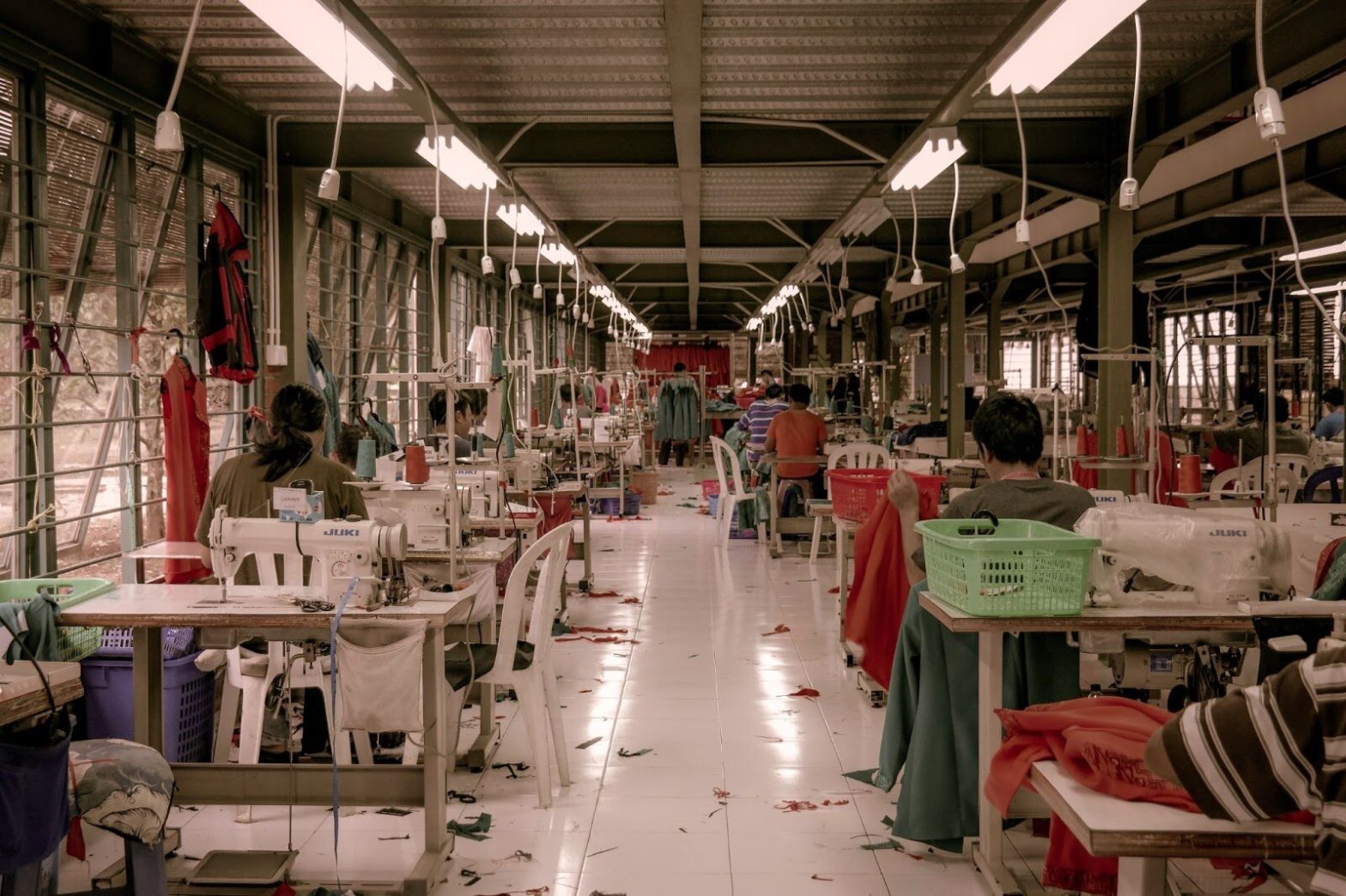
Major global brands might offer shoppers access to the latest trends, but supporting fast fashion entails major environmental and human rights consequences. Regardless of whether you’re a fashionista or prefer to dress for function, the clothes that you purchase have an impact. As conscious consumers, we all have a responsibility to look past a clothing item’s price tag and learn about the real costs that drive the industry so that we can make informed decisions and better support the world around us.
Category Archives: Category: Environmental & Social Justice
Meet Green Light New Orleans
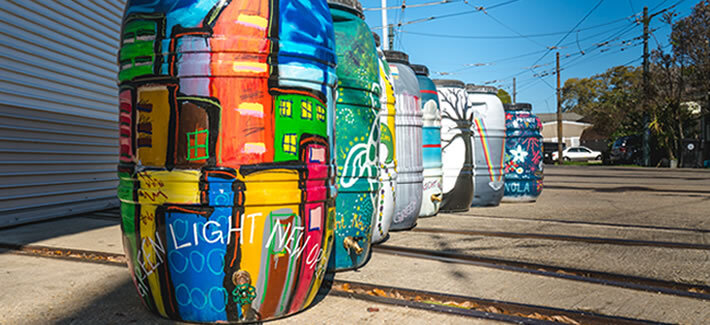
We sat down with Jillian Welsh – volunteer coordinator at Green Light New Orleans 💚 watch the interview to learn more about how the organization provides sustainable solutions to individuals homes and encourages collective action to create more resiliency within the local community.
Recap: The Derek Chauvin Trial
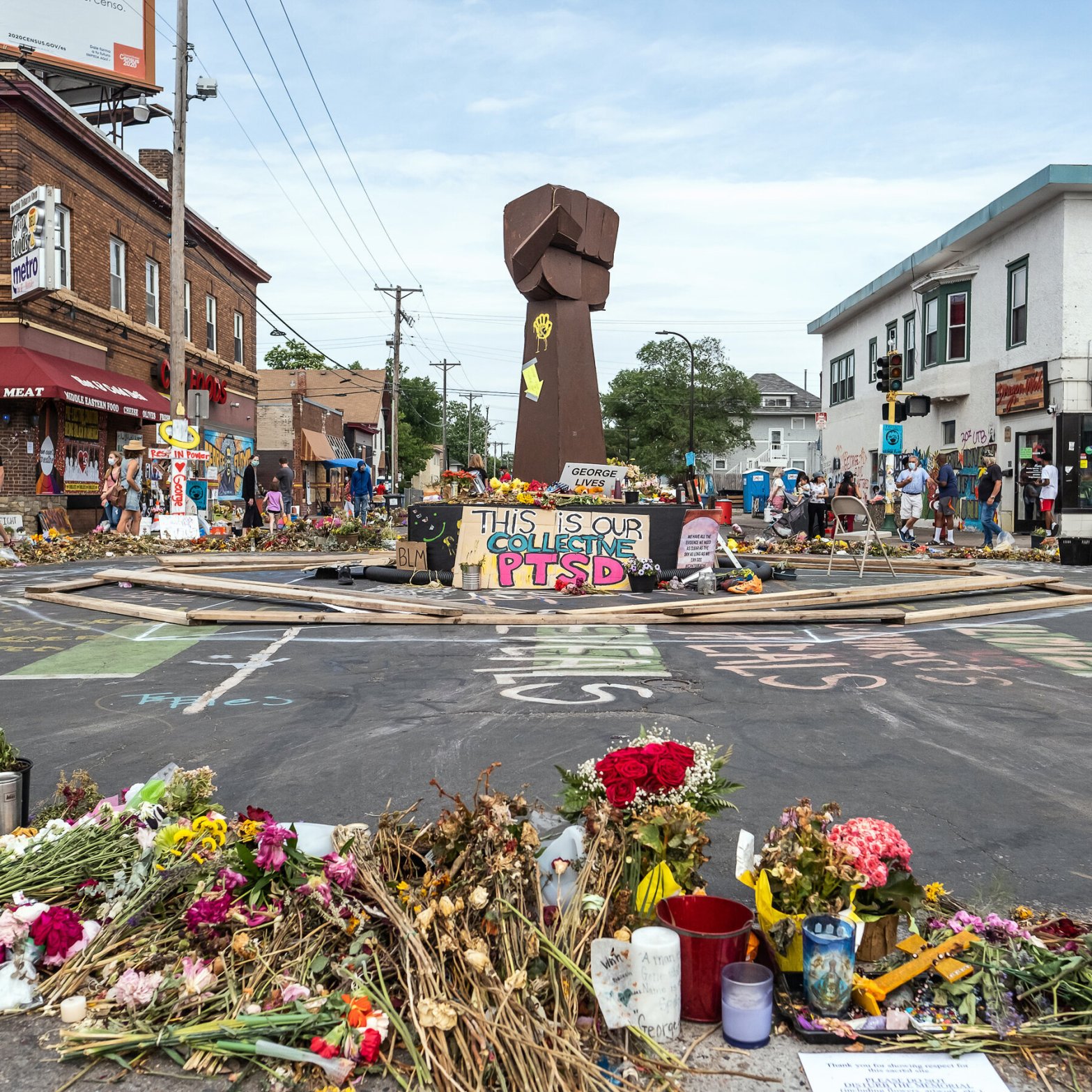
Almost a full year after the brutal killing of George Floyd, a verdict has finally been reached in the trial of ex-cop Derek Chauvin. The jury found Chauvin guilty of all three charges, 2nd-degree unintentional murder, 3rd-degree murder, and 2nd-degree manslaughter. While sentencing is expected to come in the next couple of weeks, the most severe of the charges Chauvin has been convicted of, 2nd-degree murder could lead to a maximum prison sentence of 40 years. The actual sentence will depend on several factors, such as Chauvin’s lack of prior criminal history and the state’s sentencing guidelines. But additional considerations such as Chauvin’s authority as a police officer and his use of excessive force in front of a crowd might extend the sentence.
Marijuana Legalization in New York: An Overview of the MRTA
We sat down with Nancy Udell – Director of Empire State NORML – to breakdown the Marijuana Regulation and Taxation Act (MRTA) that was passed in New York on March 30, 2021 & to learn how we can advocate for legalization within our communities.
The History of Marijuana in the United States
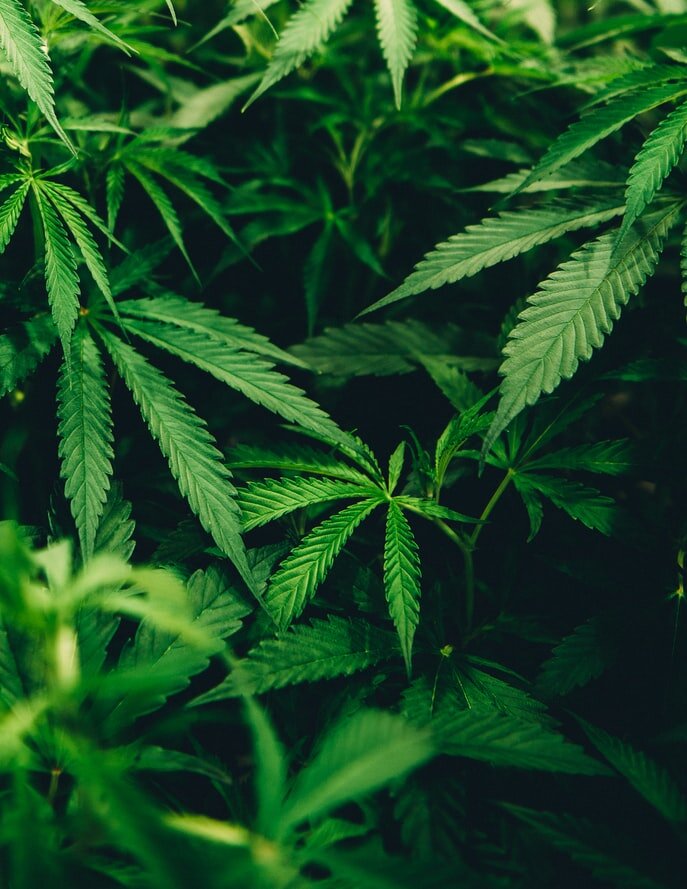
This past month, New York state has joined 15 other states and the District of Columbia in legalizing marijuana for recreational use. Now almost half of the country lives in a state that has legalized cannabis for personal enjoyment. As more people support the use of cannabis for medical, personal, and economic reasons, questions arise as to how marijuana became so heavily regulated in the first place. Looking at the history of marijuana in the United States, a convoluted past illustrates the changing perceptions cannabis has had in the United States and just which groups of people bore the burden of criminalization.
AAPI Owned Eateries to Support Across the US
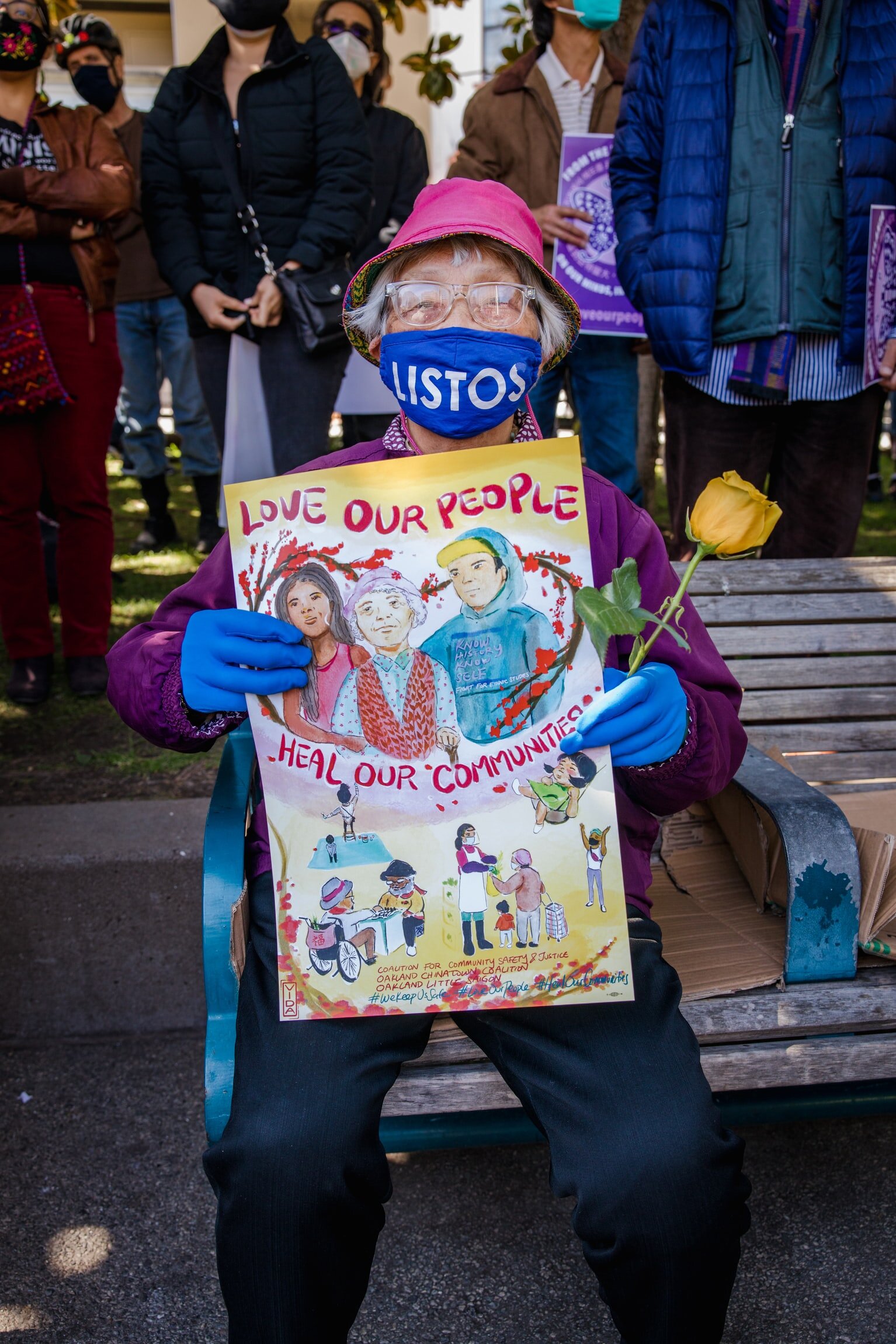
If you follow the American news recently, you’ve seen the ongoing, hateful acts committed towards the Asian American and Pacific Islander communities. During unfortunate instances as such, it’s crucial to stand in solidarity with groups facing harsh injustices, and support them. Supporting comes in many methods, such as protests, petitions, practicing your first amendment rights via the polls or press, and patronage. As you travel throughout the States, be sure to do the latter, and support local and sustainable, AAPI businesses to increase visibility, community, and environmental and social awareness. Particularly, visit and enjoy establishments home to one of the most important aspects of many AAPI cultures: food! From traditional meals passed throughout the family tree, to meals influenced by being an immigrant in America, there are many stories and supple spreads waiting for you to culturally immerse and chow down on during your travels. Uncertain of where to start? We at ecomadic can assist per our assemblage of Asian-owned eateries for a grand, green dining experience!
Why We Must Expand Our Understanding of Conservation: Reviewing ‘Black Faces, White Spaces’
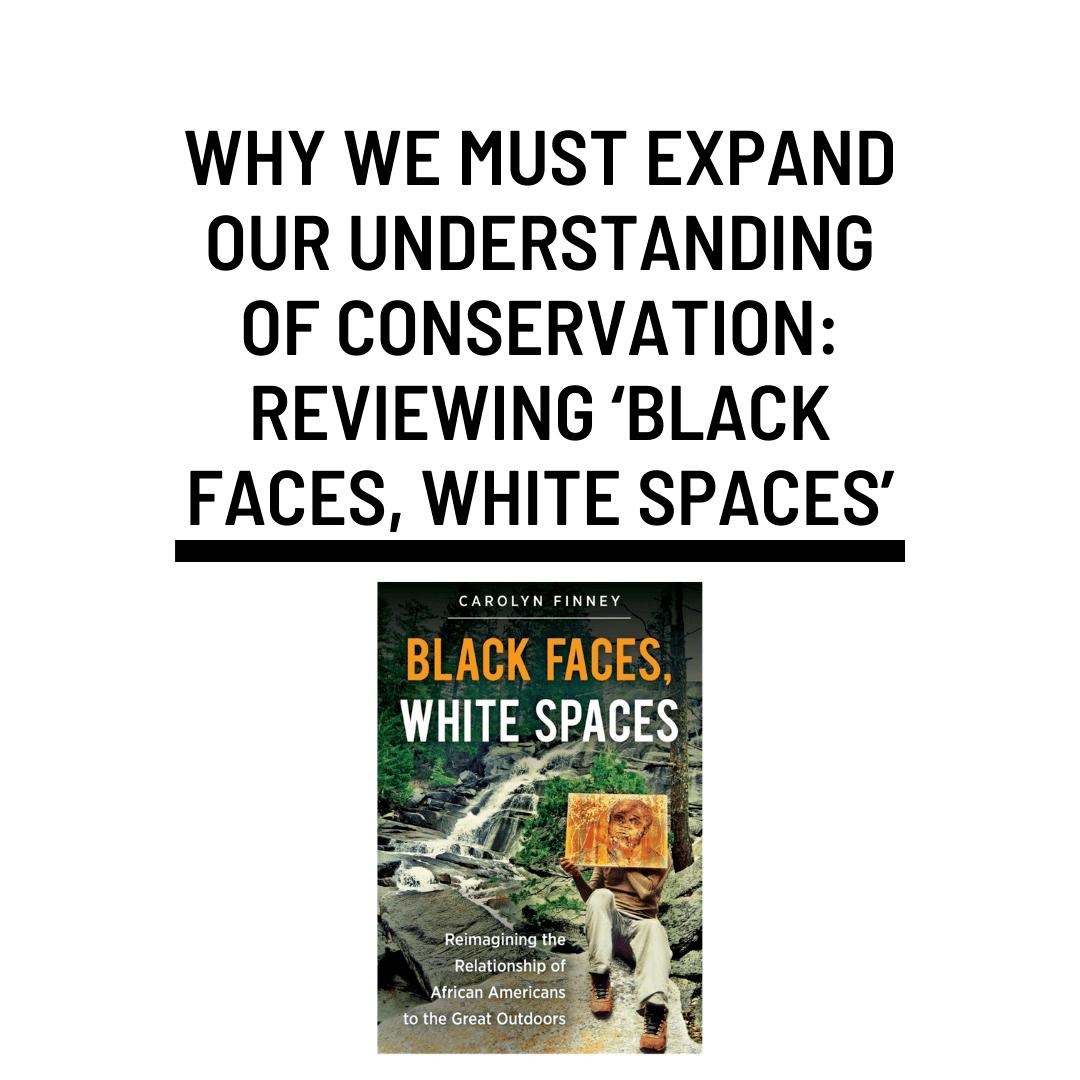
In Carolyn Finney’s Black Faces, White Spaces, we get a good look at the intertwined history of the environmental movement and African Americans in the United States. Finney guides us through the complicated way race, nationalism, and the ‘Great Outdoors’ manifest into a narrative about conservation that does not necessarily consider people of color’s perspectives and concerns. The book criticizes the historical absence of African Americans from mainstream environmental rhetoric. It explains how this creates invisibility that shapes how Black folks relate to and understand the natural world.
Securing Healthy Food & Clean Water for All, Without Sacrificing the Earth

In considering these mounting challenges, we can see that innovative solutions to providing healthy food and clean water have become more important than ever. It has also become evident that due to the importance of water in all aspects of life, employing sustainable strategies for managing water might bring the answers we are looking for when it comes to growing enough food to feed our growing population.
Climate Change & Its Impact on the World
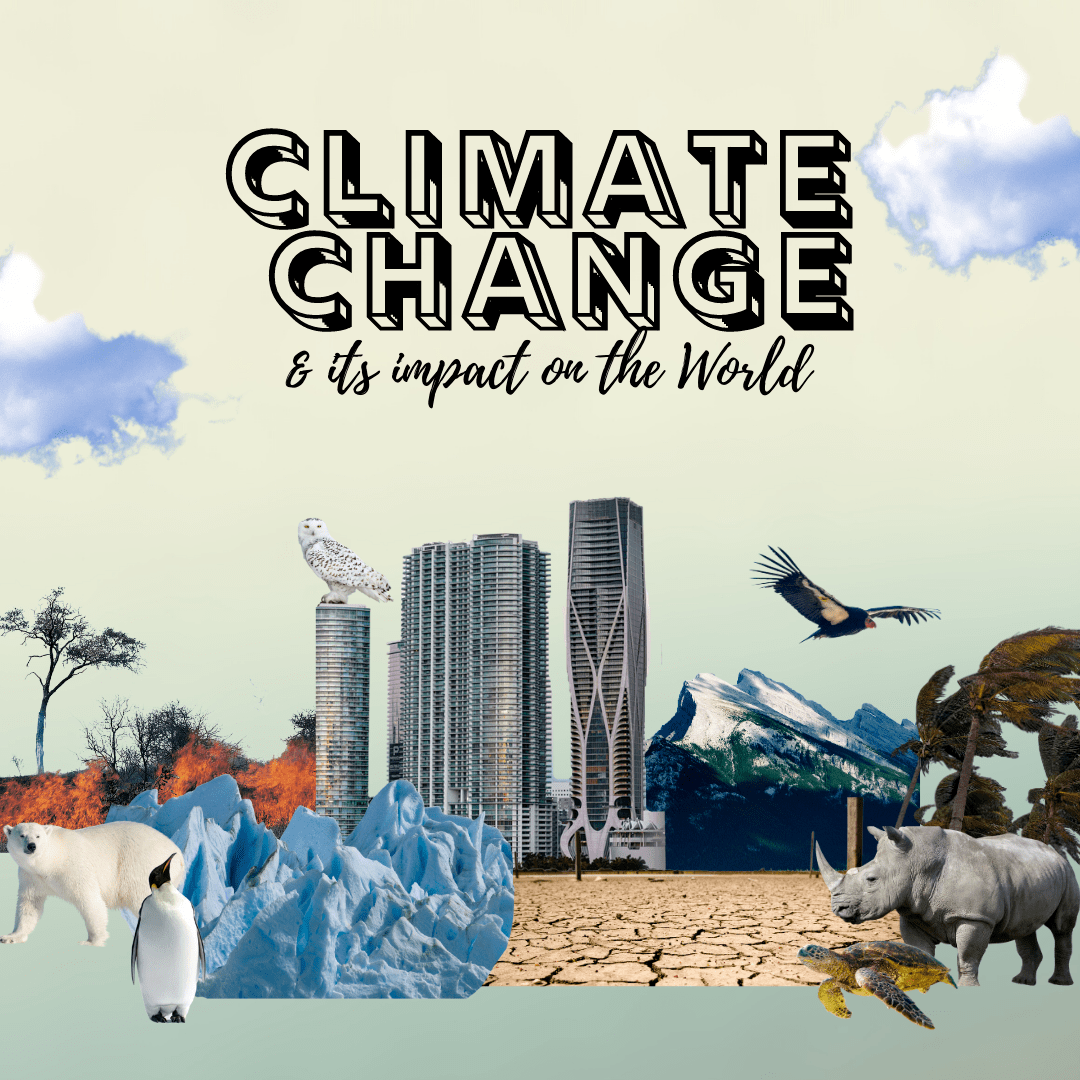
Climate change is no longer a future event to prepare for, and there is only limited time to act before it is too late to save the future of our planet. Because these impacts are human related, it is up to us to take the necessary measures to mitigate against these disturbances. Learn more about climate change, the weather patterns and trends associated with global warming, and how the climate crisis is threatening ecosystems and communities around the world.
The Racist History of National Parks
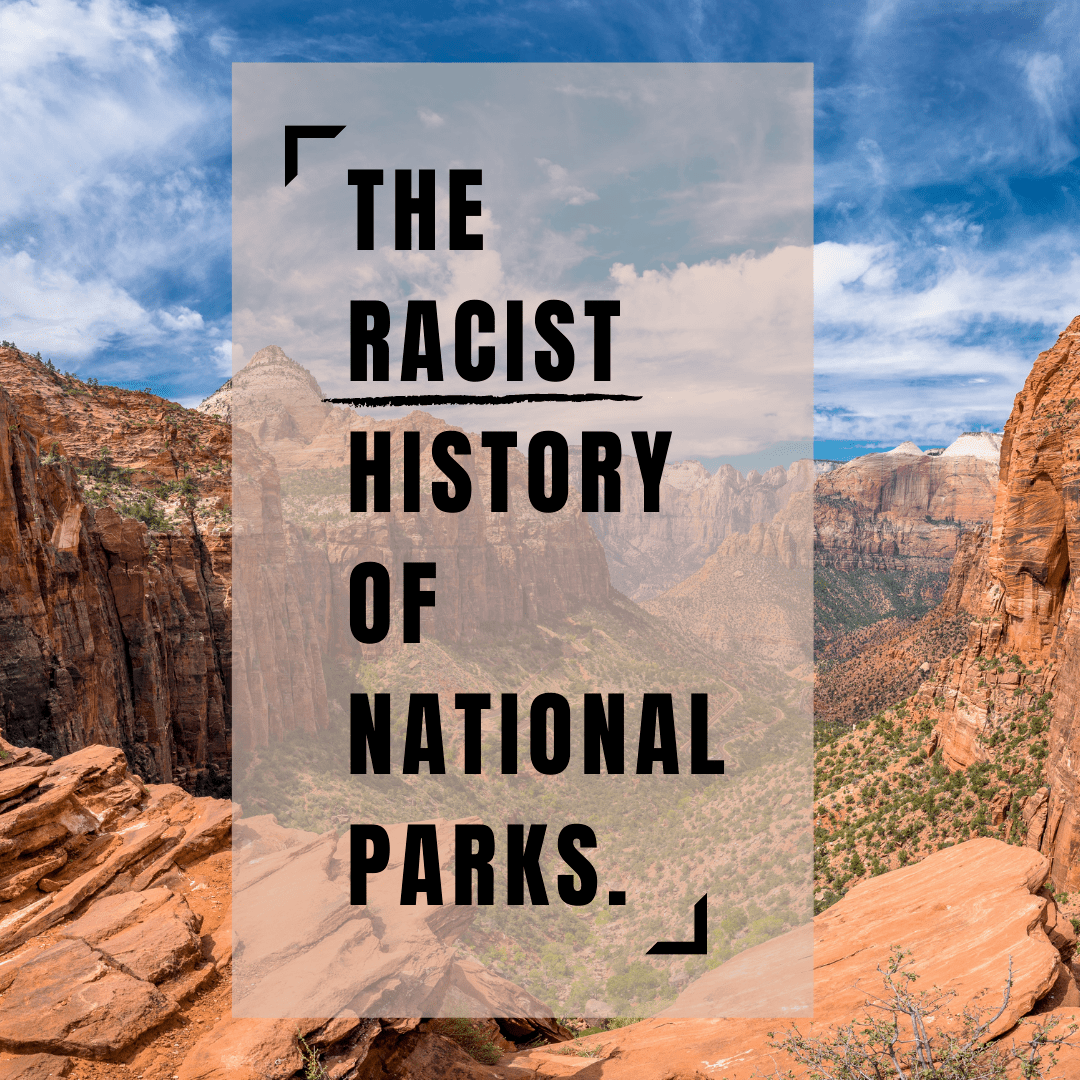
Visitation in National Parks is predominantly white. Many factors come into play regarding low diversity in visitation numbers – including socio-economic access, cultural differences, discrimination, and historical erasure. To understand just how pervasive racial disparities are within access to National Parks, we need to revisit how they were established in the first place.
 ecomadic