Miami is a beachfront metropolitan city known for its warm tropical weather, luxury properties, swampy parks, and coral reefs. With a prominent Latin American influence and streets lined with colorful murals, the city is known for its authentic and culturally-rich atmosphere.
Yet with the growing effects of climate change – such as rising sea levels & warming waters – the future of Miami may not be as glamorous. This in combination with tourism being one of the city’s main economic drivers (which is also particularly vulnerable to climate change) has led experts to refer to Miami as the “ground zero” for climate change.
Rising Sea Levels & Warming Waters
Miami is the mostthreatened area by rising sea levels in the continental US – projected to rise between 9 inches to 2 feet by 2060, and up to 3 feet by 2100. As global temperatures increase, glaciers and ice caps melt, adding water to the ocean; and as ocean waters warm, the volume of the ocean expands. These two factors create a chain reaction, consequently leading to eroded beaches, coral bleaching, mosquito-borne illnesses, seawater intrusion into freshwater drinking sources, and an increase in tropical storms and hurricanes. Just to name a few.
Sunny day flooding in Miami, FL. Source: Kevin Loria & Business Insider
Furthermore, due to Miami being built on a foundation of limestone, the city regularly experiences flooding. So much so that a record breaking number of tidal flooding events was recorded in 2019. Even on days without a cloud in sight, low-lying neighborhoods witness “sunny day flooding” as frequently as 35 days a year. While Florida has spent millions on installing pumps and raising roads and buildings, if trends continue, “sunny day flooding” could potentially occur as often as every 2 out of 3 days by 2045. This phenomenon has also been stranding marine animals on land (think: octopuses in car garages), and poses a risk of unearthing industrial waste and septic systems, which could ultimately lead to unsanitary conditions and disease.
As more than 85,000 people in the Miami-Dade county live less than 3 feet above sea level, cities and properties are starting to see the need to invest in upgrading their water and power systems; adopting stricter infrastructure and building measures; and instilling proper emergency response plans.
Climate Gentrification: A Socio-Economic Downfall
It’s not just natural hazards that communities in Miami need to keep in mind as socio-economic pressures also heighten in the face of the climate crisis. Because Miami is the second most unequal large metropolitan area in the country, it is inevitable that wealth gaps and racial inequalities will continue to escalate.
📷 Jaclyn Yost
Miami is already witnessing neighborhoods slowly being pushed out by luxury properties and the climate only adds an extra layer of complexity to the mix. Climate gentrification has become a term to describe the “process of wealthier, often whiter populations moving to areas less exposed to the effects of climate change that were previously occupied by lower-income residents and communities of color, thus exacerbating displacement and disparities.” Specifically in Miami-Dade County, it is being estimated that nearly a third of the current population (~800,000 residents) will eventually be displaced.
This capitalist hypocrisy of prioritizing the economy over the well-being of low income communities and environmental disruptions will only fuel the destination into becoming more of an uninhabitable place overtime. Nonetheless, investors see the short-term profits of Miami Beach and luxury properties attractive, as they are likely to see their return before the brunt of the crisis hits.
Tourism Impact
In pre-pandemic days in 2018, Miami saw more than 23 million tourist arrivals, bringing in approximately US$18 billion to the region. Yet, referring back to the environmental and social issues highlighted above, it is clear that climate change will directly impact the multi-billion dollar sector and tourist activity. For reasons including a decrease in sand space for leisure, extreme high temperatures, high costs of waterfront restoration, and stressors on freshwater reserves.
Without visitors flocking to Miami’s famous restaurants, hotels, shops, and nightclubs, there is no doubt that a collapse in tourism would be detrimental to the local wellbeing of Miami and its residents. Ultimately having the ability to negatively influence social and political structures.
Looking Forward
Miami’s livelihood – from an environmental, socio-economic, and political perspective – is dependent on the long-term climate resilience measures that are put in place today by governments, businesses, organizations, communities, and individuals. & luckily, efforts are already being seen and heard.
In November 2017, Miami voters passed the US$400 million ‘Miami Forever Bond’ program in an effort to combat sea-level rise and flooding; about US$200 million of the funds has been dedicated to alleviate vulnerabilities via innovative infrastructure investments. Such as “learn[ing] the effectiveness of water outfall back-flow valves; understand[ing] how to best address bayside and river waterfront storm surge and sea-level rise; explor[ing] drainage solutions outside major drainage basins; install[ing] a traditional pump station and drainage systems in low-lying neighborhoods and us[ing] an advanced road design to provide enhanced mobility and meet resiliency requirements.” All in the deliberate effort to prevent sea-level rise and flood prevention, while encouraging engagement from citizen and advocacy groups.
The case of Miami is not standalone. While not completely identical, many coastal cities around the world face similar challenges. We can no longer afford to be disconnected with the reality of climate change. The fight for a more sustainable future may seem like a long, uphill battle, but there is still time to work and save the places that we know and love. It will just require global, collaborative endeavors, as our beloved seaside communities depend on it.
For those without voting power in Miami, the most effective way to make a change when visiting the destination is to make conscious decisions & be a sustainably-minded traveller. A few suggestions if you are traveling to the city…
Leave no trace when visiting both urban and natural environments.
Continue to educate yourself and others on the increasing pressures of the climate crisis and how it is altering our world. Sign petitions, get out in the streets, email appropriate government officials and policy-makers – use your voice to advocate for the changes that you want to see in the world.
Jaclyn is the founder of ecomadic and editor of The Sustainable Seed. She is conscious creative passionate about shedding light on environmental and social sustainability issues through travel.
The trail you use the most is the most important trail in the world.
This is the tag-line of Backyard Trails, LLC, designing and building trails in your neighborhood, at the moment, in the Midwest.
To clarify, these are not hard surface trails that sport dog walkers, rollerblades, and skateboard activity, we are talking about narrow, natural surface trails: where you get on your mountain bike and disappear around a bend at sunset under a tree canopy and the only sounds you hear are the wind and the birds.
Source: BackYard Trails, LLC.
It is an immersive experience, riding a mountain bike on a singletrack trail. Ken Barker, owner of BYT, says, “if we engage with nature, we are more likely to take care of nature.”
Taking it further, when asked about sustainability practices, Barker says: “sustainability is #1 when designing and building natural surface trails! It is of utmost importance to think like water, you don’t want mother nature washing your hard work away nor do you want the trail to end up in local rivers and streams. This is considered the physical sustainability of a trail. There are two other important forms of sustainability – social and economic.”
So how is this trail building company getting it done? It’s a lot of work to write up a proposal, get permission from an organization or city, measure and design out an interesting path in dirt, build technical features, test it out, battle the elements and unforeseen setbacks.
Drainage has to be figured out. Where will the rainfall go? You don’t want to ride in a swamp! What are the freeze/thaw soil cycles like? Rain for days sets you back. Machines fail. Natural disasters bring trees down in the work area.
Long story short, it is not for the faint of heart. Through perseverance, however, something artistic and beautiful is made.
For more background, a breakdown of recent projects by Backyard Trails where this forward thinking company reused materials and thought outside the box to create immersive, exhilarating trail experiences can be found below.
Creekside Park consists of a Climbing Trail (which lets you flow to the bottom in a pretty effortless way, on super fun Flow Trail), an Intermediate Flow Trail, and Sand Crane (advanced trail). Barker designed these continuing dirt roller coasters with the aim of propelling the rider into a mental and physical state of blissful focus.
In psychology, a flow state, also known as being in the zone, is thestate in which a person performing some activity is fully immersed in a feeling of energized focus, first described by Mihaly Csikszantmihalyi, a Hungarian-American psychologist, in 1975.
The Creekside trail system is basically a miniature bike park with mountain bike trails as well as a cyclocross course. The mountain bike trails focus on creating trail experiences for a wide range of riders in a relatively small and unused public park space. Described in more detail on Trailforks, the advanced trail, Sand Crane used large, flat Limestone rocks to pave the way up a steep hill that was too sandy to summit on a bike. These stones were discarded from landscaping projects in the city due to flaws and imperfections. Barker says “The city brought me soil, rocks, and timber that wasn’t being used. I used almost 100% of what they brought me.”
Limestone
Tucked away in a forest in Dubuque, Iowa, a green space called the Interstate Power Preserve, a trail called Circuit Breaker used beautiful chunks of limestone to challenge riders around curves and steep down hills. Barker says, “All rocks were located on site, when digging the trail I often had to move rocks, instead of discarding them I tried to use them to help make the trail surface more durable (which [also] makes it more sustainable) and provides the trail user with a different texture not typically found in the area.”
REI Philanthropy
Source: BackYard Trails, LLC.
Ewing Park in Des Moines, Iowa. The Central Iowa Trail Association applied for a grant through the REI Co-op Philanthropy program which focuses on building healthier communities by getting them outside, investing in sustainable innovation projects, and striving to keep cities more wild by preserving green spaces. Backyard Trails was hired to create an advanced trail option: a curved wooden bridge over a swampy area on the land. The foundation of this turning boardwalk feature is made entirely of repurposed concrete from the city of Des Moines.
Repurposing a Landfill
Mt. Trashmore in Cedar Rapids, Iowa: When this landfill closed for good in 2012, the Cedar Rapids Linn County Solid Waste Agency began to brainstorm how the site could be repurposed. Rising 950 feet above sea level and creating a stunning lookout point, Trashmore is an example of turning a closed landfill into a community asset. Built by a company in Colorado, and enjoyed by many during the riding season, BYT helped advocate for this project, trained agency staff on maintenance, and continues to complete upkeep and contract work on the site’s trails.
Source: HDR
Barker enthuses, “I would describe the project as a really beneficial use of otherwise unused land. The flow trail took some advocacy to be considered and was then developed in a similar manner to other recreational facilities (ball fields, playgrounds, etc.) Probably one of the coolest things about Mt. Trashmore, other than the view and trails, is that the facility is educational in nature – aiming to inform the public about waste management and the impacts on what we throw away.”
Trail School
A big part of trail design is what comes after. Volunteers need to be trained in maintaining these trails. People’s perception and knowledge of natural surface trails varies greatly, therefore education is an especially important aspect of creating and taking care of these sorts of trails. Doing it wrong affects all forms of sustainability – environmental, social, and economic – and avoiding pitfalls, especially permanent ones, is critical. In Mason City, Iowa, BYT created a community wide trail plan, taught a trail school, and plans to fulfill future builds in the area.
“Natural surface trails have always been around, and sustainable trail building practices really aren’t a new thing. However, the demand for this sort of trail experience has skyrocketed over the years, therefore it is important for those who wish to have these sorts of trail experience in their communities to plug into the development process and advocate for their creation,” says Barker.
Final Message
“Properly planned for, designed, and constructed natural surface singletrack trails and mountain bicycling facilities are environmentally, socially, and economically sustainable. The environmental sustainability of a trail asks and answers the question, what are the potential impacts of a trail on the landscape, and weighs this against the benefits provided by the trail. A socially sustainable trail provides visitors the opportunity to achieve their recreation objectives, while protecting land resources; increasing the capacity of the land for enjoyment while minimizing negative impacts.”
3. Leaves dirt intact, allows vegetation to thrive
4. Requires proper construction from the start and continuing maintenance
When a trail is built, it could be there for a hundred years. Backyard Trails and other conscious businesses, do it right the first time, enabling us to savor our environment and the Earth.
Jennifer MacBain-Stephens went to NYU’s Tisch School of the Arts and now lives in Iowa where she likes to rock climb, hike, and mountain bike. She is the author of four poetry collections and enjoys exploring how to blend creativity with nurturing the earth. She also hosts a free, monthly reading series sponsored by Iowa City Poetry called Today You Are Perfect.
Imagine throwing a small, house party. You solely invite your close friends, who all agree to attend. The day of the party, one of your friends arrives with another person of whom you don’t know, is unruly, lacks manners, and worst of all, shows up empty-handed? We often call these unwanted guests many names (often derogatory ones), but if we applied this scenario to our ecosystem, they’d be called invasive species.
These creatures have infiltrated various parts of the environment, including National Parks, various bodies of water, and many other natural habitats. In light of this week being ‘National Invasive Species Awareness Week’, we at ecomadic will provide our readers key information about invasive species, the issues due to them, and what we can do to solve it.
What Are Invasive Species?
According to the National Oceanic and Atmospheric Administration, invasive species are defined as organisms that cause ecological and economic harm in a new environment where it is not native. When an invasive species occupies newfound territory, they alter the life cycle of said habitat through the consumption and contamination of resources meant for the native organisms, alongside invasive species overpopulating. The results of their actions are rather unpleasant; close to forty-two percent of native species are listed as endangered, threatened, or at risk due to the invasive species’ intrusion. National Parks are astonishingly affected, with 1.4 million acres populated with invasive plants, thousands of invasive animals, infested waters, and over 300 aquatic species identified as invasive.
What Causes Them To Appear?
Occasionally, invasive species make their unwarranted arrival due to natural causes, such as hazardous weather conditions that could cause debris and other organisms to travel to other lands; but just how the uninvited guest in the aforementioned, hypothetical scenario came to your party because of your friend, invasive species primarily appear due to human involvement. Oftentimes, we attract invasive species unintentionally, such as importing, shipping, and handling of foreign or exotic plants and animals that carry substances harmful to an ecosystem. Also, the outdoor gear we wear or use for activities such as fishing or hiking can lead to cross contamination when traveling to various locations. Then, there are cases with people littering in natural parks and other places, alongside careless animal owners abandoning or neglecting their pets, to the extent of the pets occupying areas foreign to them. These and many more activities contribute to the invasive species’ access to numerous environments.
How Can We Prevent Them From Expanding?
The removal of invasive species can be costly and time-consuming, but there are ways the everyday person can prevent more from entering our respective environments. If you decide to fish or hike to a new area, be sure to clean your boots and boat before and after said activities to prevent soil, pests, or other particles ruinous to the territory; do not dump the water and organisms used for bait in the fishing area, but in a designated disposal area. Before coming back from that camping trip or walking your pet at the park, make sure to shake off the tent and equipment, and also clean the fur from your pets to avoid plant or seed materials traveling to other areas. On the subject of pets, whether the typical, domesticated pet or exotic pet, make sure you are capable of taking care of them so they do not escape or endanger ecosystems foreign to them. Lastly, gardeners must research before planting fabulous flowers to see what could affect the horticulture of their respective habitat. Furthermore, try to find and use appropriate and eco-friendly soil and fertilizer when gardening to prevent water pollution (e.g. the runoff entering rivers and lakes during storms).
Further Recommendations
Hopefully, we were able to provide insight on invasive species and ways to prevent them from populating. In addition to the information above, we also recommend going to the NISAW website that has additional links and resources pertaining to invasive species, as well as webinars to participate in throughout national invasive species awareness week 2021!
meet the author
Rj Ross
Rj Ross is a writer at ecomadic. With his BA in communications and love for creative writing, he hopes to inspire and inform many generations about sustainable living and responsible traveling.
Our oceans represent the biggest storage area of carbon dioxide of the planet, in fact, they’re our most valuable resource against climate change.
Historically, human-beings have always looked to the ocean as an unlimited source of life that could never be threatened by our presence on the planet. We’ve sourced food and materials from it, we’ve drilled its floors, we’ve polluted its waters, we’ve experimented with atomic explosions, we’ve hunted its inhabitants for sport… and yet, the ocean always felt infinite, immortal.
“Now we are facing the consequences: the seas are warming, rising, and becoming more acidic. It’s a sobering thought, that coral reefs may be lost within the next century,”
… says natural historian David Attenborough.
Now, when it’s almost too late, we’re realizing that we were wrong, and the ocean is, in fact, dying. So how can we redeem ourselves and give our oceans the chance to heal?
The Threats To Our Oceans
Underwater there are countless of ecosystems, full of life. Each one of their members plays a fundamental role in maintaining to keep its community alive. Yet, the continuous exploitation of our oceans has caused damage that is now verging into being irreversible.
The two main issues are: overfishing and coral bleaching. I know what you’re thinking, the name “coral bleaching” can be misleading. Nobody is dropping bleach on coral reefs… who would do that to Nemo after all he’s been through?
So what’s actually happening?
The color of corals comes from the micro-plants that live within them and give them their nourishment, which is also what makes them colorful. Now, with global warming and the temperatures of our oceans rising, these micro-plants are expelled from the corals because they become too acidic. Without this essential nourishment, the corals turn white and eventually dies. Currently, half of the shallow coral reefs worldwide have already died. That’s right… half.
And consequently, the whole ecosystem they were supporting dies with them.
Coral Bleaching. Source: Vox
Coral reefs cover only 1% of marine floors but they’re home to a quarter of all marine species. The ecosystems within coral reefs are extremely intricate and interconnected, other than being beautiful to look at.
Even though they’re often portrayed as the villains of our oceans, sharks have a fundamental role in keeping these ecosystems healthy. They hunt the predators that feed on small grazing fish, which in return keep the corals free of parasites, and ready to feed other marine species. So without the sharks as top predators, the reefs would not be resilient, and each one of the cute little fishes won’t be able to fulfill its life purpose.
And if you think that’s sad, the shark population around the world has been reduced by 90%, while a third of fish stocks around the planet have already collapsed.
Shark finning and unregulated fishing are taking life in our oceans to the brink of extinction. A clear, worrying sign of the imbalance of our seas is the increasing number of jellyfish, which could become the only form of marine life in a few decades.
Shark Finning. Source: Forbes
Now, all of this might seem hopeless, but it’s not too late.
“The very last thing I would want people to take from this is that there is no hope,” says Julia Baum, a marine biologist at the University of Victoria, “This should serve as a really serious wake-up call.”
We need to take action against climate change, and we need to do it now. In fact, a very visual representation of how much time we have before the effects of global warming become irreversible, was installed last year in Manhattan’s Union Square: the Climate Clock, which now marks 6 years and 317 days… No pressure.
But don’t worry, here comes the good news.
The History of Raja Ampat
Source: Oceanic Society
On many occasions, we have already witnessed nature’s capacity of regeneration and adaptability in the context of adequate protection measures. A striking example of this capacity can be seen in the Indonesian islands of Raja Ampat.
In the past, this area has lost a major part of its marine population, due to numerous years of limitless predatory fishing and shark hunting. The waters surrounding Misool (one of the main islands) became a protected marine area in 2007, as this region hosts more marine species than any other place on the planet, even with the constant increment of temperature in our oceans.
The Misool island is, in fact, one of the very few territories in the world where biodiversity is actually increasing. Today there are 25 times more sharks and 3 times more fish than only a decade ago. It has become a sanctuary for sharks and manta rays, additionally providing shelter and nourishment for marine turtles and other species that were almost disappearing from this area.
Furthermore, the local fisher-people gain profit from this marine abundance; proving that protecting fundamental ecosystems doesn’t necessarily conflict with a State’s economical interests. We can only imagine the concrete benefits that would come out of regulating more coastal areas on the planet… All we need is the political will to put in motion this mechanism.
Dr. Sylvia Earle & The Hope Spots
Dr. Sylvia Earle. Source: Scubazoo.tv
Dr. Sylvia Earle is a world-renowned oceanographer, explorer, author and lecturer. Also known as “Her Deepness”, Sylvia has dedicated her life to study and protect our oceans. In her documentary Mission Blue she talks about the “Hope Spots”, which are “special places that are critical to the health of the ocean”. These areas are explored, studied and protected under the leadership of Dr. Earle, aiming to create safe spaces for life in our oceans to heal and thrive. Some of them are already legally and fully protected, while others are still waiting for the implementation of adequate regulation.
By engaging communities and spreading awareness, we can all have an impact on policy making and legislation. Regulating and protecting only a third of our coasts is already enough for our oceans to recover, and restore marine life all around the world. So no, it’s not too late, but it’s about time.
Giuliana was born and raised in Sicily (an Italian island in the middle of the Mediterranean Sea), since then she’s been moving around the world to meet new cultures and discover new places. She has a degree in Political, Social and International Sciences. During her studies she became passionate about environmental protection, gender equality, and cultural identity. She loves traveling, petting dogs on the street, and swimming underwater.
This guide has been brought to you in partnership with Debris Free Oceans.
With its world famous beaches, dramatic coastlines, and vibrant city life, Miami has long been a destination for those seeking sun and adventure. The raw beauty of this south-Florida city has made sustainability somewhat of a hot trend, as many locals have become inspired to protect and care for the area’s natural resources, wildlife, and ecosystems. In the last twenty years, however, as sea levels have continued to rise due to climate change, Miami has received some major wakeup calls from leading scientists and has even been referred to as the “Ground Zero of climate change”. With this formidable challenge of climate change in view, many sustainable initiatives, conscious businesses, and changemakers in Miami have set out to make a difference.
ecomadic is excited to be partnering with one of Miami’s significant sustainable changemakers: Debris Free Oceans, a Miami-based nonprofit organization that is dedicated to eliminating marine debris through education, outreach, research, and policy initiatives. The organization has hosted over 200 zero-waste events since its inception in 2015, including its annual eco-fashion show and regular Keg + Klean and Pub Crawl pickup events. Through these organized efforts, Debris Free Oceans has removed over 38,700lbs of marine debris from South Florida reefs and beaches with the help of more than 5,000 volunteers. The organization also provides consulting services to local Miami businesses, assisting them in implementing sustainable business changes. These efforts have resulted in millions of single-use plastics being eliminated from the waste stream.
The need for increased environmental awareness and action has never been greater and there are many eco-friendly ways to explore a new destination. In collaboration with Debris Free Oceans, ecomadic has compiled over 30 amazing eco-accommodations, socially-responsible eateries, social enterprise shops, and ethical experiences for travelers to explore while visiting the beautiful and vibrant city of Miami.
1Hotel in South Beach is a gorgeous oceanfront hotel that bridges luxury hospitality with sustainability. 1Hotel considers nature in all facets of operations and offers guests a lavish, eco-friendly experience with farm-to-table eateries, swimming pools, and private cabana and beach access. The hotel is located right in hip South Beach and has received a LEED Silver certificate for its efforts in sustainable building. When it comes to food, 1Hotel also has a variety of farm-to-table dining options where local, organic, and sustainable fare is on the menu. The hotel looks to support local environmental initiatives and has hosted Cocktail Crawl Cleanup events with Debris Free Oceans. The hotel has also hosted the annual Debris Free Oceans Eco-Fashion Show, which showcases sustainable brands.
Freehand Miami is a trendy hotel/hostel that offers a variety of room selections and accommodations for a chill reprieve from the hustle and bustle of city life. Created as a reinvention of the historic Indian Creek Hotel, one of Miami’s classic art deco buildings, Freehand was designed to tailor a younger generation of travelers looking for comfortable digs by the beach. Located one block from the ocean, Freehand features an award-winning bar, restaurant, and a chill backyard area with a pool. The hotel has also been a part of local environmental initiatives and has hosted several beach cleanups with Debris Free Oceans.
Hideout Café is an experimental cafe by Team Vinchay – a team of athletes and leaders dedicated to creating a community to improve themselves and the world around them. The cafe offers a variety of healthy eats and treats, such as coffee, smoothies, toasts, and desserts. Many of the menu items are vegan and vegetarian. The cafe sources ingredients from local suppliers and strives to reduce waste by offering BYO discounts. Hideout Cafe works with Debris Free Oceans by donating some of the proceeds of their plant sales from Hideout Garden to cleanup events.
Under the Mango Tree is a natural food cafe, serving delicious vegan juices, smoothies, and acai bowls. This eco-friendly spot in South Beach works to limit its waste by composting leftover food and offering BYO discounts. The store also sells eco-friendly gifts made by local artisans. Under the Mango Tree has partnered with nonprofit Debris Free Oceans to host beach cleanups, after which participants get free acai if they bring their own bowl!
Zak the Baker is a certified Kosher bakery that provides healthy eats and homemade bread and baked goods. Started by Zak Stern in 2012, this beloved Wynwood bakery offers a variety of delicious bread that are made with a commitment to traditional techniques. The bakery gives back to the local community by donating leftover baked goods to the Lotus House Women’s shelter.
KUSH Hospitality Group (KHG) owns and operates several eateries around Miami that feature menus with locally sourced ingredients and environmentally friendly interiors. Matt Kuscher started KUSH in 2011 with the intention of celebrating South Florida’s rich and diverse community through food, art, and music. All of the food served at Kush restaurants comes from Florida farms and everything is made in-house from scratch. There are options for everyone at KHG restaurants, including many vegan and vegetarian options. KHG has been on the receiving end of many awards for its commitment to responsible eco-friendly management and the interiors of KUSH restaurants are decorated with art by local artists.
Smart Bites Cafe is a healthy cafe and meal service that utilizes local and organic ingredients to provide gourmet meals to Miami. The company also grows some of its own ingredients to ensure maximum freshness and deliciousness. Using their own team of nutritionists, Smart Bites has a wide range of healthy meals for a variety of diet types including vegan, vegetarian, and paleo. The eclectic cafe is located just steps from downtown Wynwood.
Love Life Cafe is a vegan cafe and conscious business based in Wynwood. The plant-powered menu at Love Life Café is quite extensive and includes breakfast, soups, pizzas, bowls, arepas, desserts, and so much more. In addition to serving up amazing vegan food, Love Life Café works to make a positive impact in the community and world at large. The cafe works with The Riverside House, a halfway house in Miami, to give formerly incarcerated men and women a chance at a new life with employment. Love Life Cafe also works to limit waste and protect the environment by using all eco-friendly materials in their to-go packaging. Health is a top priority of the team at the Love Life Cafe and all of their food is made from scratch with wholesome, vegan ingredients.
Bunnie Cakes is a whimsical & award-winning vegan, gluten-free and kosher bakery in Miami that serves a variety of delicious baked goods made with love. The Bakery started in 2009 when founder Mariana Cortez adapted her grandmother’s cake recipe to make a dairy-free and gluten-free birthday cake for her son’s second birthday. With 100% gluten-free and vegan ingredients that are also free from soy, nuts, and peanuts, Bunnie Cakes creates delicious and fun brownies, cookies, and other baked goods. As a pioneer in the vegan & gluten-free bakery world, Bunnie Cakes has overcome many challenges in becoming a vegan food destination in Miami. The bakery has received many awards including, the award for Best Vegan Bakery in 2013 by Miami New Times, #2 Best Bakery in Miami in TripAdvisor for three years in a row, and was featured on Food Network’s Cupcake Wars.
Charly’s Vegan Tacos is a plant-based restaurant serving delicious vegan Mexican food in Wynwood. Chef Charly started Charly’s Vegan Tacos as a way to transform classic Mexican dishes into healthy vegan alternatives while having a positive impact on the environment, community health, and animal welfare. Using his grandmother’s authentic recipes as a guide, Charly utilizes classic Mexican ingredients, most of which are already vegan friendly, to make new creations that vegans and meat-eaters alike will enjoy. Whether for lunch or dinner, Charly’s is a great place to go to enjoy award-winning tacos and drinks in a relaxed atmosphere and has been included as a stop during Pub Crawl Pickups hosted by Debris Free Oceans.
PLANTA South Beach is an upscale, plant-based restaurant located in Miami’s trendy South Beach with additional locations in Toronto and Coconut Grove. Under Chef David Lee, the restaurant concept is aimed at promoting environmental sustainability and filling a void in the market of upscale, plant-based dining options. Planta works with ethical suppliers to create an eclectic plant-based menu that is sustainably sourced and reflects local and seasonal availability. Planta also sources ingredients for their menu from the rooftop garden that they operate at their Miami location. The restaurant further strives to limit environmental impact by using compostable to-go packaging and eliminating paper at their headquarters. Community involvement is one of the core values at Planta and the team regularly organizes clothing drives, beach cleanups, food drives, and more.
Beehive Juice Bar and Cafe is a popular South Miami spot that offers a wide variety of nutritious vegan eats no matter your appetite. The cafe, run by Chef Carlos, features healthy & plant-based soups, salads, smoothies, sandwiches, and more. Popular favorites include the Three Amigos and the Vegan Chicharon, but Beehive offers cuisines from different parts of the world including Cuban, Latin, and Asian cuisines. Beehive also has delicious desserts that are free of dairy, sugar, and eggs.
Happy Vegan Bakers is a female-owned bakery that creates delicious vegan versions of Hispanic soul food favorites. In 2014, two Miami natives started Happy Vegan Bakers as a way to recreate the comfort food dishes that they enjoyed growing up into healthy, cruelty-free versions. Happy Vegan Bakers serves up many delicious reinvented Hispanic favorites, such as pastelitos, croquetas, tostadas, and empanadas. Their creations can be found at many locations around Miami including Mendez Fuel, El Tejadito Bakery, Ali’s Sweet Treats, Jusco, and Screaming Carrots.
Nabati is an all organic, plant-based ice cream shop that looks to help make the world a better place one scoop at a time. All of the recipes at Nabati are created in-house by founder and owner Ola, a sustainable business and culinary arts grad, who is equally passionate about desserts and saving the planet. At Nabati you can find both traditional and unique flavors, such as Golden Scoop, Vanilla Mango Almond, and Rose Goji Pistachio. All flavors are free of refined sugars, gluten, soy, gums, and stabilizers. Nabati sources ingredients locally whenever possible and strives to eliminate waste by using biodegradable packaging and by offering a discount to those who bring their own containers.
Source: Miami New Times & Roberto Pastoriza/ @rpphotographics
Price – $$
Vegan Cuban Cuisine is a family-run restaurant that offers delicious, plant-based Cuban cuisine to the Miami community. What started as a family’s attempt at making their Cuban favorites vegan, has turned into a full menu of delicious and cruelty-free Cuban eats. Vegan Cuban Cuisine takes traditional Cuban dishes and makes them into delicious, vegan dishes that any eater would enjoy, such as the Cubano Sandwich with jackfruit and a variety of empanadas and croquetas. The team at Vegan Cuban Cuisine believes in showing the world that a vegan diet, which is better for our health and the environment, doesn’t have to feel restrictive. The restaurant, located in South Miami, is open for breakfast, lunch, and dinner and is also available to provide catering for your next event.
Wynwood Tribe is a conscious and sustainable fashion marketplace that strives to support small communities, charities, and the environment. Located in the heart of Wynwood, Wynwood Tribe features over 50 sustainable and conscious brands from around the globe, which makes it the perfect place to find unique pieces for your wardrobe. The store looks to make the world a better place by supporting brands that are fair trade certified, eco-friendly, and support women empowerment. With its amazing selection of eco-friendly pieces, the shop is a popular spot for conscious consumers and has been featured in The Debris Free Oceans Eco-Fashion Show.
KREL Tropical Knitwear is a Miami-based sustainable fashion collection that features colorful, sexy, lightweight, body-conscious knitwear for tropical climates. Founded by fashion designer Karelle Levy in 2002, KREL uses a signature, seamless knit construction, known as “toobular construction”, to make body inclusive pieces that fit most body types. The colorful pieces are made using eco-friendly materials and processes with leftover yarn and scraps used to make bags, blankets, and toys. KREL Tropical Knitwear has a flagship store and atelier in Miami Ironside Detail and Design Center and has been featured in The Debris Free Oceans Eco-Fashion Show.
Verde Market is a sustainable marketplace supplying the Miami community with a sustainable, waste-free way to shop for groceries and household items. With over 200 bulk items available for refill, all customers need to do is show up to Verde with a reusable container and fill it with as much of a product as they need. Shopping in bulk in this way is an amazing way to reduce unnecessary waste that so often comes along with shopping for groceries and self-care products. Verde Market believes in conscious consumerism and strives to supply products that are good for you and the environment. They have two locations, one in Midtown and one in South Miami.
Lotus House Thrift Chic Boutique is a thrift store and retail work program near Wynwood that works to improve the lives of women, youth, and children experiencing homelessness. The boutique has a wide range of incredible clothing, furniture, and collectible finds that range from designer and vintage to lightly used and brand new. Donated clothing items ensure that these women, youth, and children have the basic garments needed for interviews, work, and everyday life. Lotus House Thrift Chic Boutique also provides families with household goods and furniture items once they are ready to move out of the Lotus House shelter. Shopping at Lotus House is something to feel good about with all proceeds from purchases and donations going towards ending homelessness by helping to fund shelter, meals, and key services, such as counseling, employment, and education.
Little River Cooperative is a Miami-based, female-led team of farmers, growers, and educators. The co-op sells organic produce, plants, Florida pasture-raised eggs, local honey, bread, and fermented goods each Saturday morning at the Legion Park Farmers Market in the Upper Eastside of Miami. Little River recently partnered with AgriTrace Institute to help develop the agricultural area of Redland into a place where organic & community-based agriculture can thrive. With this partnership, Little River has an outdoor plant nursery at the PLK Estate in Redland, where they sell plants, soil, and gardening supplies on Saturdays.
Wynwood Marketplace, presented by SWARM and Thrifter, is held every weekend in a 75,000+ square foot open-air venue in the heart of Miami’s colorful Wynwood Art District. The market hosts a wide variety of vendors, art installations, and restaurants, which makes it the perfect spot to grab a meal, play games, listen to music, take pictures, or just hang out with friends. In the heart of the market, you’ll find “the village”, which is the place to explore local vendors, grab a drink, and listen to local DJs perform on the dance floor. If you’re keen to shop rather than dance, the market features an interactive mural that features twelve different rotating local vendors and is the perfect place to support local artisans while getting a photo-op.
Dragonfly Thrift Boutique is a high-end resale store with an amazing mission. Located in Miami’s Little Havana, the boutique is part of the Ladies Empowerment & Action Program (LEAP), which is a nonprofit that teaches practical employment and empowerment skills to formerly incarcerated women. The Boutique provides meaningful job opportunities for these women, which leads to income, job experience, and references. Inside the boutique, shoppers can find women’s fashion, accessories, and home furnishings, and 100% of Dragonfly’s proceeds go towards supporting LEAP’s mission. You can also support their mission by donating items, volunteering, or becoming a LEAP mentor!
Pivot Market is the First Sustainable Department Store in Miami and features sustainable clothing, accessories, and products made by sustainable brands and small, local businesses. Pivot’s online marketplace connects independent brands with boutique owners to create network and retail opportunities, which is increasingly important in today’s uncertain world. Consumers can browse the directory on the Pivot Mkt website to find independent brands, learn more about them, and find out where they might be “popping up” next. Pivot’s in-person market is now being transformed into a Museum of Sustainability, which is a curated experience celebrating how entrepreneurs, businesses, artists, influencers, and activists have responded to the growing concern of climate change.
The Biscayne National Park Institute is a partnership between Biscayne National Park and Florida National Parks Association that seeks to educate visitors and the general public about protecting natural and cultural resources. The Institute strives to promote environmental stewardship and has hosted beach clean-ups with nonprofit organization Debris Free Oceans. Through working with local guides and the national park, the Institute offers many exciting and educational tours, programs, and experiences for visitors to enjoy including Island Experiences, Paddling Adventures, Snorkeling Trips, and Sailing and Boat Cruises.
Everglades National Park is an expansive park in South Florida that covers over 1.5 million acres of wetland and is the largest subtropical wilderness in the United States. With three entrances, the Northern end of the park is accessible via Miami or Everglades City. The park itself is a stunning oasis of a vast variety of flora and fauna in different ecosystems and offers a great reprieve from city life. Visitors can explore the extensive park via a variety of activities including hiking, biking, kayaking, and canoeing. Anhinga Trail is a short and accessible trail that gives visitors the chance to spot wildlife such as turtles, herons, and alligators.
Debris Free Oceans is an organization based in Miami that seeks to eliminate marine debris from beaches, reefs, and oceans through its efforts in education, consulting, policy, research, and events. The organization hosts a variety of cleanups that give the community a chance to have some fun while making the world a little cleaner. Some of the cleanups include Keg & Klean, Pub Crawl & Pick Ups, Yoga Cleanup, and the SUP & Kayak Cleanup, which are unique ways to bridge service with responsible fun and physical activity. The organization also hosts annual SCUBA Cleanups and Biscayne National Park Snorkeling Cleanupsto give the community a chance to explore the area’s natural beauty while improving the health of beaches and reefs. Biscayne Bay Boat Tour Cleanups are also available and are a great way to get a deeper education on why it’s important to protect the local marine environment.
The University of Miami’s Rescue a Reef Program offers the incredible opportunity to assist university scientists for a day of coral restoration. Participants are brought along on a half-day research expedition, which includes two shallow-water dives (SCUBA or snorkel) to the program’s underwater coral nursery where colonies are collected and replanted onto wild reefs. In addition to gaining a first-hand education on the importance of coral reefs and coral reef conservation, participants have the opportunity to ask the coral reef experts questions during a Q&A.
Coconut Grove is an Organic Farmer’s Market held every Saturday on the corner of Grand Avenue & Margaret Street rain or shine! The market features a wide variety of organic fruits, vegetables, grains, seeds, and raw vegan foods that are perfect for a grocery haul or a quick lunch. The market has a convenient salad bar and raw food deli that includes delicious salads, fruit medleys, pizzas, sauces, desserts, and more. The market even has an amazing assortment of exotic rarities from around the world. All products and produce are sustainably produced and are dependent on seasonal availability.
Oleta River State Park is a 1,043 acre Florida State Park located on beautiful Biscayne Bay in Northeast Dade County, just thirty minutes from downtown Miami. Set along the scenic Oleta River, this state park is the perfect place to escape the hustle and bustle of city life and enjoy nature. As the largest urban park in the state, Oleta offers numerous activities for visitors to enjoy on land or water. Kayaking through gorgeous mangrove trails is one of the park’s unique offerings but there are many activities to enjoy at the park, such as fishing, camping, paddle boarding, snorkeling, and swimming. The park also includes 10 miles of intermediate mountain bike trails and bikes available to rent.
John Pennekamp Coral Reef State Park, established in 1963, is the first undersea park in the United States, encompassing 70 nautical square miles. Along with the adjacent Florida Keys National Marine Sanctuary, the park covers nearly 178 nautical square miles of coral reefs, seagrass beds, and mangrove swamps. There are many unique opportunities offered at the park including a glass-bottom boat tour that allows visitors to experience the amazing coral reef and associated marine life! Visitors can also explore the expansive park through many adventure activities such as scuba diving, snorkeling, kayaking, and canoeing.
Moon Market is an eco-friendly market in Miami that partners with local businesses and creatives to provide sustainable products to the community. The mission at Moon Market is to bring awareness to the environmental impact of everyday habits and products and to provide local, sustainable alternatives. The market offers DIY workshops about sustainable living topics such as eco-friendly swaps, homemade personal care products, and more. With local vendors offering local produce, vegan food, natural products, crafts, plants, and more, Moon Market is a one-stop shop for the conscious consumer or anyone looking to learn more about sustainable products and practices.
Rise & SoulShine is a monthly yoga event held every 2nd Saturday of the month outside the Perez Art Museum. These vinyasa-style classes are hosted by Jessie Potter of Priti Yoga along with her business partner, Julianne Aerhee, and Vinchay Labs. The event started as a way to raise money for a campaign run benefiting the Leukemia and Lymphoma Society that was run by Jessie’s best friend. To this day, Rise & SoulShine donate earnings to different causes by partnering with different organizations each month. The classes, which overlook gorgeous Biscayne Bay, are a unique way to get some movement while exploring Miami and are often accompanied by live music. All you need to bring is yourself and a mat!
The Deering Estate is a cultural asset and historic site preserving the estate of Charles Deering. Deering was a Chicago industrialist, early preservationist, environmentalist, art collector, and philanthropist and from 1913-1918, he purchased hundreds of acres of land where the Atlantic Rock Ridge meets the Biscayne Bay. Over the years, Deering brought in renowned Botanists David Fairchild and John Kunkle Small to restore the area’s natural environment. Located along the coast in South Dade, today the Deering Estate is a 21st Century museum that is open to the public and local residents and offers a variety of events, programs, tours, and classes throughout the year.
meet the author
Stephanie Stevens
Stephanie is a writer and photographer passionate about sustainable living, mindfulness, and exploring the outdoors. She loves microadventures but her favorite part about traveling abroad is immersing herself in other cultures. When she’s not writing, you can find her drinking coffee, playing soccer, or backpacking.
Finding a list of healthy snacks for your body can be quite easy to find. However, to find a list of snacks healthy for your body and the planet is another story. Nearly all the food we buy comes pre-packaged. Normally, this packaging is of plastic material and is designed for single-use purposes – rarely reused or recycled. According to the US Environmental Protection Agency (EPA), food and food packaging materials make up half of almost all municipal solid waste. Fortunately, there are companies out there willing to dedicate research and financial resources to combat the solid waste crisis we are currently facing.
Traveling can be accomplished seamlessly nowadays due to the convenience of food. Anything you crave could be easily sought out thanks to convenience and grocery stores. Choosing to live a more environmentally conscious life requires a more in-depth thought process for many day to day activities and habits. Just like falling in the routine of bringing your reusable water bottle and straw, thinking ahead of time and planning out what snacks to take with you is now on the agenda. Few companies practice eco-conscious business methods. Thankfully there are some in circulation willing to take the road less traveled and prioritize the effects their products could have on our environment long after they are purchased and consumed.
Bring From Home/Make Your Own
One of the most economically and environmentally efficient ways to satisfy your snacking needs while out and about is to fill up your reusable bags and containers and bring from home. Simple options like fruit or cut up vegetables in a container are quick and easy to think of on the spot. Another option is to get creative in the kitchen and make your own. The possibilities are endless – cookies, muffins, pastries, granola, protein balls, even your own chips! DIY dehydrated fruit are within range if you’re willing to take the extra time. Moral of the story: when you shop from your own refrigerator and pantry, you are not subject to buy individual processed items that are over priced and over packaged.
📷 @open_photo_js
Bulk Bins
If you have the privilege of bulk bins in your grocery store, this may not be as much of a challenge for you. Or maybe you are traveling in an area that has bulk bins and you are trying to utilize them as best you can. Depending on how expansive the grocery store you are in is, the bulk bin department could have a vast assortment of options. Candy, chocolate, dried fruit, granola, pretzels, nuts and seeds – you can get really lucky sometimes! When you buy in bulk you are able to customize the amount you wish to have – taking as little or as much as you desire. Eliminating the need to throw away “extra” when your trip comes to an end. Whether you are filling up for the day’s, or week’s adventure, you have that option when buying in bulk.
Everything a granola bar should be. Not only are they organic and contain low-allergen ingredients, the wrappers are home compostable, and the bars are baked in a solar powered facility. I believe a round of applause is in order for this small business for their determination to change the way food is produced. Truly suitable for anyone, their bars don’t contain gluten, soy, dairy, or nuts. These bars were developed to provide balanced, sustainable energy with healthy fats, carbs, fiber, and protein. However, any granola bar can be organic and contain incredible ingredients. What makes this brand stand out from others is the compostable packaging. Having been a hyper consumer of granola bars when I was growing up, I understand the amount of waste granola bar wrappers can add up to. They recognized that food wrappers are the fourth most common single-use plastic found in the environment. This company also uses the most sustainable natural resource to power their factory: the sun! By doing so, they are lowering the demand for conventional electricity sources while lowering their carbon footprint.
This small family-run business should be what other companies strive to resemble. Making sure to put the environment and customer well-being above all else. They are transparent when the topic turns to environmental sustainability, ingredient sourcing, and employment practices. Sun & Swell is determined to be a leader in fixing the broken system that surrounds the culture of single-use plastics. Over 75% of their products come in packaging that is 100% compostable. Their goal is to help slow the rate of single-use plastic consumption. They also contribute to the sustainability of local businesses by sourcing their ingredients from nearby farmers. The bulk of their products are pantry staples – ranging from items simple as organic rolled oats and ground cinnamon to products that can be harder to find in bulk like date syrup and cashew flour. They do have a few more “snacky” items as well – dried fruit like mango, dates, pineapple rings, and figs, and assorted nuts, like almonds, walnuts, and pistachios. Sun & Swell also carry “cookie bites” that come in six different varieties. Originally the packaging for their bites were compostable along with their pantry staples. Unfortunately they had some bumps in the road and are temporarily resorting to Recyclable #2 packaging. They provide a link on their website to locate the nearest drop off location for this type of plastic since #2 packaging is not curbside recyclable. The length this company goes to to guarantee their brand is amongst the highest quality in all aspects is truly astonishing. Pioneers for the movement to kiss single-use plastics goodbye, Sun & Swell Foods is passing milestones few companies can relate with.
If you have a mega sweet tooth like me, then chocolate is on your radar at most times. AlterEco aims to create a complete loop when it comes to eating, farming, and business. With goals like theirs, the first step is to always have clean ingredients. They want to make sure their customers can recognize and pronounce the ingredients listed on their bars, truffles, and clusters. By partnering with small-scale farmers, they can ensure the quality of their raw materials is of the highest grade. AlterEco also laid the walkway for being the first company to have a compostable, non-GMO, non-toxic candy wrapper. What other brand can say that?! Literally no one! With six mouth-watering truffle flavors, there’s an option for everyone. By disposing your AlterEco wrappers alongside your fruit and vegetable scraps in compost, you can sleep well knowing you didn’t further aid in the build-up of thin, filmy plastics.
Chocolate may not be everyone’s thing, luckily, there’s another small business hailing from Canada looking to fulfill your sugar needs. Three Foragers Bee Co. specializes in you guessed it, honey products. They are not only dedicated to the growth and health of their bee population, but their harvesting standards, minimal processing procedures, and sustainable packaging all put together how ethical this company is. Three Foragers recognizes that bees are a fundamental part of our ecosystem and intend to not get in the way of their essential contributions. Bees “are responsible for pollinating approximately 70% of the world’s leading crops for human consumption”. Their beekeepers only take the honey not essential to the bees survival – moving forward with the honeycomb, it is minimally filtered and then packaged for their customers enjoyment. Their website only ships within Canada – thankfully, they recently launched an Etsy shop to reach more clientele. But we’re not here to just talk about honey – I’m more interested in their Honey Caramels, containing no white sugar or corn syrup, and packaged in compostable bags and wrappers! Three Foragers goes the extra mile and dedicated a blog post to explain how these sweet little treats are made. When you choose to support a small business like Three Foragers Bee Co. and stand behind their practices, the unity shows this is what the future of the agriculture industry should resemble.
Sustainable Snacks & Traveling
Thanks to innovations of the twenty-first century, sustainable swaps exist for nearly everything nowadays. As we’ve seen, the agriculture industry and food packaging techniques are among the most polluting in the world. Forward-thinking people have developed ways to not take away the simple pleasures of snacking.There are multiple options to make your food consumption be as low waste as possible. Whether at home or traveling, we have gone through different ways to leave behind as faint of a carbon footprint wherever you may roam.
meet the author
Kristen McKenna
Kristen was born and raised on Long Island, New York. After spending her childhood and teenage years exploring New England, she is now ready to see what else the world has to offer. Through her blog Tip Toe the Globe, she hopes to share her intimate adventures while at the same time spread awareness of environmental sustainability and lower waste living. If you can’t find her on a hike, she’s probably looking for a bakery or ice cream shop.
According to a story in the LA Times in December 2019, carbon emissions from vehicles hit a record high for a third year in the row; and the amount of carbon dioxide released in 2020 was expected to hit 37 billion tons, according to an international team of scientists.
With this in mind, it is important to opt for alternative methods of clean transportation. Such as bicycles, for reasons such as: they are cheaper than cars, create virtually no pollution, retain the structure of roads (& in turn cost taxpayers less), and biking is a healthy activity! If that doesn’t convince you, check out what a group of folks are doing at the Iowa City Bike Library! In 2021, the mission of the Bike Library is the same as it was when the organization began in 2004: get more people onto bikes. The BL was started by a group of volunteers who made it their mission to reach the furthest outskirts of the city to find adults and kids who could use a ride. On any given evening, stop by the Bike Library and you might see the faces of Audrey Wiedemeier (Executive Director,) McGuirk (Volunteer Coordinator,) or Drew Boss (Lead Mechanic,) and a handful of volunteers (who are now taking Covid precautions and have limited numbers inside.) They repair donated bikes and offer them to the community.
How it Works
People can schedule an appointment to look at the bikes and go for a test run. All of the bikes being lent out have been refurbished by a volunteer or staff member. This means repaired and already test ridden. Then the bike is given a Final check by a second staff member or mechanic. Once the customer pays a deposit and the checkout form is signed, they have the option of returning it within six months (if returned, they receive their full deposit back, minus a sustainability fee of $50). A note on kids bikes: prices can range from $10 – $50. Kids bikes are not available for the bike checkout program; they are non-returnable.
Source: The Bike Library
What Makes The BL Stand Out?
The BL are proud to facilitate a “Hands-off Assisting Approach.” This means the staff and volunteers want you to learn how to fix your bike yourself. This is best done by answering your questions and finding the right words to describe a technique, but you’ll be doing the work. This reflects their philosophy to share goals that reflect “empowerment, inclusivity, and education.”
Volunteer Katie Robbins says “I found my blue Nishiki with Audrey in the basement of the old location of the Bike Library ten years ago. It was a dream to get this road bike (really cheap) and work on it! She taught me how to clean it, overhaul the front hub, and start to learn wheel tuning. The vibe is great: empower folks like me to learn about their bike and how to care for it. What a gift! Always good music on during those nights at the shop too. I’m a forever fan.”
Always promoting inclusivity and safety, The Bike Library states their “Safer Space” policy on their website. This policy intends for the shop people to provide a supportive, non-threatening environment for all who enter. They want everyone: visitors, volunteers, staff, and donors to be forthcoming in practicing inclusion and kindness.
Three of their guidelines from the Safer Space Policy are:
Be aware of your prejudices and privileges and the space you take up at the Bike Library.
Respect everyone’s physical and emotional boundaries. Ask first before touching, and listen and change your behavior if someone tells you that you are making them uncomfortable.
Commit to hearing each other and creating opportunities for all voices to be heard.
Source: The Bike Library
The Fun Part
The BL have several programs, rent a workbench (for $5) nights, and rides that stand out and leave a positive impression in participants’ hearts: it’s these events that keep people coming back for more.
WTF Night
Every Tuesday night from 6-8pm is WTF (Women/Trans/Femme) Night. (Temporarily suspended due to Covid), this is a free program (you can choose to donate $5), that offers bicycle repair instruction to women identifying and gender non-conforming individuals lead by instructors who also fit into this category.
WTF night is one of Wiedemeier’s favorites:
“WTF stands for women, transgender and femme. Anyone who identifies as a woman, transgender or femme can have free access to the tools. We’re trying to make it an inviting, female space.”
“One of the reasons I do what I do is that I really want to increase the number of female cyclists.”
WERide
Teaming up with the Neighborhood Centers of Johnson County, the Women Empowerment Ride was born. This is a girls’ cycling program designed to inspire all young women, aged 9-14, to gain confidence in biking and also learn some skills. Also, each summer the WERide holds a girls camp where they meet to go on adventures and learn more bike handling techniques.
Bike Club 2020 & Pedals for People
Normally every summer the BL works with school summer programs to have access to bikes and safety training. Due to Covid, the after school programs were shut down, so last summer Americorps volunteers recruited kids from the Broadway Neighborhood Center to join the Bike Club. They practiced, learned signaling, and now know how to go on a safe bike ride. Pedals for People is a community bike school for adults and is funded from the Climate Action Grant.
Farm Cycle
Few rides are beloved more than this fall ride that tours small farms around Iowa and riders get to sample farm grown food at each stop. This bicycle tour of local farms and food featured some of these farms last year: Calico Farm, Lucky Star Farm, Muddy Miss Farms, and Walker Homestead.When riders register, they can pick a route based on mileage. The ‘Cherry Tomato’ route is 22 miles, the ‘Kale Yea!’ is 30 miles (with about two miles of gravel turf,) and the 40 mile ‘Beet It Up Ride’ has 9 miles of gravel.
Cyclist Sara Montgomery says “Farm Cycle is an amazing opportunity to meet local growers, chefs, and cool folks from around Iowa. It really is an awesome experience and a fun, non-competitive way to get out, get on a bike, and try some truly delicious eats. The pit-stops make it do-able for almost anyone. And you gotta love the farm animals!”
The ride usually starts and stops at the same place where people register, have a small free breakfast, and get their screened tee made and hung up to dry.
As volunteer Katie exclaims, “I love what this organization stands for and I hope that more folks can pitch in money or time to help. I’d love to see the Bike Library have the kind of support given back from this community that they’ve put into it 10 times over. Check out their website and be shocked at all they are doing. It’s amazing.”
Volunteer Coordinator McGuirk explains that some of their main initiatives these days are a “major focus on equity, racial justice, and access to bikes.”
In addition to all of the fun, inclusive activities, rides, and opportunities to learn and grow, the Bike Library is a steward of sustainability! Every Wednesday, they strip bikes of metal, rubber, and aluminum and divert it from the Landfill. They have recycled more than 40,000 pounds of metal from bikes that were not salvageable.
The Bike Library will be moving into their forever home on March 1, 2021 at 1222 South Gilbert Court. McGuirk inspires the crew with “Over the past week, every single volunteer who participated in packing, organizing, idea-sharing, hauling, everything(!), has played an essential role in this formidable feat before us: place-making! As a team, we will craft a workspace that is conducive to the ordinary and extraordinary tasks that combine to bring the mission we serve into being.”
Source: The Bike Library
The Fun Part
Regarding this hefty move, Wiedemeier reminisces “Exactly one year ago Lemoncello and Don Queerote performed a duet at the sold out Bawdy Bawdy Ha Ha Valentine’s Day show. Little did we know it would be the last time we’d all dance cheek to cheek. Drag Kings shows are ridiculously fun and I was just getting started in this artform (DQ is my drag persona) before the pandemic hit.”
We will be taking our celebration to the streets, and ceremoniously parading the bicycles the six blocks or so to 1222 S. Gilbert Court. A Final Drag Bicycle Parade marks a new chapter in the organization’s life. I am excited about all the positive and transformative effects the bicycle can have on us humans and this community we make up together.”
Jennifer MacBain-Stephens went to NYU’s Tisch School of the Arts and now lives in Iowa where she likes to rock climb, hike, and mountain bike. She is the author of four poetry collections and enjoys exploring how to blend creativity with nurturing the earth. She also hosts a free, monthly reading series sponsored by Iowa City Poetry called Today You Are Perfect.
Almost a month into office, and President Joseph Biden is taking action to implement policies (e.g. climate change plan) to help improve the environment. Presidential administrations in the US have tackled various environmental issues throughout the years. While the battle for a sustainable lifestyle and healthy environment remains ongoing, there have been improvements throughout many presidential terms. In celebration of President’s Day, let us take a trip on the highway to history, and see the help a few of the administrations provided for our habitat!
Abraham Lincoln (1861-1865)
Source: @elevenphotographs
Fourscore and seven years ago, President Lincoln wasn’t only fighting to emancipate the slaves, and unite the North and the South; he also wanted to protect the environment! Due to the destruction of the environment from the industrial revolution and Civil War, Lincoln made it his mission to aid the Department of Agriculture in hopes to better the environment. He would sign the Morrill Act, which granted funding to academic institutions such as Cornell and MIT, to provide education in farming and agriculture. Lincoln would also sign the Yosemite Grant Valley Act, which called for the preservation of Yosemite Valley and the Mariposa Big Tree Grove, so it can be solely used for public recreation; thus, the future existence of Yosemite National Park. Knowing the acts he signed to aid the environment, it’s a shame that his fatal demise deprived many from knowing what else he would have accomplished.
Theodore Roosevelt (1901-1909)
Source: Biography
The first President to win a nobel peace prize, President Roosevelt’s ecological efforts aren’t so far-fetched! Throughout his presidency, Roosevelt had 230 million acres of land protected and preserved, 150 million of them being national forests. Many organizations under the Department of Agriculture were passed through his administration, such as the National Wildlife Refuge System, which protects and conserves thousands of wildlife. National parks were also established during his time as president, one of these parks being Yosemite National Park, using the preserved land the previously-mentioned President preserved from Yosemite Grant Valley Act. The numerous accomplishments during his time would make you want to hug him like a teddy bear; matter of fact, he is the catalyst behind the term “teddy bear”, after refusing to commit harm to a bear during his trip through the Missouri woods.
Richard Nixon (1969-1974)
Source: Britannica
While Watergate may never be under the bridge, the environmental policies put in action during his administration will be walking on the bridge over troubled Watergate. During his first year in office, Nixon signed the National Environmental Policy Act, which required all three branches of government to consider the environment before pursuing legal actions; also, federal agencies were required to constantly submit environmental assessments and impact statements. The following year, the Environmental Protection Agency, or EPA, would be created as a federal agency protecting the well-being of the environment and people who occupy it. Throughout the rest of Nixon’s terms in office, laws would be proposed and passed to protect people from air pollution, control water pollution, and protect endangered species, respectively. While the scandal may have overshadowed his presidency, the laws Nixon passed to protect the environment is often considered the blueprint– or perhaps greenprint to the environmentalist movement.
Jimmy Carter (1977-1981)
Source: Britannica
With his term often considered the end of the golden era of environmental law, Jimmy Carter and his administration would produce ecological contributions during his time in office. The first president to have solar panels installed in the White House, Carter would implement policies such as commissioning the Global Report 2000, which allowed exploration of environmental issues such as global warming. Under Carter’s administration, the Department of Energy would be founded, working to improve and produce sustainable, efficient energy. President Carter would also convert over 50 million acres in Alaska to national parks via the Antiques Act. Although his presidential term is not as discussed compared to some of his predecessors and successors, Carter’s effort in the environmental movement will always be accounted for!
William Clinton (1993-2001)
Source: Britannica
Though a player of the saxophone – and notoriously, the field – President Bill Clinton played zero games when it came to improving the American economy; and the environment was no exception either! Throughout his presidency, he signed many acts that would help increase the budget for the EPA and also the size and cleanup of many national parks and monuments, notably Everglades National Park. In addition to the acts passed, an executive order in 1994 was passed to provide environmental attention and protection to undermined groups and their communities. Over two decades later, marginalized groups are still underrepresented, and combat inclusivity within the mainstream, environmental movement; however, the resources and support from the Clinton administration laid a foundation for minor communities to spread awareness on the environmental injustices and aid their communities face and need.
Barack Obama (2009-2017)
Source: Britannica
The first African-American President entered office with a “yes we can” and a mindset to better American society, alongside the environment it occupies. Through his two terms, he would invest in green, renewable energy production, such as wind power and solar panels; the latter he would have reinstalled in the White House, the panels being taken down during the Reagan administration. Obama would also sign acts to aid in the global warming and climate change issues with other countries via the Climate Action Plan and Paris Climate Agreement. Additionally, Obama’s administration expanded and protected a plethora of land and water to prevent exploitation, and produce sustainable farming and fishing. Already historical for being the first president of another race, Obama and his administration’s role in the environmental movement will also be regarded alongside the aforementioned administrations throughout this article.
Presidents & the Environment
Presidents come and go, leaving an impact on the environmental movement. Time will only tell what President Biden has in store to keep it progressing. As we reflect on what previous administrations have accomplished, we must use the information and our voices to bring awareness to issues that need amending, so our habitat can be a healthier, more sustainable space!
meet the author
Rj Ross
Rj Ross is a writer at ecomadic. With his BA in communications and love for creative writing, he hopes to inspire and inform many generations about sustainable living and responsible traveling.
At this point, no one can deny that the impending ecological crisis will require global cooperation and solidarity. To slow down the rate at which climate change will create irreversible harm, we have to come together to curtail our carbon emissions, divest from fossil fuels and change our consumption habits. The challenges ahead will deal with implementing meaningful political, economic, and social change, which by itself is no easy feat. An additional challenge we must prepare for will be looking out for claims by nativist groups trying to legitimize their racist and anti-immigration stance through environmental language and policy. This form of political ‘greenwashing,’ or trying to pass as environmentally conscious, is not new, and we can trace its roots to the 1970s. To understand just how dangerous this nativist movement is, we have to dive into its history and why its justification might be ill-placed.
Greenwashing Explained
Greenwashing is commonly known as a marketing practice used by corporations to give the impression that their products are environmentally friendly. With increasing awareness of climate change’s effects, we’re seeing more companies pivoting their strategy towards this goal. These companies’ claims are often unwarranted and just a way to appeal to a larger customer base. Political greenwashing takes the same approach. Political greenwashing is attempting to advocate and implement policy using an environmental framework but not necessarily having the environment in mind. The history of this political strategy illuminates the need for public discourse.
Origins of Political Greenwashing
The specific flavor of greenwashing we’re talking about today is one that goes back to the ’70s. In 1968, Paul Ehlrich published ‘The Population Bomb’, looking at how overpopulation would lead to mass starvation and the natural environment’s degradation. Immensely popular at the time, the book renewed the public’s interest and fears of how overpopulation would lead to extinction. Those who held anti-immigration sentiments took the message in the book and ran with it. Nativists used the impact of human extinction to justify their belief that immigrants were the leading cause of all the environmental problems. In reality, Ehrlich argued that the global population was too large for the earth to sustain, but it was too late. Many of those who wanted to justify their anti-immigration views found the perfect ammunition.
After the release of Ehlrich’s book, we saw the rise of anti-immigration groups such as Progressives For Immigration Reform (PFIR) and Federation for American Immigration Reforms (FAIR). What set these groups apart from other anti-immigration groups was their strategy and branding. These groups spent insane amounts of money trying to appeal to environmentalists by paying for ads in popular liberal publications. What they were after was to establish legitimacy for their non-liberal ideals through the environmental movement.
Evolution of Greenwashing
The reality is that this political greenwashing is not going away, and anti-immigration outcry has seen an increase in popularity in the last couple of years. The Christchurch and El Paso mass shooters were from two different parts of the world but shared the same ideals. Both blamed immigration (of non-white people) as the primary cause of climate change in their manifestos. Both used this belief to justify their violence. This alarming trend must be addressed and taken seriously.
Keeping it in Perspective
The argument that immigrants are to blame for climate change’s dangerous effects also disregards both the legacies of colonialism and carbon emissions’ historical contributors. In reality, those who contribute most to climate change and pollution are the most powerful and influential regions, such as China, the U.S., and the European Union (26.1%, 12.67%, 7.52%, respectively). Decreasing carbon emissions is a global task, but it’s essential to recognize who are the major players and who is most responsible.
Historically, the United States has emitted more CO2 than any other country to date and holds 25% of all emissions ever. This amount is twice the quantity that China has released over its history. Often, rapidly industrializing nations face the blame for the acceleration of the destruction of the environment. In reality, these nations have historically contributed the least amounts of CO2 and have lesser legacies of pollution. Additionally, the people who have benefited the most from the destruction of the environment are not immigrants but rather corporations and industry giants.
What to Keep in Mind
The truth of the matter is that most of these ‘conservationists’ who are anti-immigration are not concerned with preserving the environment. Instead, what they are trying to protect is the influence they possess over society. These conservationists have tied the destruction of the environment with the destruction of white culture and white power. Only the migration of Brown and Black people is really in question. To gain legitimacy and support, these groups are attempting to align themselves with environmental movements.
Slowing down climate change is a global problem. We have to work together to make lasting changes. To pass effective legislation, we must address the issues most pertinent to climate change, such as those who have and will experience the environmental crisis’s worst effects. Communities of color and low-income groups must be prioritized and ensure that people will benefit from a green economy and infrastructure. There are many challenges up ahead in remedying climate change, and we need to work cooperatively to make it work. Immigrants are not only part of our country but also part of the solution. We should not tolerate arguments that would marginalize such a vital sect of the population.
Josefina is a content writer at ecomadic. They hold a BS in Biochemistry and a minor in sociology. Their interests include cooking, anime, and coding. They are passionate about the intersection of sustainability and social justice.
The Plant Cafe is a beloved spot in San Francisco with an amazing menu made up entirely of organic, and almost always local, ingredients. Started by friends Matthew and Mark, The Plant Cafe works with local farmers and suppliers to make healthy, organic, and sustainable food more accessible to the mainstream.
After a friend passed away from cancer in 2004, Matthew spent three weeks at a health retreat where he was introduced to plant based, organic food and juices. This experience allowed him to see firsthand the power of consuming a diet free of chemicals, hormones, and other additives that are so often added to food. This inspired him to get into the food business to make healthy and sustainable food more widely accessible. And so, The Plant Cafe was born!
Commitment to Organic Ingredients
The Plant Cafe is wholeheartedly committed to organic food and everything on their menu is 100% organic. While organic food is typically more expensive than non-organic, the team at The Plant Cafe believe it’s worth every penny due to the myriad of health benefits it can provide people and the planet.
Compared to conventional, organic food is grown and processed without the use of synthetic fertilizers or pesticides. Instead, the organic farming process utilizes more natural techniques with the help of crop rotation, cover crops, and biological fertilizers. This results in food that is higher in vitamins, enzymes, and minerals, as well as healthier soil and cleaner air. The organic label also means that the food is not genetically modified (GMO) and that it is free of synthetic dyes.
While the menu at The Plant Cafe is mostly plant-based, some sustainable meat options are available such as wild seafood, organic chicken, and organic bacon. Just like organic produce, organic meat offers many benefits when compared to conventional. Organic meat comes from livestock that is given access to the outdoors and fed an organic, hormone-free, and GMO-free diet.
Source: @theplantcafeorganic
Sustainable Sourcing & Operating
The Plant Cafe looks to shorten the supply chain by working closely with local farmers and suppliers. Rather than sourcing from big corporate food conglomerates, The Plant Cafe sources products for their menu from local San Francisco businesses such as Acme Bread, Point Reyes, Riverdog Farm, Full Belly Farm, and Hooray Foods.
Sourcing locally helps to cut the distance food has to travel, which makes it a great way to lower your carbon footprint and ensure optimal freshness. The team at The Plant Cafe believe strongly that by sourcing organic food from local sources, they are ensuring the freshest, highest quality, and most delicious ingredients. And on top of that, supporting local, organic farms helps to boost the local economy and the health of local ecosystems!
Sustainability is an important consideration in other aspects of the cafe’s operations, too. Each of The Plant Cafe locations are created with local, recycled, energy efficient, and nontoxic materials and packaging is also almost entirely compostable, with bottles and cans being recyclable.
Menu Highlights & Awards
The diverse menu at The Plant Cafe consists of breakfast, salads, sandwiches, bowls, desserts, juices, and smoothies that are perfect for any time of day. The menu items feature contemporary California and Asian inspired flavors and almost everything on the menu is made from scratch, which ensures top quality and freshness! With a wide variety of menu options and full ingredient transparency, The Plant Cafe is perfect for vegans, vegetarians, and conscious meat eaters alike.
Given their amazing commitment to sustainability and greater health, The Plant Cafe has been on the receiving end of awards and recognition. It was the first restaurant to be awarded platinum level of health and sustainability by the nonprofit Eat Real and was also awarded Most Sustainable Restaurant in the Bay Area by Nature Conservancy in 2013.
Like most restaurants, The Plant Cafe has been hit hard during the COVID-19 pandemic and has had to cut back on operations. They are now offering takeout, meal kits, and groceries that are available for pickup and delivery! If you are unable to support this wonderful spot in person, please consider contributing to their GoFundMe if you are able.
Stephanie is a writer and photographer passionate about sustainable living, mindfulness, and exploring the outdoors. She loves microadventures but her favorite part about traveling abroad is immersing herself in other cultures. When she’s not writing, you can find her drinking coffee, playing soccer, or backpacking.

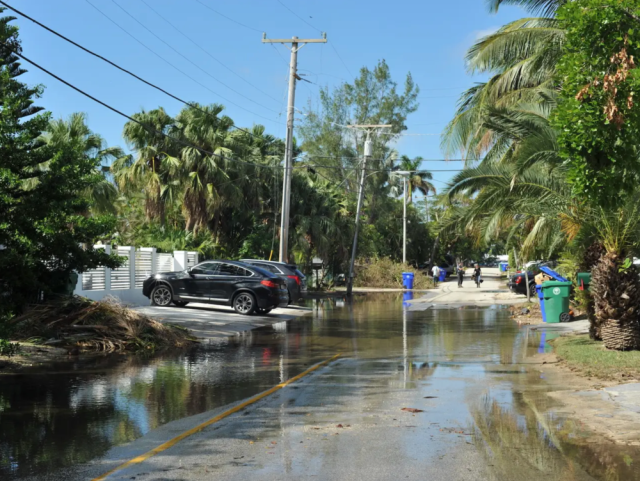




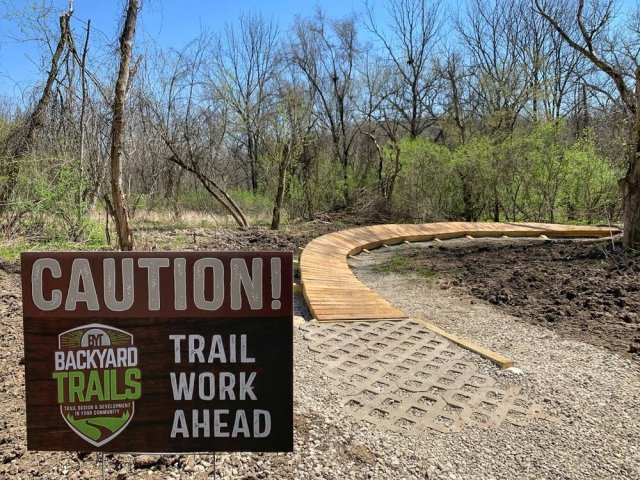
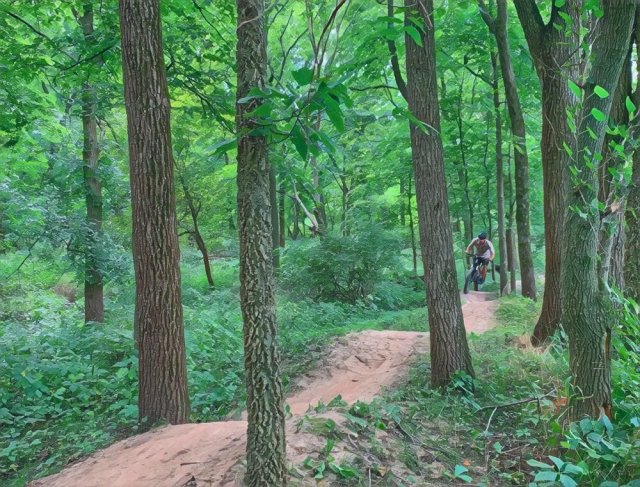

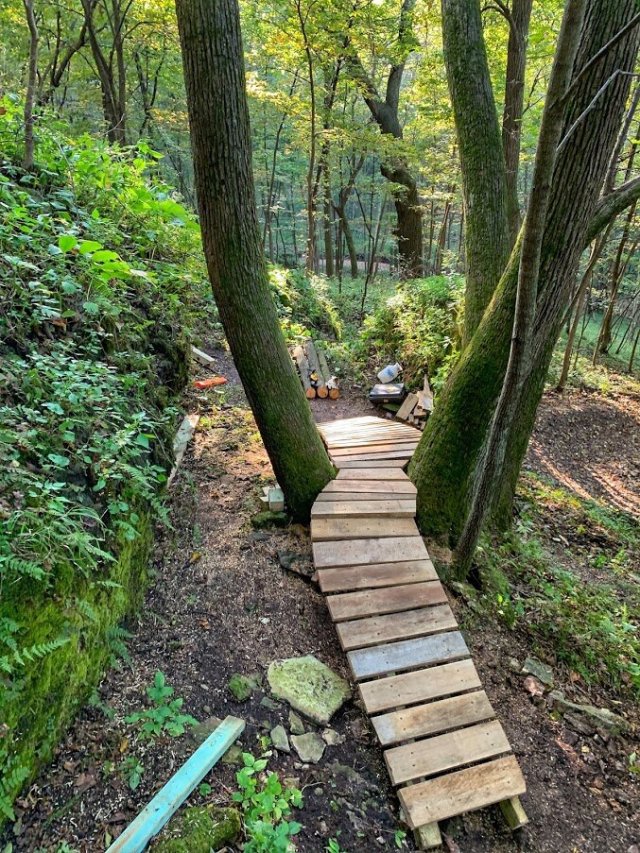
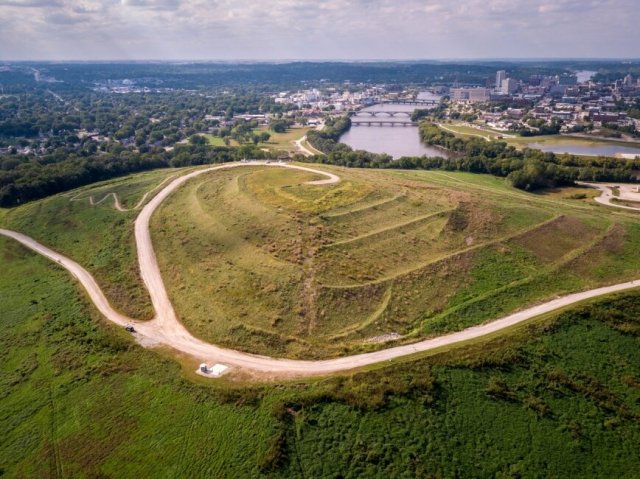
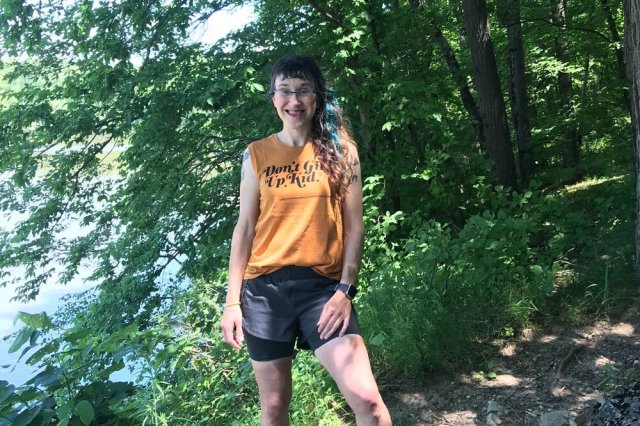
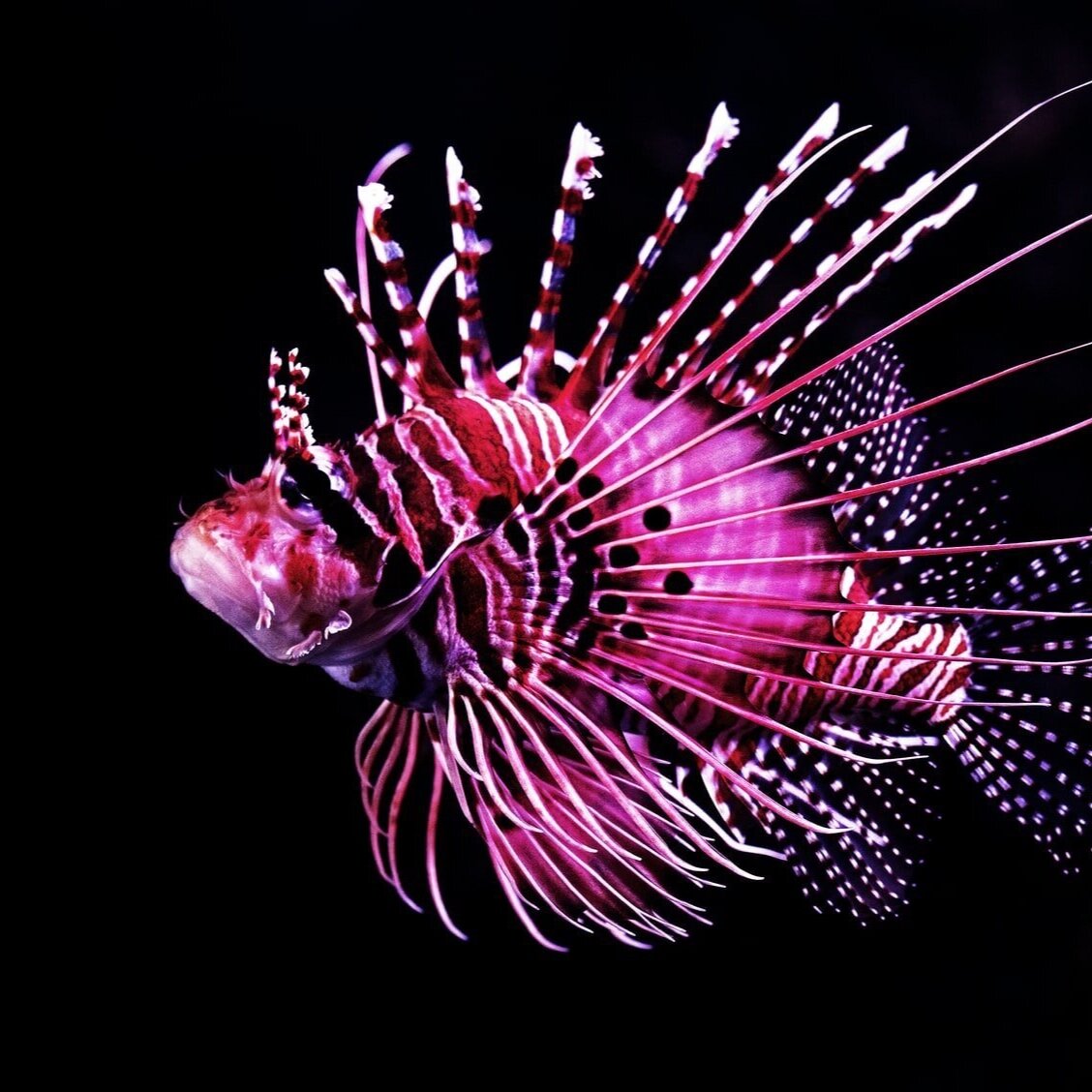





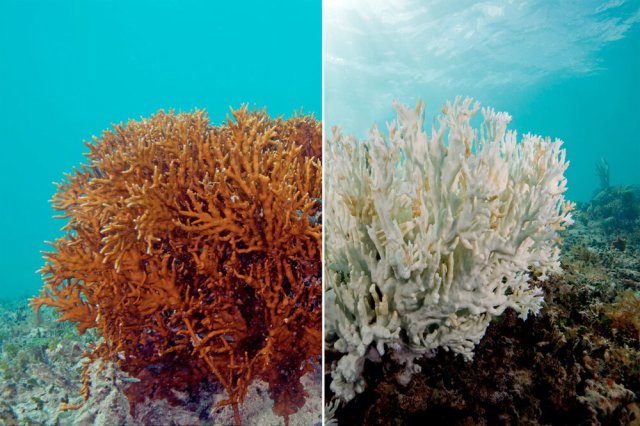
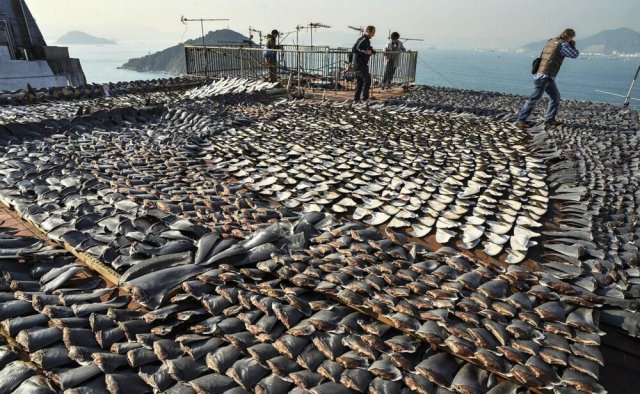
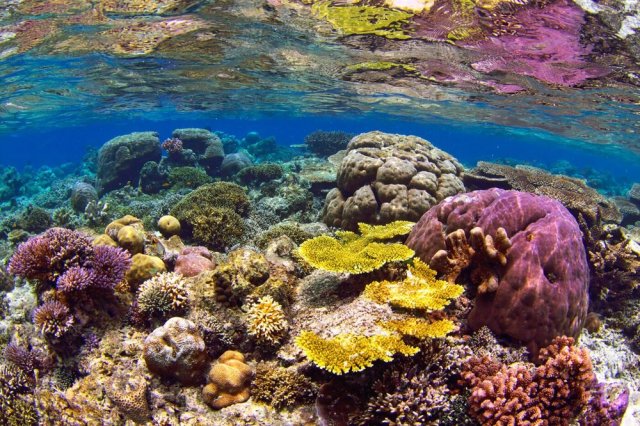
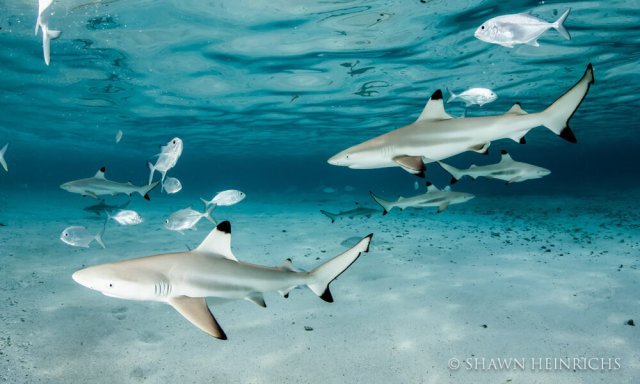
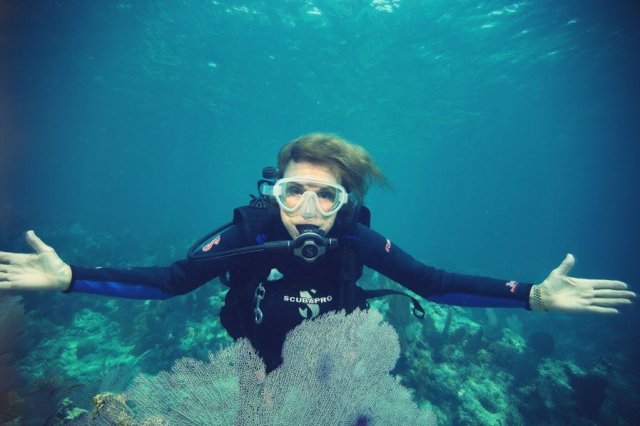


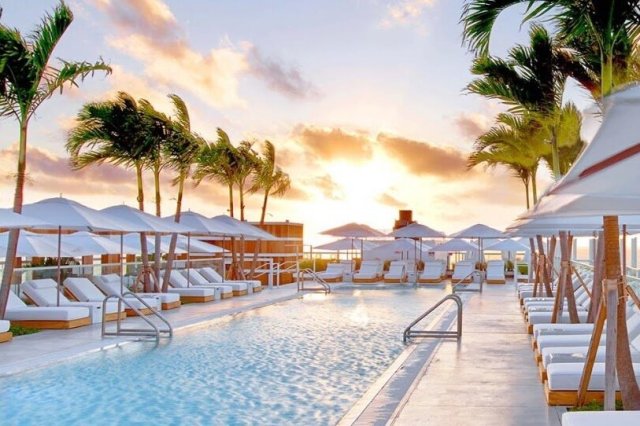
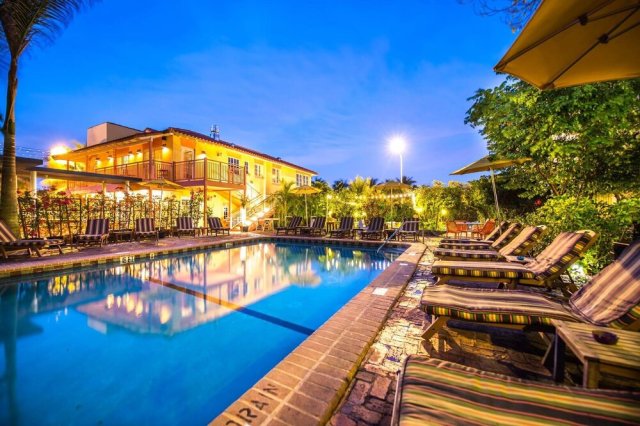

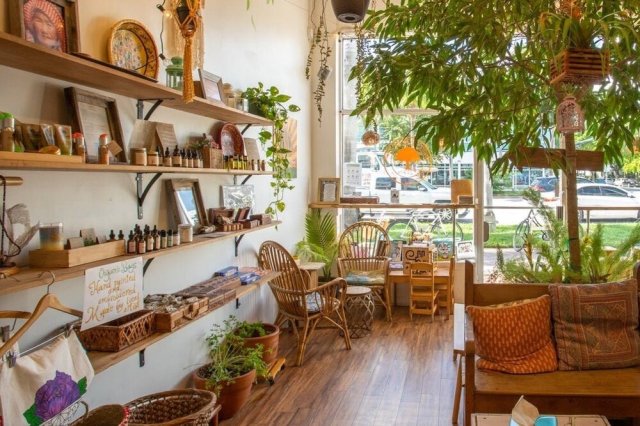
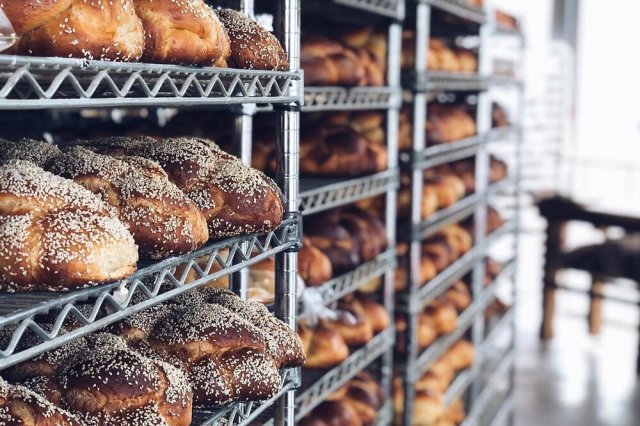
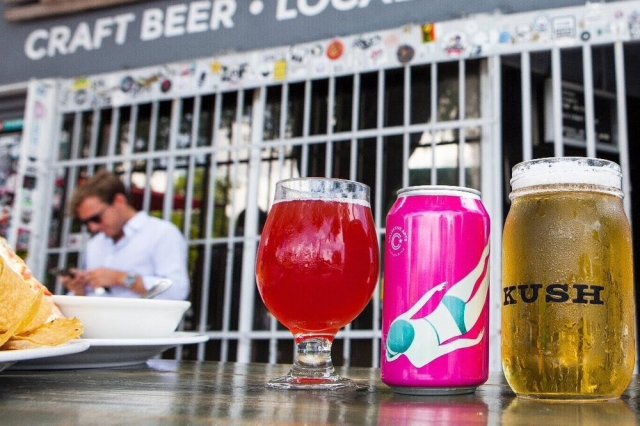
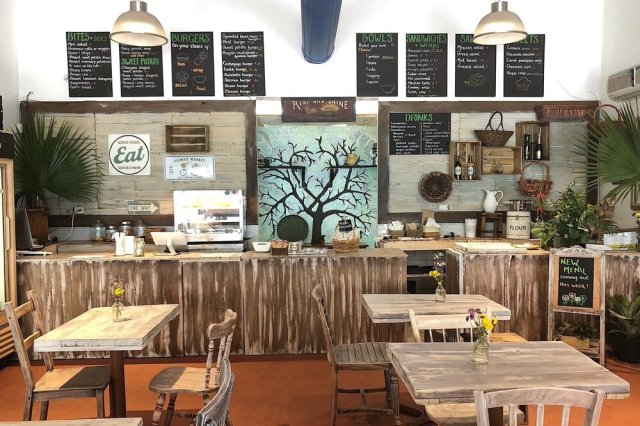

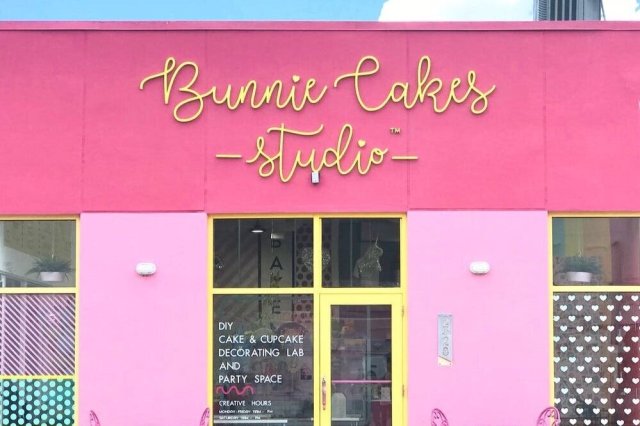
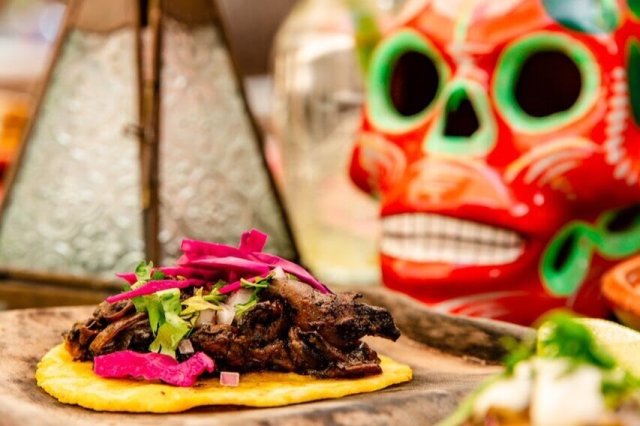
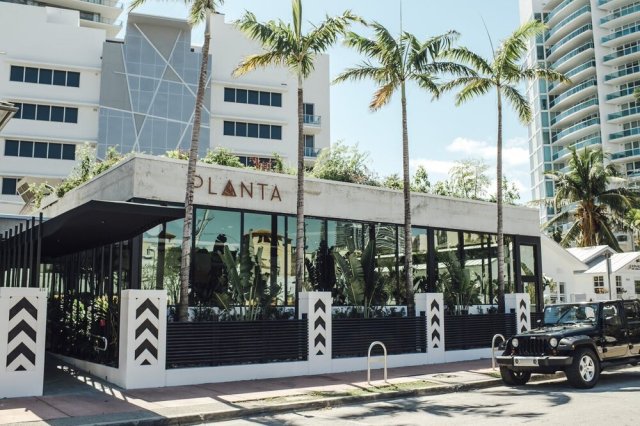



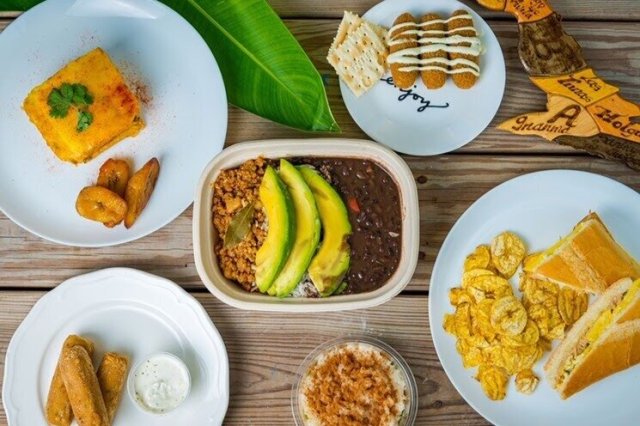
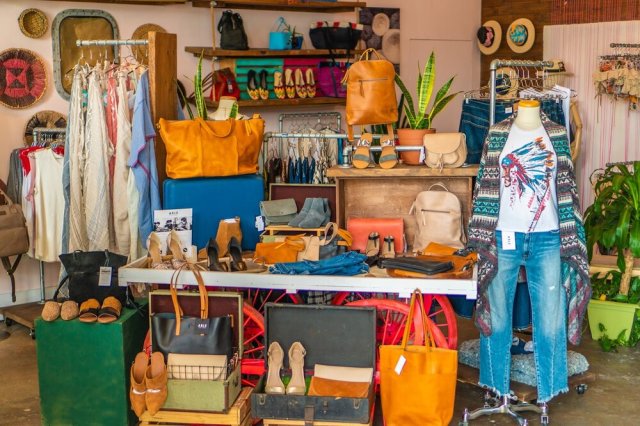

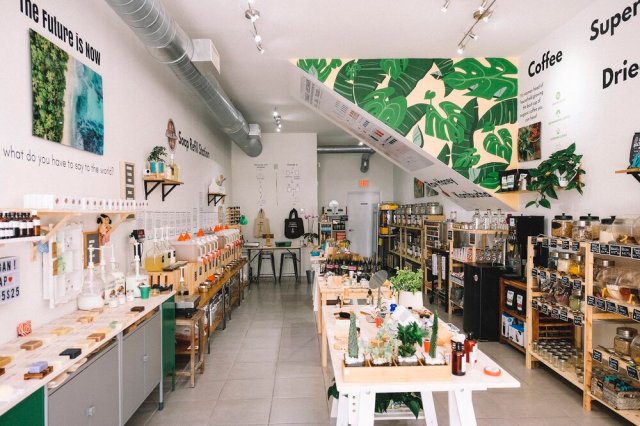
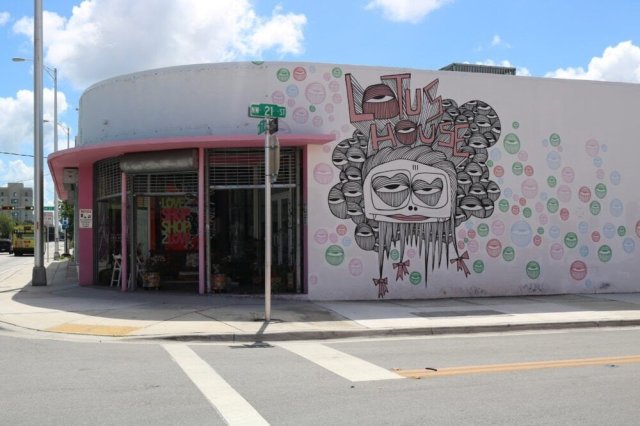
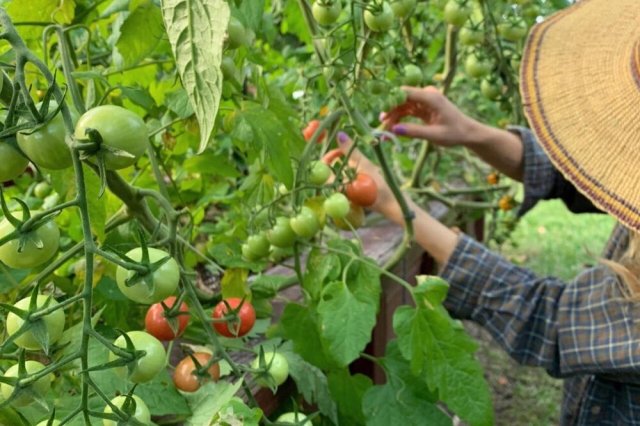
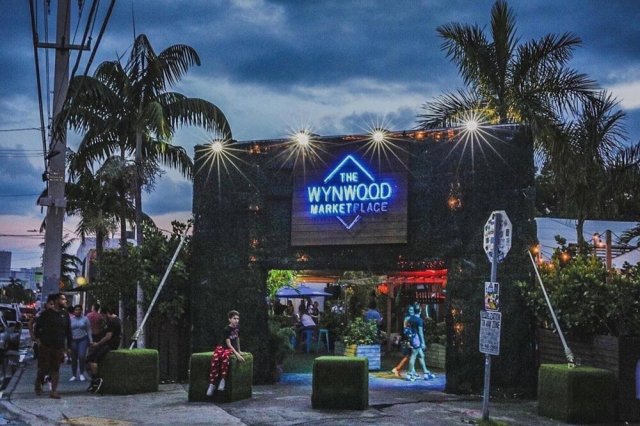
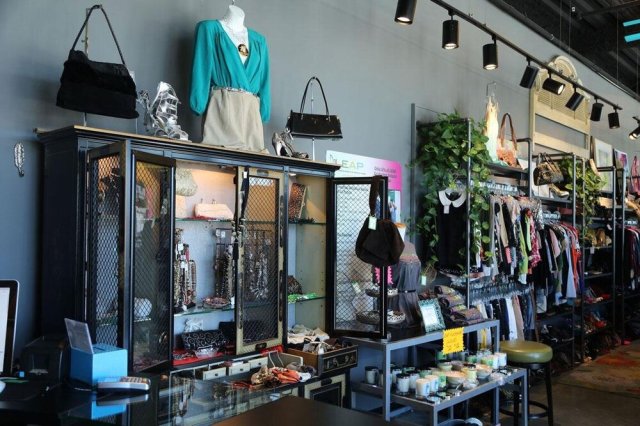

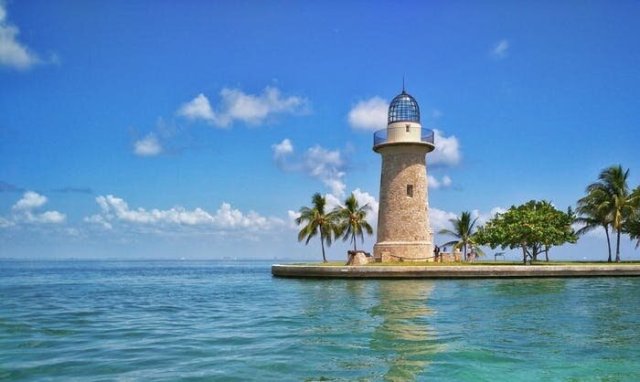
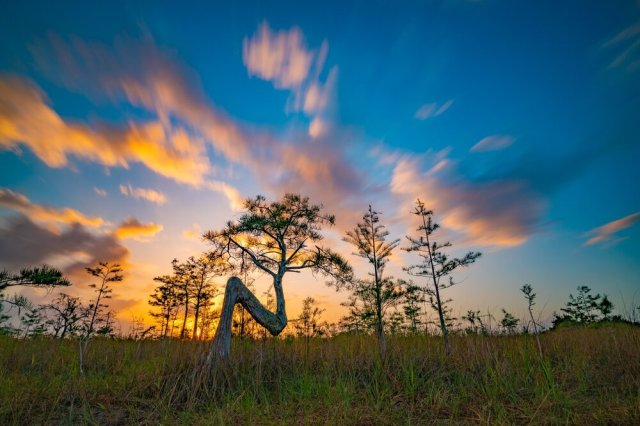
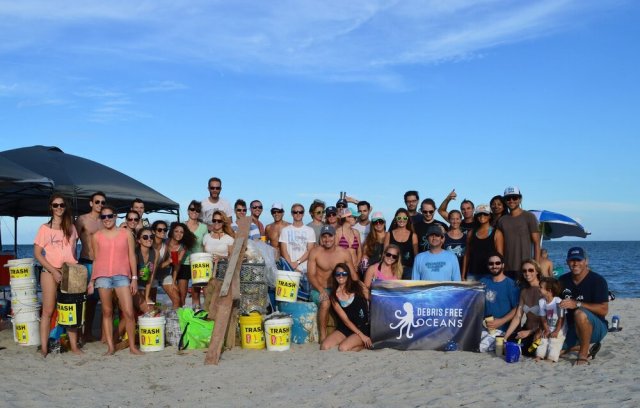
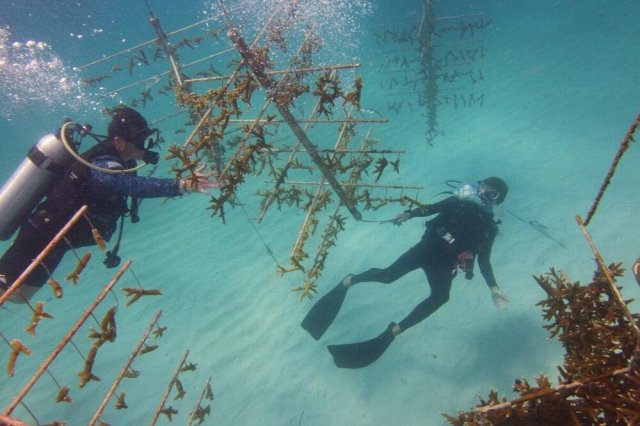
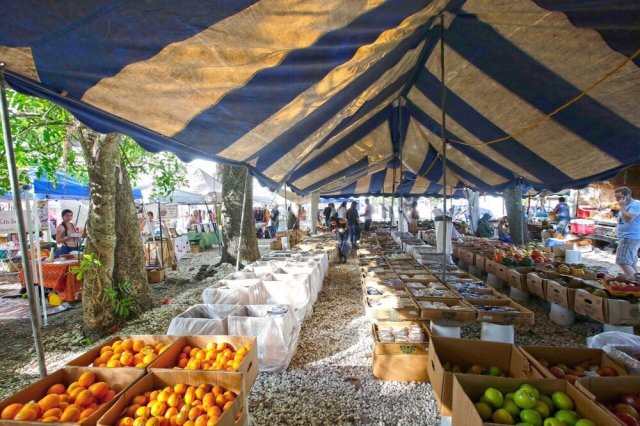
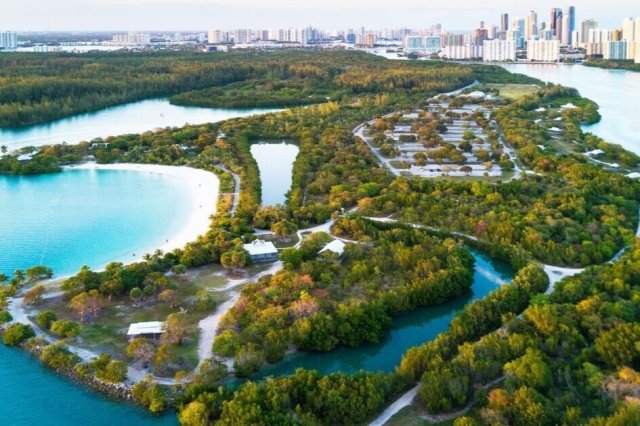
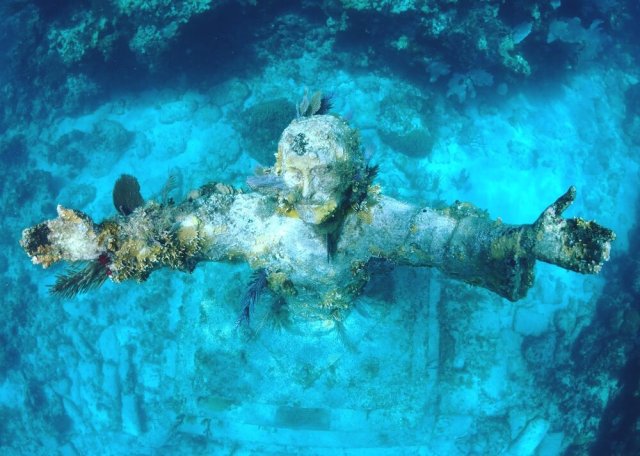
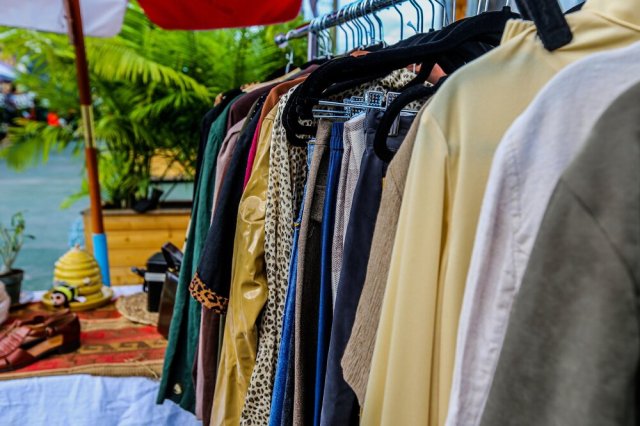
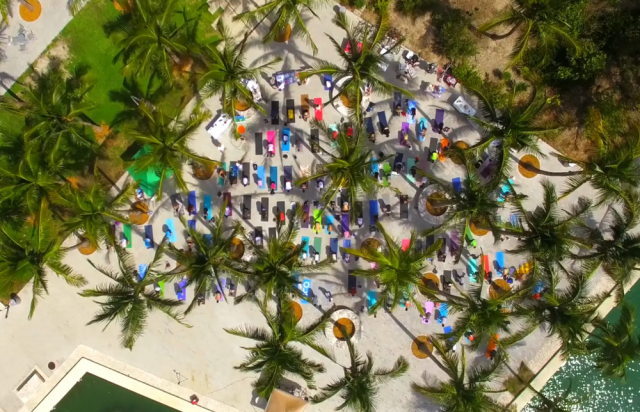
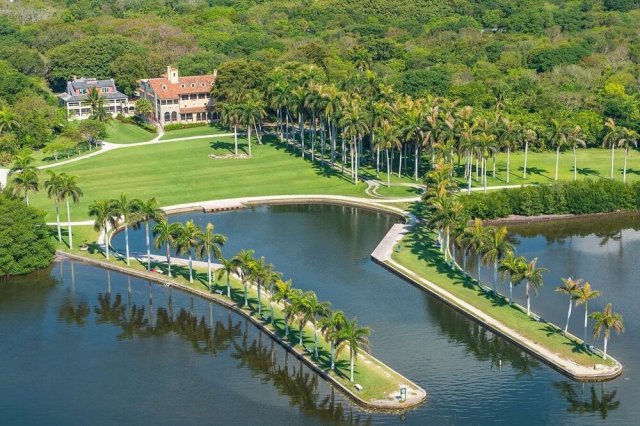
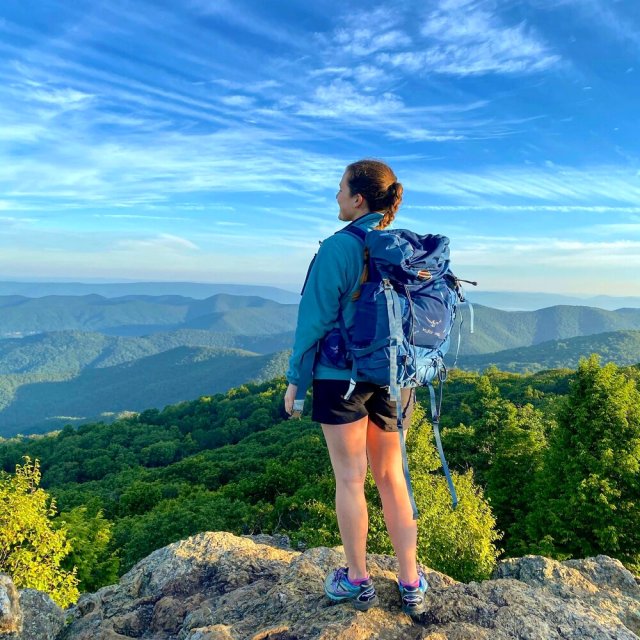
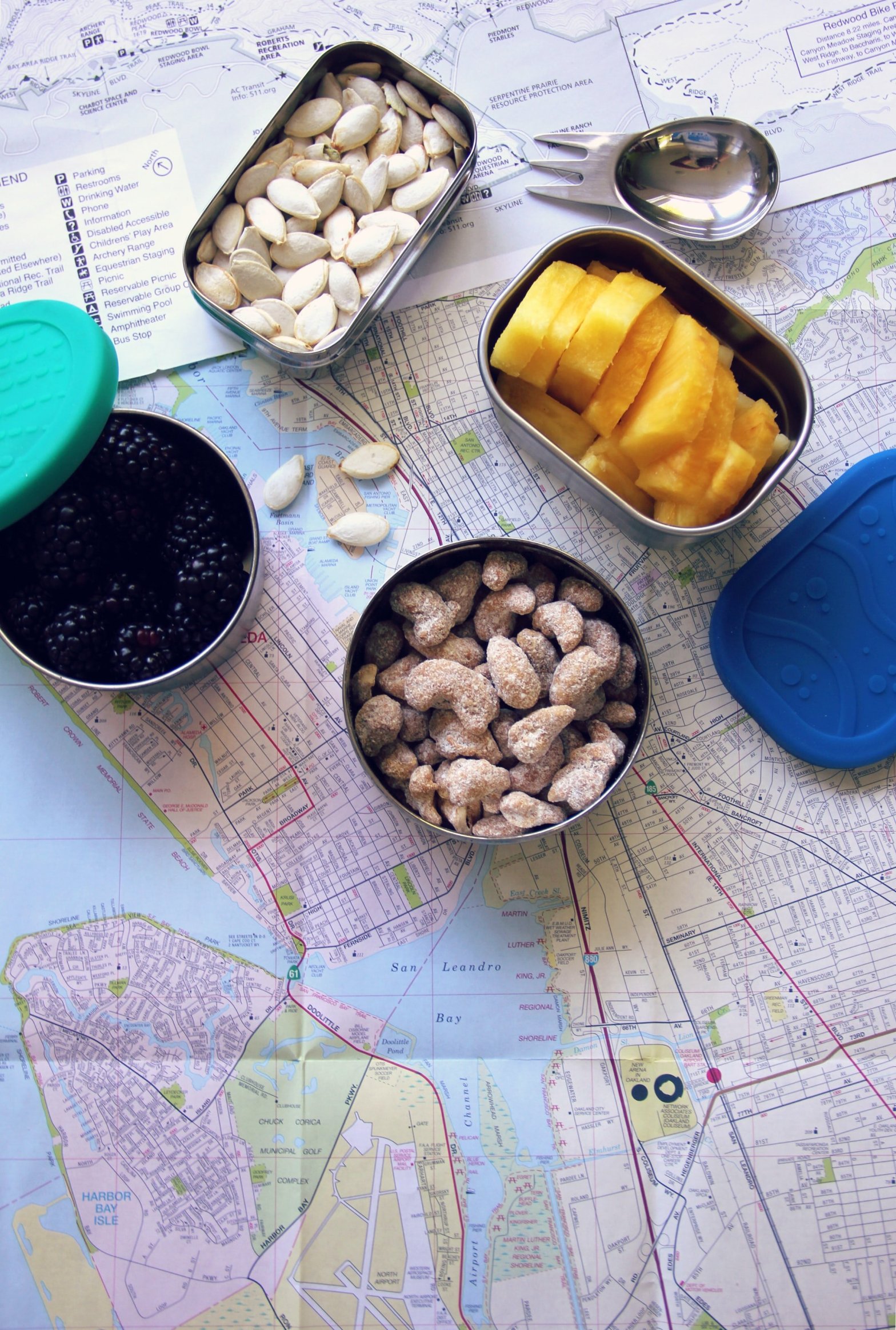

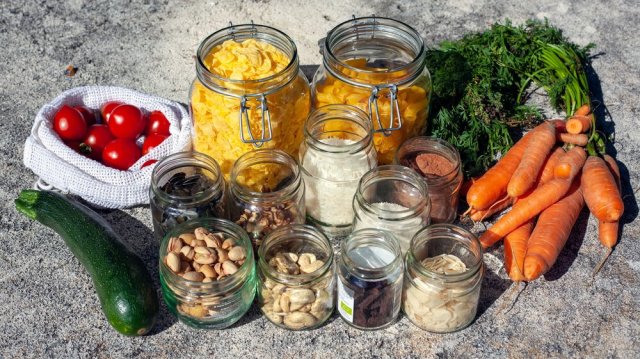
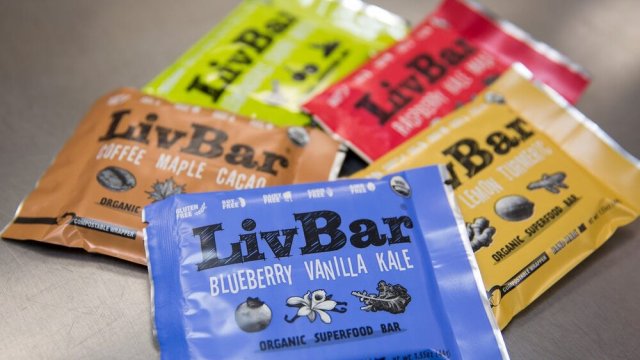
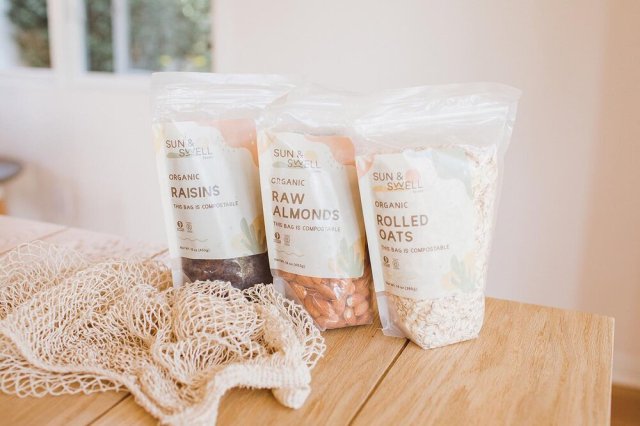
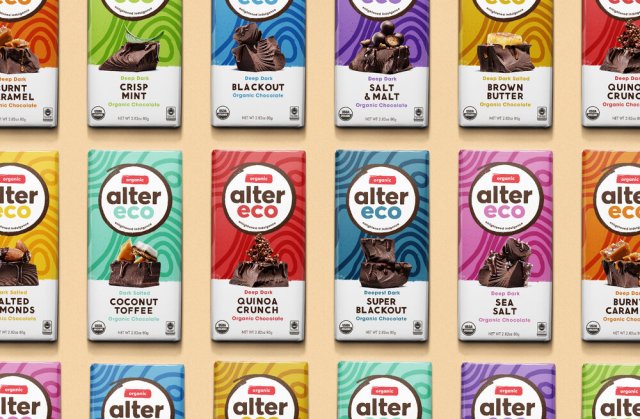

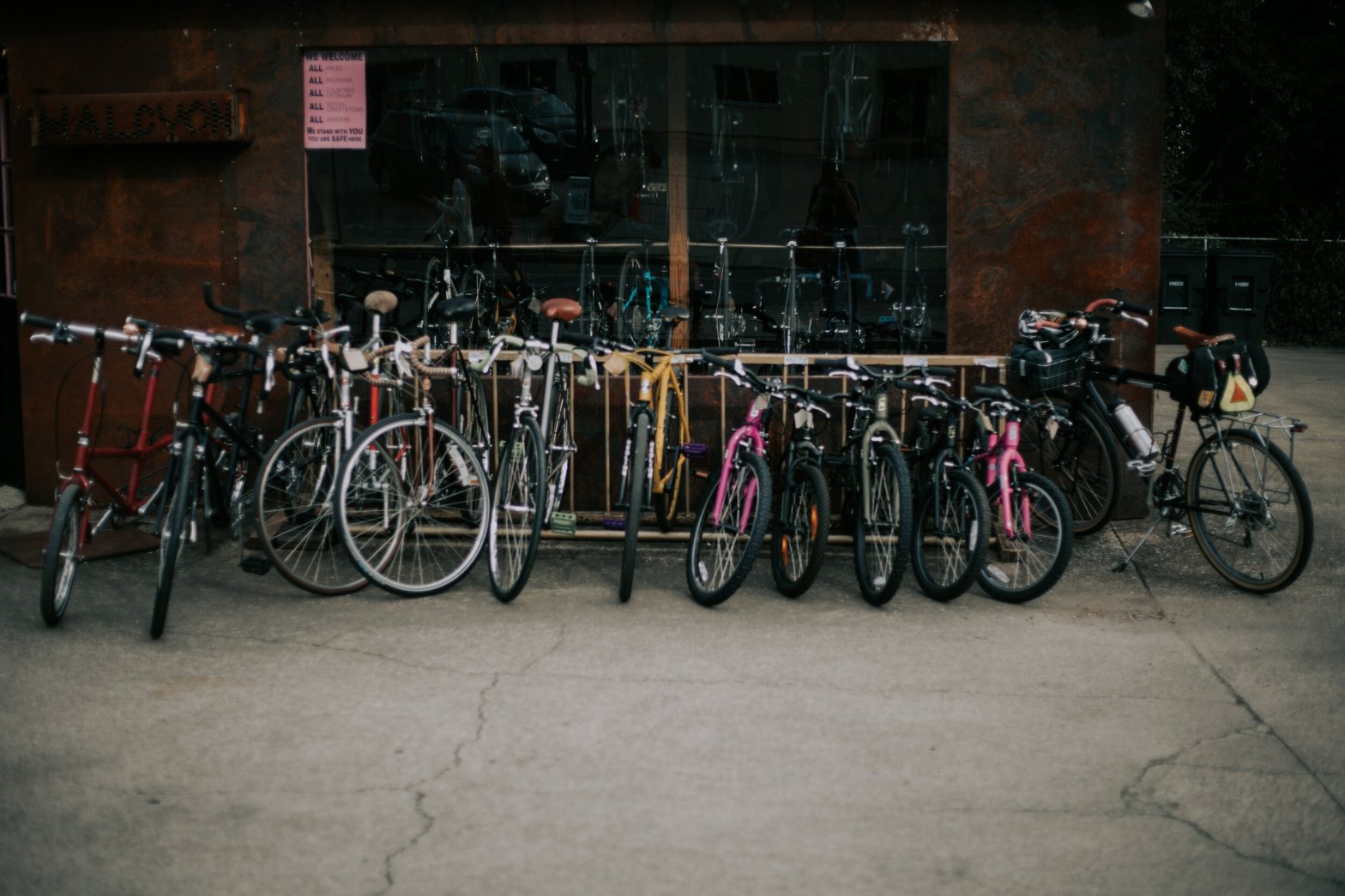



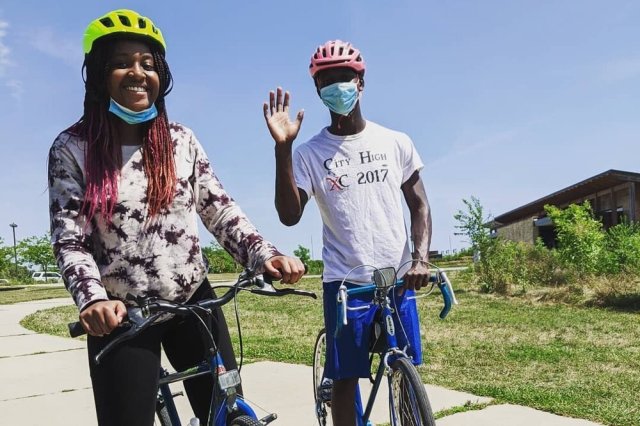













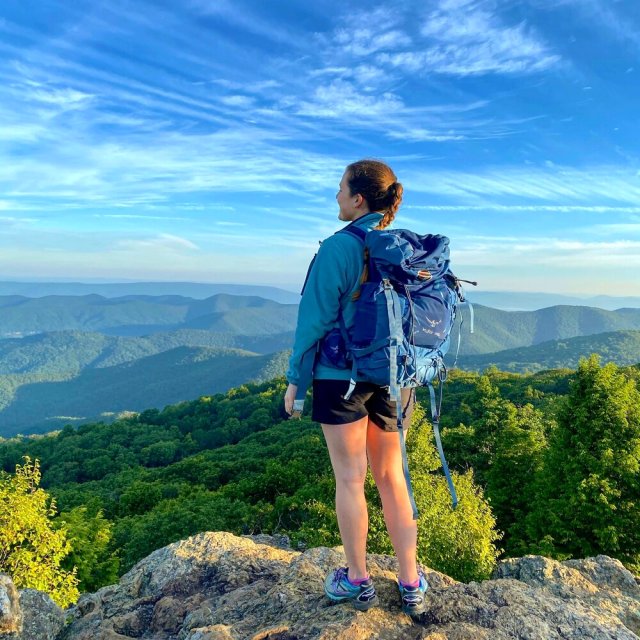
 ecomadic